






2 Michelin Stars · La Liste Top Restaurants · Macarfi 8.2 Food Rating
Our verdict
A two-Michelin-star address in Madrid's Salesas district, DSTAgE operates from a high-ceilinged industrial loft on Calle de Regueros where creative set menus fuse global ingredients with trompe l'oeil technique. Rated 90.5 points by La Liste (2025) and ranked in the Opinionated About Dining European top tier, it sits at the sharper, more experimental end of Madrid's €€€€ fine-dining bracket. Dinner service runs Tuesday through Saturday, with Friday and Saturday lunch also available.

Pearl is the En Primeur Club membership app, where members save venues, book tables and use the concierge.
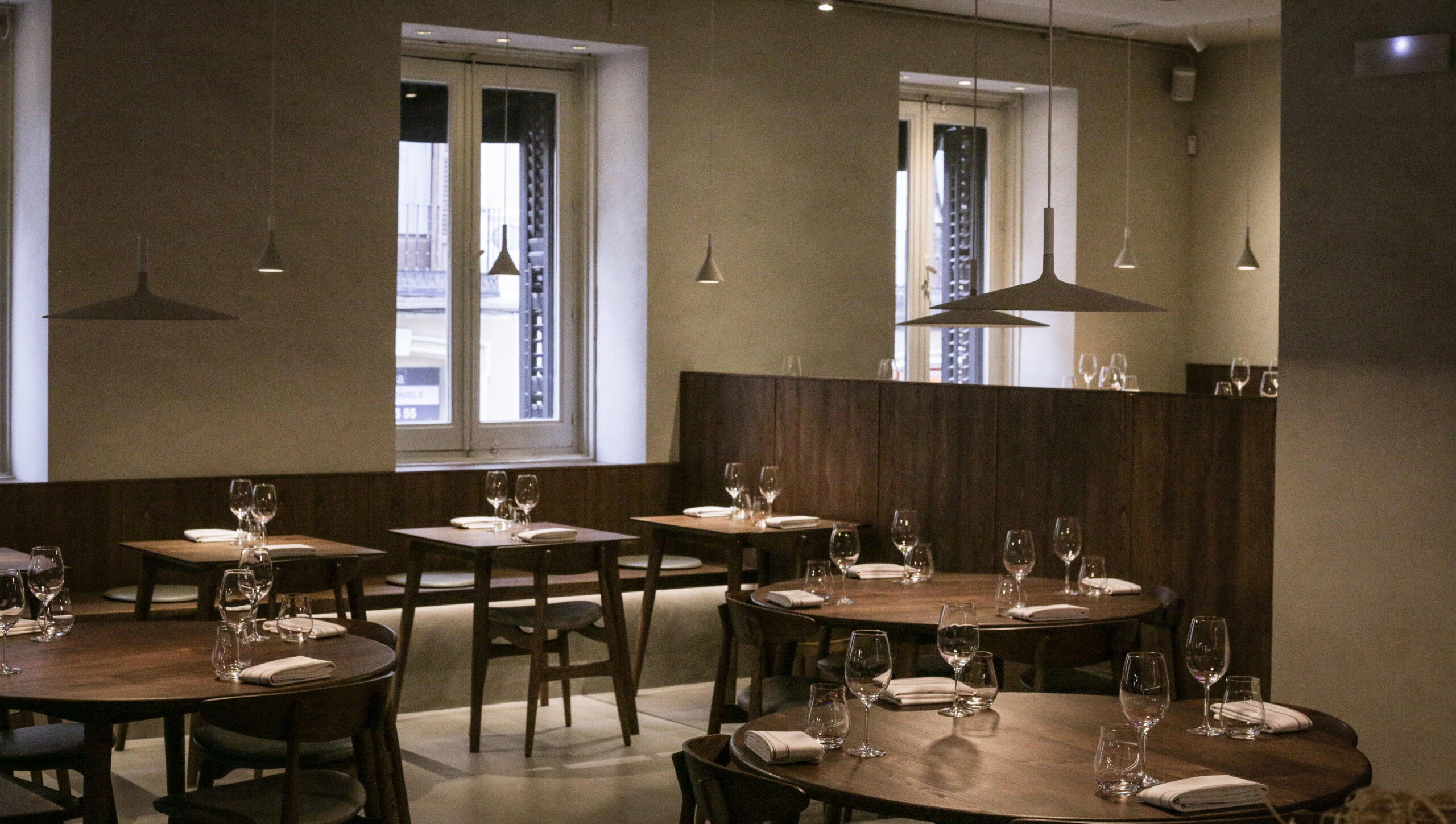
An Industrial Shell in the Salesas District
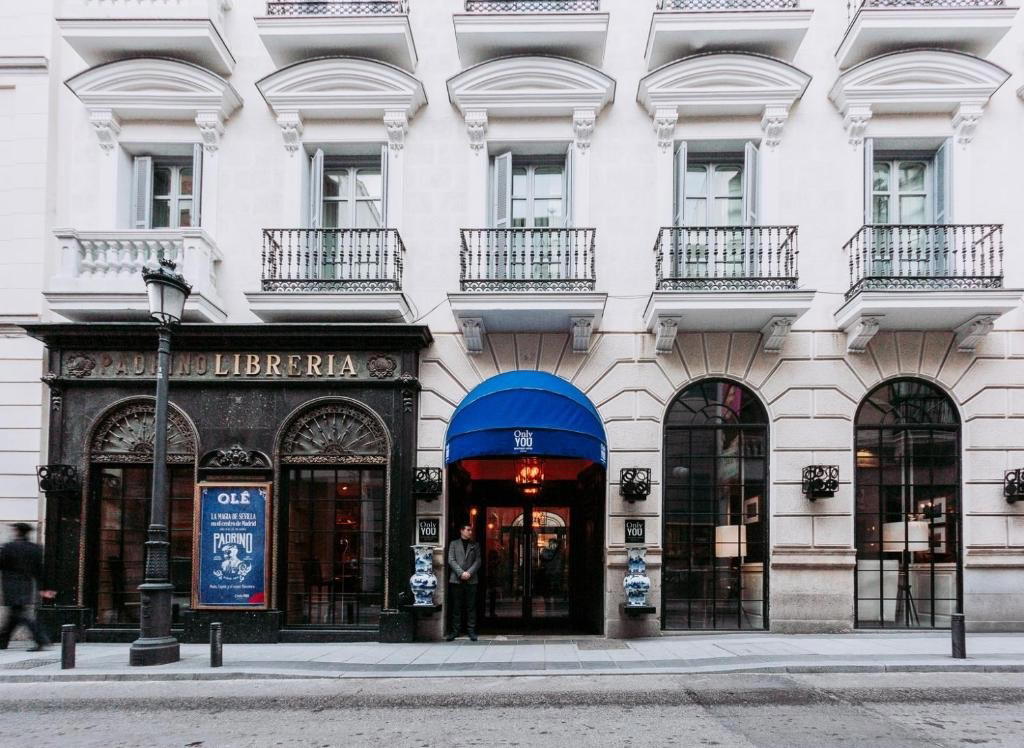
Madrid's Salesas neighbourhood has spent the past decade consolidating a reputation as the city's most design-conscious quarter, where nineteenth-century residential architecture meets independent galleries and a specific tier of destination restaurants. The street-level approach to DSTAgE on Calle de Regueros, 8, gives little away: a discreet entrance on a quiet residential block. Inside, the room opens into exposed brick walls, generous ceiling height, and a retro-inflected industrial loft aesthetic that places it in a different visual register from the tablecloth formality of Madrid's older fine-dining institutions. An internal patio breaks the space into layers, and an open-view kitchen keeps the connection between the kitchen team and the dining room visible throughout the meal. This format, where the kitchen operates as part of the theatre rather than behind a partition, has become characteristic of the more technically ambitious restaurants that opened in Madrid in the 2010s.
Where DSTAgE Sits in Madrid's Two-Star Bracket
Madrid's current €€€€ creative fine-dining tier includes several two-star addresses operating at different points on the tradition-to-experiment spectrum. DiverXO occupies the most maximalist position, with three Michelin stars and an Asian-inflected progressive format. Coque and Paco Roncero represent different readings of Spanish creative cooking at the same price tier. Deessa brings Valencian influence into a hotel context. DSTAgE, holding two Michelin stars since at least 2024, positions itself as the most conceptually free of the group, with menus that are framed explicitly around creative independence rather than regional identity or ingredient-led purity. La Liste placed it at 90.5 points in 2025, dropping marginally to 89 points in the 2026 edition, while Opinionated About Dining ranked it 330th in Europe in 2025, up from 452nd the previous year. That upward movement in a competitive European field is a more useful signal than any single year's snapshot.
For context on the broader Spanish creative fine-dining scene that DSTAgE sits within, El Celler de Can Roca in Girona, Disfrutar in Barcelona, and Arzak in San Sebastián represent the northern anchors of experimental Spanish cooking. Aponiente in El Puerto de Santa María, Quique Dacosta in Dénia, Azurmendi in Larrabetzu, Ricard Camarena in València, and Casa Marcial in Arriondas extend the map further. DSTAgE is Madrid's own contribution to that generation of restaurants defined less by regional product and more by the chef's declared conceptual programme.
The Menu Architecture and the Role of Craft Technique
Three set menus structure the experience: Dtaste, Dstage, and Denjoy. This tiered format is common across Spain's leading creative tables, where the shortest menu gives access to the kitchen's language and the longest is the full statement. What distinguishes the DSTAgE approach, according to La Liste's assessment, is a deliberate use of trompe l'oeil effects and global ingredient fusion as the central organising idea, rather than terroir or product sourcing as the lead narrative. Dishes are designed to surprise the eye before the palate processes them, which places the kitchen in a tradition of Spanish conceptual cooking that runs from the Adrià era forward.
It is worth noting how this connects to Spain's deeper relationship with craft and transformation in food. Ibérico ham, the most celebrated product in the Spanish larder, represents one of the world's most patient curing traditions: a single jamón ibérico de bellota can spend between 36 and 48 months in a controlled drying environment before it reaches the table. The craft logic of that process, where time, environment, and technique produce something that raw ingredient alone cannot, runs through Spanish fine dining more broadly. At DSTAgE, the application of that craft logic shifts from the curing room to the kitchen: the same principle of transforming base materials through controlled technique into something with visual and textural complexity. Where a cortador presents a whole leg and works against the grain to produce translucent petals of fat-marbled ham, the DSTAgE kitchen uses contemporary technique to produce transformations that register as equally deliberate and considered. Both traditions share the premise that the process is inseparable from the result.
Wine pairing is available across the menus and, based on the La Liste commentary, represents the more complete way to experience the kitchen's intentions. Spain's wine identity has diversified considerably over the past two decades, and a pairing programme at a restaurant in this bracket typically draws on that expanded map: Ribera del Duero and Rioja for structure, Galicia's Rías Baixas for acidity, and the emerging natural and low-intervention producers that have found a home in Spain's creative restaurant circuit. See our full Madrid wineries guide for the regional context.
The Research Extension: DSPOT
Adjacent to the main restaurant, DSPOT Studio and Events operates as a dedicated space for creative development, research, and private programming. This kind of laboratory-adjacent structure has become common at restaurants where the main dining room functions as the public output of a broader creative process. It also serves a practical function: it allows the kitchen to develop new directions without those experiments reaching the main menu before they are resolved. For private groups and events, DSPOT represents an access point to the kitchen's work at a different scale and format from the standard booking.
Planning a Booking at DSTAgE Madrid
DSTAgE operates Tuesday through Thursday with a single evening sitting (8:30 to 9:30 pm entry), and Friday and Saturday with both a lunch sitting (1:30 to 3:00 pm) and the evening sitting. Sunday and Monday are closed. The restaurant closes from December 24 through January 6 and from August 6 through August 25, so any planning around the holiday period or high summer needs to account for those windows. The Salesas location, at Calle de Regueros 8 in the 28004 postcode, is accessible from the central Metro network. For comparison within Madrid's accessible creative tier, Triciclo represents a lower price point with strong creative credentials in the same neighbourhood cluster. See our full Madrid restaurants guide for the complete picture across price tiers, and our full Madrid hotels guide, our full Madrid bars guide, and our full Madrid experiences guide for the broader visit.
Frequently asked questions
What is the atmosphere like at DSTAgE?
What should I order at DSTAgE?
Price and Positioning
| Venue | Cuisine | Price | Awards | Notes |
|---|---|---|---|---|
| DSTAgEThis venue (the venue you are viewing) | Avant-Garde Spanish Tasting Menus | $200–300 | 2 Michelin Stars · La Liste Top Restaurants | Not listed |
| DiverXO | Avant-Garde Spanish Tasting Menu | $300–500 | 3 Michelin Stars · World's 50 Best #4 | Progressive - Asian, Creative |
| Deessa | Modern Valencian Fine Dining | $150–200 | 2 Michelin Stars · La Liste Top Restaurants | Modern Spanish, Creative |
| Smoked Room | Modern Japanese Fire Omakase | $200–300 | 2 Michelin Stars · La Liste Top Restaurants | Progressive Asador, Contemporary |
| Coque | Modern Spanish Fine Dining | $300–500 | 2 Michelin Stars · La Liste Top Restaurants | Spanish, Creative |
| Paco Roncero | Avant-Garde Spanish Fine Dining | $150–200 | 2 Michelin Stars · La Liste Top Restaurants | Creative |
Recognition history
Dated appearances from independent guides and award organizations, with the underlying list record or original source where available.
Michelin 2 Stars
Michelin
La Liste Top Restaurants
La Liste
Guía Repsol 3 Soles
Guía Repsol
Macarfi 8.2 Food Rating
Macarfi
Opinionated About Dining Top Restaurants in Europe Recommended
Opinionated About Dining
Full recognition history (13 entries)
La Liste Top Restaurants
La Liste
Michelin 2 Stars
Michelin
Opinionated About Dining Top Restaurants in Europe Ranked #330
Opinionated About Dining
The Best Chef Three Knives
The Best Chef
We're Smart World 3 Radishes
We're Smart World
Michelin 2 Stars
Michelin
Opinionated About Dining Top Restaurants in Europe Ranked #452
Opinionated About Dining
Opinionated About Dining Top New Restaurants in Europe Recommended
Opinionated About Dining
Continue exploring
More in Madrid
Restaurants in Madrid
All restaurants in Madrid →
Bars in Madrid
All bars in Madrid →

Details
- Modern
- Trendy
- Industrial
- Sophisticated
- Elegant
- Special Occasion
- Celebration
- Date Night
- Business Dinner
- Open Kitchen
- Extensive Wine List
- Zero Waste
- Tasting Menu
- Vegetarian Friendly
- Gluten Free Options
- Vegan Options
Current opening hours
- Monday
- Closed
- Tuesday
- 8:30–9:30 PM
- Wednesday
- 8:30–9:30 PM
- Thursday
- 8:30–9:30 PM
- Friday
- 1:30–3 PM, 8:30–9:30 PM
- Saturday
- 1:30–3 PM, 8:30–9:30 PM
- Sunday
- Closed
Hours can change for holidays and private events. Hours as of .
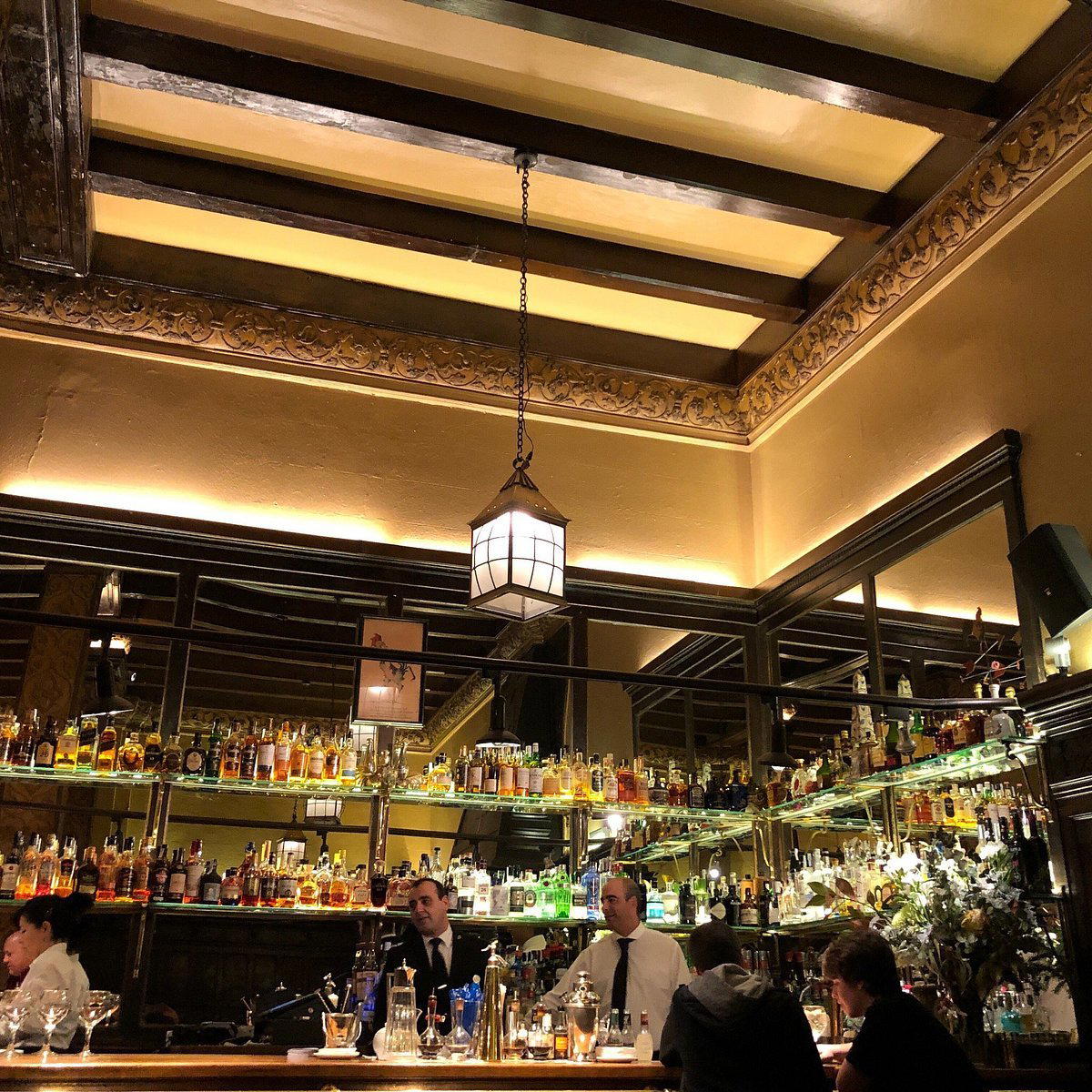
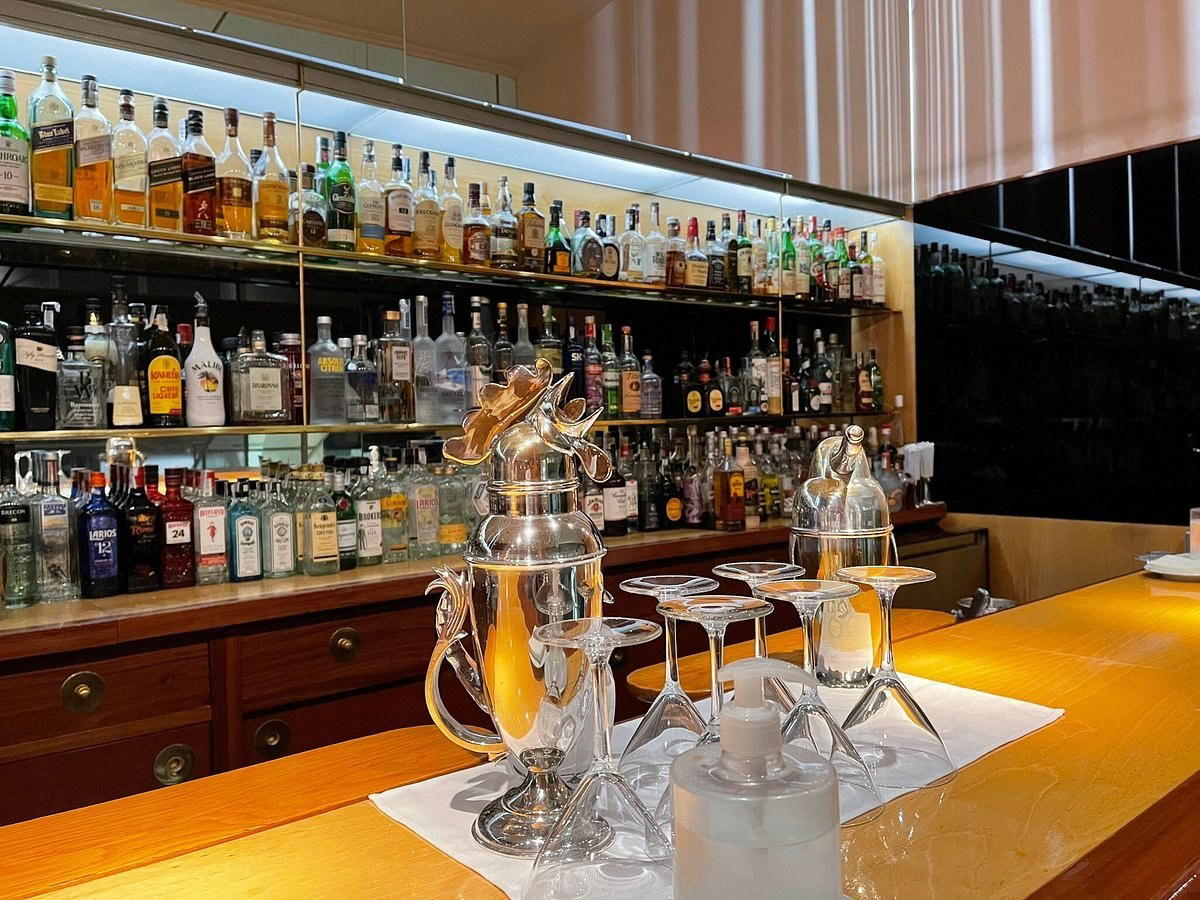
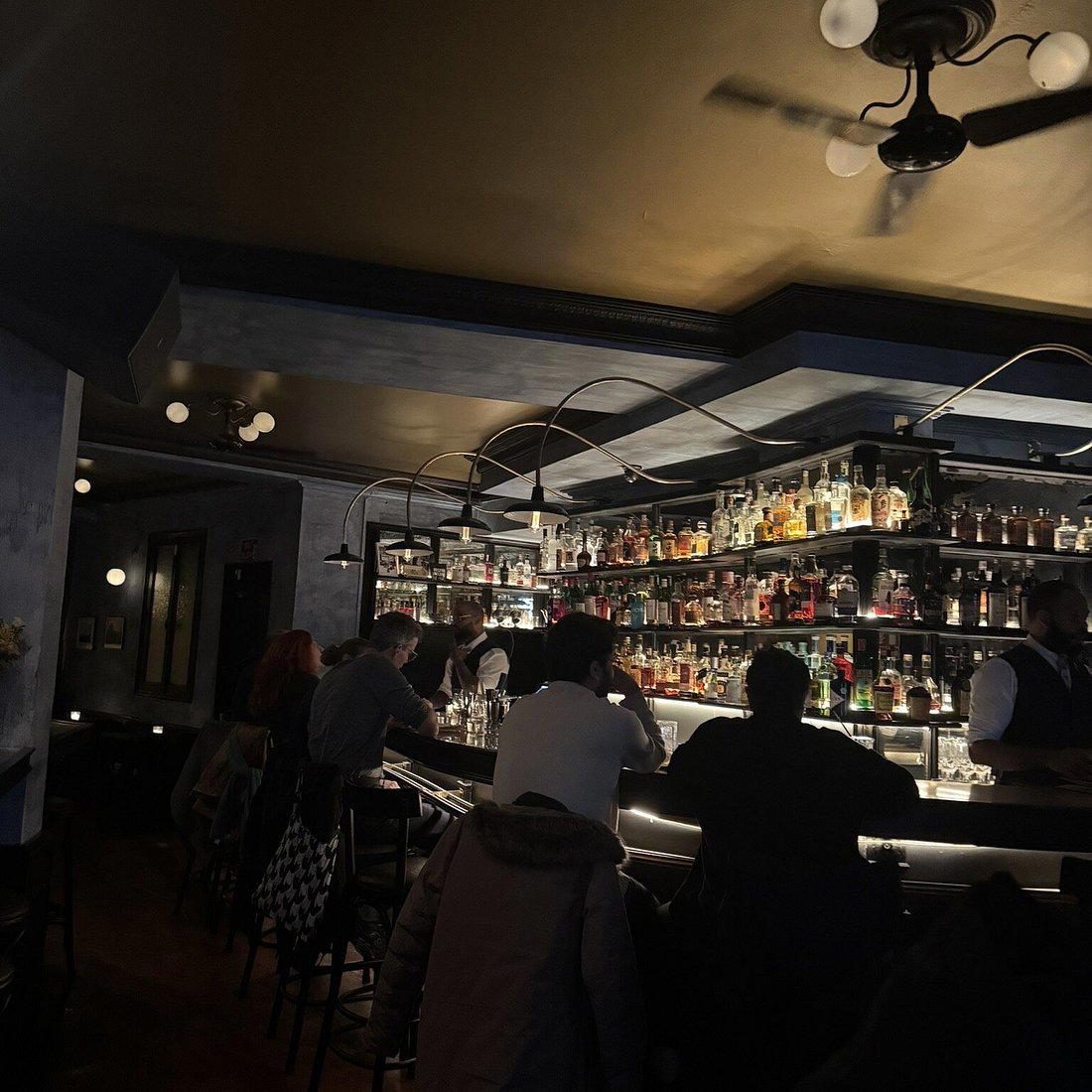
Industrial-chic loft with exposed brick, retro design, high ceilings, internal patio, and open kitchen fostering a relaxed yet refined atmosphere.