2 Michelin Stars · La Liste Top Restaurants · Star Wine List
Our verdict
Deessa holds two Michelin stars inside the Alfonso XIII salon of Madrid's Mandarin Oriental Ritz, operating under the creative direction of Quique Dacosta with resident head chef Guillermo Chávez. Two tasting menus connect Mediterranean and Extremadura flavours to Dacosta's three-star Dénia kitchen. Ranked 83rd in Europe by Opinionated About Dining in 2025, it is among the most formally ambitious tables in Madrid's fine-dining tier.

Pearl is the En Primeur Club membership app, where members save venues, book tables and use the concierge.
The menu
What to order
- Gamba Roja de Dénia
- Crema Brûlée de Cebolla Asada
- Arroz Cremoso de Calamaritos
A Room That Sets the Stakes
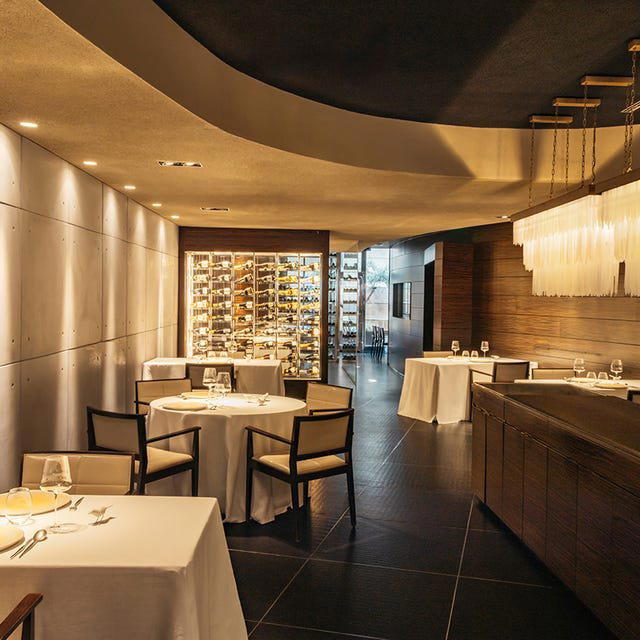
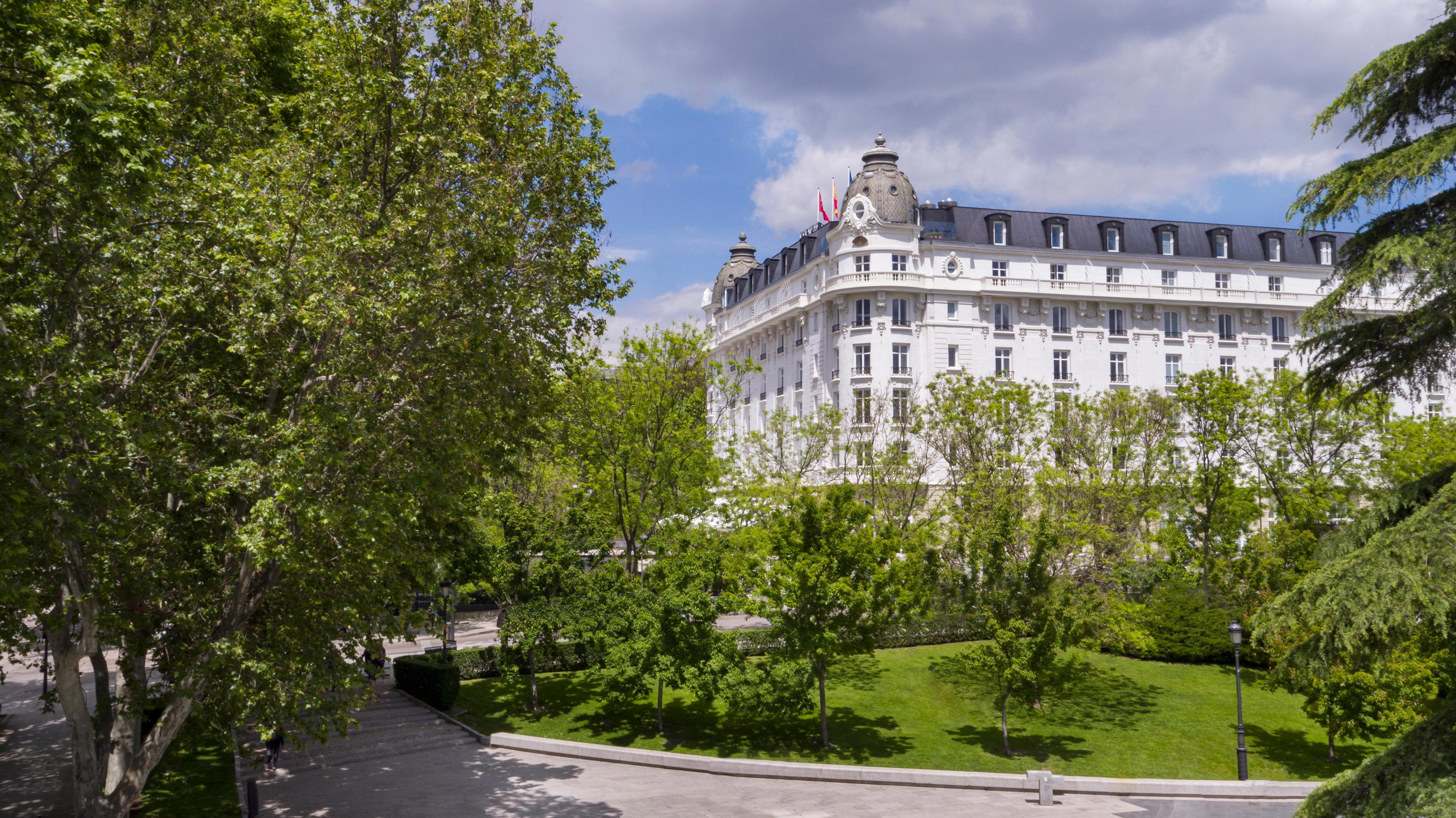
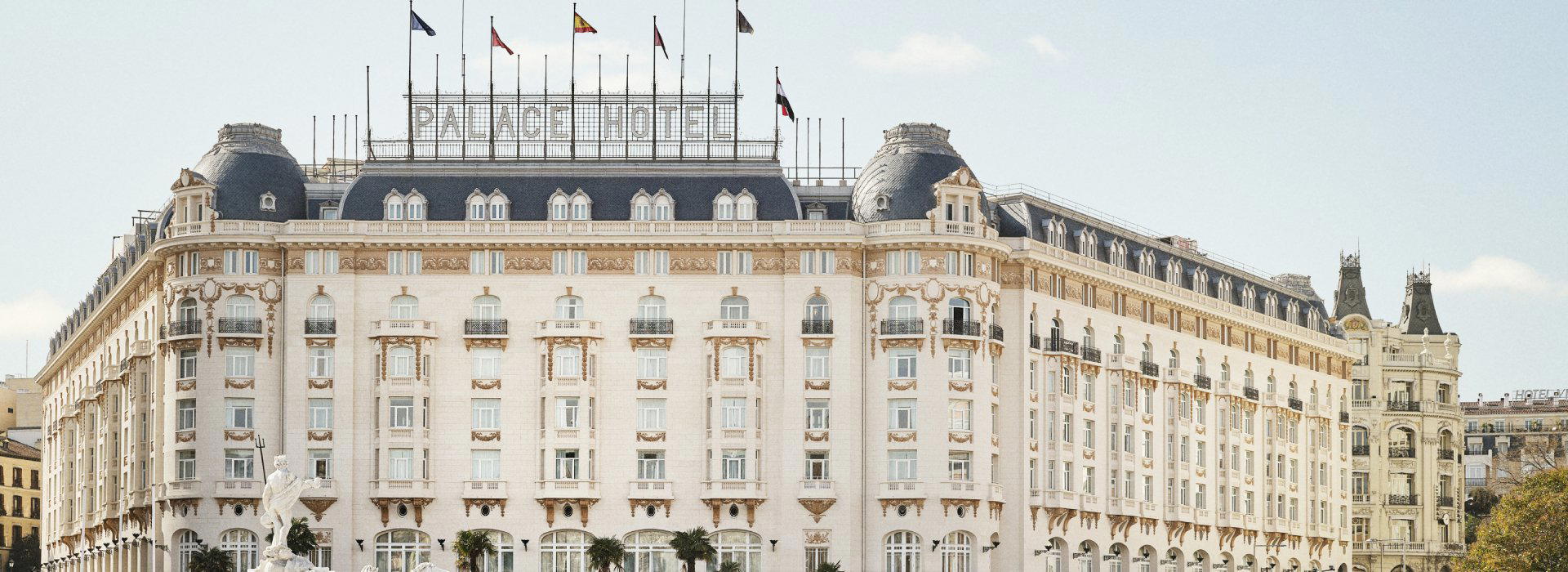
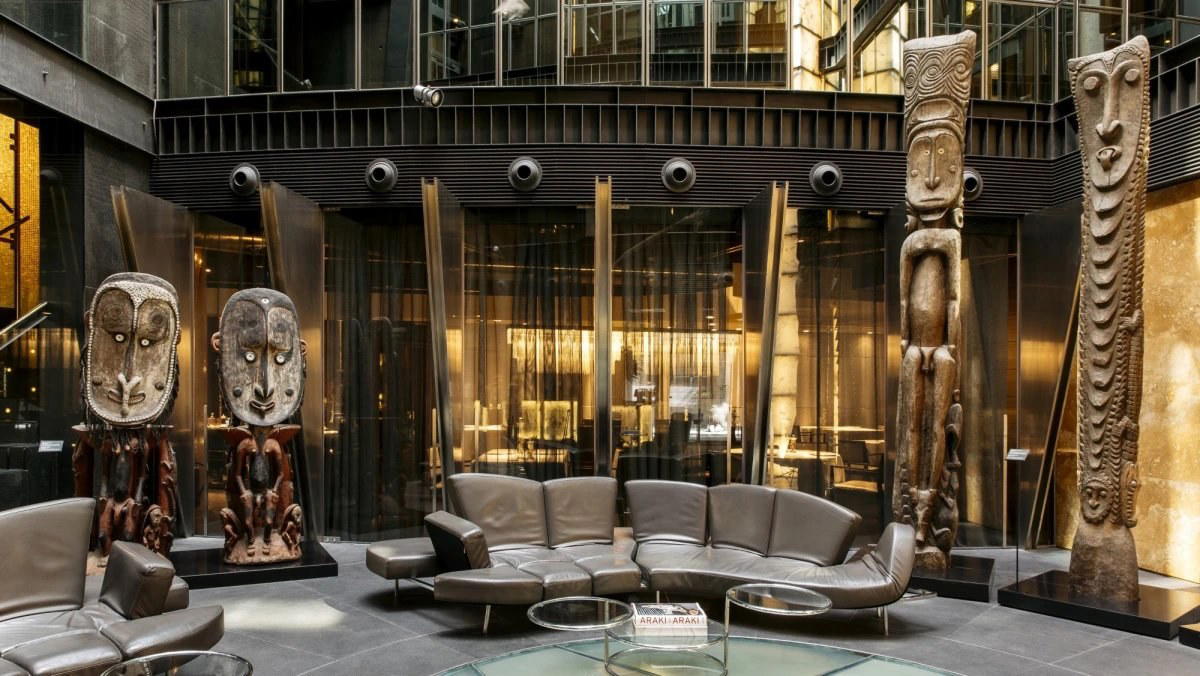
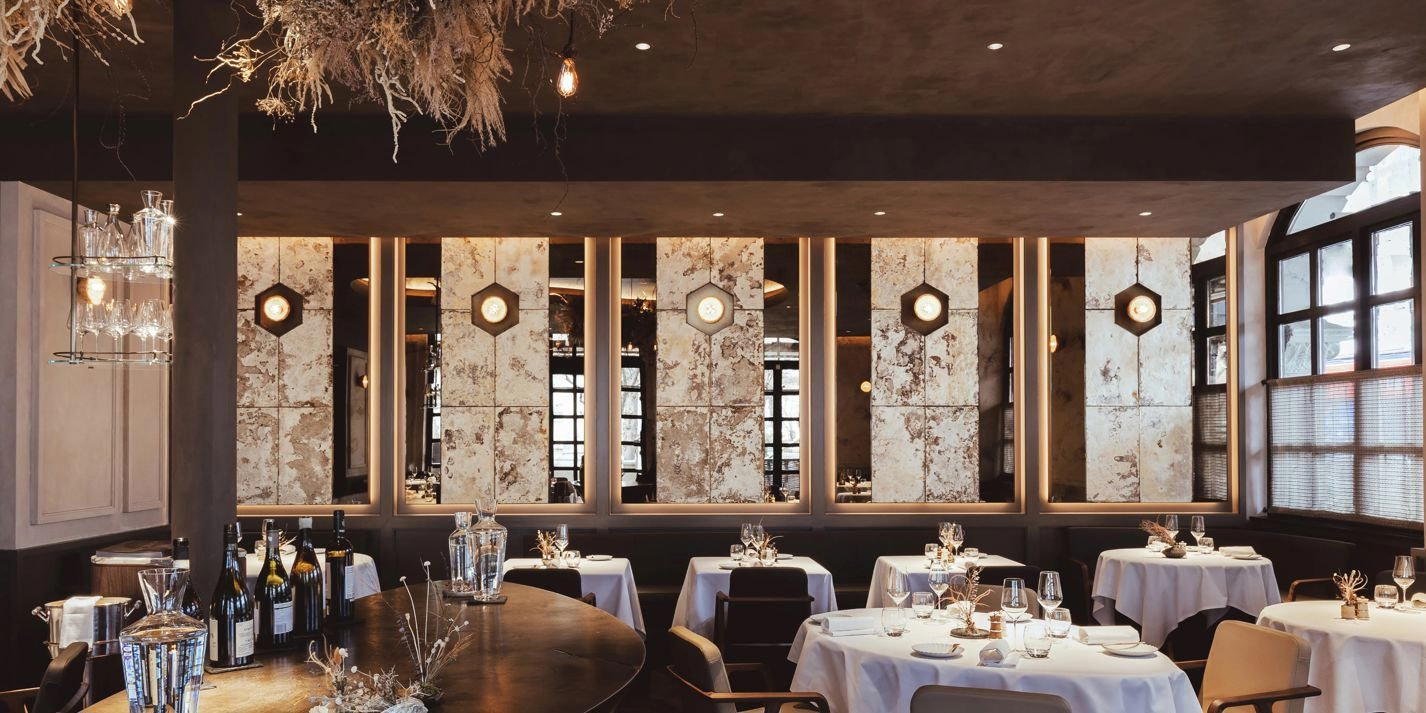
Madrid's top-tier fine dining operates across two distinct physical registers: dedicated standalone restaurants built around a single creative voice, and grand hotel dining rooms where the architecture itself is part of the offer. Deessa belongs firmly to the second category. The Alfonso XIII salon of the Mandarin Oriental Ritz, a room of gilded ceilings, garden-facing windows, and proportions that recall the hotel's 1910 origins, provides a backdrop that most purpose-built restaurants cannot manufacture. The effect is not merely decorative. Dining in a room of this scale and history changes the pace of a meal, slowing service into something more ceremonial and shifting the guest's posture, literally and figuratively, toward attention.
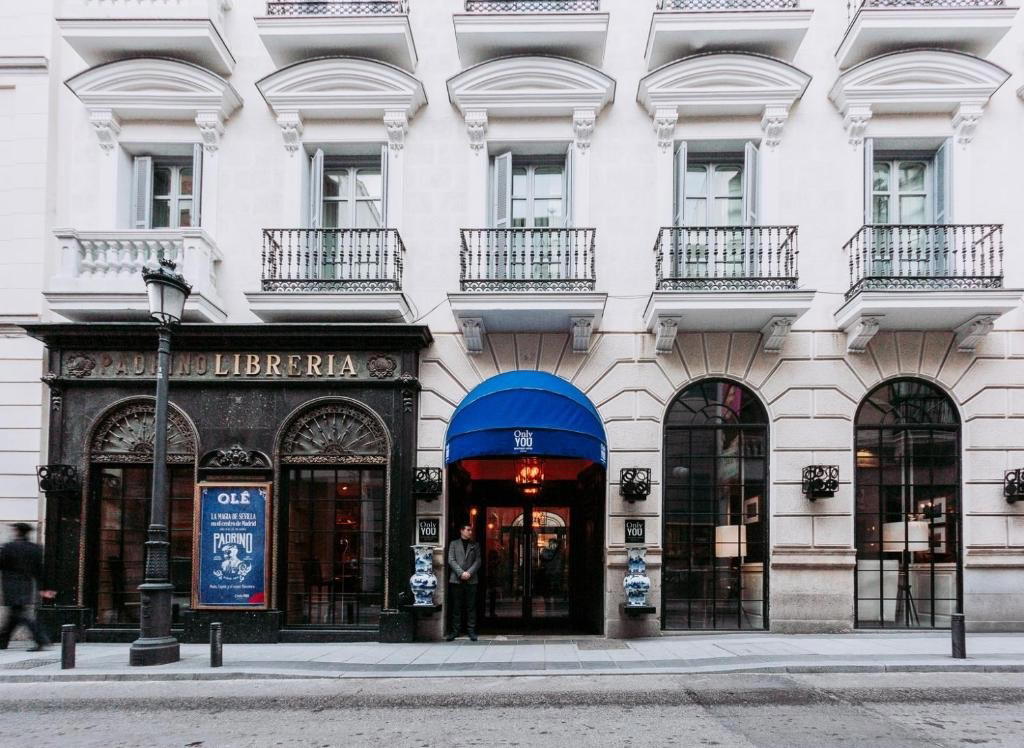
Located on Plaza de la Lealtad in the Retiro district, the hotel sits at the edge of the Paseo del Prado cultural corridor, within walking distance of the Prado, the Thyssen-Bornemisza, and the Reina Sofía. This is not incidental. The neighbourhood draws an international visitor accustomed to considering provenance and craft in everything they consume, which partly explains why a room of this formality sustains two Michelin stars in a city where the competition for that designation has grown significantly sharper over the past decade.
The Architecture of the Menu
Spain's post-elBulli generation produced a cohort of chefs who built their reputations on a single flagship restaurant, then extended their reach through secondary projects that carry the intellectual DNA of the original. Deessa operates within that model. The creative framework comes from Quique Dacosta, whose three-Michelin-starred restaurant in Dénia remains one of the country's most closely watched kitchens, and the day-to-day execution falls to resident head chef Guillermo Chávez. This division, conceptual authority at a distance, technical execution on the ground, is a format that Spanish fine dining has used with varying success, and at Deessa it produces a two-menu structure that makes the relationship explicit.
The first menu, 'Históricos Quique Dacosta', draws directly from the archive of the Dénia kitchen: dishes that built Dacosta's reputation, repositioned for Madrid's dining room and a different audience. The second, 'Contemporáneo Quique Dacosta', moves toward current work. Together they frame the meal as a kind of survey, part retrospective, part ongoing project, rather than a single fixed statement. A shorter four-course format called 'Chronos' runs on weekday lunches and evenings, offering a compressed version of either menu. That midweek option is worth noting for guests who want to experience the kitchen without committing to a full tasting-menu format, and it brings the room to a slightly different clientele than weekend dinner service.
The Mediterranean and Extremadura flavours that anchor the cooking connect two distinct Spanish terroirs: the coastal produce and technique of the Levantine coast, where Dacosta's flagship operates, and the interior's more austere, land-rooted ingredients. Extremadura is a region whose culinary vocabulary, Ibérico pork, paprika, game, raw-milk cheeses, chestnuts, sits outside the Mediterranean framework that dominates Spanish fine dining at this level. The combination is not simply geographical eclecticism. It reflects a deliberate positioning of the menu against both the Basque-led north and the Catalan coast, carving out a different flavour axis for the project.
Where Deessa Sits in Madrid's Fine-Dining Tier
Madrid currently holds more Michelin-starred restaurants than at any point in its history, and the two-star tier has become particularly crowded. DSTAgE, Coque, and Paco Roncero all hold two stars at the €€€€ price point, as does Smoked Room. Deessa competes directly with this group on formal credentials, and its La Liste score of 84 points in 2026 (85 in 2025) places it in a peer band with other high-recognition Madrid tables. Its Opinionated About Dining ranking, 49th in Europe in 2024, dropping to 83rd in 2025, reflects the volatility of that survey's methodology as much as any shift in the kitchen, but the directional movement is worth watching.
The three-star outlier in Madrid remains DiverXO, which operates at a different frequency entirely: louder, more confrontational, and built around a single theatrical intelligence. Deessa is the counter-argument to that approach, formal, restrained in its visual language, and reliant on the legitimacy of its setting and pedigree rather than provocation. Neither is a better answer to the question of what fine dining should be; they represent different bets on what Madrid's most committed guests want from a two- to three-hour meal.
For visitors building a broader Spanish itinerary, Deessa sits within a network of Dacosta-adjacent and peer-level restaurants across the country. El Celler de Can Roca in Girona, Arzak in San Sebastián, Martin Berasategui in Lasarte-Oria, and Azurmendi in Larrabetzu represent the country's upper tier in different regions. Within Madrid itself, Triciclo offers a different register for guests who want creative Spanish cooking without the ceremony. Across Spain's other cities, Cocina Hermanos Torres in Barcelona, Ricard Camarena in València, Aponiente in El Puerto de Santa María, and Casa Marcial in Arriondas round out the picture of where serious creative Spanish cooking currently sits.
The Cellar in Context
Hotel restaurants at this level carry a structural advantage in wine: the parent group's procurement power and storage capacity typically allow a depth of cellar that standalone operations struggle to match. At Deessa, operating within the Mandarin Oriental Ritz, that infrastructure matters. Spain's wine geography is unusually rich for a cellar building around a Mediterranean-to-interior flavour axis: Ribera del Duero and Rioja cover the Castilian dimension, while the Levantine coast brings in Monastrell-driven reds from Jumilla and Yecla, and Valencian whites that complement the coastal character of the Dacosta archive menus. Extremadura's own appellation, Ribera del Guadiana, remains underrepresented in most Madrid cellars, and a list that takes the Extremadura element of the menu seriously would use it as a differentiator.
Sommelier programs at two-star hotel restaurants in Spain have developed considerably over the past decade, partly in response to the country's expanding natural wine culture and partly because international guests at Ritz-level properties arrive with high expectations around Iberian wine knowledge. The pairing options across both tasting menus represent the most direct way to assess the cellar's range and the sommelier team's point of view on matching wine to this particular flavour axis. Given that the 'Históricos' menu reaches back into dishes designed in Dénia, a region with its own Denominació d'Origen, Alicante, there is specific geographic logic available to a pairing that a generalist cellar would miss.
Planning the Visit
Deessa opens for lunch and dinner Wednesday through Saturday, with service running from 1:30 to 5:00 pm at lunch and 8:00 pm to midnight at dinner. The restaurant is closed Sunday, Monday, and Tuesday. For visitors arriving in Madrid for the weekend, this schedule means Thursday or Friday lunch is the most accessible entry point; Saturday dinner is the highest-demand slot and should be booked well in advance. The Plaza de la Lealtad address places the hotel within a short walk of Banco de España metro station, and directly adjacent to the Parque del Retiro, making it a natural anchor for a full afternoon in the Prado corridor before an evening reservation.
The €€€€ price point aligns with Madrid's leading tasting-menu tier; guests should expect pricing consistent with peer two-star restaurants in the city. The weekday 'Chronos' four-course format provides a more accessible entry to the kitchen without the full commitment of the longer menus. For context on how Deessa fits into Madrid's broader hospitality offer, EP Club's full Madrid restaurants guide, hotels guide, bars guide, wineries guide, and experiences guide cover the full range of options across the city.
Frequently asked questions
What does dinner at Deessa typically cost?
Pricing at Deessa is listed as €€€€.
Who is the chef or culinary lead at Deessa?
The chef associated with Deessa is Guillermo Chávez.
What's the must-try dish at Deessa?
Deessa runs two tasting menus: 'Históricos Quique Dacosta', which draws directly from the three-Michelin-starred flagship in Dénia, and 'Contemporáneo Quique Dacosta', shaped by resident head chef Guillermo Chávez. If the distinction matters to you, 'Históricos' is the more direct argument for the kitchen's creative lineage. A shorter four-course 'Chronos' format is available on weekday service for those who want a calibrated introduction without committing to the full progression.
What style of cooking does Deessa do?
When is Deessa open?
Hours at Deessa: Hours: Monday Closed Tuesday Closed Wednesday 1:30–5 pm, 8 pm–12 am Thursday 1:30–5 pm, 8 pm–12 am Friday 1:30–5 pm, 8 pm–12 am Saturday 1:30–5 pm, 8 pm–12 am Sunday Closed.
Where is Deessa located?
Deessa is located at Pl. de la Lealtad, 5, Retiro, 28014 Madrid, Spain, Madrid.
Booking and Cost Snapshot
A compact comparison to help you place this venue among nearby peers.
| Venue | Cuisine | Price | Awards | Notes |
|---|---|---|---|---|
| DeessaThis venue (the venue you are viewing) | Modern Valencian Fine Dining | $150–200 | 2 Michelin Stars · La Liste Top Restaurants | Not listed |
| DiverXO | Avant-Garde Spanish Tasting Menu | $300–500 | 3 Michelin Stars · World's 50 Best #4 | Progressive - Asian, Creative |
| Smoked Room | Modern Japanese Fire Omakase | $200–300 | 2 Michelin Stars · La Liste Top Restaurants | Progressive Asador, Contemporary |
| Coque | Modern Spanish Fine Dining | $300–500 | 2 Michelin Stars · La Liste Top Restaurants | Spanish, Creative |
| DSTAgE | Avant-Garde Spanish Tasting Menus | $200–300 | 2 Michelin Stars · La Liste Top Restaurants | Modern Spanish, Creative |
| Paco Roncero | Avant-Garde Spanish Fine Dining | $150–200 | 2 Michelin Stars · La Liste Top Restaurants | Creative |
Recognition history
Dated appearances from independent guides and award organizations, with the underlying list record or original source where available.
Michelin 2 Stars
Michelin
La Liste Top Restaurants
La Liste
Star Wine List
Star Wine List
Guía Repsol 2 Soles
Guía Repsol
Opinionated About Dining Top Restaurants in Europe Ranked #89
Opinionated About Dining
Full recognition history (11 entries)
La Liste Top Restaurants
La Liste
Michelin 2 Stars
Michelin
Opinionated About Dining Top Restaurants in Europe Ranked #83
Opinionated About Dining
Michelin 2 Stars
Michelin
Opinionated About Dining Top Restaurants in Europe Ranked #49
Opinionated About Dining
Opinionated About Dining Top New Restaurants in Europe Ranked #99
Opinionated About Dining