Tinto Pesquera (Alejandro Fernández)
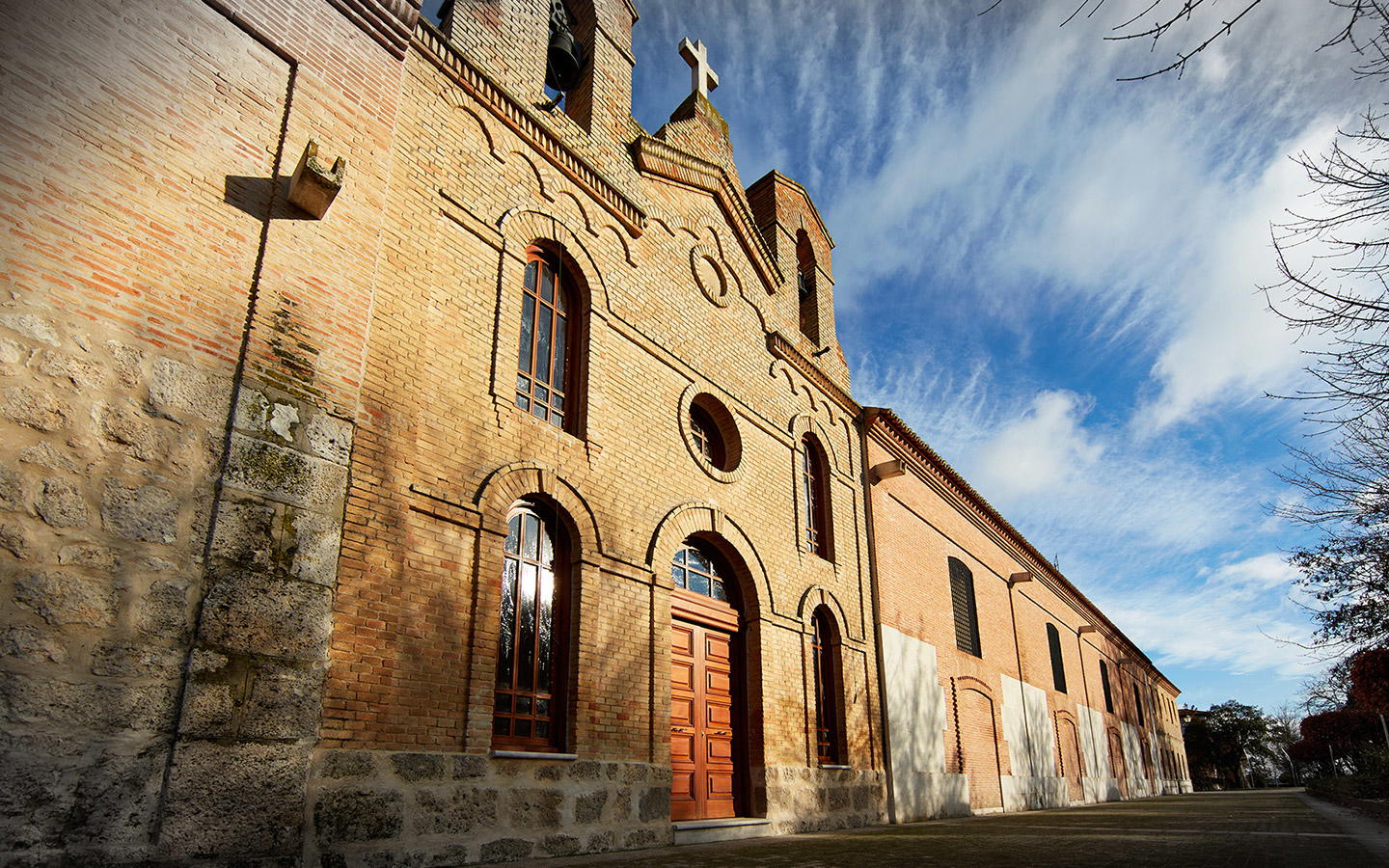
The winery sits at the historic core of the appellation, where Tempranillo-driven reds defined a generation of Spanish fine wine and continue to set the reference point for the region.
Pearl is the En Primeur Club membership app — saves, bookings, and concierge access live there. Same editors, same standards.
- Address
- C. Real, 2, 47315 Pesquera de Duero, Valladolid
- Phone
- +34 983 87 00 37
- Website
- familiafernandezrivera.com
- Directions
- Get directions
 Saves & bookings on Pearl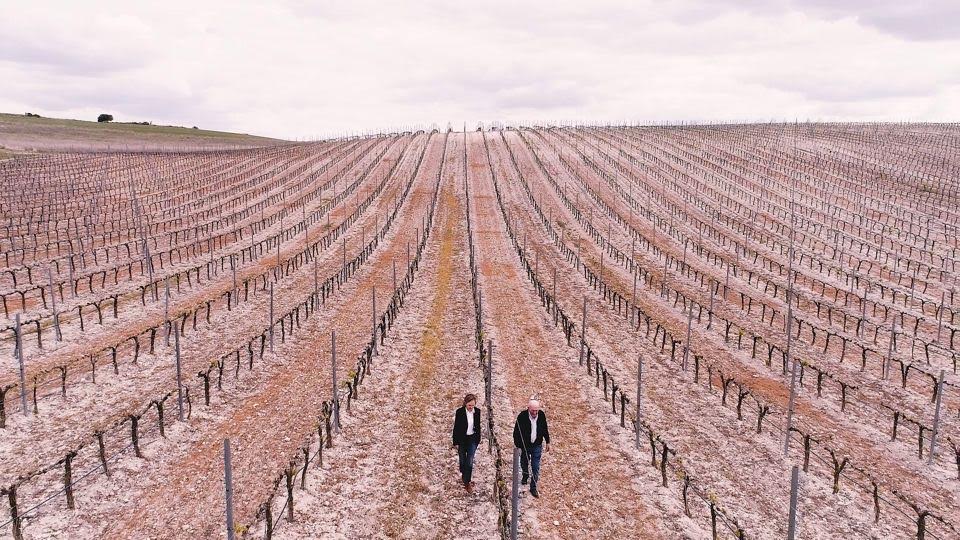
Where Ribera del Duero's Modern Identity Was Written
The village of Pesquera de Duero sits on the Castilian meseta where the Duero river cuts a wide arc through limestone and clay soils. There is nothing decorative about the approach: the land is flat, the sky large, and the vine rows run in long parallel lines toward a horizon that rarely offers shelter from wind or frost. This austerity is the point. The conditions that make viticulture demanding here are the same ones that concentrate Tempranillo to a density that softer, better-watered regions cannot replicate. Tinto Pesquera, the estate founded by Alejandro Fernández on Calle Real, stands at the address where that argument was first made commercially credible.
Before the 1980s, Ribera del Duero was a region that Spain's wine trade largely ignored. Rioja held the prestige end; the Duero valley was considered too harsh, too isolated, too difficult to sell. What changed was a small group of producers who decided the Tempranillo grown along this stretch of river deserved to be taken seriously on its own terms, without the blending conventions, extended American oak aging, or export-oriented compromises that characterized the dominant Spanish fine wine model. Fernández was among the earliest and most consequential figures in that shift.
Tempranillo on Its Own Terms
Ribera del Duero's winemaking philosophy has always diverged from Rioja's in one structural way: Tempranillo here is predominantly unblended. Where Rioja producers historically softened and rounded the grape with Garnacha, Mazuelo, or Graciano, the Ribera tradition isolates Tempranillo and asks it to carry the wine alone. The result is a structural profile that leans toward iron, dark fruit, and a drying mineral finish rather than the more plush, vanilla-weighted character that defined classic Rioja. Tinto Pesquera's reds sit firmly within that tradition. The appellation's elevation, averaging around 700 to 800 metres above sea level, creates diurnal temperature swings that preserve acidity in the grape even at high sugar concentrations, and that retained acidity is what gives Ribera del Duero Tempranillo its capacity to age.
What the winery represents philosophically is a winemaking approach that prioritised extracted, full-bodied reds at a moment when Spanish fine wine was still largely defined by restraint and lengthy warehouse aging before release. The wines from Pesquera that reached American and European markets in the 1980s and early 1990s arrived with a density and immediacy that critics at the time had not expected from Spain. The regional context matters here: this was not an isolated choice but a decision that catalysed investment in the wider appellation. Producers like Emilio Moro, also based in Pesquera de Duero, built their own programs in an environment where Tempranillo's potential at this latitude was already established. The village's concentration of serious producers is not coincidental.
The Appellation in Competition
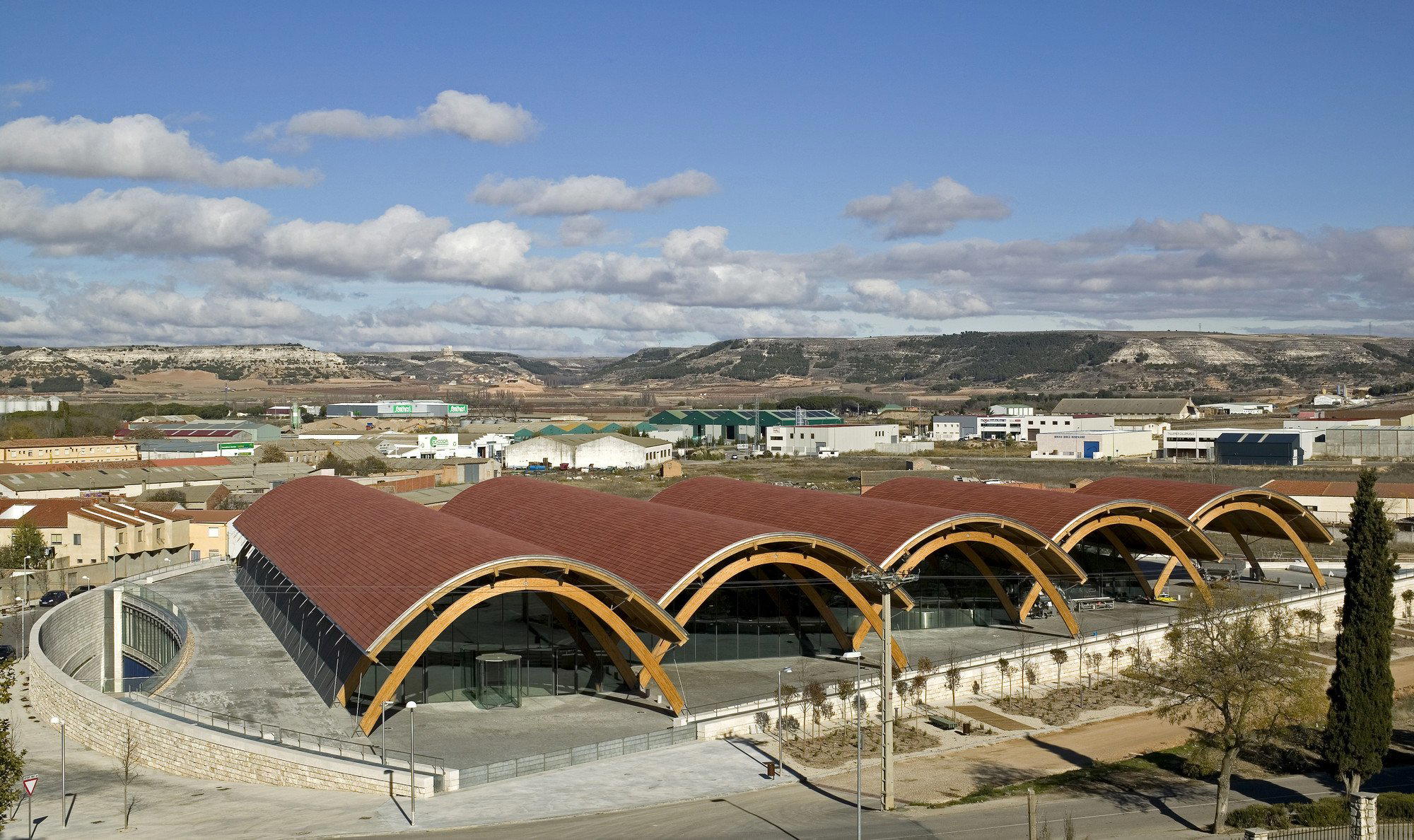
Ribera del Duero today operates in a more crowded competitive space than at any point in its history as a recognised DO. Prestige estates have multiplied, and the top tier now includes properties with substantial outside investment, international consulting winemakers, and marketing infrastructure that did not exist a generation ago. Abadía Retuerta in Sardón de Duero and Arzuaga Navarro in Quintanilla de Onésimo represent the larger, resort-integrated model that has become one template for Duero valley prestige. Bodegas Protos in Peñafiel, with its Norman Foster-designed facility, represents another model where architectural investment signals ambition as clearly as the wine in the bottle.
Tinto Pesquera operates differently. The address on Calle Real is village-scale, not estate-resort scale. The winery's standing comes from its position in the formation of the appellation rather than from hospitality infrastructure or recent critical reinvention. In a region that now extends its prestige profile across multiple production models, this kind of foundational estate occupies a specific niche: it is the reference point against which newer entrants are implicitly measured, whether those comparisons are made explicitly or not.
Across Spain more broadly, the comparable reference-point estates tend to be similarly compact in their physical presence. CVNE in Haro and Marqués de Cáceres in Cenicero hold analogous positions in Rioja, where the question of what the region's wines should taste like is partly answered by going back to the producers who made the argument first. In Catalonia, Clos Mogador in Gratallops plays a similar role in the Priorat narrative. At a national level, Codorníu in Sant Sadurní d'Anoia and Lustau in Jerez de la Frontera represent the same principle in Cava and Sherry respectively. The pattern is consistent: the producers who defined a region's identity in its formative period tend to retain a reference authority that is distinct from current critical rankings. For international comparisons, Accendo Cellars in St. Helena and Marqués de Griñón in Malpica de Tajo offer examples of the same single-estate conviction applied in different terroir contexts.
What to Taste, and Why
Any serious tasting at Tinto Pesquera should begin with the appellation context rather than the label. Ribera del Duero's DO regulations require a minimum of twelve months oak aging for Crianza and twenty-four for Reserva, with Gran Reserva requiring thirty-six months total aging including a minimum of twenty-four in wood. These classifications shape the wines structurally, and understanding them helps explain why older vintages from Pesquera age differently from younger-release bottles: the oak regimes and extraction levels were calibrated for bottles that would spend years in a cellar before the fruit resolved fully.
The wines to seek are those from cooler Ribera vintages where the appellation's natural acidity asserted itself against the Tempranillo's natural tendency toward high alcohol. In warm years, Ribera del Duero Tempranillo can tip toward heaviness; in the better years, the combination of altitude, diurnal range, and careful canopy management produces bottles where structure and fruit remain in productive tension for a decade or more after release.
Planning a Visit
Pesquera de Duero sits in the province of Valladolid, roughly between Valladolid city and Aranda de Duero along the Duero river corridor. The winery address is Calle Real, 2, which places it in the centre of the village. The region's wine route connects multiple producers along this stretch of river, and a focused itinerary could reasonably include Emilio Moro in the same village and Bodegas Protos in Peñafiel within a single day. Appointments are required. Other Spanish wine regions within a longer touring itinerary include Bodegas Vivanco in Valle de Mena and Bodegas Ysios in Laguardia for those continuing into Rioja Alavesa.
Cost and Credentials
Comparable venues nearby, for context on price, style, and recognition.
| Venue | Cuisine | Price | Notes |
|---|---|---|---|
| Tinto Pesquera (Alejandro Fernández)This venue — the venue you are viewing | Pesquera de Duero, Tempranillo | $$$ | Not listed |
| Emilio Moro | Not listed | $$$ | Pesquera de Duero, Tempranillo, Tinto Fino |
| Finca Valpiedra | Fuenmayor, Tempranillo, Graciano | $$$ | Not listed |
| Destilería Ánima | Winery | Not listed | Not listed |
| La Rioja Alta | Not listed | $$$ | Barrio de la Estación, Tempranillo, Garnacha |
| Campo Viejo | Logroño, Tempranillo, Garnacha | $$ | Not listed |
Continue exploring
More in Pesquera de Duero
Wineries in Pesquera de Duero
Browse all →
Restaurants in Pesquera de Duero
Browse all →
At a Glance
- Rustic
- Classic
- Scenic
- Elegant
- Wine Education
- Solo Exploration
- Special Occasion
- Vineyard Tour
- Historic Building
- Barrel Room
- Biodynamic
- Vineyard
- Ribera Del Duero
- Tempranillo
- Still Red
- Estate Tasting
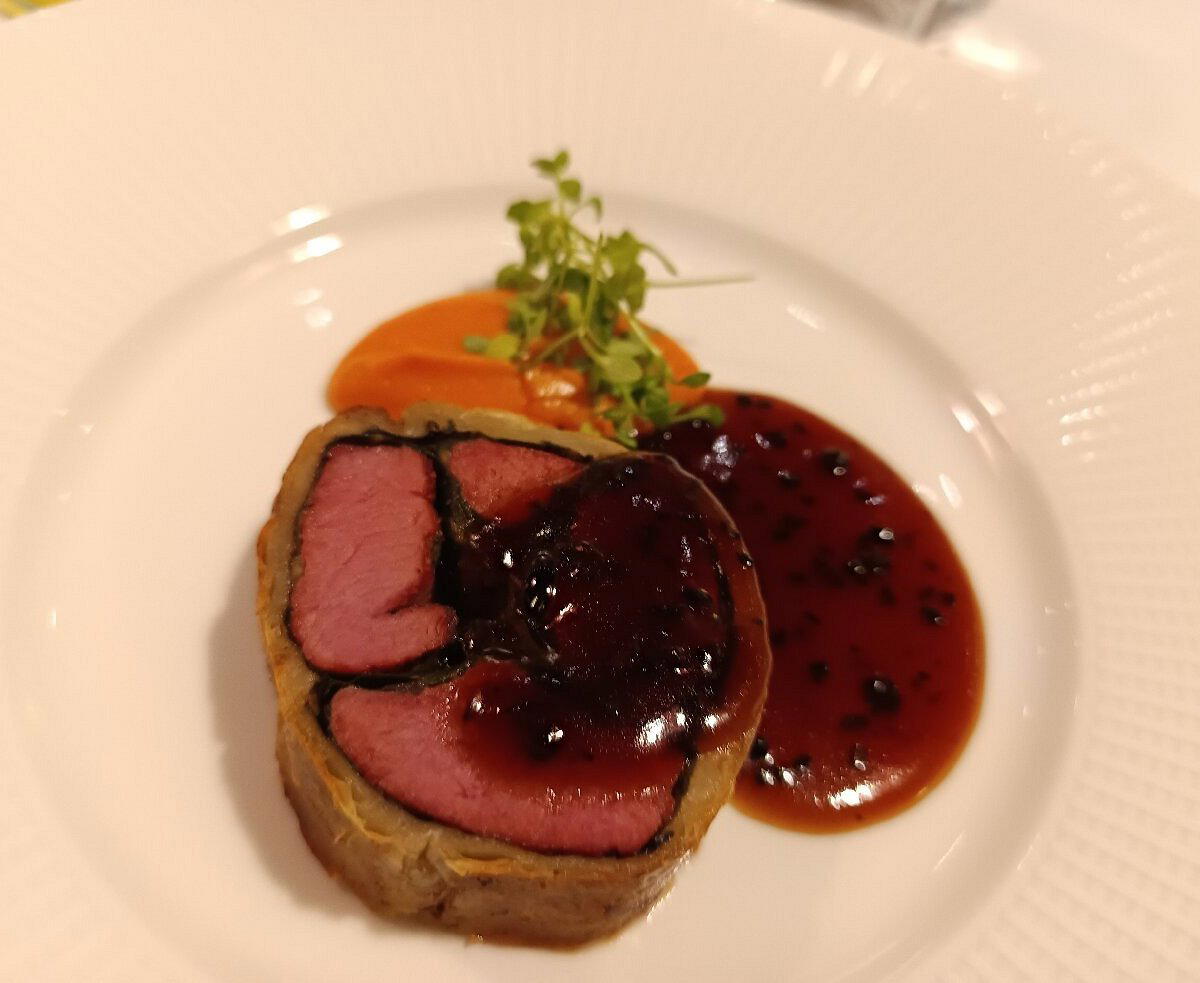
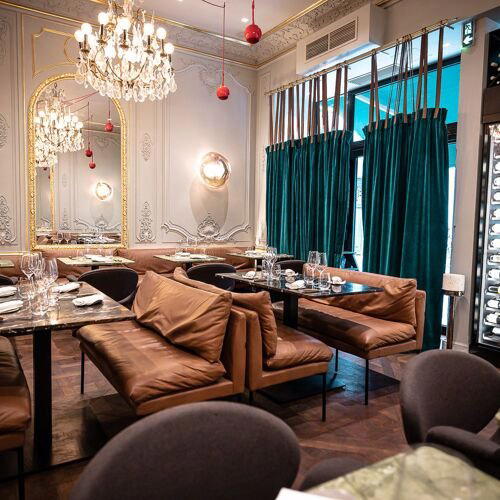
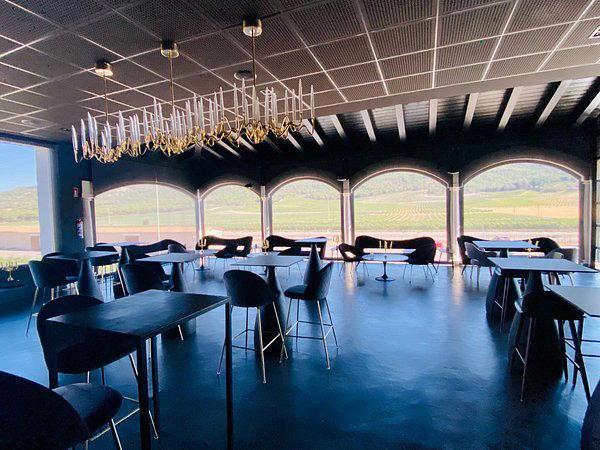
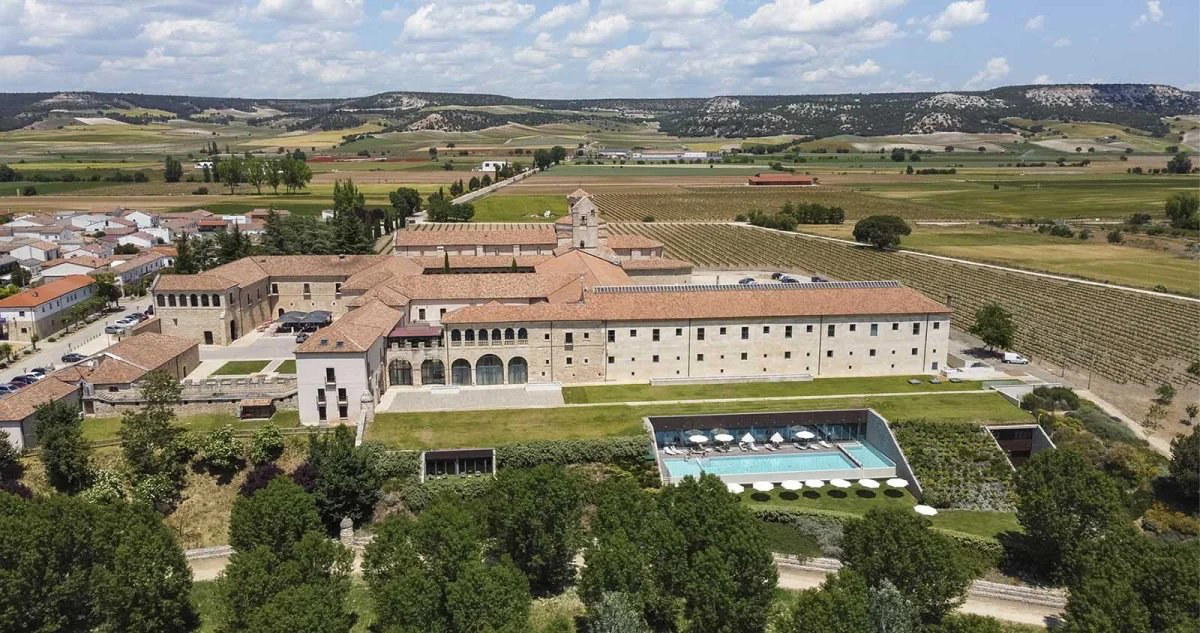
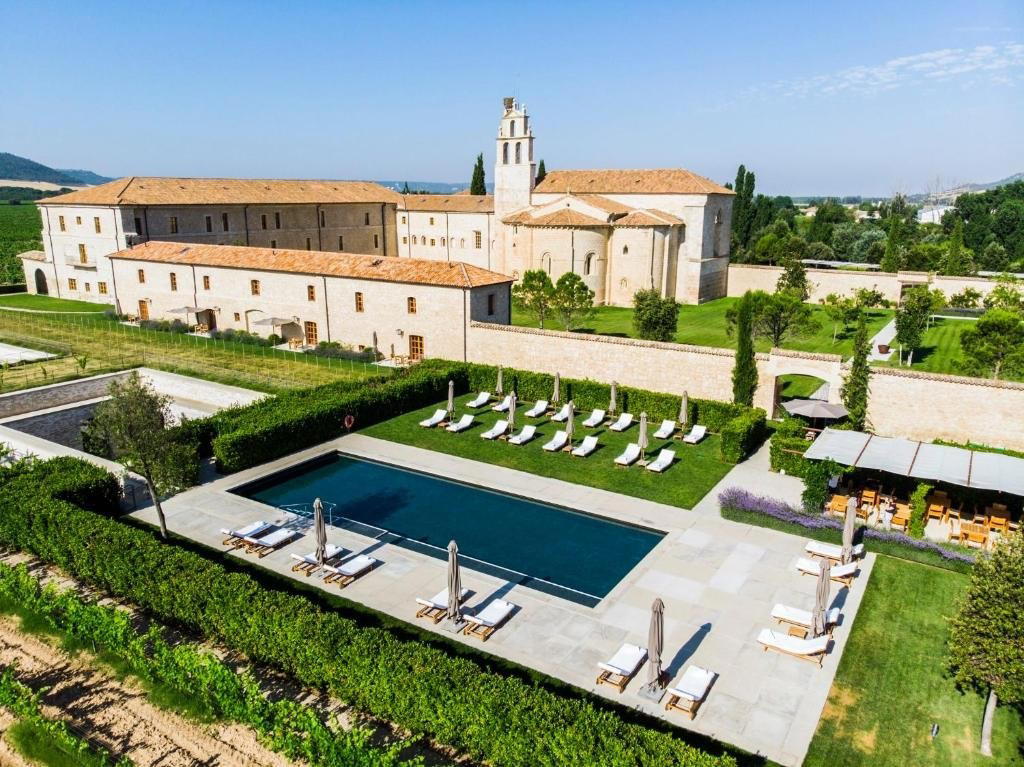
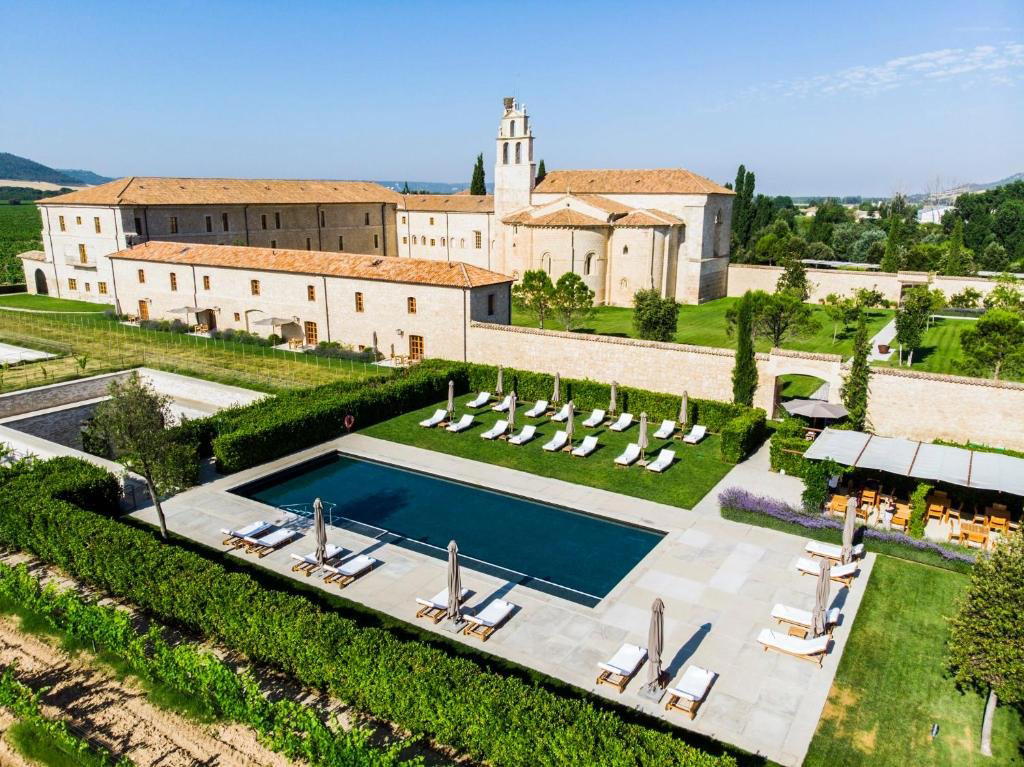
Traditional and authentic atmosphere resonating with winemaking heritage in a rustic stone lagar.