MALA ZVEZDARA serves Traditional Serbian food at Slobodanke Danke Savić 1 in Belgrade, with local sourcing and a casual, conversational setup.
Pearl is the En Primeur Club membership app — saves, bookings, and concierge access live there. Same editors, same standards.
- Address
- Slobodanke Danke Savić 1, Beograd, Serbia
- Phone
- +381640249999
- Directions
- Get directions
 Saves & bookings on Pearl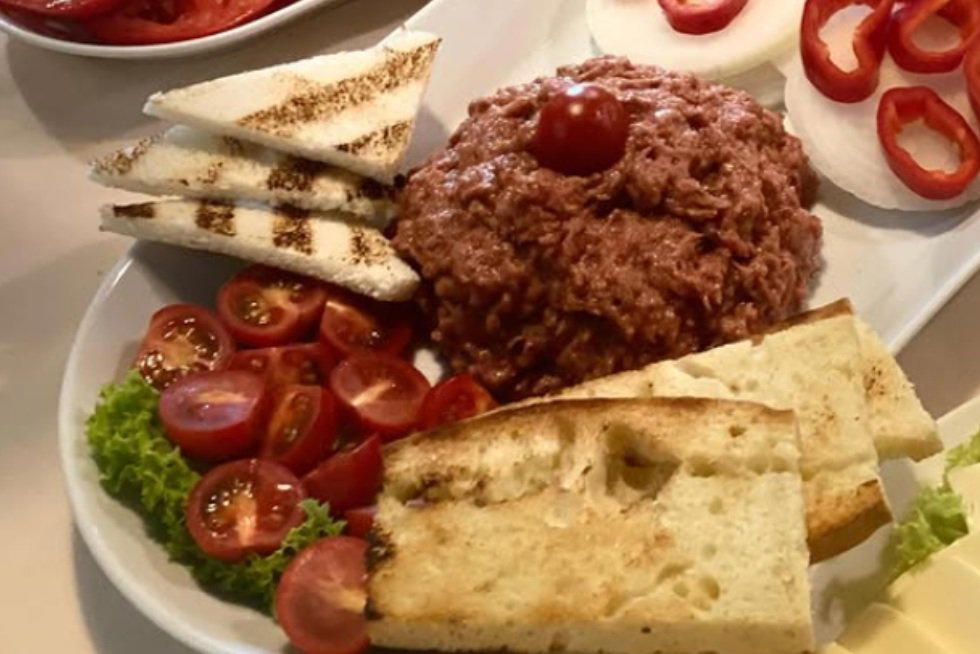
Zvezdara After Dark: A Neighbourhood Finding Its Dining Voice
The Zvezdara district sits on Belgrade's eastern edge, removed from the riverside spectacle of Savamala and the tourist circuits threading through Skadarlija. Streets here narrow into residential rhythms: fruit vendors, corner kafanas, the occasional burst of light from a courtyard gate left ajar. Mala Zvezdara, at Slobodanke Danke Savić 1, occupies that kind of address, the sort that rewards locals who know the postal code and quietly confounds visitors working from a map of the city's better-publicised quarters.
Belgrade's dining scene has bifurcated sharply over the past decade. At one end sits a cluster of internationally conscious restaurants, places like Langouste and The Square, operating with tasting menus and European technique at price points that signal ambition toward a regional fine-dining conversation. At the other end, neighbourhood establishments maintain the kafana tradition: long tables, shared plates, rakija, and a calendar organized around Sunday lunches that run until mid-afternoon. Mala Zvezdara enters the frame somewhere in that second territory, grounded in local character rather than positioning itself against the city's modernist dining tier.
The Zvezdara Dining Tradition
To understand what Mala Zvezdara represents in context, it helps to understand what Zvezdara has historically produced in terms of dining culture. The area is not, and has never been, a destination quarter for restaurant tourism. Its reputation is built on a more durable foundation: regulars, not reviews. In Serbian dining culture, that carries its own hierarchy. A restaurant that survives and fills on neighbourhood loyalty alone operates under a different set of pressures than one engineered for Instagram visibility or critic attention. The food must be consistent because the same faces return twice a week. The service must be warm because the staff likely recognises those faces.
This dynamic, the team dynamic that sustains a neighbourhood room, functions differently than the brigade-style hierarchies of formal dining. Front-of-house in a setting like this often knows the regular's preference before they order. The kitchen reads the room's rhythm and adjusts accordingly. It is less the choreographed collaboration of a fine-dining floor and more the earned efficiency of people who have worked the same space long enough to anticipate each other. For diners accustomed to Ambar's Balkan sharing format or the river-terrace settings of Avala, the register here reads as more interior, more local.
What the Menu Likely Reflects
Mala Zvezdara's kitchen leans toward Serbian comfort cooking: roasted meats, seasonal vegetables prepared simply, freshwater fish from the Danube and Sava networks, and bread baked on premises or sourced locally. Zvezdara's kitchen culture, like much of inner Belgrade outside the fine-dining corridor, tends toward Serbian comfort cooking: roasted meats, seasonal vegetables prepared simply, freshwater fish from the Danube and Sava networks, and bread baked on premises or sourced locally. The Serbian kitchen at this register does not chase fusion or provocation. Its legitimacy comes from execution and sourcing integrity rather than conceptual novelty.
Across Serbia, similar neighbourhood-anchored rooms, from Kod Brana in Cacak to Lovački dom in Valjevo, stake their reputations on exactly this: the quality of the roast, the freshness of the ajvar, the weight of the house wine poured without ceremony. The tradition runs on repetition and trust rather than novelty. The restaurant, as a neighbourhood room in that broader Serbian grain, operates within those same coordinates.
Team and Floor: How Neighbourhood Rooms Are Run
In a neighbourhood restaurant, the team dynamic matters because the kitchen and floor work as one. Yet in rooms like this, the relationship between kitchen and floor matters enormously. A server who understands the daily specials in depth, who can explain what is fresh that afternoon versus what was prepared the day before, functions as a genuine extension of the kitchen's intent. In Serbian dining culture, that kind of embedded knowledge often manifests through long tenure rather than formal training.
Compare this to the formal collaboration framework at a restaurant operating with a sommelier program, like Barrel House, where wine pairing and front-of-house sequencing follow a more structured arc. The restaurant's version of team intelligence, if it follows neighbourhood-room conventions, would be less structured and more intuitive, built through years of shared service rather than staff briefings. Neither model is inferior; they answer different hospitality questions.
Placing Mala Zvezdara in Serbia's Wider Restaurant Geography
Serbia's restaurant map extends well beyond the capital's northern and central quarters, and the quality curve across the country varies widely. Regional establishments often outperform their metropolitan counterparts at specific things: produce proximity, cooking method fidelity, and the kind of host warmth that professional hospitality schools often train out of graduates. Etno Kuća Dinar in Vrsac, KAFANA DUKAT in Pirot, and ČARDA ZLATNA KRUNA in Apatin each represent versions of this regional authenticity, dining experiences anchored to place in ways that capital-city restaurants frequently sacrifice for scalability.
The restaurant occupies a comparable position within Belgrade itself: a room that makes sense to its immediate geography rather than to a visitor's itinerary. For those building a fuller picture of Serbian dining, the contrast between places like Kafe Restoran Maša in Novi Sad or Aleksandar Gold in Uzice and Belgrade's neighbourhood-level rooms is instructive. The capital does not hold a monopoly on quality. What it offers is density and variety, including the quieter, off-circuit rooms that Zvezdara represents.
For comparison, the ambition ceiling of Belgrade dining, as evidenced by references like Le Bernardin in New York City or Atomix in New York City, sets a global benchmark that Serbia's fine-dining cohort is beginning to engage with. The restaurant is not in that conversation, nor does it appear to be reaching for it. That is a distinction, not a failing.
Planning a Visit
The restaurant's address at Slobodanke Danke Savić 1 sits in eastern Belgrade, accessible from the city centre by tram or a short drive. Reservations are recommended, and the restaurant is open Monday through Saturday from 12 to 9 PM; Sunday is closed. The experience maps to an informal, local register rather than a formal dining occasion. Dress accordingly: the kafana tradition does not require sartorial ceremony.
For a broader orientation to the capital's dining options before or after a visit, further entries include Windmill in Pancevo, Kod poštara in Aran Elovac, and Grand **** in Kopaonik for those extending their travel beyond the capital.
- Veal under sač
- Beef stew
- Mućkalica
- Smoked pork with baked potatoes
- Homemade bread
- Tres Leches cake
Price Lens
Comparable venues nearby, for context on price, style, and recognition.
| Venue | Cuisine | Price | Notes |
|---|---|---|---|
| MALA ZVEZDARAThis venue — the venue you are viewing | Zvezdara, Traditional Serbian | $$ | Not listed |
| KAFE POSLASTIČARNICA FINI | city center, Serbian Pastry Cafe | $$ | Not listed |
| PROLEĆE | Stari Grad, Traditional Serbian | $$ | Not listed |
| PRANA BRUNCH&MORE | Not listed | $$ | downtown, Healthy Brunch with Italian and Thai Influences |
| Beogradski Čevap | City of Belgrade, Serbian Cevapi Grill | $ | Not listed |
| Dušanovački Cvet | Dušanovac, Traditional Serbian | $$ | Not listed |
At a Glance
- Classic
- Cozy
- Rustic
- Casual Hangout
- Family
- Standalone
- Local Sourcing
Current opening hours
- Monday
- 12–9 PM
- Tuesday
- 12–9 PM
- Wednesday
- 12–9 PM
- Thursday
- 12–9 PM
- Friday
- 12–9 PM
- Saturday
- 12–9 PM
- Sunday
- Closed
Hours can change for holidays and private events. Last verified .
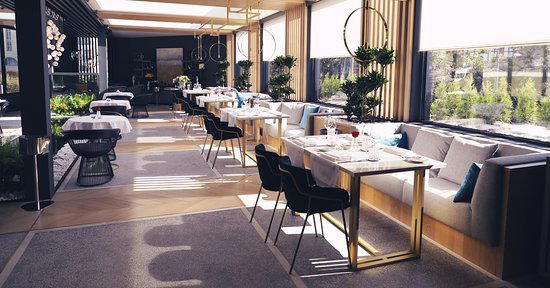
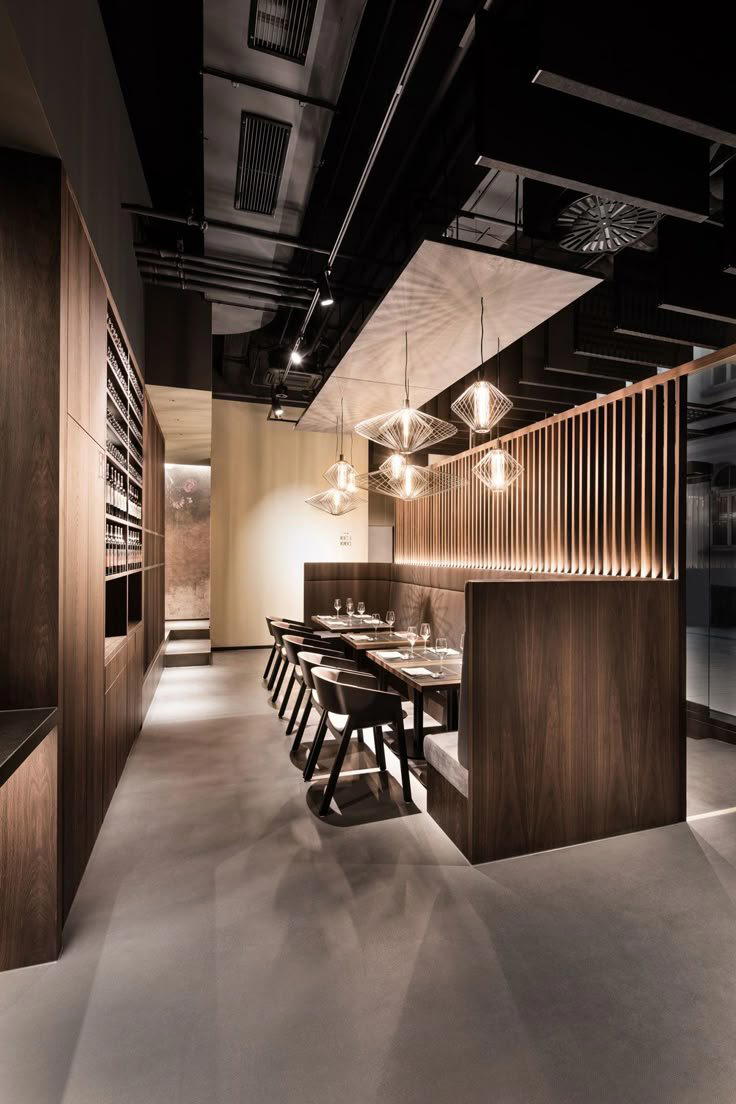
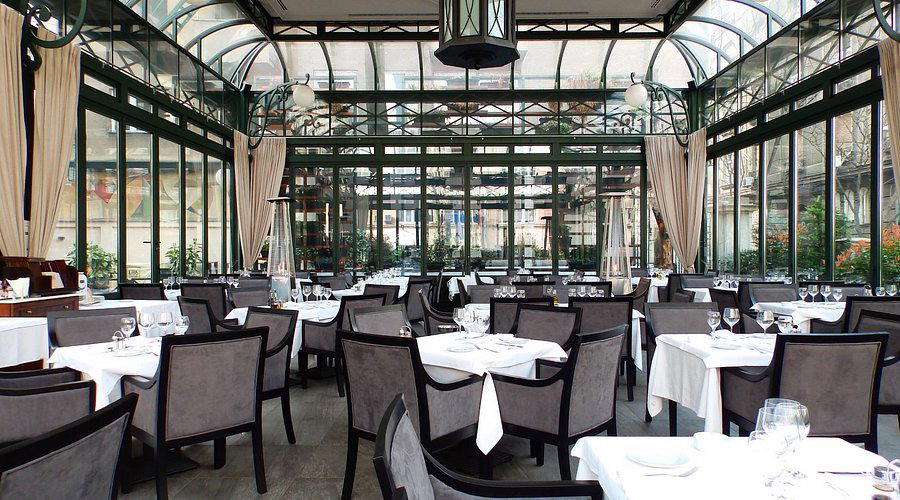
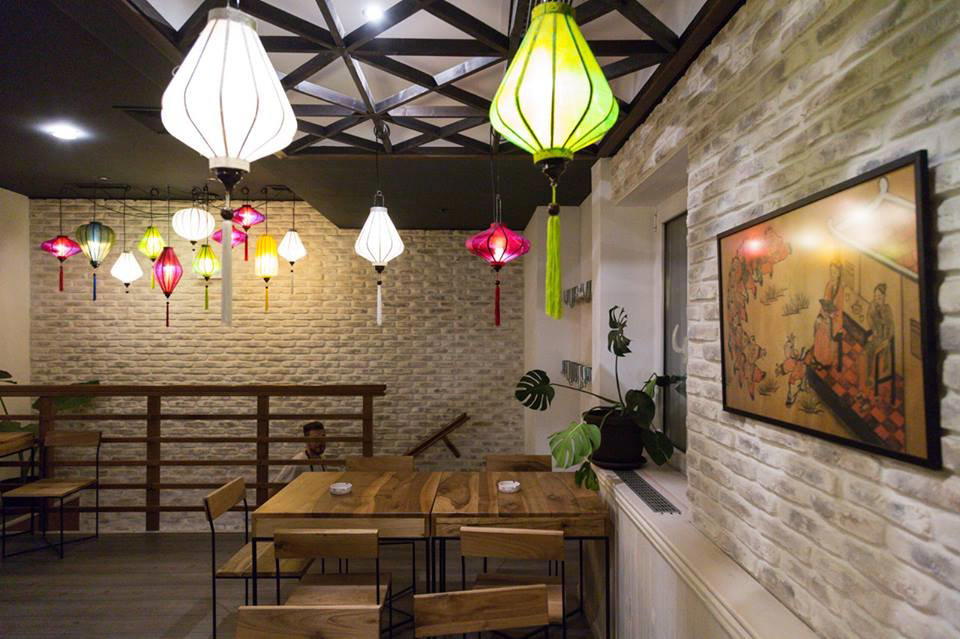
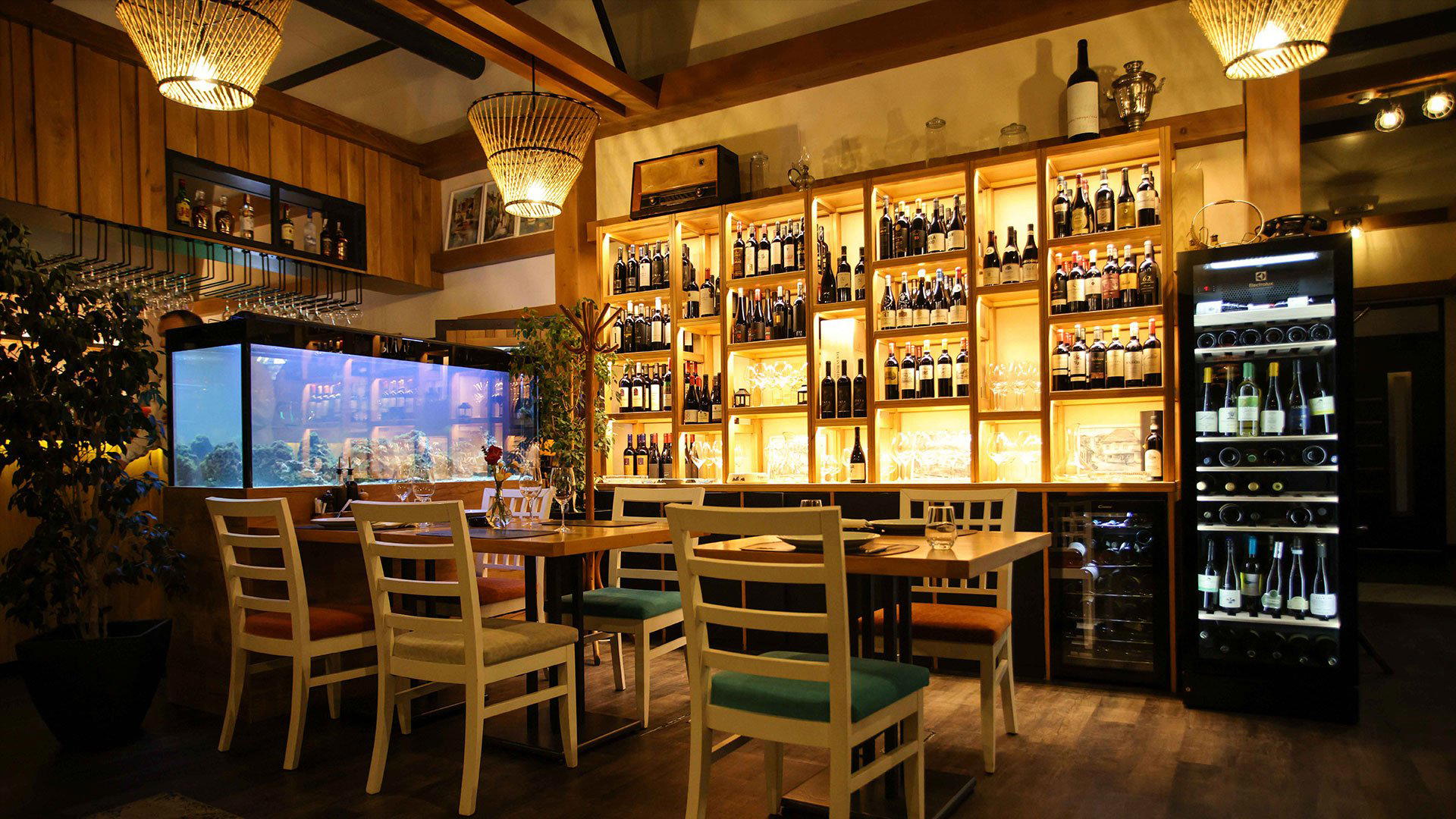
Traditional, relaxed, and unpretentious, with an interior described as warm and family-home-like.