Among Belgrade's traditional ćevap counters, Beogradski Čevap at Vojislava Ilića 73a sits in the city's no-frills, neighbourhood-diner tier, closer to a local institution than a tourist-facing grill house. The address places it well outside the central Savamala circuit, drawing a predominantly local crowd for whom ćevap remains an everyday rather than an occasional meal.
 Discover on Pearl
Pearl is the En Primeur Club membership app — saves, bookings, and concierge access live there. Same editors, same standards.
- Address
- Vojislava Ilića 73a, Beograd 11050, Serbia
- Phone
- +381640500004
- Website
- beogradskicevap.meni.rs
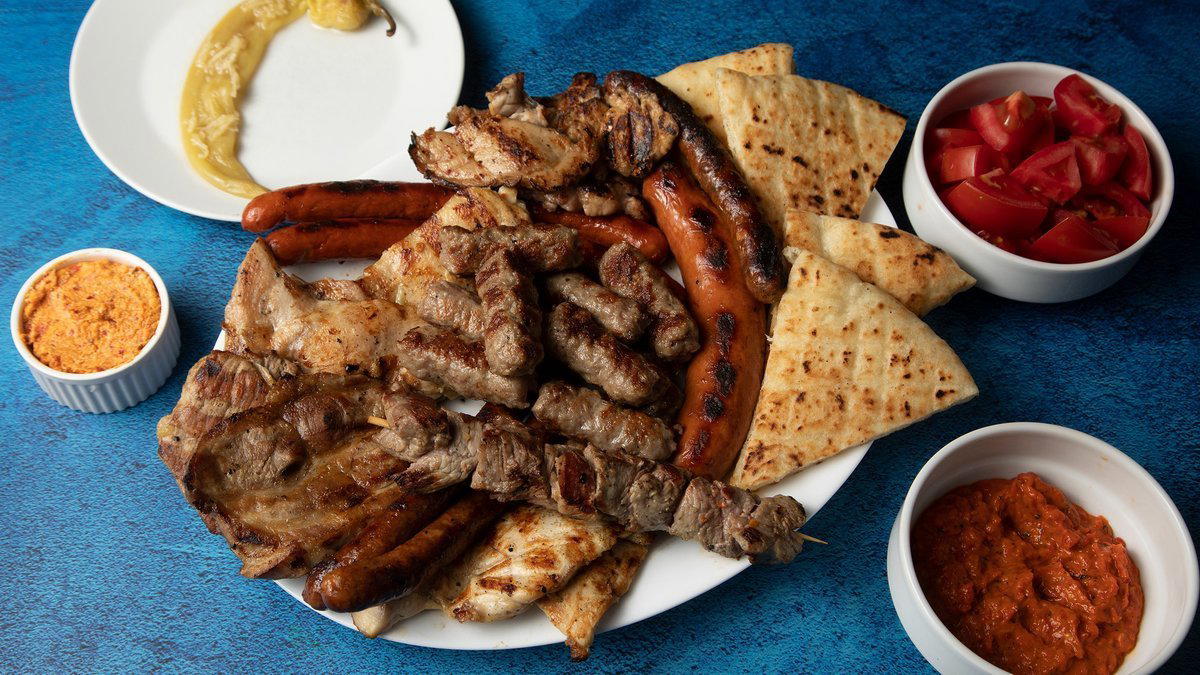
Where the Neighbourhood Eats: Vojislava Ilića and the Anatomy of a Belgrade Grill House
In Belgrade, the hierarchy of ćevap is not measured in awards or tasting menus. It is measured in repeat customers, in the consistency of a skinless minced-meat sausage that arrives the same way at noon on a Tuesday as it does on a Friday evening, and in the neighbourhood it anchors. Beogradski Čevap sits on Vojislava Ilića 73a, an address in the Voždovac municipality that immediately signals something to anyone who knows the city: this is not a restaurant angled at visitors descending from Kalemegdan Fortress or strolling the Savamala waterfront. It operates within a residential fabric, serving the people who live nearby.
That geographical distinction matters more than it might first appear. Belgrade's dining scene has bifurcated sharply over the past decade, with the central districts accumulating modern-cuisine restaurants at the higher end of the local price spectrum, places like Langouste and The Square trading in contemporary technique and longer tasting formats, and the traditional grill houses continuing to operate as they always have, indifferent to those developments. Beogradski Čevap belongs to the second category, the one that predates the trend cycle and has little reason to acknowledge it.
The Ćevap Tradition and Where Belgrade Sits Within It
To understand any specific ćevap counter in Serbia, it helps to understand what ćevap actually represents as a dish and a cultural institution. The Balkan grilled-meat tradition traces its roots to Ottoman-era cooking, with ćevap, short, cylindrical sausages of minced beef, pork, or lamb, typically served in a flatbread called lepinja with chopped onion and kajmak, evolving into a category with distinct regional identities. Sarajevo's interpretation differs from that of Leskovac, which differs again from the Belgrade style, where beef often dominates the blend and the ratio of meat to accompaniments is calibrated for a particular kind of satisfying directness.
What separates the better Belgrade counters from the unremarkable ones is rarely the concept, the dish is the dish, but execution. The grilling temperature, the fat content of the blend, whether the lepinja is warmed properly, whether the kajmak is fresh: these are the variables that a local crowd assesses immediately and unconsciously, returning or not returning based on those criteria alone. The presence of a neighbourhood loyal enough to sustain a stand-alone restaurant over time is, in itself, a form of quality signal that carries real weight in this category. For context on how this tradition extends across Serbian cities and smaller towns, venues like ETNO PODRUM BRKA in Nis and Cafe Boem in Pirot show how the traditional-Serbian-grill identity manifests across different regional contexts.
Voždovac as a Context for Eating
The Voždovac municipality stretches south from the city centre, a zone of apartment blocks, quieter streets, and the kind of everyday commerce that Belgrade's more photographed districts have largely shed. Eating in Voždovac is eating in a city that hasn't dressed up for anyone. The restaurants here serve a function as much as an experience, and that function is feeding people well at a price point that makes daily visits possible. This stands in contrast to the Dorćol and Savamala neighbourhoods, where restaurants like Ambar and Barrel House have increasingly calibrated their offer toward an audience with more time and a different set of expectations.
The neighbourhood framing also shapes the practical reality of visiting Beogradski Čevap. The address on Vojislava Ilića is not walkable from most tourist accommodation in the city centre, so arriving here implies a deliberate choice, a bus or tram ride south, or a short taxi journey, rather than an opportunistic drop-in. That small logistical commitment functions as a soft filter: the crowd inside is almost entirely local, which tends to correlate with the kitchen performing to local standards rather than adjusting for unfamiliarity.
For visitors who want to map more of Serbia's regional restaurant character before or after a Belgrade trip, Ananda in Novi Sad, Borkovac in Ruma, and Fleur de Sel in Novi Slankamen give a sense of how the dining character shifts outside the capital. Further out, Aleksandar Gold in Uzice, ČARDA ZLATNA KRUNA in Apatin, Etno Kuća Dinar in Vrsac, Etno Restoran Fijaker in Sombor, and Burrito Madre Big Pančevo in Pancevo round out a picture of how eating culture distributes across the country's smaller cities.
The Competitive Tier and What It Tells You
Within Belgrade's restaurant spectrum, the traditional grill-house category occupies a distinct price and format tier that operates largely separately from the modern-cuisine segment. While venues like Avala work within a different register, the ćevap counter remains the city's most democratic dining format, low price point, fast service, no reservation required, no dress convention implied. Beogradski Čevap competes within that format, not against it.
For international points of reference that sit at the opposite end of the formality spectrum, EP Club also covers venues like Le Bernardin in New York City and Lazy Bear in San Francisco, both of which operate in the long-tasting-menu, high-reservation-demand bracket that represents a different set of trade-offs entirely. The comparison is not hierarchical; it is categorical. Knowing where each type of restaurant sits in its own peer group is more useful than ranking them against each other.
Planning a Visit
The restaurant is at Vojislava Ilića 73a in the Voždovac area of Belgrade. Given the neighbourhood location and the informal format typical of the grill-house category, walk-in visits are generally the norm in this tier of Belgrade dining, no booking infrastructure is publicly listed. As with most traditional ćevap counters in the city, lunch and early evening tend to be peak hours, with the crowd skewing local throughout. Visitors using public transport will find tram and bus connections running through Voždovac, making the address reachable without a taxi if you are familiar with Belgrade's surface transit network. For a broader overview of where this restaurant fits within the city's dining picture, the EP Club Belgrade guide covers the full range of options across neighbourhoods and price tiers.
Compact Comparison
Comparable venues nearby, for context on price, style, and recognition.
| Venue | Cuisine | Price |
|---|---|---|
| Beogradski ČevapThis venue — the venue you are viewing | City of Belgrade, Serbian Cevapi Grill | $ |
| Znak pitanja (?) | Stari Grad, Traditional Serbian Kafana | $$ |
| Vila Gospava | Savski Venac, Serbian Traditional | $$ |
| Durmitor | New Belgrade, Traditional Serbian BBQ | $$ |
| RESTORAN KOVAČ | Voždovac, Traditional Serbian | $$ |
| Srpska kafana | Old Town, Authentic Serbian Kafana | $$ |
At a Glance
- Casual Hangout
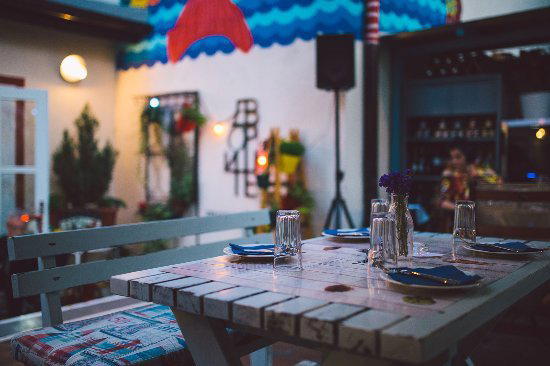
Casual and welcoming atmosphere focused on hearty grilled fare.