
1 Michelin Star
Our verdict
Positioned in Minami-Aoyama amid Tokyo's most concentrated tier of prix fixe dining, mærge operates at the ¥¥¥¥ level with a dual-format menu that holds inherited French technique and contemporary invention in deliberate tension. The restaurant's name, drawn from the French marge and the English merge, signals the project's intent: a frame wide enough to accommodate tradition and reinvention simultaneously.

Pearl is the En Primeur Club membership app, where members save venues, book tables and use the concierge.
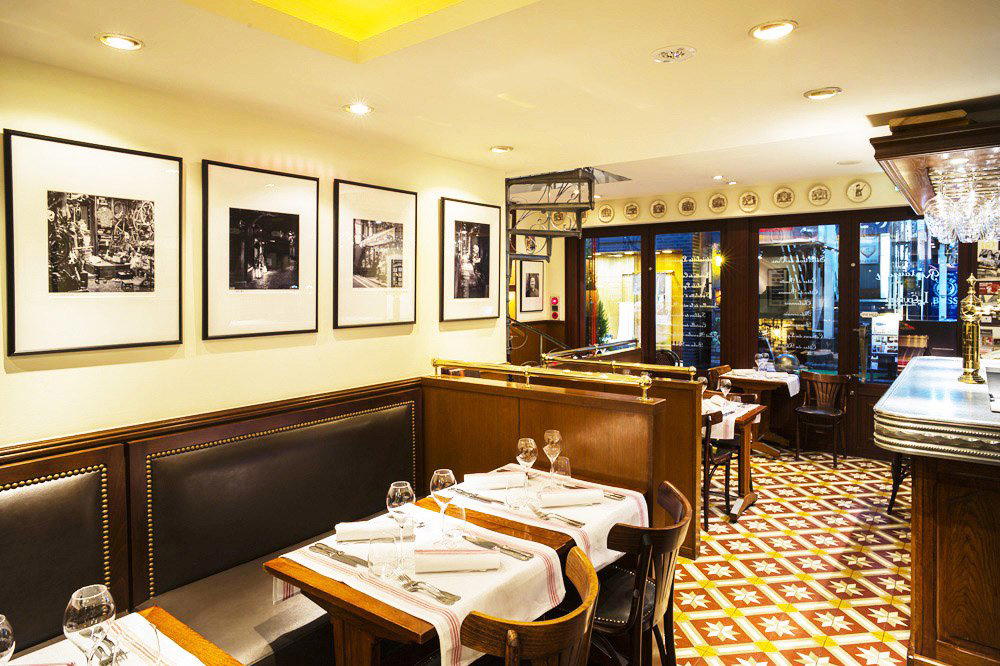
Minami-Aoyama and the French Table in Tokyo
Among the neighbourhoods where Tokyo's French dining tradition has taken root most seriously, Minami-Aoyama sits in a particular tier. The area's low-rise blocks, independent galleries, and concentration of design-led retail create a civilian atmosphere that resists the corporate formality of Ginza or the hotel-corridor polish of Marunouchi. For a certain category of chef, this matters. The decision to place a serious French kitchen here, rather than in one of the city's more obvious fine-dining corridors, reflects a calculation about clientele, pacing, and what kind of meal the room is supposed to produce.
Tokyo's French restaurant scene divides roughly into three layers. At the leading, heavily decorated addresses like Sézanne (French) and L'Effervescence (French) operate with the full apparatus of international recognition: multiple Michelin stars, regular appearance on global lists, and a booking window that functions as its own kind of credential. Below that tier sits a cohort of serious, single-concept restaurants that are technically accomplished and deliberately less visible, places where the work drives the room rather than the reputation. mærge belongs to that second category.
The Premise: Margin as Method
The restaurant's name carries its own editorial logic. Marge in French denotes a margin, a frame, or a blank canvas. The English cognate merge describes the action of bringing distinct things together. The compound, mærge, suggests that the space between traditions is not a gap to be apologised for but the actual site of interest. In a city where French-Japanese fusion has become a genre broad enough to include everything from bistro-casual to hyper-precision tasting menus, this kind of name-level precision is a signal worth reading carefully.
The kitchen operates with prix fixe menus that run two distinct lines simultaneously: one anchored in classical French technique, the other more open to contemporary influence. The approach is not fusion in the blunt sense, it is a structured conversation between two cooking philosophies, held within the same meal and the same room. Tokyo's broader French dining scene has been doing this negotiation for decades; what distinguishes the more considered practitioners is whether the classical thread remains genuinely readable, or whether it dissolves into a house style with French vocabulary. At mærge, the stated intention is to keep both lines audible.
For comparison points within Tokyo's French tier, apothéose represents another address in this space where technique and setting carry the weight of the experience. Across Japan, similar ambitions play out differently by city: HAJIME in Osaka works at the intersection of French structure and ecological philosophy, while akordu in Nara brings Basque-influenced European cooking to a context defined by ancient Japanese material culture.
Minami-Aoyama as a Setting for This Kind of Meal
The move to Minami-Aoyama was deliberate, according to the venue's own framing. Chef Hideyuki Shibata relocated to the neighbourhood as part of a larger ambition, the physical address signals something about how the restaurant wants to be experienced. Minami-Aoyama's 3-chome block sits at a remove from the tourist-facing thoroughfares of Omotesando; the area functions as a neighbourhood for people who already know Tokyo, which is part of the point. Restaurants here tend to attract a local professional and creative clientele rather than the international visitor traffic that flows through higher-profile dining districts.
The ground-floor position within VORT Minami-Aoyama III keeps the room connected to street level, a choice that matters in a city where many serious restaurants retreat upward or underground, partly as a prestige signal, partly to control the acoustic environment. Street-level French dining in this particular block carries its own sensibility: slightly more open, less ceremonial, without abandoning the technical rigour of the kitchen.
Neighbourhood also places mærge in geographic conversation with some of Tokyo's most serious non-French addresses. RyuGin (Kaiseki, Japanese) and Harutaka (Sushi) represent the depth of the city's indigenous fine-dining traditions, and the proximity, conceptual if not always physical, is part of what makes Tokyo an interesting place to run a French kitchen. The reference points for a chef working at this level include not just the Parisian canon but the precision and seasonal discipline of kaiseki, and the product-first logic of high counter sushi.
That bracket in Tokyo now covers a wide range of experiences: the highly awarded, the quietly serious, and the technically accomplished but less visible. The relevant question for a reader deciding between addresses in this tier is what the room is optimised for. Heavily recognised restaurants at this price point are often optimised for event dining, the kind of meal you book for an anniversary or a business occasion where the venue's reputation is part of the value. Restaurants like mærge, operating with less institutional profile, tend to be optimised for the meal itself.
For readers building a broader Japan itinerary, the French tradition extends across multiple cities with distinct characters. Gion Sasaki in Kyoto applies French-influenced technique to kaiseki-adjacent seasonal cooking within a very different urban register. Goh in Fukuoka and 1000 in Yokohama each represent the way serious cooking has dispersed beyond the Tokyo-Osaka axis. And internationally, the conversation about what classical French technique produces when it operates outside France is long-running: Le Bernardin in New York City and Atomix in New York City represent two very different answers to the same question. 6 in Okinawa takes that conversation to an entirely different geographic and cultural register.
Planning Your Visit
mærge operates at 3 Chome-8-14 VORT Minami-Aoyama III, 1F, in Minato City, accessible from Omotesando Station, with the address sitting a short walk from the A5 exit. As a prix fixe operation at the ¥¥¥¥ level in a neighbourhood with limited casual-dining crossover, the restaurant draws a reservation-forward clientele. Booking in advance is the practical default here; the specifics of lead time are not publicly fixed, but treating this as a book-ahead destination rather than a walk-in prospect is the sensible approach for any serious visit. For a broader overview of what Tokyo's dining scene offers across categories and price tiers, our full Tokyo restaurants guide maps the terrain in detail. Those planning a longer stay will also find value in our full Tokyo hotels guide, our full Tokyo bars guide, our full Tokyo wineries guide, and our full Tokyo experiences guide.
Frequently asked questions
What should I order at mærge?
The kitchen operates exclusively on prix fixe menus, so there is no à la carte ordering to manage. The structure runs two parallel lines, one rooted in classical French technique, one more open to contemporary influence, and both are presented within the same meal format. The decision, then, is less about individual dishes and more about which menu format to commit to on a given visit. Given the dual-track premise, the fuller tasting format is the more coherent way to experience what the kitchen is actually doing: the contrast between classical and contemporary registers only fully reads when both are present in sequence.
Do I need a reservation for mærge?
At the ¥¥¥¥ tier in Tokyo, the short answer is yes. The city's top-end prix fixe restaurants, French or otherwise, operate with limited covers and an expectation that guests book ahead. Tokyo's dining culture at this price level is reservation-driven by convention, and Minami-Aoyama, despite its neighbourhood feel, is not an area where serious restaurants hold tables for walk-ins. The more awarded and recognised a Tokyo address becomes, the longer the required booking window tends to stretch; for restaurants operating just below the highest-profile tier, a few weeks of lead time is typically sufficient, though this can compress around peak travel periods in spring and autumn.
Compact Comparison
| Venue | Cuisine | Price | Awards | Notes |
|---|---|---|---|---|
| mærgeThis venue (the venue you are viewing) | Modern French | $300–500 | 1 Michelin Star | Not listed |
| Harutaka | Edo-Style Omakase Sushi | $200–300 | 3 Michelin Stars · World's 50 Best #76 | Sushi |
| RyuGin | Modern Kaiseki | $500+ | 3 Michelin Stars · World's 50 Best #41 | Kaiseki, Japanese |
| L'Effervescence | Modern French with Japanese Influences | $200–300 | 3 Michelin Stars · World's 50 Best #69 | French |
| HOMMAGE | Modern French with Japanese Influences | $150–200 | 2 Michelin Stars · World's 50 Best #78 | Innovtive French, French |
| MAZ | Innovative Peruvian-Japanese Fusion | $150–200 | 2 Michelin Stars · World's 50 Best #28 | Innovative |
Recognition history
Dated appearances from independent guides and award organizations, with the underlying list record or original source where available.
Michelin 1 Star
Michelin
Continue exploring
More in Tokyo
Restaurants in Tokyo
All restaurants in Tokyo →




Bars in Tokyo
All bars in Tokyo →






mærge
The wine
- Wine program
- Deep wine list
- Extensive wine list
- Sommelier-led
Details
- Modern
- Elegant
- Sophisticated
- Minimalist
- Intimate
- Date Night
- Special Occasion
- Celebration
- Open Kitchen
- Private Dining
- Extensive Wine List
- Sommelier Led
- Local Sourcing
- Garden
- Tasting Menu
- Wine
Current opening hours
- Monday
- Closed
- Tuesday
- 6–11 PM
- Wednesday
- 6–11 PM
- Thursday
- 6–11 PM
- Friday
- 6–11 PM
- Saturday
- 6–11 PM
- Sunday
- Closed
Hours can change for holidays and private events. Last verified .
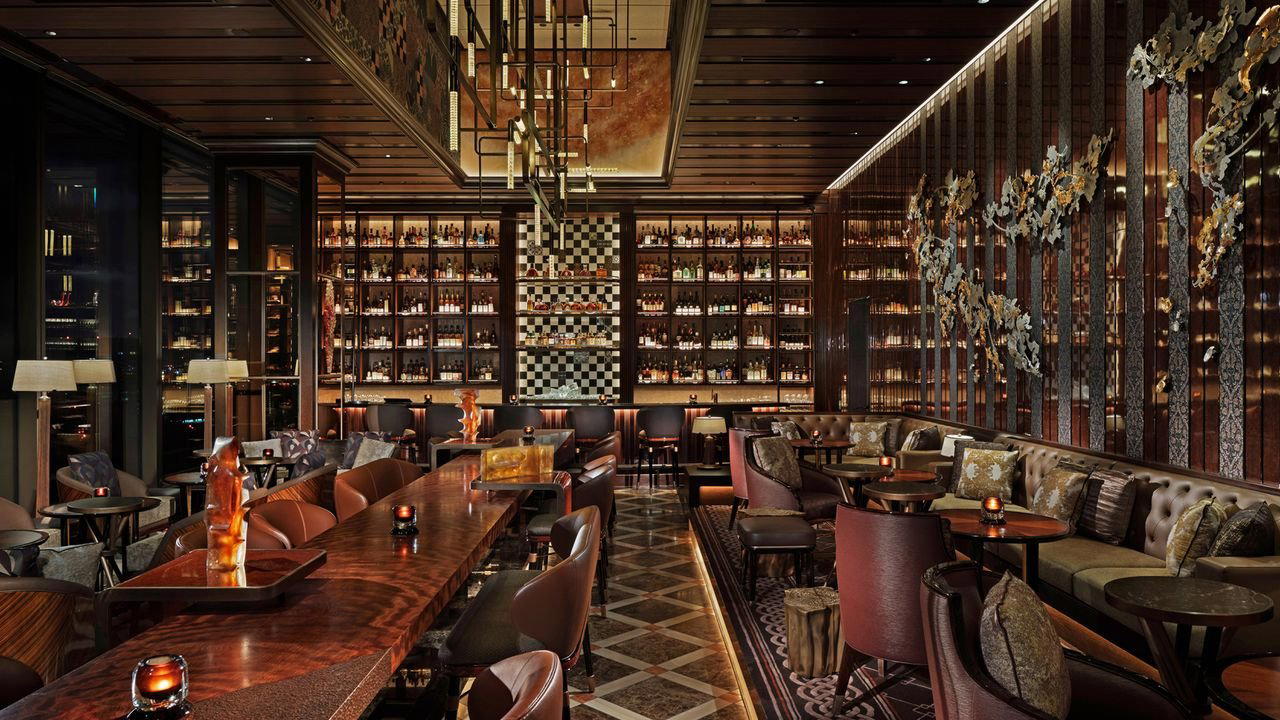
Serene and sculptural space with gentle irregular lines, islands of light from glass lamps amid shadows, evoking incomplete beauty and natural rhythms.