<strong>mærge brings French</strong> cooking into <strong>Tokyo</strong>’s broader conversation about provenance, restraint, and seasonality. With limited public data on chef, pricing, hours, and booking, it is better read through context: a French address in a city where technique matters, but where ingredient origin and Japanese seasonality increasingly decide the character of the table.
 Discover on Pearl
Pearl is the En Primeur Club membership app — saves, bookings, and concierge access live there. Same editors, same standards.
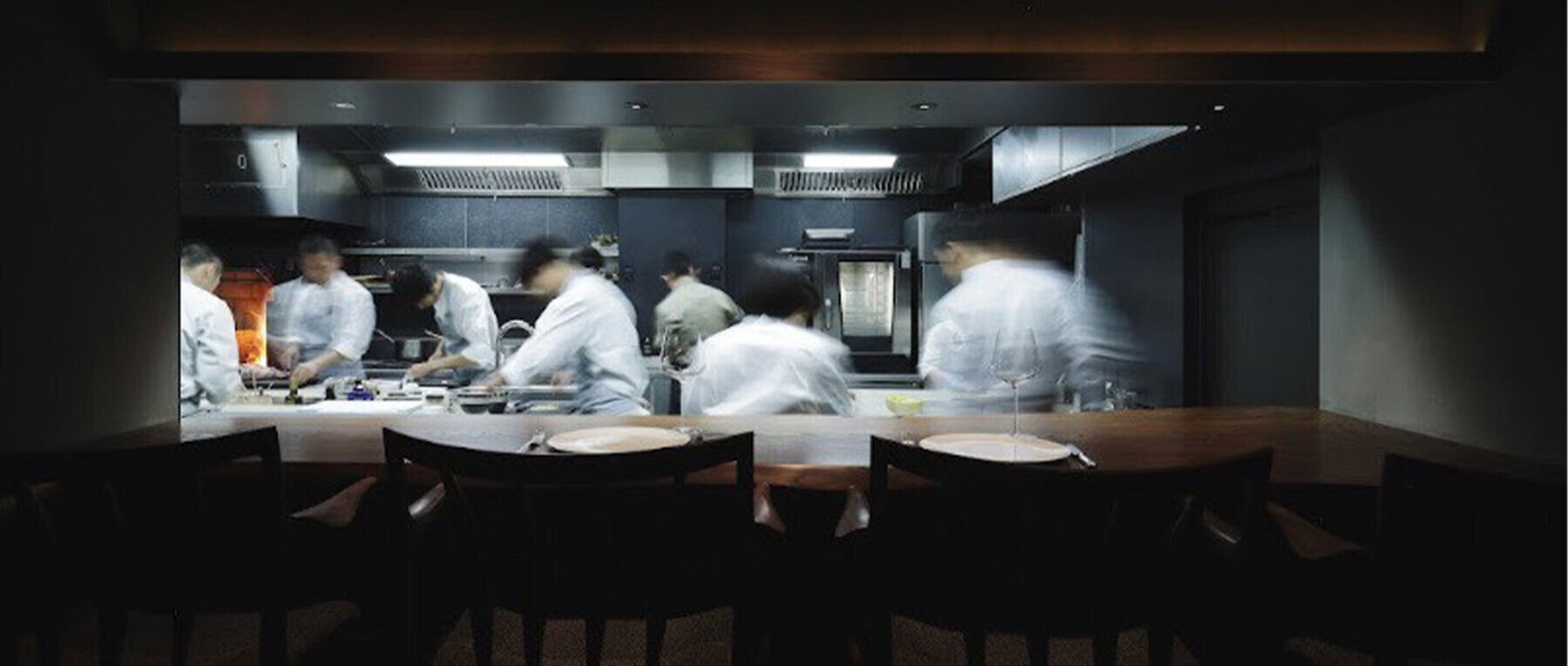
Tokyo dining often begins before the first plate: a quiet lift lobby, a discreet doorway, a room calibrated for concentration rather than display. For a French restaurant such as mærge, that setting matters because the city has trained diners to read atmosphere as part of the meal. Silence, pacing, table spacing, glassware, and the absence of unnecessary theatre all carry meaning in a restaurant culture where formality can be intense without feeling stiff.
The more interesting question is not whether Tokyo can support French cooking. That argument ended decades ago. The question is how French technique behaves in a city where produce, seafood, rice, fermentation, and micro-seasonality exert such pressure on every serious kitchen. mærge sits inside that conversation. The database record identifies it as French in Tokyo, with no public address, hours, price range, chef name, awards, seat count, or booking method supplied here. That absence should not be treated as a gap to decorate with guesses. It clarifies the editorial frame: this is a page about where mærge belongs in Tokyo’s French idiom, and what a reader can responsibly infer from category and city without pretending to know details that have not been verified.
French cooking in Tokyo is no longer an imported language
Tokyo’s French restaurants have moved beyond the old model of replication. The city’s serious French rooms rarely feel like Parisian stage sets now; they are Japanese restaurants using French grammar. Sauces, stocks, pastry technique, and service cadence remain part of the inheritance, but the center of gravity has shifted toward provenance. Fish may be understood by port and season, vegetables by prefecture and grower, and dairy or game by increasingly precise domestic supply chains. In that setting, a French label signals method more than mood.
That is why mærge should be read against Tokyo’s established French peer set rather than as a generic European restaurant. L'Effervescence has helped define a modern Tokyo approach in which French structure meets Japanese agriculture and philosophical restraint. Sézanne places the city in a more international luxury-hotel register, where French cuisine is judged against global dining capitals. ESqUISSE occupies another version of the genre, polished, art-conscious, and deeply technical. Florilège pushed counter-format modern French into a more theatrical but disciplined lane, while Château Restaurant Joël Robuchon represents the grander lineage of French luxury in the city.
Those comparisons matter because Tokyo diners do not evaluate French restaurants only by Frenchness. They evaluate them by how convincingly they translate place. A restaurant in this category is expected to show command of technique without letting technique become the subject. The deeper editorial test is provenance: does the cooking express a relation between land, sea, season, and plate, or does it merely import a vocabulary of foie gras, jus, and pastry?
Terroir in Tokyo means movement, not nostalgia
French terroir is often described through fixed landscapes: vineyard, village, pasture, appellation. Tokyo complicates that model. The city is not an agricultural region in the rural sense; it is a receiving point, a distribution intelligence system, and a dining capital that turns supply into culture. The chef’s market choices, the fish route, the vegetable growers, the use of Japanese citrus, mountain herbs, mushrooms, or coastal products all become the local terroir of a French table here.
For mærge, the verified record does not list signature dishes or producers, so specific claims would be careless. The responsible reading is broader. A Tokyo French restaurant now has to justify itself through more than classic technique. It has to participate in the city’s ingredient logic, where seasonality is not a decorative word but a structural principle. Spring vegetables, summer river fish, autumn mushrooms, winter game, citrus, root crops, and shellfish enter menus not as novelty but as calendar. The point is not that every French restaurant uses the same ingredients; it is that Tokyo’s dining public has the literacy to notice when provenance is vague.
Michelin Guide noted that "Traditional French techniques are fused with contemporary sensibilities, creating a cuisine that reflects both heritage and modernity."1 That sentence describes a wider Tokyo pattern as much as an individual kitchen: heritage is no longer enough, and modernity cannot mean decoration. The successful version is translation, where a French base gives structure to Japanese product rather than covering it.
"Terrine of foie gras paired with cacao and jam is a combination inspired by Sachertorte, a dessert that originated in Vienna."
— Michelin Guide, The quotation is useful because it shows the direction of contemporary European technique in Japan: references do not remain inside one national border. A dish can use French form, Austrian memory, and Japanese calibration of sweetness, temperature, and portion. That is the register in which a Tokyo French restaurant is judged. The plate is expected to be literate without becoming academic.
The competitive set is crowded, but not interchangeable
Tokyo has a rare density of restaurants working at high technical levels, from sushi counters and tempura rooms to kaiseki, Chinese, Italian, and French kitchens. In that field, French restaurants must explain their relevance. The old markers, linen, silver, imported wine, and a long tasting menu, no longer secure authority by themselves. Diners have better alternatives across categories, and many of them are smaller, more personal, or more rooted in Japanese culinary traditions.
This is where mærge’s lack of listed awards and pricing in the supplied record becomes relevant. Awards would place it more clearly within a formal hierarchy; price would signal whether it competes with grand French rooms, mid-size modern counters, or a more accessible neighborhood tier. Without those markers, the safer editorial position is comparative rather than promotional. It belongs to Tokyo’s French category, but its exact tier cannot be asserted from the available data.
That caution is not a weakness. It is useful for travelers planning a serious Tokyo dining itinerary. A meal at a French restaurant in Tokyo should be chosen for a specific reason: technique, provenance, wine program, room style, chef lineage, or location. When those details are not public in the record, mærge becomes a candidate for further verification rather than an automatic anchor meal. Readers comparing it with Our full Tokyo restaurants guide should weigh it alongside restaurants with clearer evidence on awards, format, and booking friction.
What the room needs to deliver
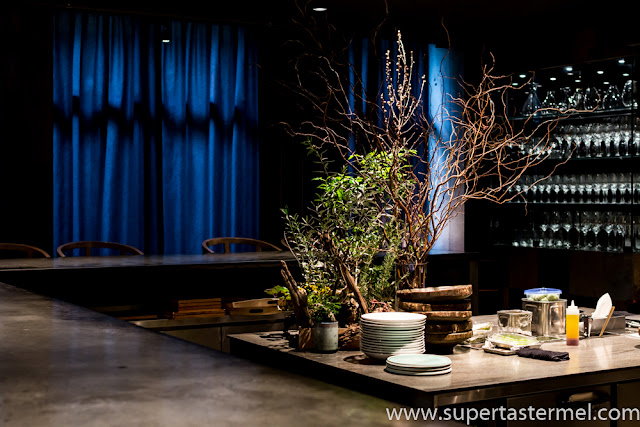
In Tokyo, atmosphere is rarely incidental. A French dining room has to manage a delicate balance between ceremony and ease. Too much imported grandeur can feel detached from the city. Too little structure can make the meal drift. The strongest Tokyo French rooms tend to use restraint as a form of confidence: fewer gestures, cleaner pacing, and a menu whose transitions make sense without explanation.
For mærge, the verified data does not describe décor, service style, music, seating, or table format. Still, the category points to a set of reader expectations. French cuisine in Tokyo usually implies a meal organized around courses rather than casual grazing, with attention to wine service or non-alcoholic pairings, pacing, and plate sequence. It also implies that the kitchen’s handling of fat, acidity, heat, texture, and sauce will be judged more closely than in a simpler bistro context. In a city where diners can find precise tempura, tightly edited sushi, and kaiseki built around seasonal progression, French restaurants cannot rely on luxury cues alone.
Michelin Guide wrote that "‘Hakuun’ is a Zen term meaning ‘white cloud’, denoting a spirit of flowing leisurely along without worldly attachment."2 The reference points to a broader Japanese aesthetic that often shapes high-end dining in Tokyo: flow, lightness, and the discipline of not overloading the experience. French restaurants that work in this environment often succeed by editing, not adding.
Provenance as the serious measure
The terroir question is especially sharp in Japan because origin is legible to diners across price levels. A casual counter may name a fishing port; a kappo meal may track the season through vegetables and shellfish; a soba specialist may turn flour source into identity. French restaurants entering that culture face an informed audience. The cooking has to show why French technique is the right lens for the ingredient.
That expectation links mærge to a national dining pattern beyond Tokyo. In Osaka, HAJIME in Osaka uses a high-concept framework to place French technique in conversation with nature and systems. Kyoto’s Gion Sasaki in Kyoto shows how season and performance can structure a meal through a Japanese lens. Tsukumo in Nara brings regional quiet into the discussion, while Goh in Fukuoka demonstrates how French technique can absorb local energy outside the capital. Aji Arai in Oita and Aotsuka Shokudo in Hokkaido (Otaru) remind travelers that Japanese provenance becomes sharper when the geography changes.
International comparison is also useful. Les Amis — French in Singapore reflects a city-state model of French luxury shaped by service polish, imported produce, and cellar depth. Hotel de Ville Crissier — French in Crissier belongs to a European lineage where geography, history, and institutional continuity are part of the restaurant’s authority. Tokyo’s French rooms operate differently: their authority comes from translation, precision, and the ability to make Japanese seasonality feel native to French form.
"Chef Yoshinaga Jinbo’s modern Italian cuisine paints scenes of the fields on the plate."
— Michelin Guide, Even though that quotation concerns Italian cuisine, it captures a standard that applies across Tokyo’s European restaurants. The plate has to show field, coast, season, or producer in some intelligible way. Cuisine type is the frame; provenance is the argument.
Planning a meal around mærge
The supplied record does not include address, hours, telephone number, website, price range, booking method, dress code, or seat count. That means planning should start with verification rather than assumption. In Tokyo, serious restaurants may use direct booking, hotel concierge channels, restaurant reservation platforms, or referral-heavy systems, and those methods can change. Travelers should confirm the current reservation route and cancellation terms before building an evening around the table.
The same caution applies to timing. Tokyo dining itineraries work better when grouped by neighborhood, but mærge’s address is not available in the record. Without a location, it should not be paired tightly with a specific bar, hotel, or late train plan. For broader trip structure, compare restaurant plans with Our full Tokyo hotels guide, then build drinking and after-dinner options through Our full Tokyo bars guide. Travelers extending the trip beyond restaurants can use Our full Tokyo wineries guide and Our full Tokyo experiences guide to keep the itinerary coherent rather than overfilled.
Price is also unlisted. That matters in Tokyo because French restaurants can range from accessible neighborhood dining to high-cost tasting-menu formats with pairings. Until current pricing is confirmed, diners should treat mærge as an open variable in the budget rather than a fixed-value booking. The safer approach is to decide what role it should play: a central dinner for the trip, a comparison point against more established French addresses, or a flexible option if the reservation channel and location suit the itinerary.
At a Glance
- Elegant
- Modern
- Sophisticated
- Intimate
- Hidden Gem
- Special Occasion
- Date Night
- Business Dinner
- Celebration
- Solo
- Standalone
- Design Destination
- Private Dining
- Extensive Wine List
- Local Sourcing
- Garden
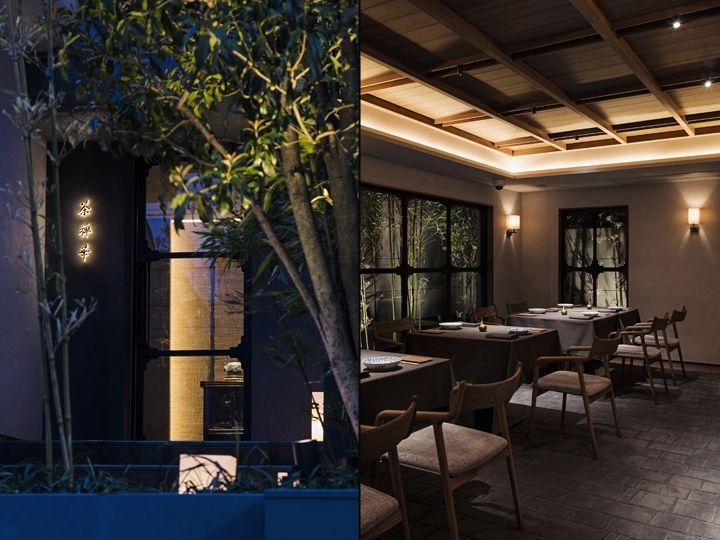
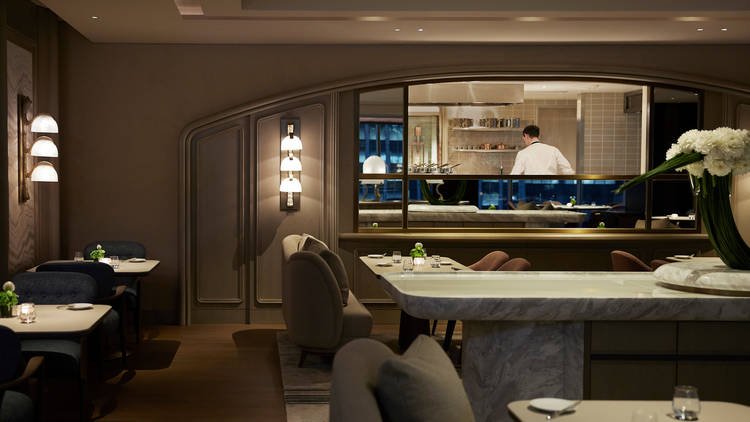
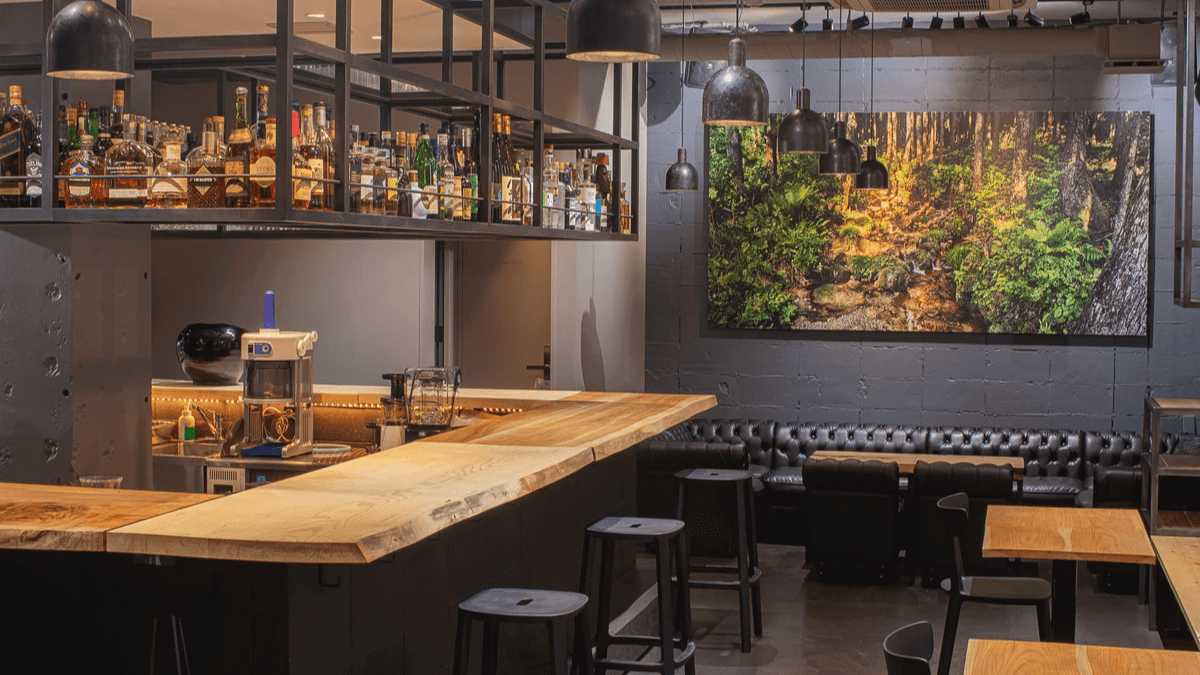
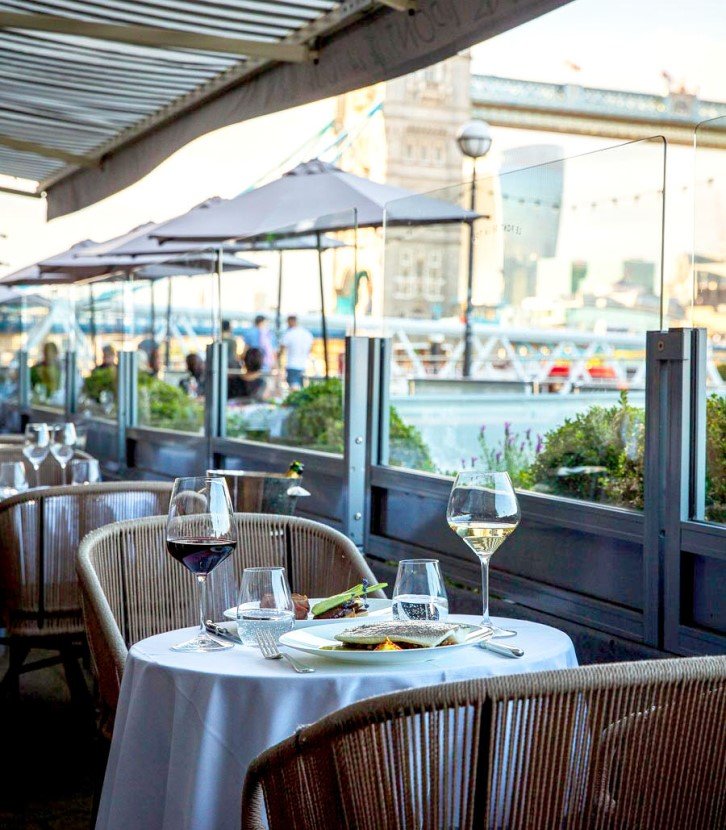
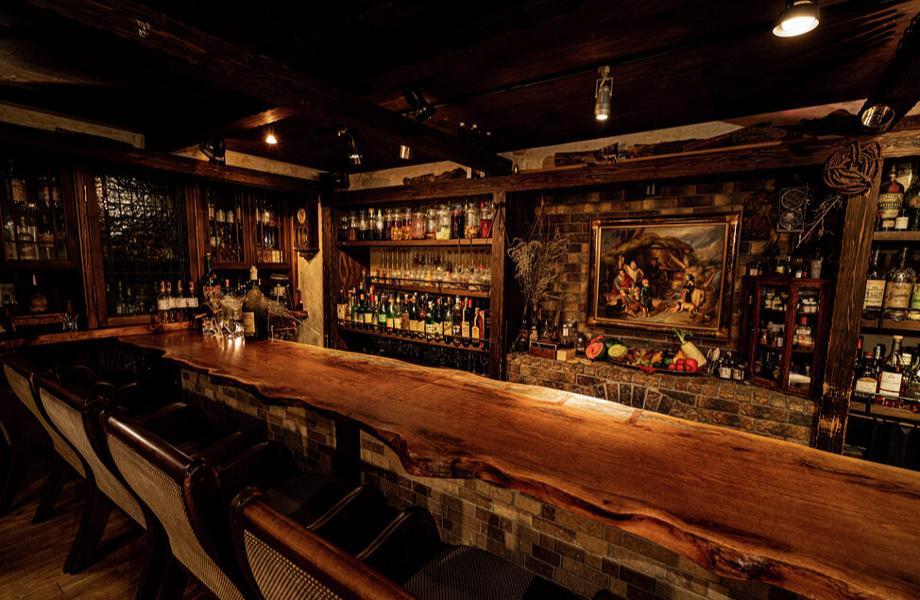
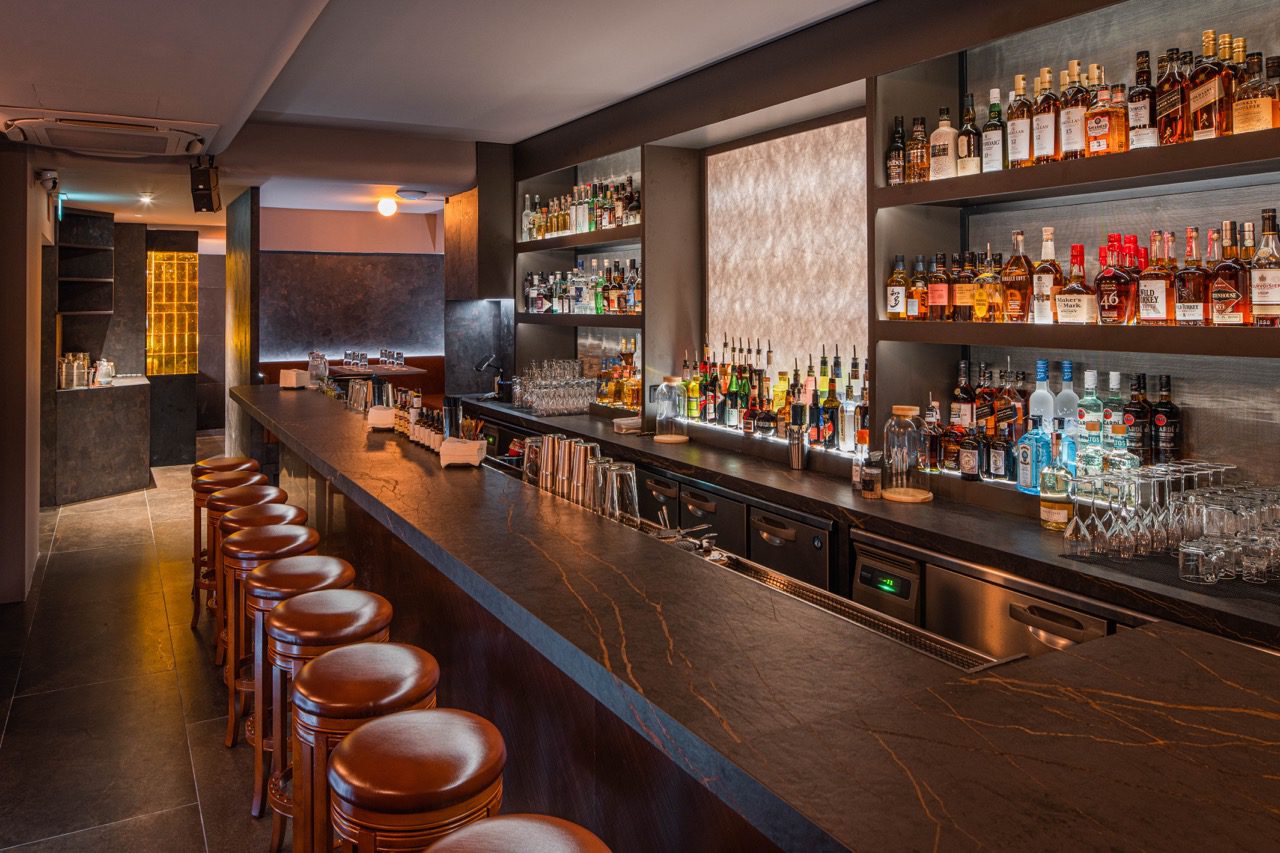
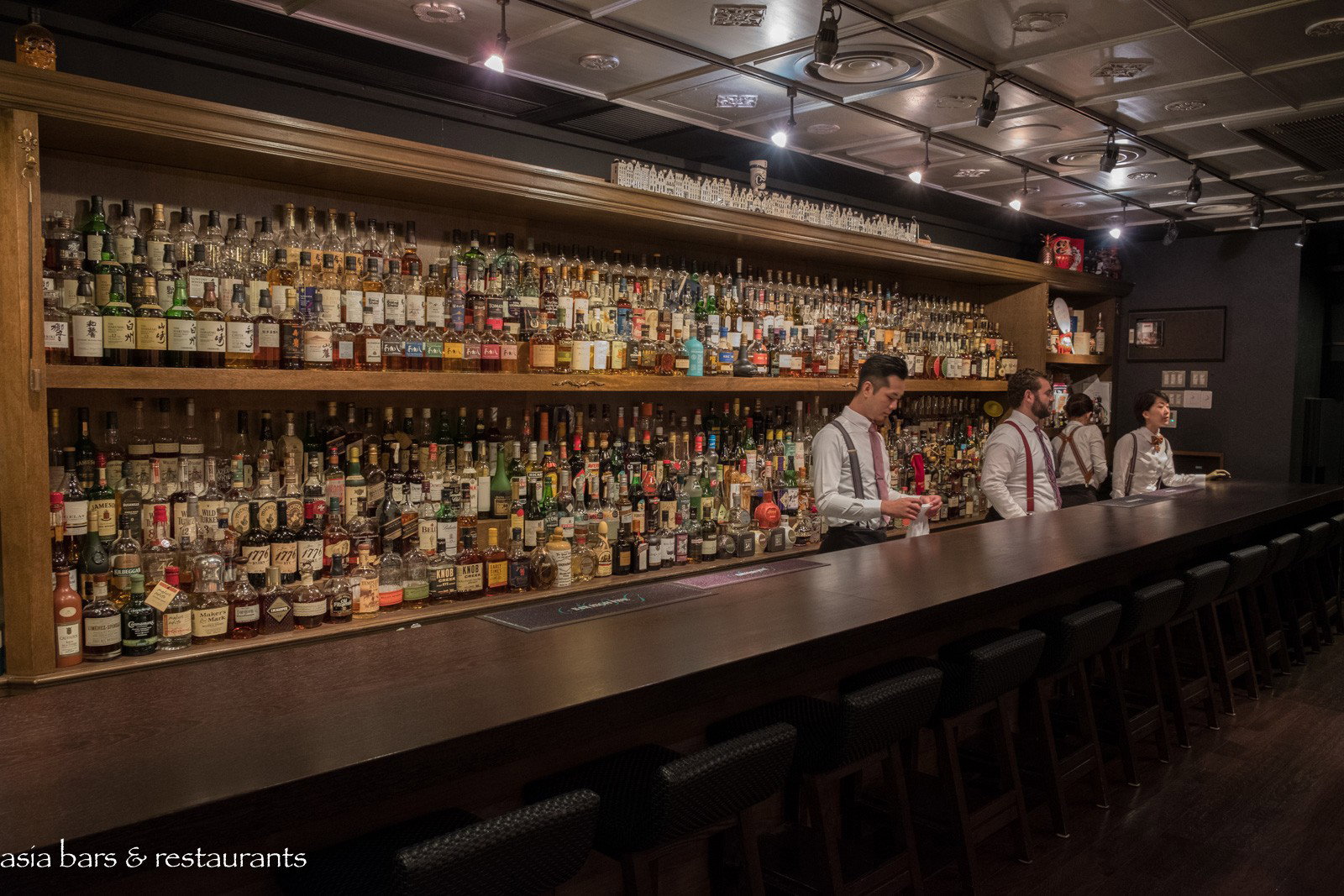
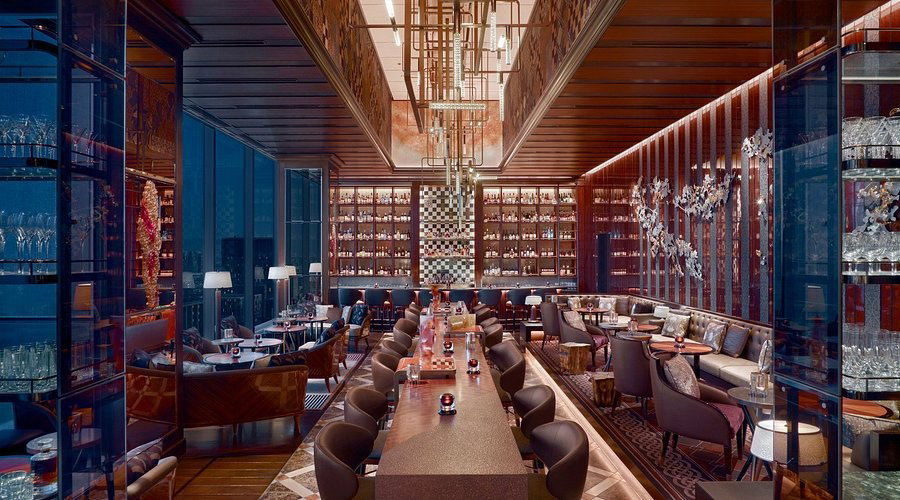
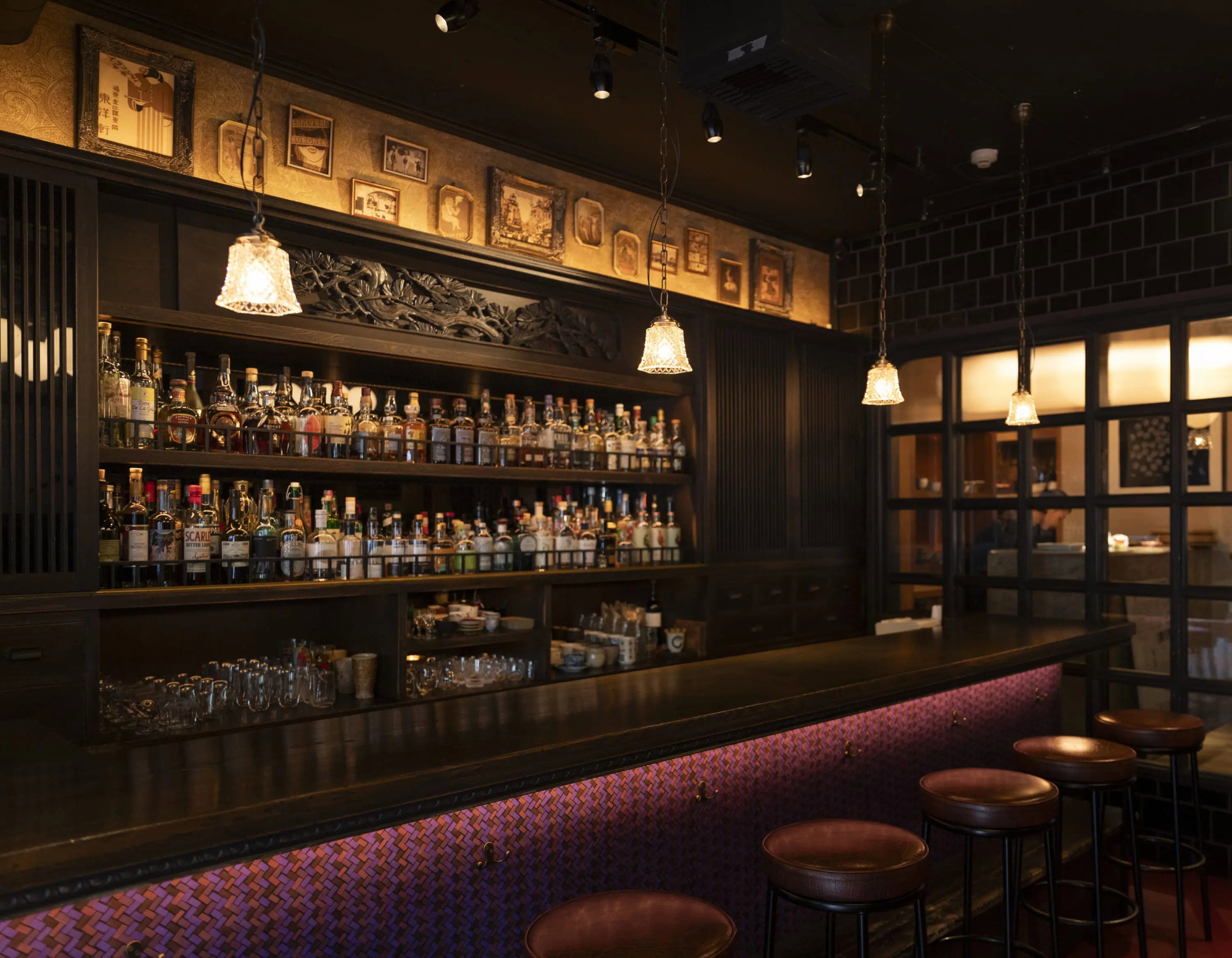
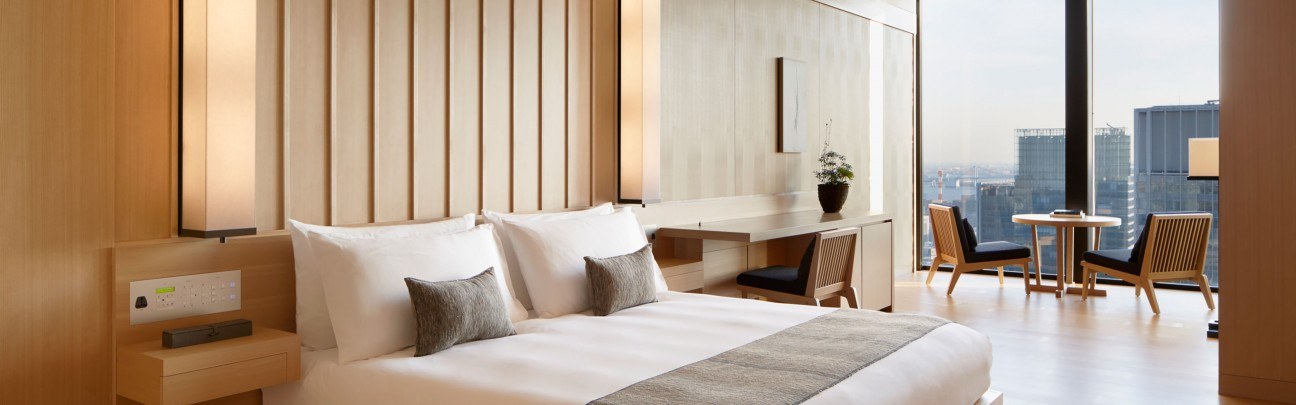
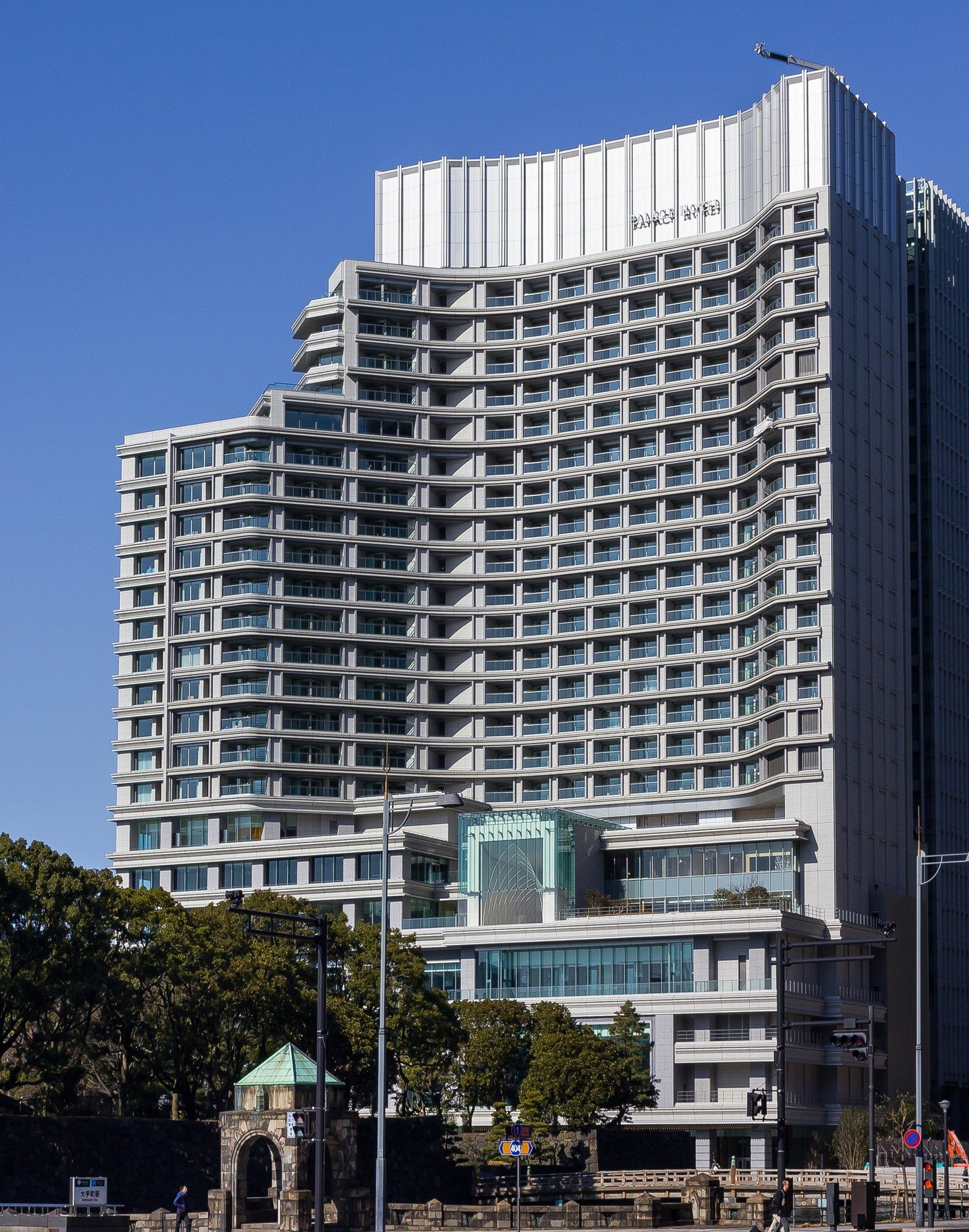
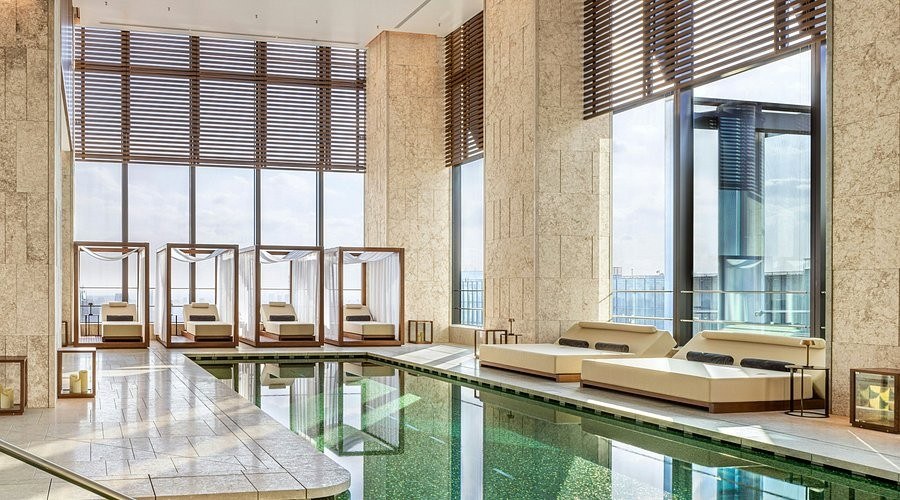
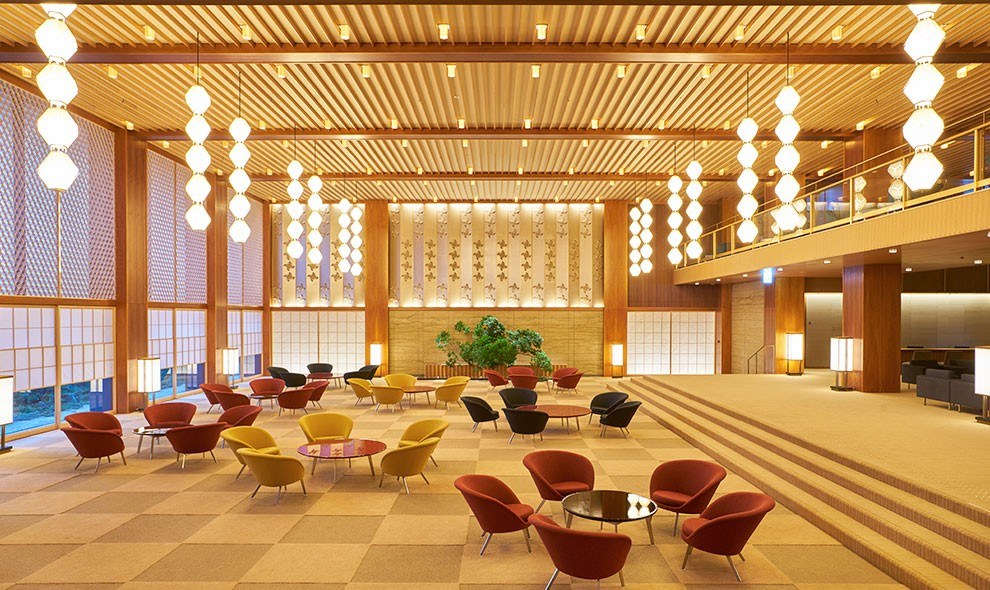
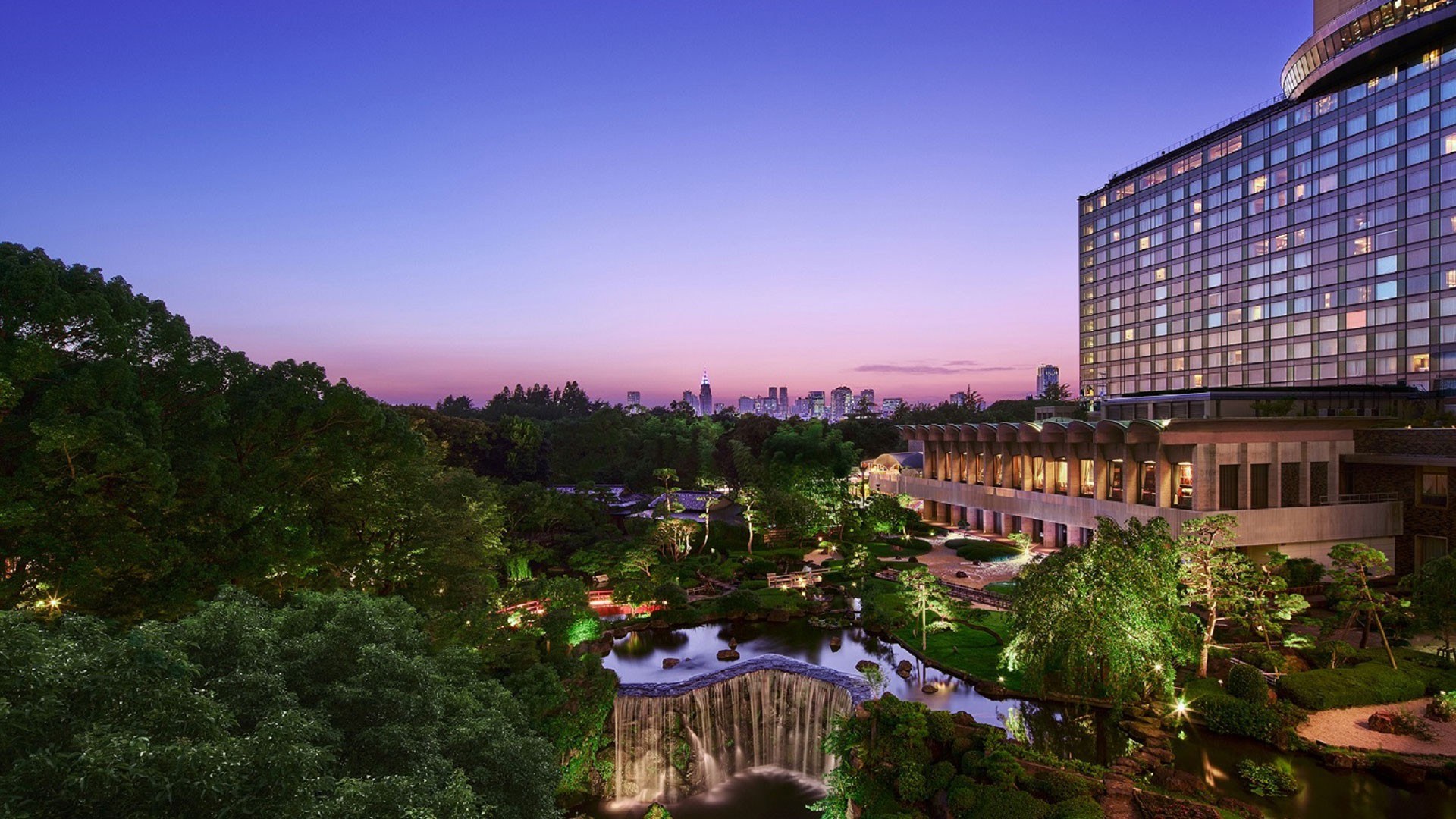
A refined, minimalist dining room with a calm, hushed atmosphere, contemporary design, and a serene approach beginning with a small garden entrance that feels like an escape from the city, suited to focused, leisurely fine dining.[1][4][8]