Luminà Restaurant
Our verdict
Luminà Restaurant brings an international show-cooking format to Casablanca, a city where French-Moroccan brasserie culture and refined traditional cookery have long defined the upper dining tier. Live cooking stations shift the dynamic from plated service to open performance, placing it in a distinct niche within the city's growing cosmopolitan restaurant scene. Visitors should verify current hours and booking requirements directly with the venue.

Pearl is the En Primeur Club membership app, where members save venues, book tables and use the concierge.
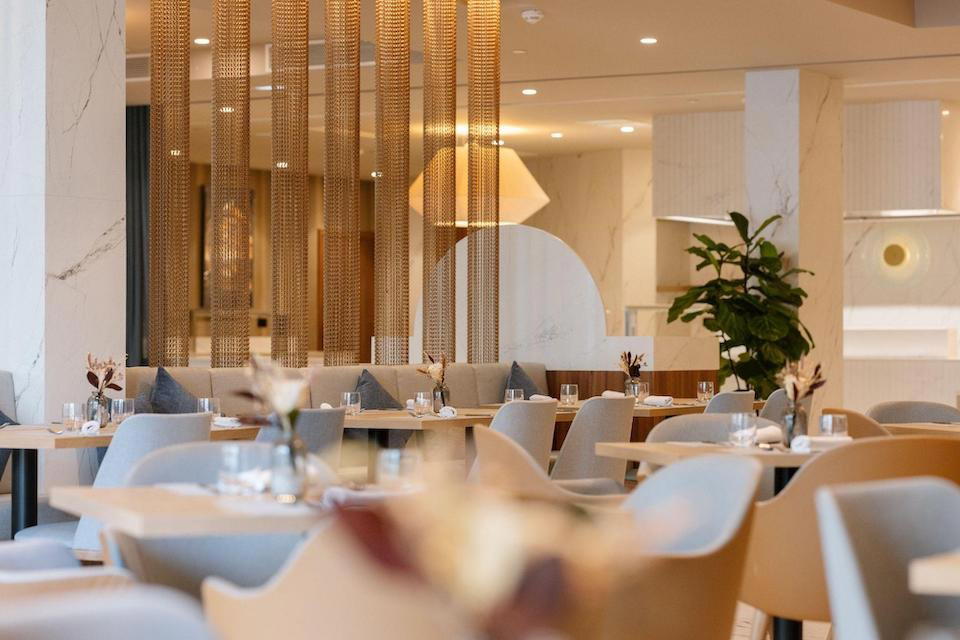
Show Cooking in a City That Knows Its Kitchens
Casablanca's restaurant scene has never been easy to categorise. It sits at a crossroads that is genuinely geographical: Atlantic coast, French colonial legacy, Amazigh culinary roots, and decades of pan-Arab and sub-Saharan trade influence all press against each other on the same plate. The city's upper dining tier has historically been split between formal Moroccan fine dining, tagine and couscous reframed with ceremony and precision, and French-influenced brasseries that trace their lineage back to the protectorate era. Into that established order, the international show-cooking format represents something of a departure.
Luminà Restaurant operates in that departure zone. Its format centres on show cooking stations, a live-kitchen model that has gained traction in hotel dining rooms and urban food halls across the Middle East and North Africa over the past decade, but remains a minority format in Casablanca specifically. The proposition is theatrical in the sense that production is visible, but the underlying appeal is something more considered: the idea that watching food prepared in real time reframes the relationship between kitchen and table.
Where This Format Sits in Casablanca's Dining Taxonomy
To understand Luminà's position, it helps to map the tiers around it. At the upper end of Moroccan fine dining in the city, La Grande Table Marocaine at Royal Mansour Casablanca operates within a palatial hotel framework, presenting traditional Moroccan cookery with considerable ceremony. Moroccan-French hybrids like Hôtel Le Doge and Iloli occupy a middle register, fluent in both culinary languages. Dar El Kaid anchors the traditional end of the spectrum with a more rooted Moroccan identity.
The international show-cooking model sits outside these categories. It does not attempt to be a Moroccan restaurant or a French brasserie. Its reference points are broader, drawing on a global pantry and a format that prioritises spectacle and variety over cuisine-specific depth. That is not a weakness in itself; it is a different contract with the diner. The question worth asking is whether that contract suits the occasion you have in mind.
The Cultural Stakes of an International Kitchen in Morocco
Morocco's culinary traditions carry significant weight. The country's cuisine, shaped by Berber, Arab, Andalusian, and sub-Saharan African influences, is among the most structurally complex on the African continent, and Casablanca, as the commercial capital, has always been the place where those traditions negotiate with the outside world. Restaurants that frame themselves as international rather than Moroccan are not evading that weight; they are taking a position within it.
Show-cooking formats, when done with genuine sourcing and technique rigour, have the potential to put Moroccan ingredients into a wider conversation: preserved lemons alongside citrus preparations from elsewhere, argan oil in contexts beyond the expected, slow-cooked Moroccan methods brought into view alongside techniques from further afield. That kind of dialogue is more interesting than simple fusion, and it is the standard against which an international kitchen in this city should be measured. How closely Luminà tracks that potential is something current visitors are better positioned to report than a static profile can confirm.
For Moroccan context beyond Casablanca, the range is considerable. La Grande Brasserie by Hélène Darroze in Marrakesh brings a named French culinary lineage to Morocco's southern cultural capital. Berrada in Fes operates in the city that many Moroccan food historians consider the country's culinary heartland. Coastal options like L'Araignée Gourmande in Oualidia and Heure Bleue Palais in Essaouira show how Atlantic produce shapes kitchens along the western seaboard.
The Show-Cooking Model: What It Delivers and What It Does Not
Live-station dining has a specific logic. It works well in settings where variety is genuinely valued over depth, where a group is unlikely to agree on a single cuisine direction, where the visual element of cooking adds real pleasure to the meal, and where the kitchen's ability to execute across a wide range of techniques is the actual demonstration of skill. These conditions tend to apply at group celebrations, business dinners with mixed dietary requirements, or hotel dining scenarios where the audience skews international and unfamiliar with the local canon.
What the format typically trades away is the kind of concentrated culinary argument that a single-cuisine kitchen can make. The omakase counter, the single-product bistro, the deeply regional Moroccan table: each of these makes a specific claim and tests it rigorously across the meal. The show-cooking format makes a broader, more accommodating claim, and is judged differently for it.
For Casablanca visitors with a specific interest in Moroccan culinary tradition, La Sqala: Café Maure offers a more rooted alternative in the city. Cocoa Café, with its Parisian café-inspired format, covers the lighter end of the day. Dar Dada in Sidi Belyout and Azurita in Tangier extend the range for those moving along the northern Atlantic corridor. The full Casablanca restaurants guide maps the wider scene in detail.
Planning a Visit
International show-cooking restaurants in this tier across the MENA region typically operate dinner service daily with extended weekend hours, and pricing tends to sit in the mid-to-upper range relative to local casual dining, though the format often incorporates all-in or buffet-style pricing structures that can make per-head costs more predictable. Dress codes at venues of this type in Casablanca's hotel and premium restaurant circuit generally lean toward smart-casual as a minimum. Confirming all of this directly remains the practical step.
For global reference points in the fine and premium dining register, Le Bernardin in New York City and Atomix in New York City illustrate how the highest-tier international kitchens build coherent arguments from a defined culinary position. That context is useful when thinking about what any international-format restaurant in a city with Casablanca's culinary identity is actually attempting to do. Further coastal exploration is possible via Café Enjoy Agadir and the wine-country perspective at Château Roslane and Le Palace in Marrakech.
Frequently asked questions
Does Luminà Restaurant work for a family meal?
The show-cooking station format distributes choice across multiple live stations, which tends to reduce the friction of mixed preferences at the table, a practical advantage for families. Groups where adults and younger diners want different things benefit from that built-in variety. Casablanca's international dining options are competitive, but few use this format as their central organising principle.
What's the overall feel of Luminà Restaurant?
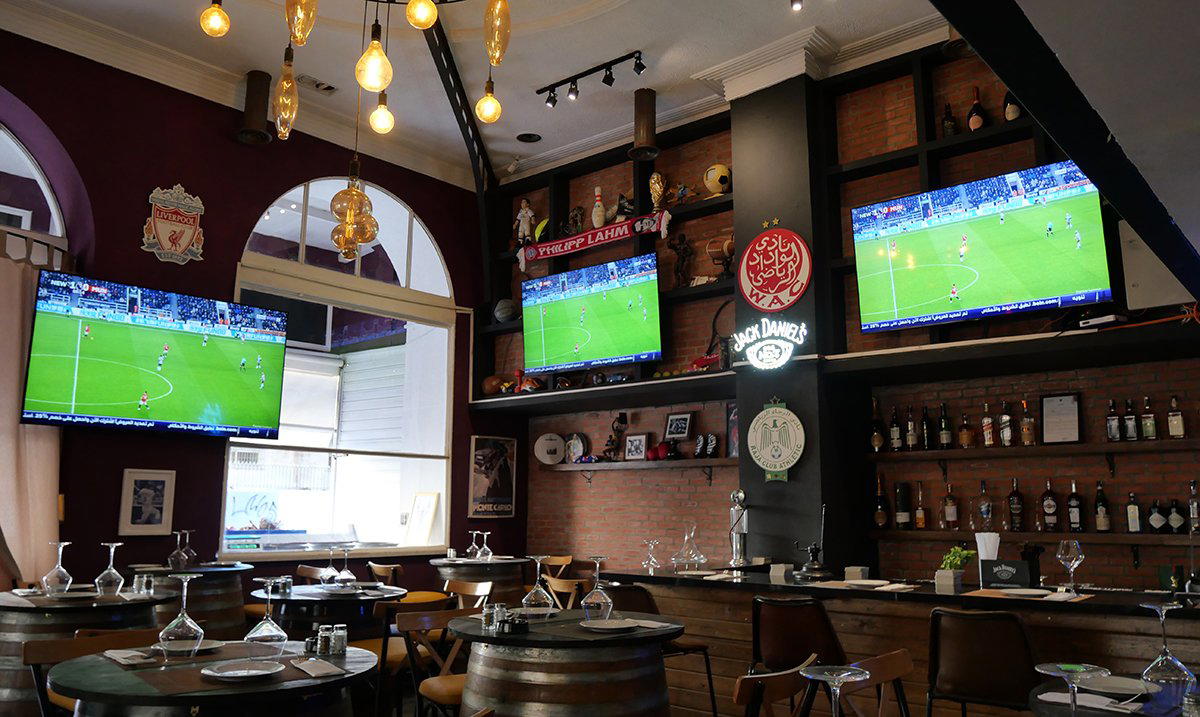
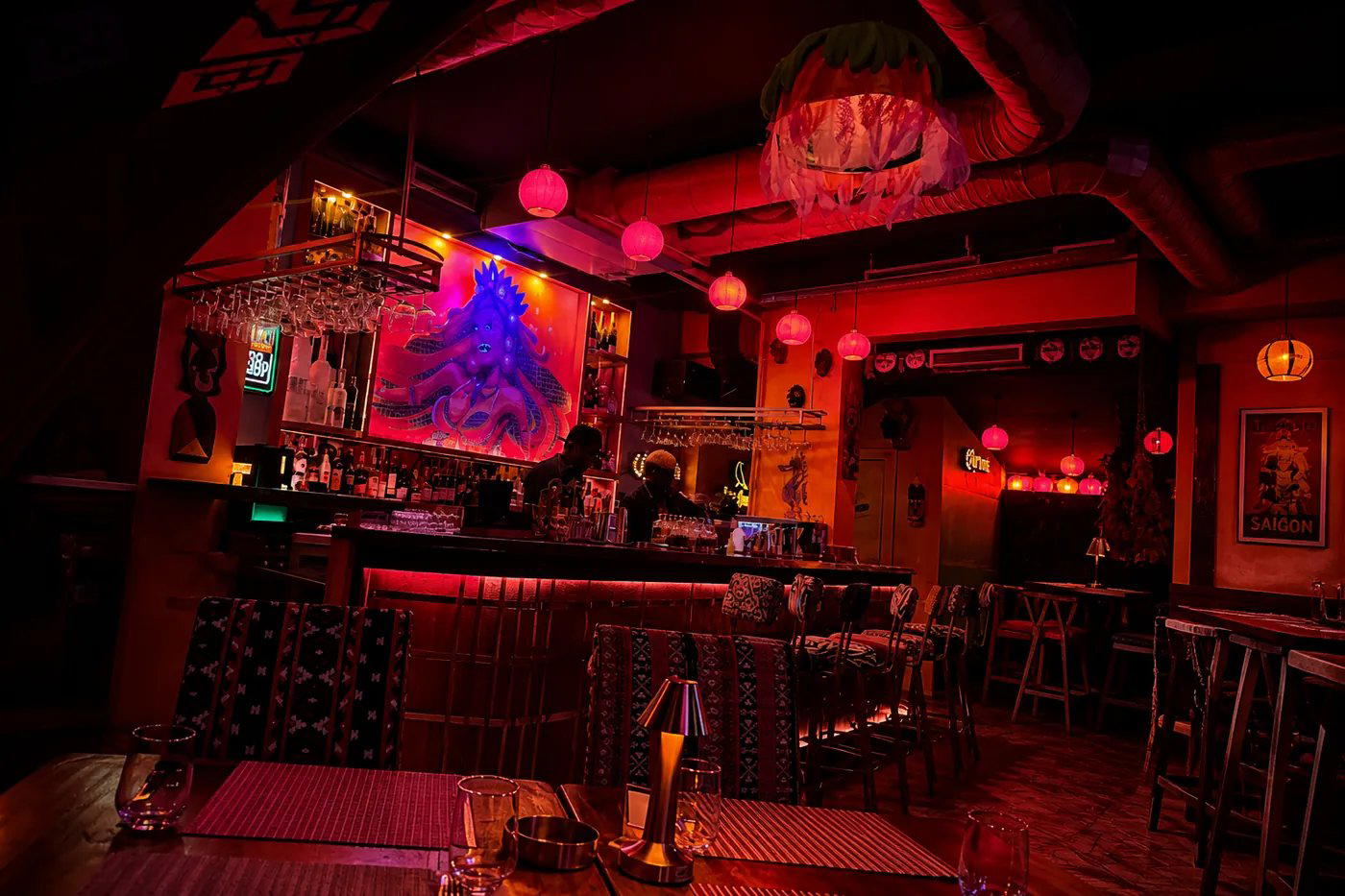
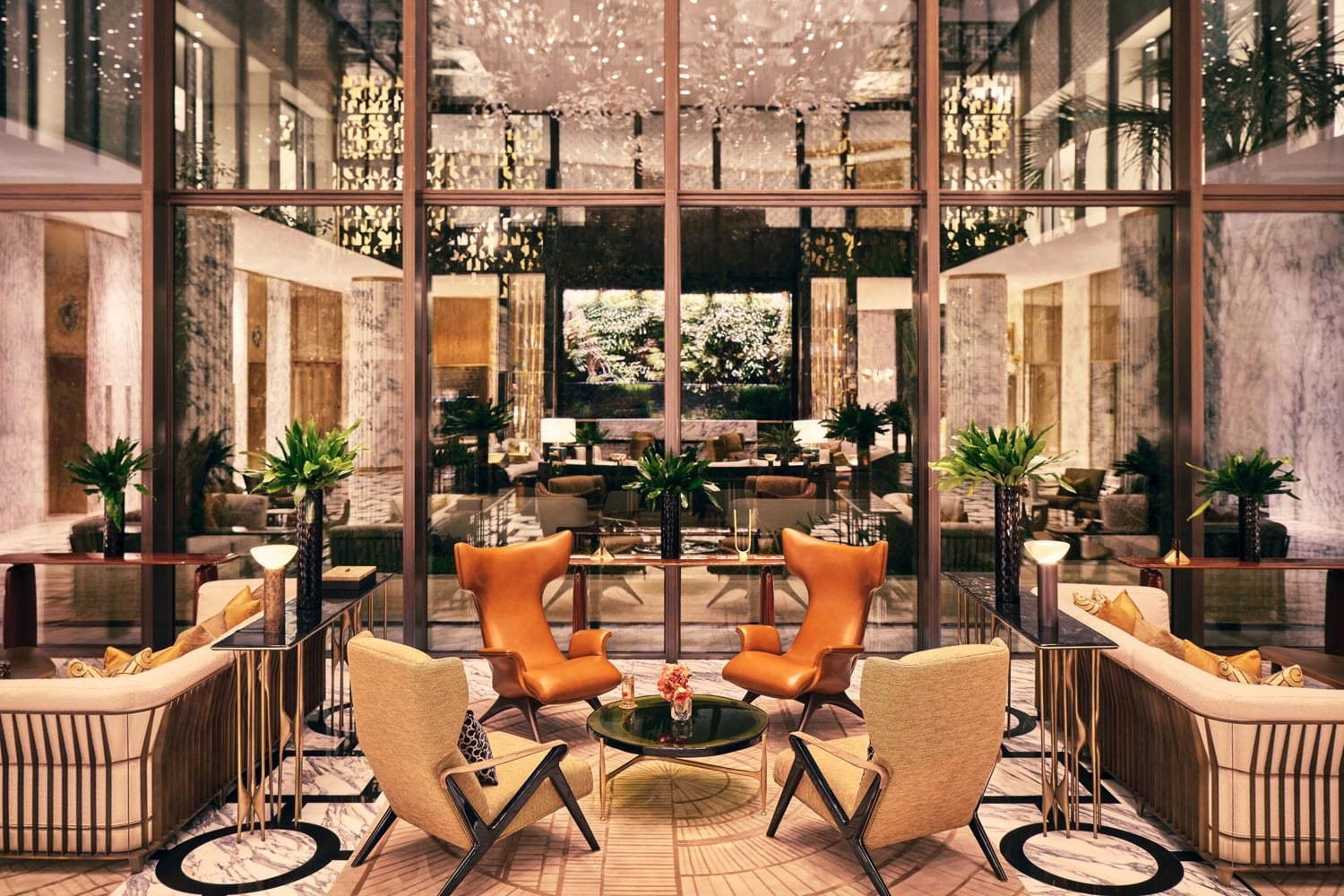
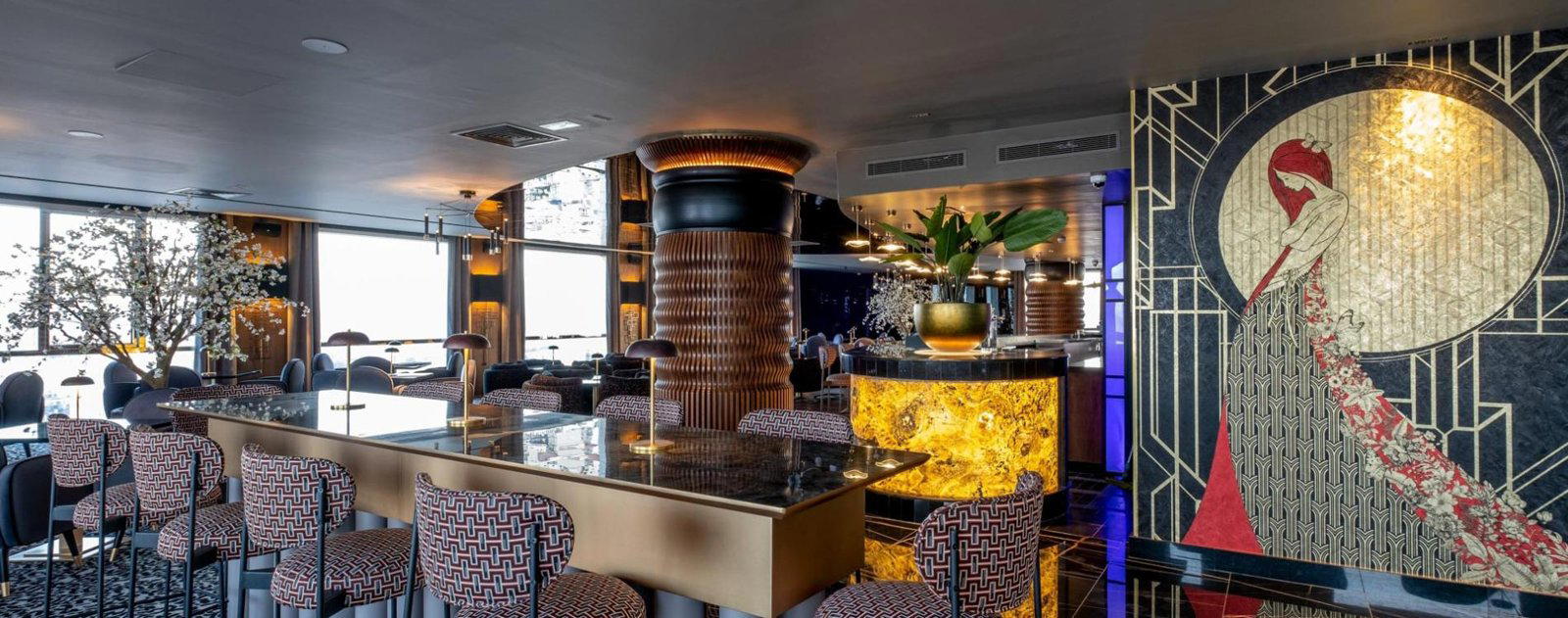
The show-cooking station model points toward a contemporary, cosmopolitan setting rather than a traditionally Moroccan room. Live cooking stations create an open, active dining floor where the kitchen is part of the experience rather than hidden behind it. That format is relatively uncommon in Casablanca, where most serious restaurants are either French-influenced or grounded in Moroccan tradition.
How does Luminà Restaurant's show-cooking format compare to other international restaurants in Casablanca?
Casablanca's dining scene spans French brasserie holdovers, high-end Moroccan tables, and a growing tier of contemporary international openings, but venues built around live cooking stations remain a distinct minority in the city. Luminà's international cuisine across show-cooking stations positions it outside both the traditional Moroccan fine-dining tier and the French-influenced establishments that still anchor much of the city's upper-end market. For diners specifically tracking that live-kitchen format, the options in Casablanca are narrow.
What's the signature dish at Luminà Restaurant?
The international show-cooking format distributes focus across multiple stations rather than centering the menu on a single signature preparation. Prospective diners should check the venue's official channels for current station offerings and any featured preparations.
Booking and Cost Snapshot
Comparable venues nearby, for context on price, style, and recognition.
| Venue | Cuisine | Price | Awards | Notes |
|---|---|---|---|---|
| Luminà RestaurantThis venue (the venue you are viewing) | Moroccan-inspired International Fusion | Not listed | Not listed | Not listed |
| La Grande Table Marocaine - Royal Mansour Casablanca | Refined Moroccan Fine Dining | $150–200 | La Liste Top Restaurants | Anfa, Refined Moroccan Fine Dining |
| Iloli | Modern Japanese Gastronomy | $30–50 | La Liste Top Restaurants | Gauthier, Modern Japanese Gastronomy |
| La Sqala: Café Maure | Traditional Moroccan | $10–20 | Not listed | Medina, Traditional Moroccan Café Maure |
| La Sqala | Traditional Moroccan | $10–20 | Not listed | Medina, Traditional Moroccan |
| Le Jasmine | Traditional Moroccan Fine Dining | Not listed | La Liste Top Restaurants · Relais Chateaux Award | City Center, Traditional Moroccan Fine Dining |
Continue exploring
More in Casablanca
Restaurants in Casablanca
All restaurants in Casablanca →
Bars in Casablanca
All bars in Casablanca →
Details
- Elegant
- Sophisticated
- Special Occasion
- Date Night
- Hotel Restaurant
- Private Dining
- A La Carte
Sensory journey blending flavors of the world and Mediterranean essence in a distinguished atmosphere.