La Sqala
Our verdict
La Sqala occupies a restored 18th-century Portuguese fortress in Casablanca, serving Moroccan cooking in a setting that places the city's colonial-era architecture in direct conversation with its culinary traditions. The garden courtyard and rampart walls make it one of the few dining addresses in Casablanca where the physical container is as much the point as what arrives on the plate. It draws both local families and visitors looking for a grounded sense of place.

Pearl is the En Primeur Club membership app, where members save venues, book tables and use the concierge.
Inside the Walls: Casablanca's Fortress Dining Tradition
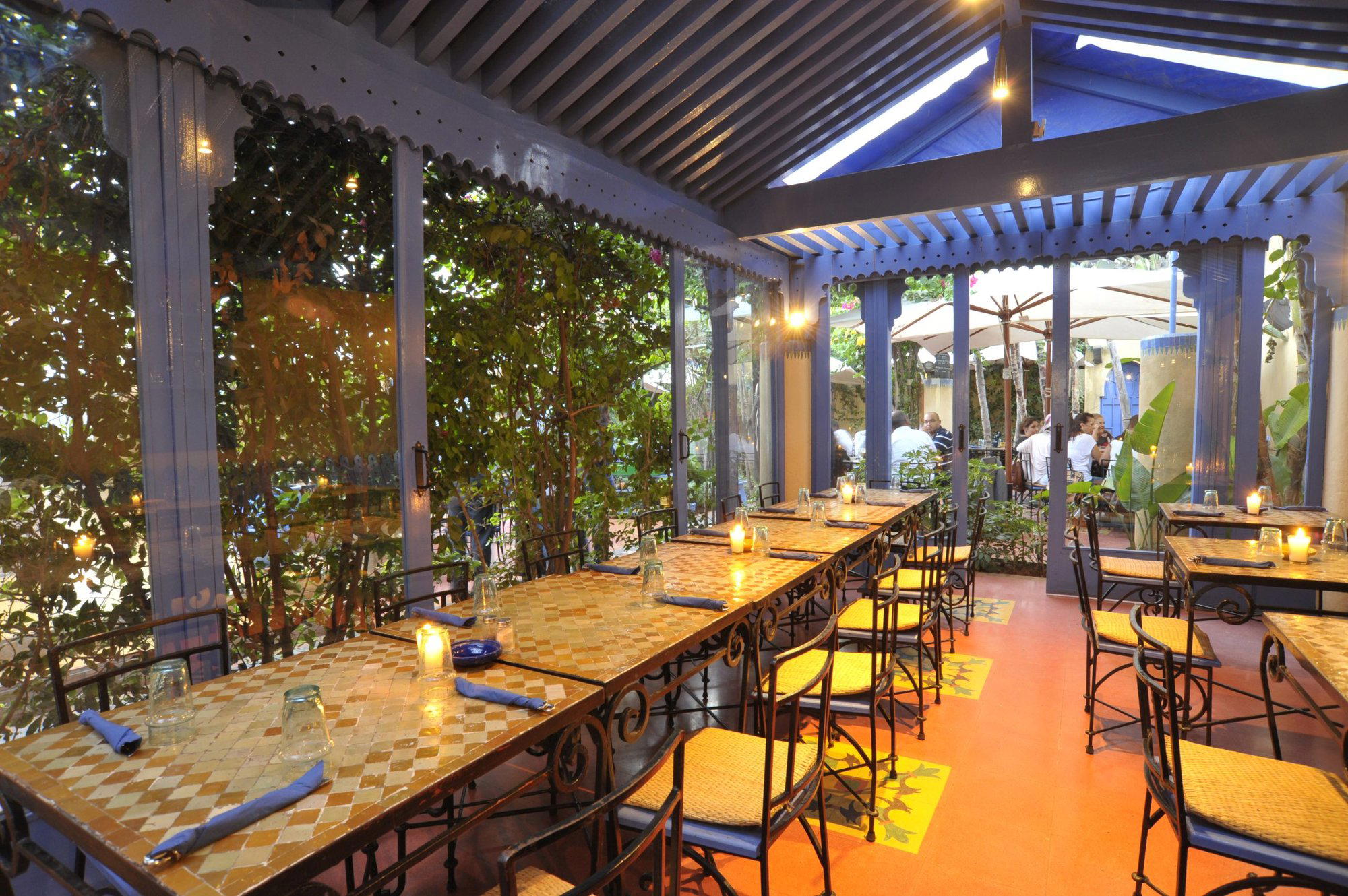
Casablanca has long struggled with its culinary identity in the international imagination. The city is Morocco's commercial engine, not its postcard, and its dining scene reflects that tension, a mixture of fine Moroccan tradition, French colonial inheritance, and a contemporary restaurant culture that often looks outward before it looks in. Against that backdrop, La Sqala represents a particular kind of answer: a restaurant whose authority comes not from a chef's CV or a hospitality group's backing, but from the building itself. The venue occupies a restored 18th-century Portuguese fortification on the edge of the medina, and the rampart walls, interior garden, and Moorish tile work carry enough historical weight that they become the organizing principle around which the food makes sense.
Dining inside a fortified structure changes the rhythm of a meal. The exterior of the sqala, the term refers to the bastion gun platforms built by Portuguese engineers along this stretch of the Atlantic coast, reads as civic infrastructure rather than hospitality destination. That transition from street to garden is part of what the experience delivers. Inside, a series of terrace levels and shaded courtyard tables create a domestic scale that larger Moroccan fine-dining rooms, such as La Grande Table Marocaine at Royal Mansour Casablanca, deliberately resist in favour of formal grandeur.
The Ingredient Logic of Moroccan Café Maure Cooking
The format here is Café Maure, a term that positions La Sqala somewhere between a traditional Moroccan tearoom and a full-service restaurant. This matters for understanding the food. Café Maure cooking is built around domestic Moroccan pantry logic: preserved lemons, argan oil, ras el hanout, locally grown herbs, and the slow-cooked protein traditions (tagine, pastilla, kefta) that appear in home kitchens across Casablanca's working neighbourhoods. It is not a cuisine designed around luxury sourcing in the European sense, but it is one where ingredient provenance and preparation patience are the whole point.
Across Morocco, the strongest argument for this style of cooking is precisely its sourcing discipline. The olives that appear on Moroccan mezze plates typically come from the Meknes or Marrakech plains. Preserved lemons are cured in-house or sourced from artisanal producers rather than industrial suppliers. Argan oil, still largely produced by women's cooperatives in the Souss-Massa region using traditional cold-press methods, carries a flavour profile, nutty, slightly bitter, with a distinct terroir, that no imported substitute replicates. When a Moroccan restaurant is operating at the standard its setting implies, these ingredients are its credential. Elsewhere in the country, La Grande Brasserie by Helene Darroze in Marrakesh and Berrada in Fes each approach Moroccan sourcing from distinct regional angles, Marrakesh leaning on its market abundance, Fes on its deep-rooted culinary conservatism.
In Casablanca, the city's Atlantic position adds a coastal dimension. The fishing port at Ain Diab and the broader Atlantic shelf supply a different protein base than inland Morocco's lamb-dominant tradition. Fish tagines, grilled sardines, and seafood-inflected salads appear across the city's more grounded addresses. L'Araignée Gourmande in Oualidia, roughly two hours down the coast, shows what happens when Atlantic oysters and Moroccan seasoning traditions are treated with equal seriousness. La Sqala draws from a slightly different supply geography, the medina market stalls and the city's wholesale produce system, but the coastal influence remains present in what arrives at the table.
Where La Sqala Sits in the Casablanca Dining Map
Casablanca's mid-to-upper restaurant tier has evolved considerably over the past decade. The French-Moroccan hybrids represented by Hôtel Le Doge and Iloli occupy a different register, one that negotiates between European technique and Moroccan flavour rather than committing fully to either tradition. Dar El Kaid and Dar Dada in Sidi Belyout sit closer to the traditional Moroccan category, though each serves a slightly different local constituency. La Sqala's distinction within this set is architectural: no other dining address in central Casablanca puts guests inside a functioning historical monument at this scale.
That architectural fact also shapes the guest mix. La Sqala attracts a cross-section that few Casablanca restaurants match, local families on weekend lunches, business visitors looking for an atmospheric setting that explains something about the city's history, and travellers who have moved beyond the Djemaa el-Fna in Marrakech and want to understand what urban Moroccan dining looks like outside the tourist infrastructure. The tearoom dimension of the Café Maure format means it functions differently at different hours. Mint tea service and Moroccan pastry, the chebakia, the ghriba, the kaab el ghazal, make the mid-afternoon visit a distinct experience from the lunch or dinner sitting. For visitors arriving from Casablanca's business district, Cocoa Café serves a Parisian-inflected breakfast and aperitif register, but the Café Maure tradition that La Sqala represents is a different genre entirely.
Beyond Morocco, the principle at work here, a restaurant whose authority derives from the physical and cultural weight of its location rather than from chef accolades or tasting menu innovation, appears in other contexts. Heure Bleue Palais in Essaouira operates a similar logic, where the riad structure and Atlantic-facing position do significant editorial work before the food arrives. At the opposite end of the spectrum, technically driven rooms like Le Bernardin in New York City or Atomix locate their authority entirely in the kitchen. La Sqala is the clearest local example of a third approach: the building as the argument.
Planning Your Visit
La Sqala sits at the edge of Casablanca's old medina, making it walkable from the Hassan II Mosque and accessible from the downtown business quarter by a short taxi ride. The garden terrace operates year-round, though the Atlantic-facing position means Casablanca's humidity and coastal wind patterns are worth accounting for in winter. Lunch on weekends draws the heaviest local traffic, and arriving without a reservation during peak hours carries real risk of a wait. The Café Maure tearoom function means it is also a viable late-afternoon stop independent of a full meal. For a broader sense of where La Sqala sits in the city's dining options, our full Casablanca restaurants guide maps the scene across price points and formats.
Travellers building a wider Moroccan itinerary will find points of comparison in Azurita in Tangier, Le Palace in Marrakech, and Café Enjoy Agadir, each of which reflects how different Moroccan cities have developed their own dining registers. For those specifically interested in the intersection of Moroccan cooking and wine, Château Roslane in Icr Iqaddar adds a viticulture dimension that the Café Maure tradition at La Sqala does not address. A related reading of the La Sqala concept is available through La Sqala: Café Maure, which documents the format in further detail.
Frequently asked questions
What makes La Sqala different from other restaurants near the Hassan II Mosque in Casablanca?
Most restaurants in the Hassan II Mosque vicinity lean toward tourist-facing menus or French-influenced brasserie formats. La Sqala operates from inside the old medina fortifications and maintains a Café Maure structure, which places it closer to a traditional Moroccan institution than a modern dining room. That combination of architectural setting and format specificity gives it a distinct position within Casablanca's restaurant geography.
What should I order at La Sqala?
La Sqala operates within the Café Maure format, which means the menu centres on traditional Moroccan preparations: slow-cooked tagines, couscous dishes, and pastilla alongside mint tea service. The kitchen draws on the ingredient logic of Moroccan home cooking rather than modernised interpretations. Ordering across several shared plates gives the fullest read on what the kitchen does.
Is La Sqala reservation-only?
Walk-ins may find space in the garden courtyard during quieter weekday periods.
What's the defining dish or idea at La Sqala?
The defining idea is the Café Maure format itself: a hybrid between a traditional Moroccan tearoom and a full-service restaurant, set within Casablanca's historic medina fortifications. The format prioritises hospitality ritual as much as food, with mint tea preparation and communal plate sharing central to the experience. No single dish is the point; the pacing and setting carry equal weight.
Can La Sqala handle vegetarian requests?
Moroccan Café Maure cooking has a strong vegetable and legume tradition, with dishes like harira soup, zaalouk, and vegetable couscous appearing on menus of this type. La Sqala's format is well-suited to vegetarian diners, though it is worth confirming specific dishes when booking, as preparation methods vary.
Is La Sqala worth the price?
La Sqala occupies a mid-tier position in the Casablanca dining map, sitting between casual medina cafés and the French-Moroccan hybrids of the city's upscale hotel restaurants. For the setting alone, a walled garden courtyard inside preserved fortifications, the value proposition holds up against comparable addresses in the city. Specific pricing is not published, so confirming current menu costs directly is recommended.
In Context: Similar Options
Comparable venues nearby, for context on price, style, and recognition.
| Venue | Cuisine | Price | Awards | Notes |
|---|---|---|---|---|
| La SqalaThis venue (the venue you are viewing) | Traditional Moroccan | $10–20 | Not listed | Not listed |
| La Sqala: Café Maure | Traditional Moroccan | $10–20 | Not listed | Medina |
| Hôtel Le Doge | Traditional Moroccan & Mediterranean | Not listed | Relais Chateaux Award | Art Deco District |
| La Grande Table Marocaine - Royal Mansour Casablanca | Refined Moroccan Fine Dining | $150–200 | La Liste Top Restaurants | Anfa |
| Cocoa Café | Parisian-Style Café | Not listed | Not listed | city center |
| Dar El Kaid | Traditional Moroccan | $20–30 | Not listed | Medina |
Continue exploring
More in Casablanca
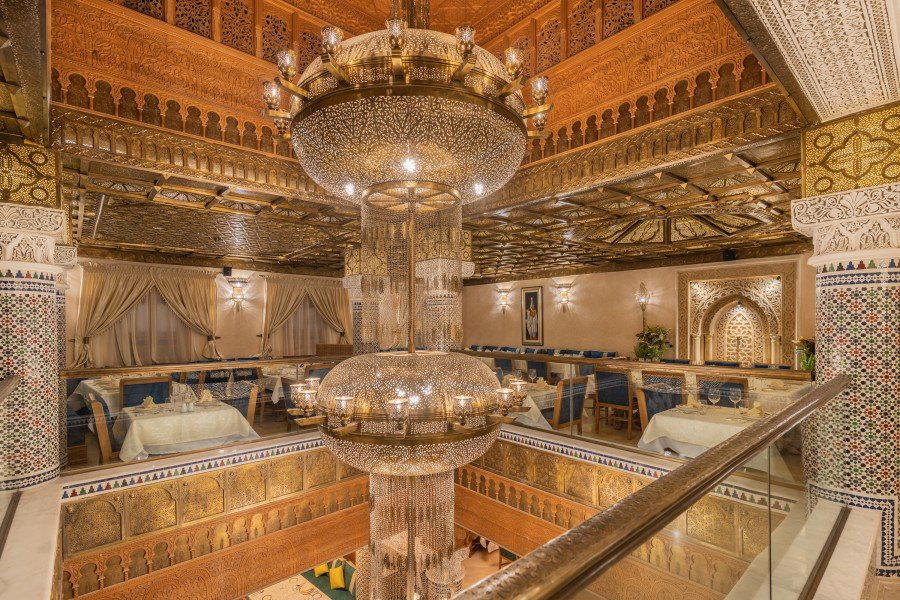
Restaurants in Casablanca
All restaurants in Casablanca →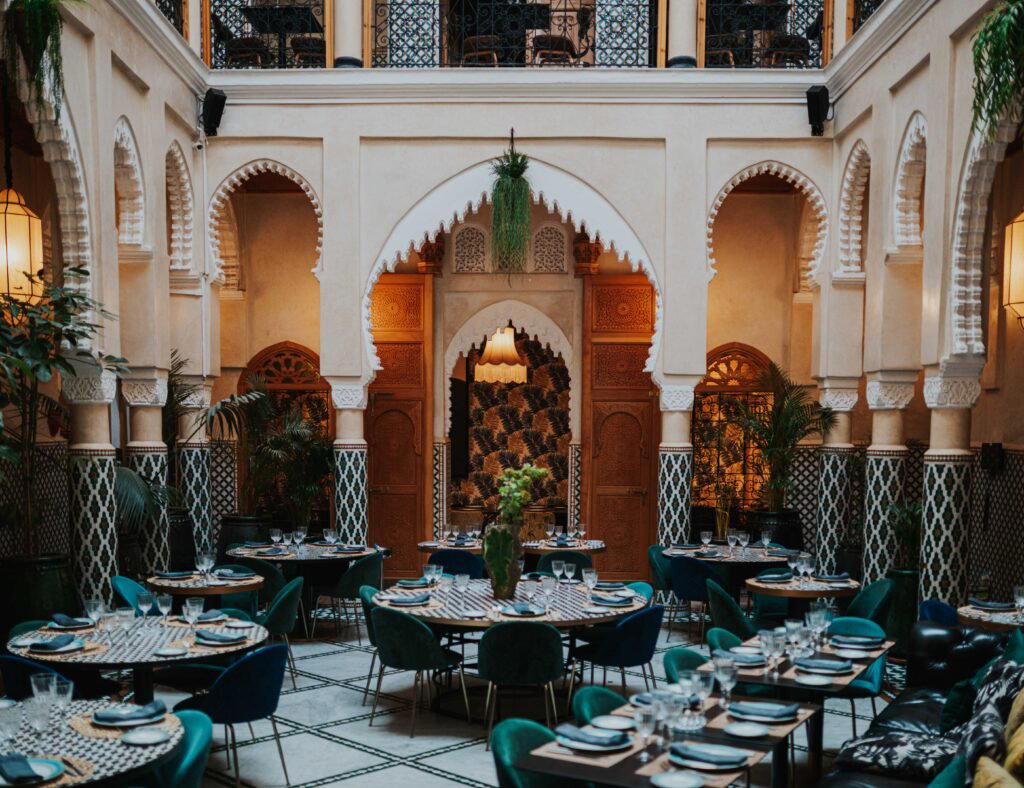
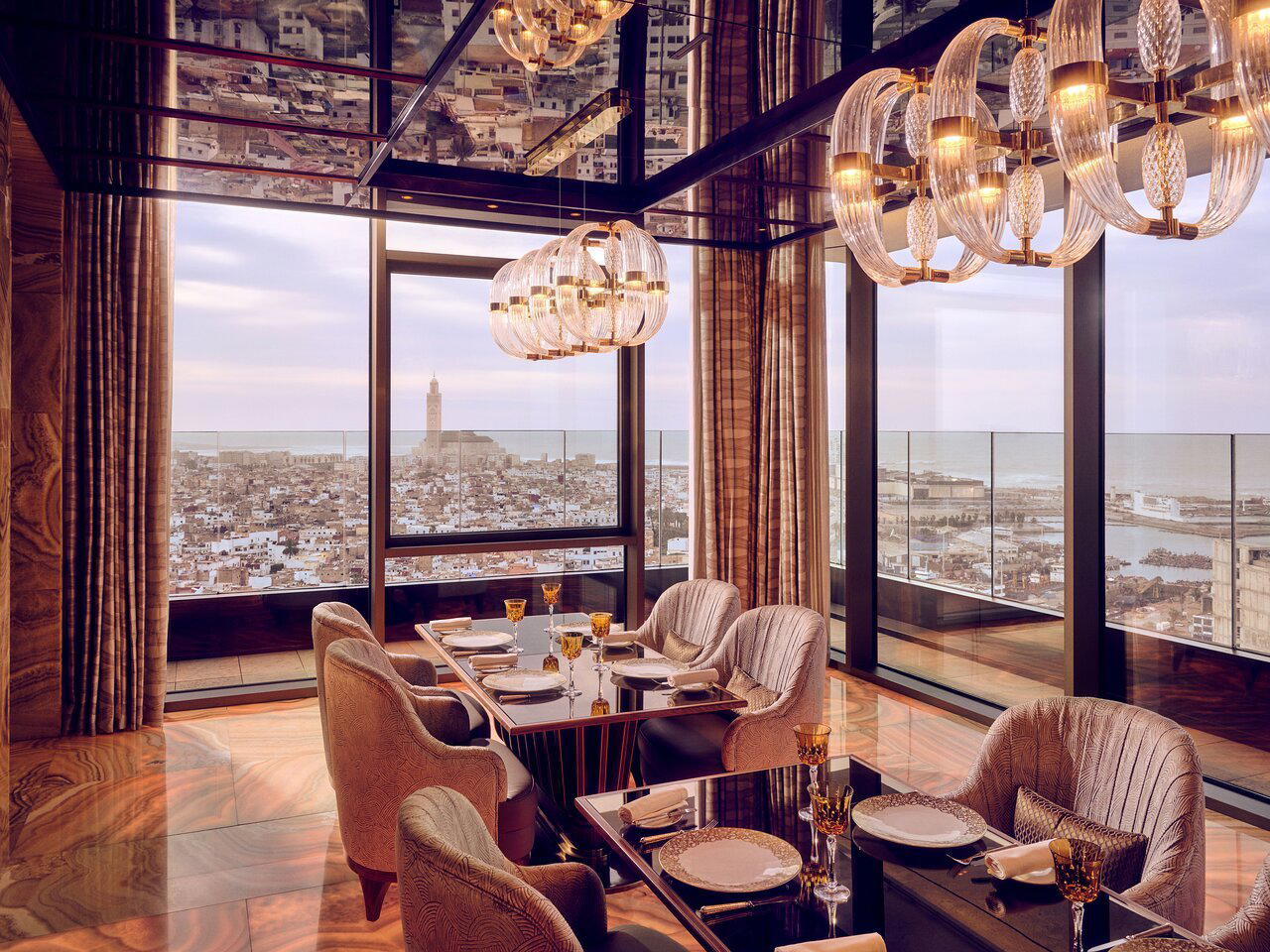
Bars in Casablanca
All bars in Casablanca →
Details
- Classic
- Cozy
- Scenic
- Well Known
- Family
- Casual Hangout
- Brunch
- Garden
- Historic Building
- Terrace
- Garden
- A La Carte
Current opening hours
- Monday
- 8 AM–10:30 PM
- Tuesday
- 8 AM–10:30 PM
- Wednesday
- 8 AM–10:30 PM
- Thursday
- 8 AM–10:30 PM
- Friday
- 8 AM–10:30 PM
- Saturday
- 8 AM–10:30 PM
- Sunday
- 8 AM–10:30 PM
Hours can change for holidays and private events. Hours as of .
Serene oasis with lush gardens, intricate tilework, colorful mosaics, and citrus trees, providing a peaceful historic atmosphere.