Four Seasons Hotel Casablanca


Michelin Selected · World Luxury Hotel Awards WLHA Continent Winner
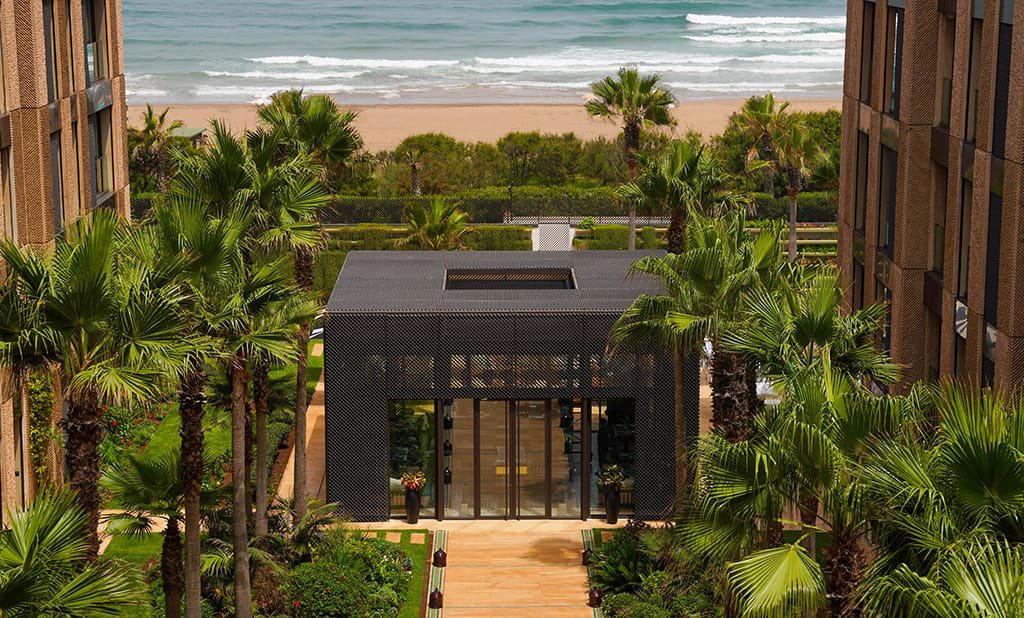
Four Seasons Hotel Casablanca sits on Boulevard de la Corniche, the city's Atlantic-facing seafront strip, and holds a World Travel Awards Continent Winner title for Luxury Seaside Hotel. The property positions itself at the upper tier of Casablanca's international hotel market, where brand reputation, seafront access, and a structured food and beverage programme separate the leading addresses from the rest.

Pearl is the En Primeur Club membership app, where members save venues, book tables and use the concierge.
Casablanca's Seafront Hotel Tier and Where This Property Sits
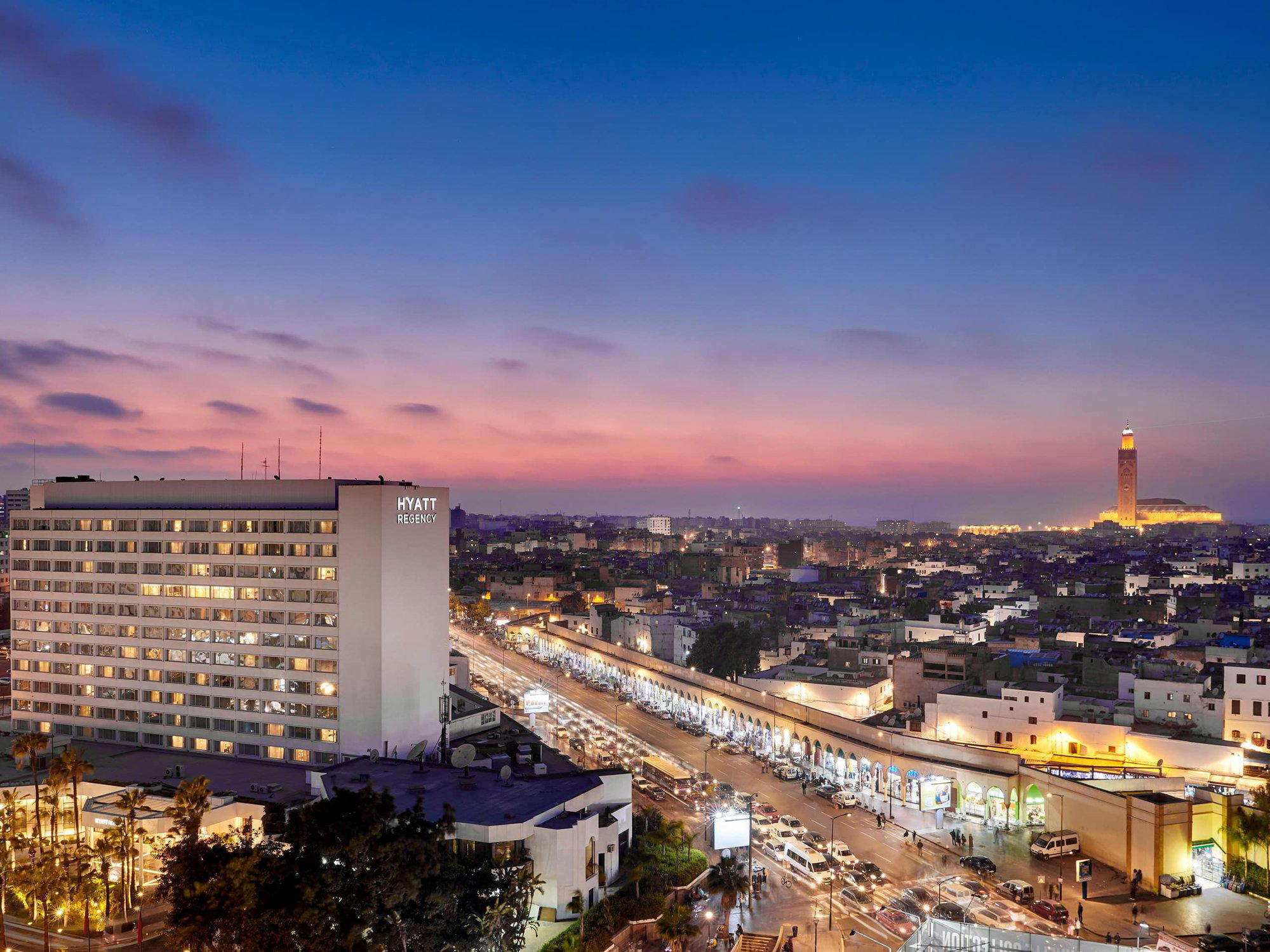
Casablanca is not Morocco's most photographed city, but it is the country's commercial engine, and its hotel market reflects that function. The upper end splits between international chain properties with full conference and dining infrastructure and smaller design-led addresses that trade on atmosphere and local character. Four Seasons Hotel Casablanca, positioned on Boulevard de la Corniche, the long Atlantic-facing coastal road that concentrates most of the city's premium hospitality, belongs to the former cohort. It competes in a bracket defined by brand consistency, predictable service standards, and food and beverage programmes scaled to meet both business and leisure demand. Properties like the Hyatt Regency Casablanca and the Kenzi Tower Hotel occupy adjacent space in the international chain tier, while addresses like Hôtel Le Doge and Villa Sahrai represent the design-boutique alternative for travellers willing to trade scale for singularity.
The Corniche location matters because it anchors the property to Casablanca's leisure geography rather than to the central business district. This is a meaningful distinction: guests here get the Atlantic as a daily backdrop rather than the city's financial towers, and the dining and bar programmes are structured accordingly, with terraces and oceanfront positions that make the food and beverage offering inseparable from its physical setting.
Within Morocco's broader luxury tier, the comparison set extends well beyond Casablanca. Royal Mansour Casablanca and Royal Hideaway Casablanca sit nearby in the city's upper bracket, while travellers routing through Morocco for leisure rather than business are more likely to anchor their stays at properties like La Mamounia in Marrakesh or Jnane Tamsna in Marrakech, where the cultural draw is significantly stronger. For coastal stays elsewhere in the country, Banyan Tree Tamouda Bay in Fnideq and Hilton Taghazout Bay Beach Resort and Spa in Taghazout occupy the seaside resort category at different price and brand registers.
The Award Signal and What It Tells You About Positioning
The property holds a World Travel Awards Continent Winner title for Luxury Seaside Hotel. That award category is a useful positioning signal: it places the hotel explicitly in the seafront luxury tier rather than in the city hotel or urban business property bracket, which aligns with the Corniche address and the food and beverage programming choices that follow from it.
For travellers using awards as a shortcut to calibration, the credential confirms that this property has been recognised as a lead address in its specific category. It does not tell you about value at a given price point, which requires more granular comparison, but it does confirm the hotel's claim to the upper tier of Moroccan coastal hospitality.
The Dining Programme: Food and Beverage as a Structural Advantage
At international chain hotels in this tier, the food and beverage programme is often the clearest differentiator between properties with genuinely strong hospitality cultures and those running competent but generic operations. The Four Seasons brand, across its global portfolio, has consistently invested in dining as a revenue centre and a reputation driver, rather than treating it as a necessary amenity. Corniche-facing properties specifically benefit from the physical argument that outdoor dining makes: an Atlantic terrace at the right hour is a powerful piece of the overall guest proposition, regardless of what is on the plate.
The hotel's address on Boulevard de la Corniche means guests are within reach of Casablanca's wider dining scene, which has developed steadily as the city's professional and expatriate population has grown. Our full Casablanca restaurants guide covers the broader picture, including neighbourhood-level options that sit outside any hotel programme. That said, for guests staying on the Corniche, the in-house dining offer carries genuine practical weight: the area's restaurant concentration is lower than in the city's central districts, which makes a well-run hotel restaurant more than a default option.
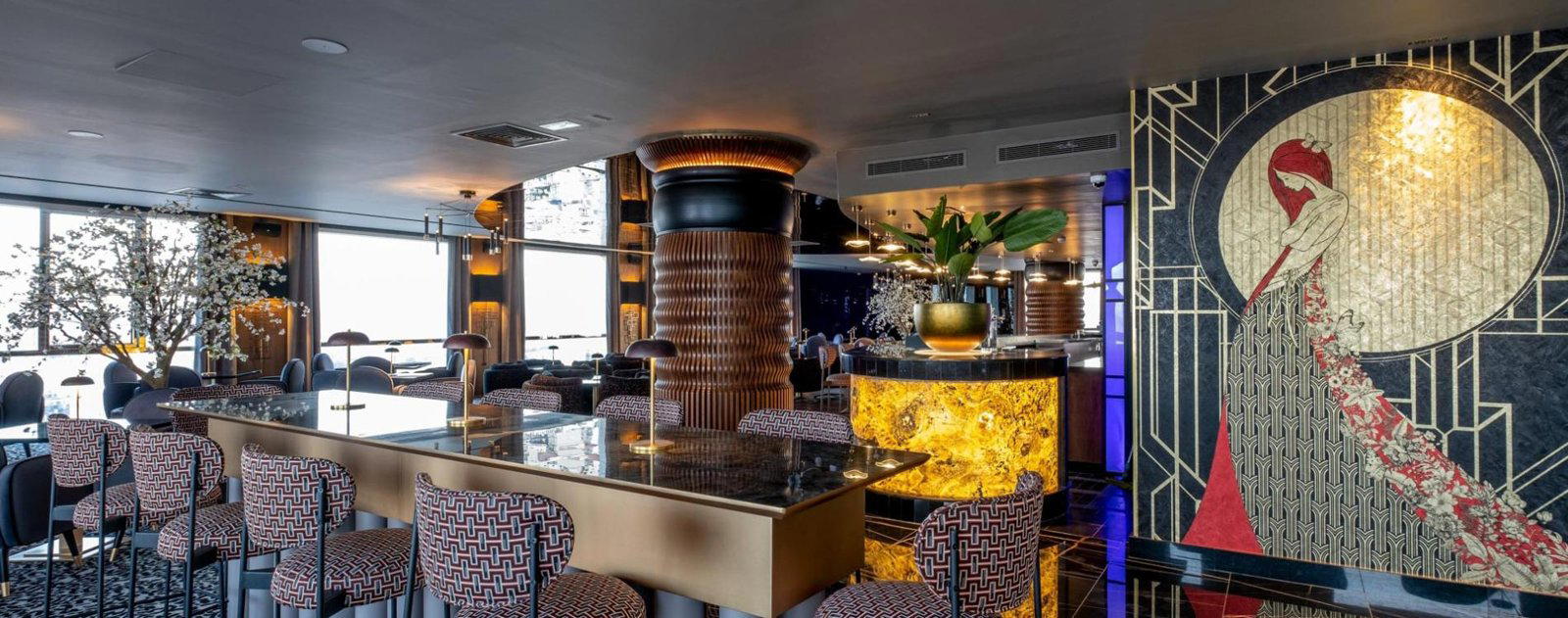
Across the Four Seasons network, properties in markets like this one tend to anchor their dining on a primary all-day restaurant, a bar or lounge programme with panoramic positioning, and often a pool or terrace venue that operates on a seasonal format. The Casablanca climate, mild and Atlantic-tempered for much of the year, supports an extended outdoor season compared to interior Moroccan cities, where summer heat constrains terrace use significantly. That climatic advantage shapes when the hotel is at its most functional as a dining destination.
Casablanca in the Morocco Travel Circuit
Most leisure itineraries through Morocco pass through Casablanca without making it a primary destination. The city is Morocco's commercial capital, not its cultural showpiece, and the comparison with Fes, Marrakesh, or the southern desert is rarely favourable for pure tourism. Properties like Hotel Sahrai, an SLH Hotel in Fes, Dar Ahlam in Ouarzazate, and Dar Maya in Essaouira capture the medina, desert, and coastal Atlantic town experiences that leisure travellers typically build their Morocco itineraries around. Kasbah Tamadot in Asni adds the Atlas Mountain dimension. Dar al Hossoun in Taroudant represents the southern medina category at a quieter register.
For business travellers, Casablanca is a different proposition entirely. Mohammed V International Airport connects the city to European, African, and Middle Eastern routes with a frequency that no other Moroccan city matches, and the CBD hotels serve a corporate demand base that keeps occupancy levels stable independent of tourism seasons. The Corniche properties add a leisure dimension to that base, attracting guests who want the business infrastructure of a major international chain without being confined to the city centre.
Across Morocco's northern Atlantic coast, the hotel also sits within the competitive orbit of properties further along the Moroccan seaboard: Fairmont La Marina Rabat Salé Hotel and Residences in Salé and Fairmont Tazi Palace Tangier in Tangier represent comparable international brand positions at different points on the coast. La Fiermontina Ocean in Larache offers a more boutique alternative for travellers routing northward.
Planning Your Stay
The hotel's address at Boulevard de la Corniche, Casablanca 20050 places it on the coastal strip west of the city centre, accessible from Mohammed V International Airport in approximately 40 minutes under normal traffic conditions, though Casablanca's road congestion can extend that significantly during peak hours. The Corniche location means the property is better suited to guests whose primary reason for visiting the city is the hotel itself, or whose meetings are concentrated in the western business districts, rather than those needing constant access to the medina or the central financial quarter. For broader Morocco context and comparisons across property types and regions, our Casablanca city guide maps the full range of options.
Price and Recognition
Comparable venues nearby, for context on price, style, and recognition.
| Venue | Price | Awards | Notes |
|---|---|---|---|
| Four Seasons Hotel CasablancaThis venue (the venue you are viewing) | Not listed | Michelin Selected · World Luxury Hotel Awards WLHA Continent Winner | Not listed |
| Hôtel Le Doge | $200–300 | Relais Chateaux Award | Casablanca City Center, Intimate urban Art Deco retreat preserving 1930s glamour with modern comforts. |
| Royal Hideaway Casablanca | $100–200 | Not listed | Anfa, Timeless luxury urban retreat fusing tradition and modernity. |
| Kenzi Tower Hotel | $100–200 | Preferred Hotels Member | Maarif, Modern urban tower hotel in landmark Twin Center |
| Hyatt Regency Casablanca | $200–300 | Michelin Selected | Sidi Belyout, Urban luxury with Art Deco influences |
| Royal Mansour Casablanca | Not listed | 2 Michelin Keys · La Liste Top Hotels | city center, Well-known Art Deco luxury hotel in urban Casablanca |
Recognition history
Dated appearances from independent guides and award organizations, with the underlying list record or original source where available.
Michelin Selected
Michelin
World Luxury Hotel Awards WLHA Continent Winner
World Luxury Hotel Awards
Continue exploring
More in Casablanca
Hotels in Casablanca
All hotels in Casablanca →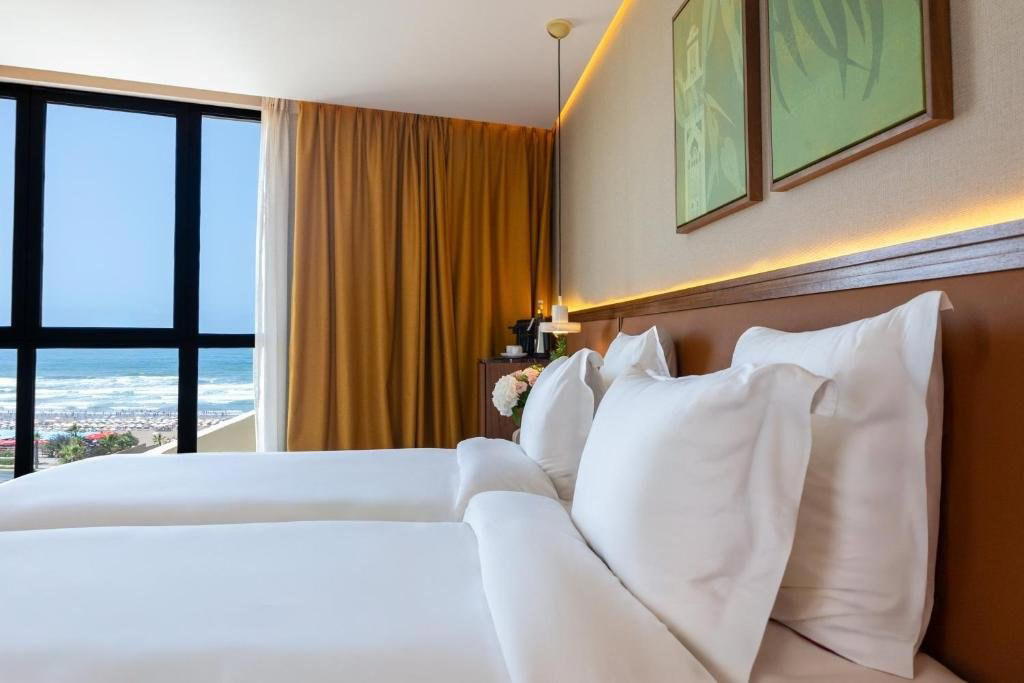
Bars in Casablanca
All bars in Casablanca →
Details
- Elegant
- Sophisticated
- Ornate
- Romantic Getaway
- Business Trip
- Honeymoon
- Rooftop Pool
- Panoramic View
- Butler Service
- Terrace
- Wi Fi
- Pool
- Spa
- Fitness Center
- Room Service
- Concierge
- Business Center
- Valet Parking
- Waterfront
- Garden
- Skyline
- Wheelchair Accessible
- Elevator
- Step Free Entrance
- Accessible Parking
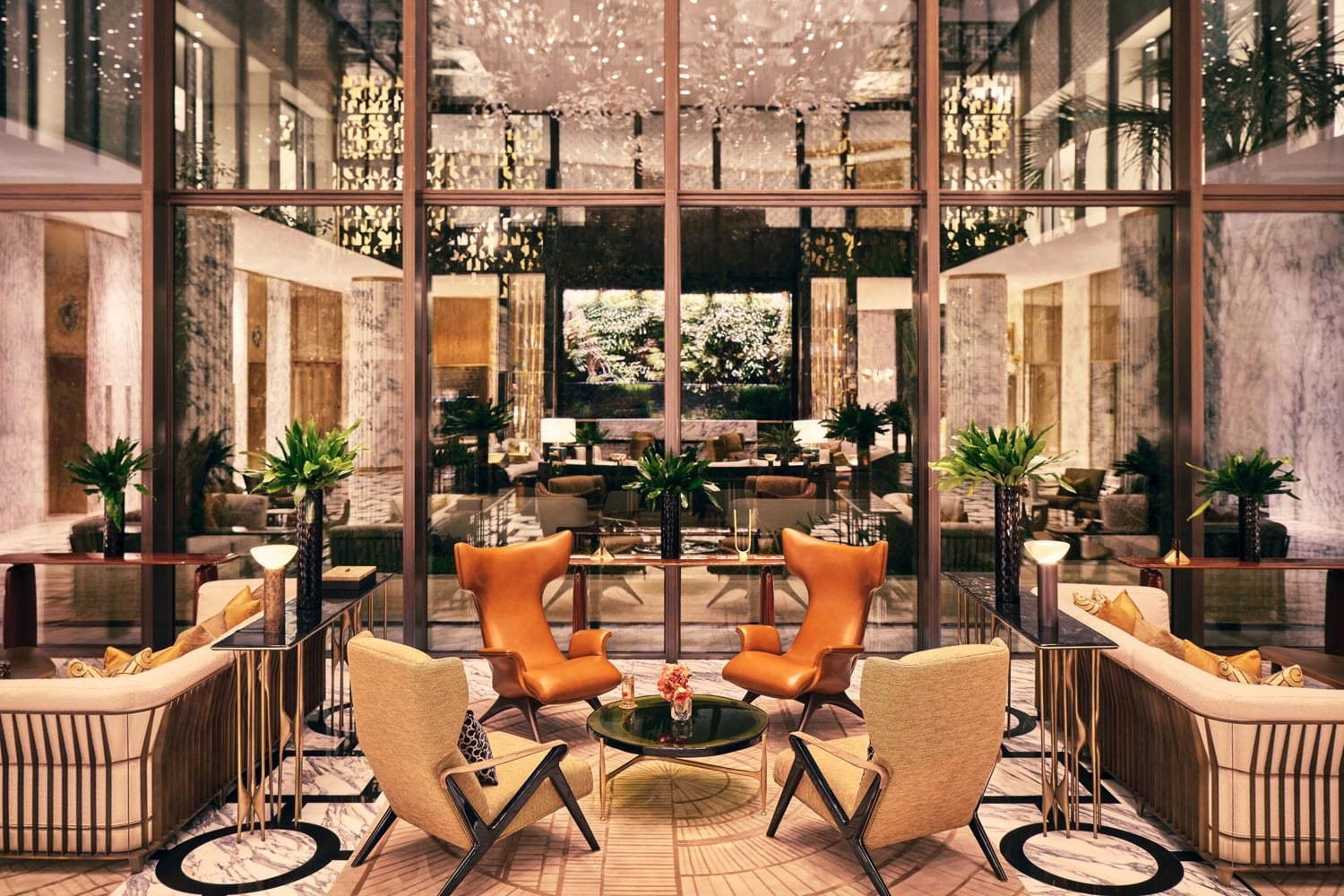
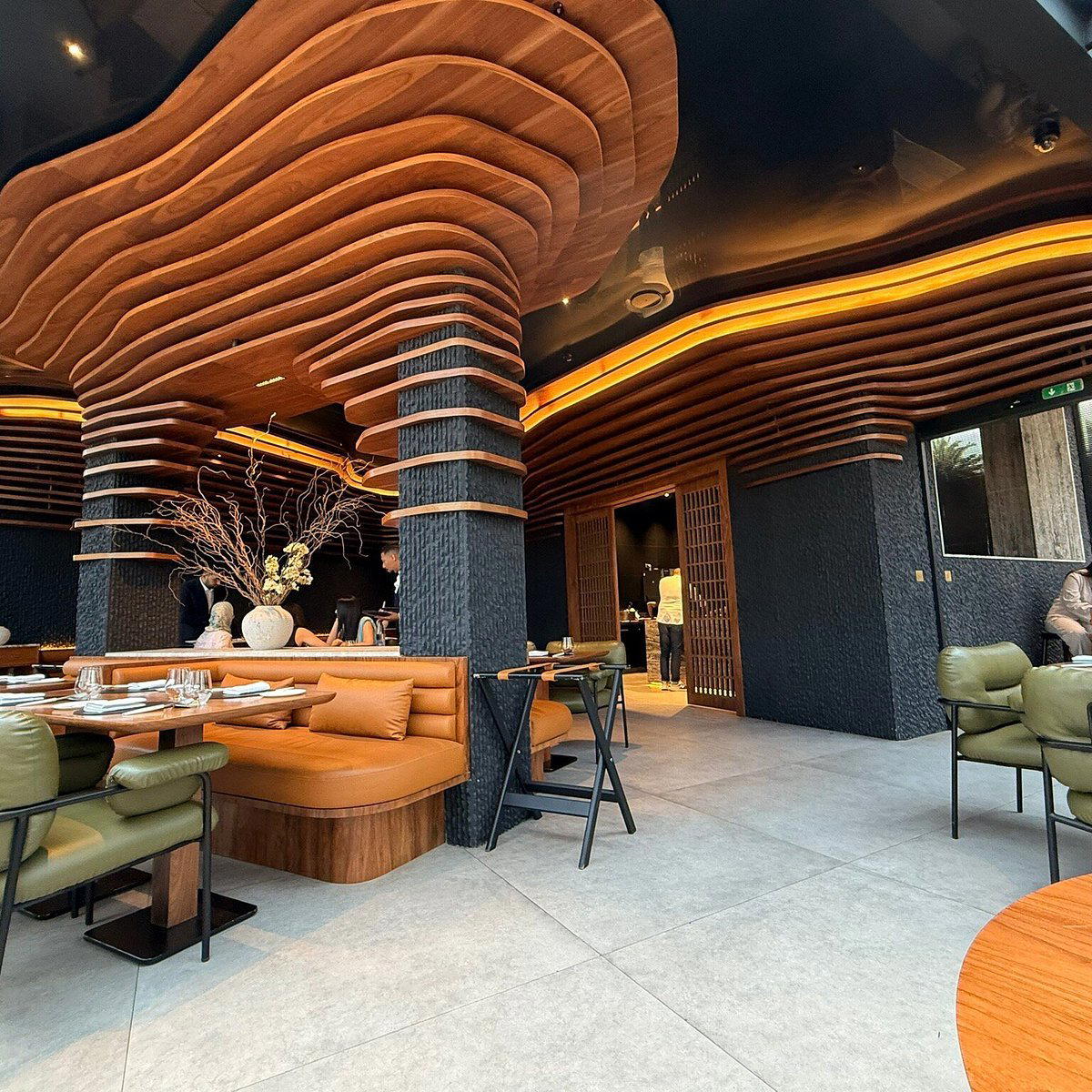
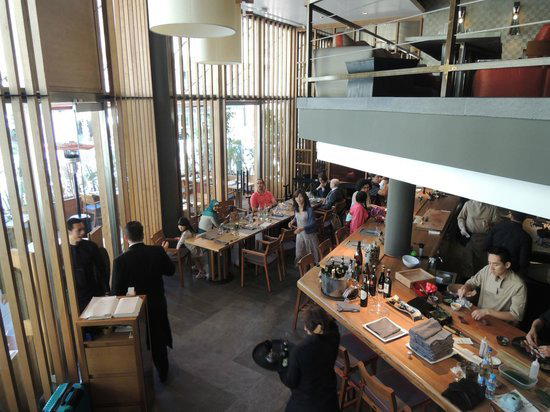
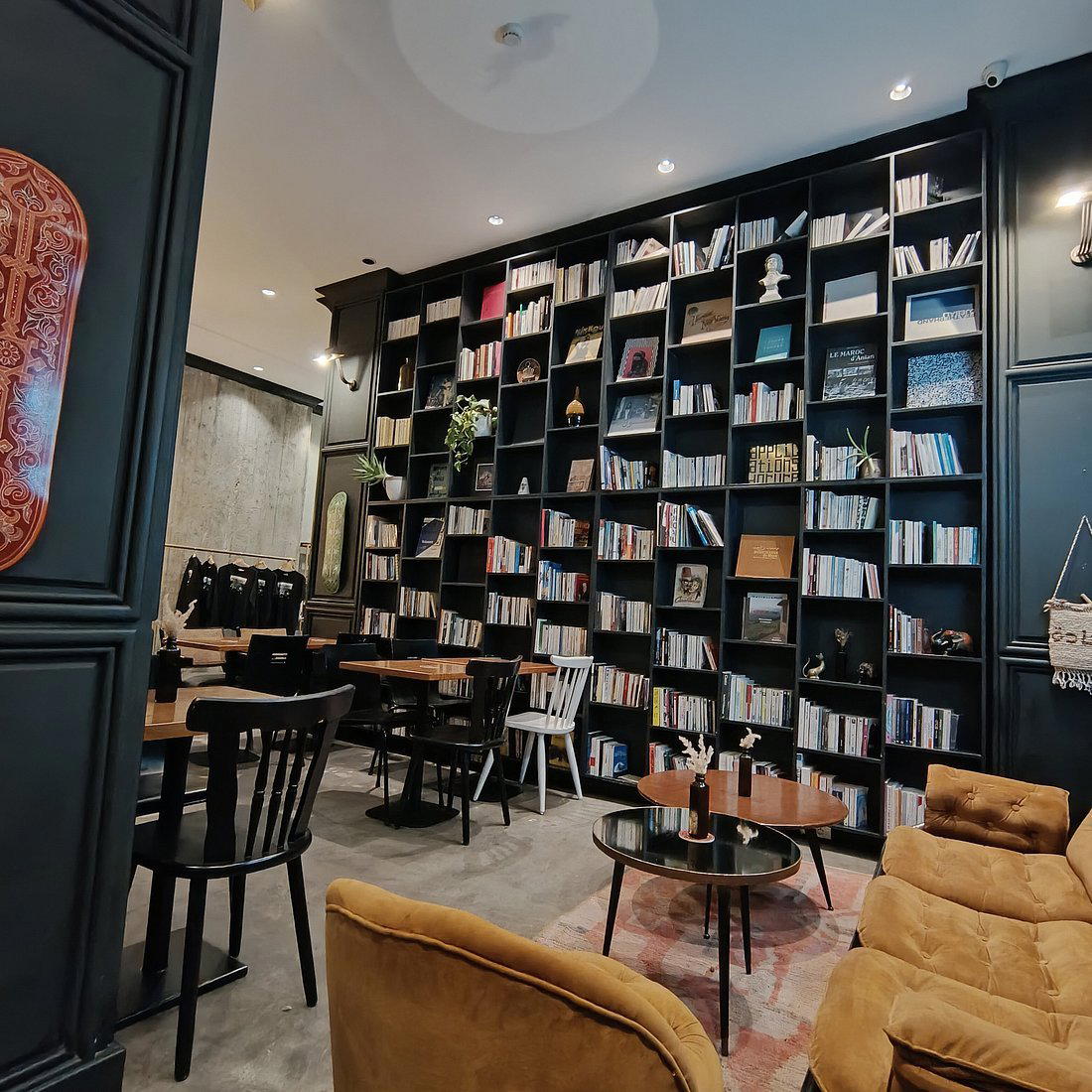
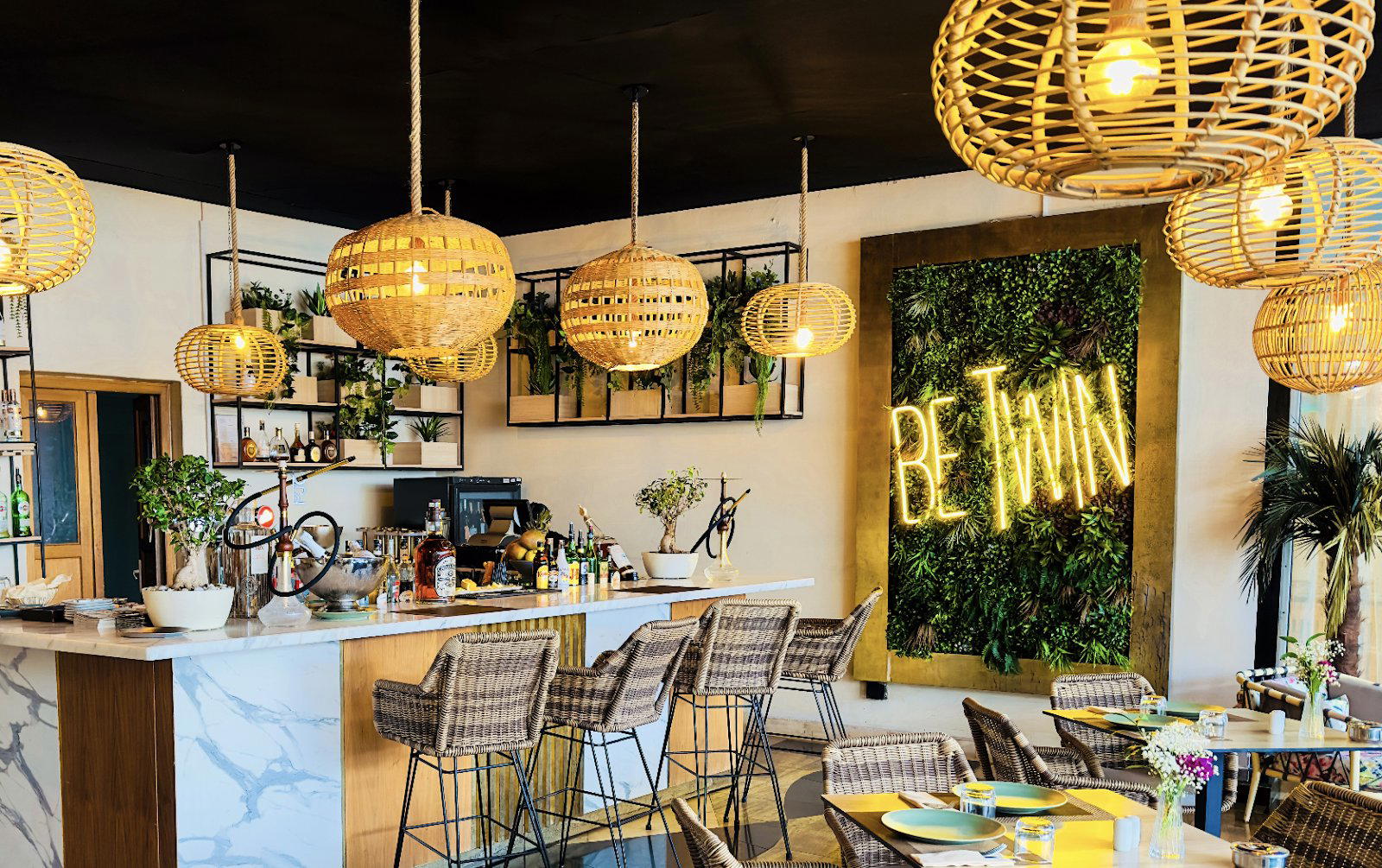
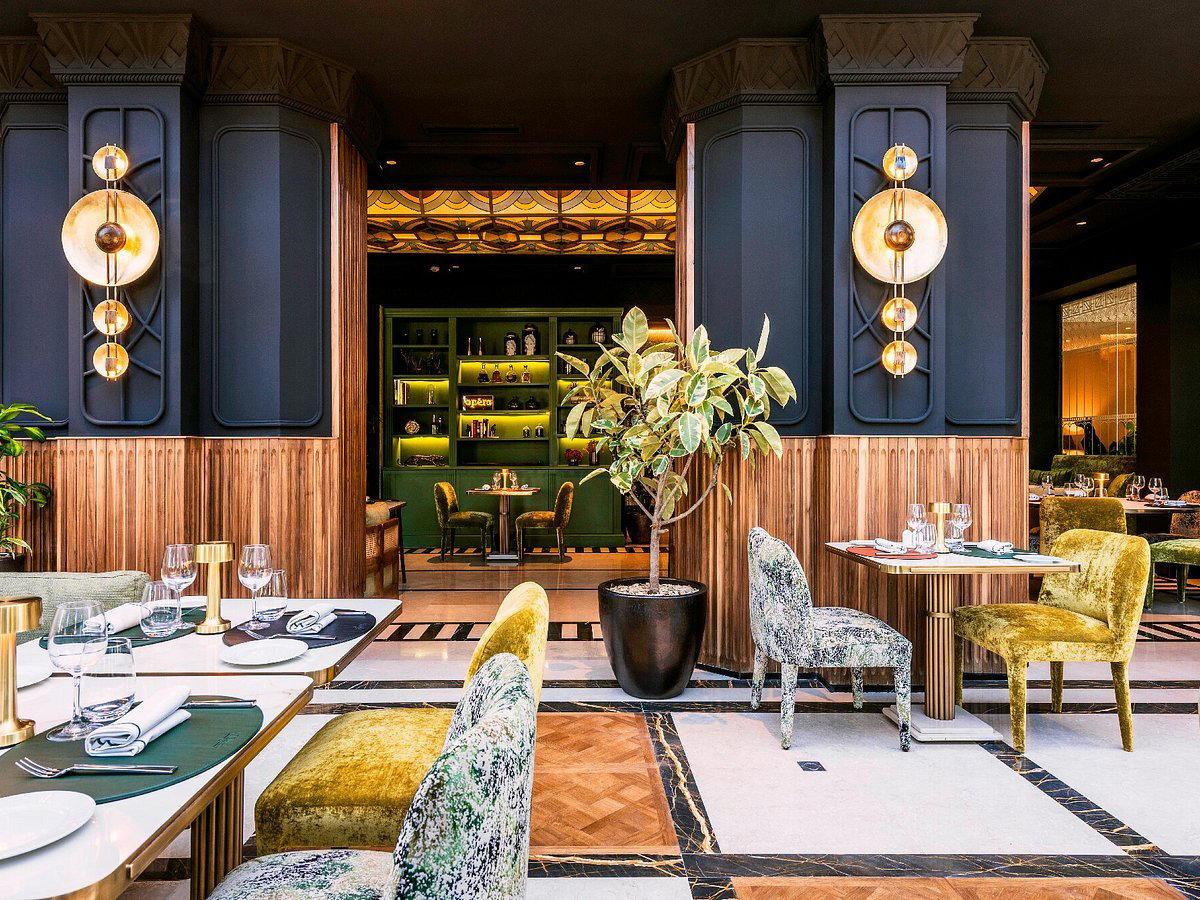
Refined and serene with natural light from floor-to-ceiling windows, Moroccan tilework, and a tranquil oceanfront atmosphere.