Le Jasmine



The only Chinese restaurant in Casablanca with La Liste recognition, Le Jasmine at 9 Rue Dr Veyre sits at an unusual intersection: serious Chinese cooking in a city whose dining scene is shaped by French technique and Moroccan tradition.
Pearl is the En Primeur Club membership app — saves, bookings, and concierge access live there. Same editors, same standards.
- Address
- 9 Rue Dr Veyre, Casablanca 20250, Morocco
- Phone
- +212 5 22 46 78 00
- Website
- hotelledoge.com
- Directions
- Get directions
 Saves & bookings on Pearl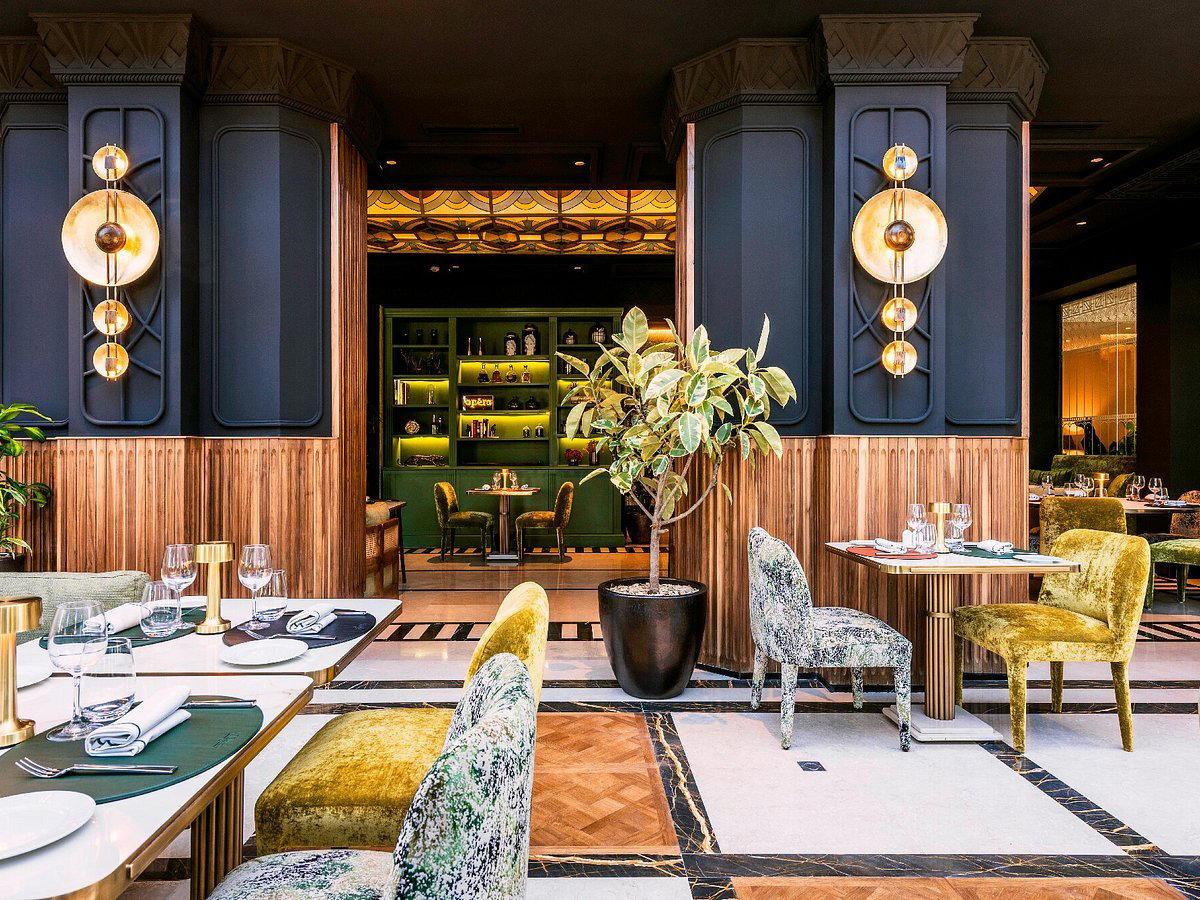
A Different Table in Casablanca
Casablanca's dining room is not what most visitors expect. Strip away the medina associations that belong to Fès and Marrakech, and you find a city shaped by French colonial architecture, Atlantic commerce, and a restaurant scene that has long tilted toward Moroccan French hybrids and fine Moroccan cooking. Places like Hôtel Le Doge, Iloli, and La Grande Table Marocaine at Royal Mansour Casablanca define the city's upper register. Within that context, Le Jasmine occupies an entirely different position: it is Casablanca's Chinese restaurant with La Liste standing, and that distinction alone tells you something worth paying attention to.
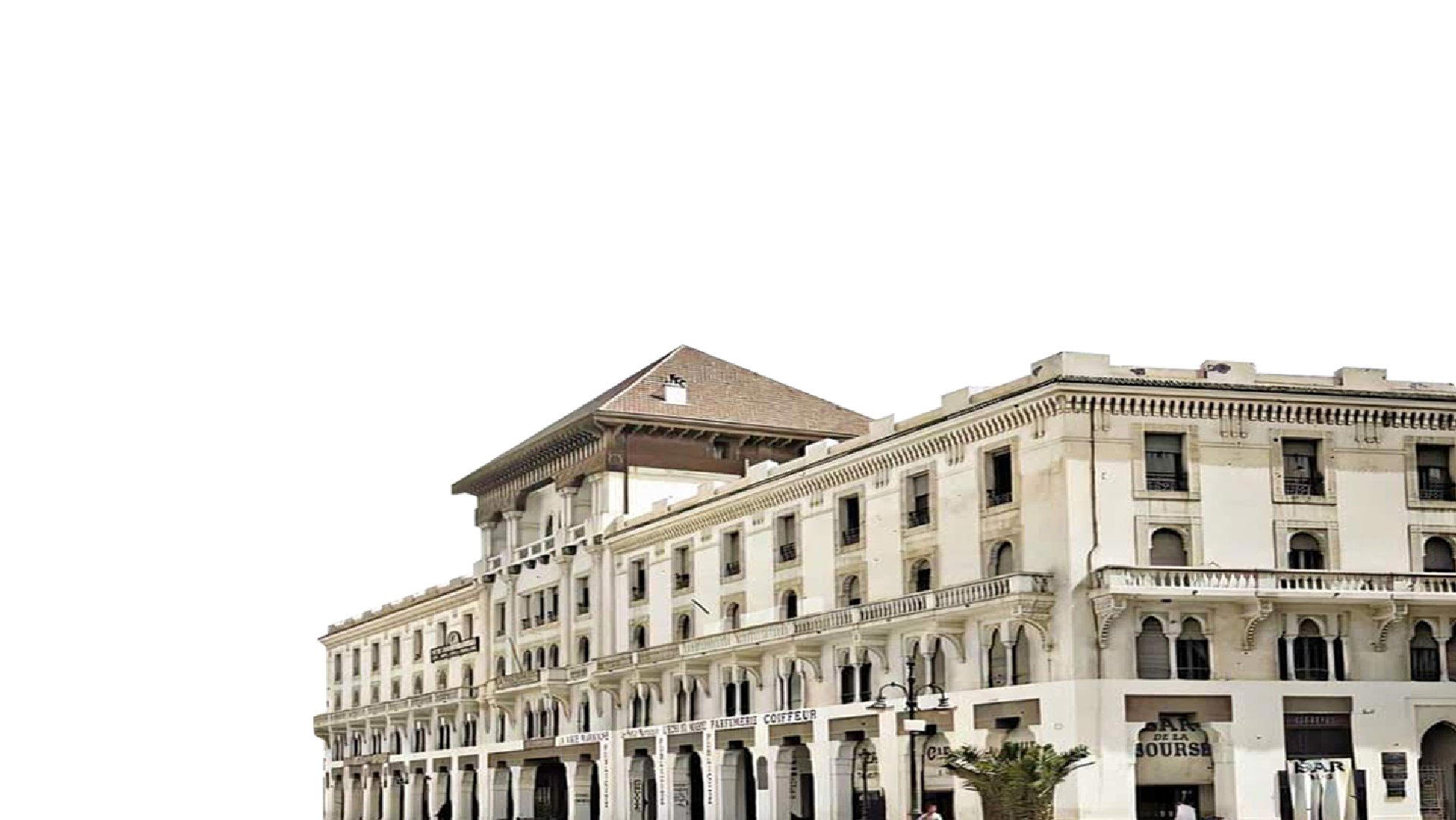
Walking toward 9 Rue Dr Veyre in the Racine district, the neighborhood reads as residential and low-key by Casablanca standards. The surrounding streets carry the muted grandeur of mid-century French-Moroccan urbanism. Inside, the dining room operates at a remove from the city's Atlantic-facing cosmopolitanism. The shift in register is immediate. Chinese restaurants in Morocco are not common at this tier of recognition, and that scarcity shapes the experience before a dish arrives.
The Choreography of a Shared Table
Chinese dining at any serious level is fundamentally a collective act. The format organizes itself around the table's center, whether through a lazy Susan loaded with overlapping plates or a sequence of dishes timed to arrive together and build on each other. The solo diner exists in Chinese restaurant culture, but the architecture of the meal is designed for groups: the simultaneous arrival of textures and temperatures, the negotiation of portions, the way a whole fish or a roasted bird implies a gathering rather than a solitary order.
Le Jasmine, under chef Kang Chi Lam, operates within that tradition. The kitchen carries what La Liste terms an Expression of the Terroir distinction, a designation that signals deliberate engagement with local ingredients rather than a straight transplant of a Chinese regional canon. In a city where the Atlantic coast delivers first-rate seafood and the Moroccan interior produces distinct produce and spice, that designation is meaningful. The communal table here is not simply a cultural inheritance; it is a format that allows local sourcing to show across multiple preparations at once.
This is the same logic that drives the leading Chinese restaurants operating outside of Chinese-majority cities. Mister Jiu's in San Francisco has built its reputation precisely on the intersection of Chinese technique and California ingredients. Restaurant Tim Raue in Berlin applies Chinese flavor principles to German produce. VELROSIER in Kyoto finds an entirely different local dialogue. In each case, the communal format amplifies the local sourcing story because every dish at the table is part of the same conversation.
Recognition and What It Signals
La Liste's 2025 ranking places Le Jasmine at 75 points, a score that positions it as a credible entry in the global list rather than a curiosity. The award also notes a 2024 Opinionated About Dining Casual ranking at number 526 in North America, and a 2023 OAD Recommended status in the same category. The North America category designation is an artifact of OAD's classification system rather than a geographic claim, but the repeated recognition across two consecutive years is a signal of consistency that matters more than any single placement.
That number is not large enough to anchor strong statistical conclusions, but 4.7 across nearly ninety reviews, in a city where Chinese dining is not the default preference of most local diners, indicates a table finding its audience and holding it. Peer that against Table 3 and the Moroccan fine dining tier, and Le Jasmine sits in a completely separate competitive set from a cuisine standpoint, even if it shares the same city-level dining conversation.
For broader context on how Le Jasmine sits within Casablanca's full dining picture, the EP Club Casablanca restaurants guide maps the scene across categories and price tiers.
Le Jasmine Against Morocco's Wider Restaurant Moment
Morocco's restaurant recognition has expanded considerably in recent years. +61 in Marrakesh and Le Petit Cornichon in Marrakech represent the country's growing roster of internationally noticed tables. Heure Bleue Palais in Essaouira, Gayza in Fès, L'Oliveraie in El Hajeb, and Château Roslane in Icr Iqaddar show how the country's culinary recognition has spread well beyond the imperial cities. Within that national conversation, Le Jasmine is the only Chinese entry with La Liste standing, which makes its position structurally different from anything else on that list.
That structural distinctiveness matters for how you plan a trip. Casablanca is not typically a destination city in the way Marrakech is, but it is the country's commercial capital and the arrival point for a large share of international visitors. Travelers moving through the city on business, or building a Morocco itinerary that uses Casablanca as a base before heading to one of its hotels, find a dining scene that is more layered than the city's reputation suggests. Le Jasmine is one of the more distinctive entries in that scene, precisely because it doesn't duplicate what Casablanca already does well.
Planning a Visit
Le Jasmine sits at 9 Rue Dr Veyre, Casablanca 20250. Chef Kang Chi Lam leads the kitchen. Given the communal format and the relatively contained recognition, booking ahead is advisable rather than arriving without a reservation. The venue lends itself to groups of four or more, where the table can hold enough dishes to give the shared-format meal its proper range. Casablanca's broader itinerary options, including bars, wineries, and experiences, fill out a stay that uses Le Jasmine as one of its more unexpected stops.
A Lean Comparison
| Venue | Cuisine |
|---|---|
| Le JasmineThis venue — the venue you are viewing | Chinese |
| La Grande Table Marocaine - Royal Mansour Casablanca | Moroccan Fine |
| Hôtel Le Doge | Moroccan French |
| Iloli | Moroccan French |
Recognition history
Dated appearances from independent guides and award organizations, with the underlying list record or original source where available.
Relais Chateaux Award
Relais Chateaux
La Liste Top Restaurants
La Liste
Relais Chateaux Award
Relais Chateaux
Opinionated About Dining Casual in North America Ranked #526
Opinionated About Dining
Opinionated About Dining Casual in North America Recommended
Opinionated About Dining
Continue exploring
More in Casablanca
Restaurants in Casablanca
Browse all →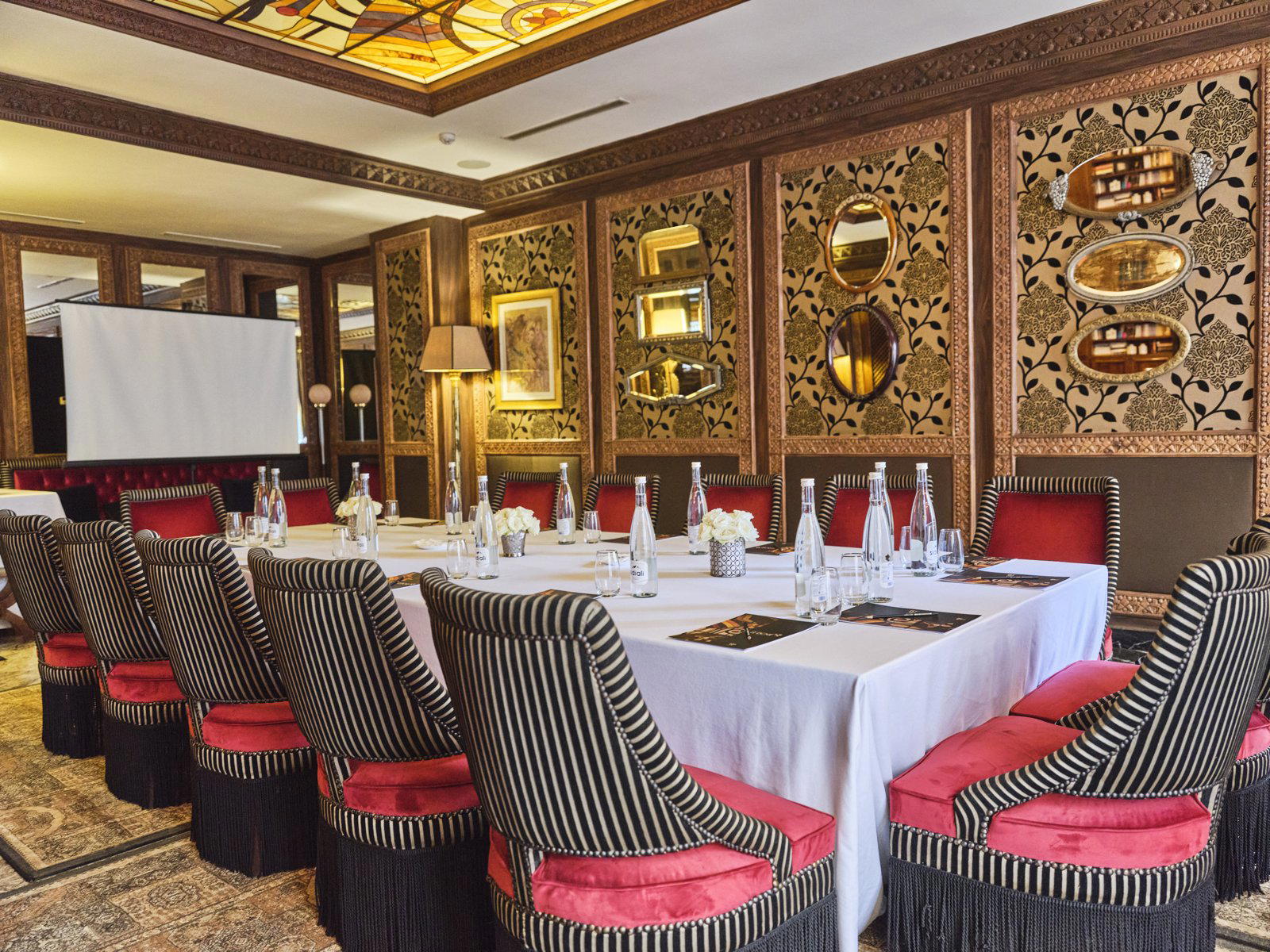
Bars in Casablanca
Browse all →
At a Glance
- Romantic
- Elegant
- Cozy
- Sophisticated
- Intimate
- Ornate
- Date Night
- Special Occasion
- Business Dinner
- Hotel Restaurant
- Skyline
Current opening hours
- Monday
- 7 PM–12 AM
- Tuesday
- 7 PM–12 AM
- Wednesday
- 7 PM–12 AM
- Thursday
- 7 PM–12 AM
- Friday
- 7 PM–12 AM
- Saturday
- 7 PM–12 AM
- Sunday
- Closed
Hours can change for holidays and private events. Last verified .
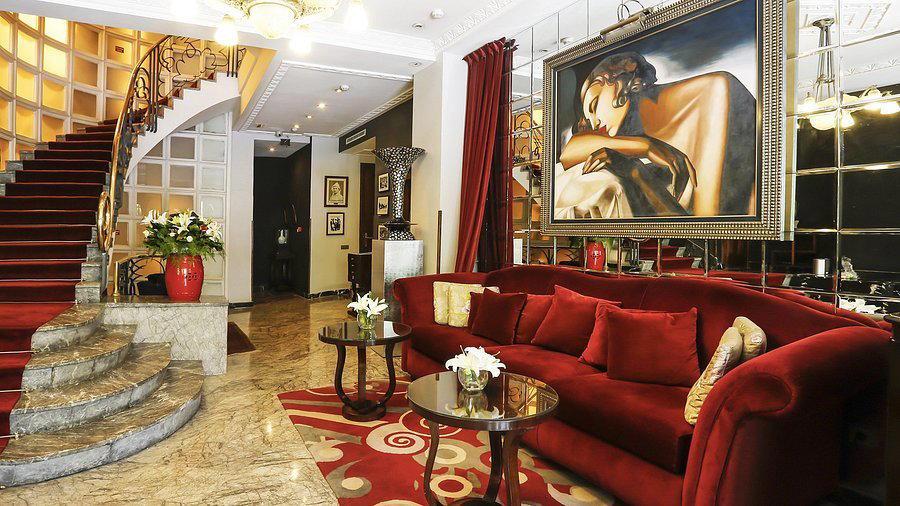
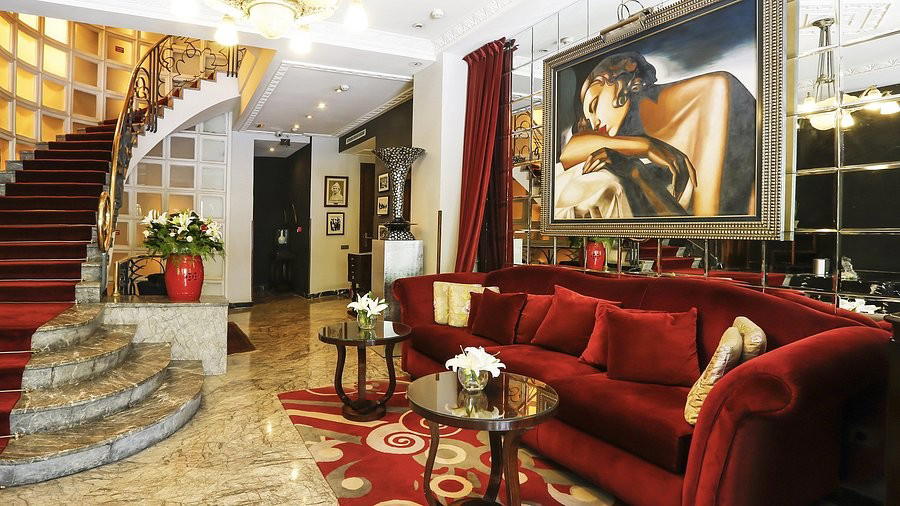
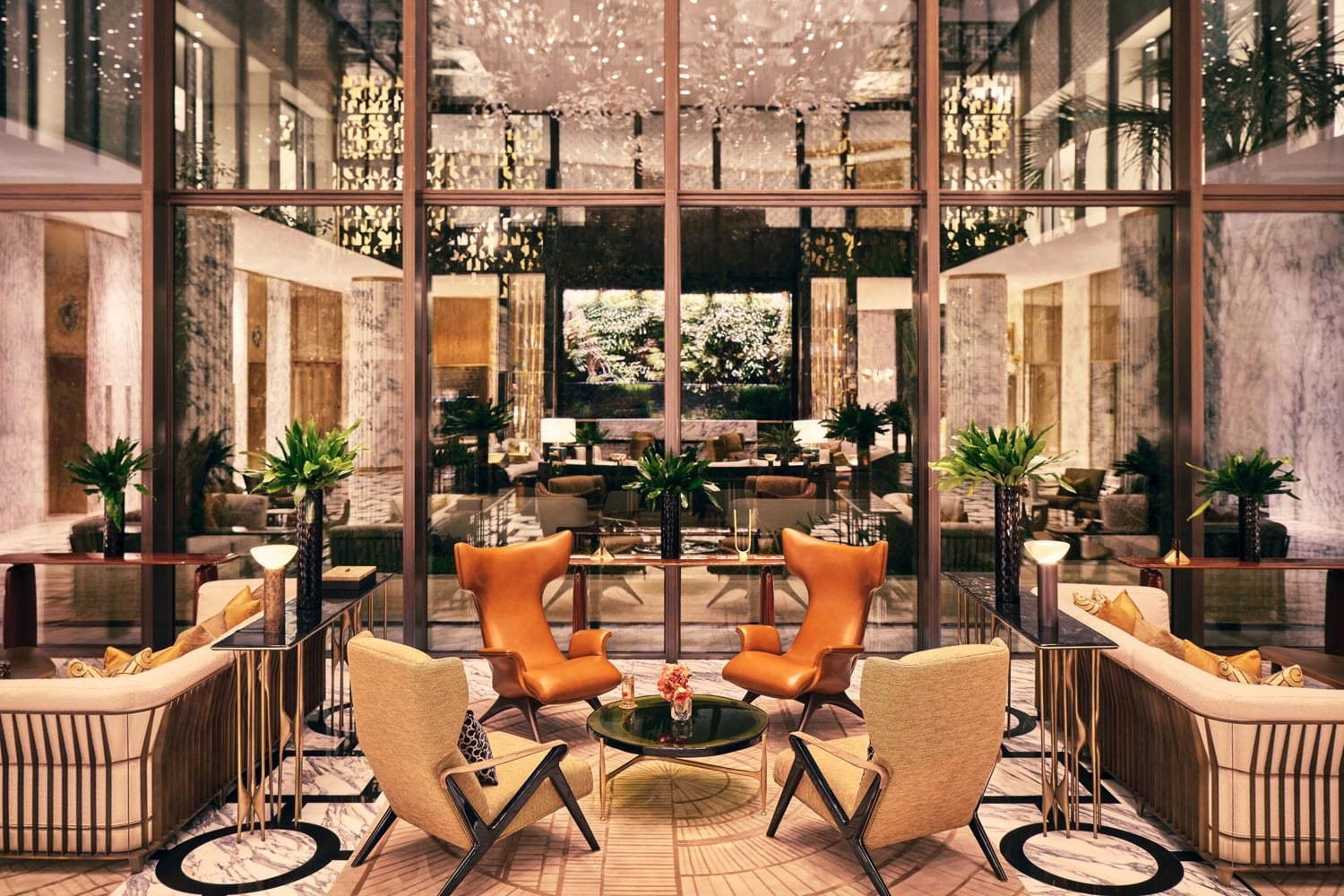
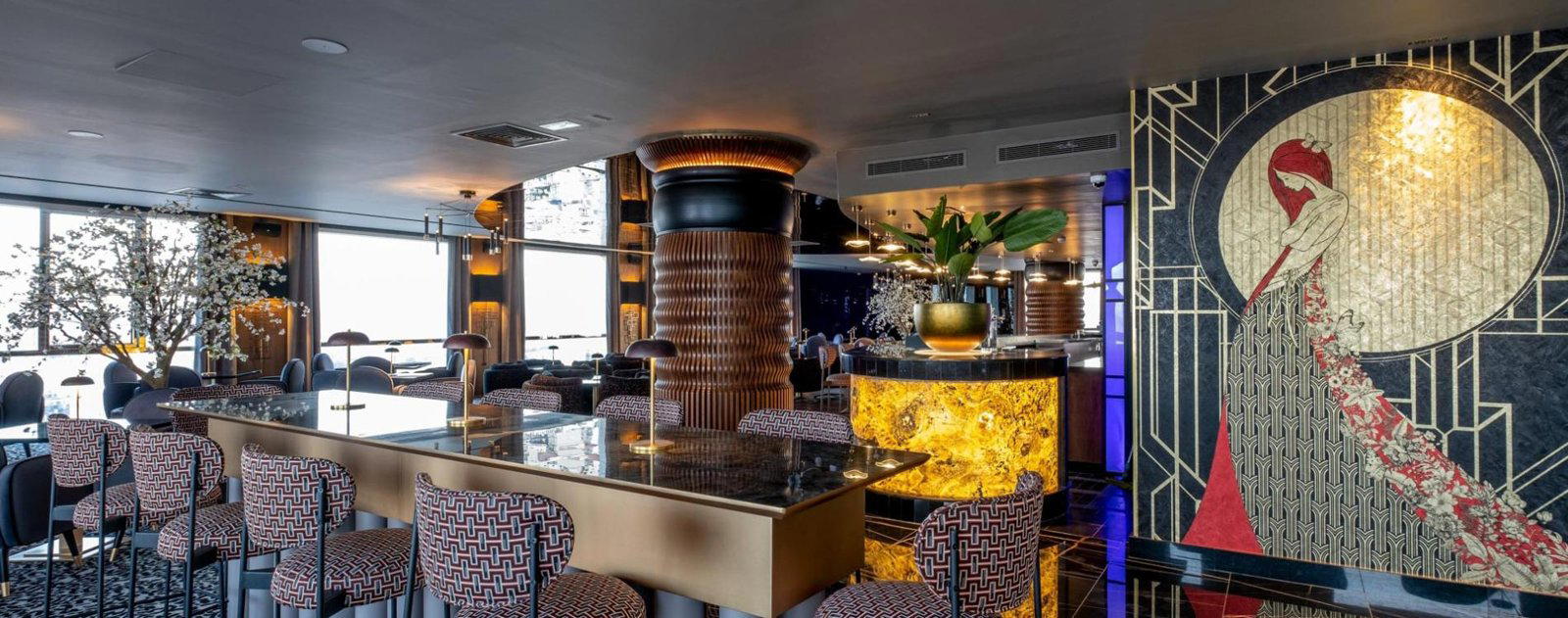
Refined Art Deco space featuring stained glass ceilings, rich colored windows, fireplaces, luxurious lamps, and cozy lighting creating a romantic and elegant atmosphere.
Know Before You Go
- Getting there
- 9 Rue Dr Veyre, Casablanca 20250, Morocco