La Grande Table Marocaine - Royal Mansour Casablanca

At the Royal Mansour Casablanca on Avenue des Forces Armées Royales, La Grande Table Marocaine positions Moroccan fine dining within a reference-level hotel address. Chef Tsutomu Ochiai's kitchen earned 91 points on La Liste's 2025 global ranking, placing it among the most formally recognised Moroccan restaurants in the country. The combination of classical Moroccan spice architecture and high-technique execution sets it apart from the city's broader dining scene.
Pearl is the En Primeur Club membership app — saves, bookings, and concierge access live there. Same editors, same standards.
- Address
- 27 Avenue des Forces Armées Royales, Casablanca 20250, Morocco
- Phone
- +212 5 29 90 05 00
- Website
- royalmansour.com
- Directions
- Get directions
 Saves & bookings on Pearl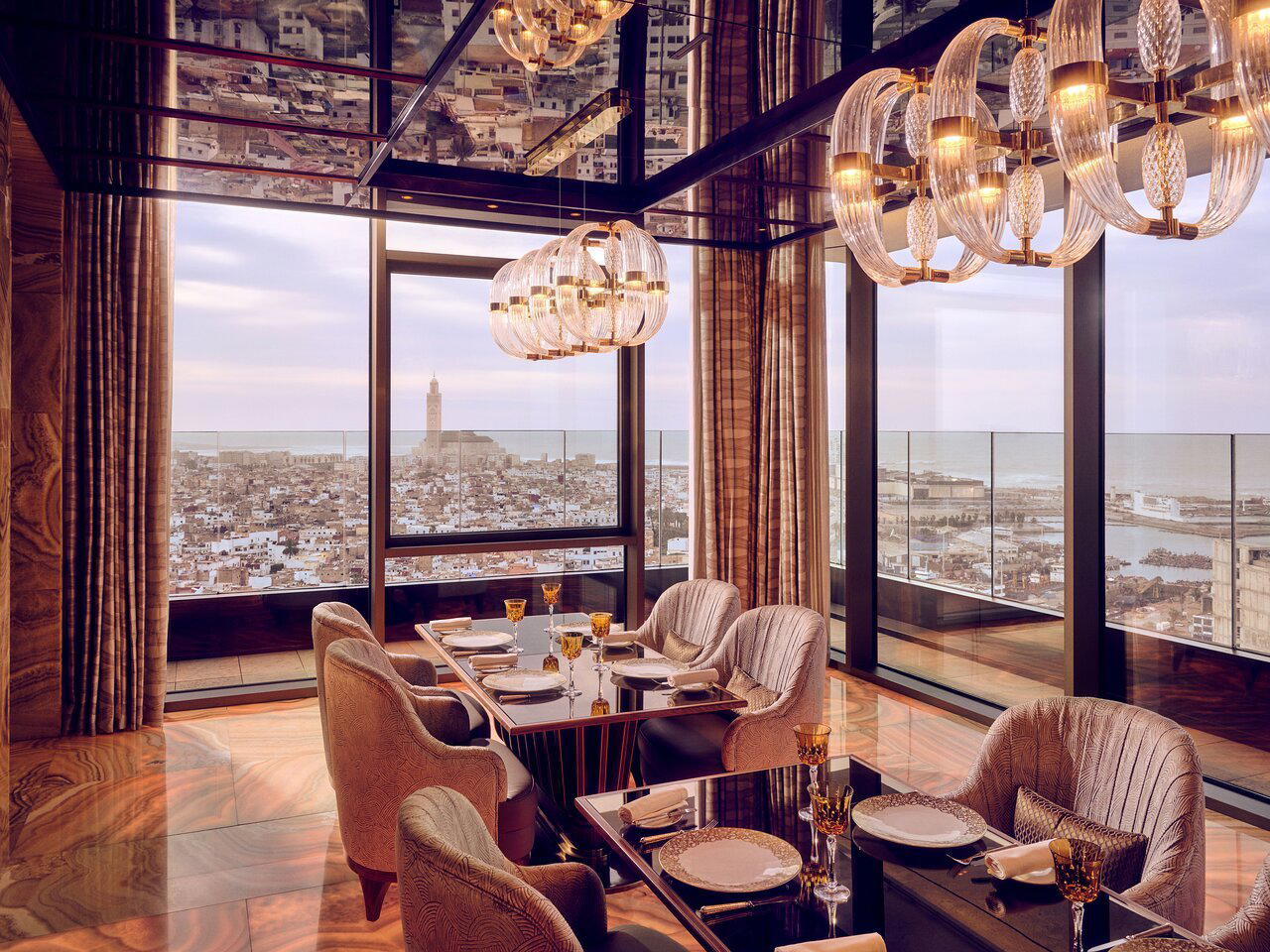
Where the Aromas Set the Standard
There is a particular weight to a dining room that takes its spice work seriously. Walk into La Grande Table Marocaine at the Royal Mansour Casablanca and the aromatic register announces itself before anything else: the warm undertow of cumin and coriander, the sharper bright edge of preserved lemon, the quiet depth of ras el hanout building in the background. This is not decorative spicing applied at the end of a plate. These are base-level architectural decisions — the kind that separate kitchens genuinely trained in Moroccan culinary grammar from those approximating it for a hotel crowd.
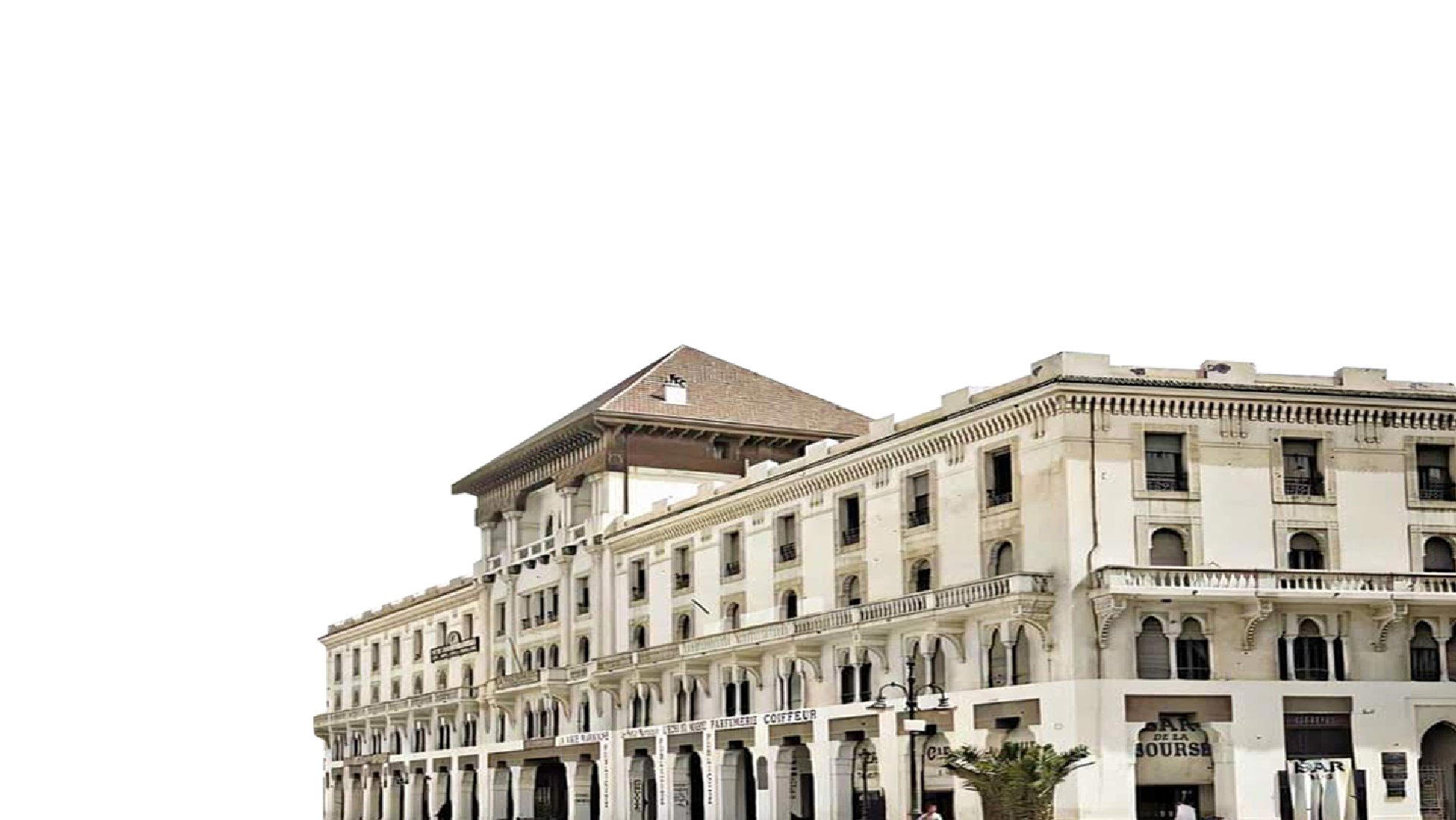
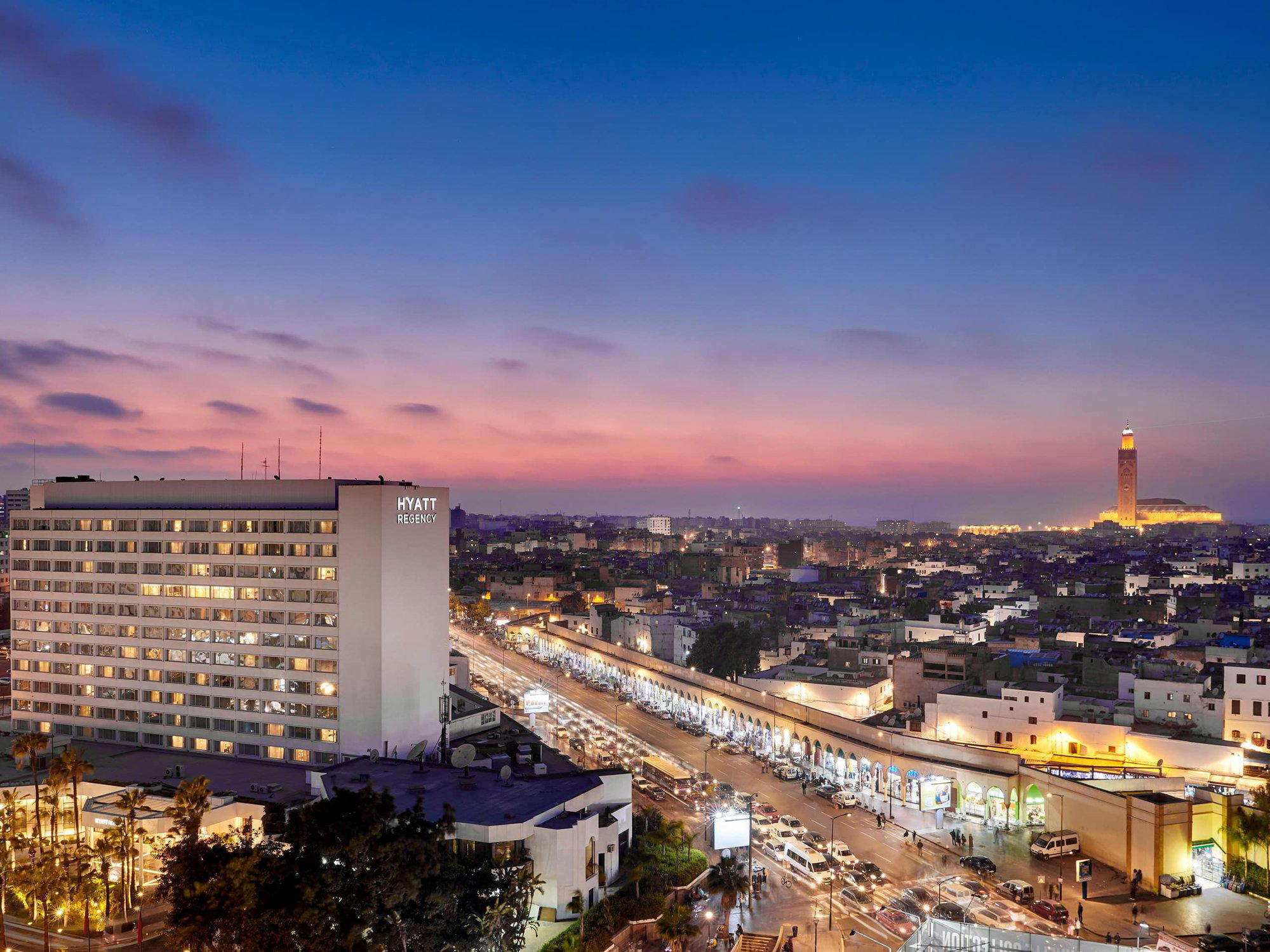
The Royal Mansour address on Avenue des Forces Armées Royales places the restaurant in Casablanca's formal commercial centre, within a hotel property that operates at the upper tier of the city's accommodation market. That positioning matters because it sets expectations — and also because the restaurant has to perform against them. A 91-point score on La Liste's 2025 global ranking of leading restaurants indicates it does. La Liste aggregates critical opinion across multiple international sources, and 91 points in 2025 places La Grande Table Marocaine in a peer group that includes some of the most formally reviewed tables worldwide.
Saffron, Baharat, and the Architecture of Moroccan Cooking
Morocco's spice vocabulary is among the most structured in the world. Where za'atar anchors Levantine cooking in dried herb and sesame, and sumac delivers acidity across Persian and Turkish traditions, Moroccan cuisine organises itself around a different matrix: saffron for floral warmth and colour in braises and tagines, baharat for layered sweet-spice depth, cumin for earthiness, paprika for heat and body, cinnamon threading through both savoury and sweet preparations. These are not interchangeable accent notes. Each performs a distinct structural role, and the skill of a kitchen cooking in this tradition is measured partly by how precisely it deploys them.
That is where a chef with Tsutomu Ochiai's background becomes editorially interesting, not as a biographical story, but as a signal about the kitchen's technical positioning. Japanese culinary training, particularly at the level reflected in placements like Le Bernardin in New York City, builds habits of precision and restraint that tend to sharpen rather than dilute a host cuisine's fundamentals. Ochiai brings that precision to a Moroccan spice repertoire, which in practice tends to mean tighter seasoning calibration and more deliberate textural control than you typically find at comparable hotel restaurants in the Maghreb. The result is a kitchen that works within Moroccan tradition rather than reframing it for outside palatability.
Casablanca's Fine Dining Tier
Casablanca's restaurant scene has developed along a recognisable pattern for a major commercial city: a large base of accessible neighbourhood restaurants, a mid-tier defined by Moroccan-French hybrid formats, and a smaller upper tier where formal technique and premium positioning converge. La Grande Table Marocaine sits in that upper bracket. Among its peers in the city, Moroccan-French kitchens at venues like Hôtel Le Doge and Iloli work across a French-inflected register, while Table 3 and Le Jasmine address different cuisine categories altogether. La Grande Table Marocaine is the address in Casablanca most explicitly competing on classical Moroccan technique at formal-dining scale.
That distinction has implications beyond the menu. It affects the dining room's pace, the service register, and the price expectations of the guest. A table here is positioned as a considered meal rather than a casual one, the kind of booking a Casablanca business traveller makes for a client dinner, or that a visitor specifically plans an evening around.
Reading the Menu Through Its Spice Logic
Without access to the current menu specifics, the kitchen's orientation can be read through its tradition's most formal expressions. Moroccan fine dining at this level typically centres on bastilla, the layered pastry of pigeon or seafood sealed with filo and finished with powdered sugar and cinnamon, a dish whose execution reveals more about kitchen skill than almost any other in the tradition. Tagines built on long braises with preserved lemon and olives, mechoui lamb slow-cooked until the fat renders completely into the meat, and couscous served as a composed event rather than an afterthought: these are the structural anchors. The spice work in each is specific and non-negotiable. Saffron in the wrong quantity flattens a braise. Baharat out of balance overwhelms it. The kitchen's 91-point recognition from La Liste suggests this calibration is being executed at a level worth formal international attention.
For context, other Moroccan fine-dining addresses earning comparable international recognition include Le Restaurant at La Maison Arabe in Marrakesh and Heure Bleue Palais in Essaouira. Across Morocco, the broader fine dining tier also includes addresses like Gayza in Fès, +61 in Marrakesh, Le Petit Cornichon in Marrakech, L'Oliveraie in El Hajeb, and Château Roslane in Icr Iqaddar. La Grande Table Marocaine sits within that national reference set, and specifically occupies the Casablanca node of it, the commercial capital's formal answer to Marrakesh's longer-established medina restaurant tradition.
Planning Your Visit
The restaurant is located at 27 Avenue des Forces Armées Royales, in the Royal Mansour Casablanca hotel. The address is accessible from central Casablanca and within reasonable distance of the city's main business districts, making it practical for both evening reservations and extended lunch arrangements. Given the hotel setting and the formal tier, booking ahead is advisable; walk-in availability at this level of hotel dining is rarely reliable. For hours and current booking options, contacting the hotel directly or booking through the Royal Mansour Casablanca property page is the most dependable route. Dress expectations will follow the formality of the address.
For broader planning, our full Casablanca restaurants guide covers the city's dining tiers in detail. Separate guides address hotels in Casablanca, bars, wineries, and experiences across the city. For a sense of how this kitchen compares to technically precise fine dining in other international contexts, Atomix in New York City offers a useful reference point for what Japanese-influenced precision brings to a non-Japanese host cuisine at formal scale.
What to Order at La Grande Table Marocaine
The kitchen's La Liste recognition at 91 points anchors the recommendation clearly: order from the centre of the Moroccan canon rather than the edges. The dishes that make the most of this kitchen's documented strengths are those where spice calibration and long-cook technique converge, braised preparations, pastry work, and anything built around saffron or ras el hanout. These are the formats where the difference between competent and formally recognised execution is most legible on the plate. If bastilla is on the menu, it is the single most diagnostic dish for reading the kitchen's command of the tradition. Couscous, if offered as a composed course, is worth the same attention. For the broadest read of what the kitchen does, a tasting format that moves through multiple spice registers will be more instructive than a single-plate order.
Where It Fits
| Venue | Cuisine | Awards |
|---|---|---|
| La Grande Table Marocaine - Royal Mansour CasablancaThis venue — the venue you are viewing | Moroccan Fine | La Liste Top Restaurants (2025): 91pts |
| Le Jasmine | Chinese | Chinese |
| Hôtel Le Doge | Moroccan French | Moroccan French |
| Iloli | Moroccan French | Moroccan French |
Recognition history
Dated appearances from independent guides and award organizations, with the underlying list record or original source where available.
La Liste Top Restaurants
La Liste
Continue exploring
More in Casablanca
Restaurants in Casablanca
Browse all →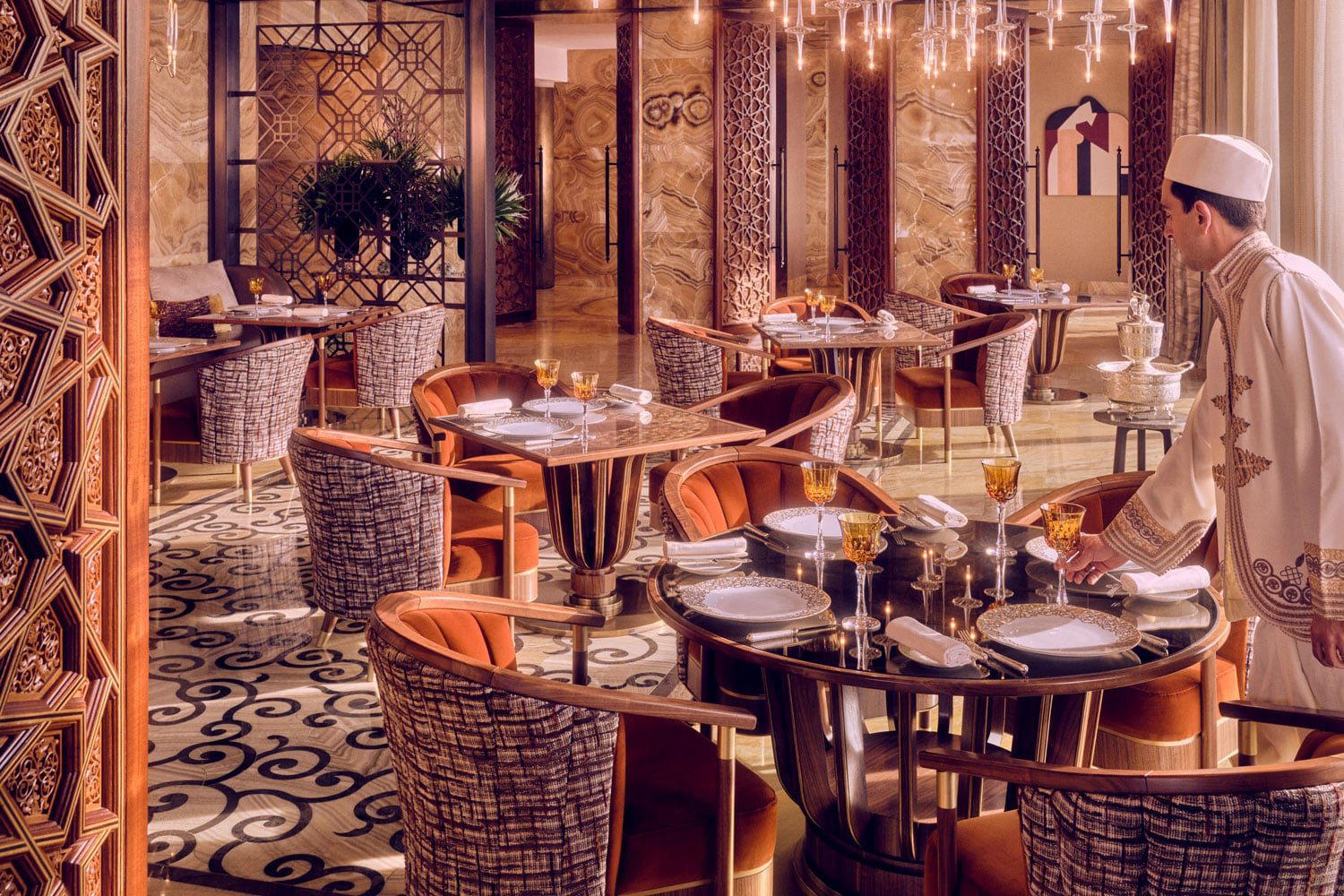
Bars in Casablanca
Browse all →
At a Glance
- Elegant
- Sophisticated
- Ornate
- Special Occasion
- Date Night
- Celebration
- Business Dinner
- Panoramic View
- Hotel Restaurant
- Private Dining
- Extensive Wine List
- Sommelier Led
- Skyline
- Waterfront
Current opening hours
- Monday
- 6 PM–12 AM
- Tuesday
- 6 PM–12 AM
- Wednesday
- 6 PM–12 AM
- Thursday
- 6 PM–12 AM
- Friday
- 6 PM–12 AM
- Saturday
- 6 PM–12 AM
- Sunday
- 6 PM–12 AM
Hours can change for holidays and private events. Last verified .
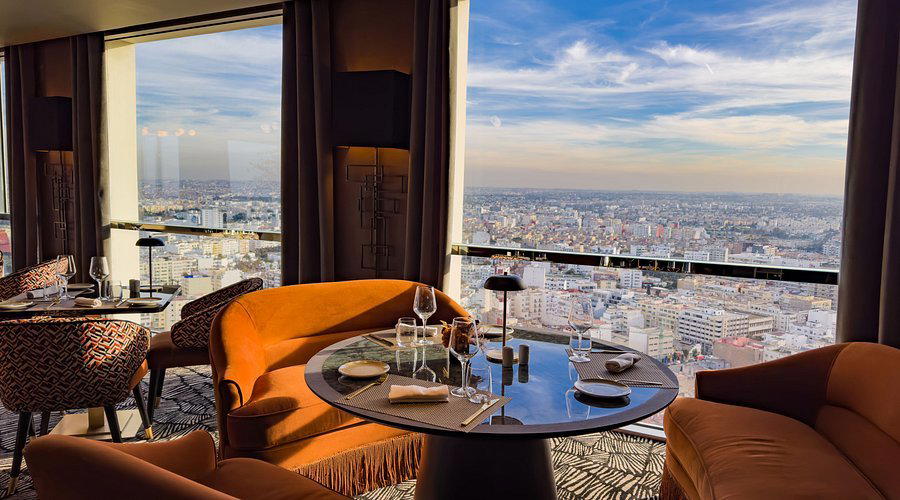
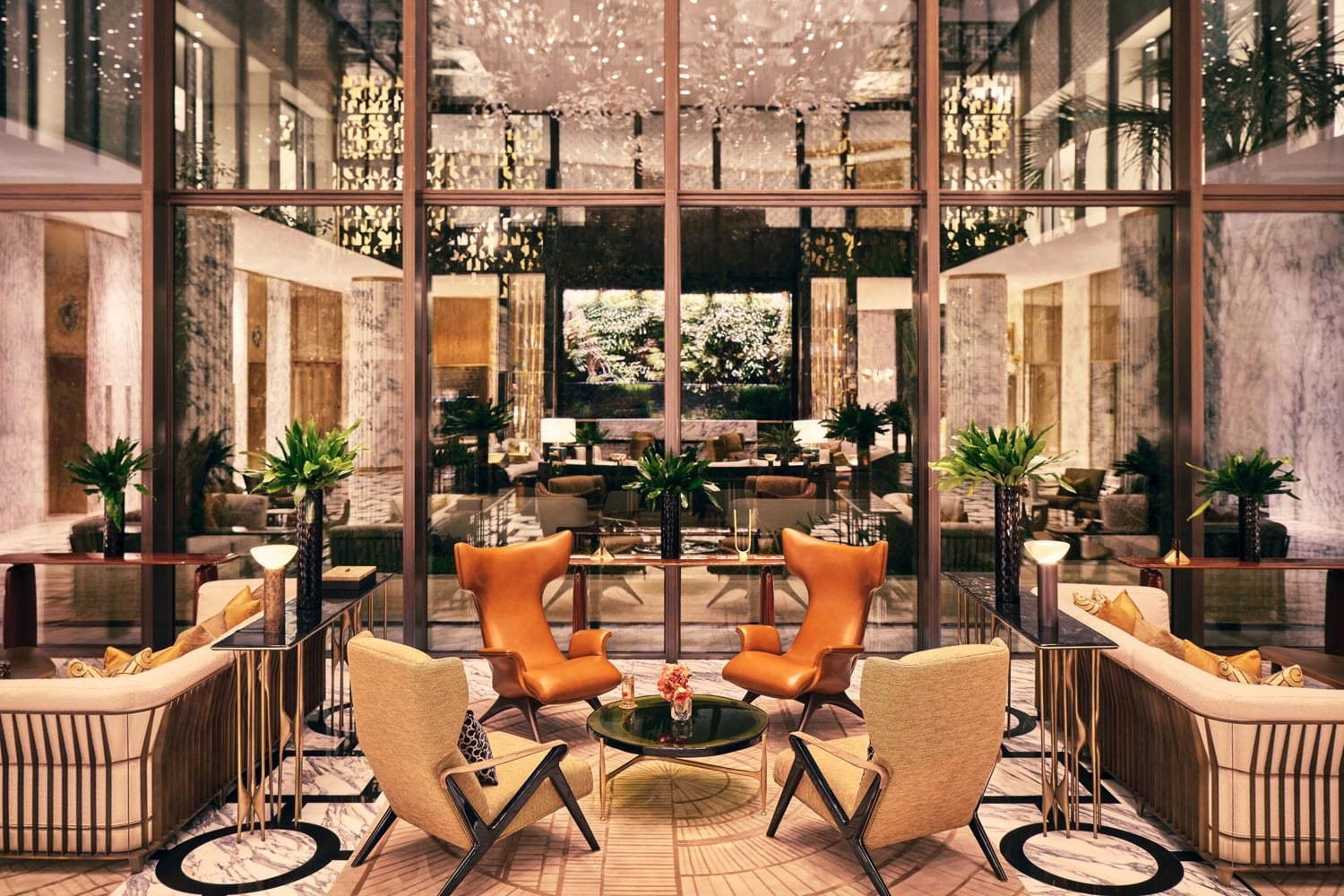
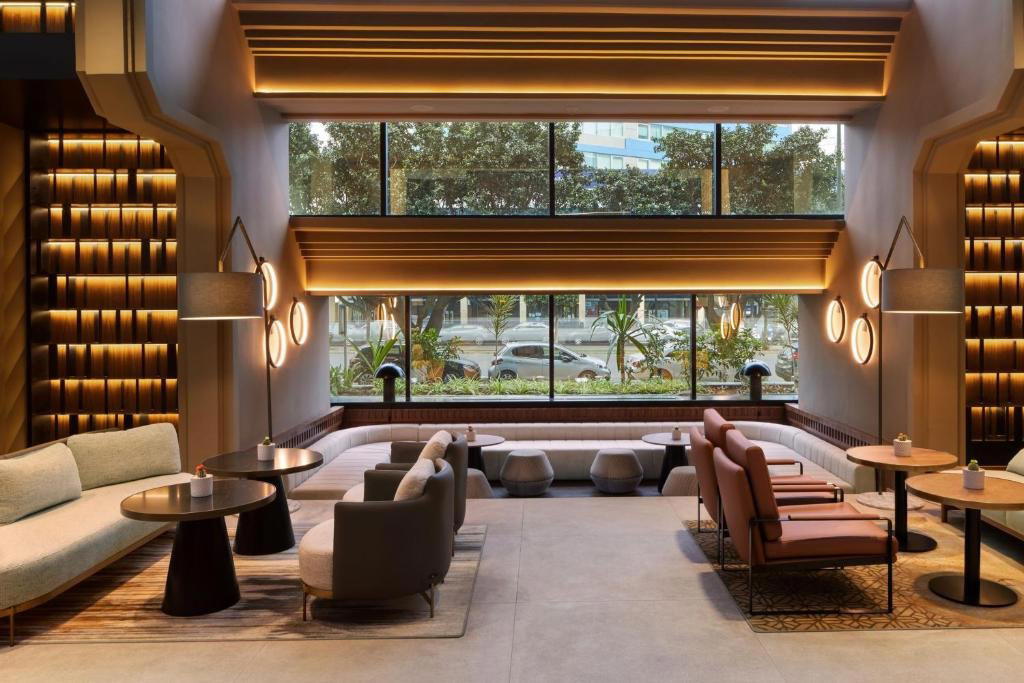
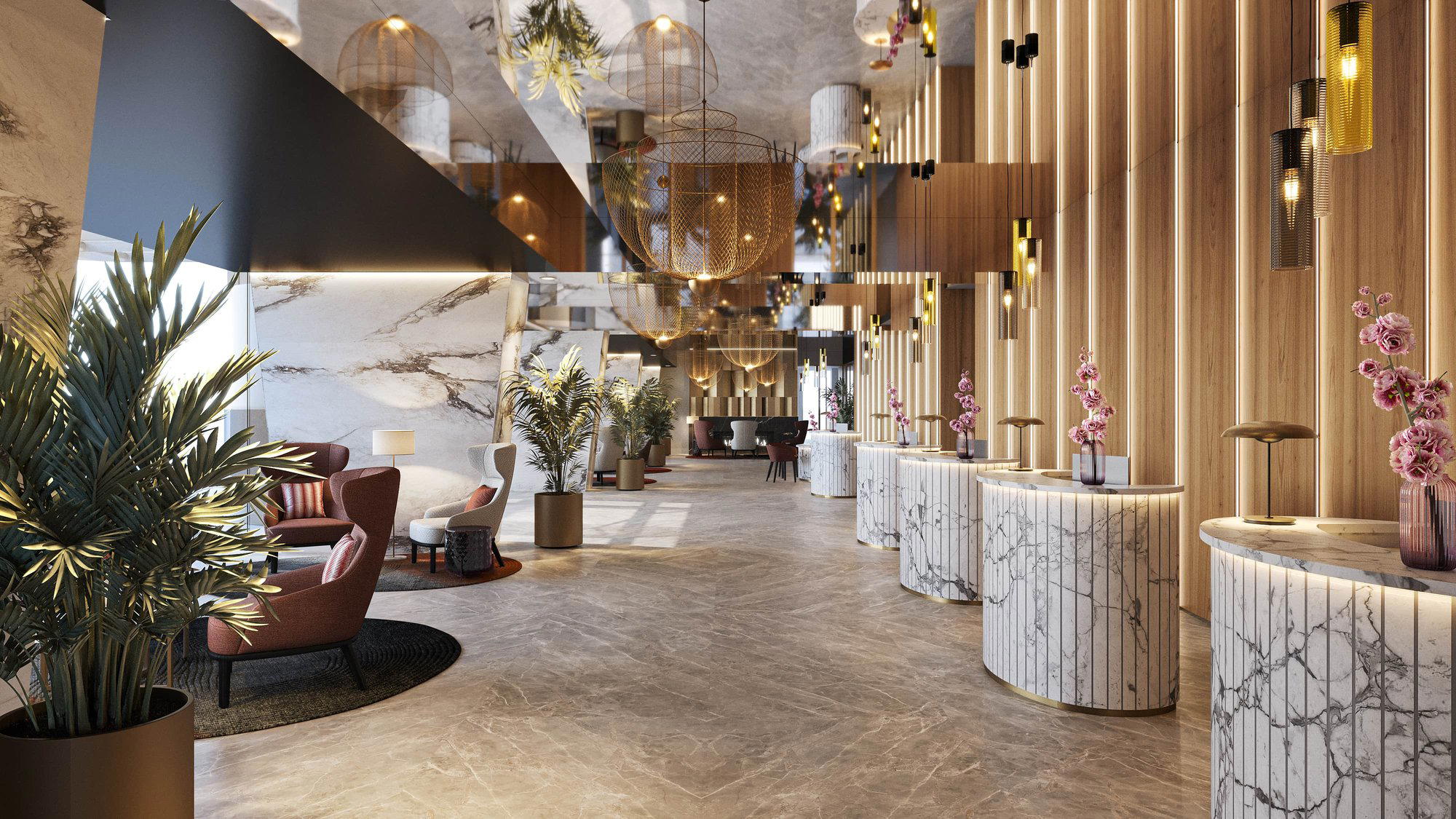
Elegant and sophisticated with interplay of mirrors, marble, and fabrics, floor-to-ceiling windows showcasing dramatic vistas, creating an atmosphere of understated opulence and magical warmth.
Know Before You Go
- Getting there
- 27 Avenue des Forces Armées Royales, Casablanca 20250, Morocco