Viña Emiliana

The estate's programme centres on organic and biodynamic viticulture, with on-site hospitality designed around wine and food pairing in a valley that has become Chile's reference point for cool-climate whites and Pinot Noir.
Pearl is the En Primeur Club membership app — saves, bookings, and concierge access live there. Same editors, same standards.
- Address
- Santiago, Metropolitan Region of Santiago, Chile
- Directions
- Get directions
 Saves & bookings on Pearl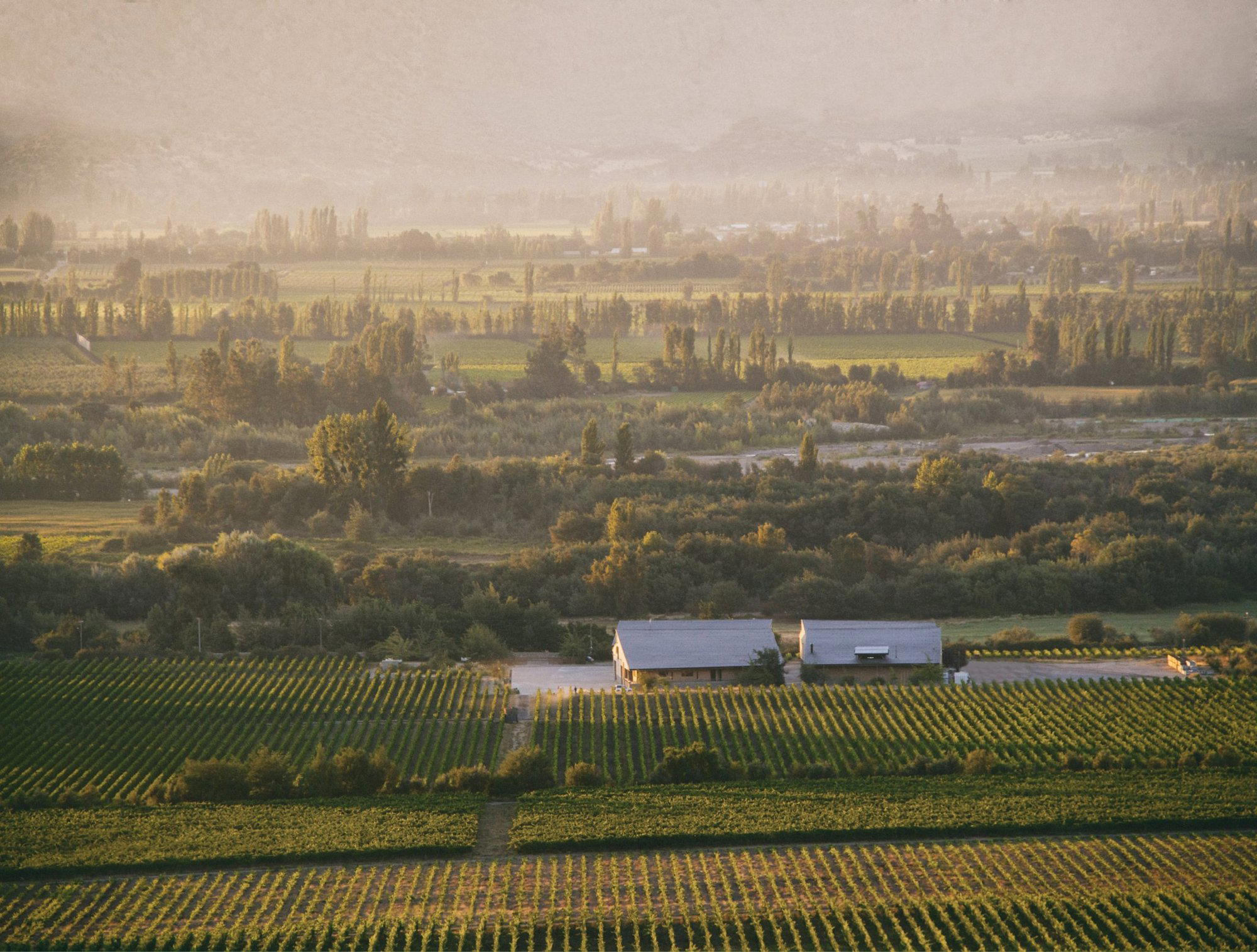
Where Casablanca's Cool-Climate Ambitions Meet the Table
The Casablanca Valley sits roughly equidistant between Santiago and Valparaíso, close enough to the Pacific that afternoon winds push temperatures down sharply after midday. That thermal pattern is the reason Sauvignon Blanc and Chardonnay took hold here in the 1980s when producers from warmer central Chilean valleys were still treating white wine as an afterthought. Today the valley is Chile's clearest argument for cool-climate viticulture, and the hospitality programmes that have grown up around its wineries reflect that identity: the conversation at the table is almost always about the wine first, the food second, and the landscape third.
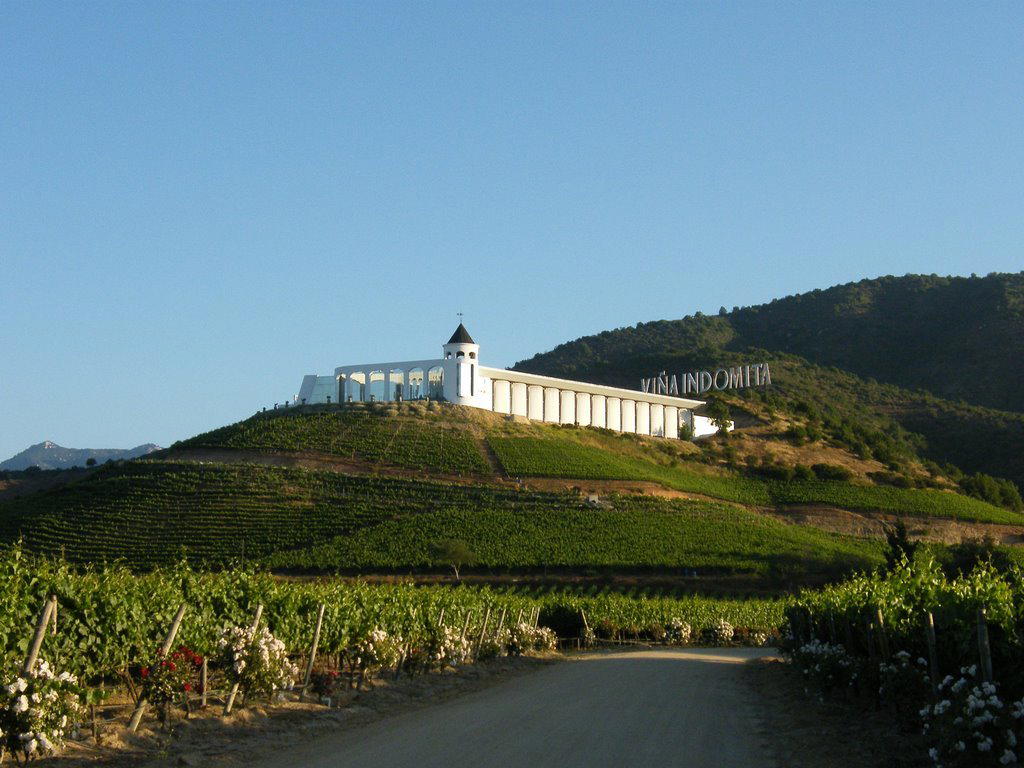
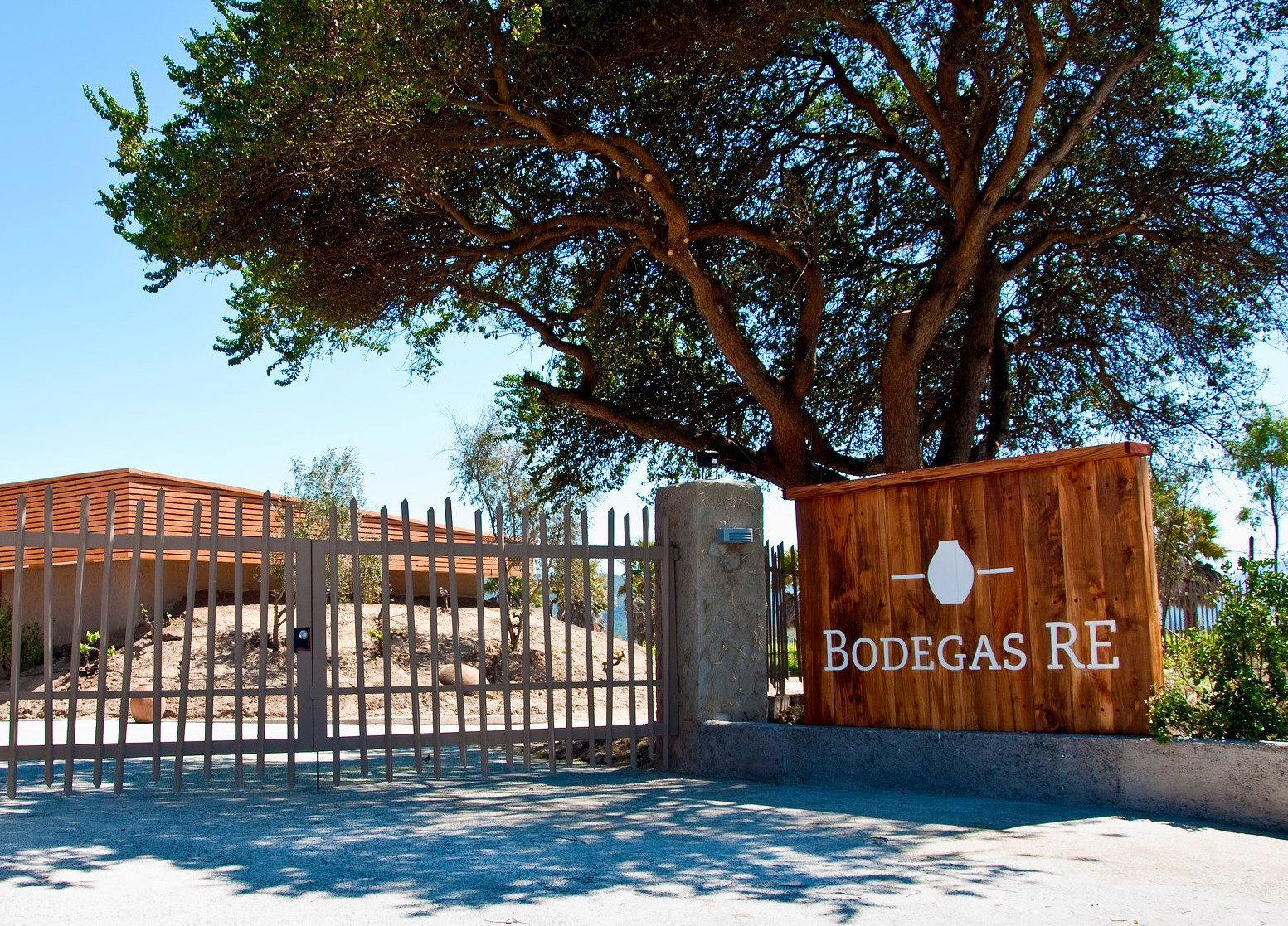
For context, neighbouring producers including Kingston Family Vineyards, Casas del Bosque, Bodegas RE, Indómita, and Matetic Vineyards each occupy a distinct position in the valley's offer, from volume-oriented estate visits to intimate, small-production tastings. Emiliana's recognition situates it toward the quality-focused end of that spectrum.
Organic and Biodynamic Viticulture as the Culinary Starting Point
What gives Emiliana's hospitality programme a distinct editorial character is that the farming philosophy is not incidental to the visitor experience — it is the premise of it. Across South America, a small number of estates have moved toward certified biodynamic production, treating vineyard management as an integrated system rather than a set of inputs applied to maximise yield. That shift has downstream consequences for wine style: lower intervention in the cellar tends to produce wines with more site-specific character, which in turn creates a stronger argument for pairing them with food that shares a similar philosophy.
Biodynamic estates globally have used that alignment to build hospitality programmes around provenance: the same land that grows the grapes can grow the vegetables, herbs, and livestock that appear at the tasting table. Comparable estates internationally, from producers in Burgundy to operations in California's Paso Robles, have found that guests who arrive for the wine stay longer and spend more when the food at the table is framed as an extension of the same agricultural system. Adelaida Vineyards in Paso Robles and Alban Vineyards in Arroyo Grande represent that California cohort; Albert Boxler in Niedermorschwihr and Aldo Conterno in Monforte d'Alba anchor the European end of small-production estate hospitality built around wine-food dialogue.
The Pairing Logic of a Cool-Climate Estate
In Casablanca, the wine programme at any serious estate tends to be anchored by whites. The valley's diurnal temperature variation, driven by marine influence from the nearby Pacific coast, preserves acidity in a way that warmer Chilean appellations cannot reliably replicate. Sauvignon Blanc from here carries a green-tinged precision that differs noticeably from Marlborough's more tropical register or the Loire's flinty restraint. Chardonnay from the valley's older blocks has shown it can age with more complexity than its early reputation suggested.
For a hospitality programme, these wine profiles create specific pairing opportunities. High-acid whites work with raw shellfish, cured fish, and herb-forward vegetable preparations in ways that fuller, warmer-climate whites do not. Casablanca's proximity to the Chilean coast means local seafood supply is both practical and contextually coherent. Pinot Noir, which has become the valley's most discussed red variety over the past decade, offers a different axis: lighter-bodied, cooler-climate Pinot pairs with duck, mushroom, and cured meat preparations that would overwhelm a more tannic Cabernet Sauvignon from Maipo.
Planning a Visit: Casablanca Valley Logistics
The Casablanca Valley sits approximately one hour west of Santiago by road, making it viable as a day trip from the capital or as a midpoint stop between Santiago and Valparaíso. Most visitors arrive by private transfer or rental car, as public transport options between the highway town of Casablanca and the vineyard estates are limited. The valley's busiest visiting season runs from late spring through summer (November to March in the Southern Hemisphere), when harvest activity adds energy to estate visits and the weather is most cooperative for outdoor hospitality.
Visitors should verify directly through the estate before planning. For a broader orientation to the valley's dining and hospitality offer, EP Club's full Casablanca guide maps the region's key producers against visitor formats and price tiers. For context on how estate hospitality programmes vary across different wine regions globally, EP Club also covers producers including Aberlour in Aberlour, Accendo Cellars in St. Helena, Achaia Clauss in Patras, Adelsheim Vineyard in Newberg, and Alexander Valley Vineyards in Geyserville, each representing a different model of estate visitor experience.
Comparable Venues
Comparable venues nearby, for context on price, style, and recognition.
| Venue | Cuisine | Price | Notes |
|---|---|---|---|
| Viña EmilianaThis venue — the venue you are viewing | Sauvignon Blanc, Chardonnay | $$ | Not listed |
| Matetic Vineyards | Winery | Not listed | Casablanca |
| Indómita | Winery | Not listed | Casablanca |
| Kingston Family Vineyards | Pinot Noir, Syrah | $$$ | Casablanca Valley |
| Viña Morandé | Winery | Not listed | Casablanca |
Recognition history
Dated appearances from independent guides and award organizations, with the underlying list record or original source where available.
Falstaff Winery - Listed
Falstaff
Continue exploring
More in Casablanca
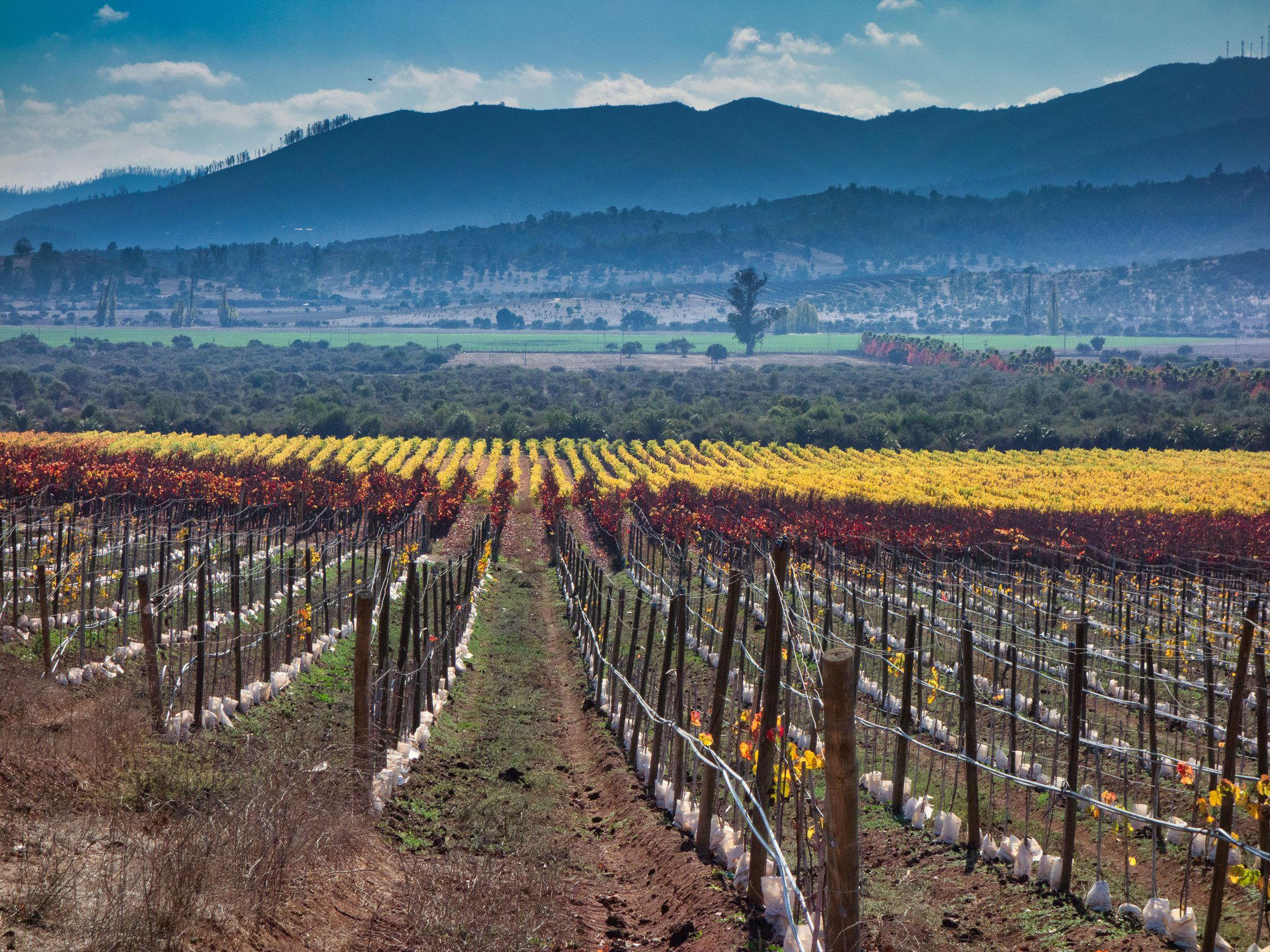
Wineries in Casablanca
Browse all →
Bars in Casablanca
Browse all →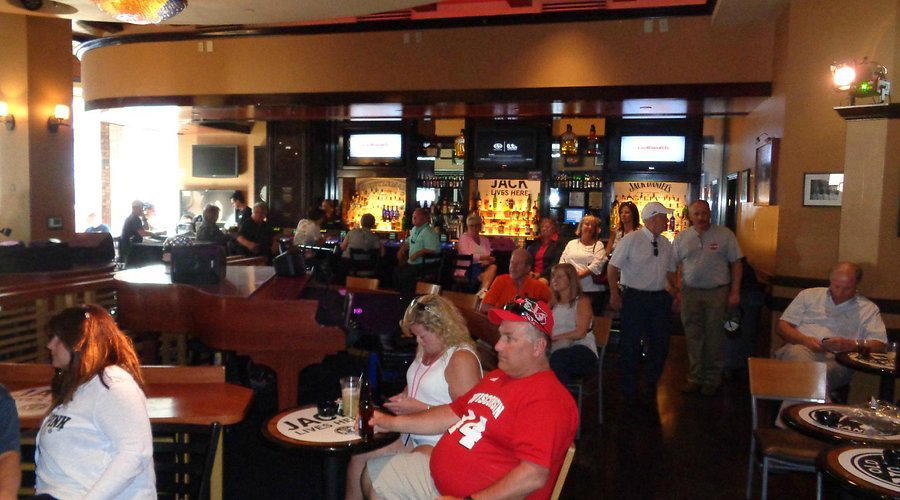
Restaurants in Casablanca
Browse all →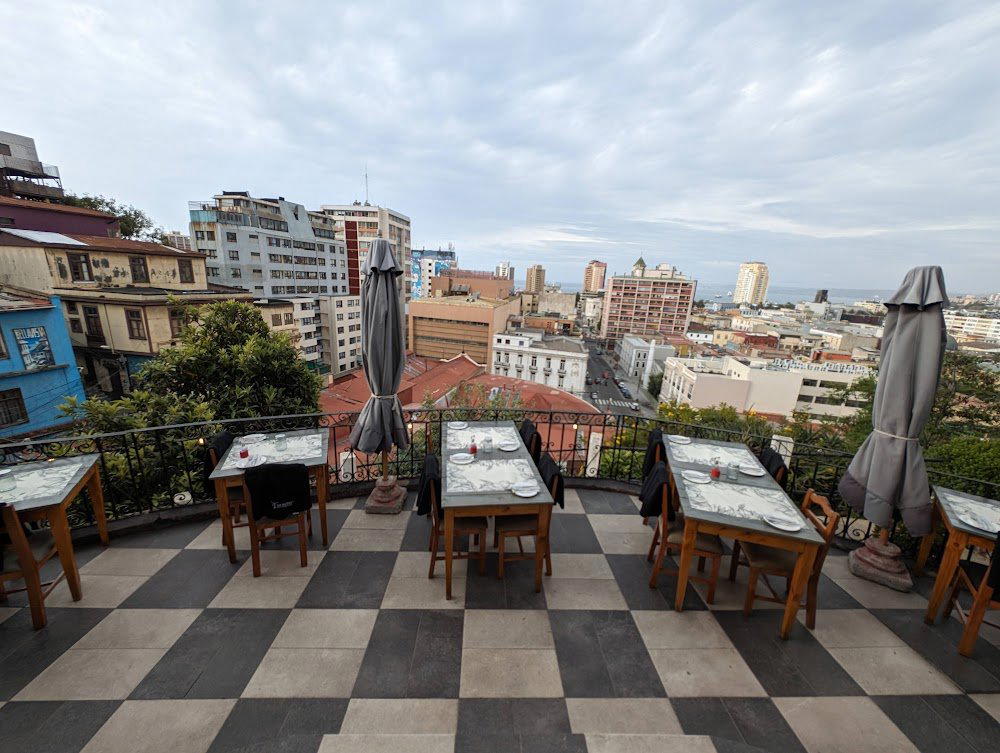
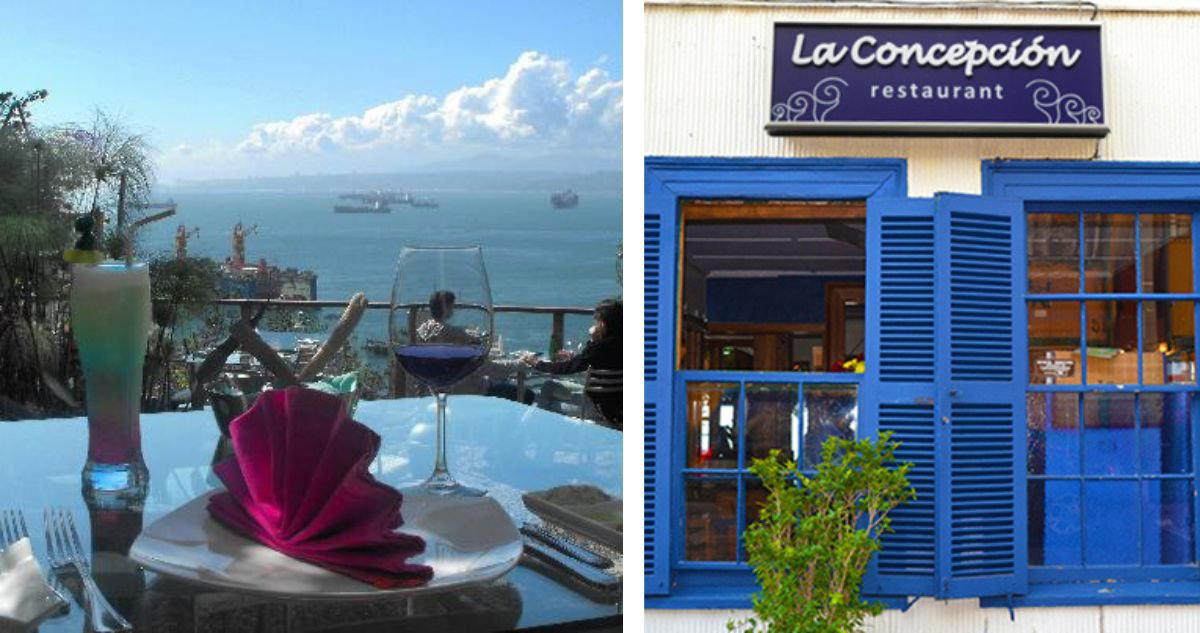
Hotels in Casablanca
Browse all →
At a Glance
- Scenic
- Rustic
- Sophisticated
- Quiet
- Group Outing
- Wine Education
- Special Occasion
- Corporate Event
- Vineyard Tour
- Private Tasting
- Garden
- Historic Building
- Organic
- Biodynamic
- Sustainable
- Vineyard
- Garden
- Casablanca Valley
- Sauvignon Blanc
- Chardonnay
- Pinot Noir
- Syrah
- Carmenere
- Still White
- Still Red
- Orange
- Guided Tasting
- Food Paired Tasting
- Structured Flight
Bright, outdoor, and experience-focused, with a modern-organic feel centered on biodynamic farming, vineyards, gardens, and animal encounters.
Know Before You Go
- Getting there
- Santiago, Metropolitan Region of Santiago, Chile