Dar El Kaid
Our verdict
Dar El Kaid occupies a historic address on Rue Mohamed El Alaoui in Casablanca's old city, drawing on the deep grammar of Moroccan hospitality, slow-cooked tagines, ceremonial couscous, and the architecture of the traditional dar format. For visitors tracing the city's culinary character beyond its modern Atlantic-facing restaurants, this address offers a grounding in the older register of the Casablanca table.

Pearl is the En Primeur Club membership app, where members save venues, book tables and use the concierge.
Where Casablanca's Older Dining Register Still Holds
Casablanca's restaurant scene has spent the past decade pulling in two directions at once. On one side, a wave of Moroccan-French hybrids and international formats has reshaped the Boulevard de la Corniche and the city's business districts. On the other, a smaller cohort of addresses has stayed anchored to the classical Moroccan table, the slow-braised lamb, the hand-rolled couscous, the mint tea poured from height. Dar El Kaid, on Rue Mohamed El Alaoui in the heart of the old city, belongs to the second tradition. In a dining culture where contemporised takes on Moroccan cuisine now dominate the conversation at places like Hôtel Le Doge and Iloli, there is a different kind of authority in a space that does not reach for fusion.
The Architecture of the Moroccan Dar
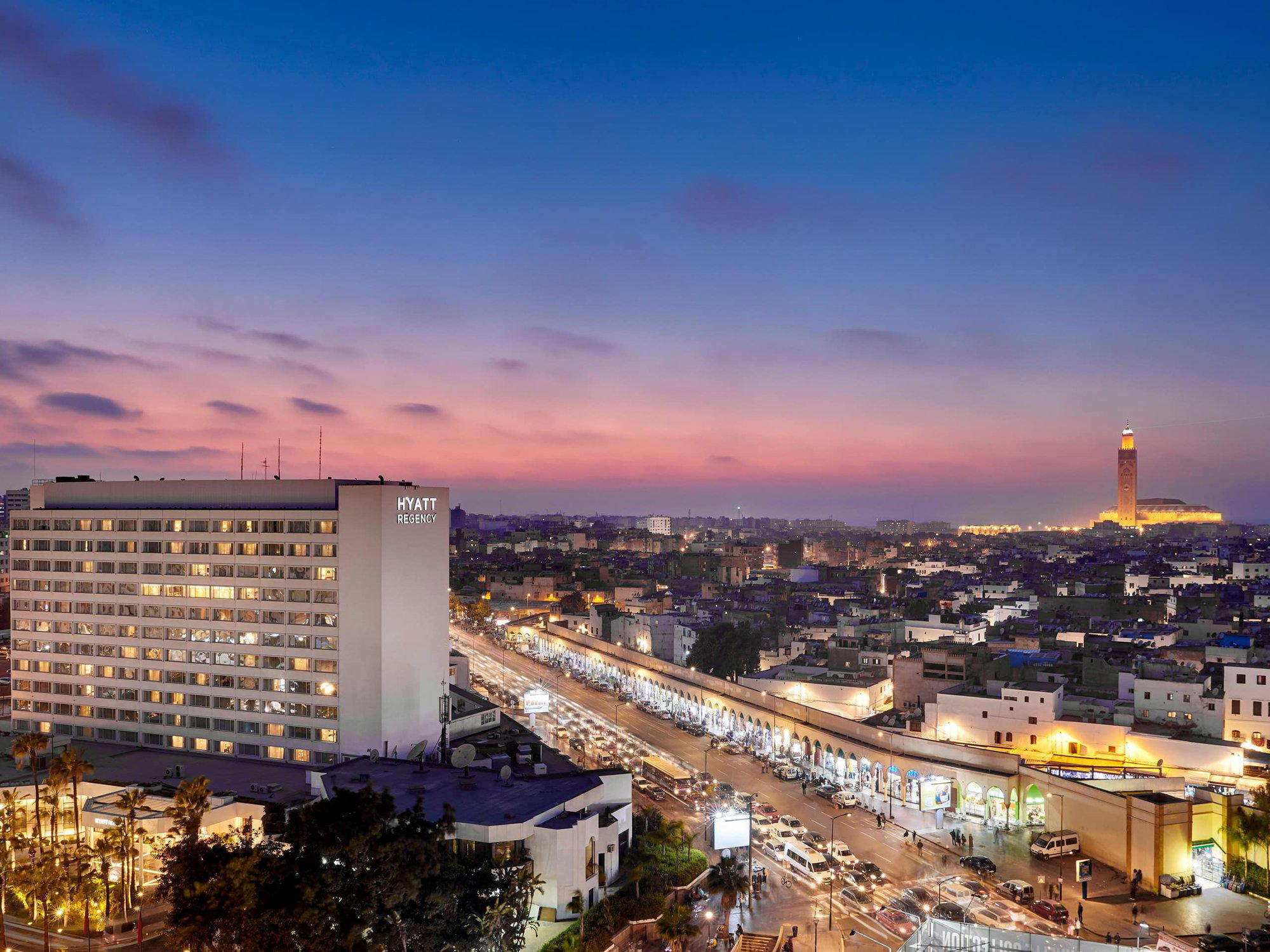
The dar format, a private house turned inward around a central courtyard, with rooms arranged on multiple levels, is one of the oldest hospitality structures in North African urban life. It predates the riad as a tourist concept by centuries. In Fes and Marrakesh, the conversion of these structures into restaurants and guesthouses has become so systematic that the format risks losing its original weight. Casablanca, as a city built largely during the French Protectorate era and defined more by its Art Deco boulevards than its medina, has fewer of these addresses. That relative scarcity gives a traditional dar setting here a different charge than it carries in the imperial cities. The approach to Dar El Kaid along Rue Mohamed El Alaoui, a street that still carries its older designation as ex-rue des Synagogues, a reminder of Casablanca's layered communal history, sets a particular tone before you have crossed the threshold.
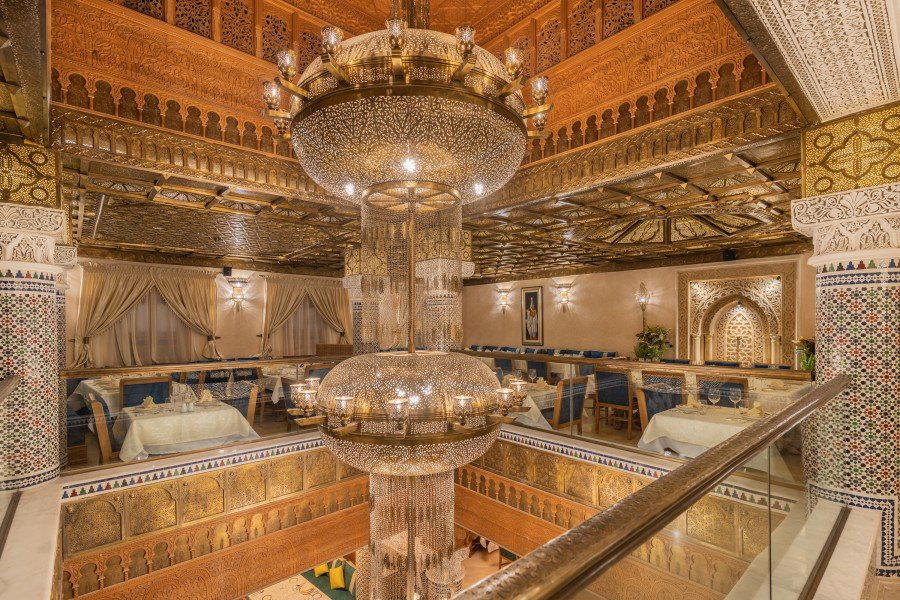
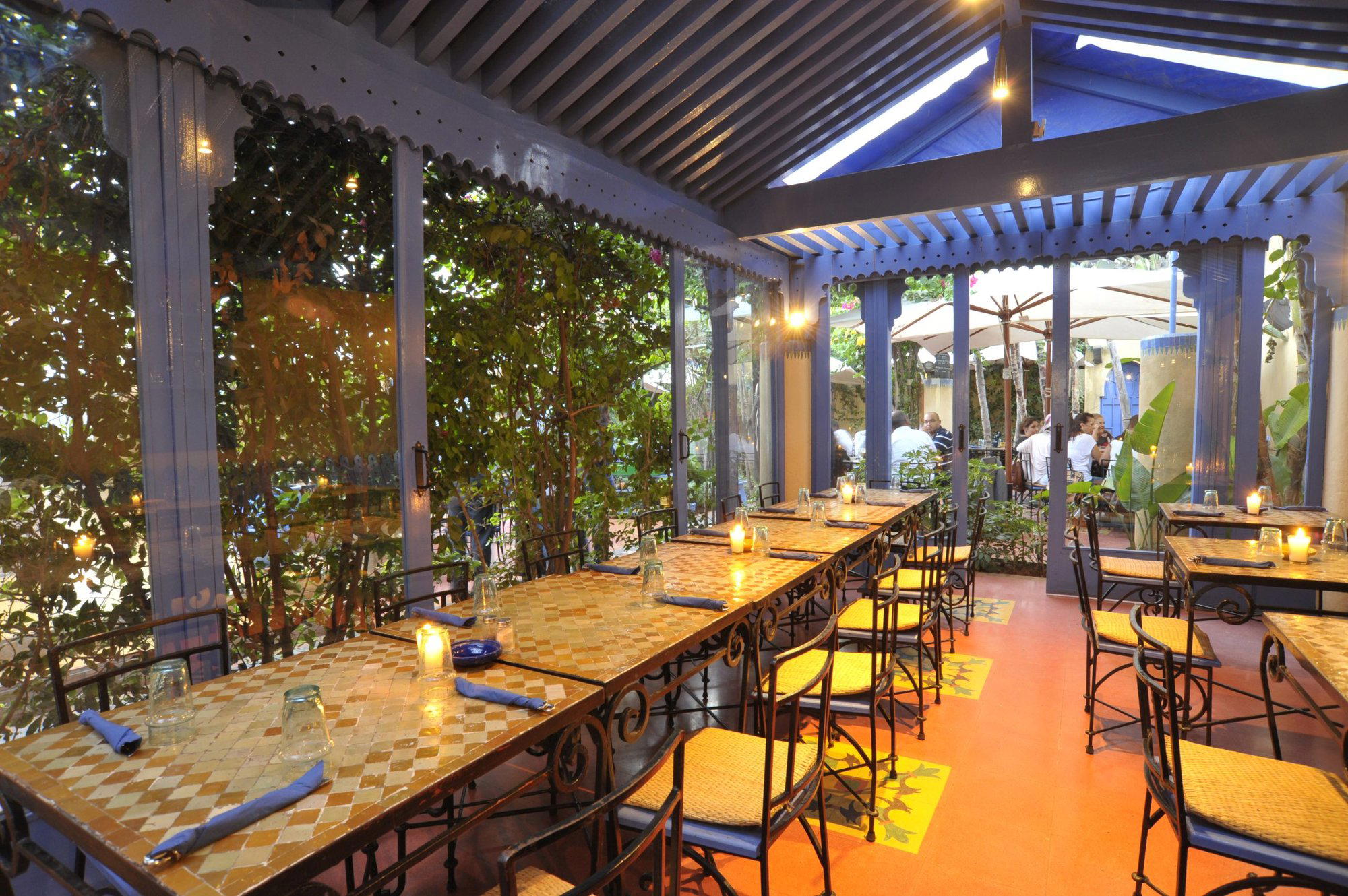
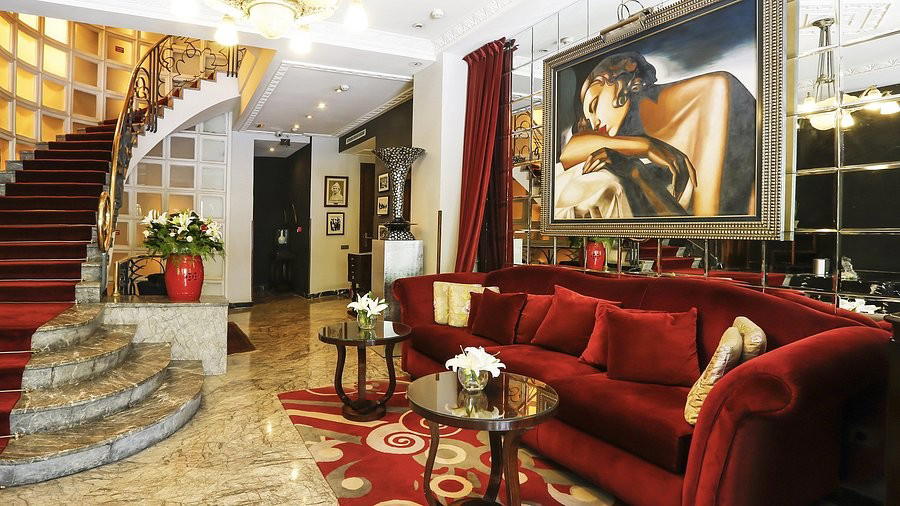
Inside, the visual logic of a classical dar reasserts itself: geometric tilework, carved plasterwork, the proportions of a room designed for gathering rather than throughput. This is not a format optimised for table turns. It is a format designed around the long meal, the multiple courses, the unhurried pot of tea. For readers who have sat inside comparable spaces at Le Salon Oriental in Essaouira or tracked traditional hospitality formats at Cafe Clock in Fes, the grammar will be familiar, but the Casablanca inflection is its own.
The Culinary Tradition Behind the Menu
Classical Moroccan cuisine is one of the most technically demanding in the Mediterranean and North African arc. The spice layering in a good ras el hanout can involve thirty or more ingredients. A properly executed bastilla, the pigeon or chicken pastry sealed in paper-thin warqa dough, dusted with powdered sugar and cinnamon, requires a precision that most French pastry kitchens would respect. Couscous, in its traditional Friday form, is steamed multiple times over a broth and finished by hand. These are not dishes that benefit from modernisation for its own sake. Venues that commit to executing them at standard become, in a sense, custodians of a culinary record.
That context matters when placing Dar El Kaid in the broader Casablanca picture. At the high-polish end of traditional Moroccan fine dining in the city, La Grande Table Marocaine at Royal Mansour Casablanca operates with the full infrastructure of a five-star hotel kitchen behind it, a comparable address exists in Marrakesh at La Grande Table Marocaine Royal Mansour. Dar El Kaid sits in a different register: the neighbourhood dar, where the legitimacy comes not from hotel infrastructure but from place and continuity. For the visitor who wants to understand what Moroccan hospitality looked like before the wellness retreat and the tasting menu arrived, this is a more useful data point.
Morocco's traditional table also carries a strong regional differentiation that often gets flattened in international representations of the cuisine. The Casablanca version of the tagine differs from its Fes counterpart; the coastal city's proximity to the Atlantic historically shaped its fish preparations in ways that inland imperial city cooking did not. La Sqala, another address in the older Casablanca tradition, leans into that coastal-Andalusian inheritance. Dar El Kaid's position on a street whose full history runs from the Protectorate era through the city's cosmopolitan Jewish, Muslim, and French communities speaks to a culinary setting shaped by more than one source.
Casablanca's Traditional Dining Cohort in Context
The city's dining conversation has increasingly been shaped by internationally trained chefs bringing technique back to Moroccan ingredients, a pattern visible across the country, from Amal Gueliz Center in Marrakech to Gayza in Fès. That movement has produced genuinely interesting cooking. But it has also created a gap at the other end of the market: places that simply do the classical thing without editorialising it. Casablanca's cohort of traditional Moroccan addresses, Dar El Kaid included, fills that gap for the traveller who is not looking for a chef's interpretation of their grandmother's couscous, but the couscous itself.
For a different register entirely within the city, Cocoa Café covers the Parisian-inflected breakfast and aperitif territory that Casablanca does particularly well given its Francophone inheritance. The range across these addresses reflects how genuinely plural the city's table has become, a plurality that stretches well beyond Casablanca when you consider the broader Moroccan circuit, from Andalus in Tangier to Château Roslane in the wine-producing hinterland. For a full map of the city's options, the EP Club Casablanca restaurants guide covers the full range by neighbourhood and format.
Planning Your Visit
Dar El Kaid is located on Rue Mohamed El Alaoui, still identified on older maps and some signage as ex-rue des Synagogues, in the Casablanca medina quarter. The address puts it within the older urban fabric of the city rather than the business district or Corniche. Visitors staying in the modern centre should allow time to reach it by taxi; the medina area's street pattern does not always cooperate with navigation apps. Booking ahead is advisable for dinner, particularly on weekends, given the limited capacity typical of the dar format. Dress modestly as a matter of respect for the setting and the neighbourhood.
Frequently asked questions
Would Dar El Kaid be comfortable with kids?
The dar format, rooms arranged around a central courtyard, provides enough space that families with children are generally well accommodated in this type of setting. Classical Moroccan menus tend to include broadly accessible dishes such as tagines and couscous that work across age groups. That said, the medina address on Rue Mohamed El Alaoui means arrival involves navigating older street infrastructure, so strollers or very young children may require some planning. Calling ahead to confirm seating arrangements is advisable.
What's the vibe at Dar El Kaid?
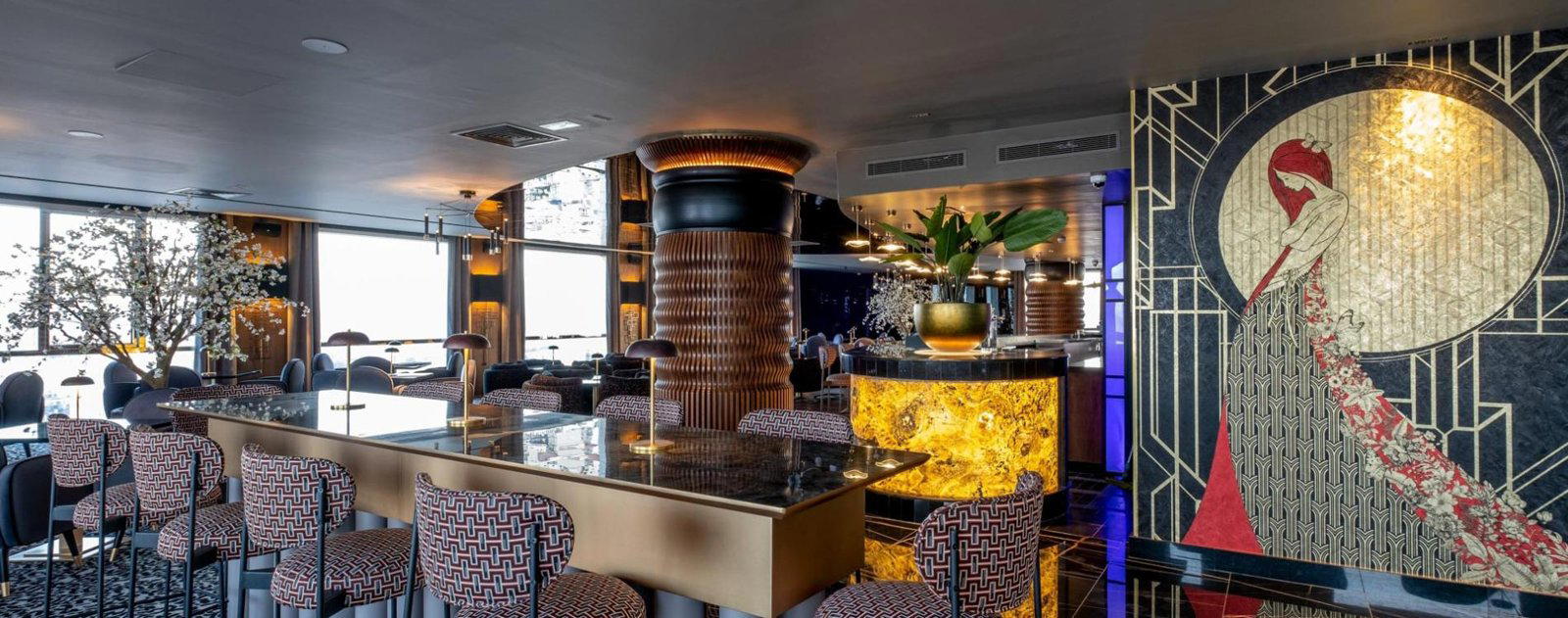
Dar El Kaid occupies a traditional Moroccan dar, a private house built inward around a courtyard, which shapes the atmosphere more than any décor decision could. The setting is architectural and considered rather than loud or scene-driven, placing it closer to the older Casablanca dining register than to the city's newer Moroccan-French hybrid wave. Expect a pace that matches the format: unhurried, spatially generous, and rooted in a house rather than a restaurant.
Is Dar El Kaid located in the Casablanca medina, and how do I find it?
The address is Rue Mohamed El Alaoui in Casablanca, still identified on older maps and some local signage as ex-rue des Synagogues, placing it within the medina quarter. The dual naming reflects the street's documented history and can cause confusion when cross-referencing mapping applications, searching both names improves results. This is one of the older residential streets in central Casablanca, and the dar building type it houses is consistent with the neighbourhood's pre-modern urban fabric.
What should I eat at Dar El Kaid?
Classical Moroccan cooking is the framework here, meaning the menu draws on a tradition that includes slow-cooked tagines, spice-layered stews, and couscous preparations that require technique to execute well. Ras el hanout-seasoned dishes and pastilla are benchmarks of the tradition this type of venue represents.
What's the address for Dar El Kaid?
Dar El Kaid is located at Rue Mohamed El Alaoui, Ex rue des Synagogues, Casablanca 20000, Morocco, Casablanca.
Can I walk in to Dar El Kaid?
Walk-in availability is not confirmed for Dar El Kaid, and the dar format typically means seating capacity is limited by the architecture of the house rather than by a conventional restaurant floor plan. For a venue at this address in the Casablanca medina, a reservation, or at minimum advance contact, is the more dependable approach.
Pricing, Compared
| Venue | Cuisine | Price | Awards | Notes |
|---|---|---|---|---|
| Dar El KaidThis venue (the venue you are viewing) | Traditional Moroccan | $20–30 | Not listed | Not listed |
| La Grande Table Marocaine - Royal Mansour Casablanca | Refined Moroccan Fine Dining | $150–200 | La Liste Top Restaurants | Moroccan Fine |
| Le Jasmine | Traditional Moroccan Fine Dining | Not listed | La Liste Top Restaurants · Relais Chateaux Award | Chinese |
| Hôtel Le Doge | Traditional Moroccan & Mediterranean | Not listed | Relais Chateaux Award | Moroccan French |
| Iloli | Modern Japanese Gastronomy | $30–50 | La Liste Top Restaurants | Moroccan French |
| Table 3 | Modern Moroccan Fine Dining | $50–100 | World's 50 Best #11 · The Best Chef One Knife | Not listed |
Continue exploring
More in Casablanca
Restaurants in Casablanca
All restaurants in Casablanca →
Bars in Casablanca
All bars in Casablanca →
Details
- Classic
- Cozy
- Well Known
- Special Occasion
- Celebration
- Historic Building
- Live Music
- Street Scene
- A La Carte
- Buffet
- Vegetarian Friendly
Current opening hours
- Monday
- 8:30 AM–12 AM
- Tuesday
- 8:30 AM–12 AM
- Wednesday
- 8:30 AM–12 AM
- Thursday
- 8:30 AM–12 AM
- Friday
- 8:30 AM–12 AM
- Saturday
- 8:30 AM–12 AM
- Sunday
- 8:30 AM–12 AM
Hours can change for holidays and private events. Hours as of .
Chaleureuse et vibrante with traditional Moroccan architecture, colorful decor, and lively atmosphere from music and dance.