Indomita

Indomita is a hilltop Casablanca Valley winery built for visitors who want the valley in view as much as wine in the glass. The estate combines a modern, large-format winery setting with terraces, vineyard and mountain views, tours, tastings, food pairing options, and a restaurant, placing it firmly in Casablanca’s more hospitality-forward wine tourism tier.
Pearl is the En Primeur Club membership app — saves, bookings, and concierge access live there. Same editors, same standards.
- Address
- Ruta 68, Casablanca, Valparaíso, Chile
- Phone
- +56 32 215 3902
- Website
- indomita.cl
- Directions
- Get directions
 Saves & bookings on Pearl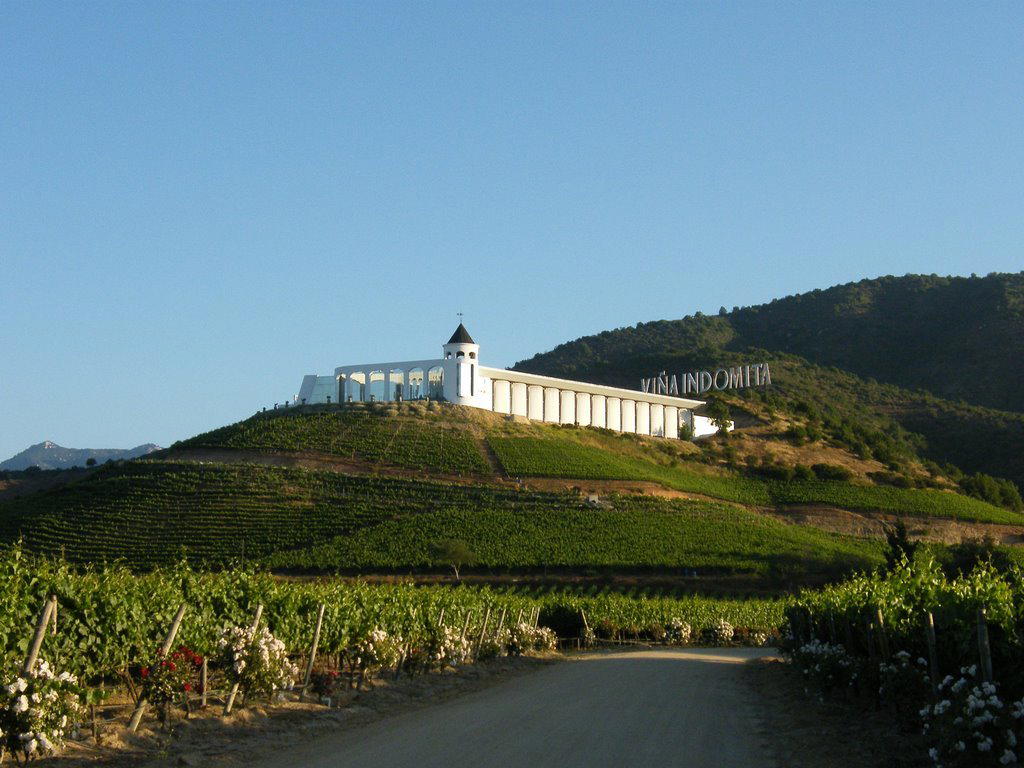
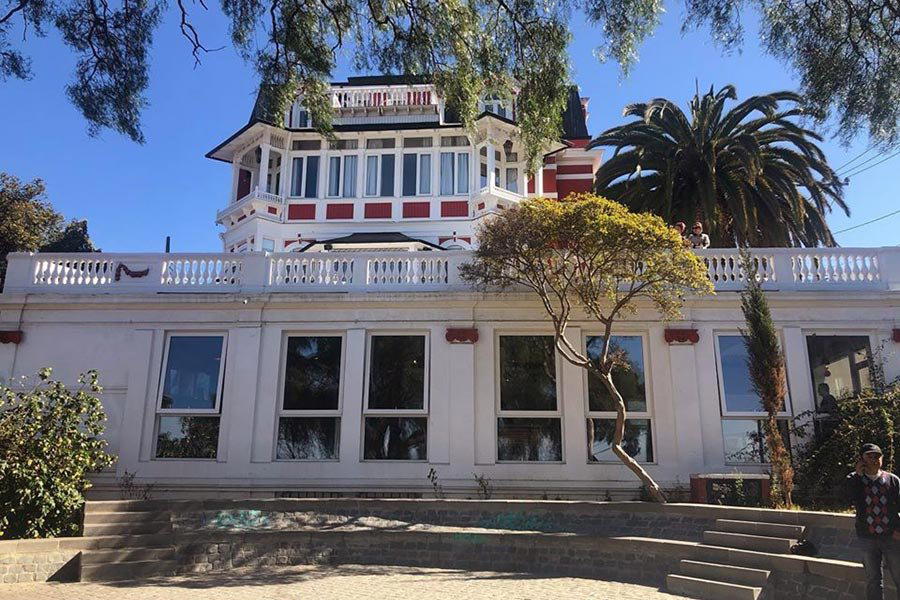
The first impression at Indomita is architectural rather than cellar-driven: a large modern winery set high above the Casablanca Valley, with vines and hills doing much of the framing. This is not the small shed-and-barrel-room version of Chilean wine tourism. It belongs to the estate-visit category, where the view, terrace, restaurant, tasting formats, and group capacity matter as much as the bottle lineup.
That format suits Casablanca. The valley has become one of Chile’s most accessible cool-climate wine regions for travelers, close enough to sit naturally on a route between Santiago and the coast, and legible enough for visitors who want white wines, reds, and a sense of place without turning the day into a technical seminar. Indomita’s position in that scene is clear: medium-to-large production, a visitor-facing estate, and a broad hospitality setup rather than a private allocation model.
A hilltop reading of Casablanca Valley
Casablanca’s reputation rests on coastal-influenced freshness, especially for Sauvignon Blanc, Chardonnay, and Pinot Noir, while Chile’s broader red-wine identity often pulls travelers toward warmer inland zones. Indomita bridges those expectations through a portfolio associated with Casablanca and Maipo vineyards, with listed varieties including Sauvignon Blanc, Chardonnay, Pinot Noir, Carmenere, Cabernet Sauvignon, and Syrah. That range gives the estate a wider lens than a narrowly defined boutique cellar: visitors can read the cool-valley story through whites and Pinot, then move into Chilean red categories that speak to a broader national vocabulary.
The useful editorial distinction is scale. Casablanca has producers that court serious collectors through limited releases and smaller-room tastings; Indomita is built more visibly around estate hospitality. Its production scale is medium to large, its allocation status is open, and shipping is available. For travelers, that means the experience is less about scarcity signals and more about seeing how a polished Chilean winery packages region, view, and access into one visit.
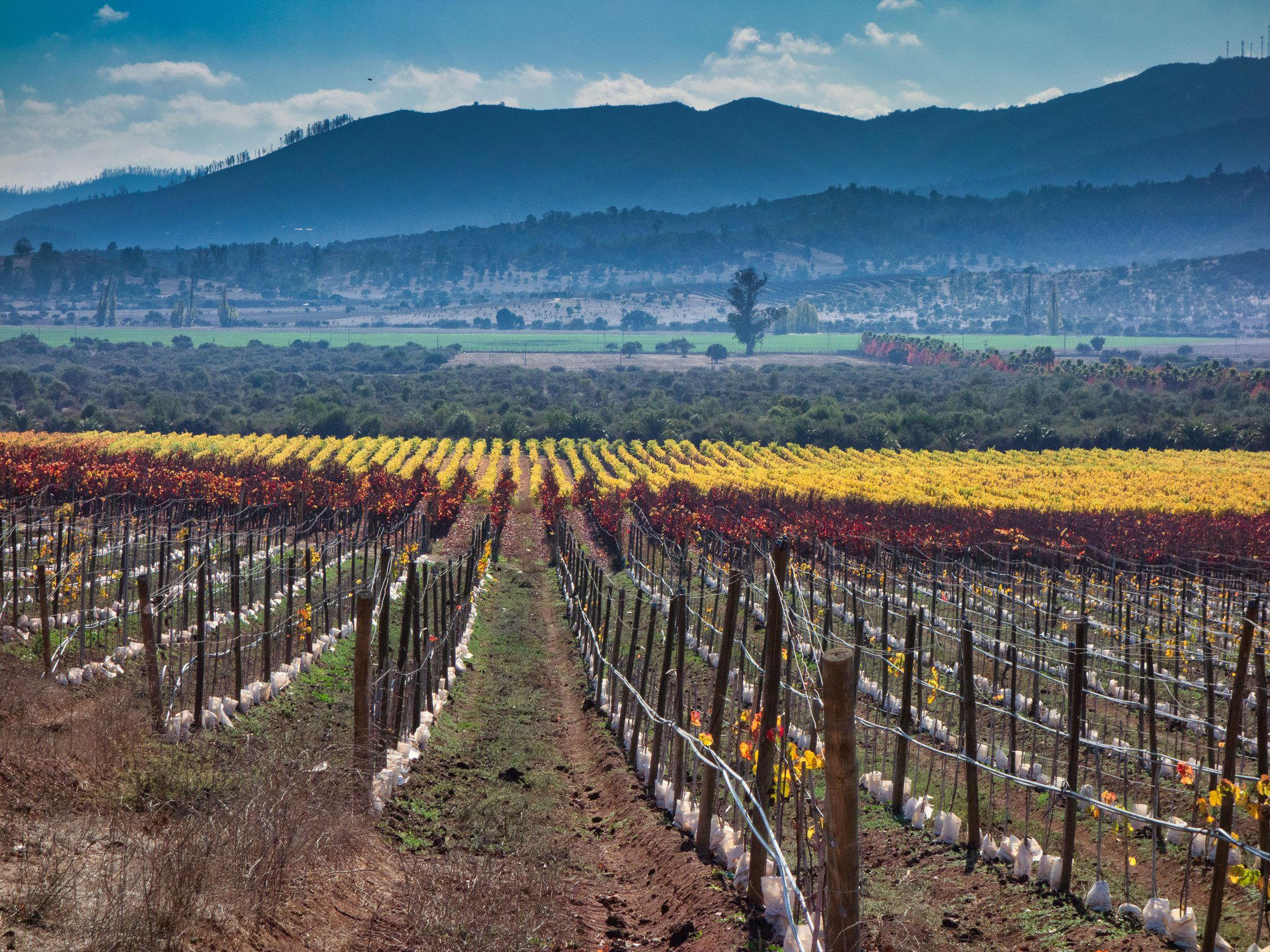
The hilltop setting is the point to take seriously. Vineyard tourism often overuses scenery as decoration, but here the elevation and broad view shape the rhythm of the visit. Indoor tasting rooms and terraces look out over vines and surrounding hills, giving Casablanca’s geography a literal presence. The wines may carry the varietal story, but the estate layout makes the valley readable before the first pour.
Terrace, tasting room, restaurant: the estate-visit model
Indomita works as a full-stop winery visit rather than a quick counter tasting. The format includes walk-in tasting, guided tour and tasting, paired tasting with meal, and private group tasting options. Tour duration is listed at 60 to 90 minutes, which places it in the comfortable half-day-planning category: long enough to include context, short enough to combine with another Casablanca stop if timing is disciplined.
The hospitality cues are broad rather than rarefied. The atmosphere is relaxed and polished, with conversational noise levels, casual dress, outdoor seating, on-site parking, and a setup that works for groups, families, corporate outings, wine education, romantic getaways, and special occasions. Food pairing is part of the offer, and the estate includes a restaurant, which changes the calculus for travelers: the visit can anchor a meal rather than operate as a pre-lunch tasting.
That matters in Casablanca because winery routes can become logistically thin when every stop is treated as a tasting-only appointment. A property with terraces, restaurant service, private tasting capability, and estate grounds gives the day a slower centre of gravity. It is not the choice for travelers chasing a hushed micro-cellar atmosphere; it is the choice for those who want a scenic, social, winery-as-destination format with enough structure to support a group.
Wine focus spans still white, still red, sparkling, and rosé. The production philosophy is conventional, which is useful to know in a region where some visitors arrive looking specifically for organic, biodynamic, or regenerative credentials. Here, the clearer story is not low-intervention ideology. It is Casablanca hospitality at scale: recognisable varieties, a high-view estate, and multiple tasting modes designed for direct visitation.
How to place it on a Casablanca wine day
Indomita belongs on an itinerary for travelers who value setting and ease over scarcity. It has an open allocation posture, accepts common payment methods, and supports group-friendly formats, so it reads as a practical estate visit rather than a collector’s appointment. The experience is especially coherent for visitors who want to understand Casablanca through its physical setting: vineyards below, hills beyond, and a modern winery complex designed to keep the valley in sight.
For broader planning, compare the tone of a day across Casablanca’s winery map rather than chasing one generic “wine country” idea. EP Club’s Casablanca coverage includes Bodegas RE, Casas del Bosque, Indómita, Kingston Family Vineyards, and Matetic Vineyards, each useful for understanding how the region balances production, hospitality, and site expression. For adjacent city planning, use Our full Casablanca restaurants guide, Our full Casablanca hotels guide, Our full Casablanca bars guide, Our full Casablanca wineries guide, and Our full Casablanca experiences guide.
Readers building a wider Chile or international wine route can also place the estate against other EP Club winery entries outside Casablanca, including Amayna in Las Condes, Balduzzi Winery in San Javier, Baron Philippe de Rothschild (Chile) in Buin, »der Steiner« Hans Steiner in Podersdorf am See, and & Handwein in Mannheim. The comparison is less about matching styles and more about recognizing format: some wineries ask for close reading of cellar technique, while Indomita makes its case through landscape, access, and a complete estate visit.
Recognition history
Dated appearances from independent guides and award organizations, with the underlying list record or original source where available.
Falstaff Winery - Listed
Falstaff
Continue exploring
More in Casablanca
Wineries in Casablanca
Browse all →

Bars in Casablanca
Browse all →
Restaurants in Casablanca
Browse all →
Hotels in Casablanca
Browse all →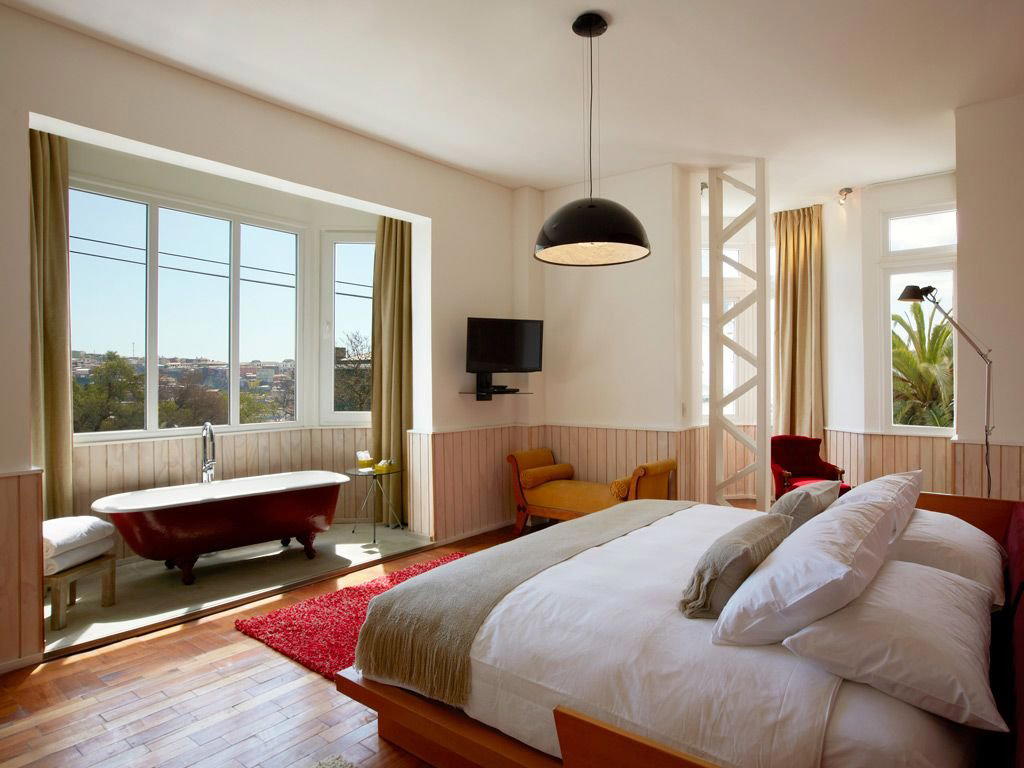
At a Glance
- Scenic
- Modern
- Rustic
- Romantic
- Well Known
- Energetic
- Group Outing
- Romantic Getaway
- Family
- Wine Education
- Special Occasion
- Corporate Event
- Vineyard Tour
- Estate Grounds
- Terrace
- Panoramic View
- Private Tasting
- Vineyard
- Mountain
- Casablanca Valley
- Sauvignon Blanc
- Chardonnay
- Pinot Noir
- Carmenere
- Cabernet Sauvignon
- Syrah
- Still White
- Still Red
- Sparkling
- Still Rosé
- Walk In Tasting
- Guided Tour & Tasting
- Paired Tasting With Meal
- Private Group Tasting
Current opening hours
- Monday
- 10 AM–4:30 PM
- Tuesday
- 10 AM–5:30 PM
- Wednesday
- 10 AM–5:30 PM
- Thursday
- 10 AM–5:30 PM
- Friday
- 10 AM–5:30 PM
- Saturday
- Closed
- Sunday
- Closed
Hours can change for holidays and private events. Last verified .
Hilltop estate winery with a grand, modern building overlooking the Casablanca Valley, offering bright interiors, a terrace with sweeping vineyard views, and a relaxed yet polished atmosphere noted by visitors as scenic and pleasant for leisurely tastings.
Know Before You Go
- Reservations
- Recommended
- Dress code
- Casual
- Getting there
- Casablanca, Chile