Lucky Izakaya pairs Japanese Izakaya Fusion with tataki, kushiyaki, and sashimi, plus sake and craft cocktails in a conversational, open-kitchen room.
Pearl is the En Primeur Club membership app — saves, bookings, and concierge access live there. Same editors, same standards.
- Address
- Bol'shaya Nikitskaya Ulitsa, 23/9, Moscow, Russia, 119019
- Phone
- +74951897888
- Website
- luckyizakaya.lucky-group.ru
- Directions
- Get directions
 Saves & bookings on Pearl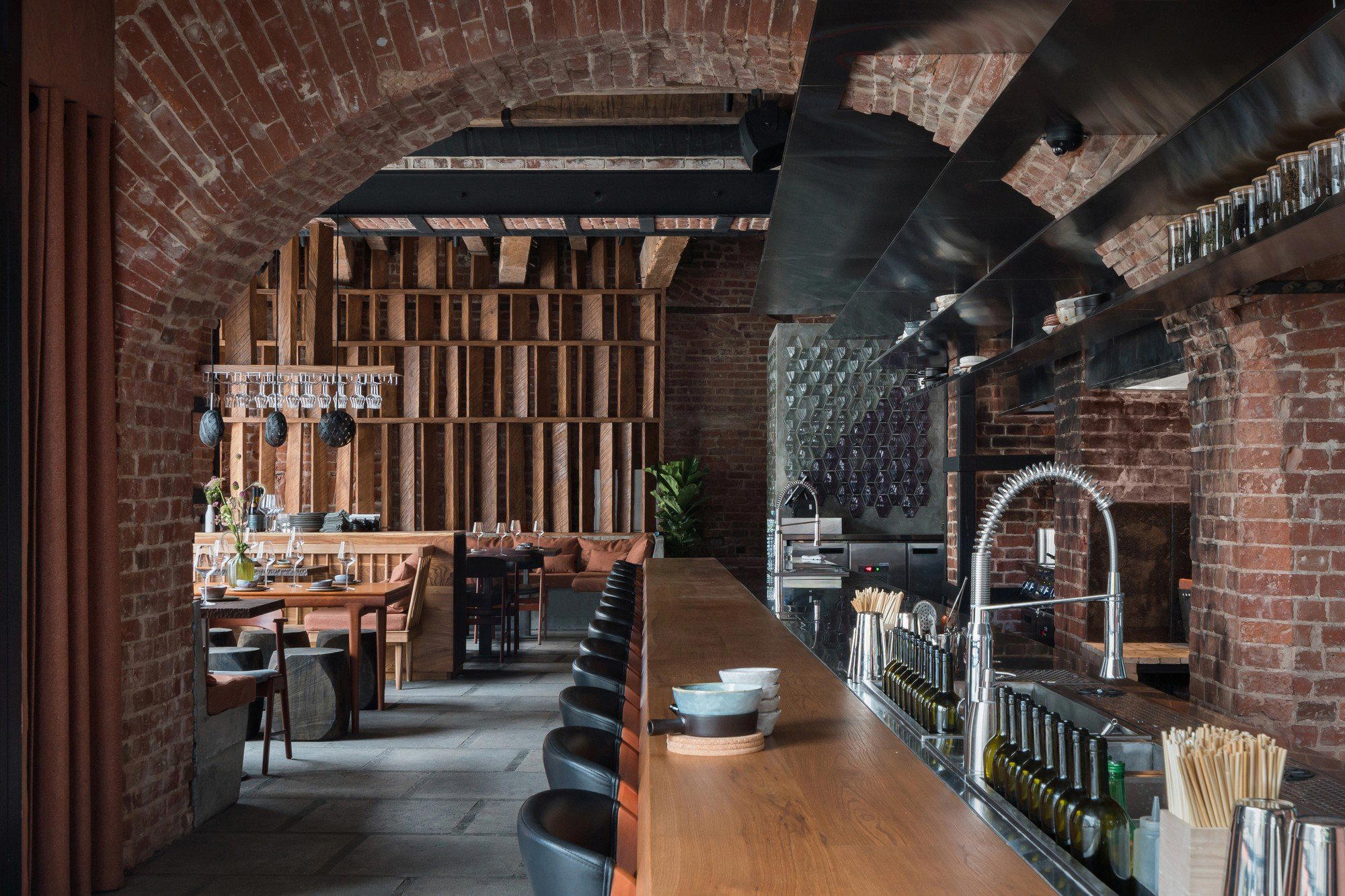
Izakaya Culture in Moscow: Where the Format Meets Bolshaya Nikitskaya
The izakaya format has always operated on a specific logic: small plates, shared rhythm, drinking that anchors rather than accompanies the eating. It is a structure that resists formality without abandoning care, and in Moscow, a city whose dining culture has historically skewed toward either grand Russian dining rooms or European fine-dining imports, that format carries a particular charge. Lucky Izakaya sits on Bolshaya Nikitskaya Ulitsa, one of central Moscow's older and more compositionally serious streets, where the surrounding architecture and the proximity to the Conservatory give the area a quieter, less commercially pressured character than the Patriarshiye Ponds or Tverskaya corridors. That address places it within walking distance of a concentrated set of considered restaurants.
What the Menu Structure Tells You
The izakaya format is not a loose collection of dishes. At its most coherent, it is a deliberate architecture: cold snacks first, grilled and fried items through the middle, rice or noodles to close, and a drinks list that is designed to carry the pace of the meal rather than bookend it. The format demands that a kitchen be confident in small quantities and quick execution, since each plate arrives on its own timeline rather than as part of a coordinated service wave. Restaurants that do this well tend to reward guests who resist the instinct to order everything at once, instead building the meal incrementally. That sequencing is where the format's intelligence lives, and it is what separates a serious izakaya from a pan-Asian sharing-plates concept that borrows the aesthetic without the underlying discipline.
In Moscow's current dining environment, the Japanese register sits in an interesting position. The city has long supported high-end sushi and ramen concepts, but the izakaya model, which is more informal, more drink-forward, and more reliant on a certain kind of regular clientele than on destination dining occasions, is a smaller category. Lucky Izakaya addresses that gap on a street where the neighbourhood already has the density and temperament to support it. Lucky Izakaya positions itself in a different register entirely.
Reading the Room: Atmosphere as Editorial Signal
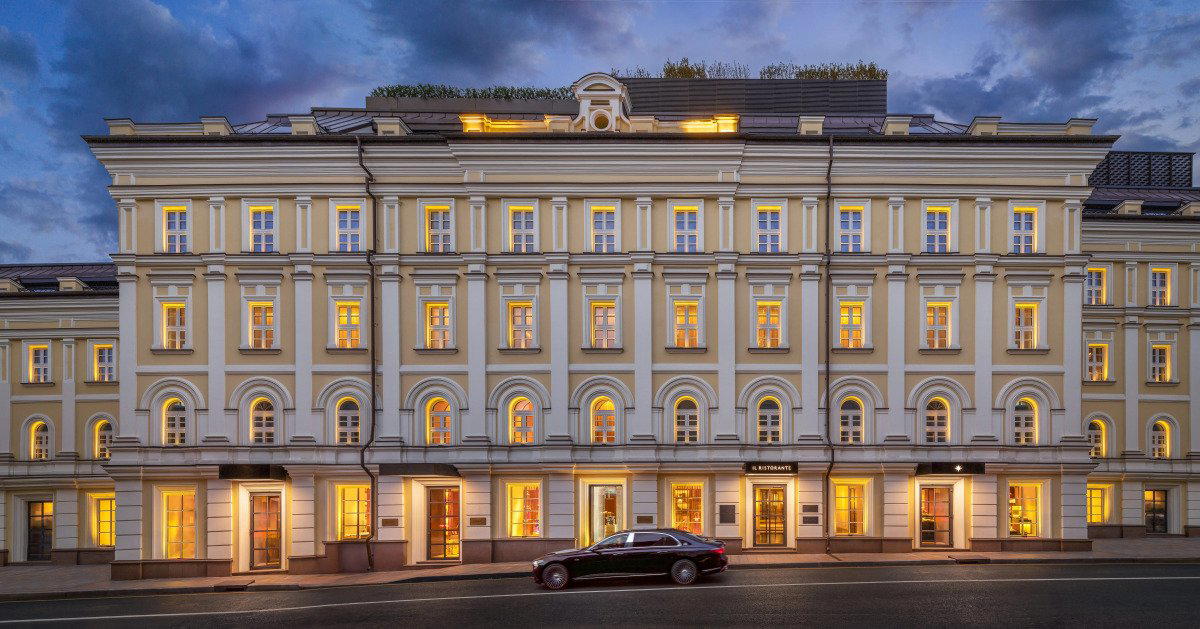
On Bolshaya Nikitskaya, the approach to the restaurant has the texture that the izakaya format calls for: a street-level entrance, no marquee ambition in the facade, the kind of visual restraint that signals the room inside is meant to do the work. Izakayas in their Tokyo or Osaka form are rarely designed to announce themselves loudly; they accumulate regulars through word-of-mouth and repeat visits, and their physical presence on a street is intentionally modest.
Moscow's Wider Dining Context
Moscow has built a restaurant culture over the past decade that is more self-confident and less imitative than it was in the early 2000s. Venues like Varvary have anchored a serious Russian cuisine tradition, while Accenti and Aist represent the European-leaning middle tier of the market. The city's appetite for formats that borrow from Asian traditions without wholesale transplanting them has grown alongside this broader confidence. The izakaya model fits that moment reasonably well: it is recognisable to internationally travelled diners, it does not require the explanatory scaffolding that a more obscure regional cuisine might, and it allows a kitchen to work with Japanese technique and ingredient logic without committing to the price-point and ritual of omakase.
Across Russia more broadly, cities are developing their own distinct dining personalities. 1913 in Saint Petersburg and Lev I Ptichka in the same city operate in registers that reflect St. Petersburg's different cultural orientation. Dzhani Restorani in Nizhny Novgorod, Kukhterin in Tomsk, and Khmeli Suneli in Yekaterinburg each signal that the development of considered restaurant culture is not limited to the two capitals. Alanskaya Kukhnya in Krasnodar, Grisha in Omsk, Burger Records in Novosibirsk, and Konditerskaya Kuzina in Syktyvkar further illustrate the geographic spread of Russia's current restaurant development.
Planning Your Visit
The restaurant is located at Bolshaya Nikitskaya Ulitsa, 23/9, Moscow, 119019, in a part of the city centre that is served by several metro lines and is walkable from the Arbatskaya and Biblioteka Imeni Lenina stations. Plan ahead, as reservations are recommended. The izakaya format generally suits walk-in visits better than a tasting-menu restaurant would, but popular evenings on a central Moscow street can fill quickly.
Recognition, Side-by-Side
Comparable venues nearby, for context on price, style, and recognition.
| Venue | Cuisine | Price | Notes |
|---|---|---|---|
| Lucky IzakayaThis venue — the venue you are viewing | Japanese Izakaya Fusion | $$$ | Not listed |
| Balzi Rossi | Modern Italian Mediterranean | $$$ | Presnensky |
| Accenti | Italian Seafood Trattoria | $$$ | Ostozhenka-Golden Mile |
| Kazbek (Казбек) | Georgian | $$$ | Пресненский |
| Turandot | Pan-Asian Fine Dining | $$$$ | Boulevard Ring |
| Officina | Authentic Italian | $$ | Boulevard Ring |
At a Glance
- Cozy
- Modern
- Trendy
- Lively
- Date Night
- Group Dining
- Casual Hangout
- Late Night
- Open Kitchen
- Sake Program
- Craft Cocktails
Current opening hours
- Monday
- 12 PM–12 AM
- Tuesday
- 12 PM–12 AM
- Wednesday
- 12 PM–12 AM
- Thursday
- 12 PM–12 AM
- Friday
- 12 PM–2 AM
- Saturday
- 12 PM–2 AM
- Sunday
- 12 PM–12 AM
Hours can change for holidays and private events. Last verified .
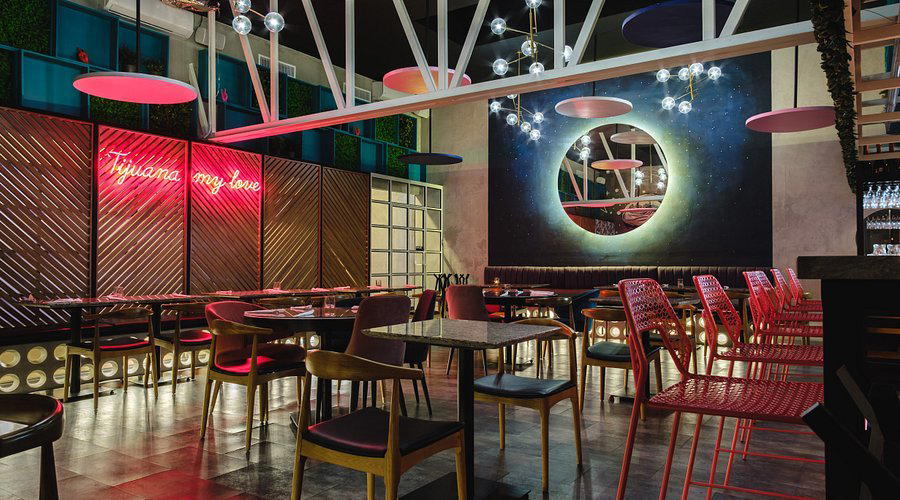
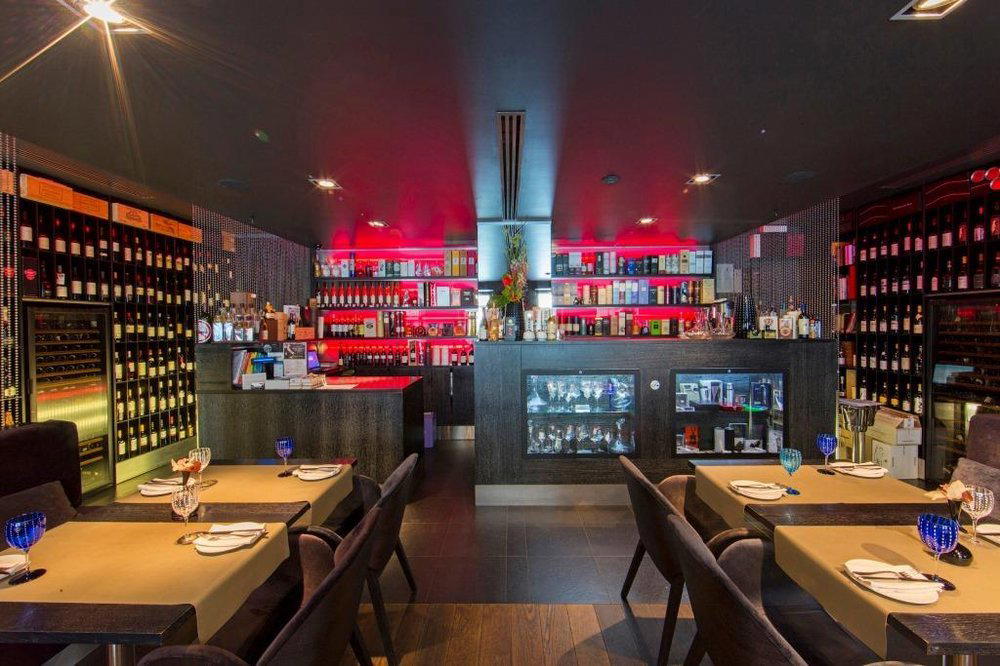
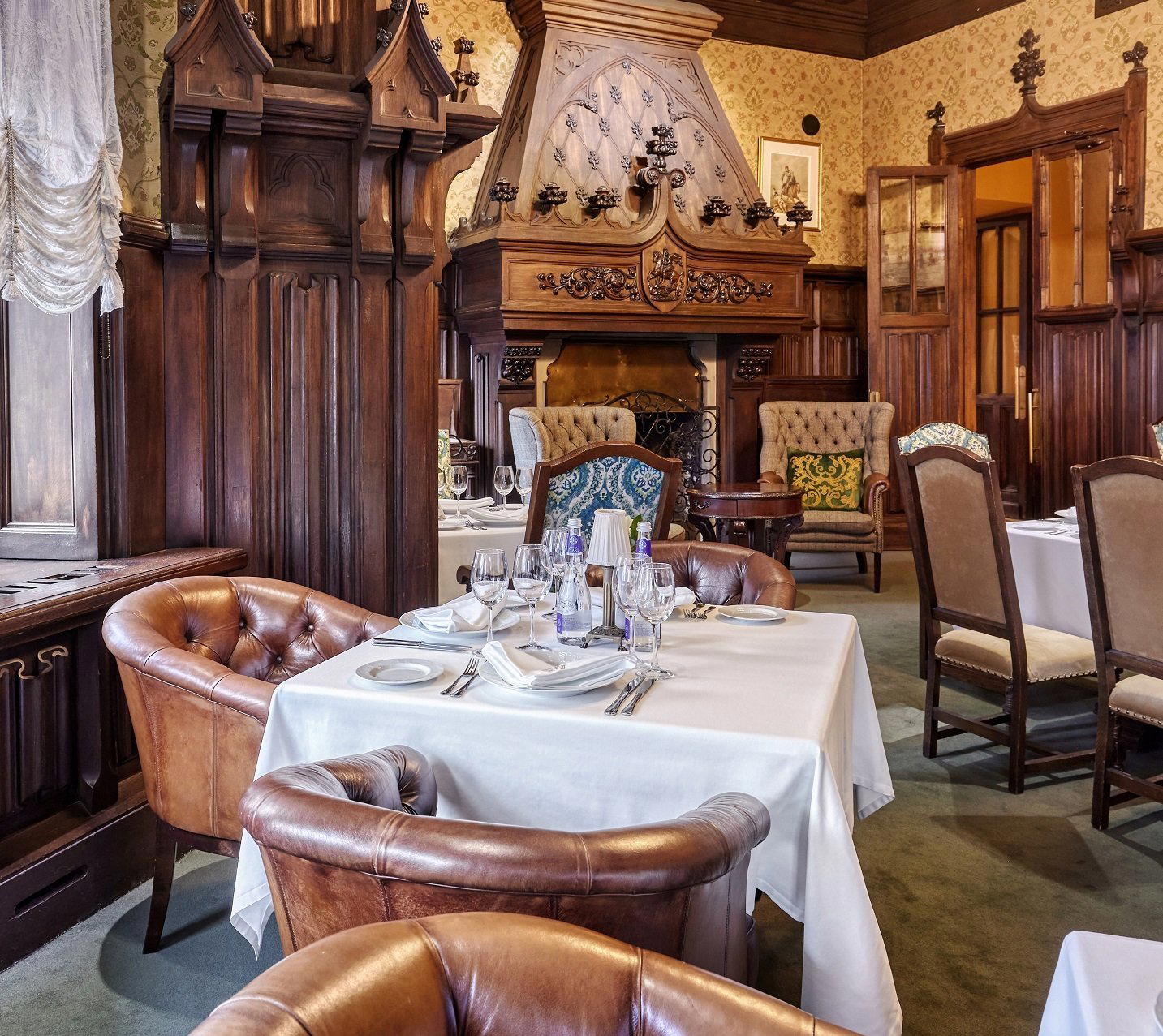
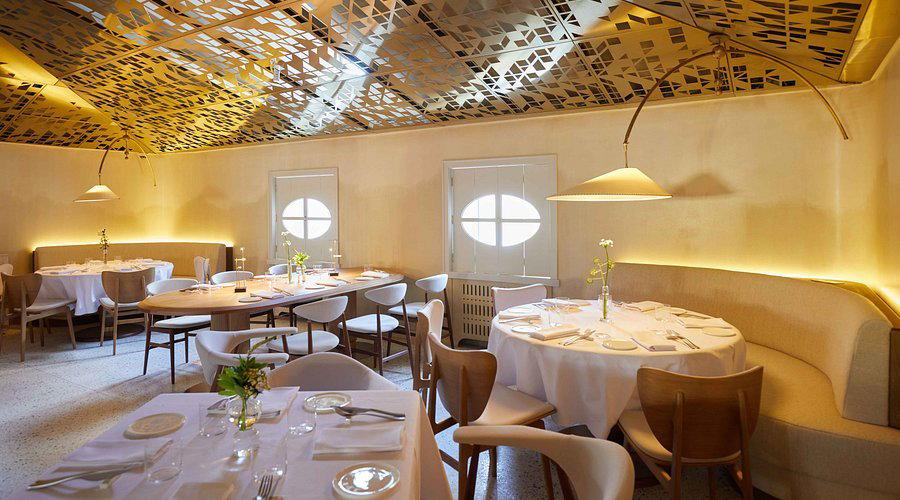
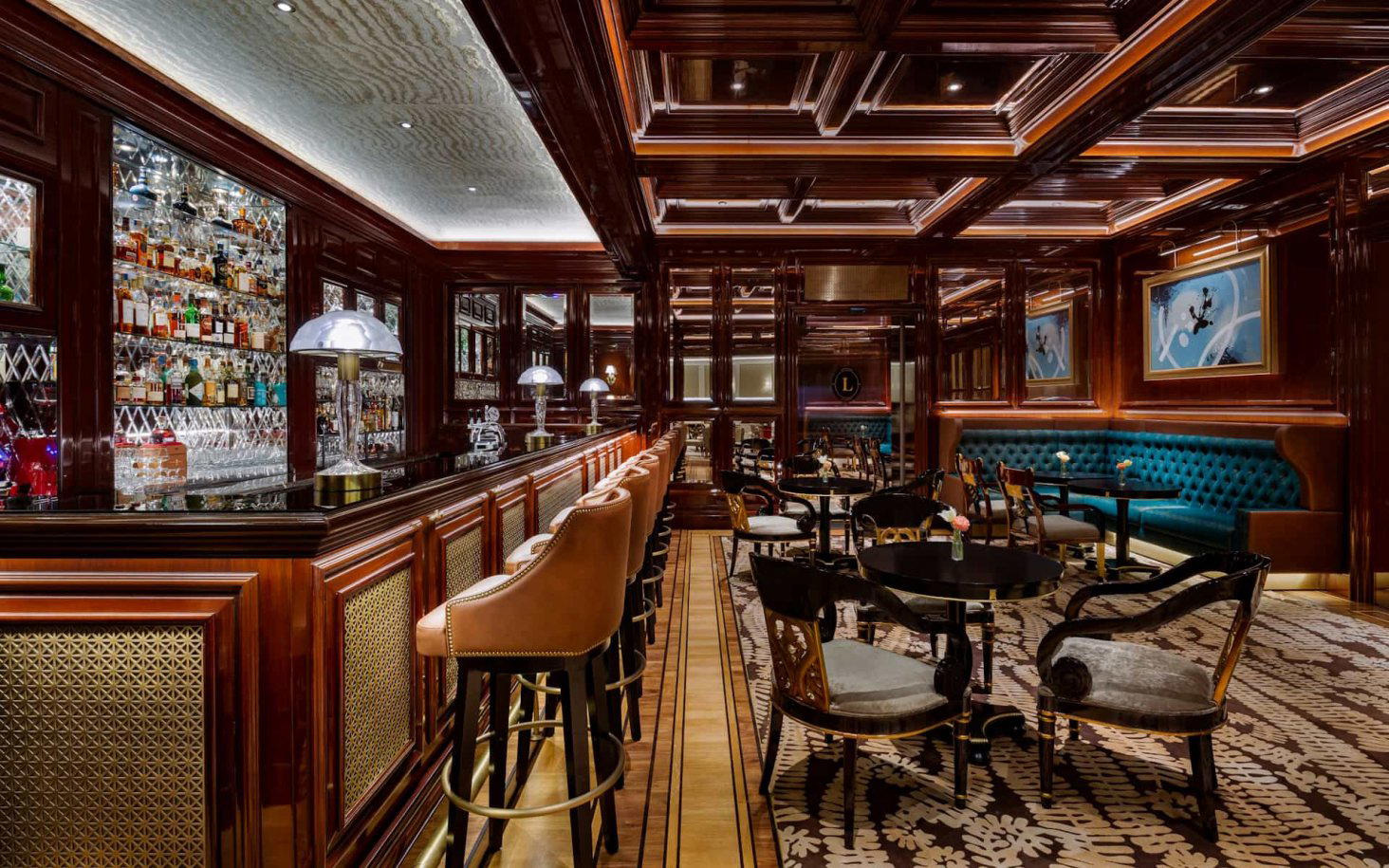
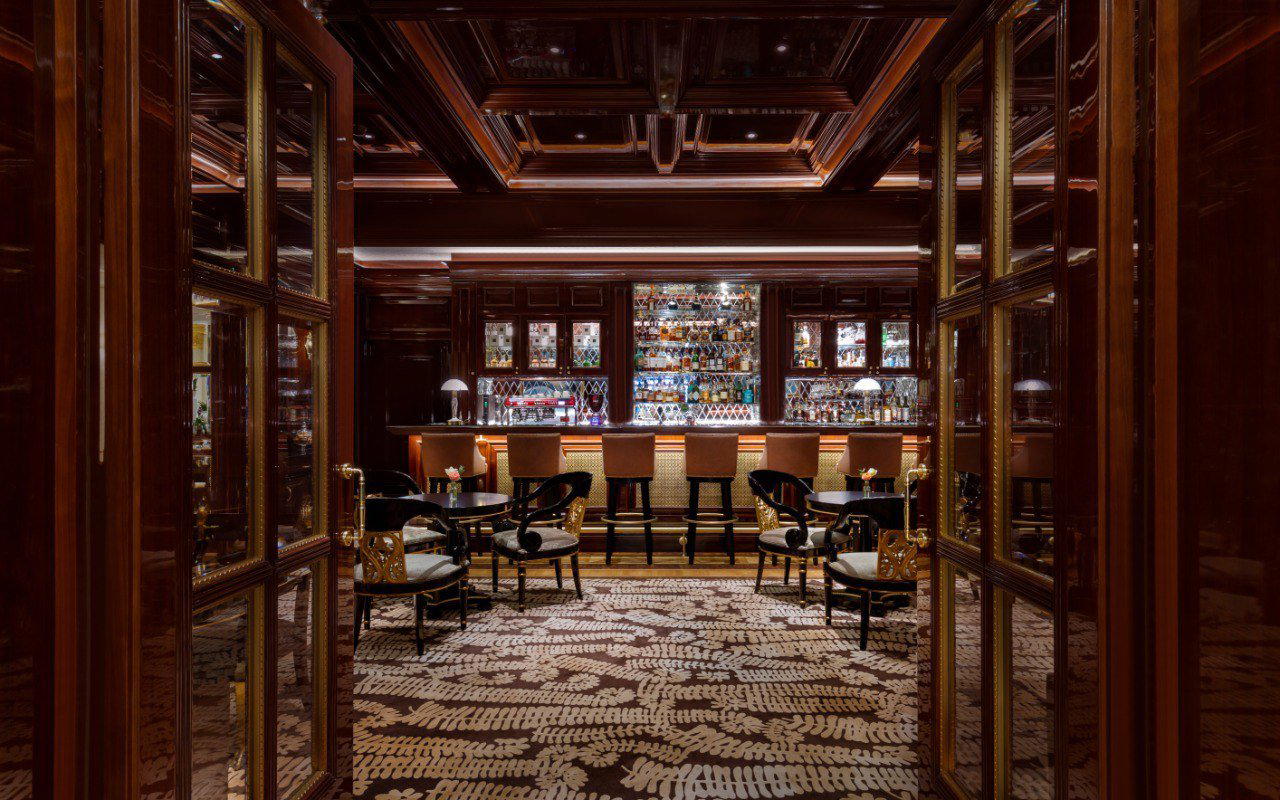
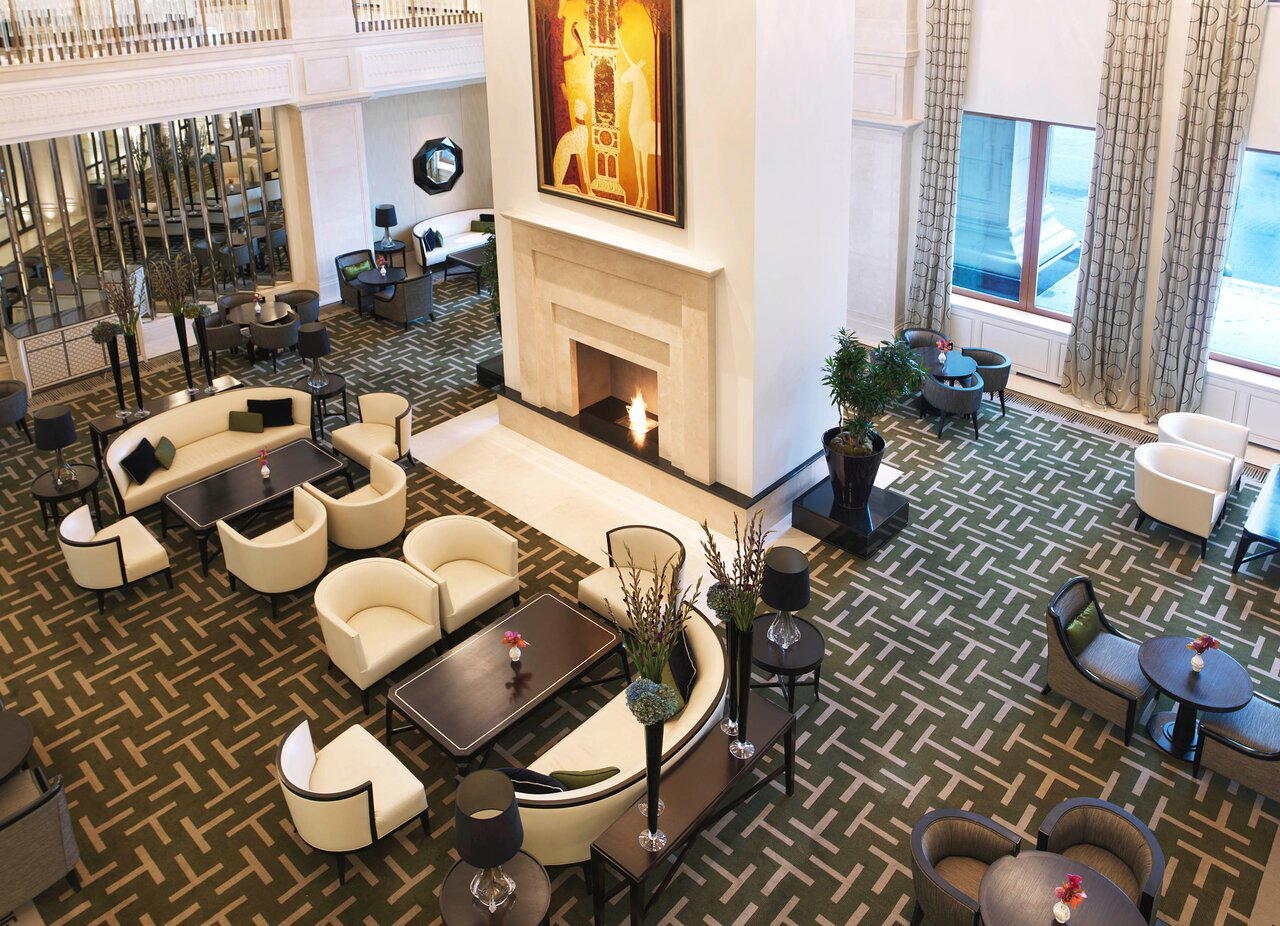
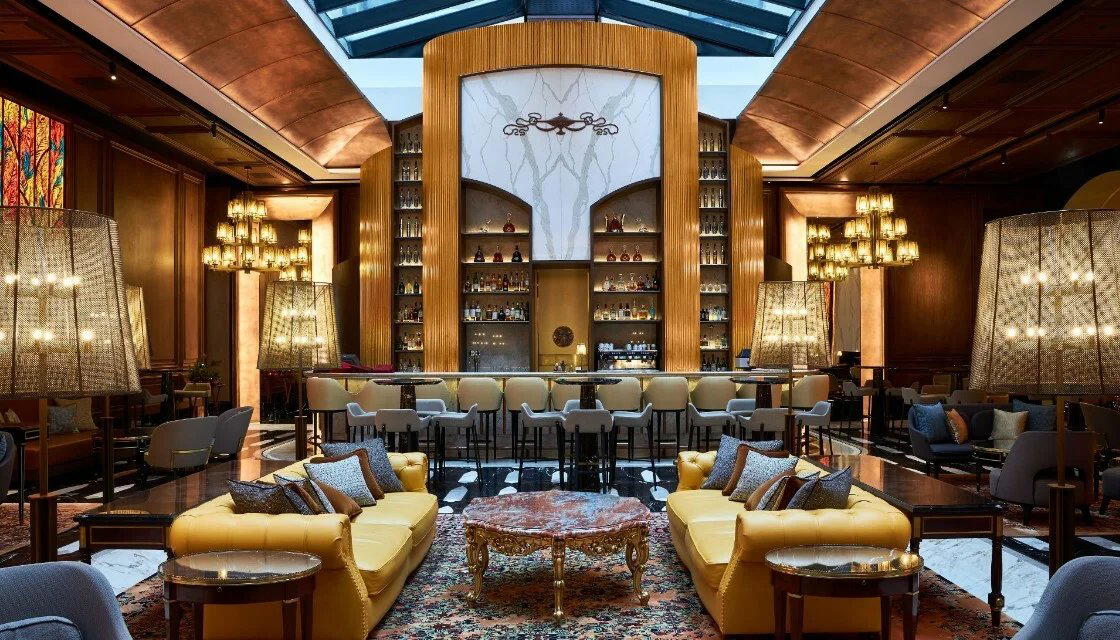
Cozy minimalist interior blending 18th-century architecture with modern design, offering a warm and lively atmosphere.