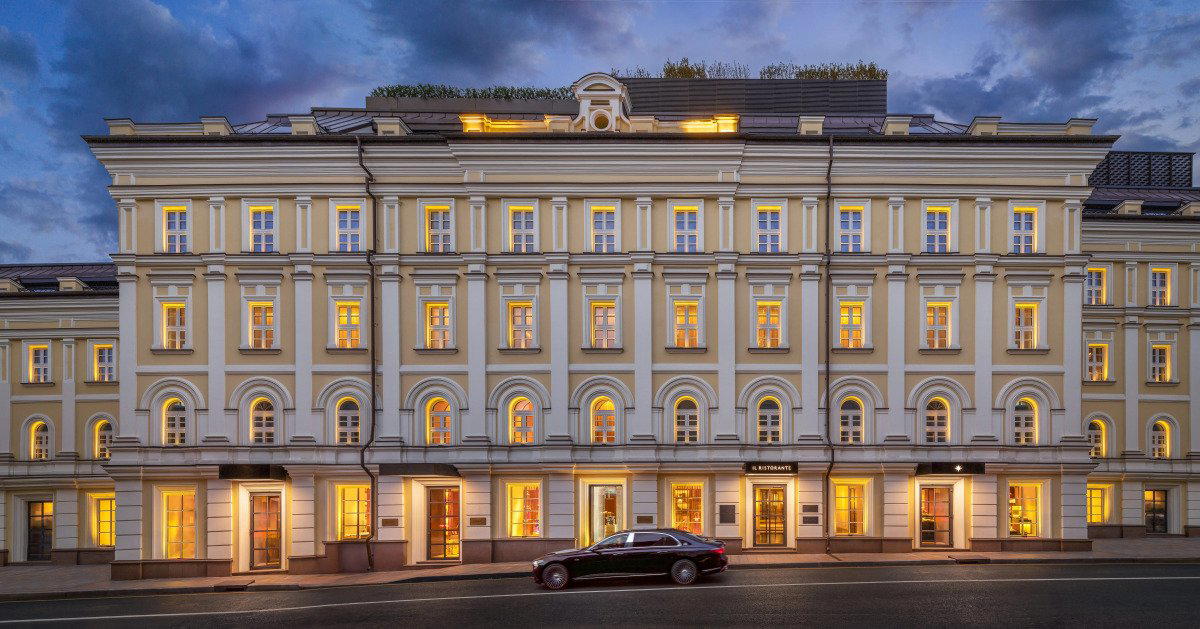
Turandot occupies a historic address on Tverskoy Boulevard, positioning itself among Moscow's most architecturally dramatic dining rooms. The restaurant draws on imperial-era Russian theatrical design as a backdrop for its kitchen ambitions, placing it in a city where grand-scale dining and serious cuisine increasingly coexist. For visitors calibrating Moscow's upper tier, Turandot is a useful reference point alongside peers like White Rabbit and Twins Garden.
Pearl is the En Primeur Club membership app — saves, bookings, and concierge access live there. Same editors, same standards.
- Address
- Tverskoy Blvd, 26, Стр. 3, Moscow, Russia, 125009
- Phone
- +74957390011
- Website
- turandot-palace.ru
- Directions
- Get directions
 Saves & bookings on Pearl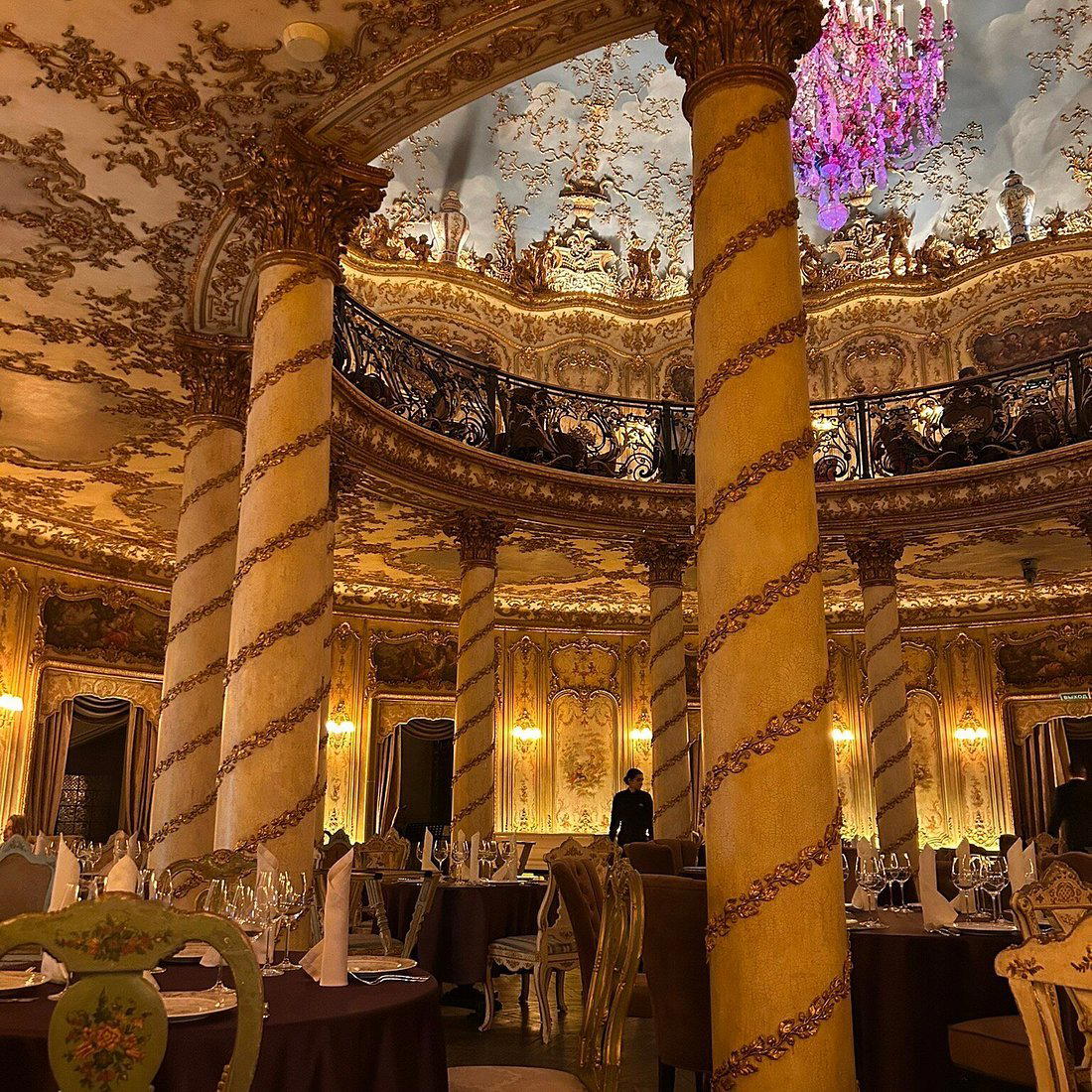
Tverskoy Boulevard and the Theatre of the Grand Dining Room
Moscow's premium restaurant tier has, over the past decade, split into two recognisable camps: venues that compete on culinary precision and those that compete on architectural spectacle. A smaller number attempt both, and it is in that more ambitious bracket that Turandot, on Tverskoy Boulevard, has long positioned itself. The address alone carries weight: Tverskoy is one of Moscow's oldest and most formally composed thoroughfares, lined with pre-revolutionary buildings and close to the concentration of cultural institutions that give this part of the city its particular character. Arriving at the venue, the transition from boulevard pavement to interior is deliberate and theatrical, the kind of spatial sequence that signals an operator thinking about experience as architecture, not just as food service.
That theatrical register connects Turandot to a broader tradition in Moscow dining. Russian imperial-era hospitality, particularly as it was practised in the great restaurants of late nineteenth-century Moscow, treated the dining room itself as a form of performance space. Mirrors, gilding, ceiling height, and the movement of formally dressed staff were as much part of the proposition as the menu. Contemporary venues in Moscow's upper tier variously inherit or consciously reject that tradition. Turandot leans into it, which places the restaurant in a specific comparable set: venues where the physical environment is doing significant communicative work alongside the kitchen.
The Sensory Architecture of a Moscow Institution
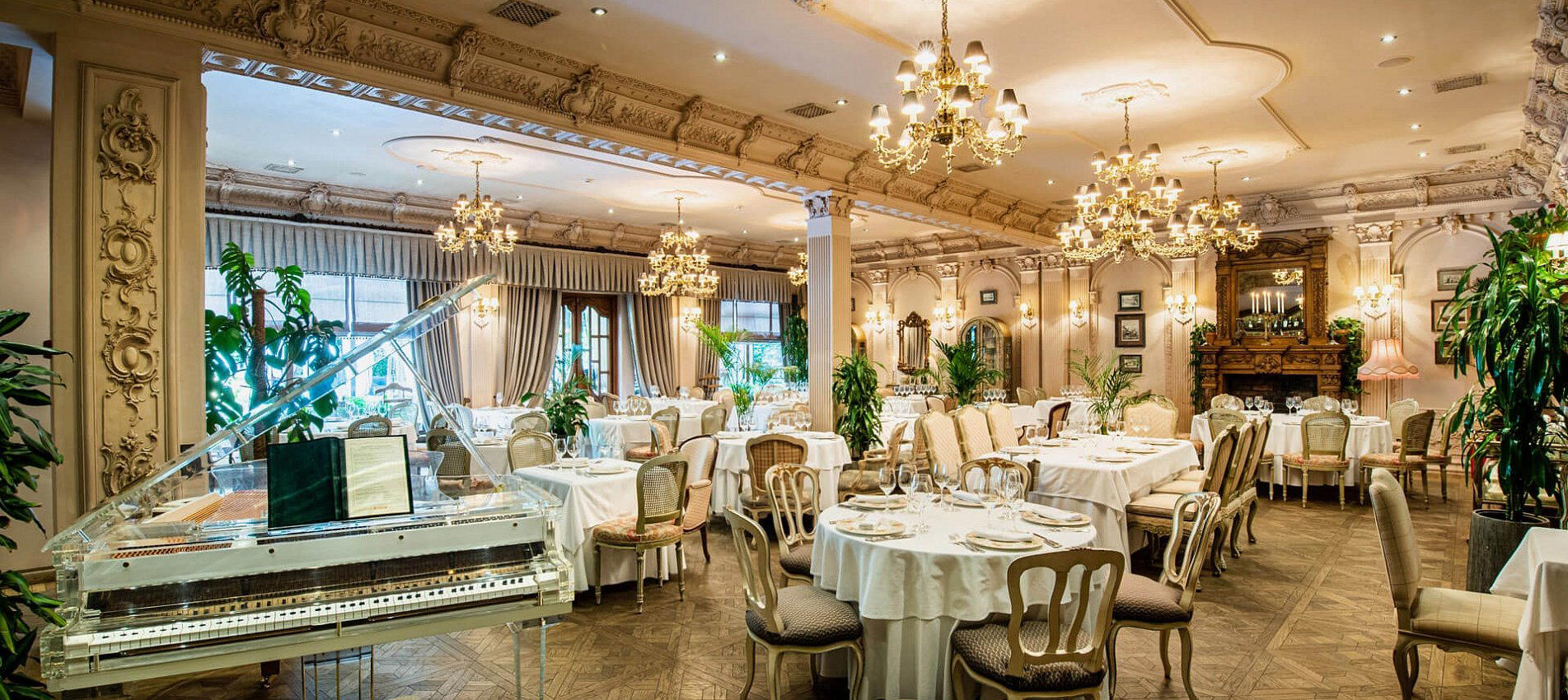
Few cities take interior design as seriously as Moscow does at the premium restaurant level. At Turandot, the dining room draws on European baroque and chinoiserie references, a combination with a long history in Russian decorative arts, where eighteenth-century fascination with both Western European court style and East Asian motifs produced interiors of considerable visual density. The result, in contemporary execution, is a room where the eye has a great deal to process: carved detail, layered light sources, and a palette that reads differently under evening candlelight than under a winter afternoon's grey natural light.
That seasonal variation matters. Moscow winters are long and genuinely dark, and the city's premium dining rooms tend to look their most coherent in the months between October and March, when external light conditions make the warmth and enclosure of a room like Turandot's feel considered rather than excessive. Visitors arriving in summer, when Moscow evenings retain light until late, will encounter a different tonal register, brighter, more exposed. Both are worth understanding before choosing when to book.
Sound, too, is part of the proposition. Venues operating at this level of architectural investment tend toward acoustic environments where conversation is possible without effort, the ceiling height and material choices that create visual drama can, if managed poorly, produce reverberant noise that undermines the dining experience. This is one of the practical distinctions between venues that understand theatrical design as a totality and those that treat it as purely visual.
Where Turandot Sits in Moscow's Upper Dining Tier
Moscow's premium restaurant market has become increasingly differentiated over the past several years. At one end, venues like White Rabbit (Modern Russian) have pursued international recognition through culinary innovation, earning placement on global rankings lists. At another, Twins Garden (Modern European) has built its reputation on a farm-to-table model with serious credentials in both sourcing and technique. Varvary (Russian Cuisine) occupies yet another position, foregrounding Russian culinary tradition in a more research-led way.
Turandot's competitive positioning is distinct from all three. Where those venues foreground their culinary programs as the primary identity signal, Turandot operates in a tier where the totality of the experience, room, service choreography, occasion-marking, carries equivalent weight to the kitchen. This is not a lesser ambition; it is a different one, with its own execution standards and its own audience. Guests choosing between Accenti or Aist for a mid-range occasion and Turandot for a significant dinner are making a legible distinction about what kind of evening they are organising.
That occasion-led positioning is common in cities with strong traditions of formal hospitality. In Saint Petersburg, venues like 1913 and Lev I Ptichka operate in a similar register, rooms where the design investment and service formality are doing as much communicative work as the menu. Across Russia's other major cities, the equation shifts: in Novosibirsk, Burger Records occupies a different cultural register, while in Tomsk, Kukhterin demonstrates how regional cities are developing their own premium dining vocabularies distinct from Moscow's imperial inheritance. The contrast is instructive: Moscow's grandest venues carry a weight of historical reference that venues in younger or less architecturally dense cities are not working with.
Planning Your Visit: Practical Logistics
Turandot is located at Tverskoy Boulevard 26, Building 3, in central Moscow (postcode 125009). The Tverskoy address places the restaurant within walking distance of Pushkinskaya and Tverskaya metro stations, making it accessible from most central Moscow hotels without requiring a car.
Given the venue's positioning as an occasion restaurant, advance booking is the appropriate approach rather than walk-in. Reservations are recommended. As with most premium Moscow dining at this level, a jacket or equivalent is the working assumption for dress; the theatrical formality of the room makes casual dress feel discordant in a way that matters to the overall experience.
The Broader Context: Grand-Scale Dining in Russian Cities
Internationally, the model of the architecturally spectacular grand restaurant has had a complicated recent history. In cities like New York, venues such as Le Bernardin demonstrate that formal, serious dining can sustain itself through culinary rigor rather than visual spectacle, while Atomix shows how a completely different aesthetic, minimal, conceptual, can operate at equivalent prestige. Moscow's version of the grand restaurant tradition is neither of these things; it draws from a specifically Russian relationship with ceremony, occasion, and the language of imperial-era abundance that gives venues like Turandot a cultural logic that is specific to this city.
For visitors coming from other Russian cities with their own emerging dining cultures, from Khmeli Suneli in Yekaterinburg, say, or Dzhani Restorani in Nizhny Novgorod, the scale and architectural investment of a Moscow venue like Turandot can read as a statement about the capital's particular relationship with hospitality as civic performance. That reading is not entirely wrong. Moscow's upper dining tier has always been partly about demonstrating what the city can do, and Turandot, on Tverskoy Boulevard, participates in that tradition with full awareness of the register it is working in.
Peers in This Market
Comparable venues nearby, for context on price, style, and recognition.
| Venue | Cuisine | Price | Notes |
|---|---|---|---|
| TurandotThis venue — the venue you are viewing | Pan-Asian Fine Dining | $$$$ | Not listed |
| Chefs Table | Modern Russian & International Seasonal Tasting Menu | $$$$ | Central (TsAO) |
| Quadrum | Modern Italian Fine Dining | $$$$ | Boulevard Ring |
| The restaurant Sabor de la Vida de Patrick, banquet hall | Mediterranean Fine Dining | $$$ | Presnensky |
| Grand Cru | Modern French Fine Dining | $$$$ | Patriarch's Ponds |
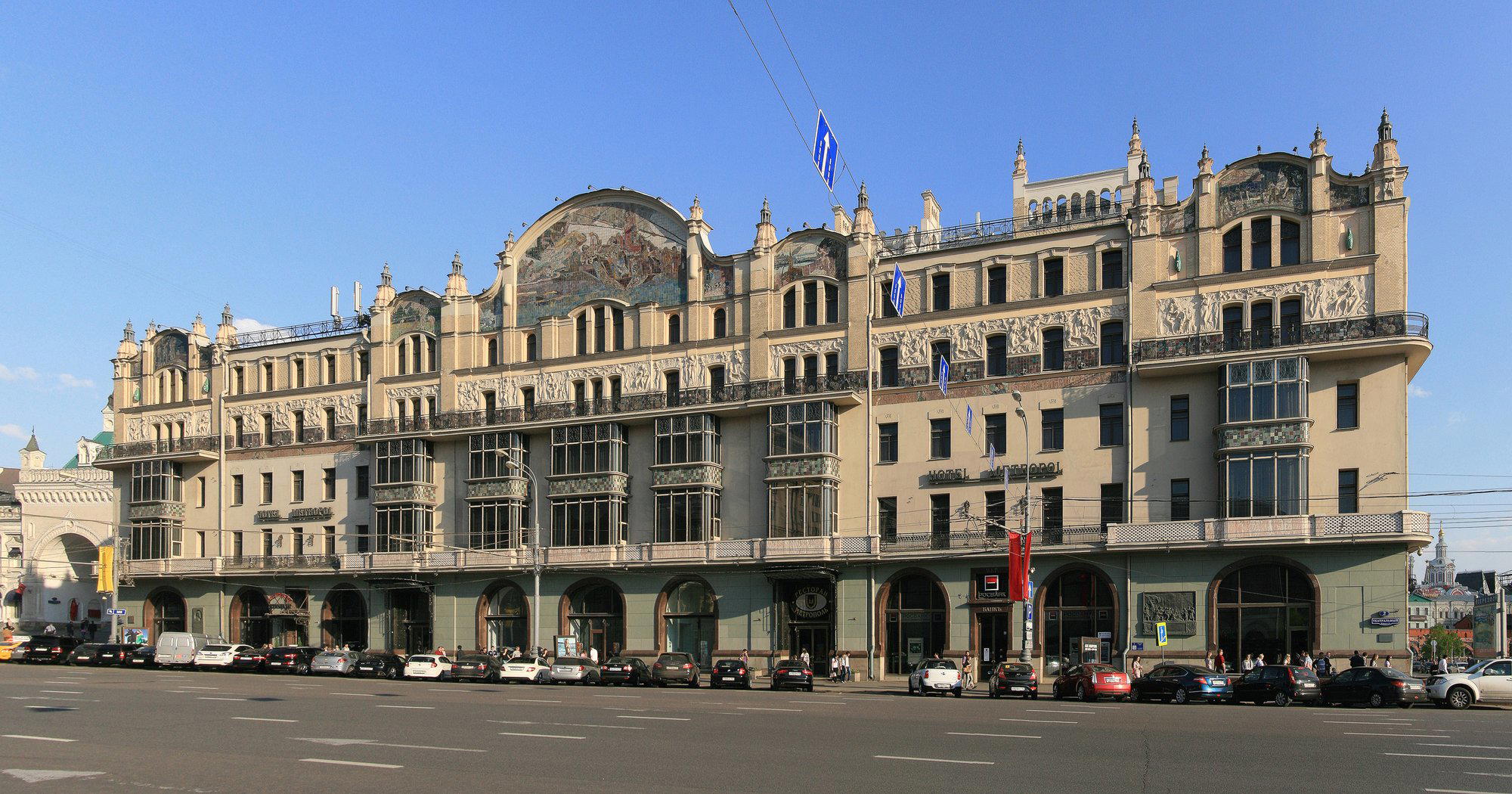
| САВВА - Savva - Hotel Metropol | Modern Russian Fine Dining | $$$$ | Tverskoy District |
At a Glance
- Ornate
- Elegant
- Sophisticated
- Well Known
- Date Night
- Special Occasion
- Business Dinner
- Live Music
- Private Dining
- Historic Building
- Design Destination
- Extensive Wine List
Current opening hours
- Monday
- 12 PM–12 AM
- Tuesday
- 12 PM–12 AM
- Wednesday
- 12 PM–12 AM
- Thursday
- 12 PM–12 AM
- Friday
- 12 PM–12 AM
- Saturday
- 12 PM–12 AM
- Sunday
- 12 PM–12 AM
Hours can change for holidays and private events. Last verified .
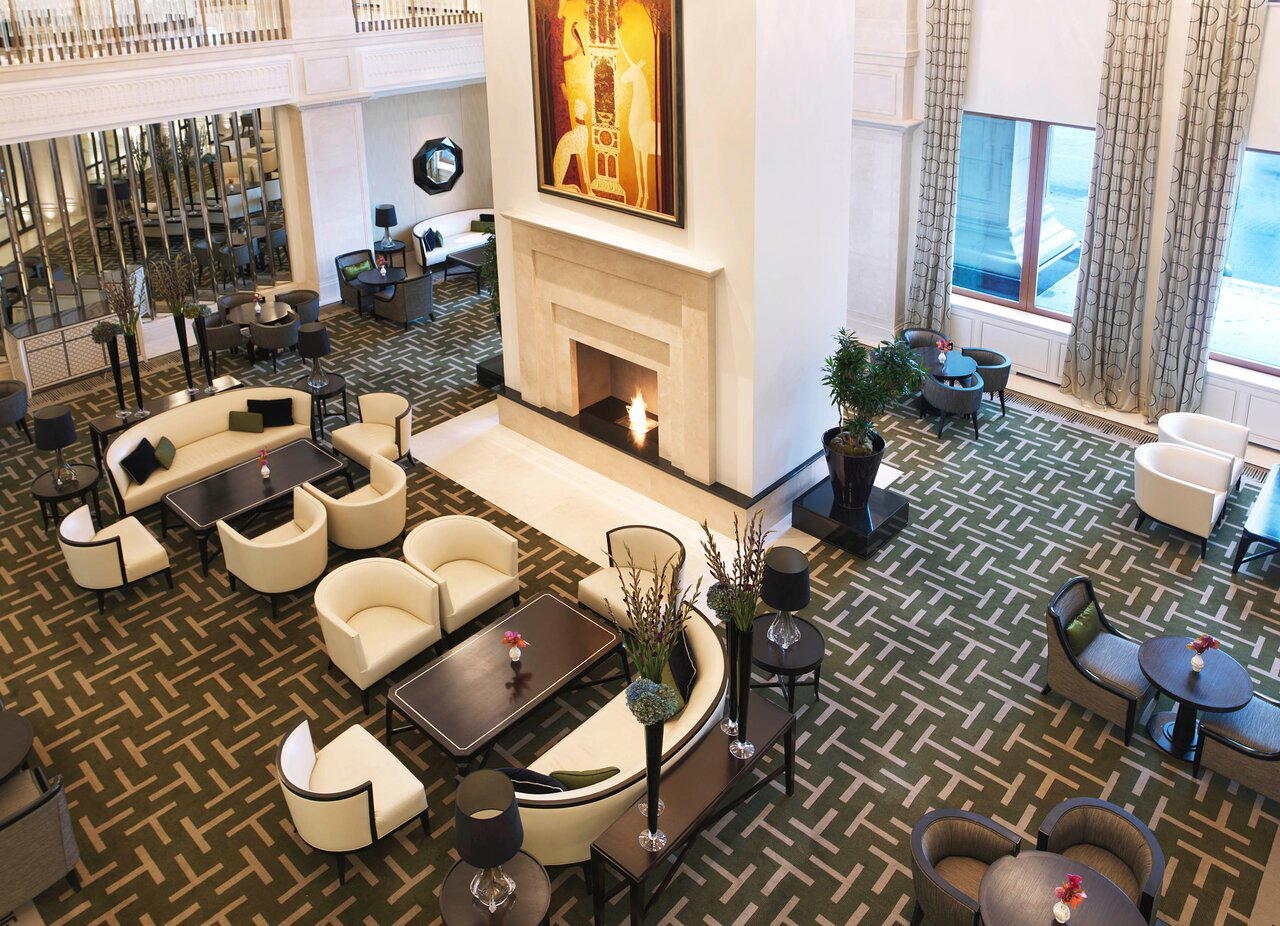
Luxurious baroque palace atmosphere with lavish lighting from crystal chandeliers, fireplaces, antique furnishings, and live classical music.