Our verdict
Los Dominicos sits in Las Condes, Santiago's eastern residential quarter, where the foothills of the Andes shape the neighbourhood's unhurried pace. The venue occupies one of the city's more considered dining addresses, positioned within a broader Las Condes scene that has quietly accumulated serious restaurant credentials alongside its better-known neighbours in Providencia and Vitacura.

Pearl is the En Primeur Club membership app — saves, bookings, and concierge access live there. Same editors, same standards.
- Address
- Las Condes, Santiago Metropolitan Region, Chile
- Phone
- +56 9 9253 3863
- Hours
- Daily 10:30 AM–8 PM
- Website
- plosdominicos.cl
- Directions
- Get directions
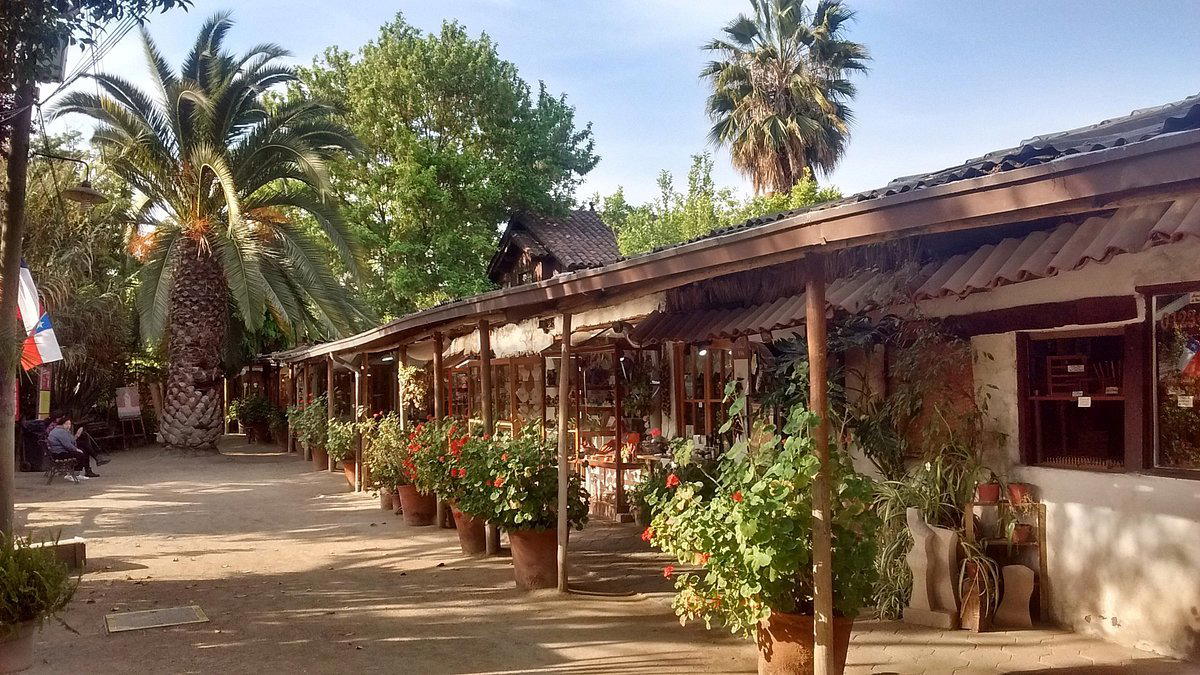
Las Condes and the Eastern Dining Belt
Santiago's restaurant geography has reorganised itself over the past decade. Lastarria and Bellavista held early dominance as dining districts, but the eastern communes — Las Condes, Vitacura, Lo Barnechea — have accumulated a parallel tier of serious addresses, often with more space, quieter surrounds, and a clientele that treats dinner as a settled occasion rather than a social event to be photographed. Los Dominicos belongs to this eastern belt, in a part of Las Condes that carries a residential calm unusual for a dining destination of its calibre. The Andes foothills are visible from the upper streets here on clear days, and the pace of the neighbourhood filters into the experience of arriving at any of its better restaurants.
That geography matters because it shapes how Santiago's dining scene splits. The central and northern quarters tend toward louder formats, open kitchens, communal tables, the visible energy of Boragó (Modern Chilean) or the tighter ambience of Demencia. The eastern belt, including the address where Los Dominicos operates, tilts toward a more composed register: tablecloths that absorb sound, service that moves without announcing itself, and a wine programme likely shaped by Chile's increasingly confident valley structure. For broader orientation across the city's dining tiers, the full Santiago restaurants guide maps those contrasts in detail.
How Front-of-House and Kitchen Shape the Room
In Santiago's upper dining tier, the quality of a floor team has become as legible as the food. Chilean restaurants that have positioned themselves in the premium bracket, alongside addresses like Ambrosia (French-Chilean) or 99 Restaurante, increasingly reflect a collaborative model where sommelier and front-of-house personnel carry editorial weight in how a meal unfolds. The chef's output is one half of the experience; the other half is the translation of that output across a full dining room, across a three-hour sitting.
At the level where Los Dominicos operates within Las Condes, that collaboration tends to determine the quality differential between restaurants whose kitchens are technically comparable. When a sommelier understands the architecture of a tasting sequence, wine pairings stop feeling like recommendations and start functioning as pacing, they govern the speed of the meal, the emotional register of each course transition, the weight of what arrives next. This is the operational gap that separates floor-led hospitality from table-service execution, and it is increasingly where Santiago's better restaurants compete.
The same dynamic plays differently depending on format. Seafood-forward addresses like La Calma by Fredes rely on their front-of-house to explain sourcing provenance, which coast, which season, which method, in a way that requires genuine product knowledge rather than scripted delivery. In the Las Condes register, where cuisine tends toward broader complexity, that knowledge base shifts toward grape variety, valley origin, and how Chilean coastal and altitude wines interact with cooked protein. The Maipo, Casablanca, and Elqui valleys each produce wines that behave differently under the same format of service, and a floor team that can articulate those differences without making the guest feel tutored is operating at a particular level of craft.
Santiago's Wider Premium Tier
Context helps calibrate expectations. Santiago's upper dining bracket now extends well beyond the capital's limits. Peumayen in Providencia applies indigenous ingredient frameworks to a formal tasting format. D.O. Restoran in Lo Barnechea anchors itself in denomination-of-origin thinking that treats the plate as a regional argument. Beyond Santiago, Chile's restaurant culture extends into formats shaped by landscape and distance: Awasi Atacama in San Pedro de Atacama and andBeyond Vira Vira in Araucanía each represent the lodge-dining model, where geography and isolation are themselves the editorial frame. Coastal formats like Aquí Jaime in Concon or Pasta e Vino Ristorante in Valparaiso operate in a different competitive register entirely, informality as a design choice, proximity to source as the argument for quality.
Wine tourism adds another layer. Viña Concha y Toro in Pirque and Lapostolle Residence in Santa Cruz demonstrate how Chile's valley culture has built dining infrastructure around the winery visit, a format that recasts food service as secondary to place and vintage. Rosario in Rengo sits within that wine-country continuum as well. Against this spread, the Las Condes urban address offers something different: a city dining experience, removed from the performative theatre of wine country, where the quality argument rests on what happens between kitchen and table rather than what is visible through the window. Internationally, the collaborative kitchen-floor model finds its clearest expression at addresses like Le Bernardin in New York City and the community-dinner format of Lazy Bear in San Francisco, both of which demonstrate how team structure shapes the dining register as much as the food itself. CasaMolle in El Molle extends that thinking into Chile's northern valleys.
Planning a Visit
Las Condes restaurants at this level typically operate a reservation structure; arriving without booking on weekday evenings is possible but carries risk, and weekend service fills earlier than Santiago's more tourist-frequented districts. The commune sits in Santiago's eastern zone, accessible by metro (Línea 1 reaches Las Condes) and by taxi or app-based car from Providencia or central Santiago in under twenty minutes depending on traffic. The neighbourhood's dining rhythm runs later than northern European or North American patterns, kitchen service that begins before 8pm is often quiet; tables after 9pm are where the room settles into its intended pace.
Frequently asked questions
Can I bring kids to Los Dominicos?
Las Condes operates at a quieter register than Santiago's central districts, and restaurants in this eastern commune tend toward adult pacing and format. Families with younger children will find the setting better suited to older teenagers or adults. The commune itself is residential and calm, which shapes the tone of dining rooms here.
What is the atmosphere like at Los Dominicos?
Las Condes sets a lower volume and more composed tone than Lastarria or Bellavista. Restaurants in this eastern Santiago commune tend to draw a local professional crowd rather than a tourist-heavy one, which keeps the room grounded. Expect a settled pace rather than a high-energy floor.
How does Los Dominicos compare to other restaurants in the Las Condes area of Santiago?
Las Condes has positioned itself as a quieter counterpoint to Santiago's more tourist-facing dining districts, with restaurants here drawing a residential and corporate clientele from the eastern commune. Los Dominicos sits within this context, operating in a part of the city where the dining register skews toward composed, lower-key formats rather than high-visibility flagship rooms. For broader calibration, Santiago's upper tier now spans Providencia, Vitacura, and Las Condes, each commune carrying a distinct identity.
What should I eat at Los Dominicos?
What the Las Condes dining tier does consistently is apply Chilean ingredient frameworks — whether Andean produce, Pacific seafood, or southern valley proteins — within composed, kitchen-led formats.
What's the address for Los Dominicos?
Los Dominicos is located at Las Condes, Santiago Metropolitan Region, Chile, Santiago.
Is Los Dominicos reservation-only?
At this tier in Las Condes, booking ahead is the functional standard. Walk-in availability exists on quieter weekday evenings but should not be assumed, particularly from Thursday onward. Contacting the venue directly to confirm current booking procedures is advisable before making the trip east from central Santiago.
Budget and Context
Comparable venues nearby, for context on price, style, and recognition.
| Venue | Cuisine | Price | Notes |
|---|---|---|---|
| Los DominicosThis venue — the venue you are viewing | Traditional Chilean Cafe | $10–20 | Not listed |
| Dominó Alameda | Chilean Fuente de Soda (Completos) | $1–10 | Estación Central, Chilean Fuente de Soda (Completos) |
| Vietnam Discovery Restaurant | Authentic Vietnamese | Not listed | Vitacura, Authentic Vietnamese |
| Av. Italia | International Fusion with Italian, Peruvian & Venezuelan influences | $10–20 | Barrio Italia, Providencia, International Fusion with Italian, Peruvian & Venezuelan influences |
| El Huerto | Vegetarian World Cuisine | $10–20 | Providencia, Vegetarian World Cuisine |
| Ramen Kintaro | Japanese Ramen | $10–20 | Vitacura, Authentic Japanese Ramen |
Continue exploring
More in Santiago
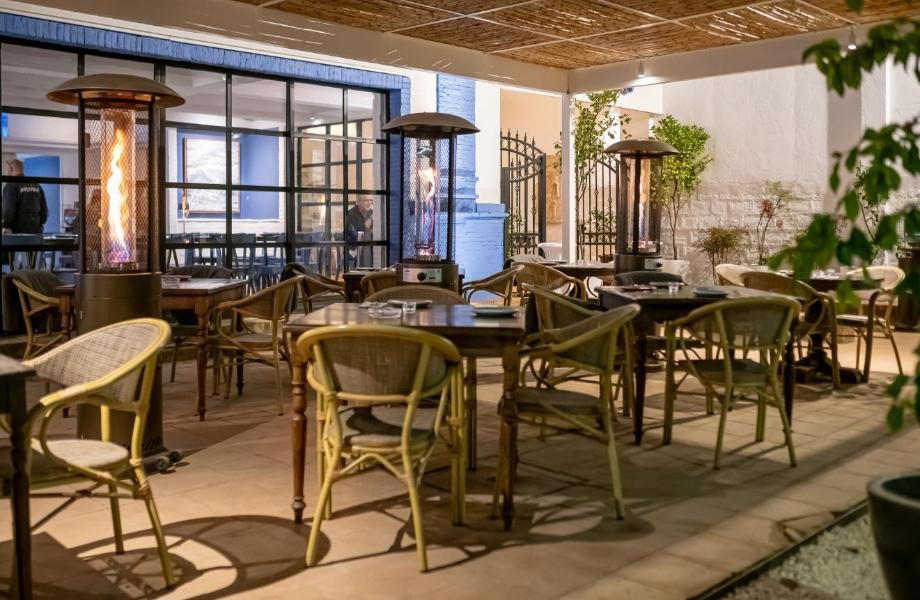
Restaurants in Santiago
Browse all →
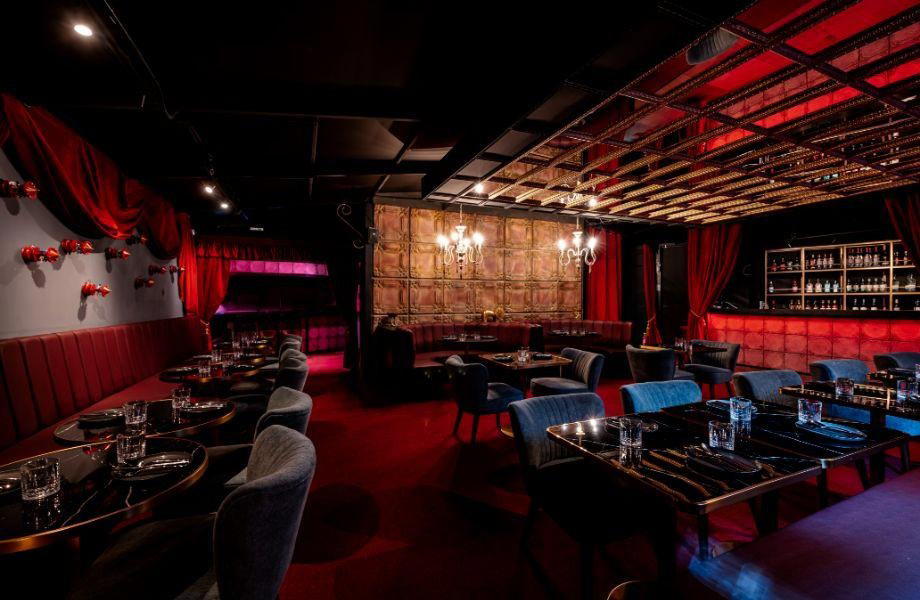
Bars in Santiago
Browse all →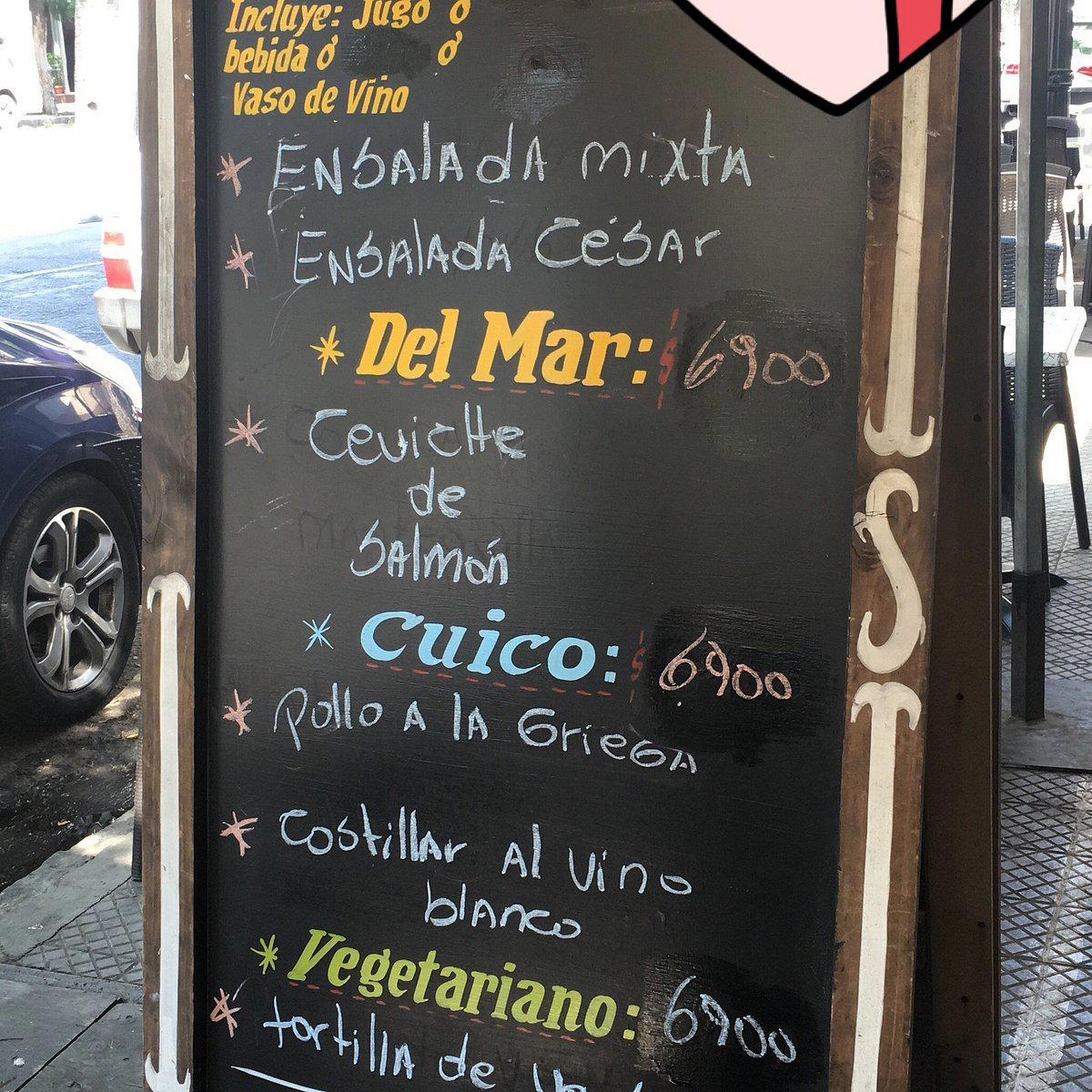
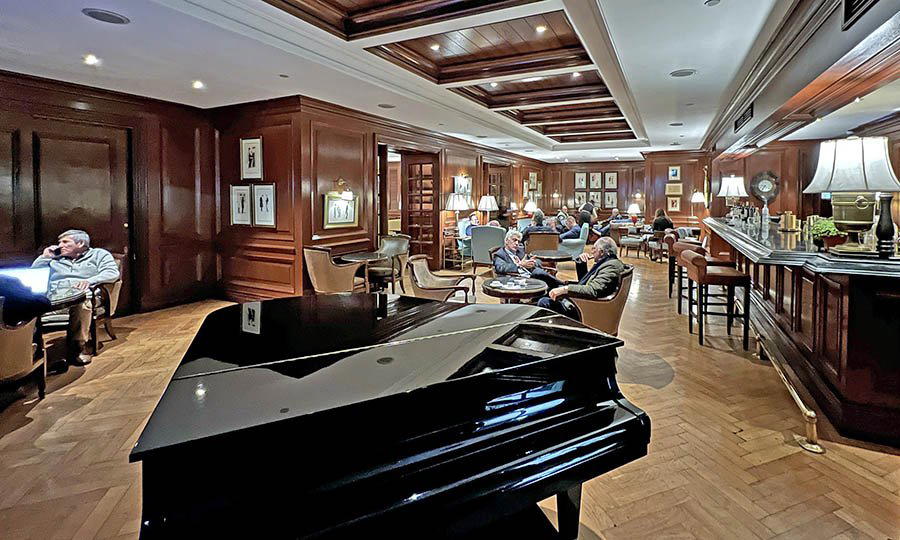
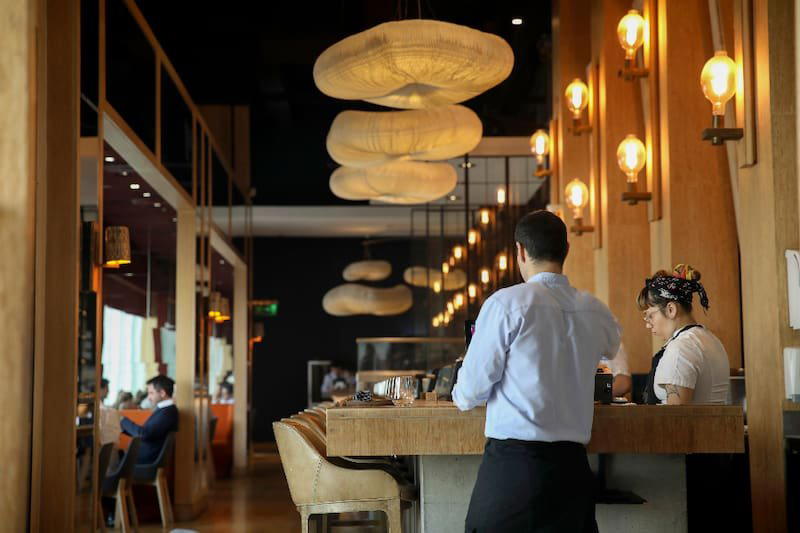
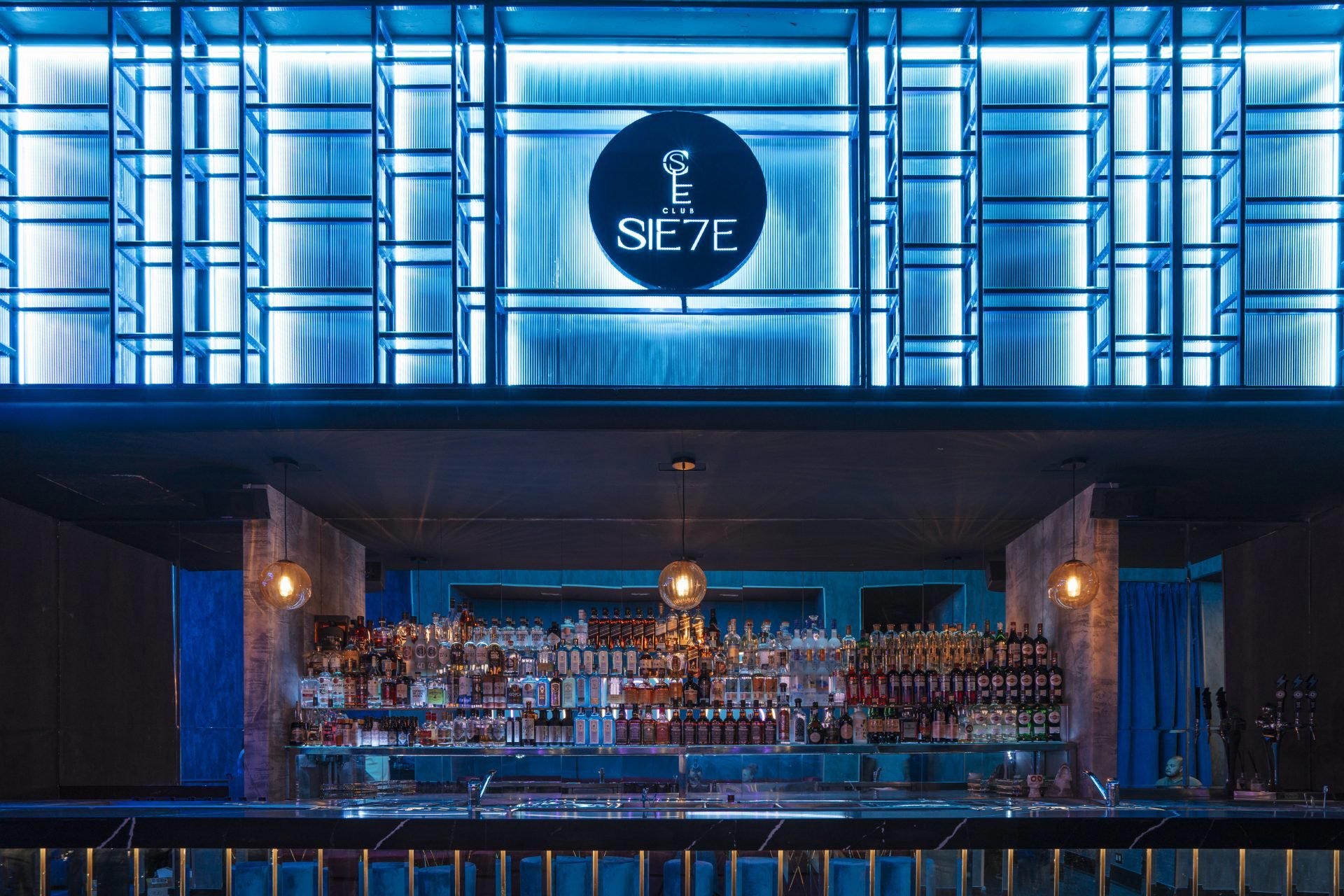
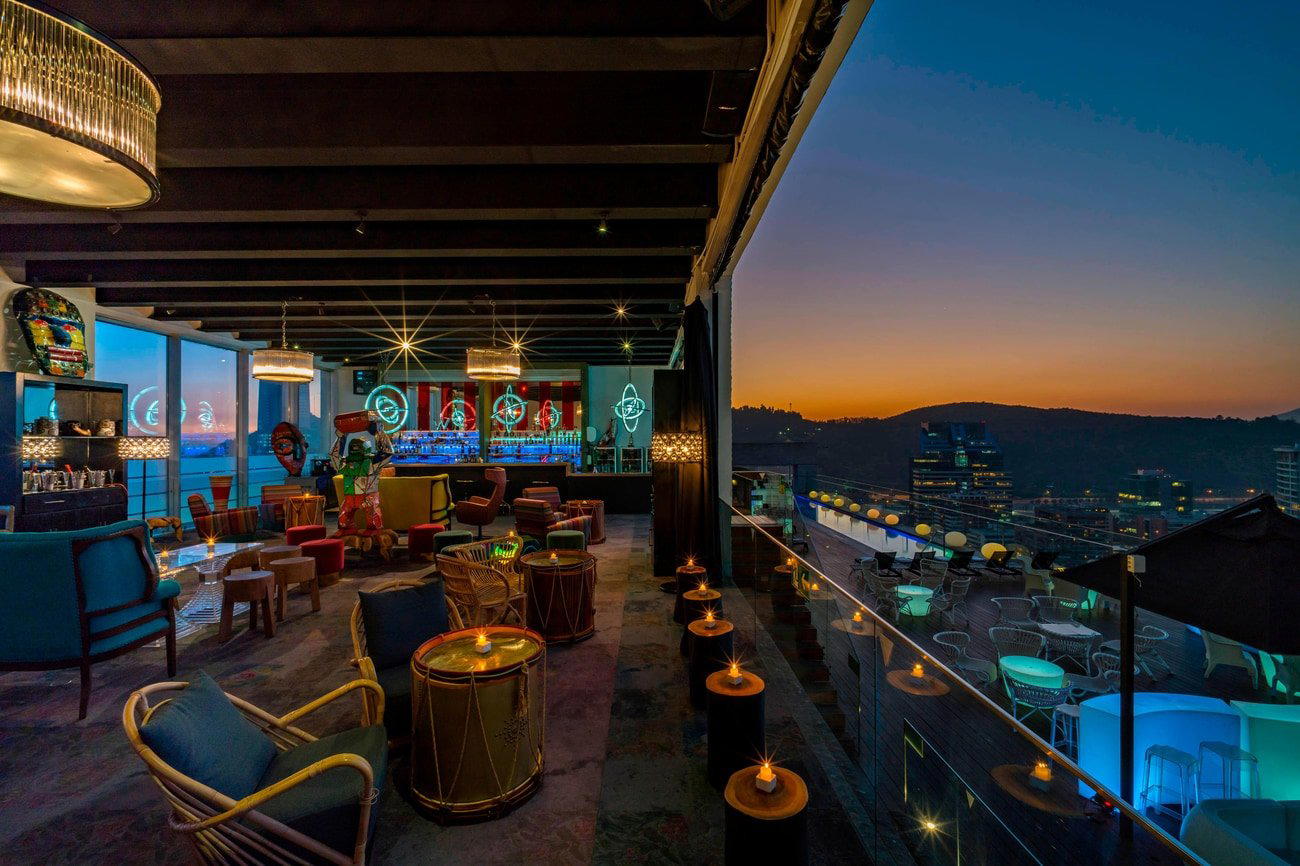
Hotels in Santiago
Browse all →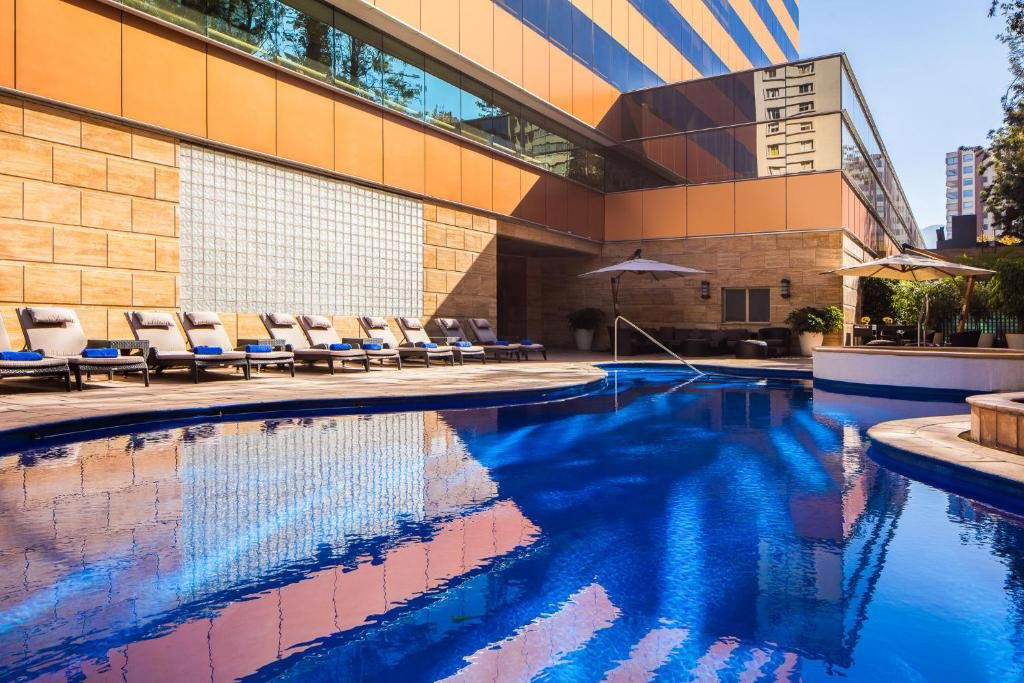

Details
- Rustic
- Cozy
- Classic
- Casual Hangout
- Family
- Brunch
- Courtyard
- Historic Building
- Mountain
- A La Carte
- Family Style
- Vegetarian Friendly
- Vegan Options
Current opening hours
- Monday
- 10:30 AM–8 PM
- Tuesday
- 10:30 AM–8 PM
- Wednesday
- 10:30 AM–8 PM
- Thursday
- 10:30 AM–8 PM
- Friday
- 10:30 AM–8 PM
- Saturday
- 10:30 AM–8 PM
- Sunday
- 10:30 AM–8 PM
Hours can change for holidays and private events. Last verified .
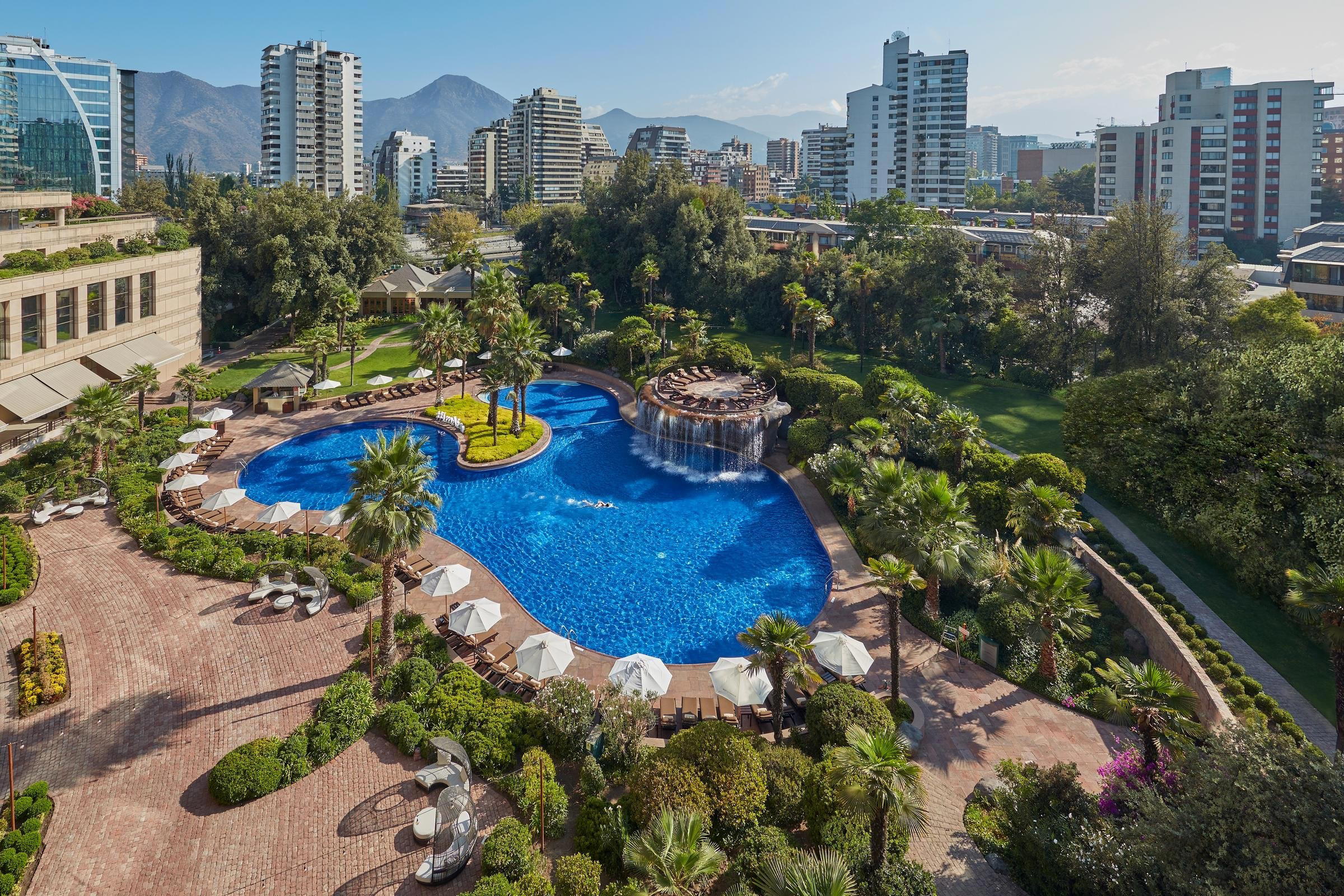
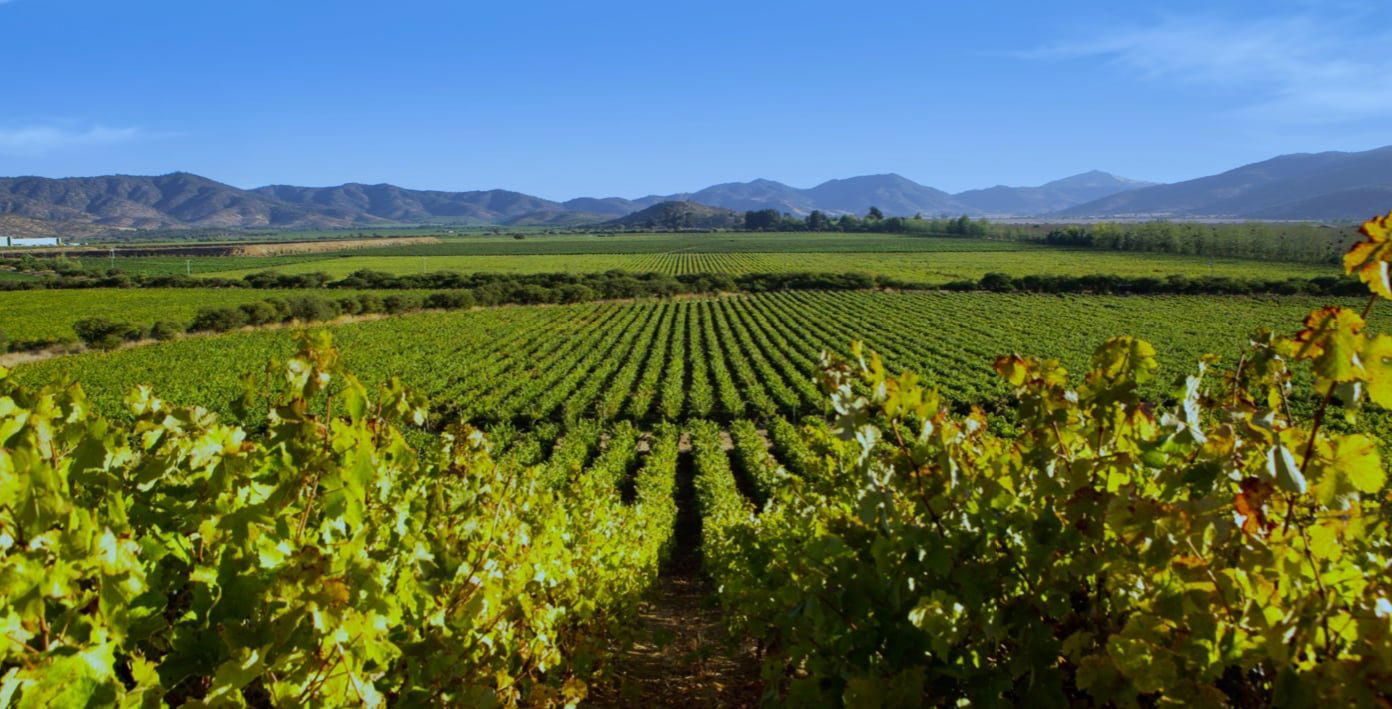
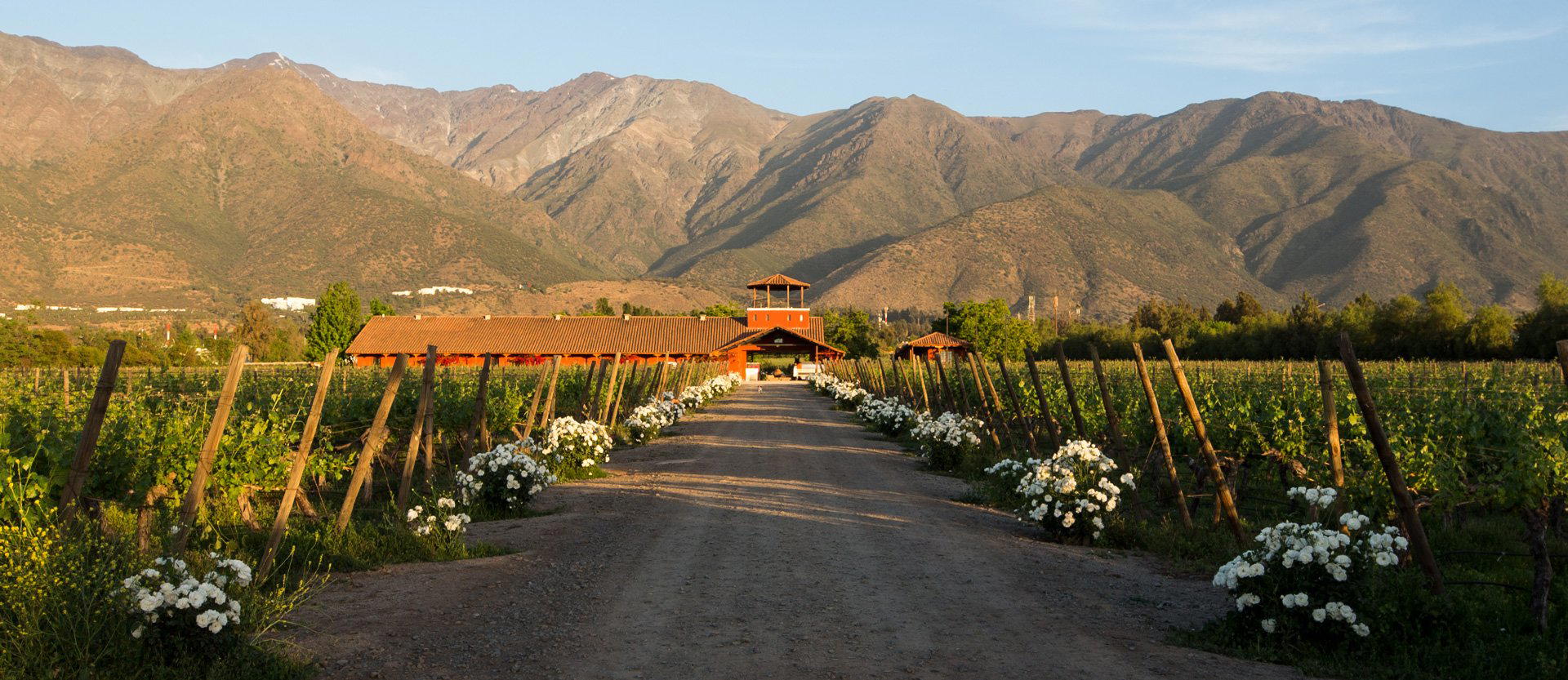
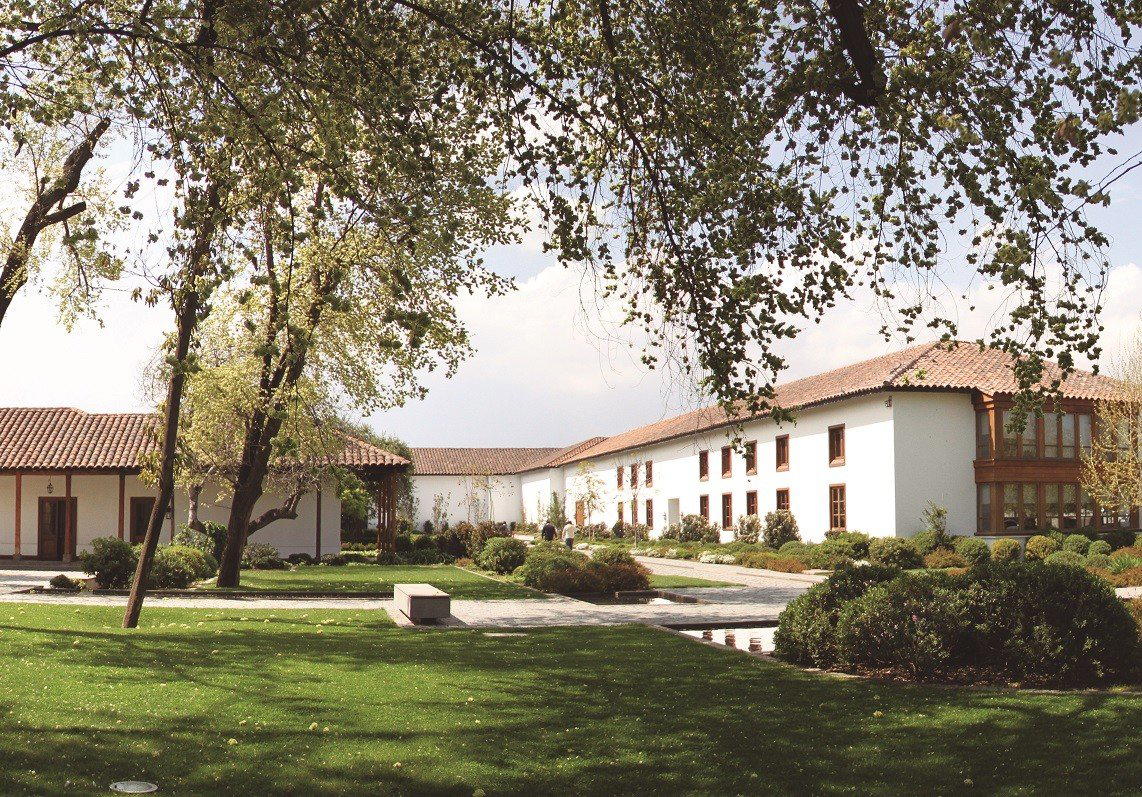
Casual, welcoming atmosphere in a traditional Chilean village setting with colonial architecture and mountain views.