
What began as a beachside kitchen in Cachagua has translated into one of Santiago's most committed seafood addresses, now operating from Vitacura's Alonso de Córdova strip. Casa Las Cujas draws directly from Chile's Pacific coastline, bringing the marine produce and coastal kitchen sensibility of the central coast into a city dining room. For seafood in Santiago, it sits in a distinct comparable set alongside La Calma by Fredes.
Pearl is the En Primeur Club membership app — saves, bookings, and concierge access live there. Same editors, same standards.
- Address
- Alonso de Córdova 2467, 7630418 Vitacura, Región Metropolitana, Chile
- Phone
- +56 9 3734 2439
- Website
- lascujas.com
- Directions
- Get directions
 Saves & bookings on Pearl
Vitacura and the Case for Coastal Cooking in the City
Santiago's upscale dining corridor runs along Alonso de Córdova in Vitacura, a stretch that concentrates some of the city's most serious restaurant investment within a few walkable blocks. The neighbourhood draws an affluent residential crowd and a business lunch circuit that expects polish alongside substance. What makes Casa Las Cujas register differently from its neighbours on that strip is its point of origin: not a chef's urban ambition, but a beachside kitchen in Cachagua, a small coastal town on Chile's central Pacific coast roughly two hours northwest of the capital. That backstory matters because it shapes what the restaurant is doing, transplanting a marine identity into a landlocked city context rather than building a Santiago seafood restaurant from the inside out.
The logic of that move is worth understanding. Cachagua sits within the Valparaíso Region, a stretch of coast known for shellfish, sea urchin, and the cold-water fish populations fed by the Humboldt Current. A kitchen established there over a decade ago would have been sourcing directly from small-boat fishermen and local markets, building relationships with producers who operate well outside the distribution networks that supply most Santiago restaurants. When that operation extended into the city, those supply relationships came with it. That is a different structural position from a Santiago restaurant that sources Chilean seafood through the same wholesale channels as everyone else.
Where Casa Las Cujas Sits in Santiago's Seafood Field
Santiago's seafood dining has become more contested in recent years. La Calma by Fredes operates in a similar register, Chilean marine produce foregrounded, technique-led, and positioned toward a premium city audience. The comparison is instructive: both addresses argue that Chilean coastal cooking deserves the same kind of careful, produce-centred treatment that fine dining usually reserves for land-based ingredients. Where they differ is in origin story and neighbourhood positioning, with Casa Las Cujas carrying the Cachagua coastal identity as an explicit part of its premise.
The broader Santiago dining scene has moved steadily toward territory-rooted identity over the past decade. Boragó built its reputation on foraged and native Chilean ingredients; Ambrosia works a French-Chilean fusion position; Demencia sits further toward the avant-garde end of that spectrum. The restaurant' angle is narrower and more specific: the Chilean coast, interpreted through a kitchen that has been running in that tradition for more than a decade. That longevity is itself a data point. Restaurants built on a single regional identity either deepen over time or drift; a decade-plus operation suggests the former.
For a different frame of reference, the international comparison that comes to mind is the category of serious seafood houses that make proximity to source their central argument. Le Bernardin in New York City built its reputation on French technique applied to notable fish, with sourcing treated as seriously as cooking method. The restaurant operates from a different cultural and economic register, but the underlying logic, that coastal produce handled with discipline produces results that urban kitchens sourcing generically cannot replicate, is the same argument.
The Cachagua Connection and What It Means at the Table
Chile's coastline runs more than 6,400 kilometres, giving the country access to among the more productive fishing zones in the southern hemisphere. The Humboldt Current brings cold, nutrient-rich water northward along the Pacific coast, supporting anchovy, mackerel, sea bass, and extensive shellfish beds. Cachagua specifically sits in a stretch of coast that has remained relatively undeveloped compared to the resort towns further south, which preserves smaller-scale fishing operations of the kind that produce restaurant-quality whole fish and live shellfish rather than mass-market commodity catch.
The kitchen that grew from that environment and has now operated in Santiago for over a decade carries those sourcing priorities into the city. For diners used to seafood that has passed through multiple distribution layers, the difference in quality and currency of the produce is perceptible, not as a matter of chef skill alone, but as a structural advantage built into how the restaurant was conceived from the beginning.
Planning a Visit: Vitacura Logistics and Timing
Alonso de Córdova 2467 places the restaurant within the commercial heart of Vitacura, accessible from central Santiago via taxi or rideshare in roughly twenty to thirty minutes depending on traffic. The neighbourhood is denser with restaurant options than it was five years ago, which means the Vitacura dinner circuit now involves genuine decisions rather than a short list. For visitors staying in Providencia or Las Condes, the journey is direct; for those based further into the city centre or in Lastarria, it is worth combining with other Vitacura stops. Naoki, Santiago's serious Japanese counter, operates in the same neighbourhood and offers a contrasting style of produce-focused cooking for a multi-stop evening.
Booking ahead is advisable, particularly for weekend evenings and long-table group visits. The restaurant is open Monday to Saturday from 1 to 11 PM and Sunday from 1 to 5 PM. For wine alongside the meal, Bocanáriz in Lastarria is the city's most focused wine bar and makes a natural pairing for a deeper exploration of Chilean coastal whites with coastal food, though as a separate evening rather than a continuation of the same night.
Those building a wider Santiago itinerary around Chilean food specifically should note that the city now supports several addresses operating at serious levels. Allería in Providencia offers another angle on contemporary Chilean cooking. For the full picture, Travellers extending beyond the capital toward the wine country or Patagonia will find further points of reference in Clos Apalta Residence in Valle de Apalta, Awasi Patagonia in Torres del Paine, and Awasi Atacama in San Pedro de Atacama.
- Caleta Las Cujas
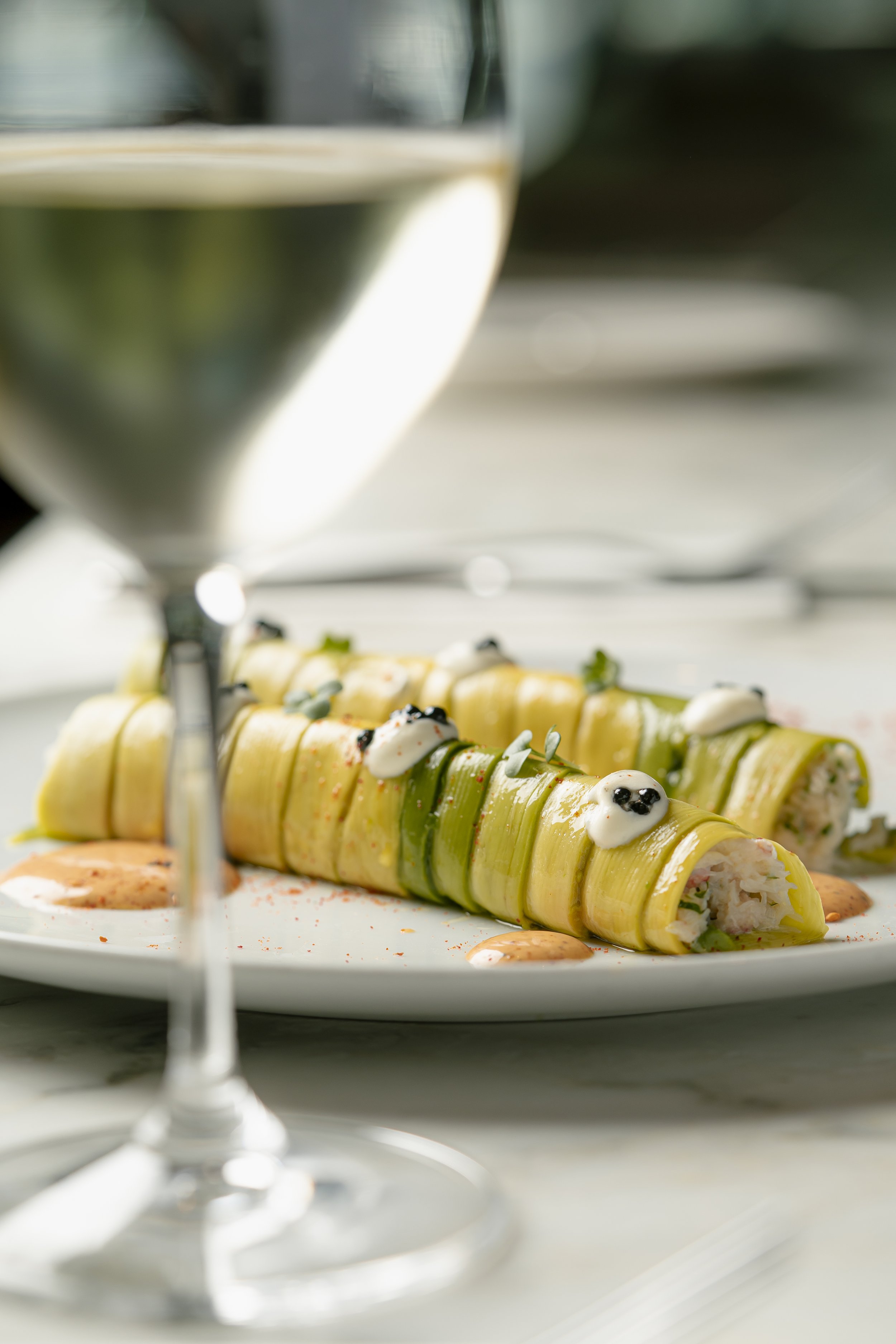
- Patagonian King Crab
- Locos in Salsa Verde
- Ceviche
- Churros con Manjar
- Sashimi Variado
Compact Comparison
Comparable venues nearby, for context on price, style, and recognition.
| Venue | Cuisine | Price | Notes |
|---|---|---|---|
| Casa Las CujasThis venue — the venue you are viewing | Vitacura, Contemporary Chilean Seafood | $$$$ | Not listed |
| La Calma by Fredes | Vitacura, Fresh Chilean Seafood | $$$ | Not listed |
| DeMo | Not listed | $$ | Bellas Artes, Modern Chilean Fusion Tasting Menu |
| Pulpería Santa Elvira | Matta Sur, Modern Chilean | $$$$ | Not listed |
| Boragó | Not listed | $$$$ | Vitacura, Hyper-Local Chilean Tasting Menu |
| Yumcha | Not listed | $$$ | Providencia, Chinese-Chilean Fusion Tasting Menu |
Recognition history
Dated appearances from independent guides and award organizations, with the underlying list record or original source where available.
World's 50 Best Latin America's Best Restaurants #14
World's 50 Best
Continue exploring
More in Santiago
Restaurants in Santiago
Browse all →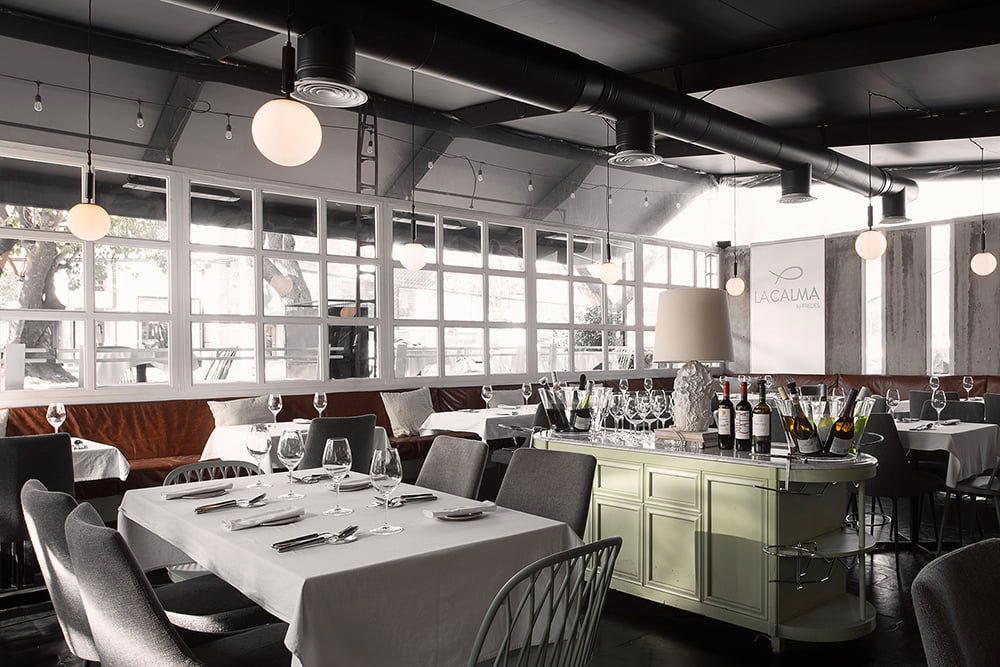
Bars in Santiago
Browse all →
Hotels in Santiago
Browse all →


At a Glance
- Elegant
- Scenic
- Sophisticated
- Relaxed
- Date Night
- Celebration
- Group Dining
- Special Occasion
- Waterfront
- Terrace
- Design Destination
- Craft Cocktails
- Local Sourcing
- Sustainable Seafood
Current opening hours
- Monday
- 1–11 PM
- Tuesday
- 1–11 PM
- Wednesday
- 1–11 PM
- Thursday
- 1–11 PM
- Friday
- 1–11 PM
- Saturday
- 1–11 PM
- Sunday
- 1–5 PM
Hours can change for holidays and private events. Last verified .
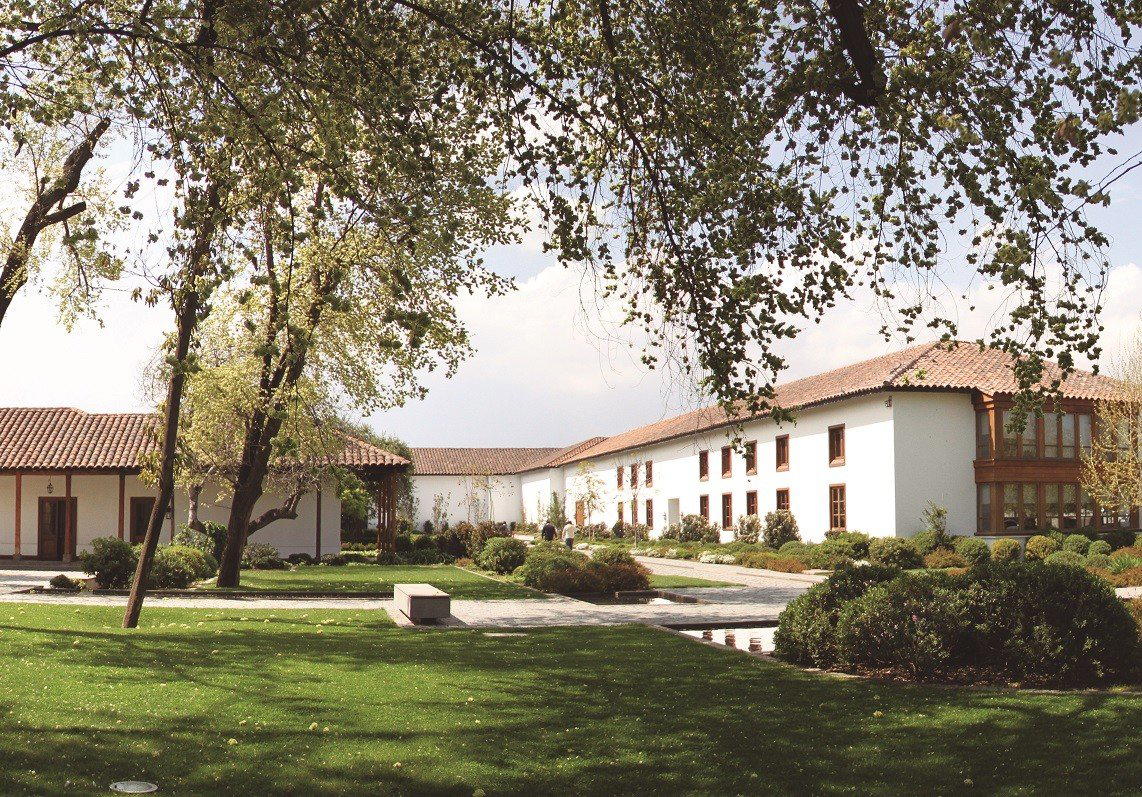
Sun-bleached nautical interiors with fresh marine décor, looping projections of Chile's northern beaches, and a central glass tank of live shellfish creating a sense of salt, air and light. Welcoming and relaxed yet refined.