Our verdict
A long-standing address on Orrego Luco in Providencia, El Huerto occupies the quieter, greener end of Santiago's dining scene, where the emphasis falls on vegetables, Chilean produce, and a wine list that tracks the country's smaller producers with more care than most. It sits in a neighbourhood that rewards slow lunches and unhurried evenings, and its regulars know it as a place where the kitchen takes plant-forward cooking seriously before that framing became fashionable.

Pearl is the En Primeur Club membership app — saves, bookings, and concierge access live there. Same editors, same standards.
- Address
- Orrego Luco 54, Providencia, Región Metropolitana, Chile
- Phone
- +56 9 7381 0442
- Hours
- Mon–Sat 9 AM–10:30 PMSun 9 AM–4:15 PM
- Website
- elhuerto.cl
- Directions
- Get directions
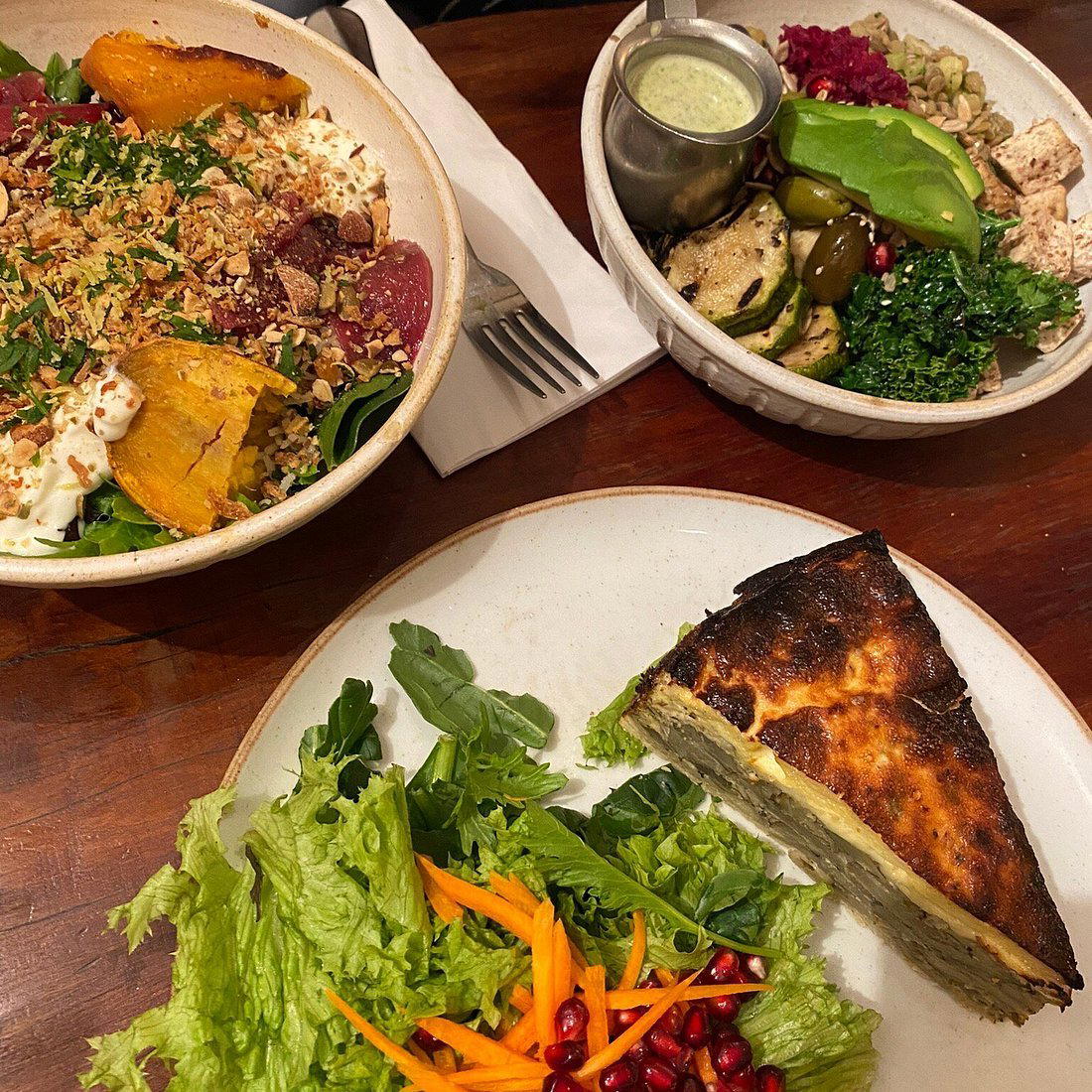
The menu
What to order
- Nuevo México
- Falafel Al Plato
- Artichoke cake
Providencia's Quieter Register
Santiago's dining conversation tends to cluster around Lastarria, Bellavista, and the newer addresses in Las Condes, but Providencia has held its own register for decades: residential, tree-lined, and hospitable to restaurants that trade on consistency rather than spectacle. Orrego Luco sits within that character. The street runs parallel to the busier Avenida Providencia but feels several degrees removed from it, with the kind of low-rise calm that makes a long lunch feel like a reasonable use of a Tuesday. El Huerto has occupied this address long enough to become part of the neighbourhood's furniture, and that tenure carries its own form of credibility in a city where restaurants open and close with considerable speed.
The physical approach sets expectations correctly: a garden-facing entrance, green plantings visible from the street, and an interior that reads as deliberate rather than decorated. Santiago's premium dining scene has split over the past decade between high-production tasting-menu formats (see Boragó for the furthest expression of that direction) and more grounded neighbourhood addresses where the food earns its reputation through repetition rather than theatre. El Huerto belongs to the second category, and it has made that positioning work over a run that most Santiago restaurants would envy.
The Plant-Forward Kitchen in Chilean Context
Chile's restaurant culture has historically centred on protein: grilled beef, fresh seafood pulled from a coastline that runs 4,300 kilometres, and the kind of cazuela that requires hours rather than minutes. Vegetable-led cooking arrived later and took time to develop credibility at the table rather than merely on the menu. El Huerto sits at an early point in that arc, having committed to a predominantly vegetarian kitchen before the category attracted the investment and press attention it receives now.
That positioning connects it to a small group of Santiago addresses where the produce sourcing and seasonal logic carry more weight than the protein. La Calma by Fredes approaches similar territory from a seafood angle, while Ambrosia works the French-Chilean register with a different set of priorities. What distinguishes El Huerto within that peer group is the longevity of its commitment to plant-forward cooking and the depth of the wine program that has grown alongside it.
Chilean cuisine has also broadened its reference points. Peumayen in Providencia draws on indigenous culinary traditions in a way that reframes what Chilean cooking can mean at a serious table. 99 Restaurante and Demencia push in more experimental directions. El Huerto's contribution is different: it has held a consistent position for long enough that its presence alone signals something about what Santiago's dining culture values when it isn't chasing novelty.
The Wine List as Editorial Statement
Chile's wine identity is more complex than its export volume suggests. Cabernet Sauvignon from Maipo and Carménère marketed as a national signature dominate the conversation at the commercial tier, but a parallel scene of smaller, terroir-focused producers has been building in the coastal valleys, the high-altitude Andes appellations, and the cool southern regions for at least two decades. The country now has serious Pinot Noir from Bio Bio and Malleco, old-vine Carignan from Maule, and dry-farmed whites from Limari and Casablanca that sit in a different register from the mainstream bottlings that fill supermarket shelves internationally.
Wine lists in Santiago's better restaurants have increasingly tracked this smaller-producer tier, but the depth of that curation varies considerably. At El Huerto, the wine program reflects the kitchen's own orientation: the list gravitates toward producers whose approach to the land aligns with how the food is sourced and prepared. That coherence between cellar and kitchen is less common than it should be. A restaurant that takes vegetables seriously tends to pour wines where site and season are also the point, and that logic holds here.
For comparison, the wine dimension at places like D.O. Restoran in Lo Barnechea and the estate dining experience at Viña Concha y Toro in Pirque approaches Chilean wine from a production-scale and heritage angle. El Huerto's list works from the opposite direction, favouring smaller allocations and producers who rarely appear on international lists. That makes it a useful address for anyone already familiar with Chile's major names and looking for the next register down in terms of volume and up in terms of specificity.
The broader Chilean wine geography rewards this kind of curiosity. Lapostolle Residence in Santa Cruz anchors one end of the premium wine experience in the Colchagua Valley, while Rosario in Rengo and Aquí Jaime in Concon represent how wine culture extends into the regional dining scene beyond Santiago. El Huerto sits within that broader network as the in-city address where the producer-focused sensibility is most consistently expressed at the table.
For wine-focused travel that extends beyond Santiago, the country's range is considerable. CasaMolle in El Molle works the dry northern valleys, while at the other end of Chile's hospitality range, Awasi Atacama and andBeyond Vira Vira in Araucanía demonstrate how Chilean terroir extends well beyond the traditional wine regions. Even Pasta e Vino Ristorante in Valparaiso shows how the wine-focused dining sensibility has spread to the coastal city an hour west of Santiago.
Planning a Visit
El Huerto sits on Orrego Luco 54 in Providencia, within walking distance of Baquedano metro and the main Providencia commercial corridor. The neighbourhood is calm enough that arriving on foot from nearby makes sense, and the restaurant draws a local crowd that skews toward residents rather than tourists, which keeps the energy grounded regardless of the season. Santiago's dining scene is generally more accessible than comparable South American capitals in terms of advance booking, though addresses with a consistent following do fill midweek evenings during the spring and summer months from October through March. Lunch here has historically been a draw for the neighbourhood's professional population, making weekend evenings slightly easier to plan around than weekday lunch slots. Visitors building a broader Santiago itinerary will find the full Santiago restaurants guide a useful reference for placing El Huerto within the city's wider dining structure. For international comparison on what a wine-serious, vegetable-forward urban restaurant can achieve at the highest tier, Le Bernardin in New York City and Lazy Bear in San Francisco offer relevant reference points, even if the register and scale are quite different from what El Huerto offers.
Frequently asked questions
Where is El Huerto located?
El Huerto is located at Orrego Luco 54, Providencia, Región Metropolitana, Chile, Santiago.
Does El Huerto serve wine, and does the list reflect Chilean terroir beyond Cabernet Sauvignon?
El Huerto's wine list is understood to function as an editorial statement rather than a standard house selection, with attention to Chilean regions and varieties beyond the Maipo Cabernet Sauvignon and Carménère that dominate export markets. Chile's wine identity spans Elqui, Itata, and Bío Bío, and a plant-forward kitchen on Orrego Luco 54 in Providencia is a natural context for producers working outside the mainstream.
What do regulars order at El Huerto?
El Huerto has built its following on plant-forward cooking in a city where protein-centred menus remain the default, so regulars tend to gravitate toward the kitchen's vegetable-driven preparations rather than token meatless adaptations. The Providencia address on Orrego Luco 54 draws a neighbourhood crowd that returns for consistency rather than novelty.
How far ahead should I plan for El Huerto?
El Huerto sits in Providencia, within walking distance of Baquedano metro, which makes it accessible without much logistical planning. Contacting the restaurant directly via their Orrego Luco 54 address is the most reliable approach given no booking platform or phone is publicly listed here.
What do critics highlight about El Huerto?
Coverage of El Huerto tends to focus on its position as an early and durable voice for plant-forward cooking in Santiago, a city whose restaurant culture has historically revolved around grilled beef and Pacific seafood. The Providencia location places it outside the more frequently reviewed circuits of Lastarria and Bellavista, which has kept it from the highest-profile editorial attention despite its longevity.
Is El Huerto good for vegetarians?
El Huerto is among the most committed plant-forward kitchens in Santiago, making it one of the clearest choices in the city for vegetarians. Unlike restaurants that add a vegetable option as an afterthought to protein-centred menus, the kitchen at Orrego Luco 54 in Providencia has built its entire identity around plant-based cooking. That positioning is notably distinct within Chilean dining culture, where seafood and beef have historically dominated restaurant menus.
At-a-Glance Comparison
| Venue | Cuisine | Price | Awards |
|---|---|---|---|
| El HuertoThis venue — the venue you are viewing | Vegetarian World Cuisine | $10–20 | Not listed |
| Boragó | Hyper-Local Chilean Tasting Menu | $100–150 | World's 50 Best #23 · La Liste Top Restaurants |
| Ambrosia | Modern Gastro-Bistro | Not listed | We're Smart World 1 Radish |
| La Calma by Fredes | Fresh Chilean Seafood | $50–100 | World's 50 Best #57 · The Best Chef One Knife |
| Bocanáriz | Modern Chilean Wine Bar | $50–100 | Not listed |
| The Singular Santiago, Lastarria Hotel | Modern French-Chilean Fine Dining | $50–100 | La Liste Top Restaurants |
Continue exploring
More in Santiago
Restaurants in Santiago
Browse all →
Bars in Santiago
Browse all →


Hotels in Santiago
Browse all →



Details
- Rustic
- Cozy
- Relaxed
- Casual Hangout
- Brunch
- Open Kitchen
- Organic
- Local Sourcing
- Farm To Table
- A La Carte
- Vegetarian Friendly
- Vegan Options
- Gluten Free Options
Current opening hours
- Monday
- 9 AM–10:30 PM
- Tuesday
- 9 AM–10:30 PM
- Wednesday
- 9 AM–10:30 PM
- Thursday
- 9 AM–10:30 PM
- Friday
- 9 AM–10:30 PM
- Saturday
- 9 AM–10:30 PM
- Sunday
- 9 AM–4:15 PM
Hours can change for holidays and private events. Last verified .
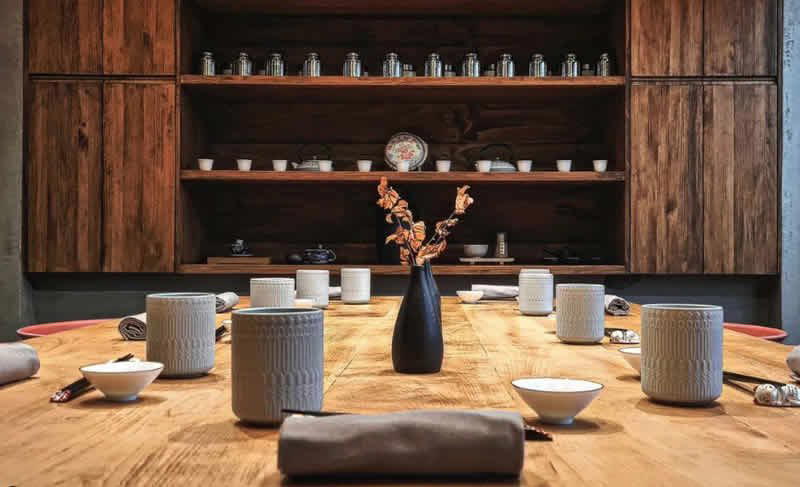
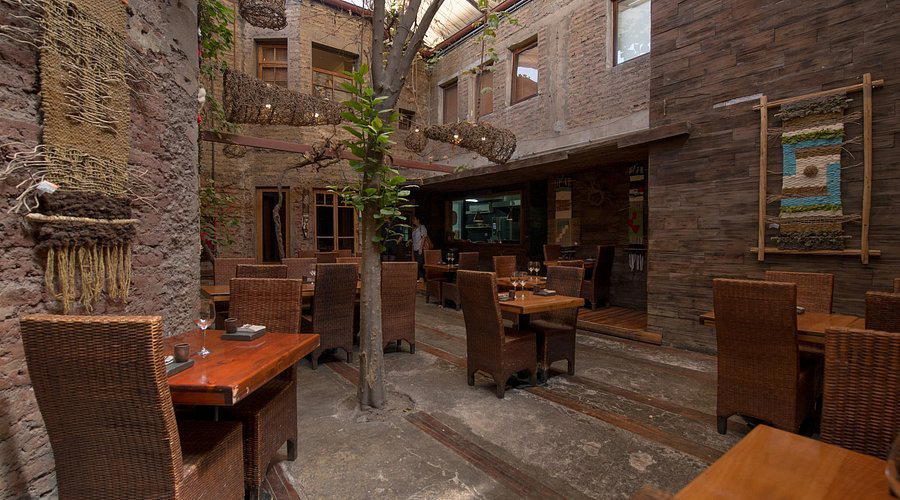
Relaxed natural décor with wood surroundings, fruit and flowers, rustic charm, and occasional live music.