Av. Italia sits in one of Santiago's most character-driven residential corridors, where Italian-immigrant heritage and contemporary Chilean dining have long occupied the same block. The street anchors a dining culture that prizes neighbourhood loyalty over destination hype, making it a useful lens through which to read how the city's middle-tier restaurant scene actually functions day to day.
Pearl is the En Primeur Club membership app — saves, bookings, and concierge access live there. Same editors, same standards.
- Address
- Av. Italia 1791, 7770385 Ñuñoa, Región Metropolitana, Chile
- Phone
- +56 2 2274 2001
- Website
- instagram.com
- Directions
- Get directions
 Saves & bookings on Pearl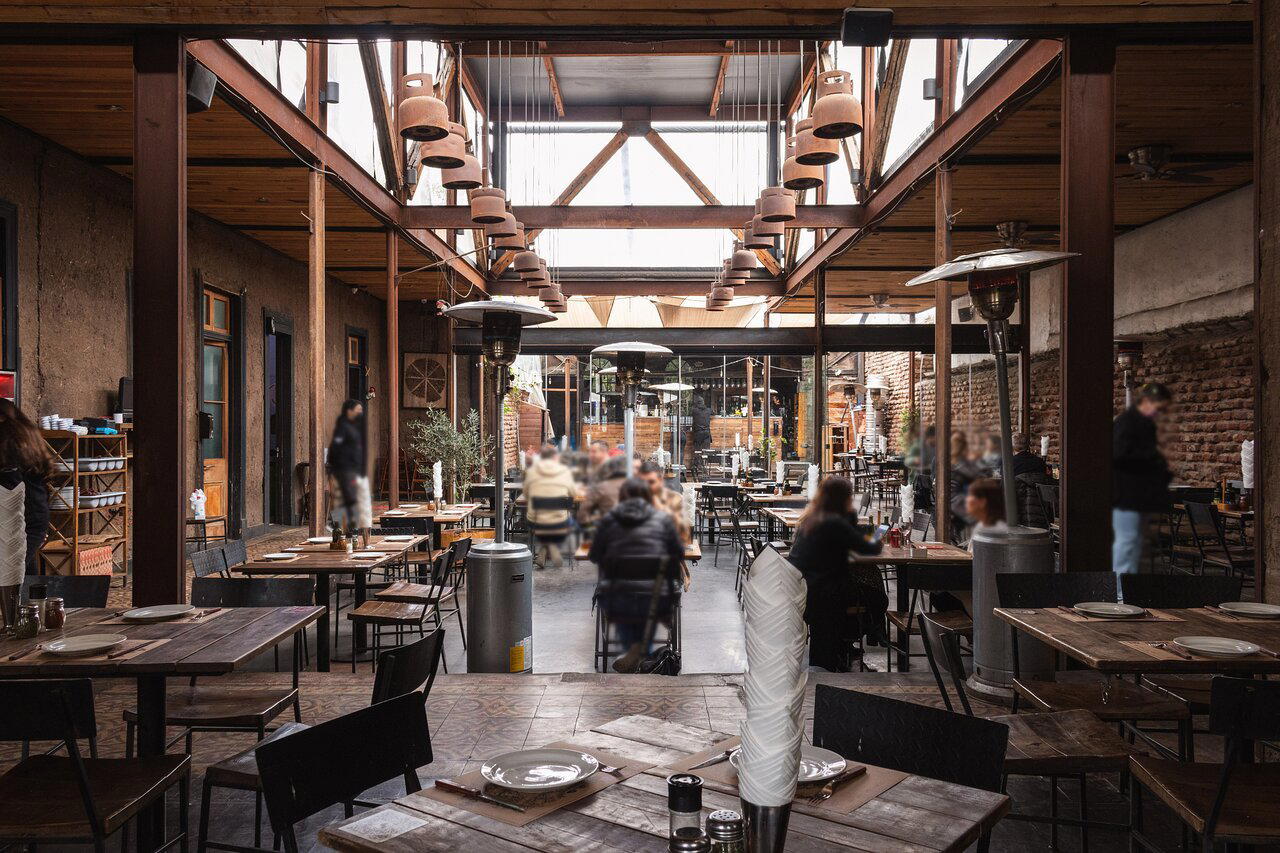
The Street That Santiago Actually Eats On
Av. Italia is a casual restaurant in Ñuñoa, Santiago, serving International Fusion with Italian, Peruvian and Venezuelan influences at about USD 15 per person. The avenue runs through the Ñuñoa district, a zone that has historically attracted Santiago's creative and intellectual middle class, and the dining culture along it reflects that constituency: direct, unpretentious, anchored in Italian-immigrant cooking traditions that arrived with waves of European settlers in the late nineteenth and early twentieth centuries. The avenue runs through the Ñuñoa district, a zone that has historically attracted Santiago's creative and intellectual middle class, and the dining culture along it reflects that constituency: direct, unpretentious, anchored in Italian-immigrant cooking traditions that arrived with waves of European settlers in the late nineteenth and early twentieth centuries.
Italian Roots in a Chilean City
Chile received significant Italian immigration across roughly 1880 to 1940, concentrated in cities and agricultural zones, and that heritage embedded itself in urban cooking in ways that differ from the Italian-American trajectory most international visitors know. In Santiago, the influence shows not through red-sauce formality but through an ease with pasta, cured meats, and long-cooked preparations that were absorbed into everyday Chilean household cooking rather than preserved as restaurant-specific cuisine. Av. Italia as a neighbourhood reference point sits inside that cultural history. The street itself takes its name from that immigrant community, and the dining along it carries, with varying degrees of self-consciousness, some echo of that origin.
Where This Fits in Santiago's Dining Structure
Santiago's restaurant hierarchy has sharpened considerably since 2015. At the leading end, a handful of tasting-menu addresses compete on regional-produce sourcing and technique, places like 99 Restaurante and Demencia operating in that register. Below that sits a tier of mid-market neighbourhood restaurants, many of them in districts like Ñuñoa, Providencia, and Italia itself, where the cooking is less concept-driven but often more consistent in the way that matters to regular diners: familiar dishes executed with care, wine lists that lean Chilean without being pedagogical about it, and a room temperature that stays somewhere between casual and properly considered. Av. Italia as a dining address occupies this middle tier, and that positioning is worth understanding before you go. You are not booking into an experience built for food-press attention. You are entering a neighbourhood dining culture that has been functioning on its own terms for decades.
The Neighbourhood as Context
Ñuñoa and the Italia corridor attract a different profile of diner than Las Condes or Vitacura, Santiago's wealthier eastern zones where international hotel dining and corporate expense-account restaurants concentrate. The Italia area skews younger, more locally oriented, and less interested in the kind of formality that signals status in the eastern suburbs. That demographic shapes what restaurants along the avenue can sustain: rooms that work without white tablecloths, menus that change seasonally without making a performance of it, and wine programs that include Chilean bottles at prices that allow for a second glass without calculation. For visitors who want to read Santiago as a city rather than as a collection of destination restaurants, spending time in this corridor is more instructive than another booking in the financial district.
The broader Chilean dining geography extends well beyond Santiago, and it is worth noting that particularly compelling cooking in the country now happens outside the capital. Pasta e Vino Ristorante in Valparaiso handles Italian-rooted cooking in a port-city context quite differently from how it registers in Santiago, and Aquí Jaime in Concon demonstrates how coastal Chilean cooking operates when it is freed from the capital's competitive pressure. Within Santiago itself, the indigenous-ingredients focus at Peumayen in Providencia offers a counterpoint to the European-immigrant tradition that defines the Italia corridor. Further afield in the city, D.O. Restoran in Lo Barnechea represents yet another axis of contemporary Chilean cooking, oriented toward the foothills and the producers who supply them.
Wine and the Italian Avenue
Chilean wine culture has its own relationship to the Italia district. The country's major producing regions, from Maipo to Colchagua to Casablanca, are all within reasonable driving distance of Santiago, and neighbourhood restaurants along the restaurant tend to carry those regional bottles without the markup that destination dining rooms in the eastern suburbs impose. For anyone wanting to extend their understanding of Chilean wine from producer to table, the corridor offers an accessible entry point. Elsewhere in Chile, destinations like Viña Concha y Toro in Pirque and Lapostolle Residence in Santa Cruz provide estate-level wine experiences that complement what neighbourhood restaurants along this avenue pour by the glass.
Planning a Visit
The Italia corridor functions primarily as an evening destination, with the stretch between Avenida Irarrázaval and Plaza Ñuñoa concentrating the highest density of restaurants and bars. The area is accessible by Metro via the Ñuñoa or Irarrázaval stations on Line 3. Walk-in dining is generally viable mid-week; weekend evenings in this district fill up on local demand rather than tourist traffic, so a reservation made a few days ahead is sensible for groups of four or more. Dress is casual throughout the neighbourhood. For visitors who want to read Santiago as a city rather than as a collection of destination restaurants, spending time in this corridor is more instructive than another booking in the financial district.
Price and Positioning
Comparable venues nearby, for context on price, style, and recognition.
| Venue | Cuisine | Price | Notes |
|---|---|---|---|
| Av. ItaliaThis venue — the venue you are viewing | Not listed | $$ | Not listed |
| Liguria | Not listed | $$ | Providencia, Traditional Chilean Gastropub |
| Mulato | Not listed | $$ | Lastarria, Chilean Seafood & Seasonal Cuisine |
| Fuente Alemana | Providencia, Classic Chilean Sandwiches | $ | Not listed |
| Las Cabras - Fuente de Soda | Not listed | $$ | Barrio Plaza la Alcaldesa, Chilean Fuente de Soda |
| Pizzería Tiramisú | Las Condes, Traditional Italian Pizza | $$ | Not listed |
Continue exploring
More in Santiago
Restaurants in Santiago
Browse all →
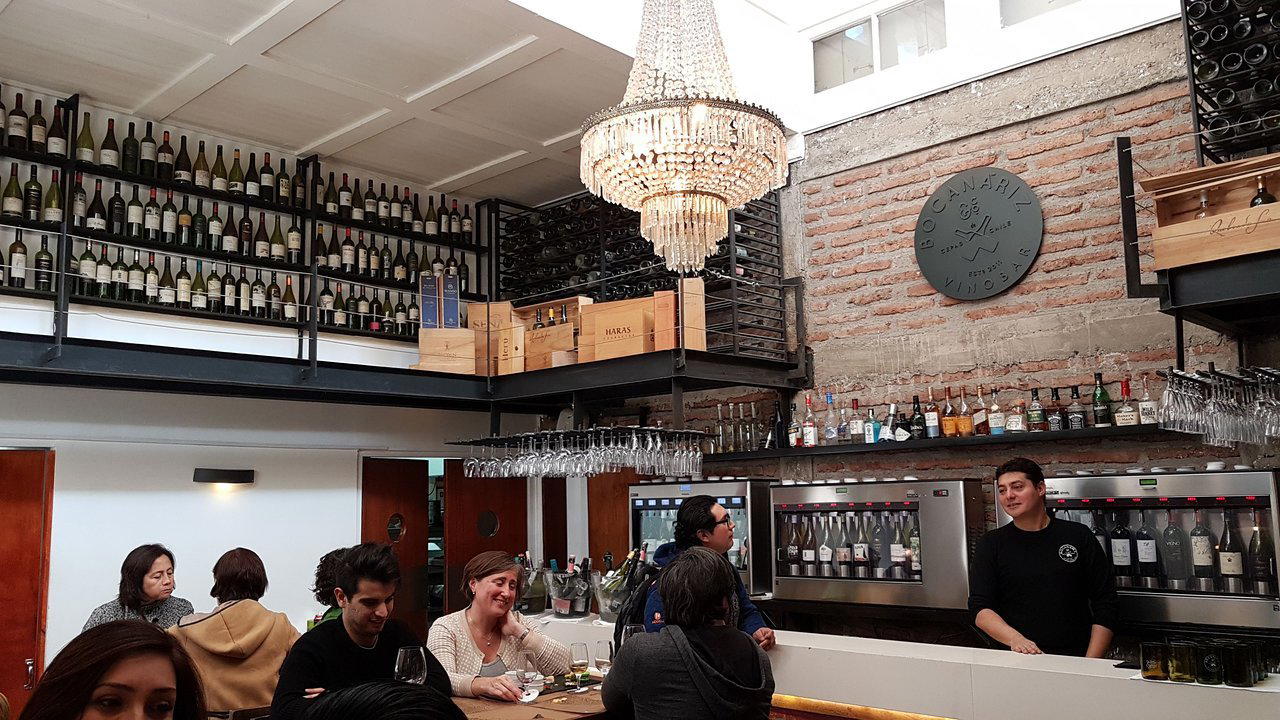
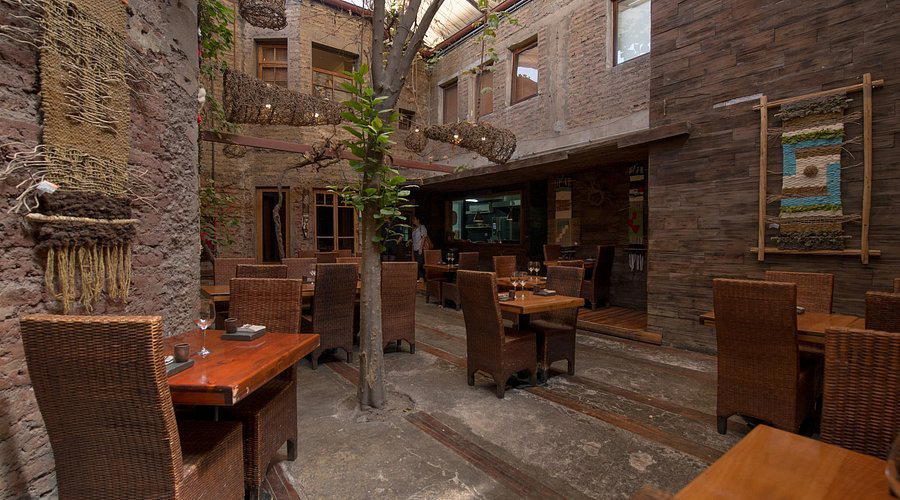
Bars in Santiago
Browse all →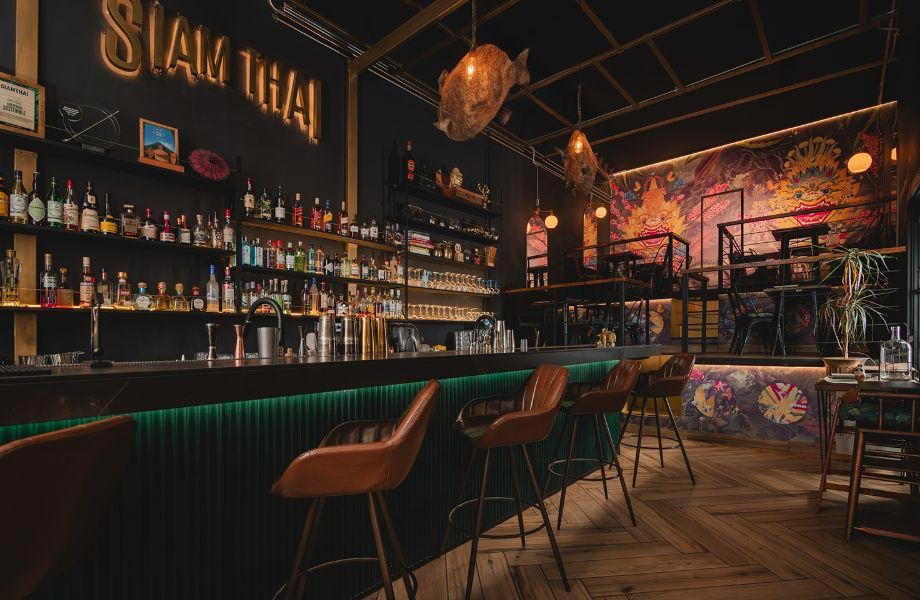
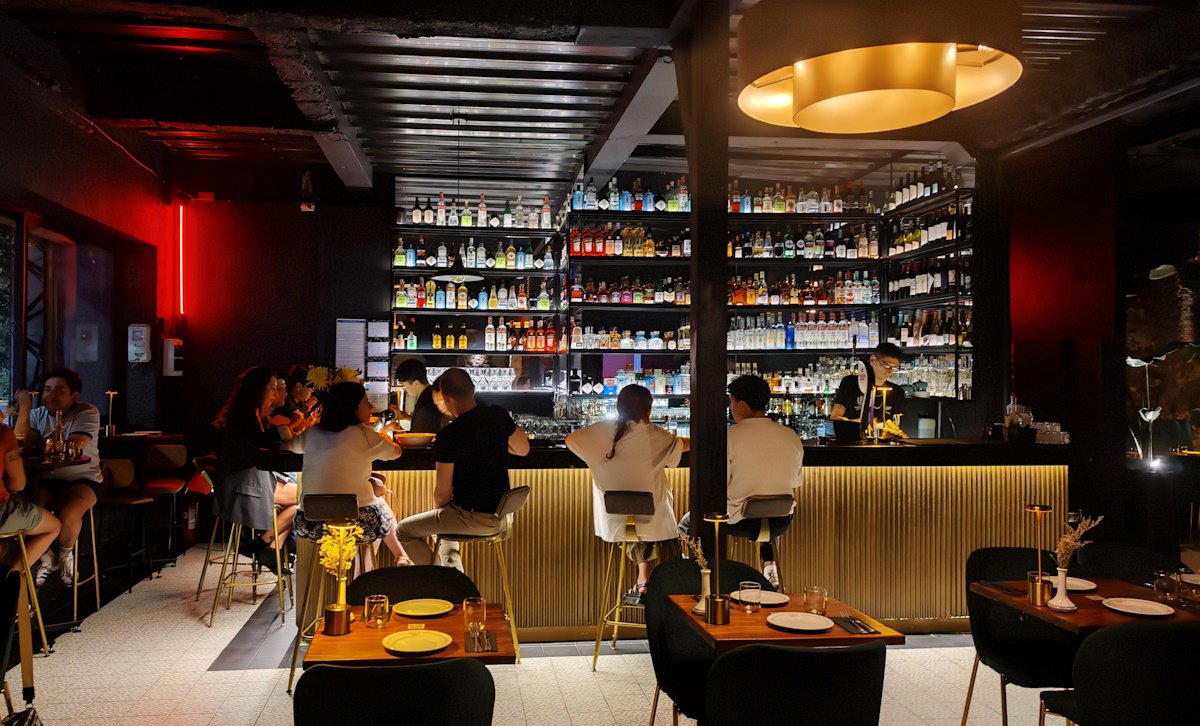

Hotels in Santiago
Browse all →


At a Glance
- Trendy
- Bohemian
- Lively
- Casual Hangout
- Group Dining
- Date Night
- After Work
- Terrace
- Open Kitchen
- Craft Cocktails
- Beer Program
- Local Sourcing
Current opening hours
- Monday
- 12–7 PM
- Tuesday
- 12–9:30 PM
- Wednesday
- 12–9:30 PM
- Thursday
- 12–9:30 PM
- Friday
- 12–9:30 PM
- Saturday
- 12–9:30 PM
- Sunday
- 12–5 PM
Hours can change for holidays and private events. Last verified .
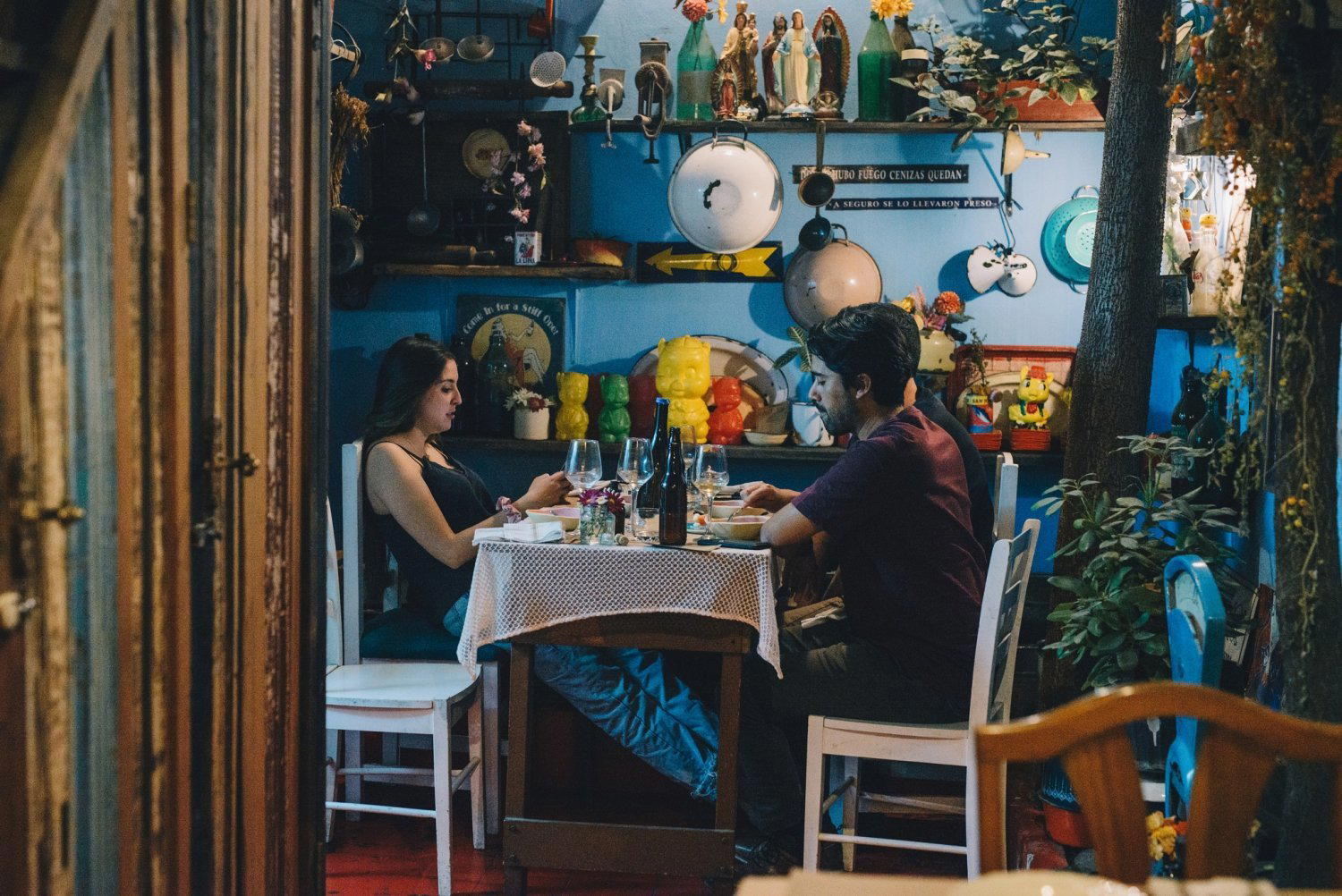
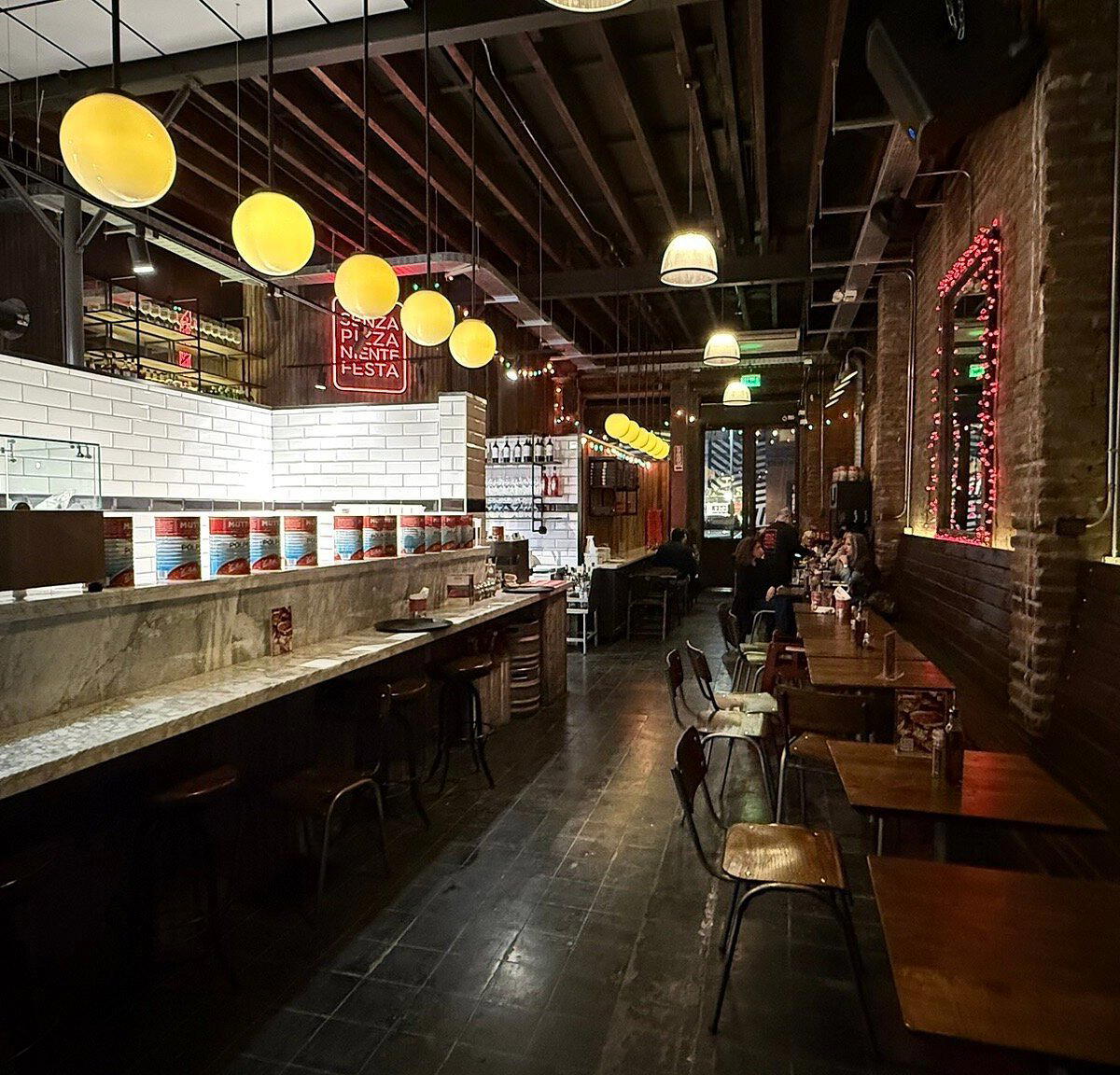
Lively and eclectic with colorful facades, lively evening atmosphere well-suited for socializing over dinner and drinks, featuring a mix of casual and upscale dining experiences.