Le Four à Chaux sits on Avenue Charles de Gaulle in Caromb, a compact village in the Vaucluse where Provence's agricultural identity is closest to the plate. The name, referencing a traditional lime kiln, signals a connection to local material and process that defines the dining conversation in this part of the Rhône corridor. For travellers moving between the vineyards of Gigondas and the lavender plateaus above Sault, it serves as a grounding stop in the region's slower, produce-led register.
Pearl is the En Primeur Club membership app — saves, bookings, and concierge access live there. Same editors, same standards.
- Address
- 2253 Av. Charles de Gaulle, 84330 Caromb, France
- Phone
- +33490624010
- Website
- lefourachaux.com
- Directions
- Get directions
 Saves & bookings on Pearl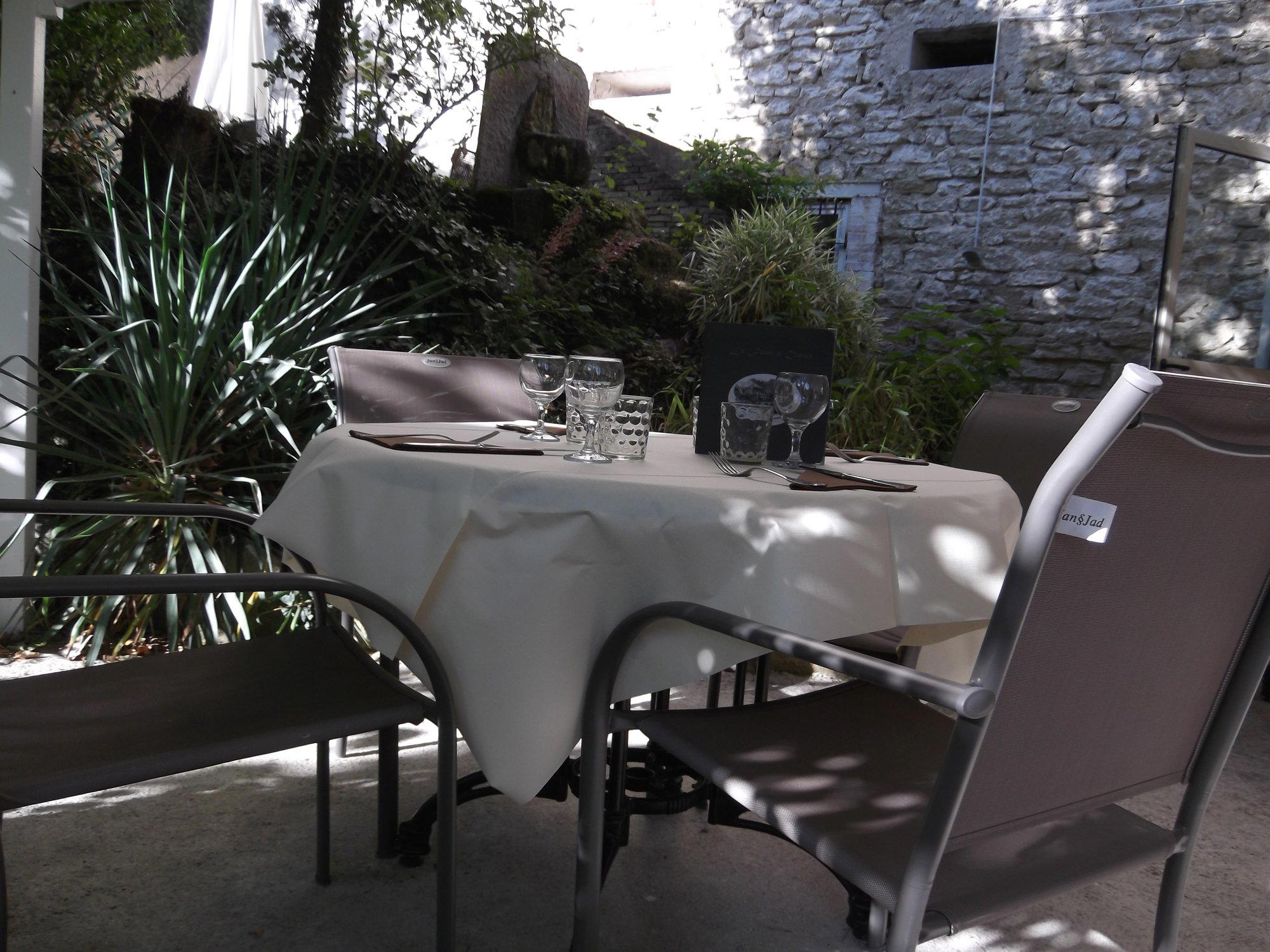
Where Vaucluse Produce Sets the Terms
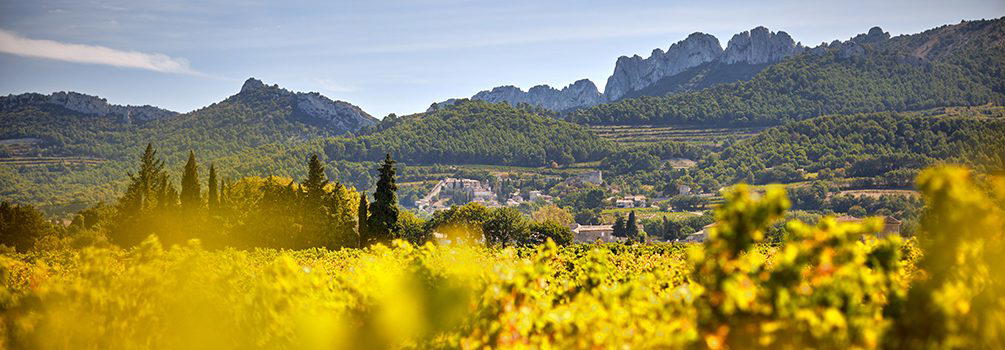
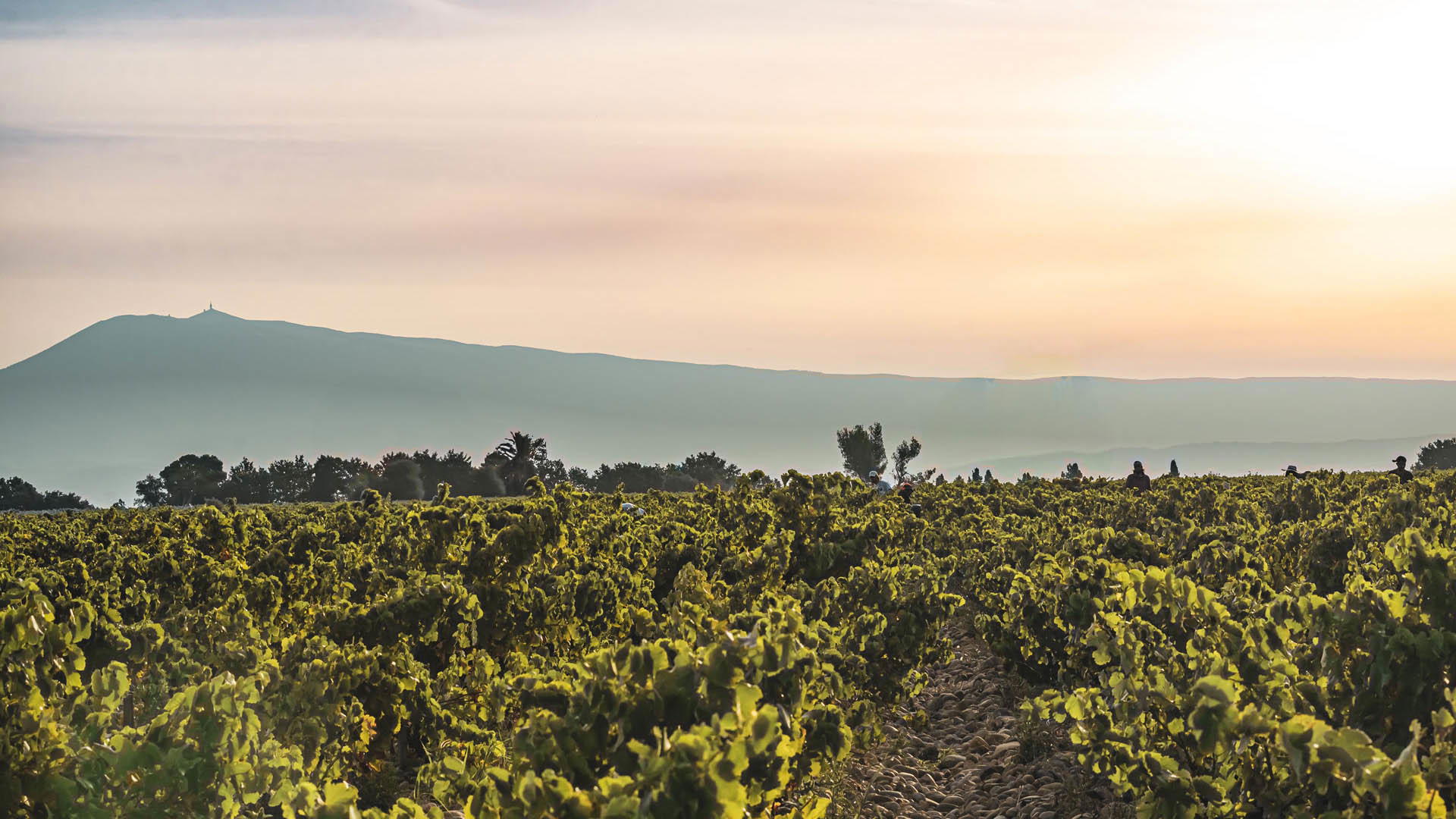
The villages north of Carpentras occupy a different culinary register from the coast. Down in Marseille, chefs like Alexandre Mazzia at AM par Alexandre Mazzia work in a mode of technical abstraction, pulling the Mediterranean through a personal interpretive lens. Up here, in the limestone-edged Vaucluse interior, the conversation tends to run closer to the ground, literally. Caromb sits at the foot of Mont Ventoux's western approach, ringed by cherry orchards, melon fields, and the outer appellations of the Côtes du Rhône. The dominant culinary logic is not technical invention but proximity: how close the kitchen stands to the source of what it cooks.
Le Four à Chaux, at 2253 Avenue Charles de Gaulle in the village centre, takes its name from a lime kiln, the kind of stone-burning structure that once defined rural Provençal industry. It is a deliberate reference, and it frames the register before a plate arrives. In parts of France where ingredient sourcing defines a restaurant's credibility, the choice of name is itself a positioning statement.
The Provençal Sourcing Tradition and What It Demands
Provence's reputation as a sourcing environment is legitimate and specific. The Vaucluse produces some of France's most commercially significant fruit and vegetable output, Cavaillon melons, Carpentras strawberries, black truffles from around Richerenches, but what matters in a restaurant context is not the regional marketing story. It is whether the kitchen absorbs the agricultural calendar or simply references it for atmosphere.
The area around Caromb operates within a short-supply-chain logic that larger urban kitchens struggle to replicate. Markets in Carpentras (the Fridays, particularly, are well-attended) and Malaucène run on seasonal rhythms that shift noticeably week to week from March through November. A kitchen embedded in this geography, rather than sourcing through a regional distributor, finds its menu constrained and enriched by the same calendar. That is a discipline, not a convenience. At its leading, this produces cooking where the ingredient bears no elaboration, a tomato served at peak August ripeness, dressed with the local olive oil and nothing else, achieves more than a technically composed dish that peaked two days after refrigeration.
French regional cooking built on this logic has its own lineage. Bras in Laguiole, readable in full at our Bras guide, made the sourcing of Aubrac plateau produce into a gastronomic argument that travelled internationally. At Auberge du Vieux Puits in Fontjoncouse, Gilles Goujon works a similarly embedded southern-France sourcing model, drawing from the Corbières and coastal suppliers. These are reference points for what committed regional sourcing produces at the higher end. Le Four à Chaux operates in a smaller, village-scale format, Caromb's population sits below two thousand, where the sourcing relationship is structural rather than aspirational.
Caromb's Position in the Vaucluse Dining Circuit
The Vaucluse has a dispersed fine-dining presence. L'Oustau de Baumanière in Les Baux anchors the prestige end of Provence's interior, and Mirazur in Menton operates at the coastal creative extreme. Between those reference points, the département supports a network of auberges, bistros, and village restaurants that serve a different purpose: grounding the traveller in the specifics of a sub-region rather than projecting a broader national or international ambition.
Caromb belongs to that network. The village receives traffic from Mont Ventoux cyclists and hikers, wine tourists crossing between Gigondas and Beaumes-de-Venise, and the growing cohort of slow-travel visitors who route through Provence deliberately off the main Luberon corridor. For them, a restaurant like Le Four à Chaux represents something that the grandes tables to the south cannot easily offer: a meal that feels continuous with its immediate geography, rather than imported into it.
For comparison within Caromb itself, Le 6 à Table represents the village's modern cuisine offer. Our full Caromb restaurants guide maps both venues against the broader dining options in the commune.
The Name as a Culinary Signal
A four à chaux, a lime kiln, is a structure that transforms raw local material through heat and time. As a restaurant name, it carries specific weight in a region where heritage and craft vocabulary are used carefully by some operators and deployed superficially by others. The question any sourcing-forward restaurant in this register must answer is whether the raw material justifies the framing. In the Vaucluse in peak growing season, from late June through October, the answer is frequently yes, if the kitchen holds discipline and resists the temptation to over-compose what the land delivers cleanly.
The broader French tradition of cooking that foregrounds terroir over technique has its canonical expressions: Troisgros in Ouches, Auberge de l'Ill in Illhaeusern, Georges Blanc in Vonnas. At those houses, the relationship between place and plate has been institutionalised over decades. At a village-scale address in Caromb, the same relationship is more immediate, less mediated by legacy infrastructure, which creates both a rawer quality and a narrower margin for error.
Planning a Visit
The restaurant is located at 2253 Avenue Charles de Gaulle, Caromb 84330, in the Vaucluse département of Provence-Alpes-Côte d'Azur. Caromb sits roughly seven kilometres east of Malaucène and about fifteen kilometres north of Carpentras, which has the nearest train connections on the TER network from Avignon. Avignon TGV, with direct services from Paris Gare de Lyon running under three hours, is the practical arrival hub for the area. Car rental from Avignon gives greater flexibility, particularly for travellers combining Caromb with visits to the Dentelles de Montmirail wine villages or the Ventoux summit road. The restaurant is recommended for reservations and follows a smart casual dress code. Hours are Monday and Thursday through Friday from 7:30 to 9 PM, Saturday and Sunday from 12 to 2 PM and 7:30 to 9 PM, and it is closed on Tuesday and Wednesday.
Side-by-Side Snapshot
Comparable venues nearby, for context on price, style, and recognition.
| Venue | Cuisine | Price | Awards | Notes |
|---|---|---|---|---|
| Le Four à ChauxThis venue — the venue you are viewing | French Bistronomy with Local Mediterranean Influences | $$ | Not listed | Not listed |
| Le 6 à Table | Modern Provençal Bistro | $$ | Bib Gourmand | Caromb |
| La Table des Gourmands | French Bistro | $$ | Not listed | Mormoiron |
| Au comptoir | French Bistro | $$ | Not listed | Piolenc |
| La Cour de Caro | Bistronomic French with Mediterranean Accents | $$ | Not listed | centre historique |
| L'Alandier | French Bistro | $$ | Not listed | Le Village |
Continue exploring
More in Caromb
Restaurants in Caromb
Browse all →
Bars in Caromb
Browse all →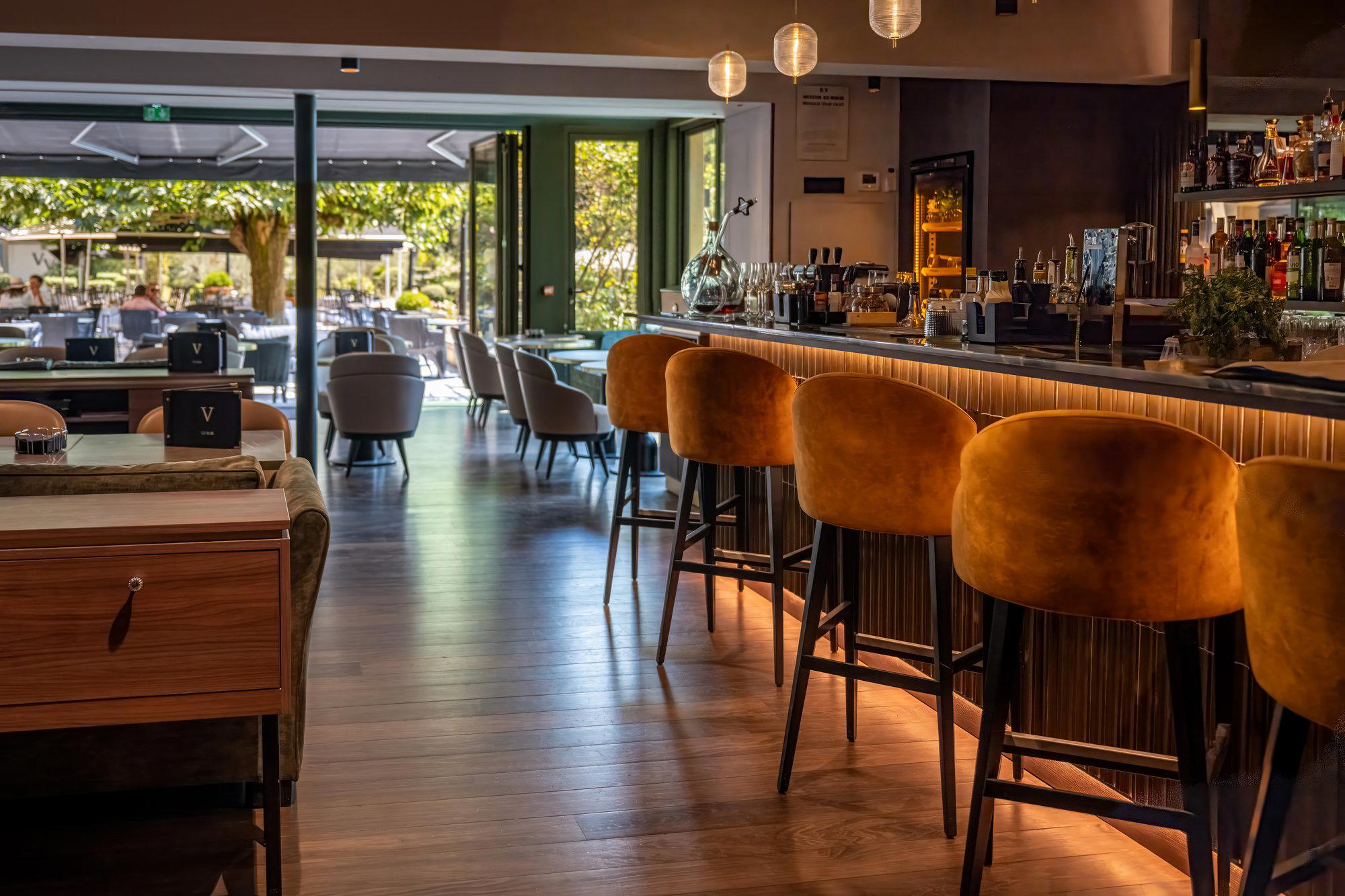
Hotels in Caromb
Browse all →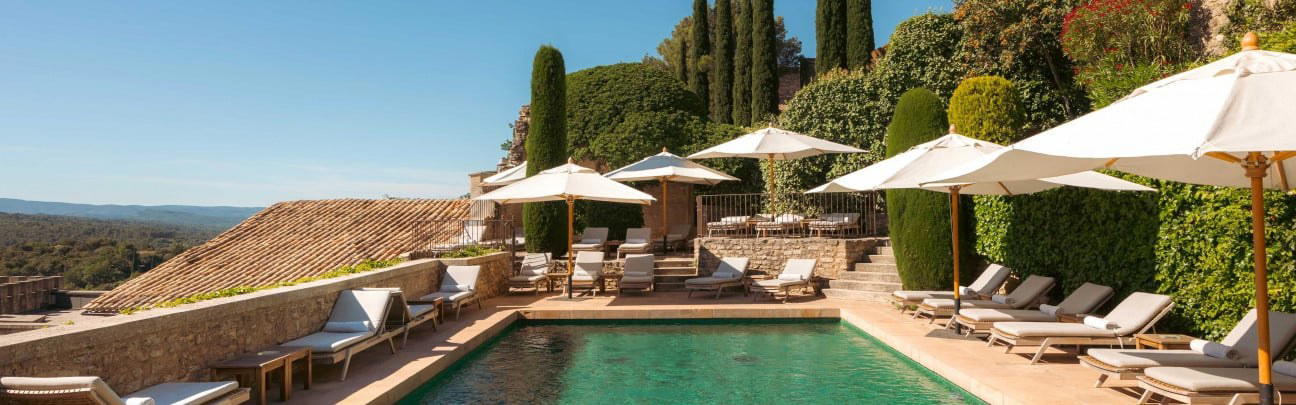
At a Glance
- Rustic
- Cozy
- Intimate
- Elegant
- Date Night
- Family
- Casual Hangout
- Terrace
- Historic Building
- Extensive Wine List
- Local Sourcing
- Mountain
Current opening hours
- Monday
- 7:30–9 PM
- Tuesday
- Closed
- Wednesday
- Closed
- Thursday
- 7:30–9 PM
- Friday
- 7:30–9 PM
- Saturday
- 12–2 PM, 7:30–9 PM
- Sunday
- 12–2 PM, 7:30–9 PM
Hours can change for holidays and private events. Last verified .
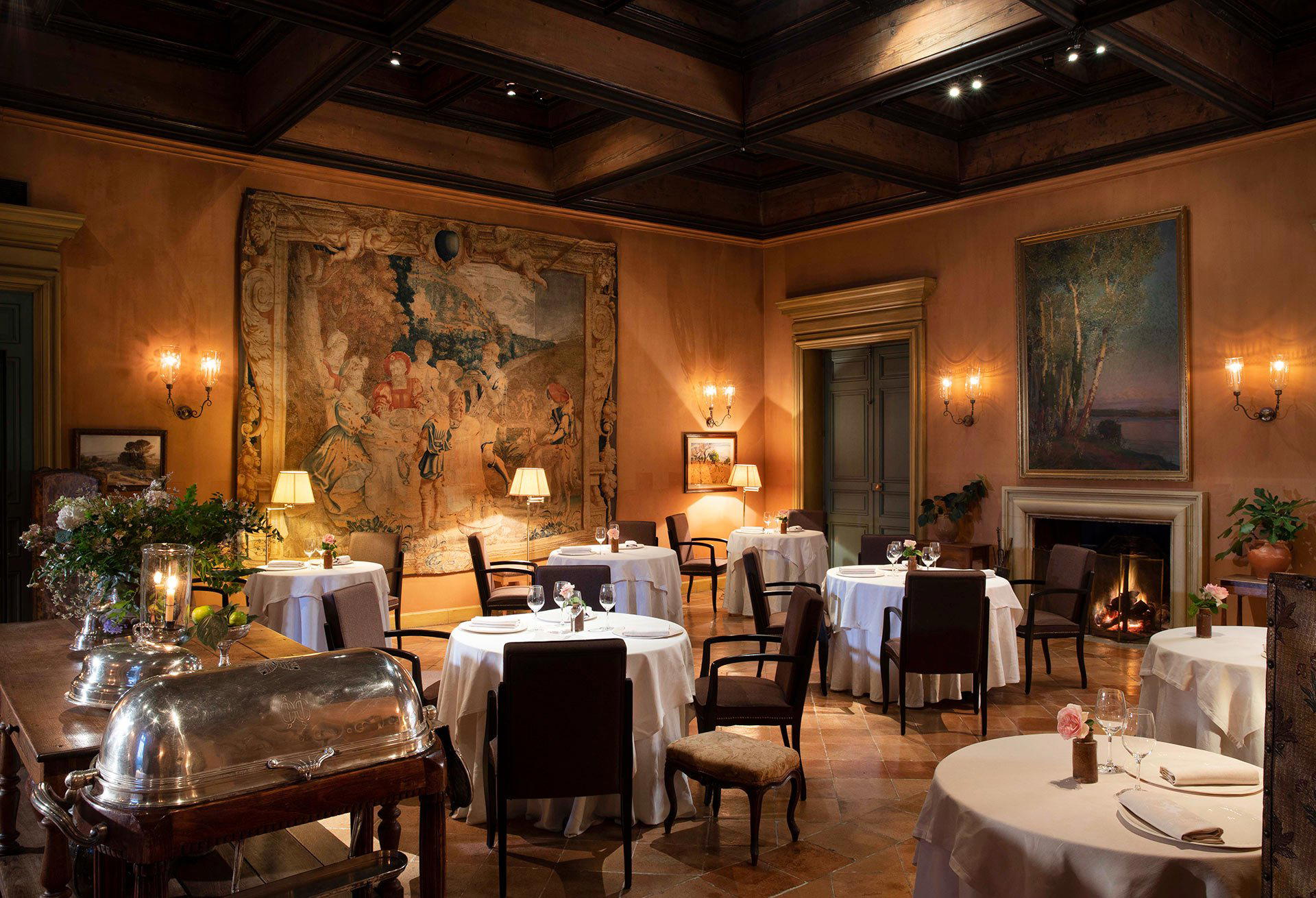
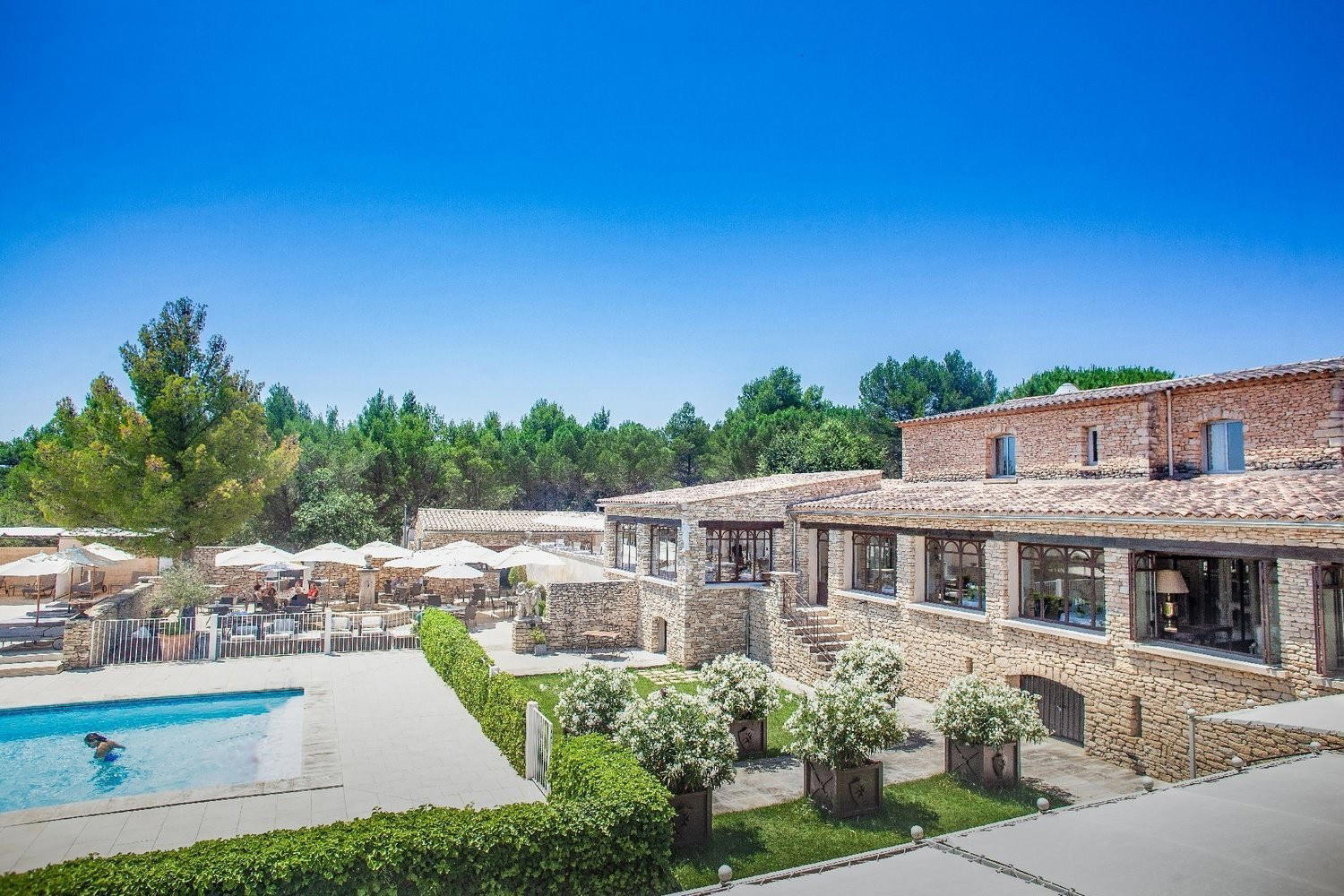
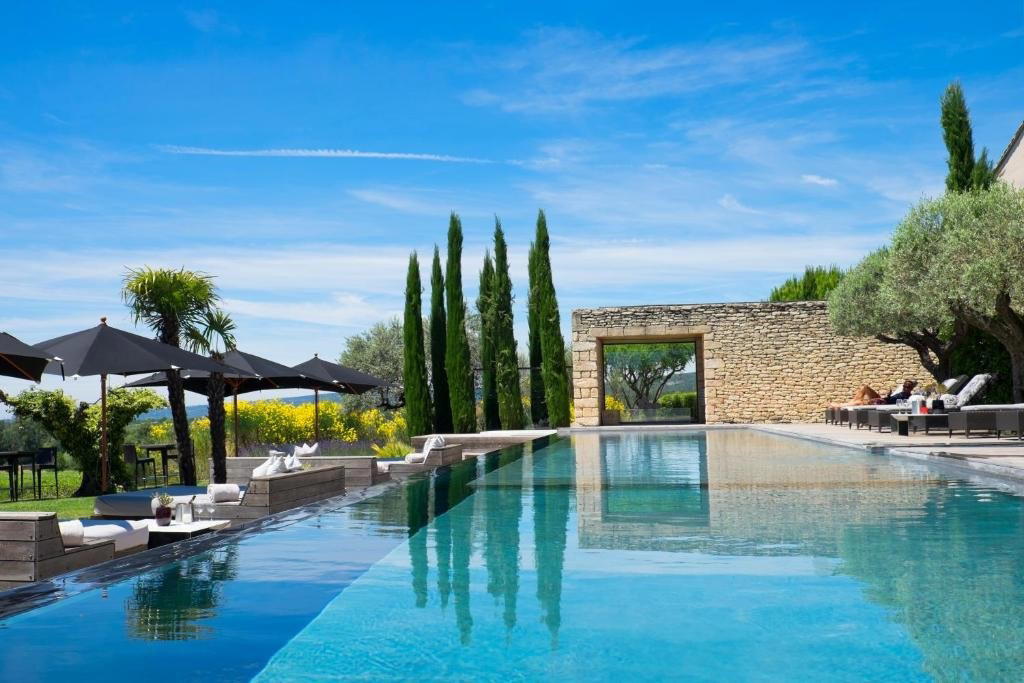
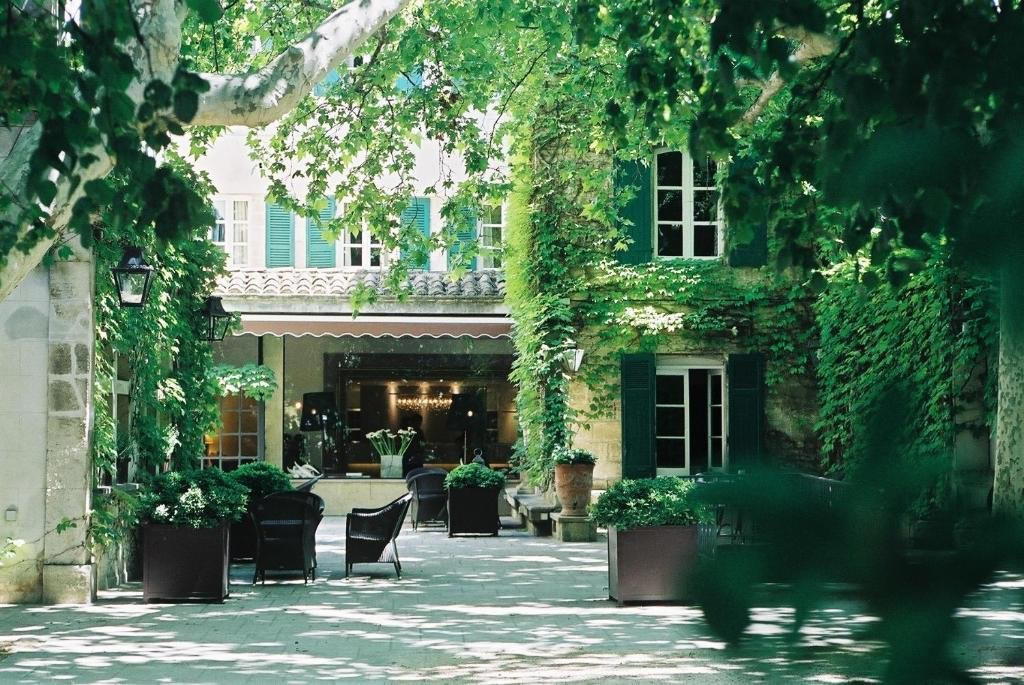
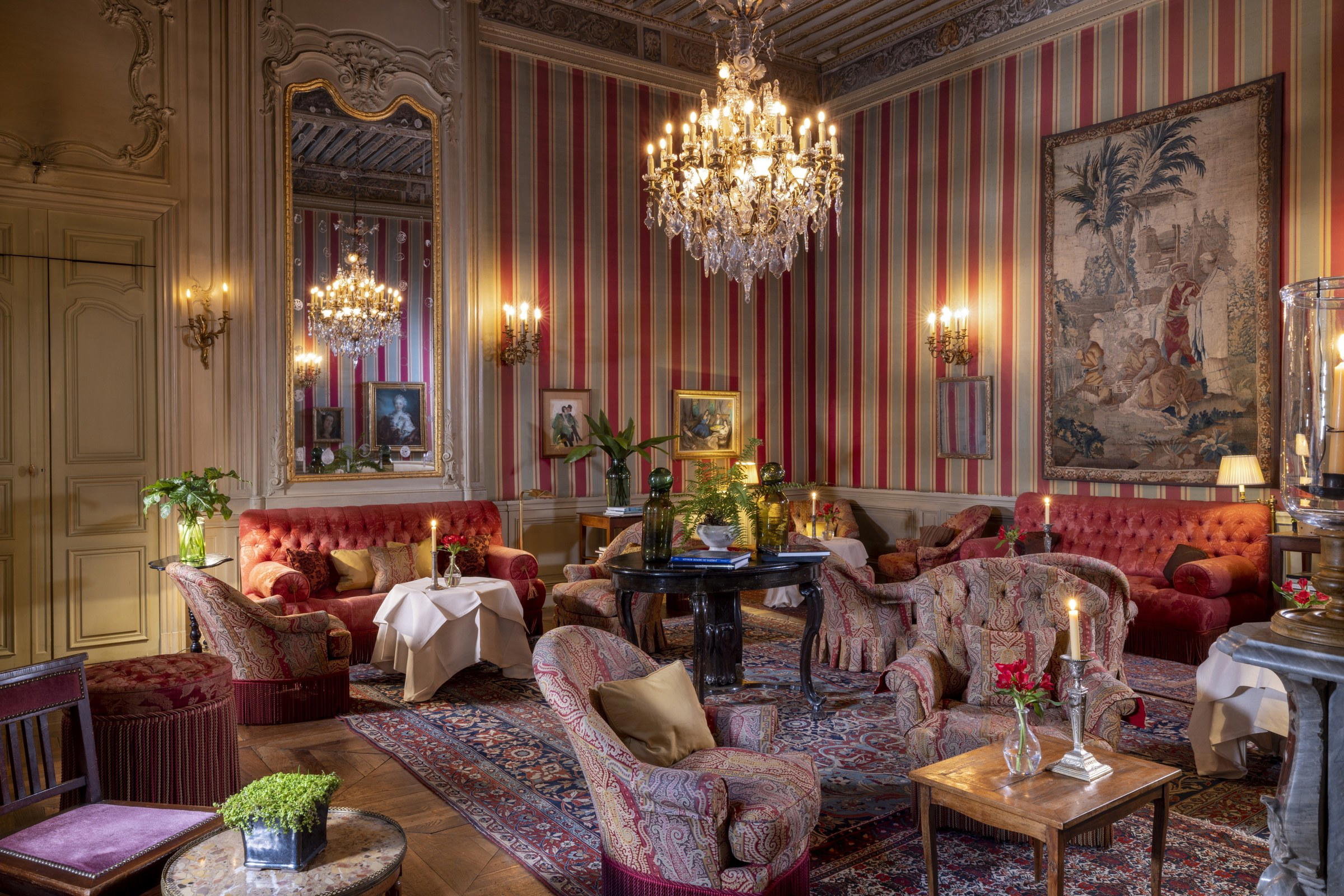
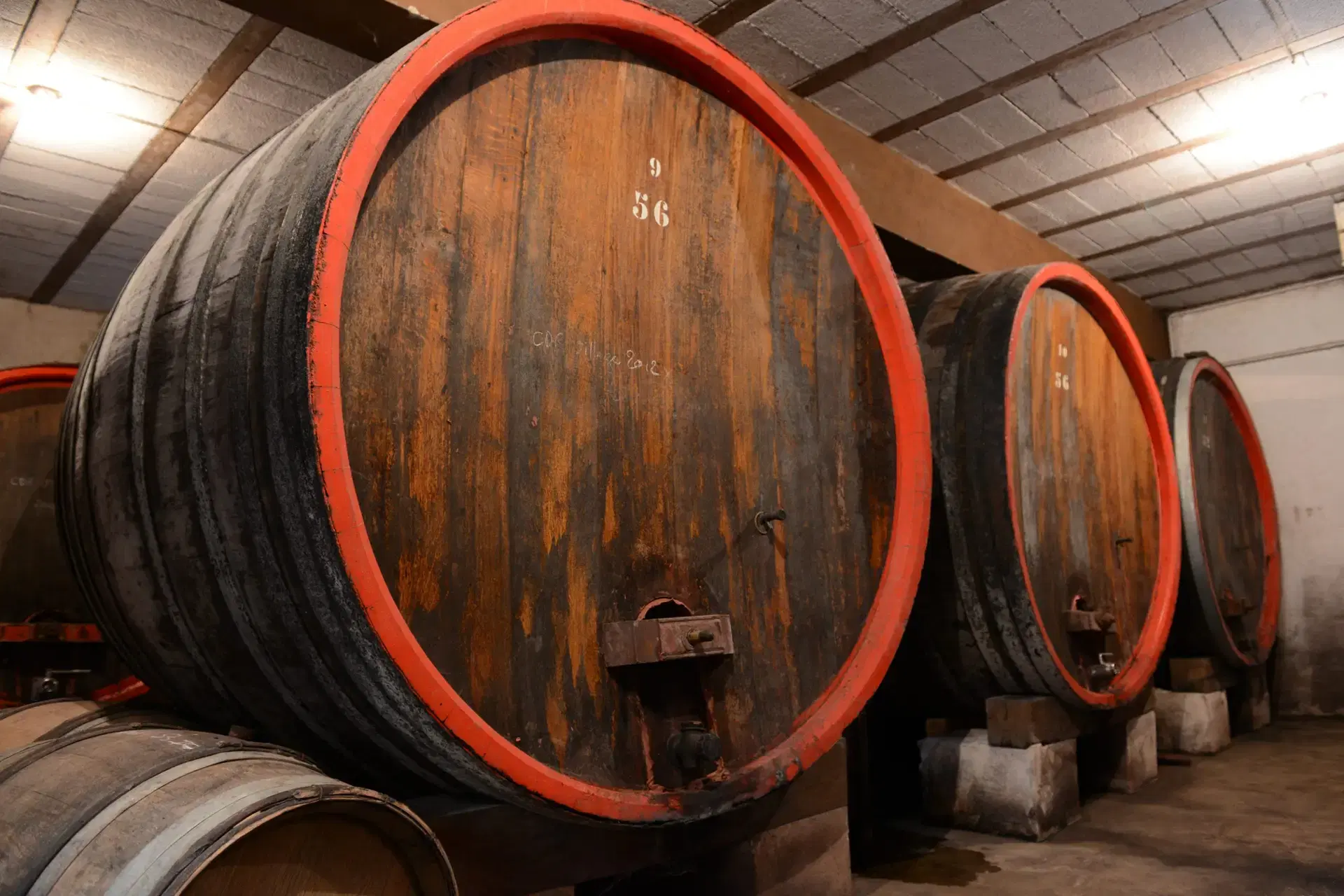
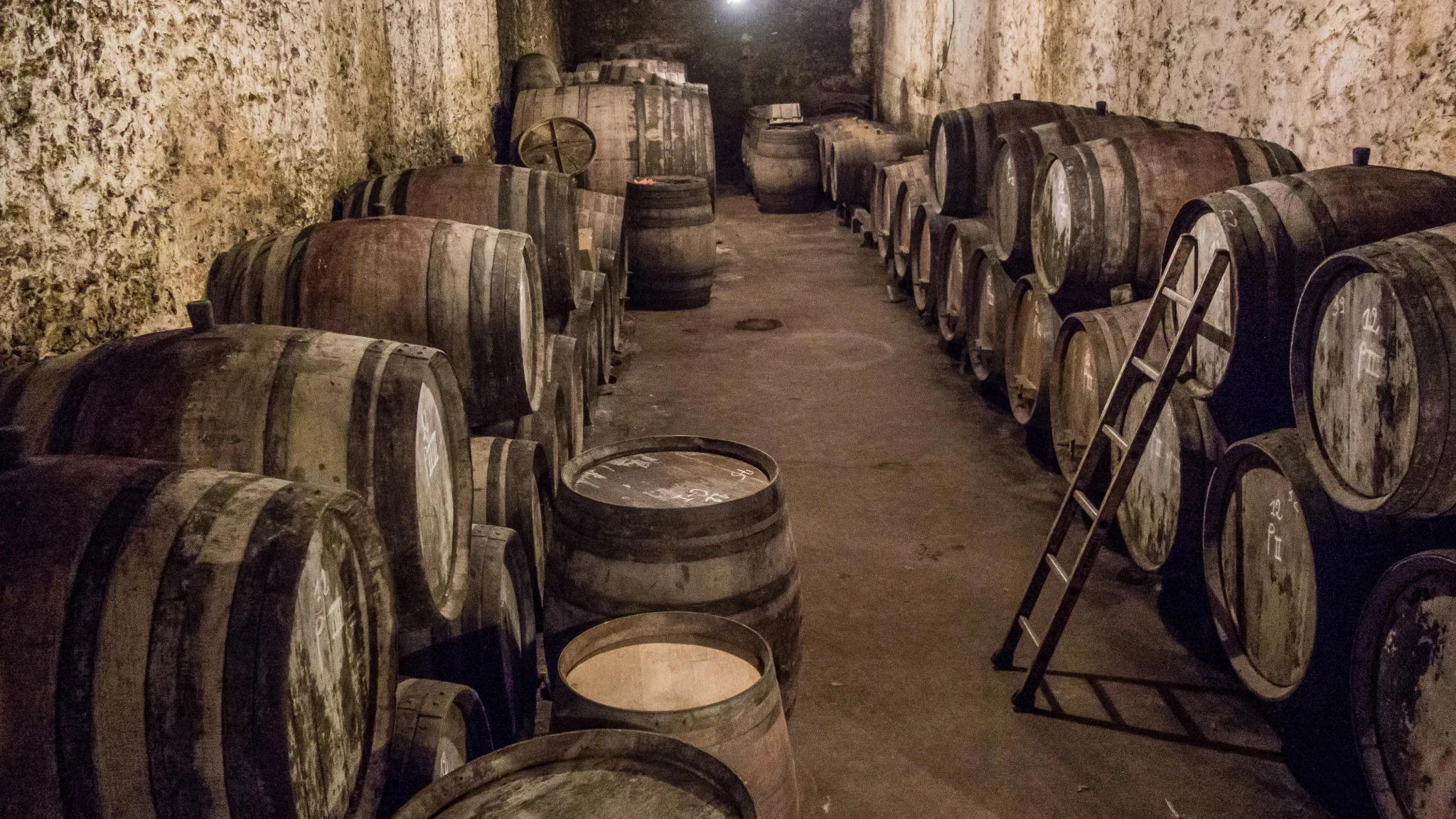
Warm atmosphere with exposed stones, wooden beams, and careful decoration in an intimate, atypical setting.