Aigo Blanco
Our verdict
In the old town of Forcalquier, Aigo Blanco sits on Rue Vieille as one of the Haute-Provence addresses worth tracking for travelers moving through the region's lavender-and-limestone interior. The kitchen draws on the Luberon and Verdon sourcing tradition that defines serious cooking in this part of southern France, placing it in a distinct tier from the tourist-facing restaurants surrounding the weekly market square.

Pearl is the En Primeur Club membership app, where members save venues, book tables and use the concierge.
The menu
What to order
- Foie gras salad
- Raclette
- Entrecote
- Profiteroles
Forcalquier's Old Town and the Case for Provençal Sourcing
The approach to Forcalquier's medieval core along Rue Vieille tells you something about the town's relationship with its own food culture. This is not a village that performs Provence for visitors, the Monday market draws professional buyers from across the Alpes-de-Haute-Provence, and the farms supplying the region's kitchens are close enough that traceability is a practical fact rather than a marketing gesture. Aigo Blanco occupies that setting on Rue Vieille, 04300 Forcalquier, and the address alone locates it within walking distance of the old town's covered market infrastructure and its supply chains. For the full picture of what the town's dining scene offers, our full Forcalquier restaurants guide maps the range from casual to considered.
The restaurant's name offers its own geographic signal. Aigo boulido, garlic-and-sage broth, is one of the oldest preparations in Provençal farmhouse cooking, a dish so fundamental to the region that it appears in the local proverb: aigo boulido sauto la vido, roughly, this broth saves lives. A name in that register is not coincidental. It positions the kitchen within a specific culinary tradition: one rooted in the thyme-covered garrigues, the olive groves below the Luberon, and the livestock farming of the Verdon plateau, rather than in the globalized Mediterranean register that dominates coastal Provence.
What Sourcing Means in Haute-Provence
Southern French cooking at the serious end of the spectrum has always been an argument about ingredients before it is an argument about technique. The kitchens that earn lasting reputations in this tier, from L'Oustau de Baumanière in Les Baux to La Table du Castellet in Le Castellet, build their authority on demonstrable relationships with regional producers. In Haute-Provence specifically, that means lavender honey from the Valensole plateau, lamb from the Sisteron AOC, spelt from the ancient fields around Montagne de Lure, and early-season vegetables from the market gardens of the Durance valley. These are not interchangeable with Côte d'Azur produce; the altitude, the continental temperature swings, and the limestone soils produce flavor profiles that coastal kitchens actively seek to import. A restaurant working from Rue Vieille in Forcalquier has direct access to that supply without the freight cost or the lag in freshness that penalizes the coastal addresses.
This is the structural advantage that smaller, inland addresses in Provence hold over better-known names with more convenient coastal positioning. Mirazur in Menton, operating at the very best of the region's price and recognition tier, has spent years building supply relationships that replicate the kind of terroir access that a Forcalquier kitchen has by default. The comparison is instructive not because these restaurants compete directly, they do not, but because it clarifies the genuine sourcing advantage that an inland Haute-Provence address carries.
Beyond Provence, France's tradition of destination restaurants anchored in rural sourcing is long and well-documented. Bras in Laguiole built its reputation specifically around Aubrac plateau ingredients. Auberge du Vieux Puits in Fontjoncouse draws from the Corbières in a comparable relationship between kitchen and immediate landscape. Flocons de Sel in Megève operates within the logic of Alpine micro-seasons. In each case, the restaurant's authority derives from where it sits in relation to its supply, not from urban proximity or tourist-route positioning.
The Forcalquier Context and the Old Town Dining Tier
Forcalquier sits at roughly 550 meters altitude between the Luberon and the Verdon Gorge, a position that makes it a natural waypoint for travelers moving between Aix-en-Provence and the high Provence interior. The town is neither remote enough to be inconvenient nor visible enough to be oversaturated with tourism-facing dining. That middle position sustains a small but coherent serious-dining tier alongside the market-day café culture that defines the town's public rhythm.
Within that tier, Aigo Blanco sits alongside FIGURE D'ANCHOIS as one of the old town addresses worth planning around rather than stumbling upon. The comparison with France's bigger-name destination houses, Auberge de l'Ill in Illhaeusern, Maison Lameloise in Chagny, or Georges Blanc in Vonnas, is one of format and scale rather than ambition. Those are multi-decade institutions built around destination dining infrastructure. Aigo Blanco operates within Forcalquier's more compressed dining economy, where the stakes are lower but the sourcing proximity is real.
Travelers arriving from Aix-en-Provence (roughly 75 kilometers to the southwest) or from Manosque to the south will find the old town navigable on foot once parked. Forcalquier's market square and the streets radiating from it, including Rue Vieille, are pedestrian-oriented, which matters for any kitchen that benefits from direct market access on the town's Monday market days.
Planning a Visit
Forcalquier's Monday market is the regional anchor event and draws visitors from across the Alpes-de-Haute-Provence; arriving on or around that day adds logistical context to any meal in the old town. Price range and reservation method are similarly unconfirmed, and the practical details below should be treated as orientation points rather than guarantees.
Frequently asked questions
Where exactly is Aigo Blanco?
Aigo Blanco is located at Rue Vieille, 04300 Forcalquier, France, Forcalquier.
Is Aigo Blanco a good restaurant to visit on a Luberon or Verdon Gorge road trip?
Forcalquier sits at the geographic junction between the Luberon, the Verdon Gorge, and the Durance valley, making Rue Vieille a practical midday or evening stop for travelers on that circuit. Aigo Blanco's positioning in the old town, alongside the reference its name makes to Haute-Provence cooking traditions, suggests it fits a traveler looking for a regionally grounded meal rather than a service-station Provence formula.
What's the best thing to order at Aigo Blanco?
The name itself is a signal: aigo blanco is a classic Provençal garlic and olive oil broth, which points toward a kitchen grounded in Haute-Provence tradition rather than tourist-facing Mediterranean generalism. That framing suggests the kitchen leans on regional sourcing from the plateau and valley producers around Forcalquier. Verify current offerings before visiting.
How hard is it to get a table at Aigo Blanco?
As a general pattern in Forcalquier's old town dining tier, the better-regarded addresses on streets like Rue Vieille fill quickly during the summer market season and long weekends. Traveling between July and August without a reservation carries real risk at this altitude and profile. Planning ahead by at least a week is a reasonable default.
What makes Aigo Blanco worth seeking out?
The address on Rue Vieille places Aigo Blanco inside Forcalquier's medieval core, a town that sits at around 550 metres between the Luberon and the Verdon Gorge and has a weekly market with a serious regional following. The name references a specific Provençal cooking tradition, which positions this as a kitchen with a point of view on Haute-Provence ingredients rather than a catch-all Provence menu. That specificity, in a town of this scale, is not common.
Comparable Spots, Quickly
| Venue | Cuisine | Price | Awards | Notes |
|---|---|---|---|---|
| Aigo BlancoThis venue (the venue you are viewing) | French Bistro | $20–30 | Not listed | Not listed |
| Mirazur | Modern French Fine Dining | $300–500 | 3 Michelin Stars · World's 50 Best #1 | Modern French, Creative |
| Alléno Paris au Pavillon Ledoyen | Modern French Fine Dining | $150–200 | 3 Michelin Stars · World's 50 Best #79 | Creative |
| Kei | Modern French with Japanese Influences | $300–500 | 3 Michelin Stars · World's 50 Best #93 | Contemporary French, Modern Cuisine |
| L'Ambroisie | Classic French Haute Cuisine | $300–500 | 2 Michelin Stars · World's 50 Best #23 | French, Classic Cuisine |
| Le Cinq - Four Seasons Hôtel George V | Modern French Fine Dining | $300–500 | 3 Michelin Stars · World's 50 Best #24 | French, Modern Cuisine |
Continue exploring
More in Forcalquier
Restaurants in Forcalquier
All restaurants in Forcalquier →
Bars in Forcalquier
Browse all →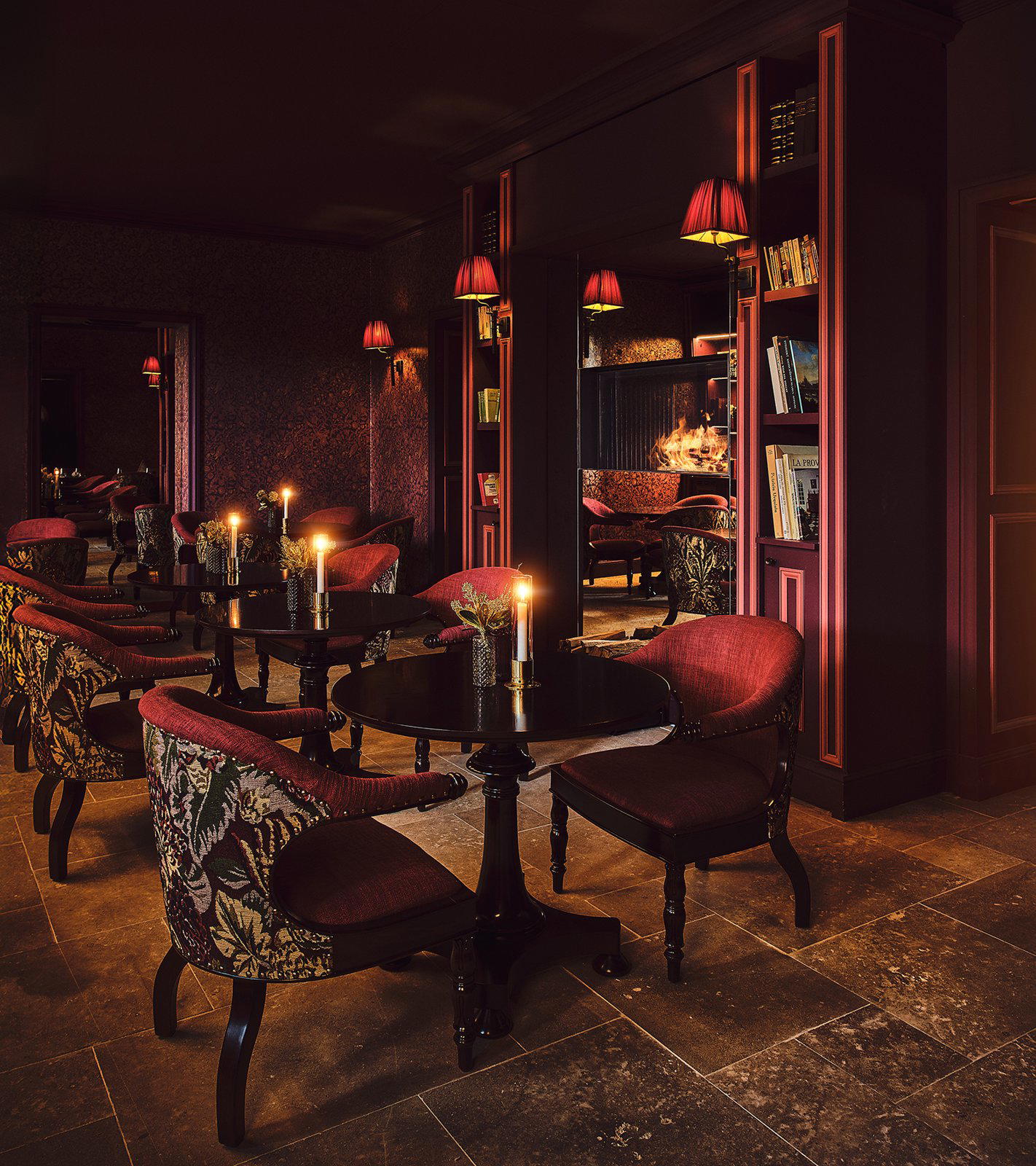


Details
- Lively
- Rustic
- Cozy
- Casual Hangout
- Family
- Terrace
- Local Sourcing
- Street Scene
- A La Carte
- Vegetarian Friendly
Current opening hours
- Monday
- 11:30 AM–2 PM, 7–10 PM
- Tuesday
- 12–2 PM, 7–10 PM
- Wednesday
- 12–2 PM, 7–10 PM
- Thursday
- 12–2 PM, 7–10 PM
- Friday
- 12–2 PM, 7–10 PM
- Saturday
- 12–2 PM, 7–10 PM
- Sunday
- 12–2 PM, 7–10 PM
Hours can change for holidays and private events. Hours as of .
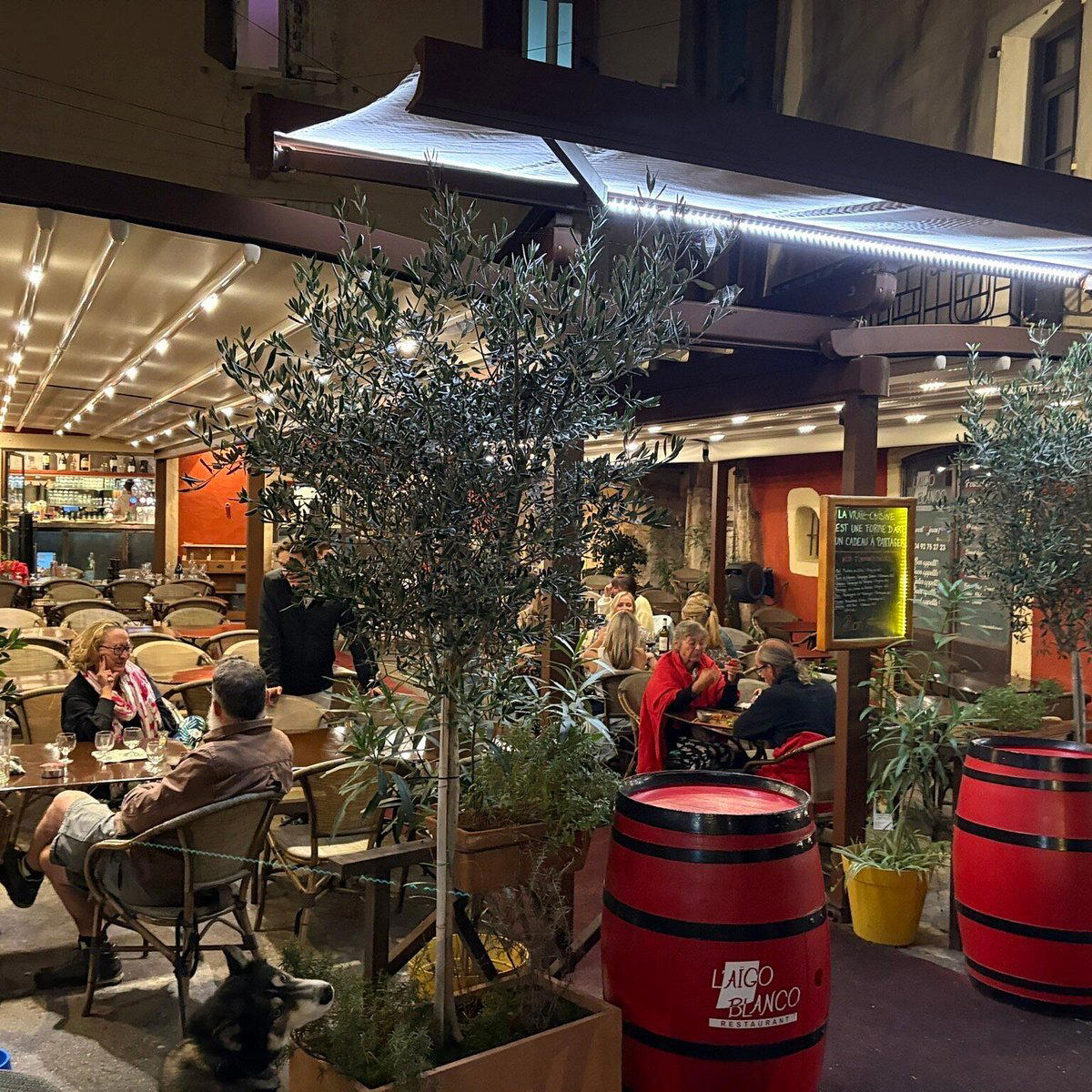
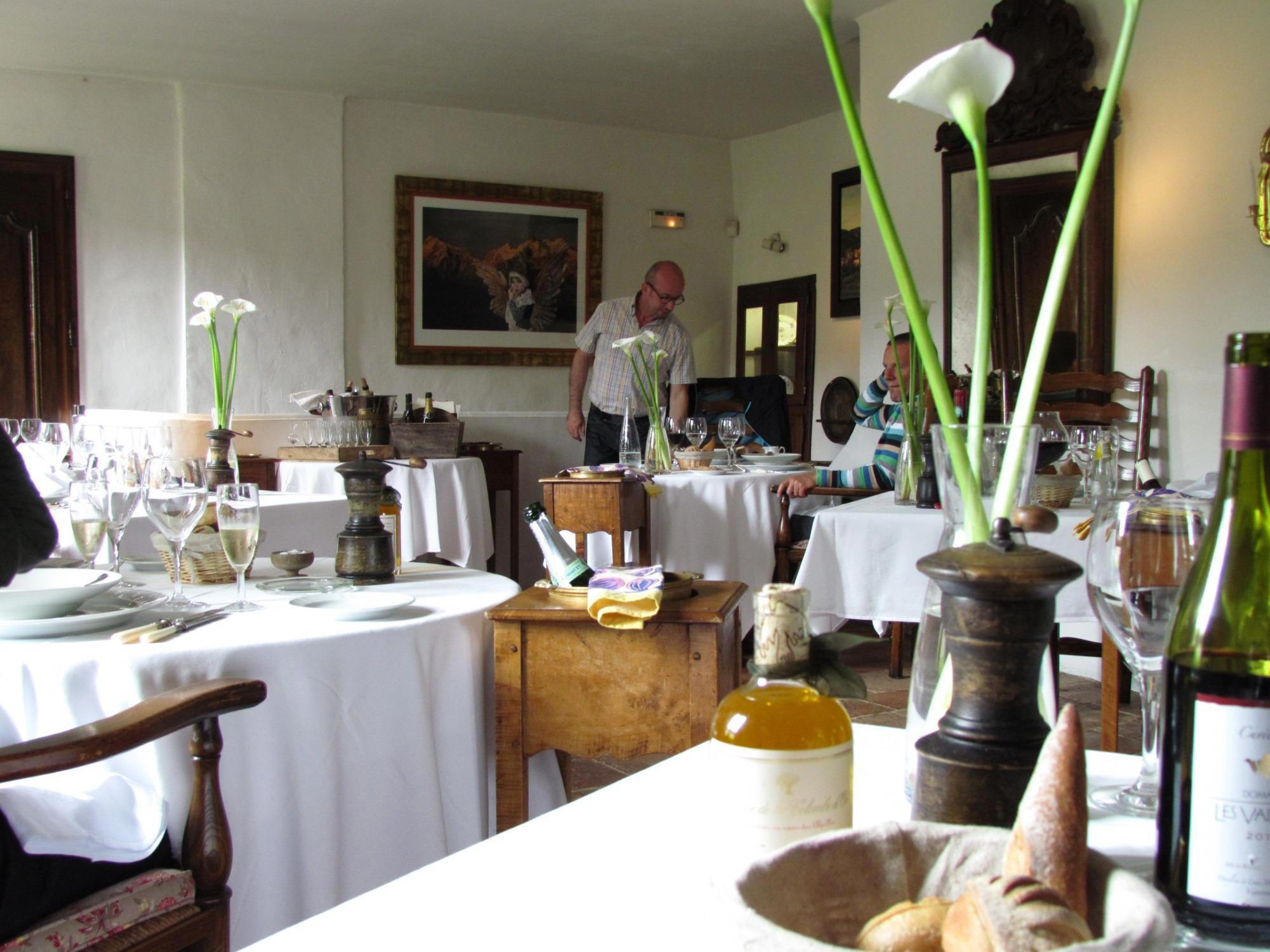
Lively atmosphere with beautiful Provencal decor, relaxed terrace seating, and a warm, bustling vibe in the heart of the old town.