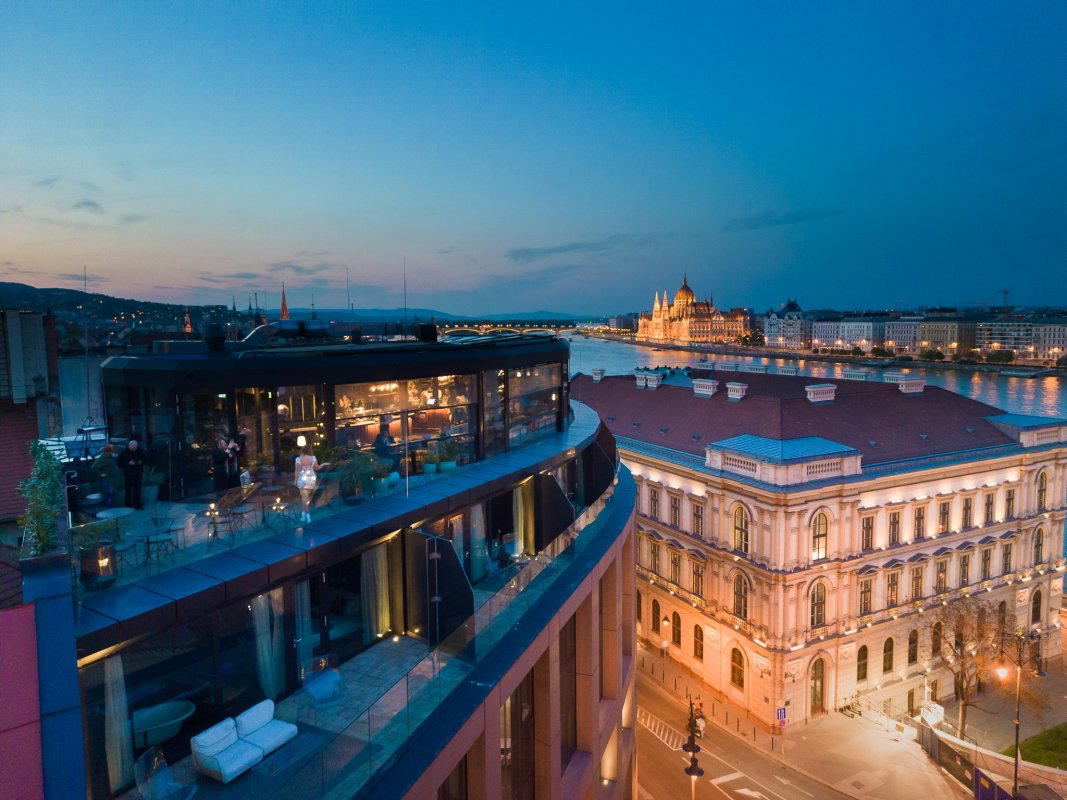
Positioned at Clark Ádám tér on the Buda side of the Chain Bridge, LEO Bistro occupies one of Budapest's more charged intersections between the city's fine-dining ambitions and its neighbourhood bistro tradition. The address alone places it within reach of both the Danube embankment and the Castle District, making it a reference point for visitors and residents tracking the evolution of Budapest's mid-to-upper dining tier.
 Discover on Pearl
Pearl is the En Primeur Club membership app — saves, bookings, and concierge access live there. Same editors, same standards.
- Address
- Budapest, Clark Ádám tér 1, 1013 Hungary
- Phone
- +36709446315
- Website
- leobudapest.hu
The Address and What It Signals
Clark Ádám tér sits at the Buda foot of the Chain Bridge, a square that most visitors cross through rather than pause at. That positioning matters for LEO Bistro. In a city where the dining conversation has historically concentrated on Pest, a well-regarded address on the Buda side carries a different kind of weight: it draws on foot traffic from one of Budapest's most visited corridors while serving a local clientele that tends to be more residential, less tourist-driven. The dynamic shapes the room's character before the first course arrives.
Budapest's restaurant scene has matured considerably over the past decade. The city now holds multiple Michelin-starred operations, among them Costes and Stand, and a wider tier of serious bistros operating just below that recognition level. LEO sits in that broader conversation, in a city where the gap between ambitious bistro cooking and formal tasting-menu restaurants has narrowed considerably.
The Rhythm of a Meal Here
In Central European bistro culture, the meal tends to follow a particular cadence: unhurried, structured around two to three courses, with the expectation that the table is yours for the evening rather than a slot to be recycled. This is not the quick-service model of Western European bistros operating under commercial pressure. Budapest's better mid-tier restaurants have preserved the older European convention of the long lunch and the deliberate dinner, and LEO's Clark Ádám tér location reinforces that orientation, the square is not a destination for people in a hurry.
That pacing has specific implications for how to approach the booking and the meal itself. Arriving with a clear sense of how much time you want to spend is more useful than trying to rush through courses. The bistro format, as practised across Budapest's better neighbourhood establishments, rewards the guest who treats the meal as the event rather than a precursor to one. Comparable approaches to this kind of considered mid-evening pacing can be found at Borkonyha Winekitchen, where the wine programme and course structure are similarly designed around the extended table.
Budapest's Bistro Tier: Where LEO Sits
The city's dining structure has developed a recognisable shape. At the leading end, operations like Babel and essência operate in the €€€€ bracket with tasting menus and formal service. Below that, a productive mid-tier has emerged that takes the kitchen seriously without the ceremony of a full fine-dining format. This is the tier where bistro cooking in Budapest has become genuinely interesting, drawing on Hungarian ingredient traditions while absorbing technique from the broader European canon.
LEO operates within that mid-tier context. The bistro label in Budapest no longer signals a casual fallback; it describes a deliberate format choice, one that prioritises accessibility of experience over the choreography of a tasting counter. For travellers comparing options at the upper end of the €€€ range, the relevant comparable set includes places like Borkonyha for wine-focused modern Hungarian, or the more creative formats further into Pest. The distinction between these venues is less about quality ceiling and more about format preference and the kind of evening you want to construct.
The Hungarian Kitchen as Context
To understand what a Budapest bistro is working with, it helps to understand what Hungarian cooking actually is at its better end. The popular shorthand of paprika and goulash is real but reductive. The Hungarian larder includes exceptional freshwater fish from Lake Balaton and the Tisza, wild game from the eastern plains, serious cold-cut and charcuterie traditions, and a produce calendar that runs from white asparagus in spring through to autumn mushroom and truffle seasons. Budapest's better bistros, particularly those operating in the post-2010 generation of restaurants, have treated these ingredients as material worth taking seriously rather than as folklore to be reproduced.
That broader movement across Hungarian regional cooking is worth tracking even beyond Budapest. Platán Gourmet in Tata, Pajta in Őriszentpéter, and Aranysárkány Vendéglő in Szentendre each represent regional expressions of Hungarian cooking that sit outside the capital but connect to the same broader conversation about what the country's kitchen can do at its most considered.
Planning Your Visit
LEO Bistro's location at Clark Ádám tér places it within easy reach of the Chain Bridge, the Castle funicular, and the Buda embankment walk along the Danube. For visitors based in Pest, the bridge crossing itself takes under ten minutes on foot, making this a practical choice for dinner without requiring a taxi or metro. The square is also a tram interchange, served by lines running along the Buda riverside, which simplifies both arrival and departure.
Given the bistro's position in Budapest's mid-to-upper dining tier, it is worth booking ahead rather than walking in speculatively, particularly on Thursday through Saturday evenings. Budapest's better bistros in this tier tend to fill early in the week as well during peak tourist season (May through September) and around major events.
For those building a wider Hungary itinerary, the dining options beyond Budapest cover considerable range. BoriMami in Gyöngyös, Forst-Ház Étterem és Kávézó in Eger, and Halasi Pince Panzió in Villány each represent a different register of Hungarian hospitality outside the capital. Further afield, Classic Grill Serbian Restaurant Underground in Szeged and Astro Tea & Kávéház in Gyor extend the picture into Hungary's regional cities. Additionally, La Pizza Del Lupo in Onga and Almalomb in Hosszúhetény round out the regional picture for those moving through rural Hungary.
Cuisine and Recognition
Comparable venues nearby, for context on price, style, and recognition.
| Venue | Cuisine | Price | Awards | Notes |
|---|---|---|---|---|
| LEO BistroThis venue — the venue you are viewing | Modern Hungarian Bistro | $$$ | , | |
| Larus | Seasonal European Bistro with Hungarian influences | $$$ | , | Martonhegy |
| Türkiz Budapest | Authentic Turkish | $$$ | , | Varhegy |
| ESCA. | Modern Hungarian with Nordic influences | $$$ | , | Pest |
| Déryné | Modern Hungarian Bistro with French Influences | $$$ | , | Krisztina körút |
| Riso Ristorante & Terrace | Traditional Italian with Risottos and Pizzas | $$$ | , | Varhegy |
Continue exploring
More in Budapest
Restaurants in Budapest
Browse all →
Bars in Budapest
Browse all →
Hotels in Budapest
Browse all →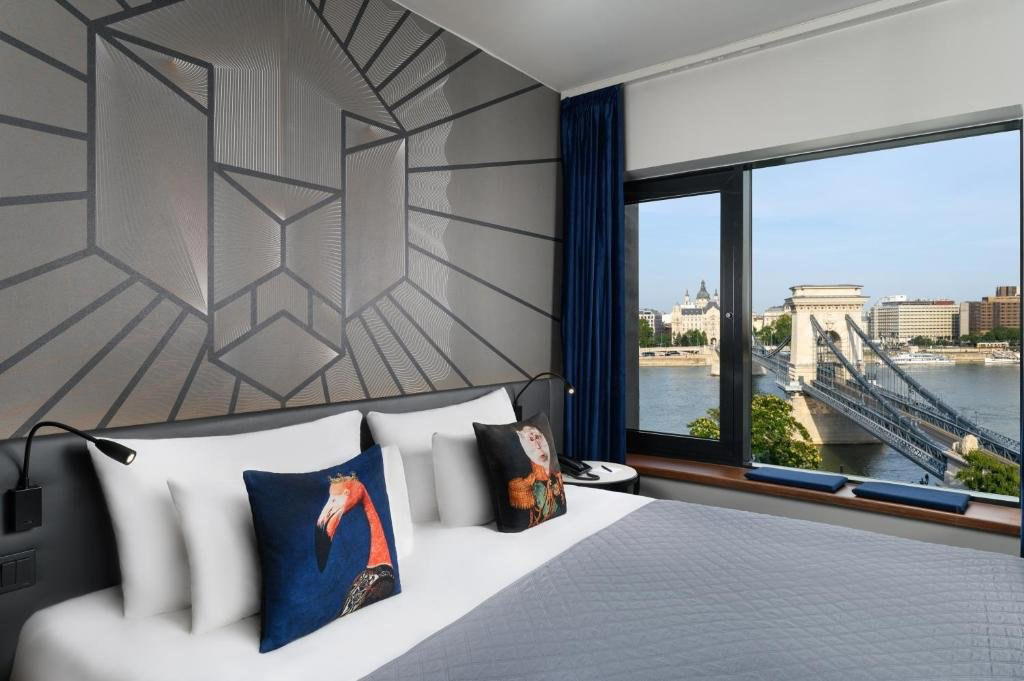
At a Glance
- Cozy
- Bohemian
- Elegant
- Brunch
- Date Night
- Special Occasion
- Terrace
- Hotel Restaurant
- Craft Cocktails
- Local Sourcing
- Street Scene
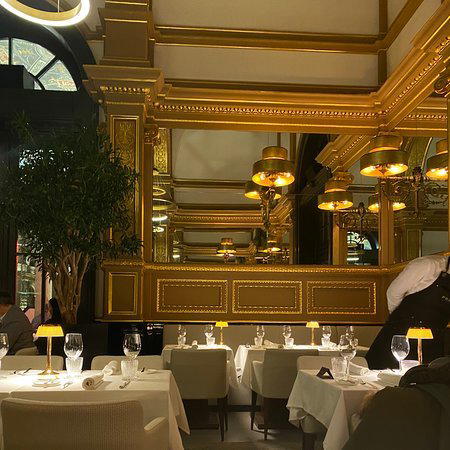
Bohemian atmosphere with cozy dinners and a mesmerising view of Budapest's Chain Bridge.