On Dohány utca in Budapest's VII. district, ESCA. occupies a stretch of the city where the pace of a meal matters as much as the plate. The address places it within walking distance of the ruin bar belt yet operates at a register that belongs to a different conversation, one about ritual, sequence, and the disciplined pleasures of a considered dining room.
Pearl is the En Primeur Club membership app — saves, bookings, and concierge access live there. Same editors, same standards.
- Address
- Budapest, Dohány u. 29, 1074 Hungary
- Phone
- +36302462167
- Website
- restaurantesca.com
- Directions
- Get directions
 Saves & bookings on Pearl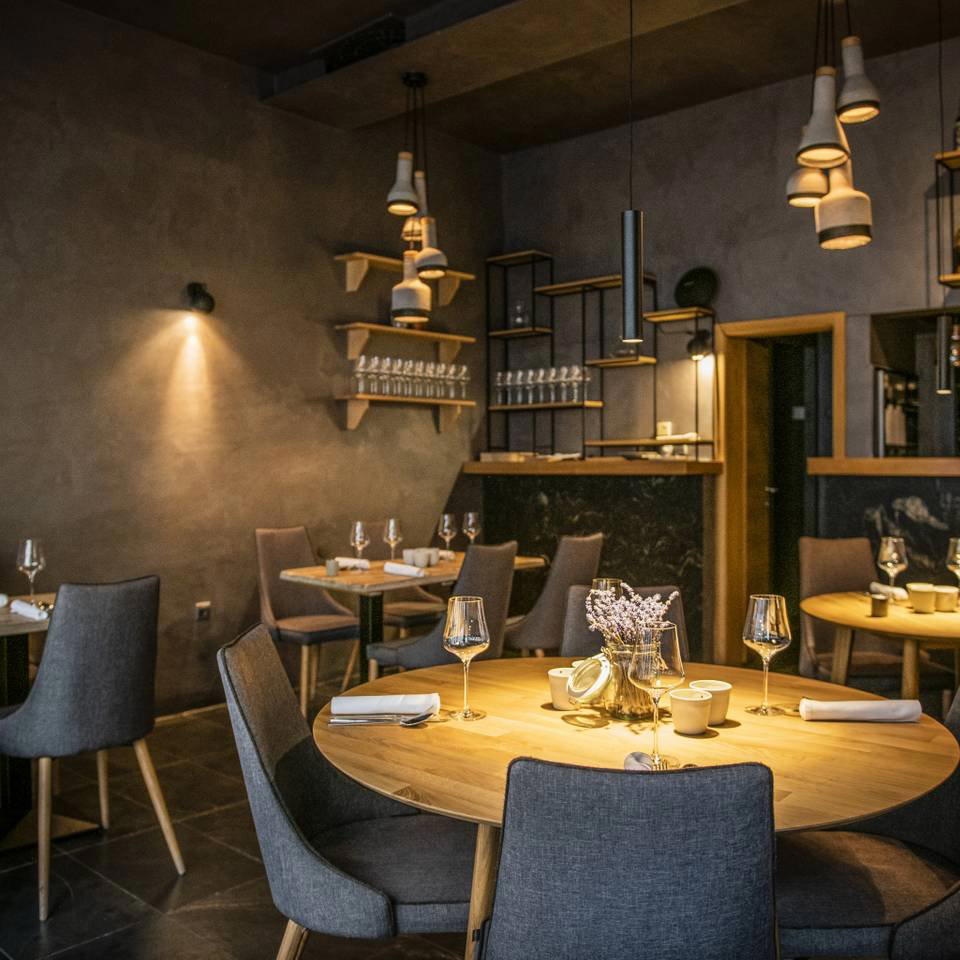
Where the VII. District Slows Down
Budapest's VII. district runs two speeds simultaneously. On one frequency, it is the city's most visited nightlife corridor, a neighbourhood defined by the sprawling courtyard bars that drew a generation of low-cost travellers and cemented the city's reputation as a party destination. On the other, quieter frequency, it is also a district with genuine residential texture, early-twentieth-century apartment blocks, and a scattering of restaurants that ask more of a guest than a table and a menu. ESCA. at Dohány utca 29, occupies that second frequency. The address sits close enough to Deák Ferenc tér to be central without being touristic, and the physical approach, along a street that mixes the functional with the atmospheric, signals that what follows operates at a different register from the neighbourhood's louder offering.
The Ritual of the Meal in Budapest's Fine-Dining Tier
Hungarian fine dining has, over the past decade, developed a coherent set of conventions around how a serious meal is meant to unfold. Pacing is deliberate. The sequence of courses carries weight. There is an expectation, shared across the city's upper-tier restaurants, that a guest arrives with time rather than appetite alone. This is a tradition that connects Budapest to the broader Central European table, to the Viennese notion of the meal as an event, and it distinguishes the city's serious rooms from the faster, more transactional dining that dominates in tourist-adjacent postcodes.
ESCA. sits inside that tradition. The address on Dohány utca is relevant not just geographically but contextually: it places the restaurant in Budapest's VII. district, near the city's cultural and historic core, in a part of the quarter that retains traces of the pre-war Jewish quarter and has since absorbed successive waves of renewal. To dine here is to participate in a meal format that the city's most ambitious kitchens have been refining since Costes first introduced Budapest to the tasting-menu format and since Borkonyha Winekitchen demonstrated that wine-forward, multi-course formats could attract sustained international recognition.
A Competitive Set That Raises the Stakes
The Budapest fine-dining tier is more compressed than its counterpart in Paris or Copenhagen, but it is not thin. A small group of restaurants, Babel, Stand, essência, and a handful of others at the €€€€ tier, have defined what serious Hungarian cooking can look like when technique and local ingredient sourcing are taken seriously. These rooms have pushed the conversation beyond paprika-led comfort food and into territory where Hungarian produce is treated with the same precision that comparable kitchens in the region, think Platán Gourmet in Tata or Pajta in Őriszentpéter, apply in their respective settings.
ESCA. occupies a position within this conversation. Its Dohány utca address gives it a different neighbourhood profile from the inner-Pest rooms that cluster around the Parliament or the Danube embankment, and that distinction carries editorial weight: restaurants in the VII. district operate with a slightly different guest profile, drawing both those who arrive via the cultural corridor of Andrássy út and those who come from within the district itself. That dual audience shapes expectations in ways that rooms in more monolithically tourist-facing postcodes do not have to manage.
How a Considered Meal Here Is Meant to Work
In rooms at this level across Budapest, the architecture of the meal follows a recognisable logic. A guest does not simply order; they commit to a sequence. Amuse-bouches establish the kitchen's register before anything substantive arrives. Courses are timed to conversation rather than to throughput. Wine is offered as annotation rather than afterthought, a practice that Borkonyha Winekitchen built into its identity and that the better rooms in Budapest have broadly adopted. The parallel in the international frame would be the way Lazy Bear in San Francisco or Le Bernardin in New York City establish a pace that the guest is expected to surrender to, not resist.
At ESCA. the meal is designed to be read as a whole rather than as a set of individual plates. That is the underlying logic of the format, and it asks something specific of the guest: patience, attention, and a willingness to let the kitchen dictate the arc. Guests who arrive with those qualities tend to find that the pacing rewards them. Those who arrive expecting a faster transaction are better directed toward the city's more accessible mid-tier, where rooms like Teyföl in Szentendre or the regional tables at Sauska 48 in Villány offer serious cooking at a less demanding pitch.
Planning a Visit
ESCA. is located at Dohány utca 29, in Budapest's VII. district, a short walk from the Grand Synagogue and within easy reach of multiple metro lines converging at Deák Ferenc tér. Reservations are essential. Rooms at this level in Budapest tend to fill mid-week tables more readily than weekend slots, and the city's dining calendar tightens noticeably during festival periods and the late-autumn season when cultural tourism peaks. Building in lead time of at least two to three weeks for dinner reservations is a reasonable baseline.
How It Stacks Up
Comparable venues nearby, for context on price, style, and recognition.
| Venue | Cuisine | Price | Notes |
|---|---|---|---|
| ESCA.This venue — the venue you are viewing | Modern Hungarian with Nordic influences | $$$ | Not listed |
| Fióka | Modern European Small Plates with Hungarian Influences | $$ | Buda |
| Apacuka | Modern European Fun Dining | $$ | Terézváros |
| Byblos Restaurant | Fine Lebanese and Levantine Cuisine | $$$ | Belvaros |
| Déryné | Modern Hungarian Bistro with French Influences | $$$ | Krisztina körút |
| Sushi Sei | Authentic Japanese Sushi & Sashimi | $$$ | Pasaret |
Continue exploring
More in Budapest
Restaurants in Budapest
Browse all →
Bars in Budapest
Browse all →
Hotels in Budapest
Browse all →

At a Glance
- Intimate
- Minimalist
- Modern
- Elegant
- Date Night
- Special Occasion
- Open Kitchen
- Natural Wine
- Local Sourcing
Current opening hours
- Monday
- Closed
- Tuesday
- Closed
- Wednesday
- Closed
- Thursday
- 4–11 PM
- Friday
- 4–11 PM
- Saturday
- 4–11 PM
- Sunday
- 4–11 PM
Hours can change for holidays and private events. Last verified .
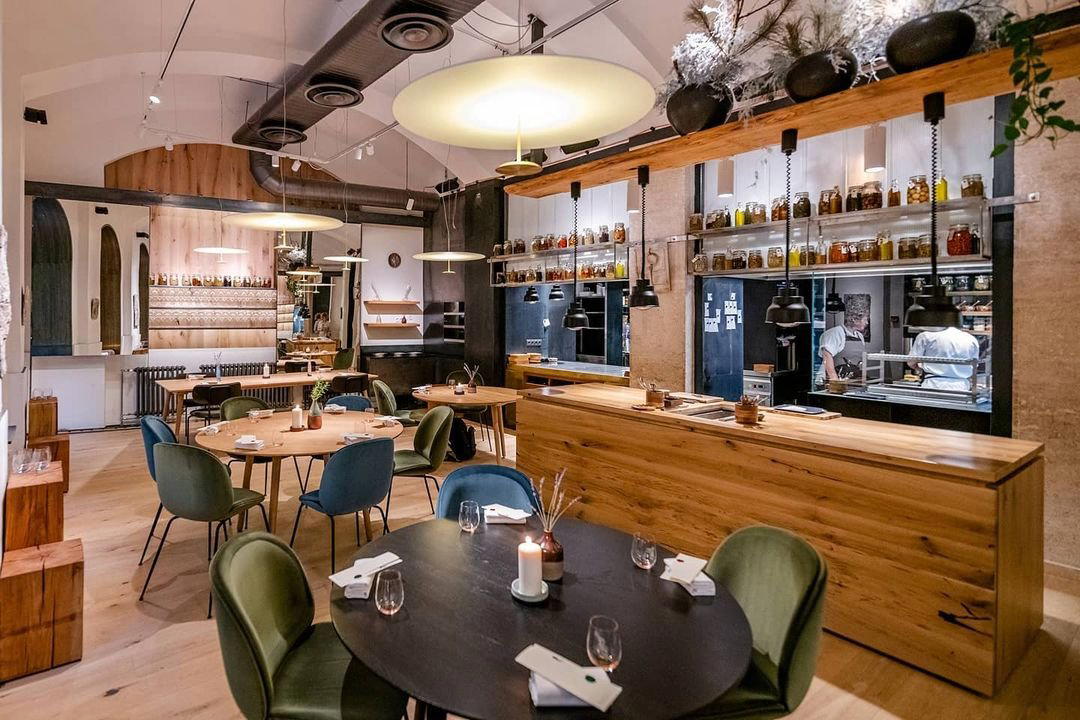
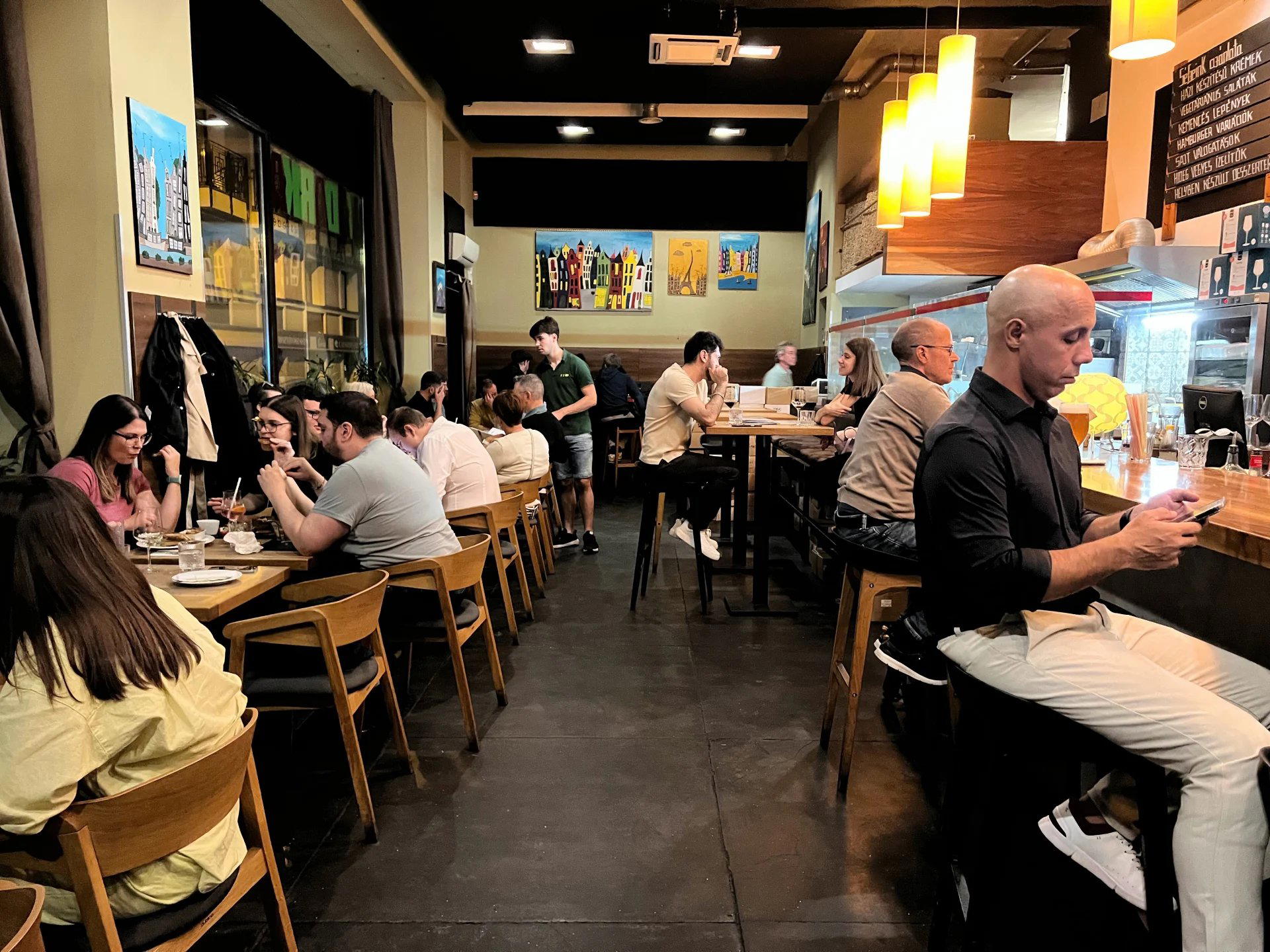
Minimalist Scandinavian-inspired interior with an intimate, relaxed atmosphere around the open kitchen.