Positioned on Lovas út in Budapest's Castle District, Riso Ristorante & Terrace occupies one of the neighbourhood's more considered dining addresses, where the terrace setting does as much work as the kitchen. The venue sits within a Budapest fine-dining tier that has grown considerably more competitive over the past decade, placing it alongside addresses that take both room and plate seriously.
Pearl is the En Primeur Club membership app — saves, bookings, and concierge access live there. Same editors, same standards.
- Address
- Budapest, Lovas út 41, 1012 Hungary
- Phone
- +36703831121
- Website
- riso.hu
- Directions
- Get directions
 Saves & bookings on Pearl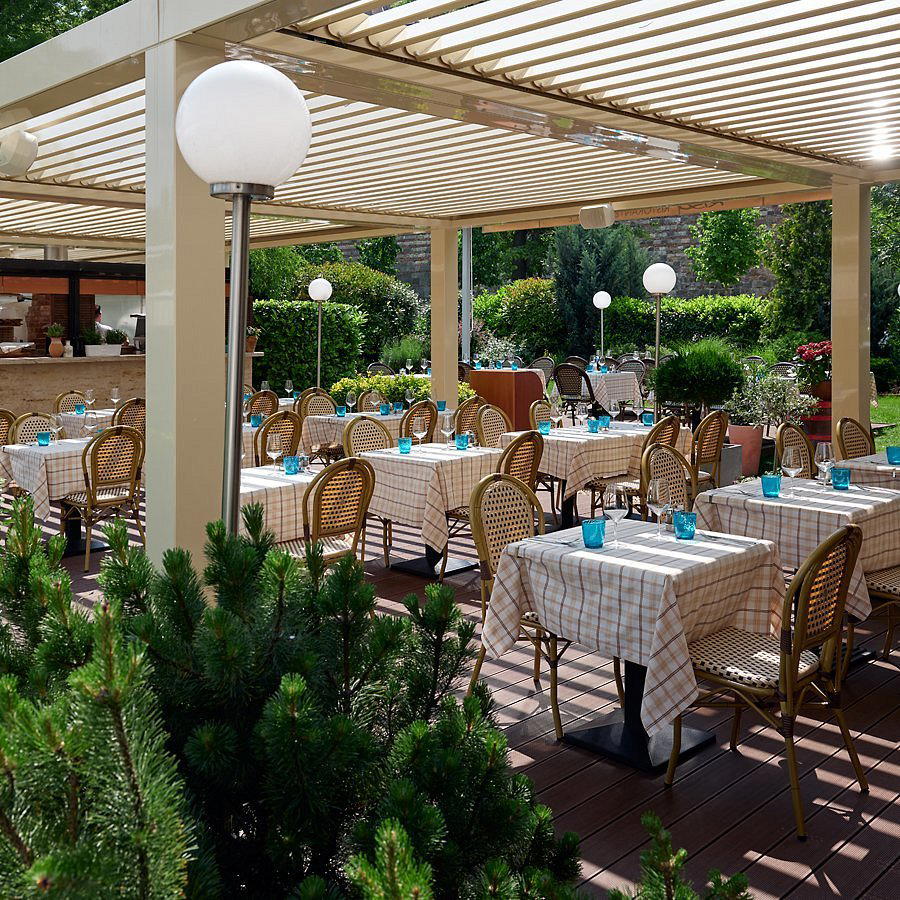
Where the Castle District Sets the Table
Budapest's Castle District has always operated on a different register from the city's Pest-side dining corridors. The streets above the Danube, where Lovas út runs through a quieter residential edge of the First District, attract a different kind of restaurant than those competing for foot traffic near the Chain Bridge or along Andrássy Avenue. Here, the building does some of the argumentative work: the architecture, the outlook, and the terrace geometry all contribute to why a diner chooses to be here rather than somewhere else. Riso Ristorante & Terrace, at number 41 on Lovas út, operates within this logic. The restaurant serves traditional Italian food, with a focus on risottos and pizzas, and sits in Budapest's Castle District.
The Castle District's dining scene has tightened considerably since the early 2010s. Budapest's broader restaurant landscape includes addresses from Costes and Stand to Babel and essência, each positioning itself within a competitive set that would have seemed implausible fifteen years ago. The Castle District's contribution to this story has tended to be defined by its physical setting as much as by any culinary programme, which is both an advantage and a constraint. Views and terraces attract visitors; sustaining a serious local clientele requires something beyond the postcard angle.
The Physical Container
In a city where the dining room's relationship to its surroundings matters deeply, the terrace format carries genuine weight. Budapest's most considered restaurant spaces understand that the transition from interior to exterior is not merely a seasonal amenity but an architectural statement about how the meal should feel. A terrace overlooking the Buda hills or the castle walls operates differently from a pavement table on a Pest boulevard: the pace slows, the ambient noise drops, and the expectation of deliberateness rises.
Riso's address on Lovas út places it within the western slope of Castle Hill, a zone where residential quiet and heritage architecture create a context that few other European capitals can replicate at this density. The street sits between the castle's touristic core and the quieter neighbourhood streets below, meaning the venue draws from both passing visitors and the kind of local and expat clientele who live within the district's protected residential zones. That dual audience shapes the design expectation: a room or terrace that reads as considered rather than theatrical, where the setting frames the meal without overwhelming it.
The physical logic of a terrace restaurant in this part of Buda is worth understanding before you go. Castle District terraces typically orientate toward either the city panorama or an interior courtyard garden, and each produces a fundamentally different dining tempo. Panoramic terraces tend toward occasion dining, where the view is the event; courtyard formats invite a slower, more private kind of meal. The design decisions embedded in how a space handles this question tell you a great deal about what the kitchen is trying to achieve alongside it.
Budapest's Broader Dining Context
To understand where Riso sits, it helps to map the wider Budapest dining tier with some precision. The city's contemporary restaurant scene divides broadly into three registers. At the formal end, Michelin-recognised addresses like Costes and Stand set the benchmark for tasting-menu ambition, with price points and booking lead times to match. A middle tier, represented by venues like Borkonyha Winekitchen, delivers serious cooking with a more accessible format. Below that, the city's bistro culture, anchored by addresses doing direct Hungarian and Central European cooking at everyday prices, has expanded alongside Budapest's growing tourist economy.
The Castle District's dining addresses tend to cluster in the middle-to-upper band, where the physical premium of the setting is priced into the experience. For context on what the broader region offers, Platán Gourmet in Tata and Pajta in Őriszentpéter represent the kind of destination dining that has emerged outside Budapest itself, demonstrating that Hungarian gastronomy's current confidence is not confined to the capital.
Further afield, the country's regional dining culture extends through addresses like BoriMami in Gyöngyös, Forst-Ház Étterem és Kávézó in Eger, and Halasi Pince Panzió in Villány, each operating within a different regional food culture but contributing to a national dining story that Budapest restaurants increasingly reference in their sourcing and menu logic.
Planning a Visit
The Castle District's geography rewards planning. Lovas út is accessible from the Buda side via the castle funicular or on foot from Clark Ádám tér, but parking and public transport access are more limited than on the Pest side. Evenings in the spring shoulder season, when the terrace climate is appropriate and the tourist pressure is moderate, represent one comfortable window for this part of the city.
Those exploring beyond Budapest might consider pairing a Castle District meal with visits to other Transdanubian addresses: Aranysárkány Vendéglő in Szentendre is a short train or boat ride north along the Danube bend, while Almalomb in Hosszúhetény offers a rural Mecsek counterpoint for those routing south. Hungary's regional dining geography rewards this kind of itinerary building, and Budapest serves as a logical hub.
Know Before You Go
- Address: Lovas út 41, 1012 Budapest, Hungary
- District: Castle District (First District, Buda side)
- Access: Reachable via the castle funicular from Clark Ádám tér, or on foot from the Buda side. Limited parking in the heritage zone.
- Seasonal note: Spring (April–May) and early autumn (September–October) offer particularly comfortable terrace conditions with reduced tourist pressure relative to peak summer.
- Booking: Reservations are recommended.
- Nearby context: Positioned on the quieter western edge of Castle Hill, away from the main touristic concentration around Matthias Church and Fisherman's Bastion.
Side-by-Side Snapshot
Comparable venues nearby, for context on price, style, and recognition.
| Venue | Cuisine | Price | Notes |
|---|---|---|---|
| Riso Ristorante & TerraceThis venue — the venue you are viewing | Traditional Italian with Risottos and Pizzas | $$$ | Not listed |
| Tom George Osteria | Modern Italian Osteria | $$$ | Belvaros |
| EscoBar & Cafe | Hungarian & Italian Fusion | $$ | District IX (Ferencváros) |
| Halászbástya | Modern Hungarian Fine Dining | $$$ | Varhegy |
| Pata Negra Asador | Spanish Tapas & Charcoal Grill | $$$ | Terézváros |
| Náncsi Néni | Traditional Hungarian | $$$ | Pesthidegkut |
Continue exploring
More in Budapest
Restaurants in Budapest
Browse all →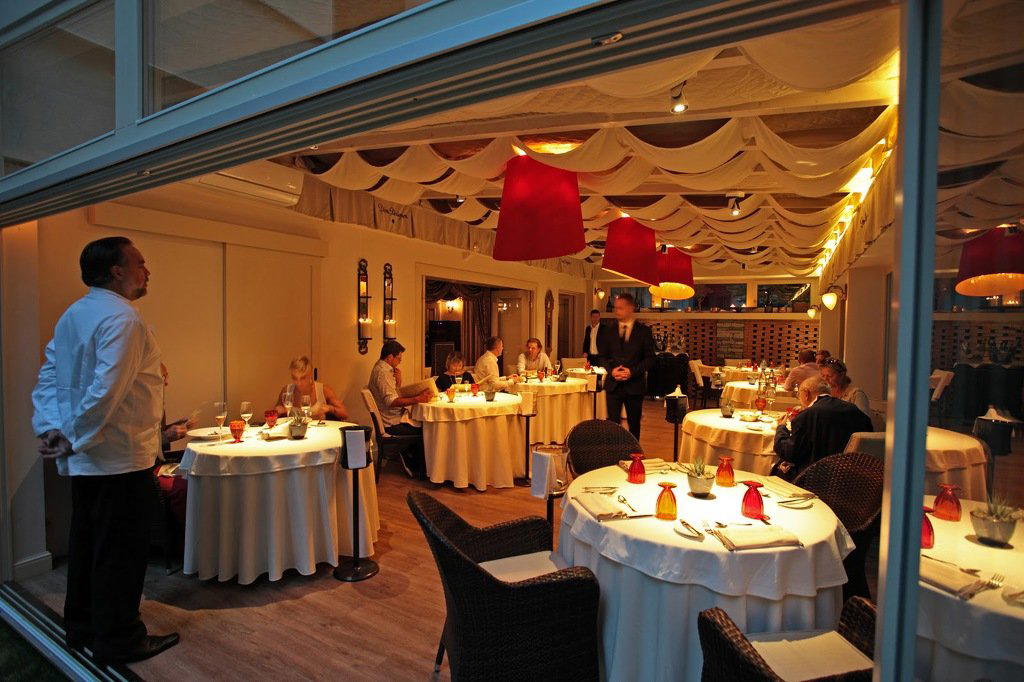
Bars in Budapest
Browse all →
Hotels in Budapest
Browse all →

At a Glance
- Romantic
- Elegant
- Cozy
- Scenic
- Date Night
- Family
- Business Dinner
- Celebration
- Terrace
- Hotel Restaurant
- Extensive Wine List
- Garden
- Street Scene
Current opening hours
- Monday
- 11:30 AM–10:30 PM
- Tuesday
- 11:30 AM–10:30 PM
- Wednesday
- 11:30 AM–10:30 PM
- Thursday
- 11:30 AM–10:30 PM
- Friday
- 11:30 AM–10:30 PM
- Saturday
- 11:30 AM–10:30 PM
- Sunday
- 11:30 AM–10:30 PM
Hours can change for holidays and private events. Last verified .
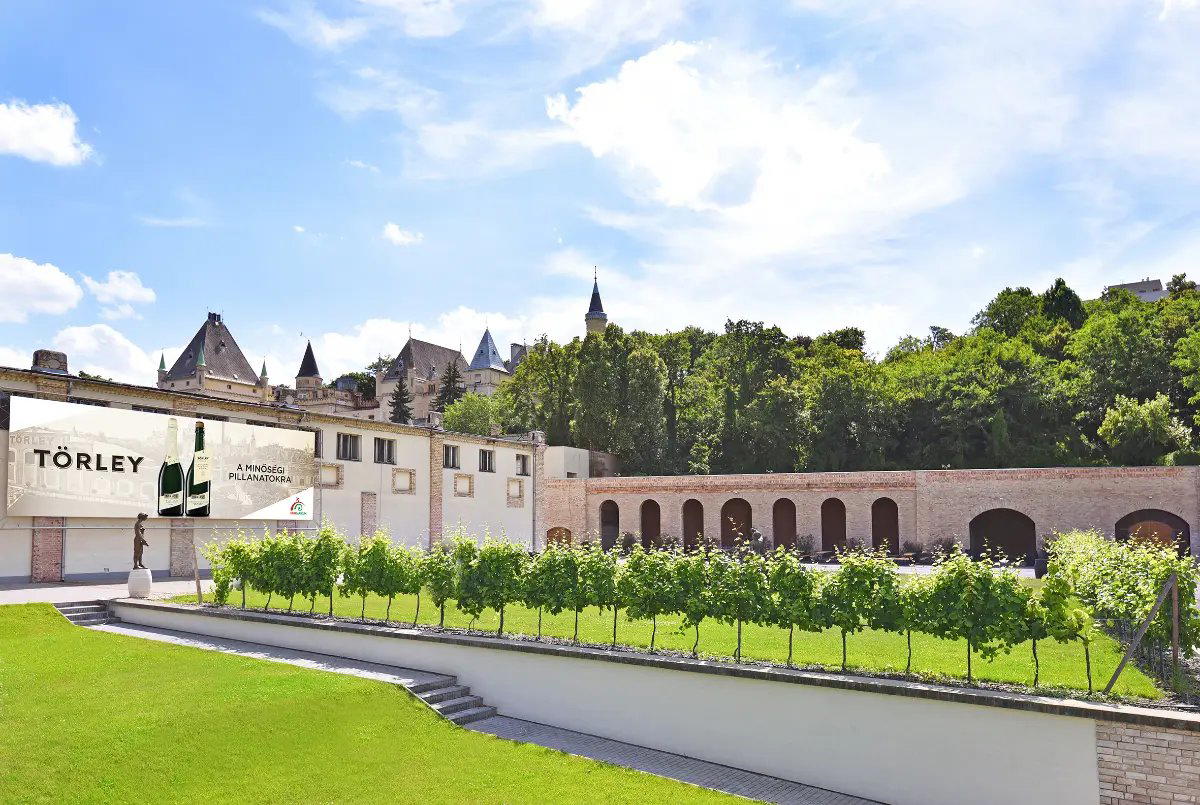
Warm, Mediterranean garden-like terrace surrounded by greenery, cozy and elegant interior with views of Buda Castle.