Déryné sits on Krisztina tér in Budapest's Buda side, operating as a neighbourhood café-bistro with a loyal local following that sets it apart from the Pest-centric fine-dining corridor. The daytime atmosphere leans toward leisurely lunches and coffee, while evenings shift the room toward a more animated, social register. For visitors covering the city's broader dining picture, it represents a grounded counterpoint to the tasting-menu tier.
Pearl is the En Primeur Club membership app — saves, bookings, and concierge access live there. Same editors, same standards.
- Address
- Budapest, Krisztina tér 3, 1013 Hungary
- Phone
- +3612251407
- Website
- deryne.com
- Directions
- Get directions
 Saves & bookings on Pearl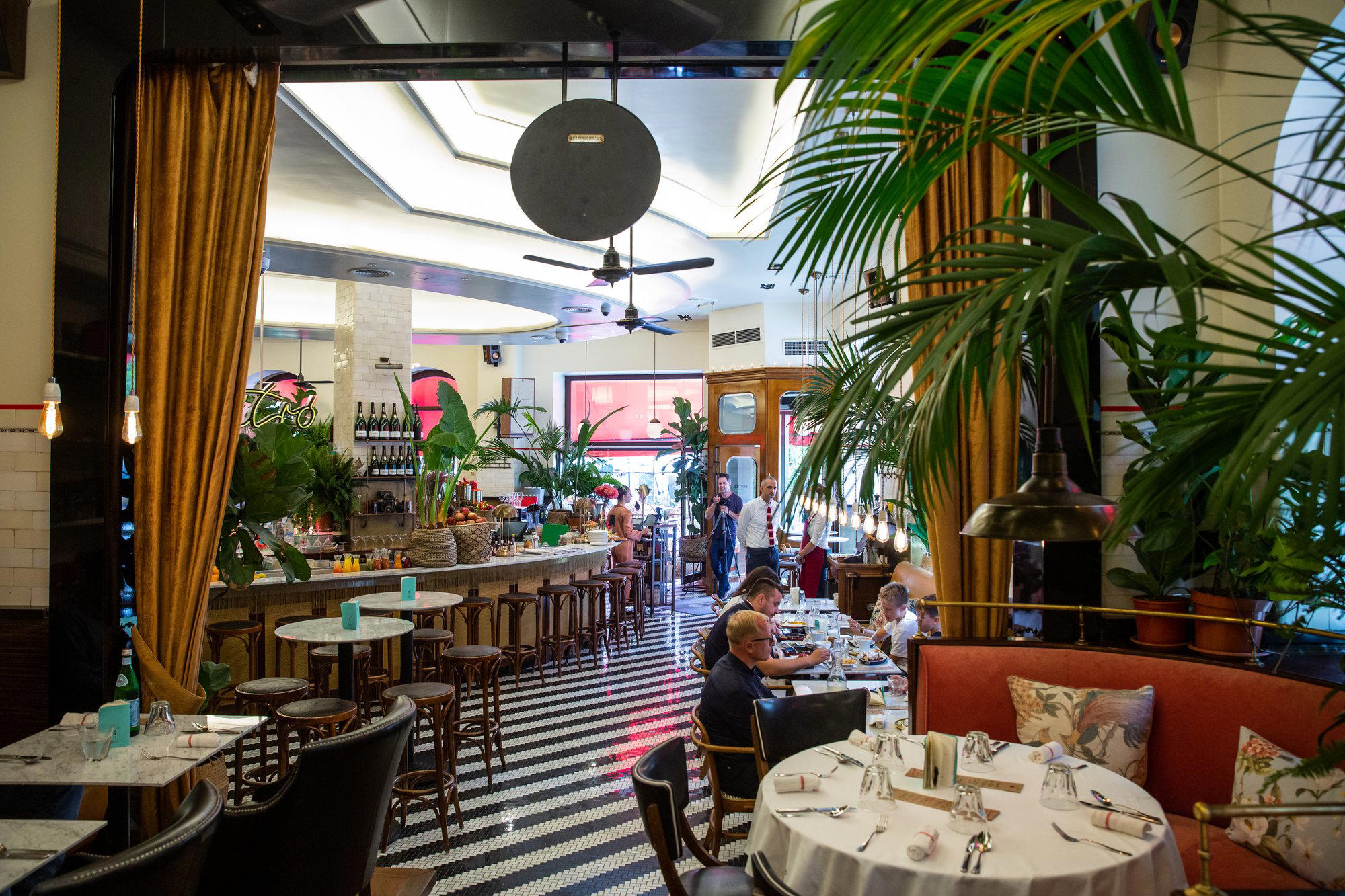
The Buda Café That Works Differently by Hour
Budapest's dining conversation tends to cluster on the Pest side of the Danube, where the Michelin-recognised tier, Stand (€€€€ · Modern Cuisine), Costes (€€€€ · Modern Cuisine), and Babel (€€€€ · Modern Cuisine), occupies the central districts and draws an international audience willing to plan weeks or months ahead. Déryné is a restaurant in Budapest, at Krisztina tér 3, serving modern Hungarian bistro with French influences. The Buda side operates on a different logic. Neighbourhoods like Krisztinaváros attract a more resident-facing dining culture, where the room fills with people who live nearby rather than people who flew in to eat there. Déryné, on Krisztina tér, is a product of that environment.
The square itself is one of the calmer pockets of the first district, a short walk from the Castle District but removed from its tourist density. That address shapes what Déryné does and when it does.
How the Hours Change the Room
The lunch-versus-dinner divide is one of the more reliable diagnostic tools for assessing a European café-bistro, and Déryné is a venue where that split genuinely matters. Across Central Europe, the neighbourhood café format tends to perform its leading function in daylight hours: tables turn more slowly, the kitchen operates without the theatrical pressure of evening service, and the clientele is overwhelmingly local. By evening, the same room can shift register entirely, louder, more social, occasionally more inconsistent as the kitchen stretches toward a broader audience.
At Déryné, this pattern is well-established in the city's collective dining knowledge. The lunch trade draws the Krisztinaváros resident crowd, people using the café as a working-week anchor rather than a destination in itself. That kind of use tends to keep quality honest in a way that destination dining does not, regulars return too frequently to tolerate a declining kitchen.
Evening service at a venue like this functions as something closer to a neighbourhood wine bar with food, which is not a criticism. Budapest has a strong tradition of this format, and it fills a gap that the tasting-menu houses, essência (€€€€ · Modern Cuisine) and the Michelin-holding operators, deliberately leave open. If you are in Budapest for several days, an evening at Déryné makes sense precisely because it is not trying to be those places.
The Broader Bistro Tier in Budapest
To place Déryné accurately, it helps to understand how the mid-tier bistro category has developed in Budapest over the past decade. The city's fine-dining infrastructure grew quickly after the first Michelin stars arrived, with Borkonyha Winekitchen (€€€ · Modern Cuisine) representing the wine-forward end of that tier. Below the starred level, a second wave of bistros emerged targeting local professionals: shorter menus, Hungarian sourcing, moderate pricing, and a deliberate informality that distinguished them from the white-tablecloth generation above.
Déryné sits in that bistro cohort, though its café heritage gives it a longer arc than most. The address on Krisztina tér predates the current bistro wave, and the room carries the kind of accumulated familiarity that newer openings take years to build. That temporal dimension, being part of a neighbourhood's routine rather than its aspirations, is a specific kind of asset.
For reference, the comparable value proposition in the fine-dining tier would be something like Borkonyha at the €€€ level, where the kitchen is operating with clear intent and the wine program carries editorial weight. Déryné is not competing for that position; it occupies an earlier point on the evening-out decision tree, closer to the question of where to eat comfortably and reliably than where to eat ambitiously.
Hungary's Wider Dining Geography
Budapest concentrates the country's fine-dining infrastructure, but interesting developments in Hungarian cooking over the past five years have happened away from the capital. Venues like Platán Gourmet in Tata and Pajta in Őriszentpéter have demonstrated that regional ingredients and local traditions can carry serious cooking at a distance from the capital's competitive pressure. The wine regions add another dimension: Sauska 48 in Villány and Petrányi Csopak in Csopak represent the Balaton and Villány circuits that serious visitors now build into multi-day itineraries.
Closer to the capital, Teyföl in Szentendre and Botanica in Dánszentmiklós sit within day-trip range and offer a different register to the Budapest room entirely. For context on the country's fishing traditions, Old Kőrössy Fish Restaurant in Szegedin represents a regional cooking style that urban bistros rarely replicate with the same authority. The Balaton wine circuit also includes Kővirág in Köveskál and Hosszú Tányér in Hosszúhetény, both worth factoring into a broader Hungary itinerary. Öreg Prés in Mór adds the Mór wine region to that picture.
Planning a Visit
Krisztina tér is accessible from central Pest via the M2 metro line to Széll Kálmán tér, then a short walk south into Krisztinaváros. The journey takes under fifteen minutes from the inner Pest districts, making Déryné a realistic lunch option even on a tight schedule. Because the venue operates as a neighbourhood café rather than a reservation-priority destination, the booking pressure differs from the tasting-menu tier, though weekend lunches in particular attract strong local demand, and arriving without a reservation during peak hours carries the usual risk.
Booking and Cost Snapshot
Comparable venues nearby, for context on price, style, and recognition.
| Venue | Cuisine | Price | Notes |
|---|---|---|---|
| DérynéThis venue — the venue you are viewing | Not listed | $$$ | Not listed |
| Búsuló Juhász | Gellerthegy, Hungarian Bourgeois Cuisine | $$$ | Not listed |
| Macesz Bistro | Belvaros, Jewish-Hungarian Fusion Bistro | $$ | Not listed |
| Gettó Gulyás | Belvaros, Authentic Hungarian Stews | $$ | Not listed |
| Fortuna | Varhegy, Contemporary Hungarian Bistro | $$ | Not listed |
| Remiz | Not listed | $$ | Huvosvolgy, Traditional Hungarian Gourmet |
Continue exploring
More in Budapest
Restaurants in Budapest
Browse all →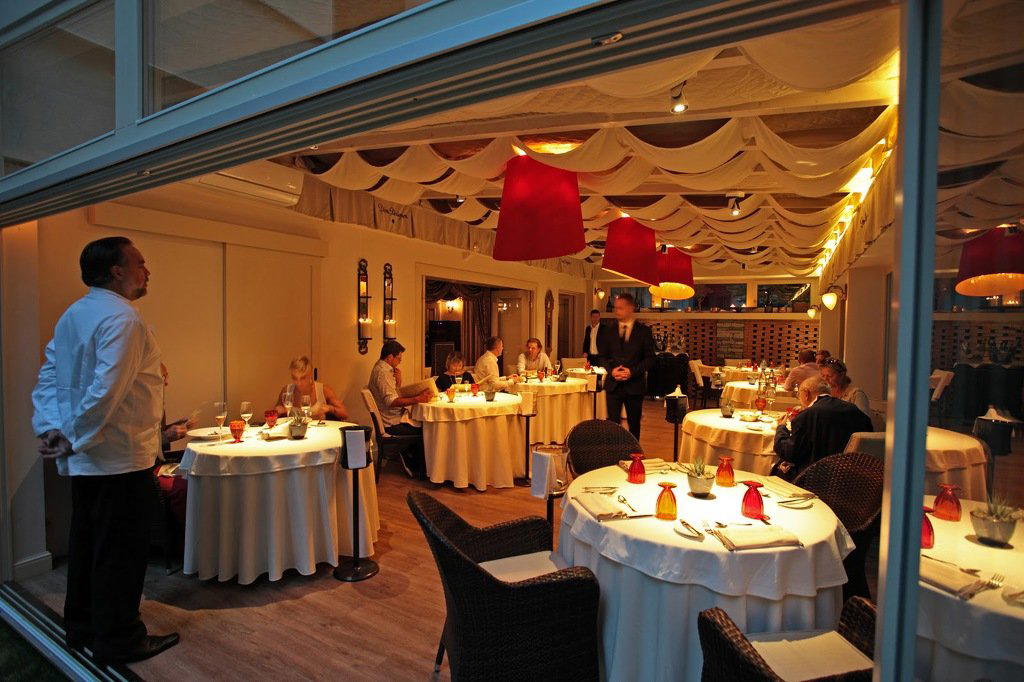
Bars in Budapest
Browse all →
Hotels in Budapest
Browse all →

At a Glance
- Cozy
- Elegant
- Classic
- Intimate
- Date Night
- Brunch
- Special Occasion
- Open Kitchen
- Terrace
- Historic Building
- Extensive Wine List
- Local Sourcing
- Street Scene
- Garden
Current opening hours
- Monday
- 8 AM–12 AM
- Tuesday
- 8 AM–12 AM
- Wednesday
- 8 AM–12 AM
- Thursday
- 8 AM–1 AM
- Friday
- 8 AM–1 AM
- Saturday
- 9 AM–1 AM
- Sunday
- 9 AM–12 AM
Hours can change for holidays and private events. Last verified .
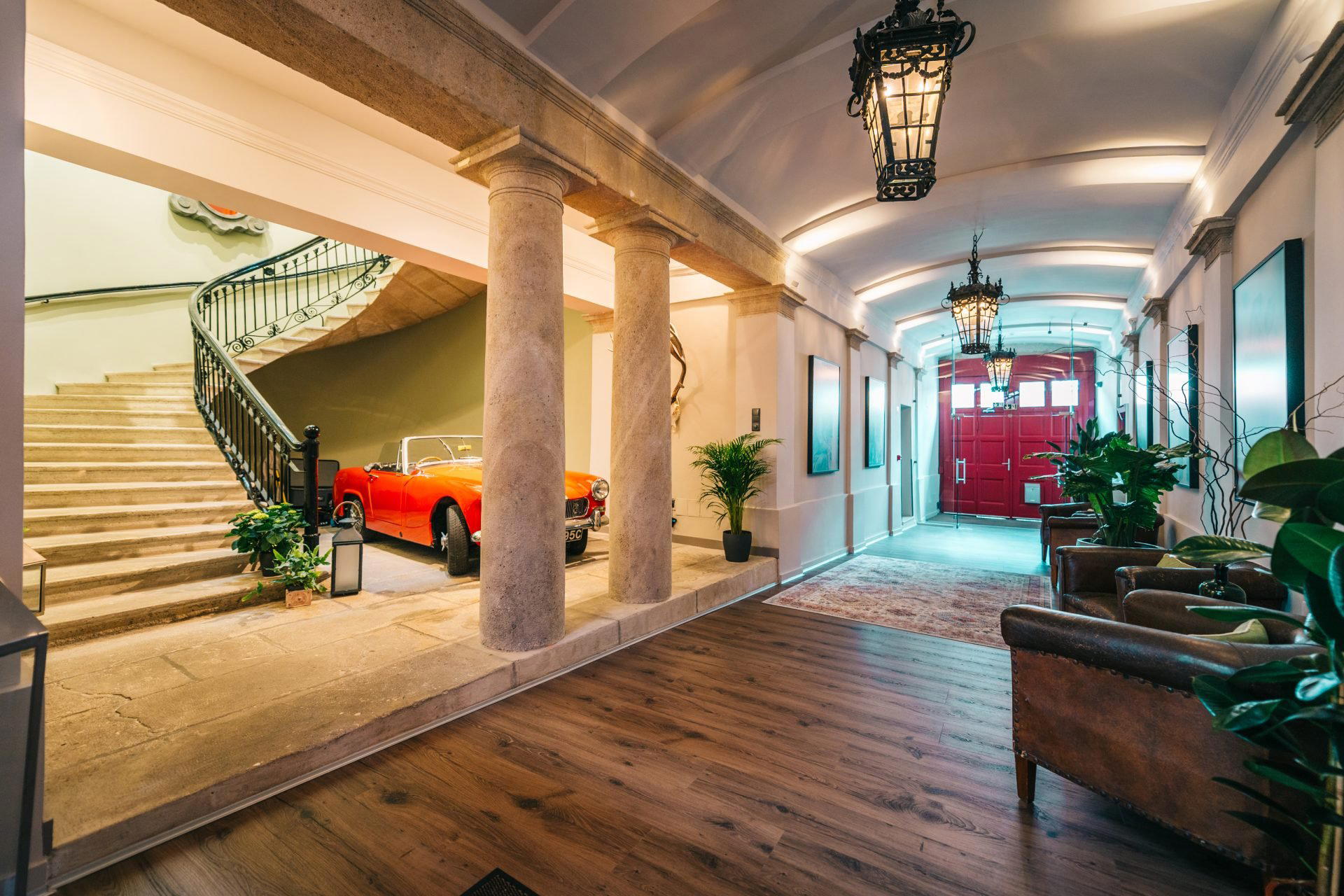
Warm and inviting atmosphere combining rustic charm with contemporary sophistication, intimate yet lively with tasteful décor nodding to theatrical heritage.