
Positioned on the Pest embankment directly opposite the Chain Bridge, InterContinental Budapest translates one of the city's most commanding Danube views into a 402-room property that balances grand-scale international infrastructure with localized touches. Among large luxury hotels on the river, it competes on location as much as on product, the Corso restaurant and Club InterContinental access adding practical weight to the address.
Pearl is the En Primeur Club membership app — saves, bookings, and concierge access live there. Same editors, same standards.
- Address
- Budapest, Budapest Budapest Apaczai Csere J.U, 12-14, 1052
- Phone
- +36 1 327 6333
- Website
- ihg.com
- Directions
- Get directions
 Saves & bookings on Pearl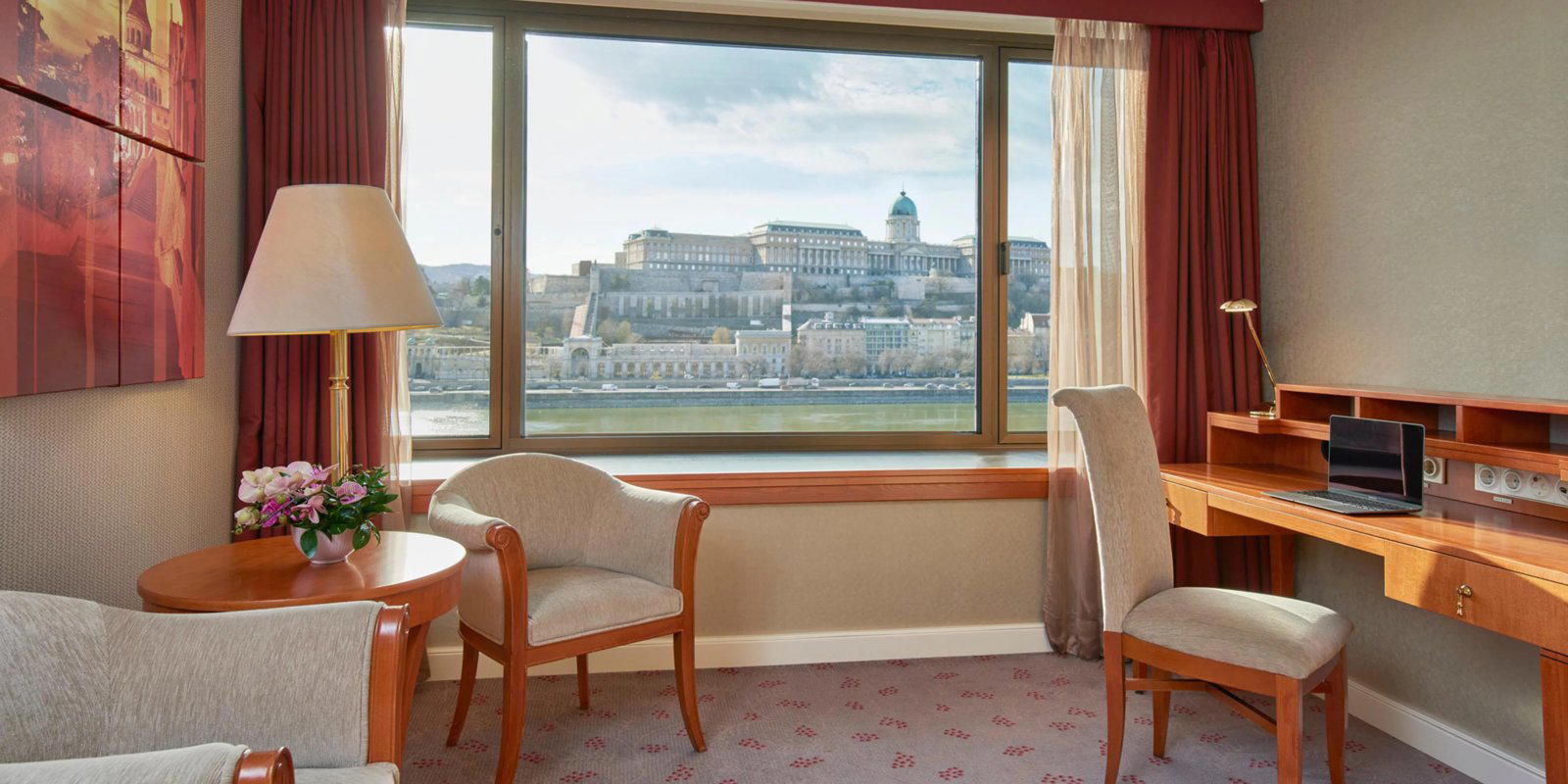
The Address That Does the Heavy Lifting
Standing on the Pest side of the Danube at Apáczai Csere János utca 12 to 14, InterContinental Budapest occupies a position that few hotels in Central Europe can match in direct geographic terms. The Chain Bridge, Budapest's most recognizable crossing, sits directly in the sightline. The Royal Palace and the Buda Hills form the opposite bank. The Parliament building anchors the north. It is the kind of panorama that takes most visitors a full morning on the riverfront promenade to find, and this hotel has it framed in glass from nearly every room facing the Danube. That location shapes the entire stay before a guest unpacks.
InterContinental's differentiator is the Danube position itself: Pest-side, Chain Bridge-facing, with no obstruction between the hotel and the river. Properties like the Aria Hotel Budapest by Library Hotel Collection operate in a smaller-scale, design-led bracket, while InterContinental remains firmly in the large-format, internationally branded tier, 402 rooms, full-service spa, multiple F&B; outlets, and the institutional infrastructure that business and leisure travelers expect from IHG's flagship brand.
Planning the Stay: What to Know Before You Book
At 402 rooms, InterContinental Budapest functions at a scale that affects everything from corridor noise to check-in timing. That scale also means availability is generally more accessible than at smaller boutique properties in the city, hotels like Brody House - Rooms or Baltazár Boutique Hotel operate with considerably fewer keys and tend to fill faster during peak periods. For InterContinental, the primary booking consideration is not availability per se but room category: standard rooms follow a consistent beige-and-red color palette with writing desks and fluffy white duvets, while suites introduce more color, larger footprints, and, critically, access to Club InterContinental.
Club InterContinental, reserved for guests in Junior Suite categories and above, is positioned on the first floor with city views and provides complimentary cocktails, appetizers, and VIP check-in. For travelers whose schedules involve late arrivals or early departures, the Club tier offers a smoother arrival experience in a large-format hotel. It also reduces the per-night cost calculation when measured against the cost of equivalent cocktails and light dining purchased separately in the city. This is a practical point to factor into room selection.
For those considering Budapest as part of a wider Hungary trip, properties such as BOTANIQ Castle of Tura in Tura, Hotel Palota Lillafüred in Miskolc, or Hotel Petit Bois in Balatonfüred offer a contrasting register, rural or lakeside settings rather than urban Danube-front. InterContinental Budapest works well as the city anchor in that kind of itinerary, with the regional properties absorbing the slower, nature-facing days.
The Rooms, the Suites, and What the Size Hierarchy Means
The standard room category delivers the essentials reliably: writing desk, white duvet, consistent color scheme, and, for Danube-facing allocations, the Chain Bridge view. The suite categories introduce a different visual grammar: Turkish-influenced lamps, Hungarian artwork in oversized formats, throw pillows in greens, yellows, and blues, and bookcases with volumes on Hungarian history. The shift from standard to suite is as much tonal as spatial.
At the summit of the hierarchy sits the Presidential Suite, covering approximately 1,400 square feet. The suite integrates a full dining room table, a touch-screen smart panel, and a seating area positioned directly against a window panel facing the Danube. The bathrooms match the suite's scale: soaking tub, separate walk-in shower, his-and-her sinks. For context within Budapest's luxury hotel tier, this suite competes in a bracket that includes the flagship accommodations at larger palace hotels, but InterContinental's Presidential Suite trades heritage drama for a cleaner, more contemporary configuration with the river framing providing the spectacle rather than the interior architecture itself.
Corso Restaurant and the Spa Floor
Hungary has a genuine thermal bathing culture, the country's spa infrastructure is not a hotel amenity that exists in isolation from local practice. Spa InterContinental sits on the first floor and integrates Hungarian treatments alongside a heated pool. The positioning is deliberate: a Danube-front hotel with a thermal-influenced spa program addresses a real expectation among visitors who understand that soaking is as culturally embedded in Budapest as café culture is in Vienna. For travelers who want a more immersive version of that tradition, Melea – The Health Concept in Sárvár offers a dedicated wellness destination format, but InterContinental's offering is more than cosmetic.
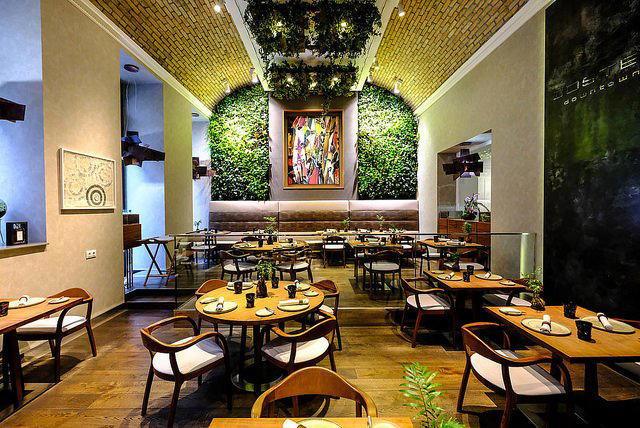
Corso, the main restaurant, operates in a space that large hotel dining rooms rarely occupy with any conviction: it serves a seasonal menu that sits between Eastern European classics and more experimental interpretations of Hungarian ingredients. Foams and reductions appear on the plate. The duck foie gras with spiced apple chutney functions as a menu constant across seasons, which is a reasonable editorial choice, it grounds the menu in a recognizable Hungarian flavor register while the surrounding dishes rotate. For a 402-room hotel restaurant, this is a more considered food program than the category typically produces.
Who Books Here and Why
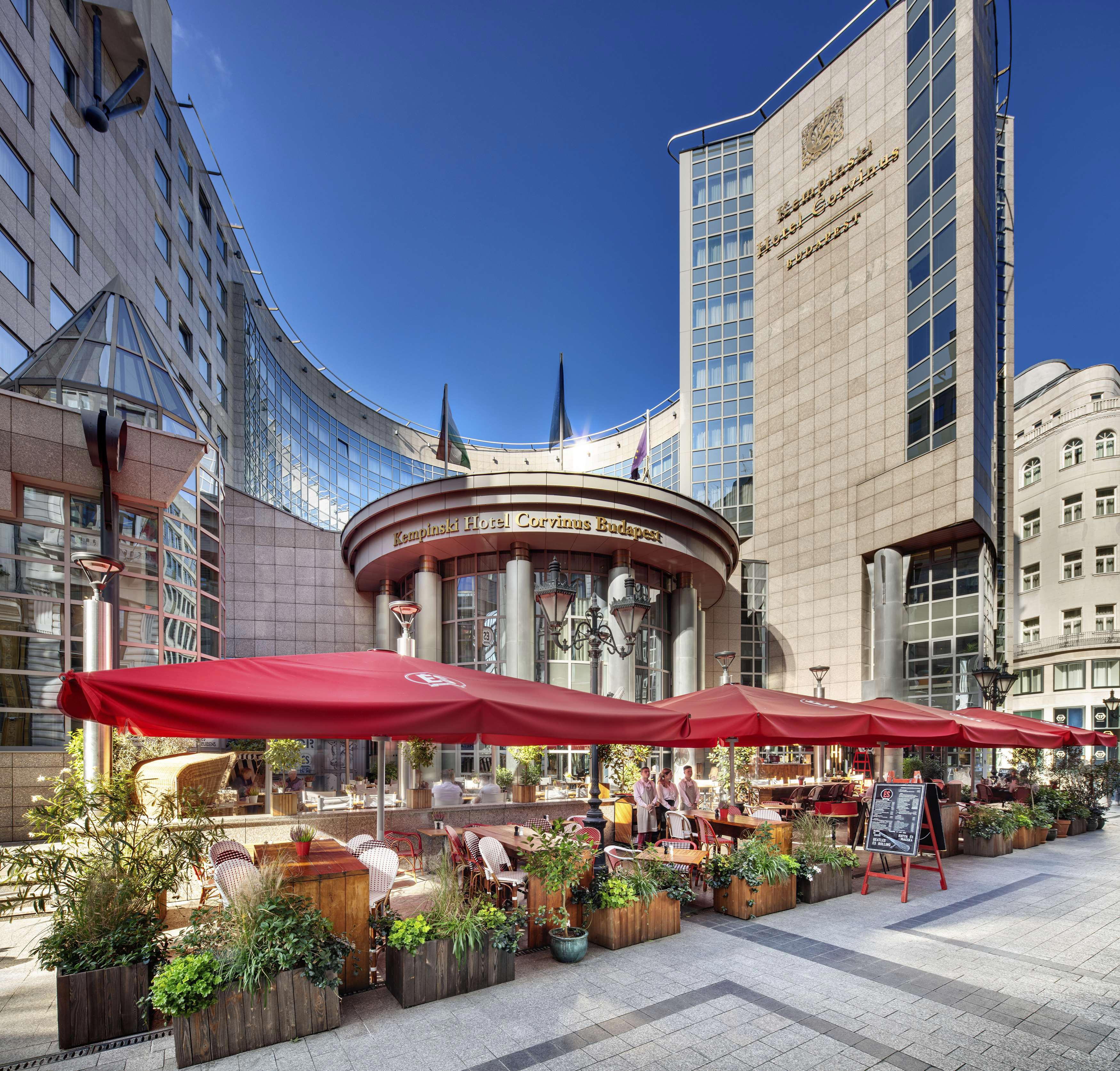
InterContinental Budapest draws a travel profile that spans business and leisure in roughly equal measure, the writing desk in every room is a functional signal, not a design detail. The lobby's natural light and art program address leisure travelers; the Club tier and room infrastructure serve business guests. Within Budapest's hotel market, this dual-audience positioning places it alongside properties like Kempinski Corvinus rather than closer to the boutique end of the spectrum represented by Bohem Art Hotel or BoHo Hotel Budapest.
For travelers whose stays are heavily experience-driven rather than location-anchored, smaller Budapest properties or regional Hungarian alternatives, Platán Manor in Tata, for instance, offer a different ratio of intimacy to infrastructure. The hotel's argument is fundamentally geographic: the Chain Bridge view at this scale, with this service depth, is a specific combination that the hotel's competitive set in Budapest cannot fully replicate. Among the world's large-format luxury river hotels, the positioning logic is comparable to how Cheval Blanc Paris or Hôtel de Paris Monte-Carlo use waterfront and address as foundational brand assets, the view is load-bearing, not decorative.
At that review volume, the score reflects the repeatable experience more than it does any single notable visit.
Practical Planning
The hotel sits at Apáczai Csere János utca 12 to 14, in the 5th district on the Pest embankment, within walking distance of the Chain Bridge and the main riverfront promenade. The hotel operates under IHG's InterContinental brand, and IHG One Rewards members should factor in points accrual and Elite tier benefits when evaluating the Club InterContinental upgrade against out-of-pocket cost. Room selection matters more here than at most large hotels: if the Danube view is the reason you're booking this address over a comparable property, confirm the room category delivers that orientation at the time of reservation, not on arrival.
The Short List
Comparable venues nearby, for context on price, style, and recognition.
| Venue | Price | Notes |
|---|---|---|
| InterContinental BudapestThis venue — the venue you are viewing | $$$$ | Not listed |
| Corinthia Budapest | $$$$ | Terézváros, Historic luxury hotel blending art deco and modern comforts |
| Aria Hotel Budapest by Library Hotel Collection | $$$$ | Belvaros, Music-themed luxury boutique in neoclassical building |
| Kempinski Hotel Corvinus Budapest | $$$$ | Belvaros, Classic luxury urban hotel with modern updates |
| Iberostar Grand Hotel Budapest | $$$$ | Varhegy, Luxury boutique in renovated historic Neoclassical building |
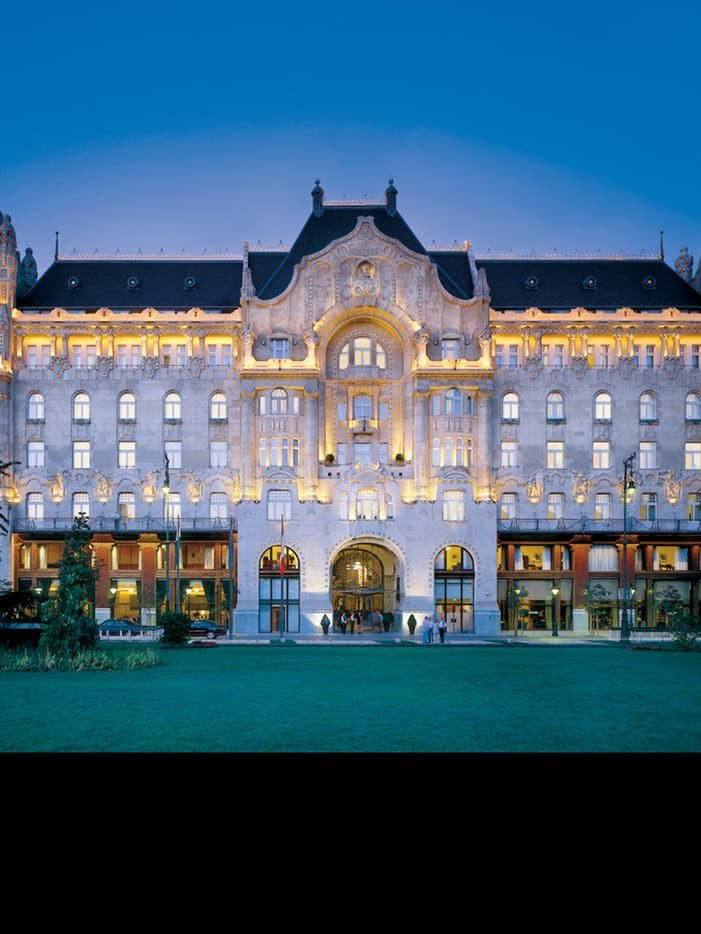
| The St. Regis Budapest- A Virtuoso Preview Property | $$$$ | Belvaros, Historic palace conversion reimagined as a contemporary luxury hotel, blending heritage architecture with modern refinement and St. Regis signature service standards. |
Recognition history
Dated appearances from independent guides and award organizations, with the underlying list record or original source where available.
Forbes Recommended
Forbes
Forbes Recommended
Forbes
Continue exploring
More in Budapest
Hotels in Budapest
Browse all →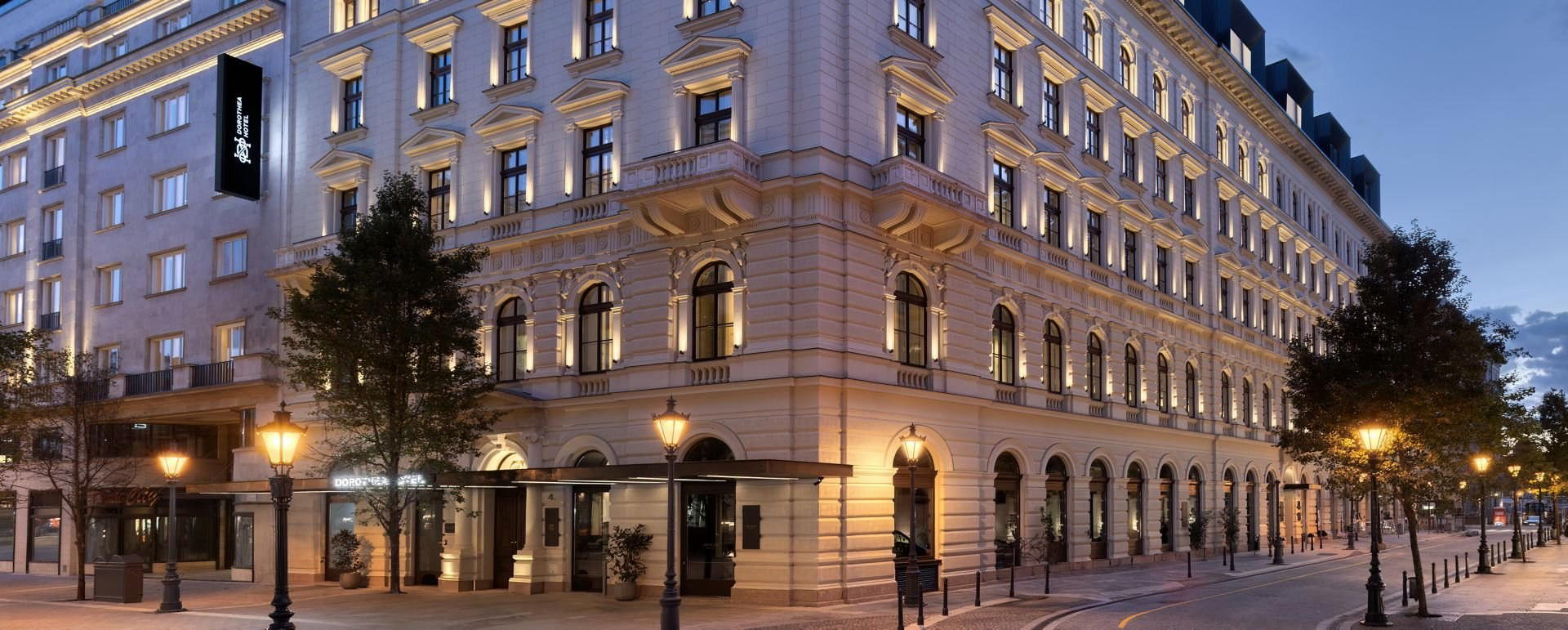
Bars in Budapest
Browse all →
Restaurants in Budapest
Browse all →

At a Glance
- Elegant
- Sophisticated
- Romantic
- Scenic
- Romantic Getaway
- Business Trip
- Anniversary
- Family Vacation
- Celebration
- Waterfront
- Panoramic View
- Destination Spa
- Terrace
- Historic Building
- Garden
- Wi Fi
- Pool
- Spa
- Fitness Center
- Room Service
- Concierge
- Business Center
- Valet Parking
- EV Charging
- Restaurant
- Bar
- Waterfront
- Skyline
- Wi Fi
- Pool
- Spa
- Fitness Center
- Room Service
- Concierge
- Business Center
- Valet Parking
- EV Charging
- Restaurant
- Bar
Inviting and refined with dramatic glazed façades offering splendid views; spacious, calm, and relaxing atmosphere with premium hospitality throughout.