
Tabelog 100 #4
Our verdict
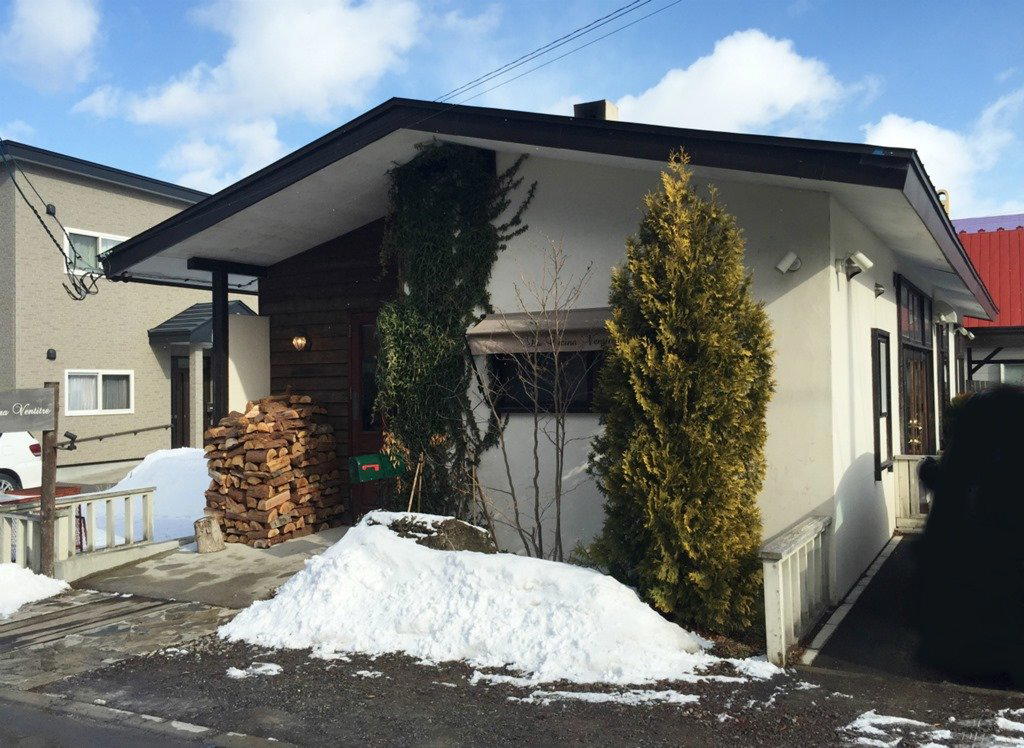
In Hakodate's Yanagimachi district, ラ クチーナ ヴェンティトレ represents the quieter end of the city's European-influenced dining scene, where Italian cooking meets Hokkaido's exceptional larder. Positioned alongside a small peer group of destination restaurants in a port city that consistently punches above its size, it draws visitors who have already exhausted the obvious seafood counters and are looking for something more considered.

Pearl is the En Primeur Club membership app, where members save venues, book tables and use the concierge.
The menu
What to order
- Uni Pasta
- Tomato Pasta with Homemade Ricotta
Yanagimachi and the Case for Italian Cooking in a Hokkaido Port City
Hakodate's relationship with Western cooking runs deeper than most Japanese cities its size. The port opened to foreign trade in 1854, and the architectural residue of that period, the stone warehouses along the waterfront, the Orthodox church on the hill, the Western-style consulate buildings, makes the city a place where European culinary traditions have always found a more natural footing than they might elsewhere in Hokkaido. That context matters when you arrive at Yanagimachi, the low-traffic neighbourhood address where ラ クチーナ ヴェンティトレ operates. This is not the tourist-facing waterfront strip. It is the kind of street that rewards prior research and a short taxi ride from the tram lines.
Hakodate has quietly built a dining scene that bears comparison with cities several times its size. The fish markets are globally referenced, and the morning market near the station remains one of the more serious seafood retail operations in Japan. But the more interesting story in recent years has been the emergence of a small cluster of Western and European-influenced restaurants that treat the local larder, the sea urchin, crab, scallops, and dairy from the surrounding Hokkaido farmland, as primary ingredients rather than curiosities. ラ クチーナ ヴェンティトレ fits that pattern, placing itself in a city where Italian-style cooking has genuine raw material to work with.
The Neighbourhood Frame
Yanagimachi sits at a remove from both the waterfront bustle and the Motomachi hillside that draws the heritage tourism crowd. The address at 14-23 Yanagimachi places the restaurant in a quieter residential-commercial zone, the kind of neighbourhood where a destination restaurant is found by people who are looking for it rather than by foot traffic. This geography shapes the experience before you walk through the door. Hakodate is a city where you make considered choices about where to eat, because its dining options are spread across distinct neighbourhoods rather than concentrated in a single district. Arriving at a Yanagimachi address implies some degree of intention.
For comparison within Hakodate's European-leaning dining tier, Enoteca La Ricolma and L'oiseau par Matsunaga occupy the more formally structured end of the French and Italian-adjacent spectrum, while Lela and maison FUJIYA Hakodate represent different approaches to ingredient-led cooking at a similar price tier. Kira rounds out a peer group that collectively demonstrates how a city of Hakodate's scale can sustain serious non-Japanese cooking when the produce quality is high enough to justify the commitment. ラ クチーナ ヴェンティトレ is one node in that network.
Italian Cooking in a Hokkaido Context
The broader trend in Japanese cities with access to premium local ingredients has been the emergence of Italian restaurants that operate less as authentic regional Italian and more as ingredient-forward cooking that uses Italian structure and technique as a framework. This is a pattern visible in Osaka at places like HAJIME, in Kyoto at Gion Sasaki, and at a different register in Nara at akordu. Hokkaido's version of this tendency is particularly pronounced, because the ingredients that Italian cooking prizes most, dairy, seafood, vegetables with genuine sweetness and structure, are available here at a quality that southern and central Hokkaido chefs have been building reputations around for two decades. A restaurant named ラ クチーナ ヴェンティトレ (translating broadly as The Kitchen Twenty-Three) in this context is making a statement about Italian culinary tradition as a lens rather than a destination.
Hakodate's position within Hokkaido's dining geography is worth noting. Sapporo, two and a half hours north by train, carries the bulk of the island's restaurant density, with establishments like 夕佳仙乃 anchoring its more formal dining tier. Hakodate operates differently: smaller, more concentrated, with a historical character that attracts a different visitor profile. The restaurants that have built reputations here tend to have a deliberate quality, shaped by the constraints of the local market and the available customer base. That constraint often produces more focused cooking than you find in larger cities where volume incentivizes broader menus.
Planning a Visit
Hakodate is most commonly reached by Shinkansen from Tokyo (approximately four hours on the Hokuto services connecting from Shin-Hakodate-Hokuto station) or by direct flight from Haneda, Narita, and several regional Japanese airports. The city's tram network covers the central area, though Yanagimachi is better served by taxi from the central stops. Given the restaurant's neighbourhood positioning and the limited volume that serious dining rooms of this type typically operate at, advance contact is advisable. Check our full Hakodate restaurants guide for the broader picture of how to structure a multi-day visit around the city's dining options.
Seasonality matters considerably in Hokkaido. The crab season, sea urchin windows, and the spring vegetable period each shift what is available and at what quality. Winter visits to Hakodate bring a different set of ingredients to the table compared with summer. If the restaurant follows the pattern of its peer group in the city, the menu will reflect those seasonal shifts directly. Japanese restaurants elsewhere in the country working at comparable levels, from Harutaka in Tokyo to Goh in Fukuoka, demonstrate how seriously Hokkaido-sourced ingredients are regarded across the national restaurant landscape, which frames what a Hakodate restaurant with direct access to that supply chain has to work with.
Frequently asked questions
What's the address for ラ クチーナ ヴェンティトレ?
ラ クチーナ ヴェンティトレ is located at 14-23 Yanagimachi, Hakodate, Hokkaido 040-0002, Japan, Hakodate.
How does ラ クチーナ ヴェンティトレ fit into Hakodate's Italian dining scene?
Hakodate has a longer history with Western cooking than most Japanese cities of its size, a direct consequence of its role as one of Japan's first open-treaty ports in 1854. Italian restaurants that have taken root in Hokkaido over the past two decades tend to operate as ingredient-forward kitchens rather than facsimiles of Roman or Milanese cooking, using local seafood, dairy, and vegetables as primary materials. ラ クチーナ ヴェンティトレ's address in Yanagimachi, a residential district at a remove from the heritage tourism cluster, places it within a neighbourhood dining tradition rather than a visitor-facing one.
What should I order at ラ クチーナ ヴェンティトレ?
Dishes built around the season are the logical entry point. Checking directly with the restaurant before your visit will give the clearest picture of what's currently on offer.
Do I need a reservation for ラ クチーナ ヴェンティトレ?
For any sit-down Italian restaurant operating in a residential Hakodate neighbourhood with limited covers, booking ahead is the practical default, walk-in availability on weekends or during peak Hokkaido travel months is generally unreliable at venues in this category.
What's the defining dish or idea at ラ クチーナ ヴェンティトレ?
The name translates loosely to 'The Kitchen Twenty-Three', a reference to the address at number 23 in Yanagimachi. That self-referential naming suggests a chef-driven, place-specific approach rather than a generic trattoria format. In the context of Hakodate, a city with a documented Western-cooking tradition going back to its 1854 port opening, Italian restaurants here tend to foreground local ingredient sourcing as the core editorial idea.
Can ラ クチーナ ヴェンティトレ accommodate dietary restrictions?
Given that Italian menus in this region are typically produce-led and often involve multiple courses with shared sauces or preparations, communicating restrictions in advance, ideally in Japanese, is the reliable approach. Contact details are not publicly listed, so reaching out through your hotel concierge in Hakodate is the practical route.
Is ラ クチーナ ヴェンティトレ worth it?
What the Yanagimachi location and the Italian format together suggest is a neighbourhood restaurant operating away from the tourist circuit around Hakodate's waterfront, that positioning tends to favour locals over foot traffic, which is generally a reliable indicator of kitchen consistency. Whether the specific food warrants the effort of getting there depends on confirmed current details from the venue itself.
A Tight Comparison
Comparable venues nearby, for context on price, style, and recognition.
| Venue | Cuisine | Price | Awards | Notes |
|---|---|---|---|---|
| ラ クチーナ ヴェンティトレThis venue (the venue you are viewing) | Hakodate Italian with Local Ingredients | $50–100 | Tabelog 100 #4 | Not listed |
| Uni Senmon Ten Yoichiya Hakodate asaichi ten | Hokkaido uni and seafood donburi | $50–100 | Tabelog 100 #66 | Hakodate Asaichi (Morning Market) / near Hakodate Station, Hokkaido uni and seafood donburi |
| 函館麺厨房あじさい 本店 | Hakodate shio ramen | $10–20 | Tabelog 100 #11 | 五稜郭, 函館塩ラーメン |
| Ganso Indian Curry Koike | Traditional Japanese curry (Indian-style) | $10–20 | Tabelog 100 #54 | Horaicho, Traditional Japanese curry (Indian-style) |
| Enoteca La Ricolma | Modern Italian with Hokkaido Ingredients | $100–150 | Tabelog Bronze #62 | Tomiokacho, Modern Italian with Hokkaido Ingredients |
| Ajisai Honten | Hakodate shio ramen | $10–20 | Tabelog 100 #11 | Goryokaku, Hakodate shio ramen |
Recognition history
Dated appearances from independent guides and award organizations, with the underlying list record or original source where available.
Tabelog 100 #4 · No. 4
Tabelog · Tabelog 100 - Italian - EAST - 2025
Continue exploring
More in Hakodate
Restaurants in Hakodate
All restaurants in Hakodate →
Hotels in Hakodate
All hotels in Hakodate →
Details
- Cozy
- Intimate
- Date Night
- Special Occasion
- Standalone
- Local Sourcing
- A La Carte
Current opening hours
- Monday
- 12–2 PM, 6:30–10 PM
- Tuesday
- 12–2 PM, 6:30–10 PM
- Wednesday
- 12–2 PM, 6:30–10 PM
- Thursday
- 12–2 PM, 6:30–10 PM
- Friday
- 12–2 PM, 6:30–10 PM
- Saturday
- 12–2 PM, 6:30–10 PM
- Sunday
- 12–2 PM, 6:30–10 PM
Hours can change for holidays and private events. Hours as of .
Warm and comfortable space in a renovated house, providing a cozy and hospitable atmosphere.