BÔ ZIN
On the Route de l'Ourika, a few kilometres south of Marrakech's medina ring road, BÔ ZIN operates at the junction where Moroccan agricultural tradition meets contemporary restaurant culture. The setting draws on the Haouz Plain's proximity to the Atlas foothills, placing ingredient provenance at the centre of the dining proposition rather than at the margins.
Pearl is the En Primeur Club membership app — saves, bookings, and concierge access live there. Same editors, same standards.
- Address
- H2F8+GH2, Km 3,5, Route de l' Ourika, Marrakech 40000, Morocco
- Phone
- +212524388012
- Website
- bo-zin.com
- Directions
- Get directions
 Saves & bookings on Pearl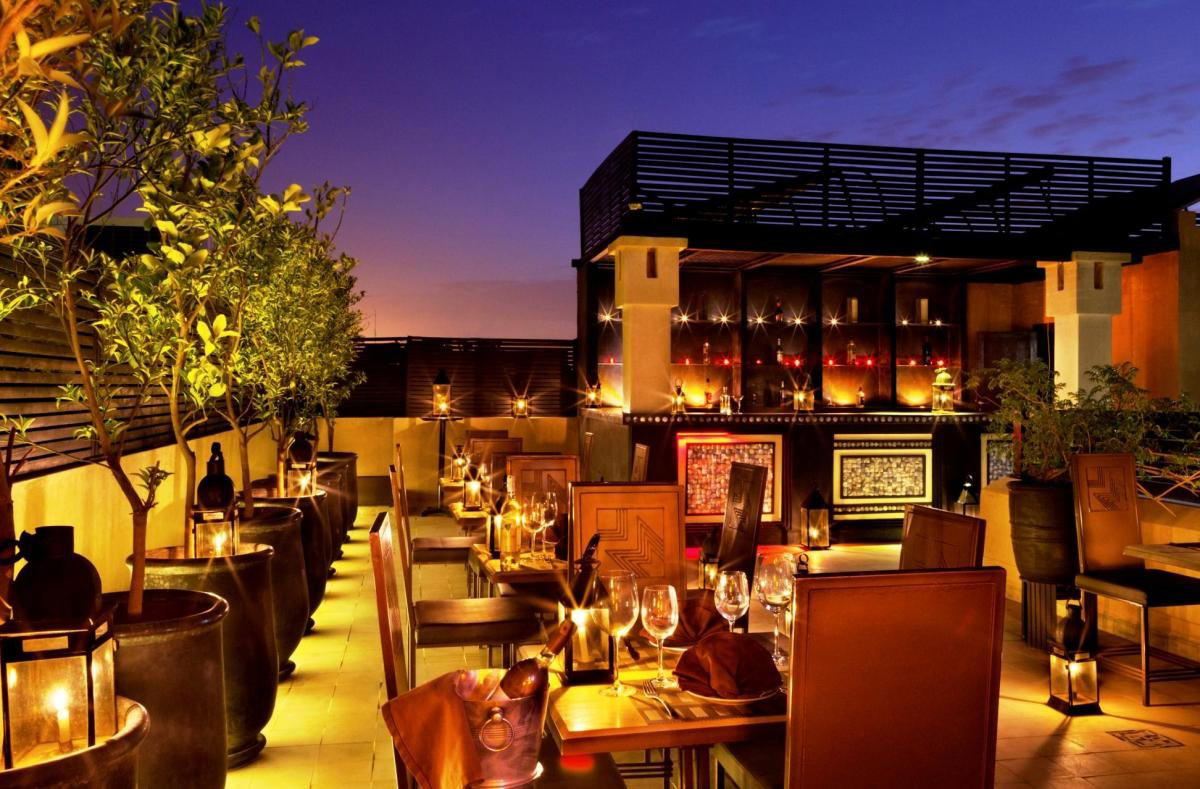
Where the Ourika Road Shapes What's on the Plate
BÔ ZIN is an Asian-French fusion restaurant in Marrakech, Morocco, on Route de l'Ourika at Km 3.5. By the 3.5-kilometre mark, the dense medina fabric gives way to the broader parcels and palm groves of Tassoultante, a peri-urban commune that sits at the agricultural threshold between Marrakech and the Atlas foothills. This is the address of BÔ ZIN. Restaurants positioned along this corridor have consistent access to the Haouz Plain's produce networks, a supply geography that distinguishes them from venues operating deep inside the medina, where sourcing logistics run through multiple intermediary markets.
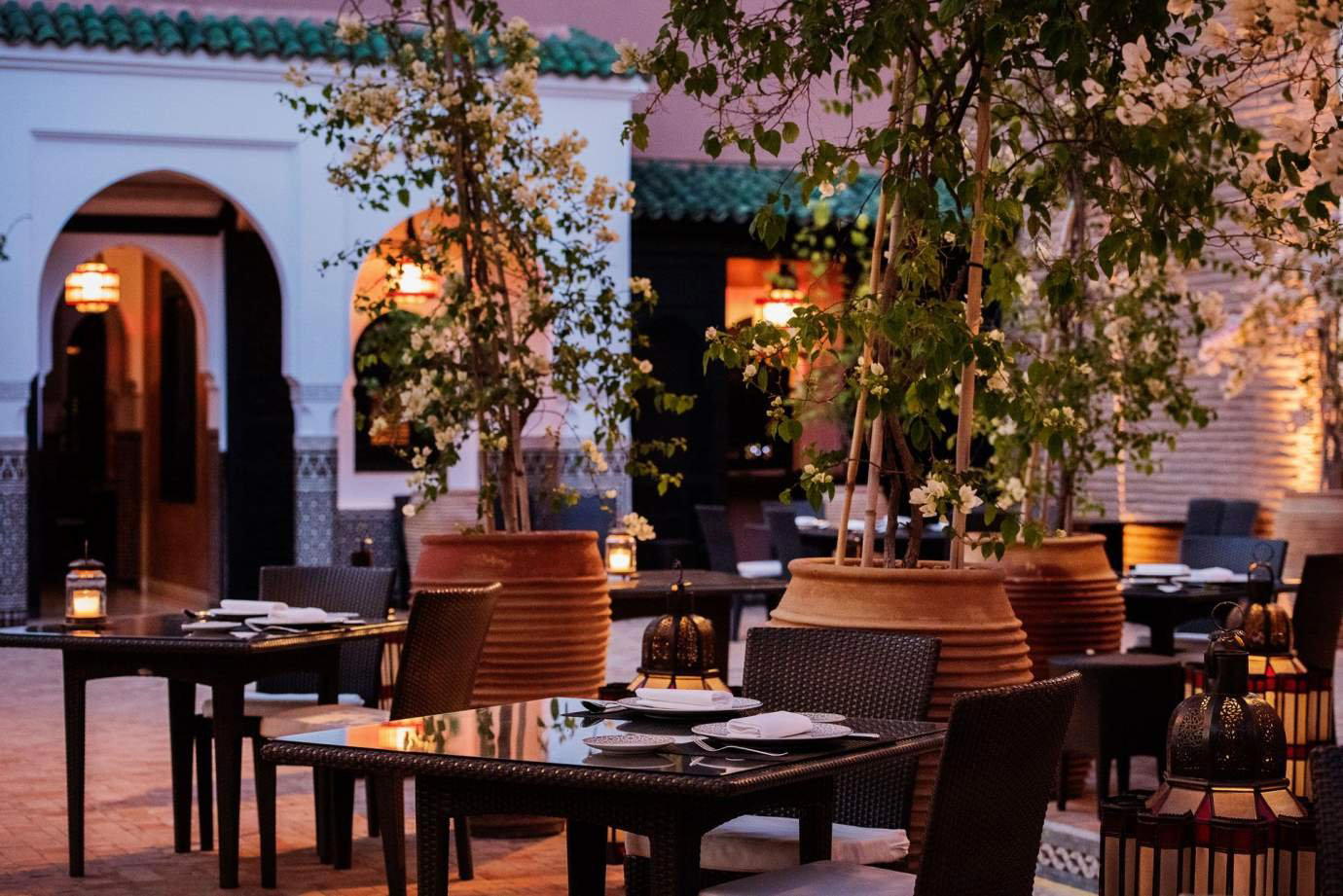
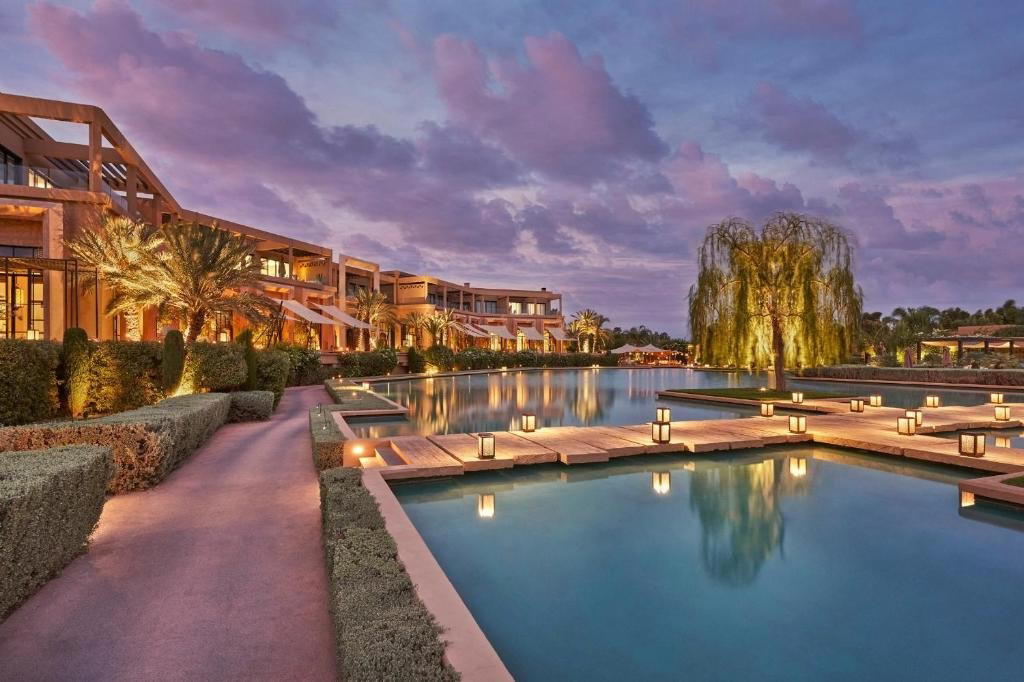
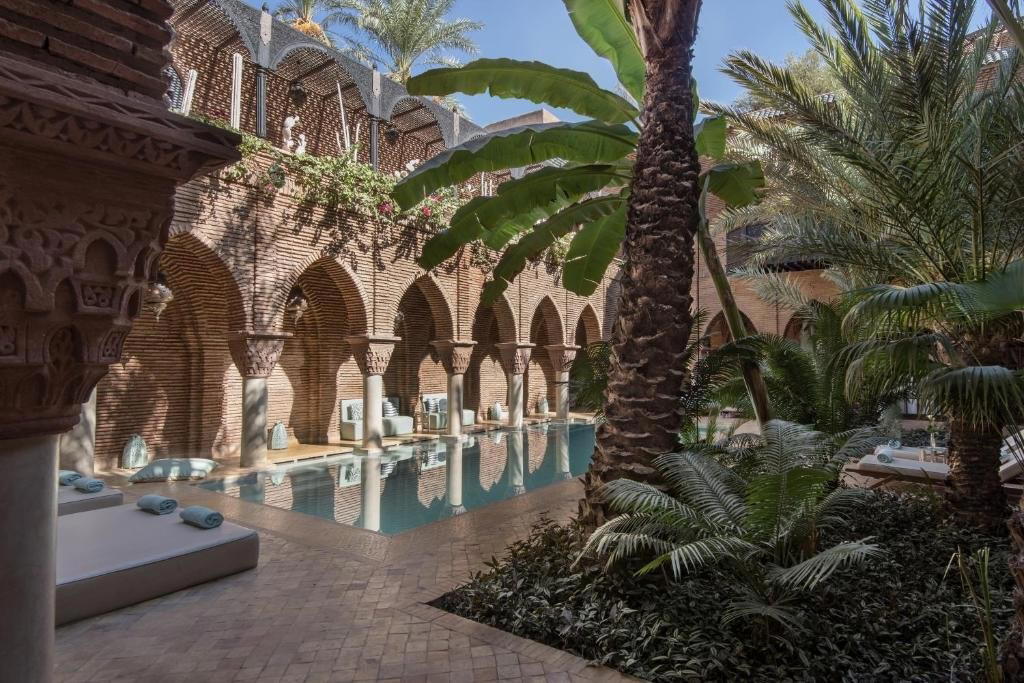
The approach to BÔ ZIN follows that pattern. The property opens onto the kind of enclosed garden setting common to this stretch of the Ourika road: palm canopy overhead, lantern light at ground level after dark, and an ambient temperature that drops noticeably once you move off the tarmac. The transition from city road to garden enclosure is immediate, and it sets a clear register for what follows inside.
The Ingredient Logic of the Haouz Plain
Morocco's most discussed fine-dining addresses tend to cluster in two categories: the formal palace-hotel rooms, exemplified by La Grande Table Marocaine at Royal Mansour Marrakesh, where service architecture and heritage presentation dominate; and the riad-courtyard formats, where atmosphere carries heavier editorial weight than sourcing specificity. BÔ ZIN sits outside both categories. Its position on the Ourika corridor places it closer to the agricultural plain than any riad address can manage, and the dining format reflects that proximity.
The Haouz Plain, which fans out south and east of Marrakech toward the Atlas, supplies a significant share of the region's vegetables, herbs, and citrus. Farms along the Ourika river valley add altitude-grown produce as the valley climbs toward Setti Fatma. Restaurants that operate along this route, as opposed to operating inside the medina and purchasing through the wholesale souks, can work more directly with that supply chain. The address itself is a structural advantage over city-centre competitors dealing with greater logistical distance from production.
This matters to how Moroccan cuisine evolves in practice. Dishes built on ras el hanout, preserved lemon, and argan-dressed salads read differently when the base ingredients arrive with less distance and fewer handling stages between field and kitchen. The cuisine traditions of the region, bastilla, slow-braised tagines, vegetable-forward couscous preparations, are not inherently ingredient-poor, but they are frequently interpreted through commodity supply chains in city-centre restaurants. An address like BÔ ZIN's creates at least the conditions for a different approach, even if the specifics of each menu cycle are not documented here in a way that would let us verify exact sourcing claims.
Positioning Within Marrakech's Dining Tier
Marrakech's premium restaurant market has developed a more differentiated structure over the past decade. At the leading, hotel dining rooms at properties like Royal Mansour command their own price tier and draw a global visitor audience for whom Moroccan cuisine is one chapter in a longer luxury itinerary. Further down the register, medina restaurants and tourist-facing riads operate on volume and atmosphere. The interesting middle ground belongs to freestanding restaurants on the city's periphery, properties that have enough space to build a garden or pool setting, enough distance from the medina to escape its price ceiling, and enough local clientele to sustain a food-forward proposition.
BÔ ZIN's address on the Route de l'Ourika places it in that middle tier. The Ourika road has historically attracted this category of Marrakech restaurant: properties that are a short taxi ride from the city's main hotel districts but feel architecturally and atmospherically removed from them. For context on how the broader Moroccan dining circuit compares, La Grande Table Marocaine in Casablanca represents the hotel-anchored end of the spectrum, while properties like Andalus in Tangier and Cafe Clock in Fes illustrate how Moroccan restaurant culture is building distinct identities in each major city rather than converging on a single national template. BÔ ZIN belongs to the Marrakech-specific conversation about where to eat when you want to move past the riad-courtyard default.
Elsewhere in Morocco, ingredient-forward approaches are visible at venues including L'Oliveraie in El Hajeb, positioned within olive-producing agricultural country north of Meknes, and L'Araignée Gourmande in Oualidia, which draws on the Atlantic lagoon's shellfish directly. The pattern across these properties is consistent: address determines ingredient access, and ingredient access shapes what the kitchen can credibly attempt.
What the Setting Offers in Practice
For visitors arriving from Marrakech, the Route de l'Ourika is a direct taxi or rideshare journey from Gueliz or the medina, call it ten to fifteen minutes depending on traffic at the city's southern exits. The Km 3.5 marker is the relevant navigation point. Evenings are the primary draw; the garden setting at this latitude rewards the cooler hours after sunset, particularly from spring through autumn when daytime temperatures make outdoor dining less viable. Winter evenings along the Ourika corridor can run cool enough to require a layer, which is worth knowing if you're planning around an open-air table.
The restaurant is open nightly from 8 PM to 4 AM, and reservations are essential. Given BÔ ZIN's profile and location, booking ahead is one reliable approach.
For a broader view of where BÔ ZIN sits within Morocco's evolving restaurant culture, it is worth reading across a range of regional reference points: Amal Gueliz Center in Marrakech operates on a different social mission but within the same city culinary conversation; Gayza in Fès represents what contemporary Moroccan hospitality looks like in the country's most intact medina; and Le Salon Oriental in Essaouira and Dar Dada in Sidi Belyout add Atlantic coast and Casablanca dimensions to a picture that rewards comparison.
Comparison Snapshot
Comparable venues nearby, for context on price, style, and recognition.
| Venue | Cuisine | Price | Notes |
|---|---|---|---|
| BÔ ZINThis venue — the venue you are viewing | Asian-French Fusion | $$$ | Not listed |
| Amal Gueliz Center - Restaurant | Authentic Moroccan | $$ | Gueliz |
| La Sqala: Café Maure | Traditional Moroccan Café Maure | $$ | Medina |
| Grand Café de la Poste | French Brasserie with Moroccan Accents | $$$ | Gueliz |
| Eloomm | Mediterranean with Moroccan Influences | $$ | Méchouar-Kasba |
| Le Palace | French-Moroccan Fine Dining | $$$$ | Gueliz |
Continue exploring
More in Tassoultante
Restaurants in Tassoultante
Browse all →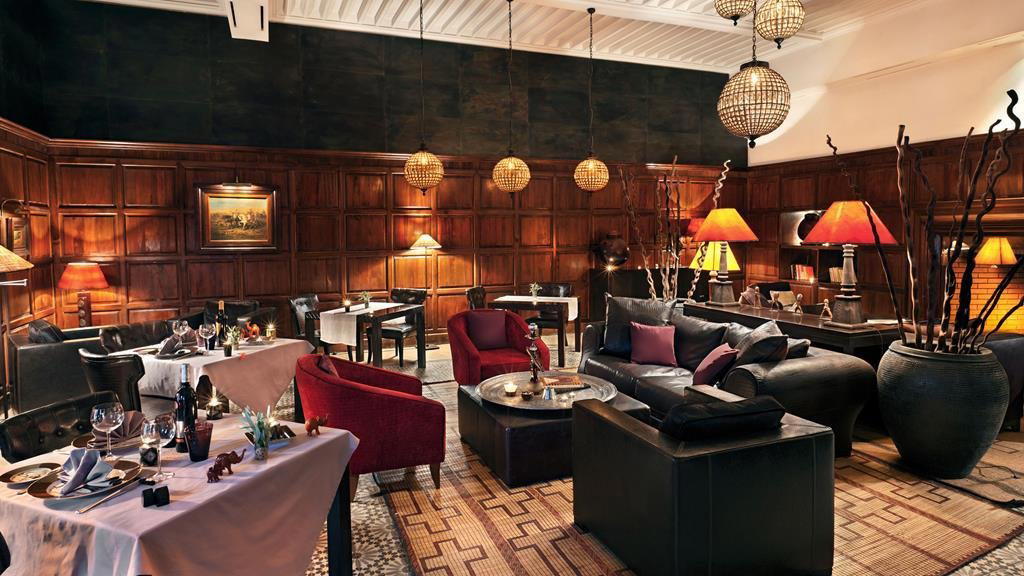
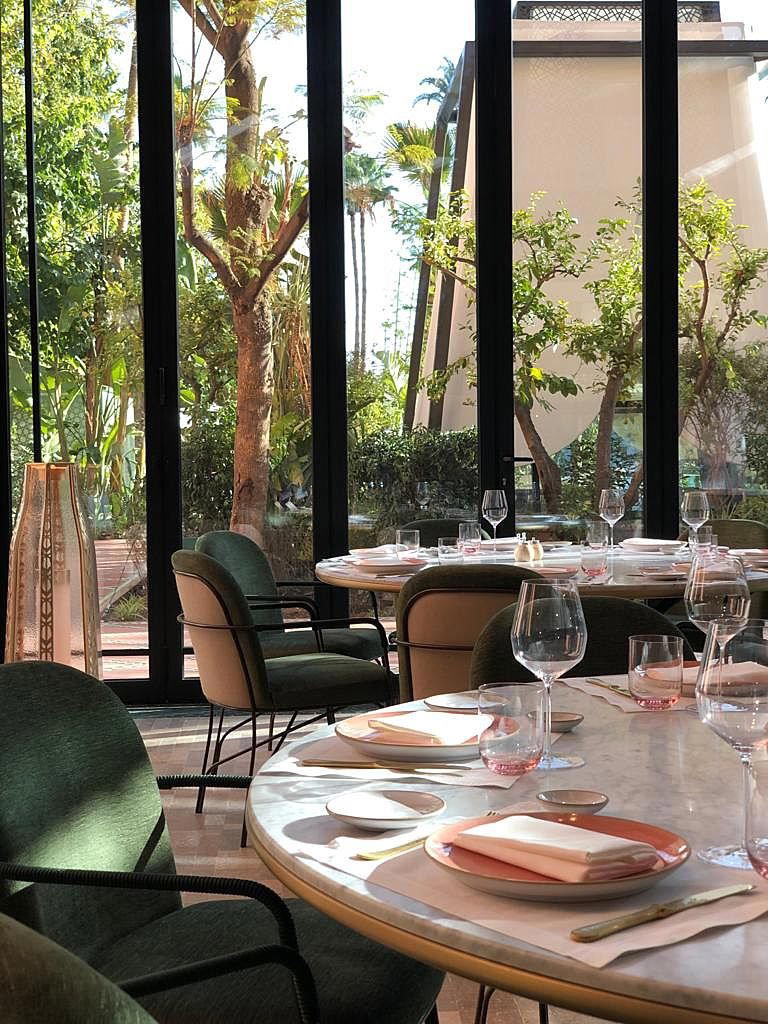
Bars in Tassoultante
Browse all →
Hotels in Tassoultante
Browse all →
Wineries in Tassoultante
Browse all →
At a Glance
- Elegant
- Sophisticated
- Lively
- Date Night
- Special Occasion
- Group Dining
- Terrace
- Garden
- Open Kitchen
- Craft Cocktails
- Garden
Current opening hours
- Monday
- 8 PM–4 AM
- Tuesday
- 8 PM–4 AM
- Wednesday
- 8 PM–4 AM
- Thursday
- 8 PM–4 AM
- Friday
- 8 PM–4 AM
- Saturday
- 8 PM–4 AM
- Sunday
- 8 PM–4 AM
Hours can change for holidays and private events. Last verified .
Chic and elegant atmosphere with relaxed terrace and garden dining under the stars, transitioning to festive with resident DJs.