Andalus sits within Tangier's storied dining tradition, where Andalusian culinary heritage meets the port city's layered Mediterranean and North African pantry. The kitchen draws on a regional sourcing culture that has shaped northern Moroccan cooking for centuries. For visitors tracing the arc of Moroccan gastronomy from coast to interior, it represents one of the city's more rooted addresses.
Pearl is the En Primeur Club membership app — saves, bookings, and concierge access live there. Same editors, same standards.
- Address
- Tangier, Morocco
- Directions
- Get directions
 Saves & bookings on Pearl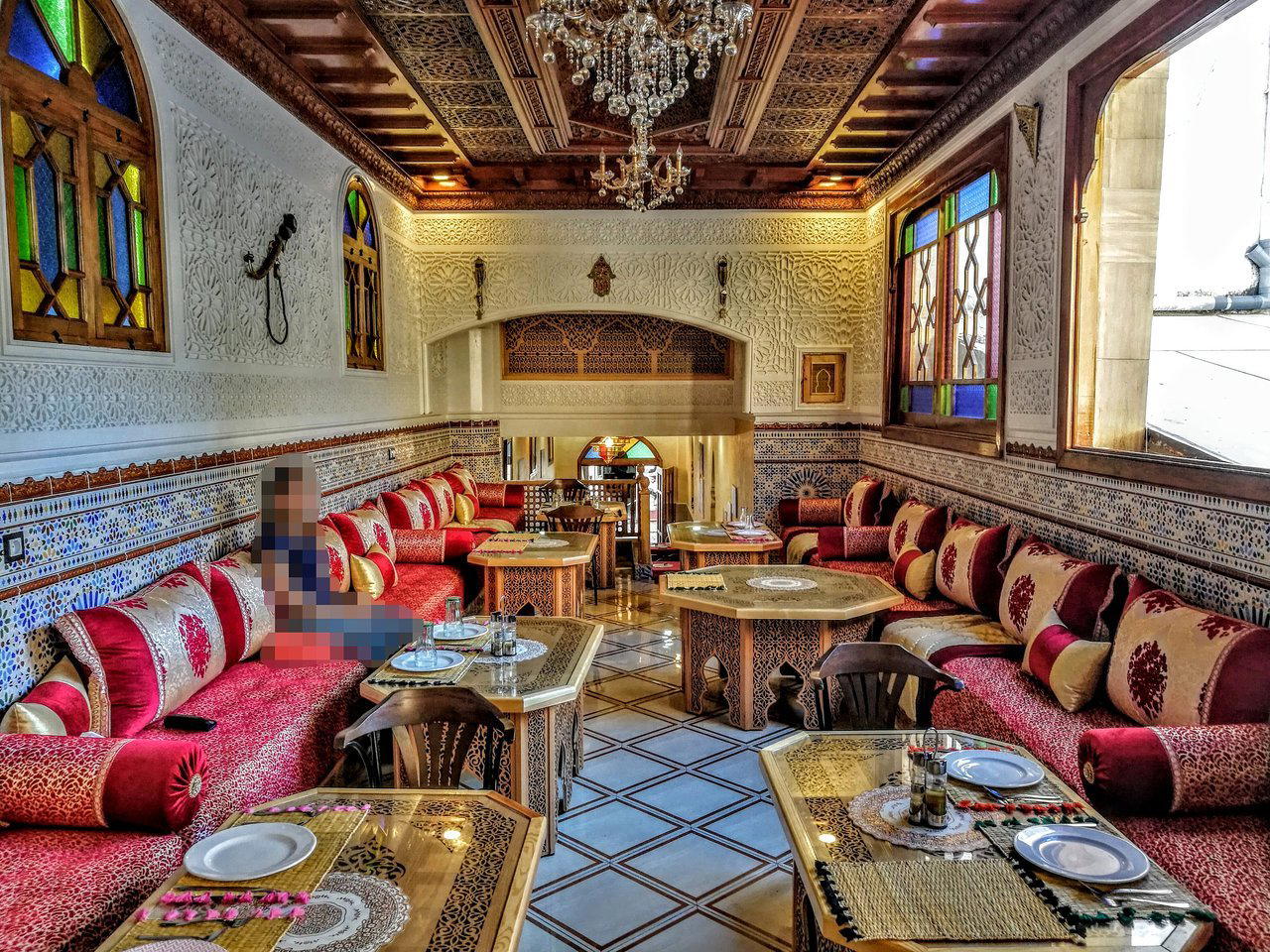
Where Tangier's Pantry Meets Its Past
Northern Morocco has a different culinary logic from the imperial cities to the south. Tangier's position at the strait means its kitchens have historically absorbed Andalusian techniques, Berber staple ingredients, Mediterranean seafood traditions, and a steady Levantine influence carried by merchants and settlers over several centuries. The result is a regional food culture that is simultaneously more coastal, more restrained in its spicing, and more European in its textures than what visitors encounter in Marrakesh or Fes. Andalus, as its name signals directly, plants itself inside that Andalusian lineage, the culinary inheritance that arrived with Muslim and Jewish communities expelled from the Iberian Peninsula and resettled along Morocco's northern coast from the late fifteenth century onward.
That heritage is not merely decorative in a city like Tangier. It shaped the way flour-based pastry traditions interact with local honey and almond crops, the preference for slow-cooked savory-sweet combinations, the use of preserved citrus, and a particular approach to meat cookery that differs from the tagine-dominant repertoire of the Marrakesh region. Restaurants operating in this tradition function as a kind of institutional memory, keeping those techniques legible to a dining public that increasingly encounters Moroccan food through its most exported, most simplified forms.
The Sourcing Logic Behind Northern Moroccan Cooking
The ingredient story in this part of Morocco is worth understanding before you eat. The Rif Mountains supply the hinterland immediately behind Tangier with some of the country's most reliable produce, including wild herbs, pulses, and cold-weather greens that rarely appear on menus elsewhere. The Atlantic coast to the west and the Mediterranean shore to the east offer distinct fish populations: sardines, sea bass, and bream from the Atlantic run differently in texture and fat content from the red mullet and grouper pulled from warmer Mediterranean waters. Kitchens that pay attention to that distinction, sourcing according to season and strait rather than defaulting to a single fish supplier, produce noticeably different plates.
Further north, just across the strait, Andalusian Spain still maintains agricultural and fishing ties to this coast that date back centuries, and the cross-pollination continues in practical terms: certain varieties of olive, citrus, and cured product move back and forth through Tangier's port in ways that keep the regional pantry genuinely bilateral. That context matters when assessing any restaurant in this city that identifies with the Andalusian tradition. The name is a claim about source culture, not just aesthetic positioning.
Within Tangier's broader restaurant offering, addresses tend to cluster into a few categories. Restaurant Saveur de Poisson has built its reputation almost entirely on fish sourced from those Atlantic and Mediterranean waters, operating a no-choice format that places the supply chain at the center of the experience. Azurita (Moroccan and Mediterranean) takes a broader approach, framing the convergence of Moroccan and Mediterranean cooking as its primary editorial position. Restaurant Casa Harris operates with a more international inflection. Andalus, by contrast, holds to the specifically Andalusian-Moroccan thread, which places it in a narrower competitive set and makes the sourcing question more pointed: either the pantry reflects that heritage or the name is empty.
Tangier in the Context of Moroccan Dining
For travelers who have moved through the country's other major dining cities, Tangier requires a recalibration. The theatrical presentation associated with Marrakesh's medina restaurants, including places like La Grande Table Marocaine at Royal Mansour, reflects a southern imperial city's relationship with ceremony and display. Cafe Clock in Fes sits within a different tradition, one that prizes medina rootedness and cultural programming alongside food. Casablanca's restaurant scene, anchored by addresses like La Grande Table Marocaine at Royal Mansour Casablanca, operates with a more cosmopolitan, business-city logic.
Tangier is none of those things. It is a port city with a colonial-era international zone history, a literary reputation built by expatriate writers in the mid-twentieth century, and a culinary identity that has never been fully legible to food tourism in the way that Marrakesh's has. That relative opacity is part of its value. The more ingredient-forward, less theatrically Moroccan cooking that characterizes the city's better kitchens reads as less exotic to some visitors and more interesting to others. Andalus operates in that register.
Elsewhere in Morocco, institutions like Amal Gueliz Center in Marrakech have made a point of grounding traditional cooking in social mission and documented technique. Le Salon Oriental in Essaouira anchors itself in a similarly port-city-inflected reading of Moroccan cuisine. Both offer useful reference points for understanding what a regional kitchen with genuine source culture looks like, as opposed to one assembled around tourism expectations.
The Practical Picture
Tangier is accessible by high-speed train from Casablanca and by ferry from Tarifa and Algeciras in southern Spain, which makes it a plausible extension of either a Moroccan circuit or a Spanish trip. The city's medina and more modern Ville Nouvelle districts both support active restaurant scenes, and the question of which neighborhood to base yourself in shapes the dining options considerably. Addresses in the medina tend toward traditional formats; the newer districts run a broader stylistic range.
For those moving through quickly, the city's more casual eating options, including Snack Brahim Abdelmalik and Cafétéria Dopamine, offer lower-commitment entry points into the local food culture. The full picture of what Tangier's kitchens are doing sits in the mid-to-upper tier, where sourcing decisions and culinary lineage become legible in the plate.
Le Bernardin in New York City, The distance between those reference points and a northern Moroccan kitchen is large in budget and infrastructure, but the underlying logic, that the ingredient's provenance is itself a form of argument, travels.
At-a-Glance Comparison
Comparable venues nearby, for context on price, style, and recognition.
| Venue | Cuisine | Price | Notes |
|---|---|---|---|
| AndalusThis venue — the venue you are viewing | Authentic Moroccan Seafood | $$ | Not listed |
| Azurita | Moroccan-Spanish Fusion | $$ | central Tangier |
| Cafétéria Dopamine | Moroccan Pastries & Cafe | $$ | Medina |
| The Burger Boutique | Gourmet American Smash Burgers with Mexican and Asian Fusion | $$ | Malabata |
| Restaurant Casa Harris | Moroccan Fusion | $$ | Malabata |
| Snack Brahim Abdelmalik | Spanish-Style Sandwich Shop | $ | central Tangier |
At a Glance
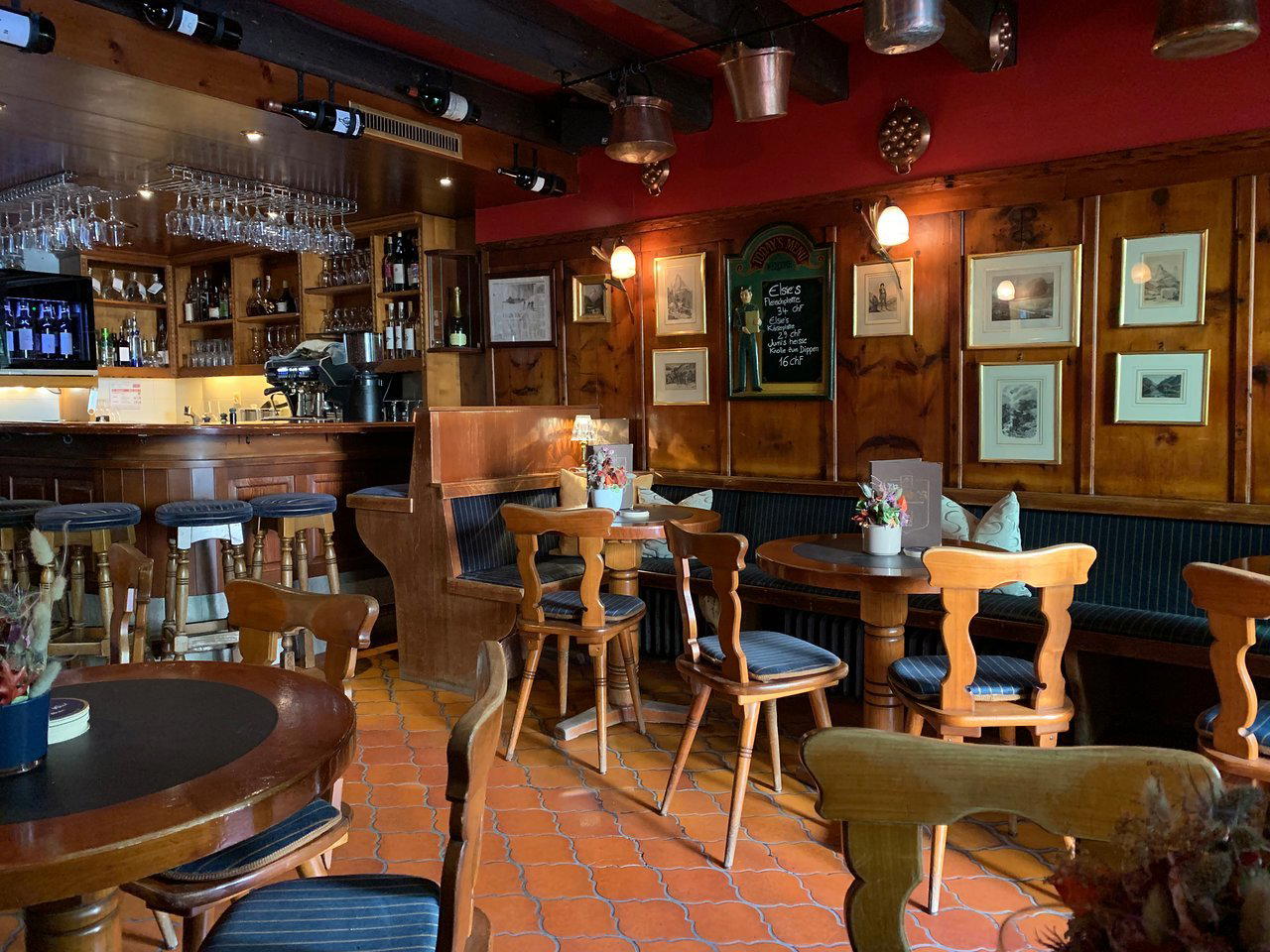
- Rustic
- Cozy
- Casual Hangout
- Standalone
Current opening hours
- Monday
- 12 PM–12 AM
- Tuesday
- 12 PM–12 AM
- Wednesday
- 12 PM–12 AM
- Thursday
- 12 PM–12 AM
- Friday
- 12 PM–12 AM
- Saturday
- 12 PM–12 AM
- Sunday
- 12 PM–12 AM
Hours can change for holidays and private events. Last verified .
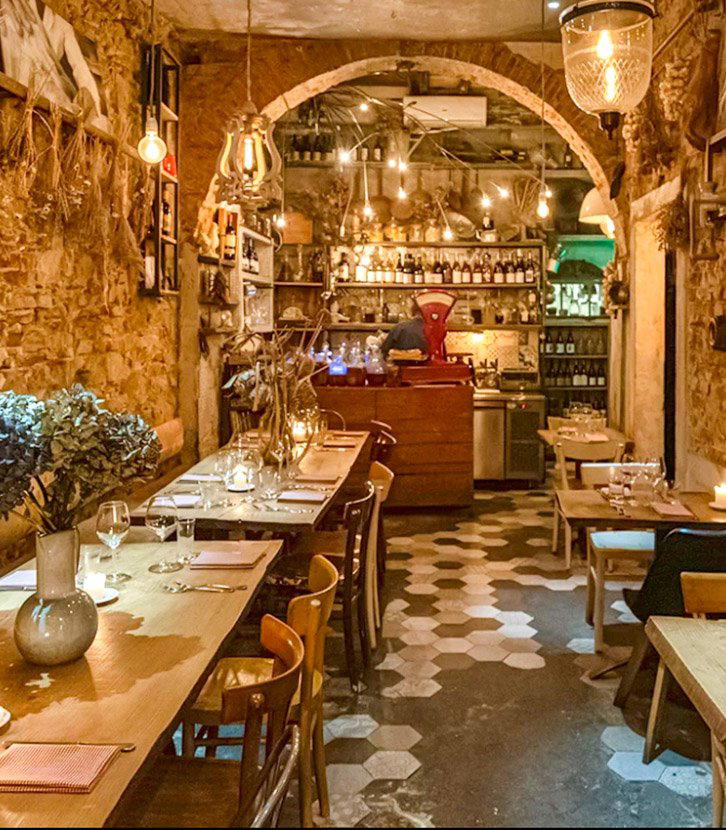
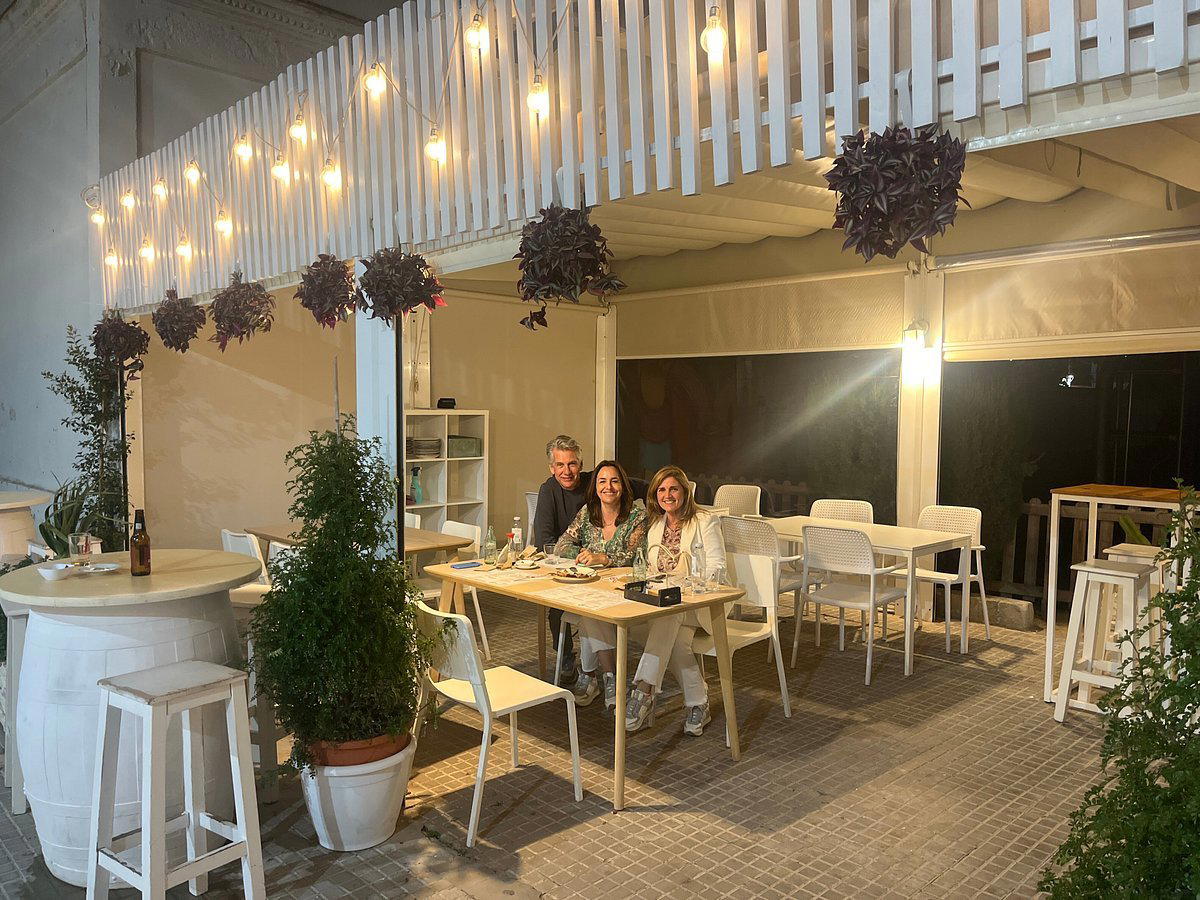
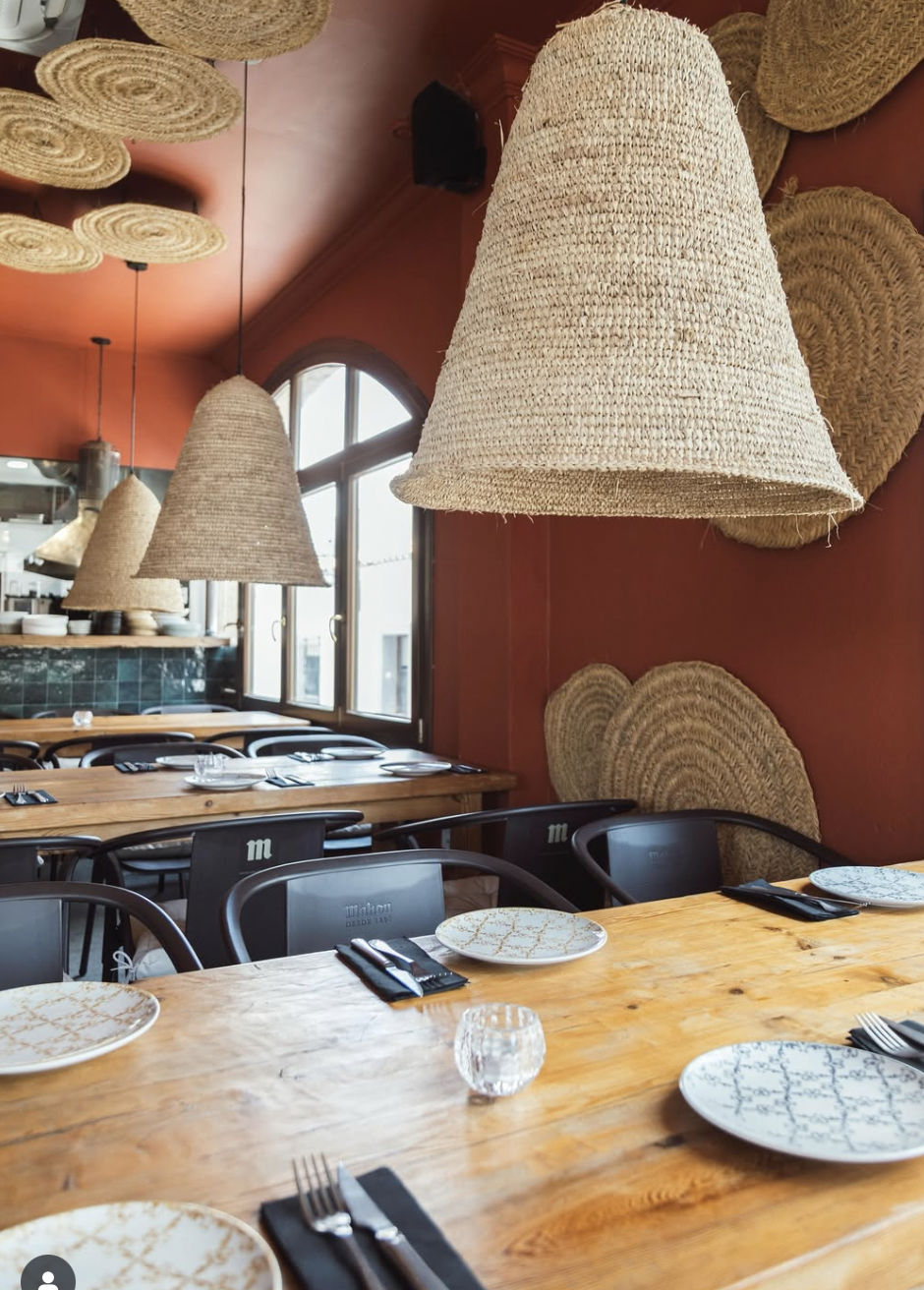
Authentic old bodega atmosphere with simple decor for a true local experience.