
Set along the Route de Fès outside El Hajeb, L'Oliveraie earns recognition for its expression of Moroccan terroir — a designation that places it among a small cohort of restaurants treating regional produce and traditional technique as a serious editorial statement. With, it represents a less-travelled entry point into Morocco's northern culinary tradition.
Pearl is the En Primeur Club membership app — saves, bookings, and concierge access live there. Same editors, same standards.
- Address
- KM6 Route de Fes, BP 658, Marrakech 40060, Morocco
- Phone
- +212 6 60 14 70 91
- Website
- restaurants.accor.com
- Directions
- Get directions
 Saves & bookings on Pearl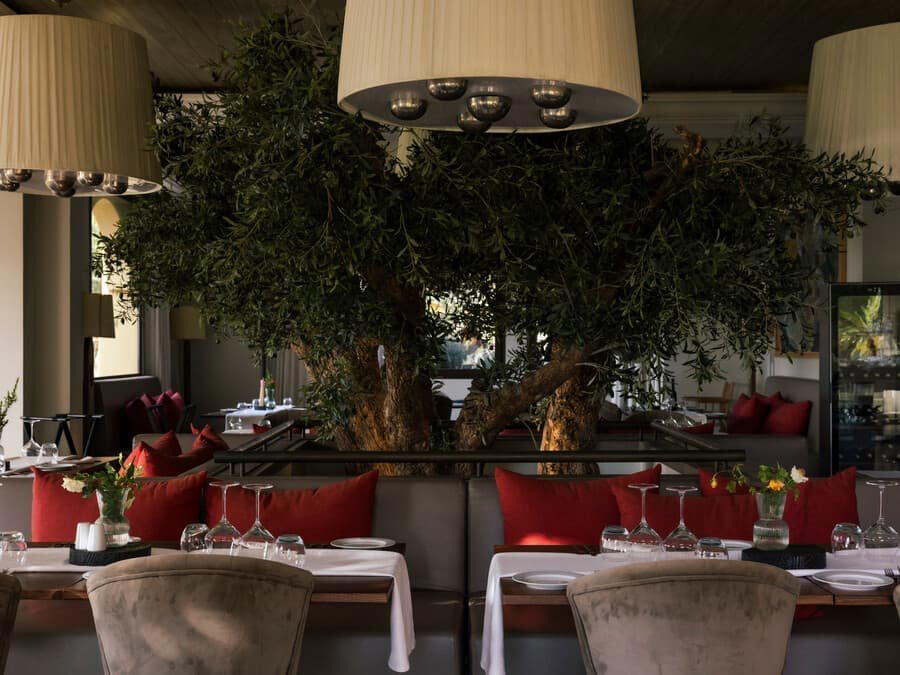
The Road Between Meknès and Fès — and What Grows Along It
The stretch of Route de Fès running through the Middle Atlas foothills is not where most visitors to Morocco think to stop. Marrakech pulls hard, and Fès has its medina mystique. But the agricultural corridor around El Hajeb — plateau country at altitude, dense with olive groves and market gardens, sustains a quieter culinary identity, one rooted in what the land actually produces rather than what a hotel kitchen decides to showcase. L'Oliveraie sits at kilometre six of that road, and its framing as an expression of terroir is not an abstract marketing claim: it is a reasonably precise description of where this kind of cooking sits in Morocco's broader dining conversation.
The terroir designation matters because it marks a specific position. Across Morocco's premium restaurant tier, from La Grande Table Marocaine at Royal Mansour in Marrakesh to Heure Bleue Palais in Essaouira, the tendency is to present Moroccan cuisine through a lens of refinement and occasion. These are destination restaurants for occasion dining. L'Oliveraie operates differently: the logic here is geographic and agricultural before it is ceremonial. That is a meaningful distinction in a country where the restaurant scene has historically been divided between medina tourist fare and polished urban fine dining, with relatively little in between that takes produce seriously on its own terms.
Opening Spreads and the Logic of the Moroccan Table
Moroccan hospitality has always front-loaded generosity. The table begins before the main event: a procession of small dishes, dips, and preserved things that establish the cook's relationship to the pantry and the season. In the northern regions around El Hajeb and the Meknès plain, this opening spread draws from a specific larder, argan and olive oils pressed locally, preserved lemons from Meknès, harissa made with peppers grown at altitude, and salads dressed with the kind of restraint that comes from confidence in the ingredient rather than the sauce.
This is the tradition L'Oliveraie works within. The olive, the literal subject of its name, is not incidental. The El Hajeb region is one of Morocco's more productive olive-growing zones, and olive oil at this latitude tends toward a greener, more herbaceous profile than the oils pressed further south. A spread built around that kind of oil, alongside the fermented and preserved staples of northern Moroccan cooking, represents a regional argument about flavour that distinguishes it from the sweeter, more ras el hanout-forward cooking associated with Marrakech. Visitors who have eaten only in the south will find the flavour register here noticeably different: more acid, more bitter, more green.
In cities further north, restaurants like Gayza in Fès operate within a similar tradition of northern Moroccan domestic cooking taken seriously. The comparison is useful: both operate at a remove from the high-gloss hotel dining that defines much of what international visitors encounter, and both treat the region's agricultural identity as the primary frame. For anyone building a northern Morocco itinerary, the two represent complementary angles on the same culinary geography.
Where L'Oliveraie Sits in the Moroccan Restaurant Picture
Morocco's restaurant recognition infrastructure is still developing. The country currently sits outside the main Michelin geography, which means the credentialing signals available to diners are different from what they would be in France or Spain. The Expression of the Terroir award that L'Oliveraie carries is a meaningful marker in this context: it signals editorial recognition of a specific approach to sourcing and regional identity rather than technical performance in an international fine-dining framework. That is, arguably, the more relevant credential for a restaurant in this position.
The comparison set worth holding in mind includes not only the polished Marrakech addresses, La Cour des Lions at Es Saadi, La Villa des Orangers, but also properties like Château Roslane in the Meknès wine region, which approaches the same agricultural terroir from a French-Moroccan angle. L'Oliveraie's positioning is more firmly on the Moroccan side of that conversation.
Getting There and Planning Your Visit
El Hajeb sits roughly 25 kilometres south of Meknès on the road toward Azrou and the Middle Atlas. The address, KM6 Route de Fès, places L'Oliveraie on the Fès-bound road out of El Hajeb, accessible by car from both Meknès and Fès, the latter approximately 60 kilometres away. This is not a drop-in destination from a medina riad: it works well as a deliberate stop on a northern Morocco circuit, ideally anchored around Meknès or as a lunch or dinner detour on the Fès-to-Meknès leg. No booking contact or hours are currently listed in public records; prospective visitors should plan accordingly and allow for on-the-ground confirmation of opening times.
For those building a wider northern Morocco trip, our full El Hajeb restaurants guide covers the local dining picture in more depth. The region also rewards exploration beyond the plate: see our El Hajeb hotels guide, bars guide, wineries guide, and experiences guide for a fuller picture of what the area offers. For those whose Morocco itinerary extends further, the contrast with Marrakech addresses like +61 and Le Petit Cornichon or the coastal register of Hôtel Le Doge in Casablanca is instructive: Morocco's restaurant scene is geographically diverse, and the northern agricultural corridor offers a register that the southern cities simply do not replicate.
How L'Oliveraie El Hajeb compares with similar nearby venues.
| Venue | Cuisine | Awards |
|---|---|---|
| L'Oliveraie | Moroccan Cuisine | Relais Chateaux Award (2025) |
| Palais Ronsard | Moroccan French | Not listed |
| La Villa des Orangers | Moroccan Cuisine | Not listed |
| La Grande Table Marocaine - Royal Mansour | Moroccan Cuisine | Not listed |
| La Cour des Lions - Es Saadi | Moroccan Cuisine | Not listed |
Recognition history
Dated appearances from independent guides and award organizations, with the underlying list record or original source where available.
Relais Chateaux Award
Relais Chateaux
Continue exploring
More in El Hajeb
Restaurants in El Hajeb
Browse all →
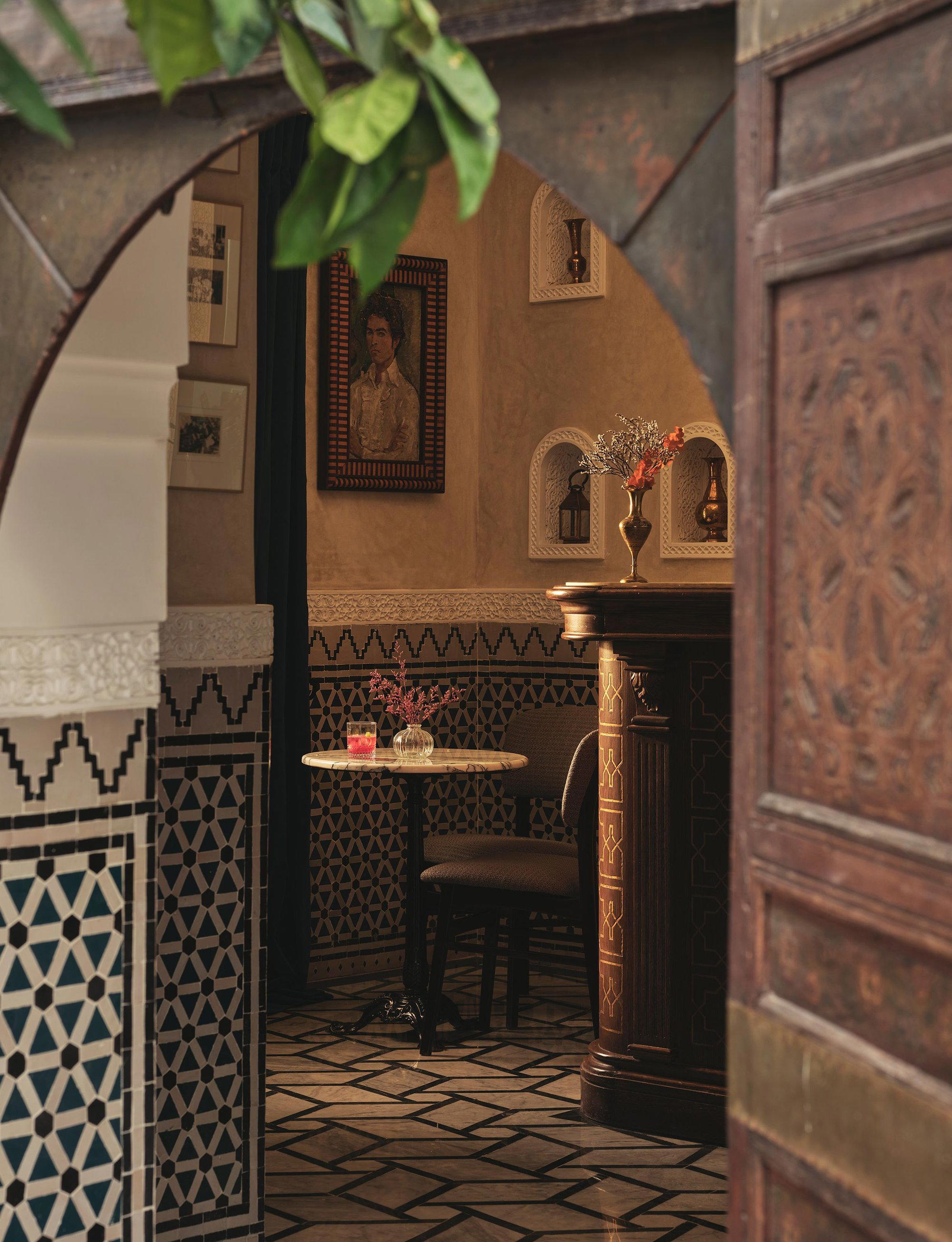
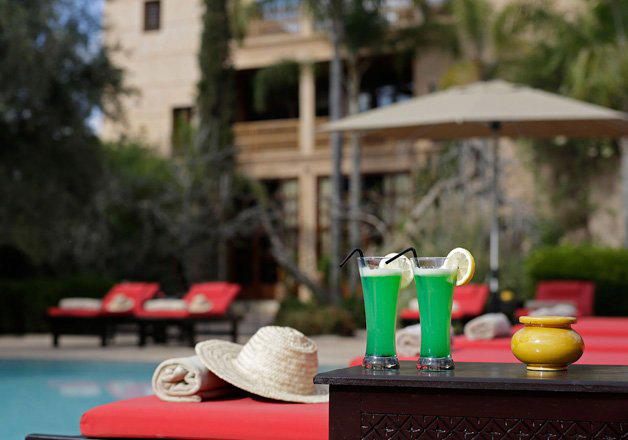
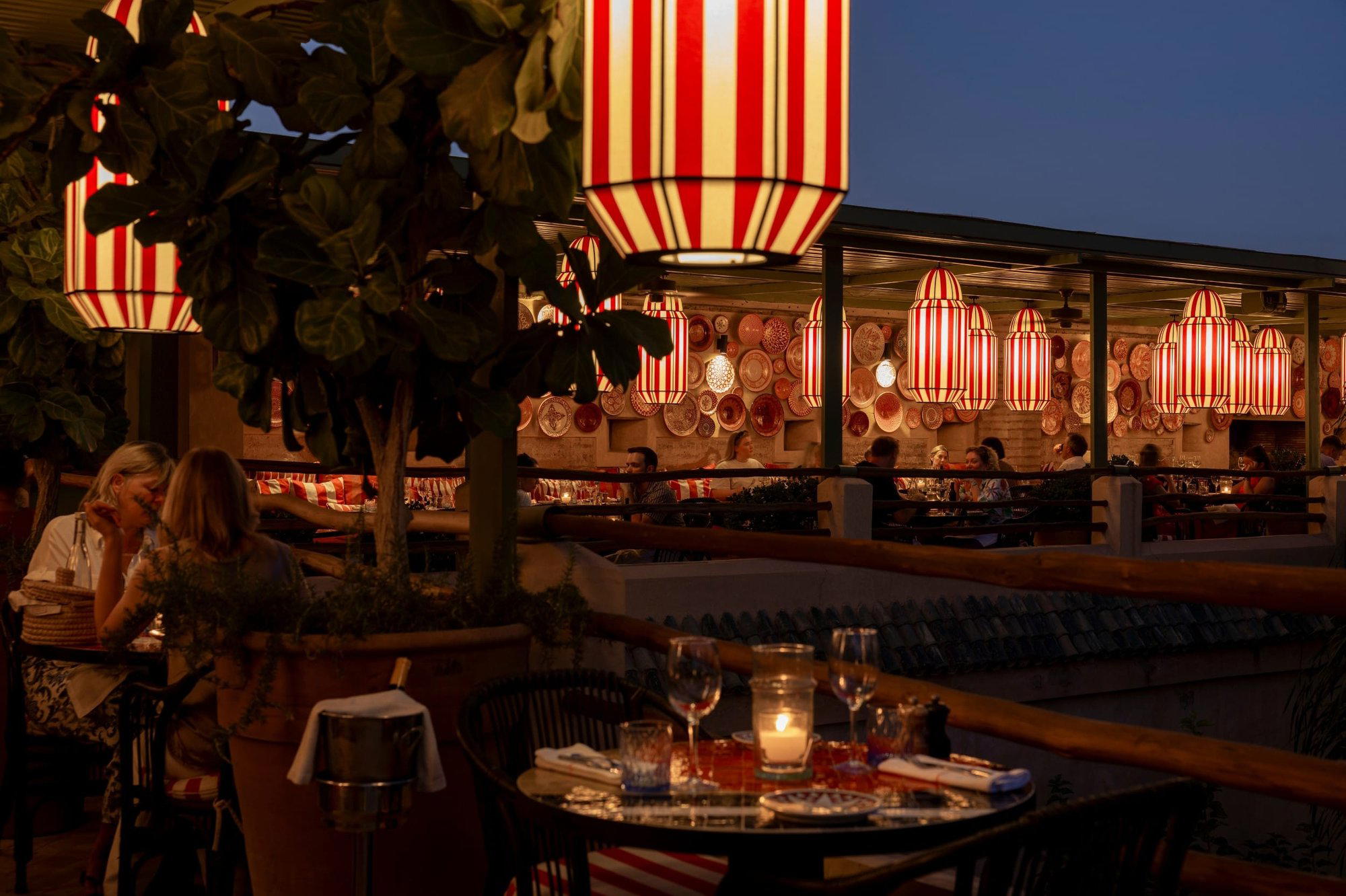
Bars in El Hajeb
Browse all →
Hotels in El Hajeb
Browse all →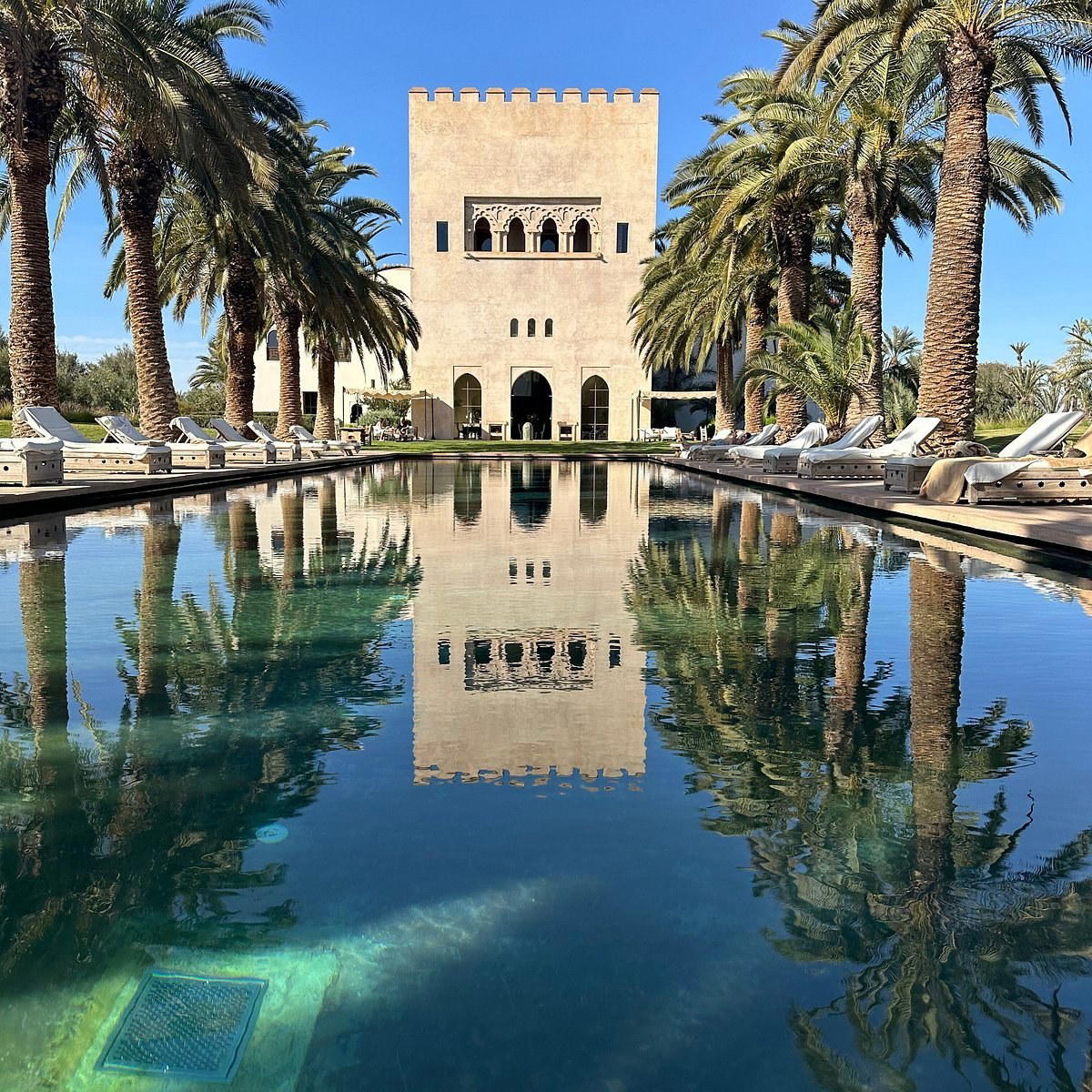
Wineries in El Hajeb
Browse all →
At a Glance
- Elegant
- Scenic
- Rustic
- Sophisticated
- Date Night
- Special Occasion
- Terrace
- Extensive Wine List
- Local Sourcing
- Organic
- Vineyard
- Garden
Current opening hours
- Monday
- 11 AM–12:30 PM, 3–7:30 PM
- Tuesday
- 11 AM–12:30 PM, 3–7:30 PM
- Wednesday
- 11 AM–12:30 PM, 3–7:30 PM
- Thursday
- 11 AM–12:30 PM, 3–7:30 PM
- Friday
- 11 AM–12:30 PM, 3–7:30 PM
- Saturday
- 11 AM–12:30 PM, 3–7:30 PM
- Sunday
- 11 AM–12:30 PM, 3–7:30 PM
Hours can change for holidays and private events. Last verified .
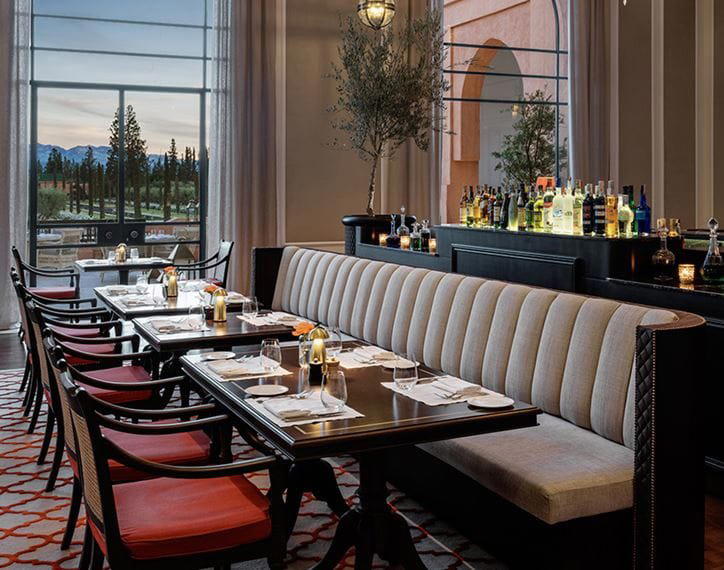
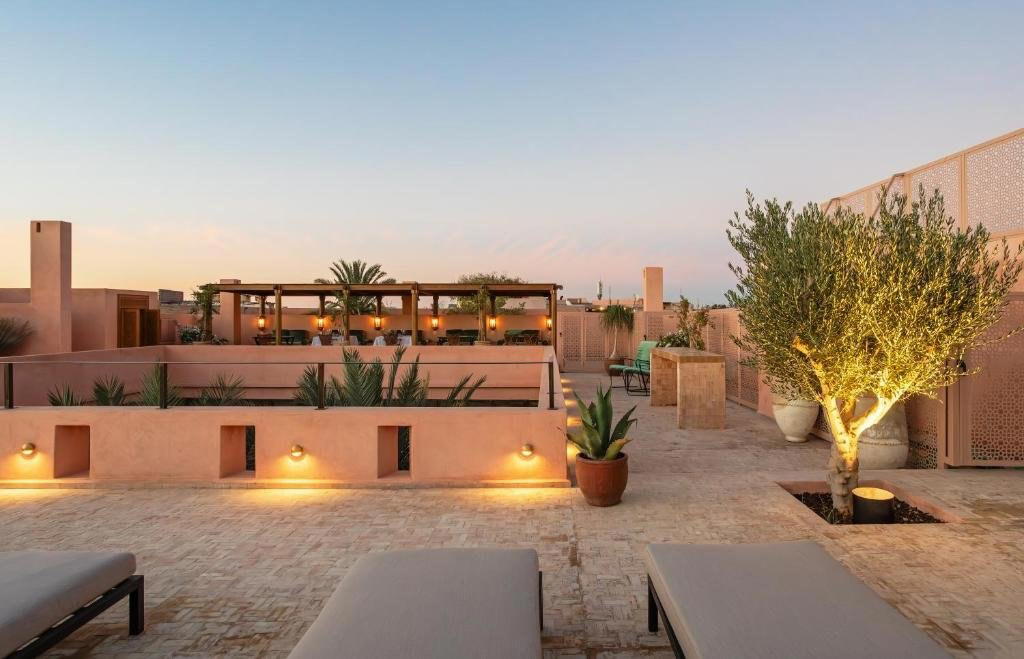
Delicate lighting in a bistro-chic dining room with tables arranged around large olive trees, or tree-lined terrace offering a serene and elegant atmosphere.
Know Before You Go
- Getting there
- KM6 Route de Fes, BP 658, Marrakech 40060, Morocco