
Table III (La Table) sits within the Royal Mansour in Marrakech, one of the city's most architecturally considered hotel addresses. The restaurant earned 89 points in the La Liste Top Restaurants 2026 ranking, placing it among a small tier of formally recognised dining rooms in Morocco. For visitors seeking a measured, high-standard meal in an exceptional setting, advance planning is advisable.
 Discover on Pearl
Pearl is the En Primeur Club membership app — saves, bookings, and concierge access live there. Same editors, same standards.
- Address
- Hôtel Royal Mansour, Rue Abou Abbas El Sebti, Marrakech 40000, Morocco
- Phone
- +212 5 29 80 82 82
- Website
- royalmansour.com
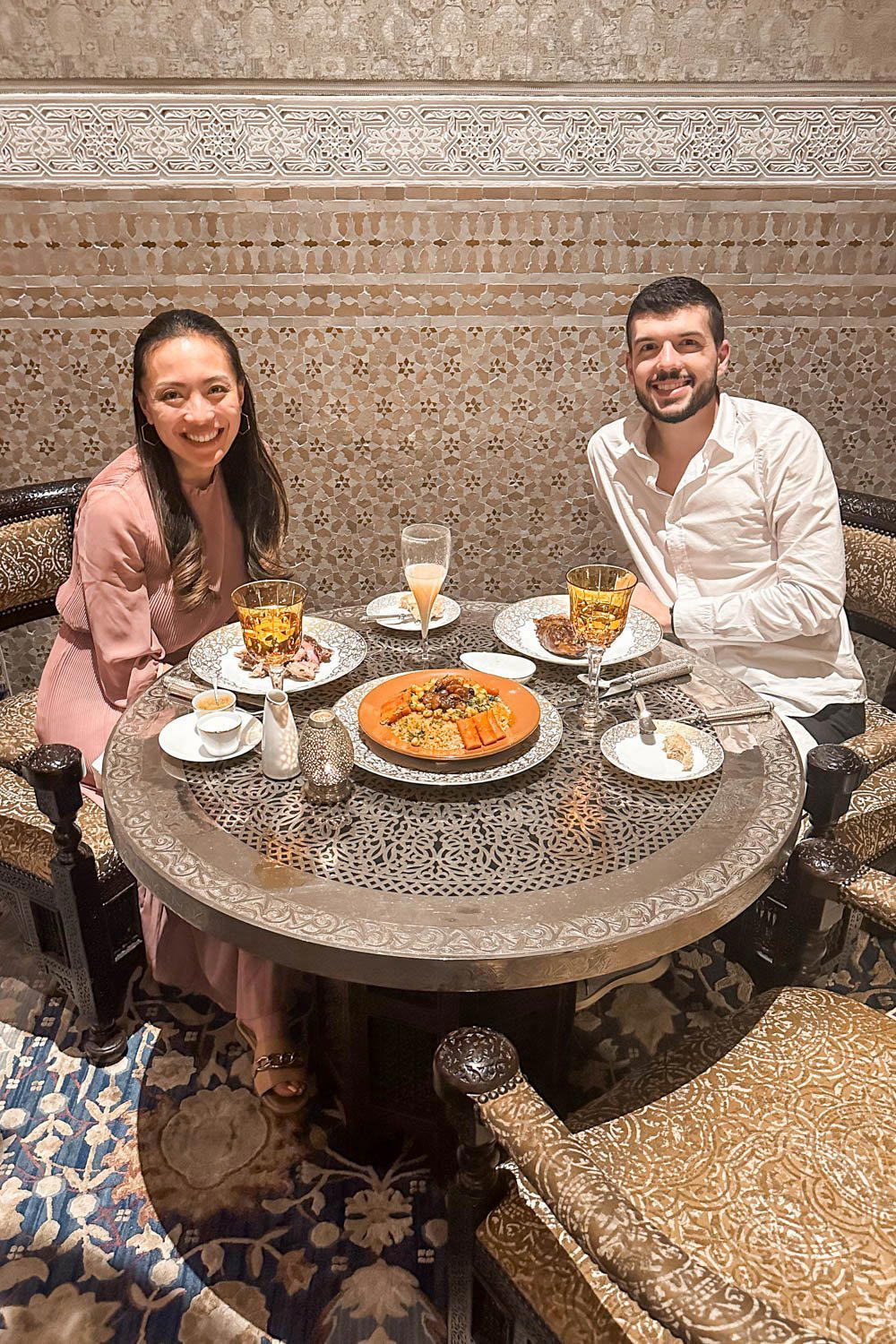
Dining Inside the Royal Mansour: What the Setting Signals
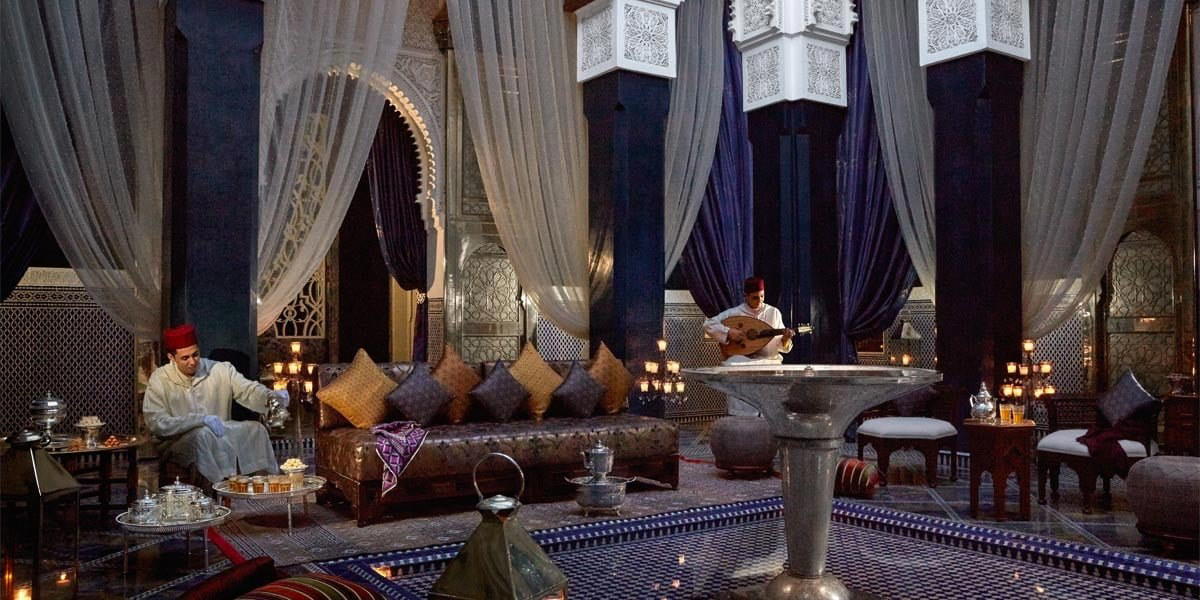
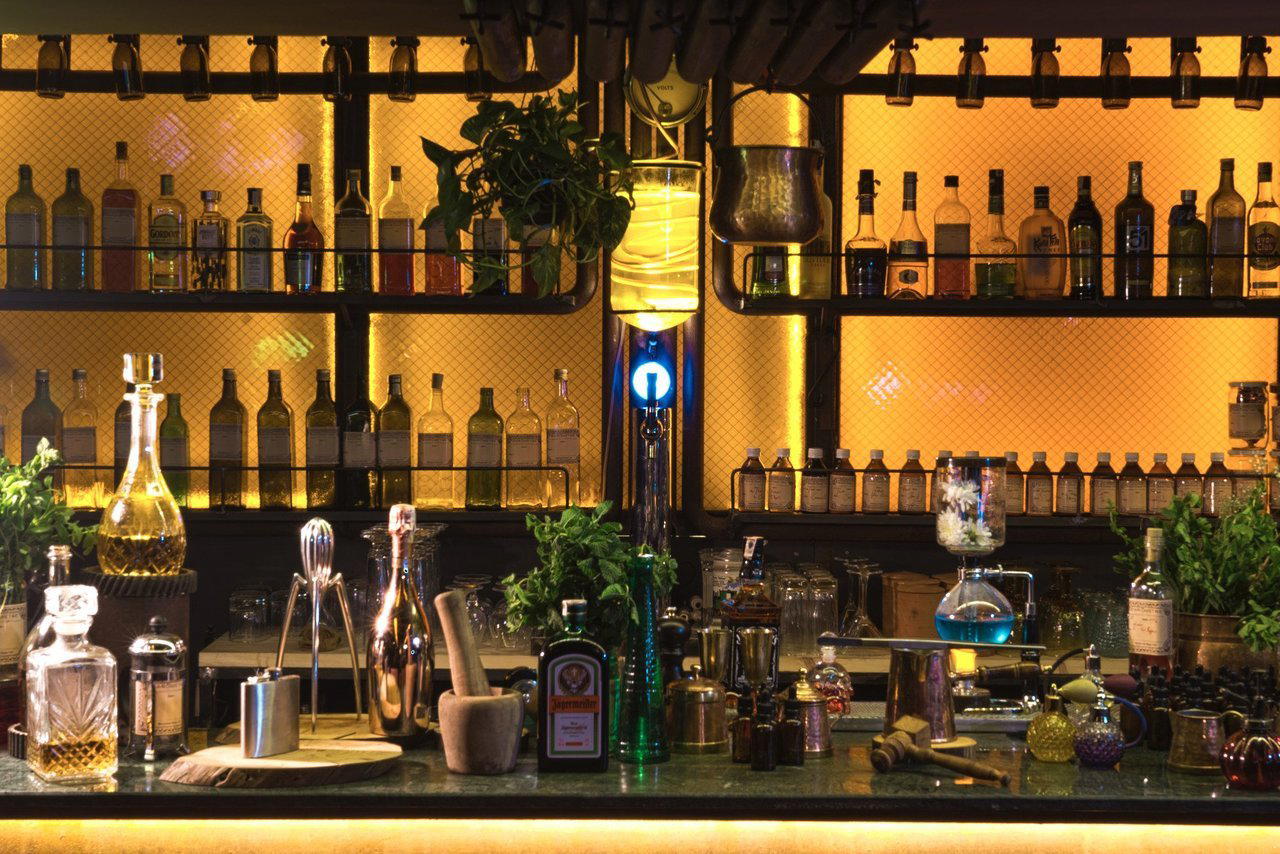
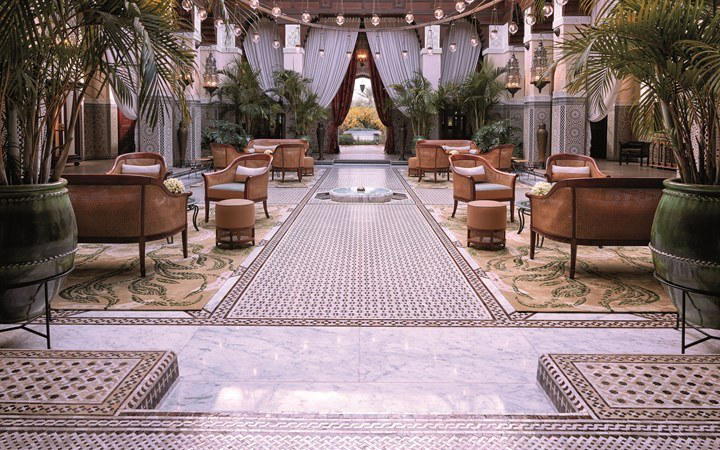
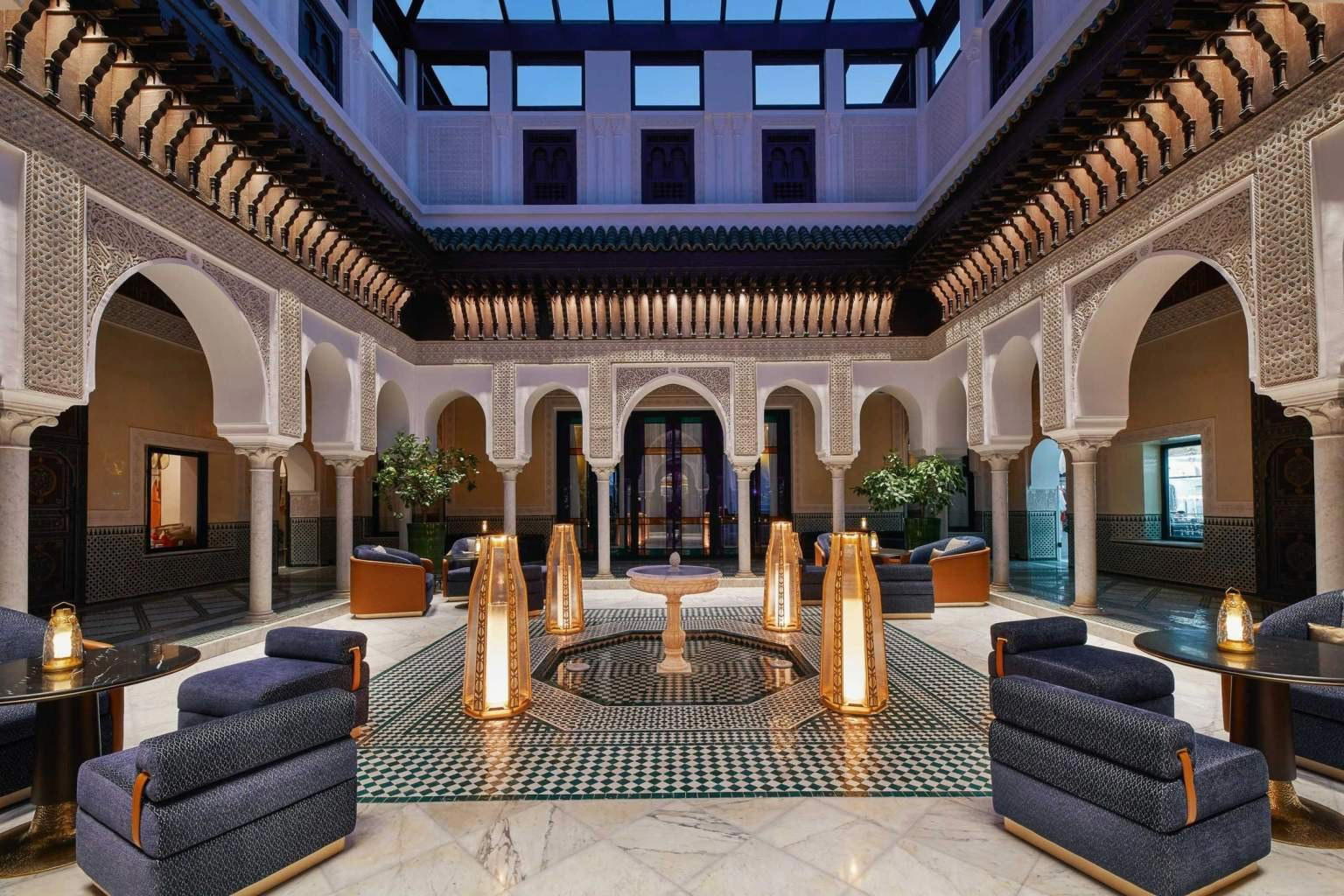
The Royal Mansour on Rue Abou Abbas El Sebti is not a typical luxury hotel in the sense that large international chains understand the term. It was conceived as an extension of Moroccan royal craftsmanship, built using artisans sourced across the country and organised around a medina-within-a-hotel structure: private riads connected by a network of underground passages, shielded from the city's ambient noise. The architecture sets expectations before the first course arrives. Arriving at Table III (La Table) inside this compound, you are already inside a considered argument about what Moroccan hospitality looks and feels like when executed with care.
This matters editorially because the Royal Mansour sits in a category apart from the broader Marrakech fine dining scene. Where many of the city's upscale restaurants occupy restored riads in the medina or converted colonial-era villas in the Hivernage district, the Royal Mansour operates at a scale of investment and craft density that has few direct parallels in Morocco. Table III (La Table) inherits that positioning by geography alone, but sustains it through its La Liste recognition.
Where La Liste Places This Restaurant in Morocco's Fine Dining Tier
La Liste awarded Table III (La Table) 89 points in its 2026 edition. That score positions the restaurant in meaningful company. For context, La Liste's scoring system places 90+ in a leading global tier; 89 points sits just below that bracket.
Morocco's representation in global fine dining rankings has grown incrementally over the past decade. The country's restaurant scene has traditionally been evaluated through the lens of its cuisine's cultural depth rather than through formal Western critical frameworks. La Liste's methodology makes its recognition of a Marrakech address particularly relevant. For comparable formally recognised dining rooms elsewhere in Morocco, Château Roslane in Icr Iqaddar and Heure Bleue Palais in Essaouira represent different expressions of the country's formal dining identity.
The Culinary Tradition This Address Sits Within
Moroccan cuisine is among the most structurally complex in the world's food traditions, built on layered spice logic, long-cooked preparations, and a hospitality grammar that positions the table as a site of social meaning rather than mere sustenance. The country's culinary roots draw from Amazigh, Arab, Andalusian, and sub-Saharan African influences, filtered through centuries of trade and exchange along Atlantic and Mediterranean routes. The result is a cuisine in which a single dish, a slow-braised lamb with preserved lemon and olives, or a bastilla layered with pigeon and almonds, can carry enough historical reference to sustain a serious critical conversation.
The Royal Mansour's dining operation treats this tradition with formality. La Grande Table Marocaine within the same hotel is the most explicit expression of that custodianship, but Table III (La Table) occupies a related position in the property's dining rooms. The distinction between Moroccan fine dining and French-influenced dining in Moroccan settings has shaped the Marrakech scene for years. Hotels like the Royal Mansour, alongside restaurants such as +61 in Marrakesh and Le Petit Cornichon, represent different positions in that ongoing conversation.
Internationally, the closest structural parallels to what a hotel dining room of this calibre is attempting are places like Alain Ducasse- Louis XV in Monte Carlo or Le Bernardin in New York City: formally recognised restaurants that operate inside luxury hospitality contexts but maintain independent critical standing. The challenge for any restaurant in this position is sustaining credibility beyond the hotel's broader prestige. Table III's La Liste score suggests it has achieved that.
Marrakech as a Dining City: The Broader Context
Marrakech's restaurant scene has undergone a quiet reorganisation over the past decade. The city has moved from a dining culture defined almost entirely by riad guesthouses and tourist-facing tagine operations toward a more layered ecosystem that includes serious wine programmes, international chef collaborations, and formal fine dining with genuine critical ambition. That shift has been uneven and the city does not yet have the density of formally recognised restaurants that Casablanca or Rabat might claim on certain metrics, but the Royal Mansour's dining floor, and Table III in particular, sits at the forward edge of Marrakech's upward trajectory.
Visitors approaching Marrakech as a serious food destination should treat it the way a seasoned traveller approaches any city with a sophisticated but still-developing formal dining tier: research the specific addresses rather than relying on category generalisations. Our full Marrakech restaurants guide maps the full range of the city's options. For those extending their Morocco itinerary, Gayza in Fès and Hôtel Le Doge in Casablanca are relevant reference points for understanding how the country's formal dining culture varies by city. L'Oliveraie in El Hajeb offers a different register entirely, rooted in rural Moroccan agricultural tradition rather than urban formality.
Planning a Visit: What to Know Before You Go
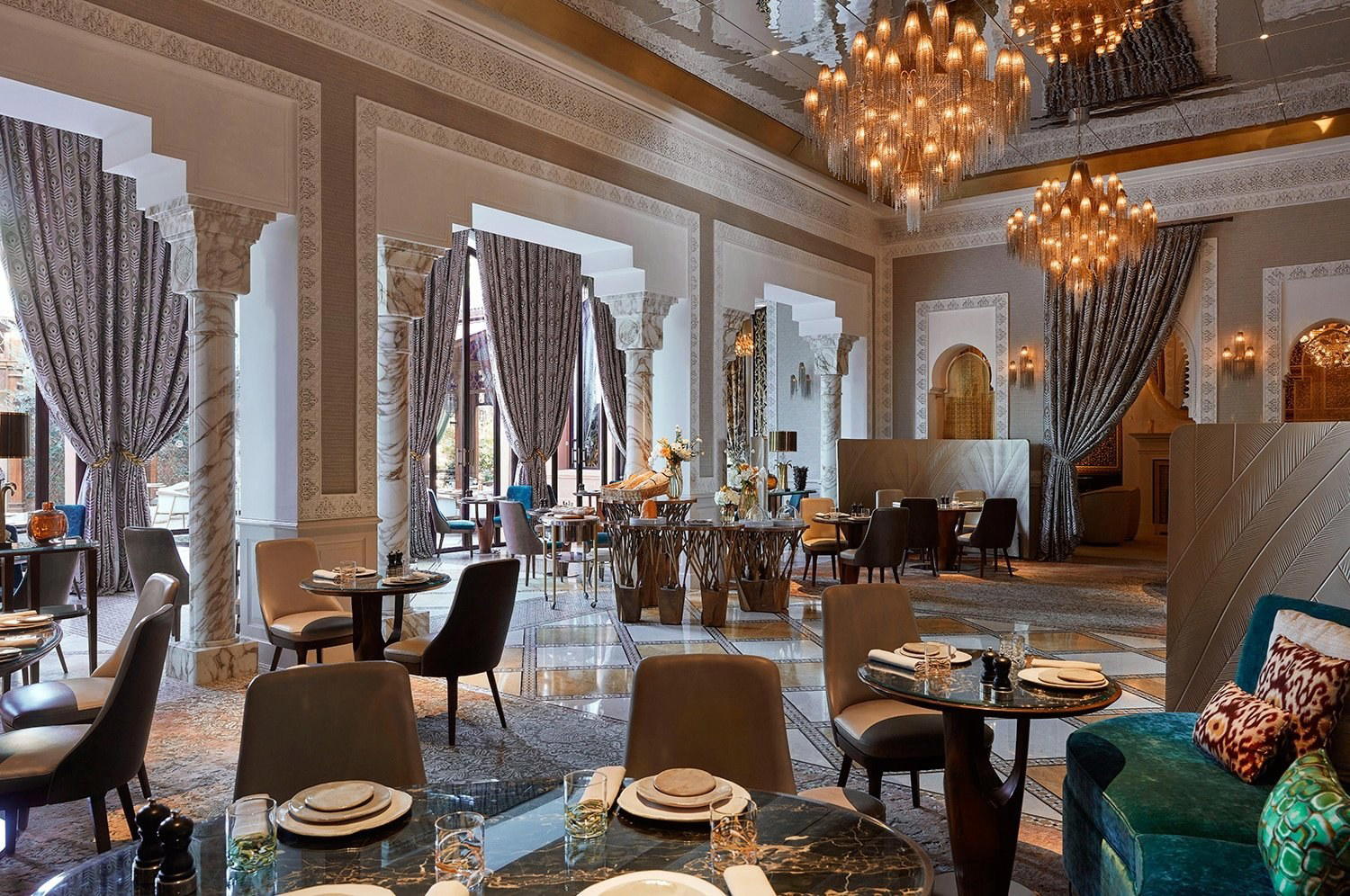
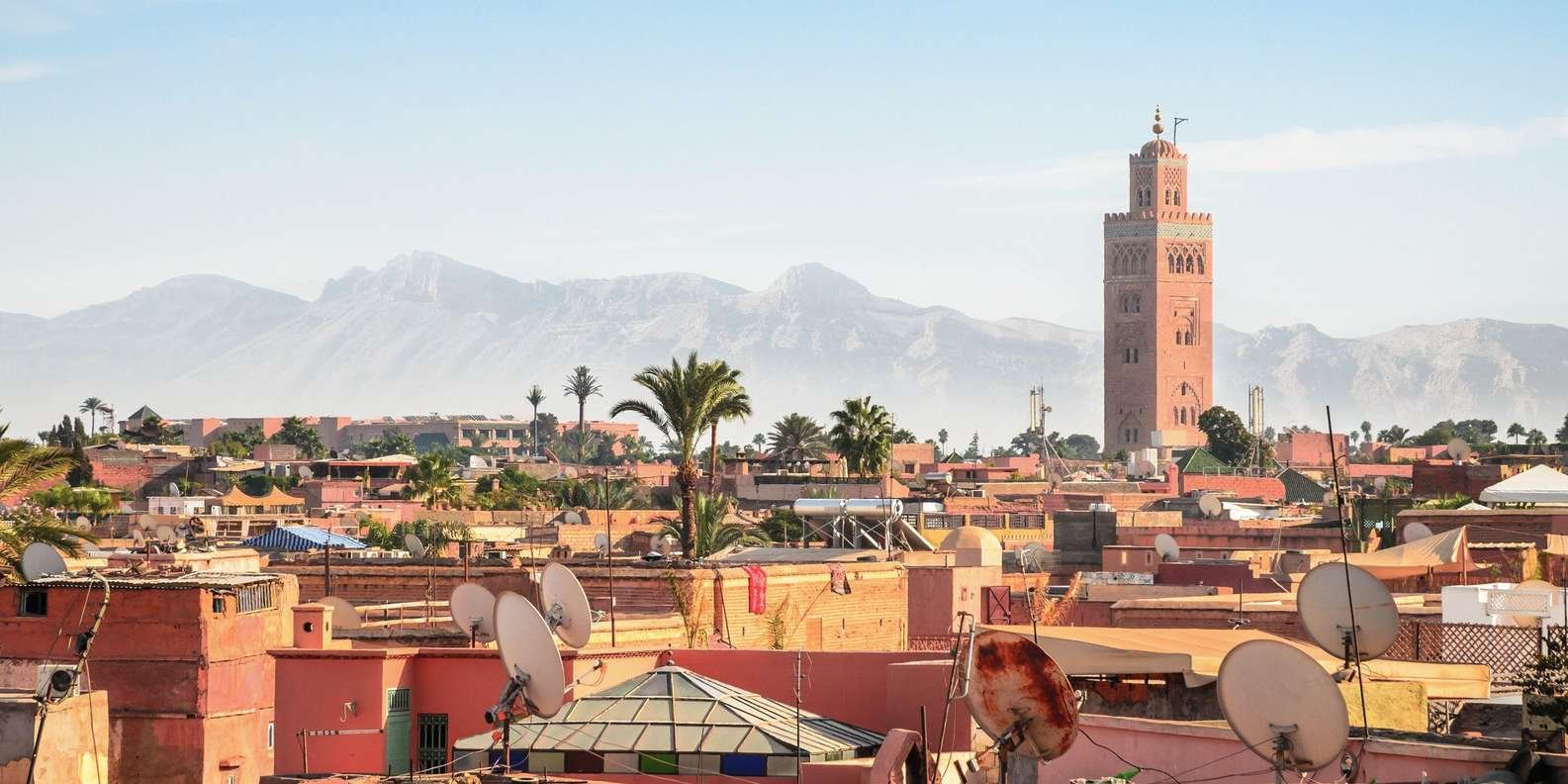
Table III (La Table) is located inside the Royal Mansour at Rue Abou Abbas El Sebti, Marrakech 40000. The hotel's position places it at the edge of the medina, within walking distance of the Koutoubia Mosque and a short drive from Jemaa el-Fnaa. Given the hotel's profile and the restaurant's La Liste recognition, advance reservation is the sensible approach for any visitor prioritising this meal. The Royal Mansour operates with standards consistent with its positioning as one of the city's most formally considered properties, and the dining rooms reflect that in every aspect of the guest experience, from table spacing to service rhythms.
Visitors planning a broader Marrakech stay should cross-reference our full Marrakech hotels guide, our full Marrakech bars guide, our full Marrakech experiences guide, and our full Marrakech wineries guide for a complete picture of what the city offers at this level. For those calibrating Table III against peer dining experiences in other cities, Atomix in New York City, Lazy Bear in San Francisco, Emeril's in New Orleans, and 8 1/2 Otto e Mezzo Bombana in Hong Kong represent comparable formal dining contexts in their respective cities.
Budget Reality Check
Comparable venues nearby, for context on price, style, and recognition.
| Venue | Cuisine | Price | Awards | Notes |
|---|---|---|---|---|
| Table III (La Table)This venue — the venue you are viewing | Marrakech-Médina, Refined Moroccan | $$$ | 1 recognition | |
| Le Bistro Arabe - Moroccan Jazz Restaurant in Marrakech | Marrakech-Médina, Moroccan Jazz Bistro | $$$ | , | |
| Le Jardin Restaurant Marrakech Medina | $$$ | , | Marrakech-Médina, Moroccan with European Fusion | |
| Azar | $$$$ | , | Gueliz, Moroccan-Lebanese-Mediterranean Fusion | |
| Amal Gueliz Center - Restaurant | Gueliz, Authentic Moroccan | $$ | , | |
| La Cour des Lions - Es Saadi | Gueliz, Traditional Moroccan Fine Dining | $$$$ | 2 recognitions |
Continue exploring
More in Marrakech
Restaurants in Marrakech
Browse all →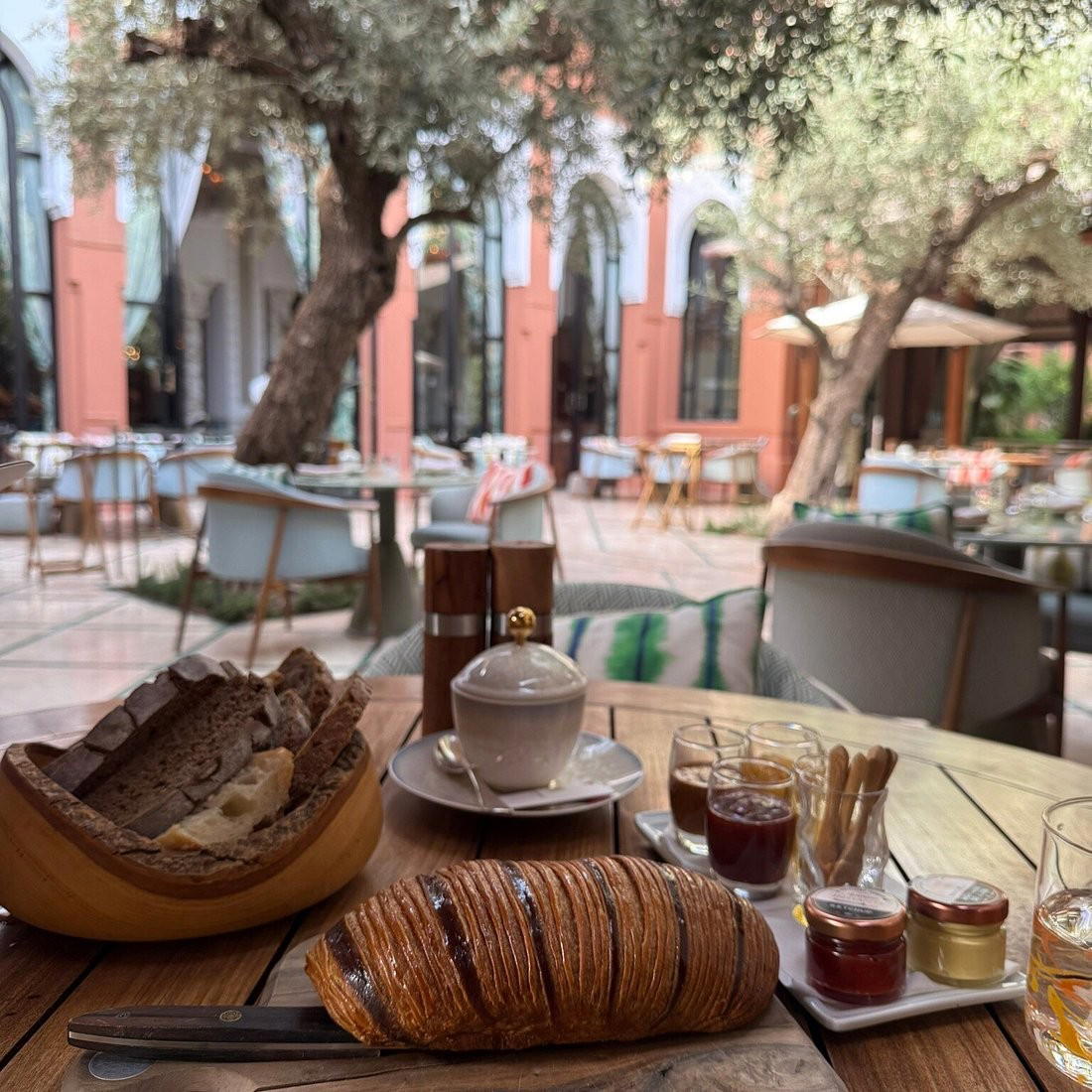
Bars in Marrakech
Browse all →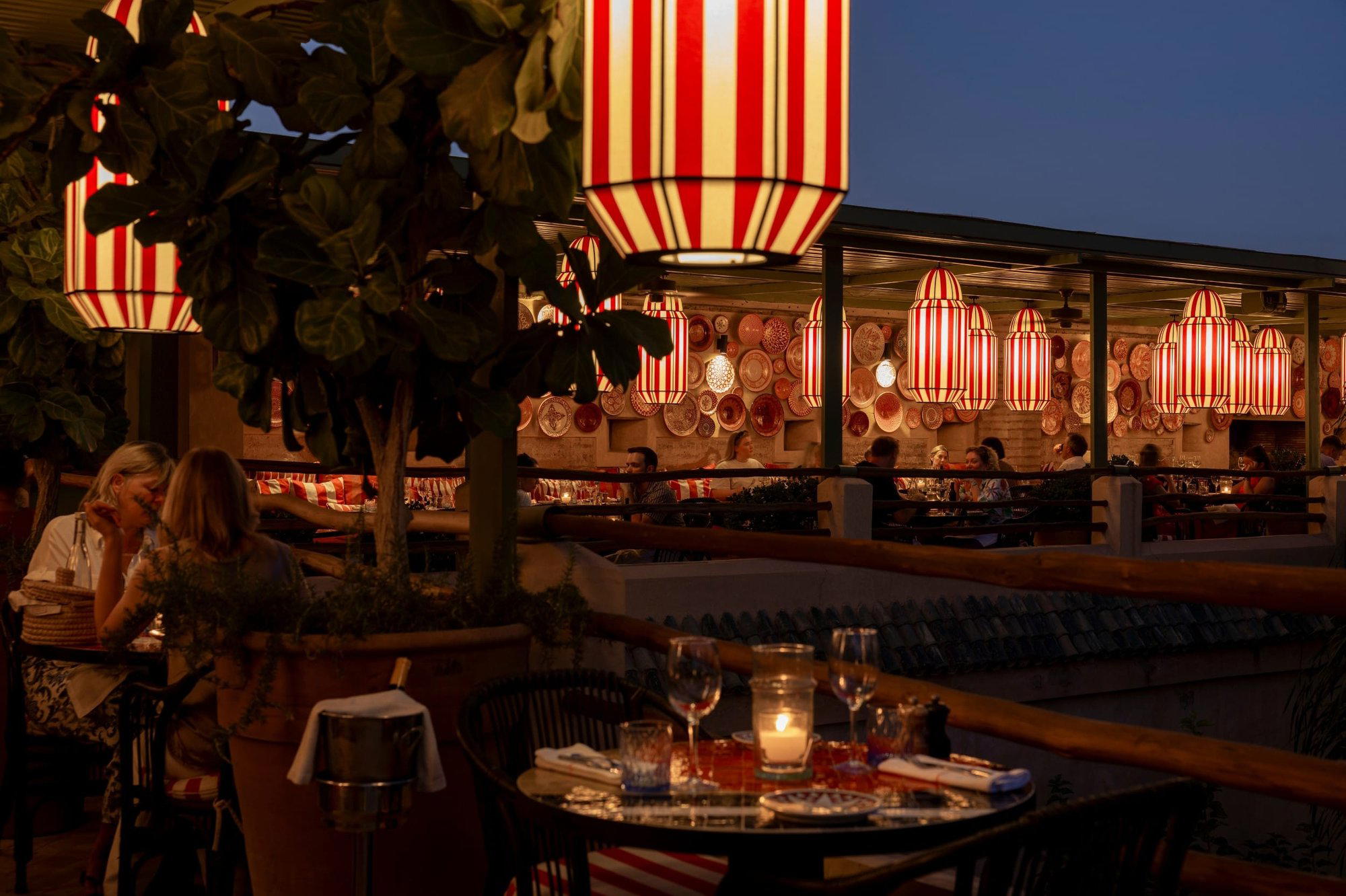
At a Glance
- Romantic
- Cozy
- Elegant
- Intimate
- Scenic
- Date Night
- Special Occasion
- Courtyard
- Extensive Wine List
- Garden
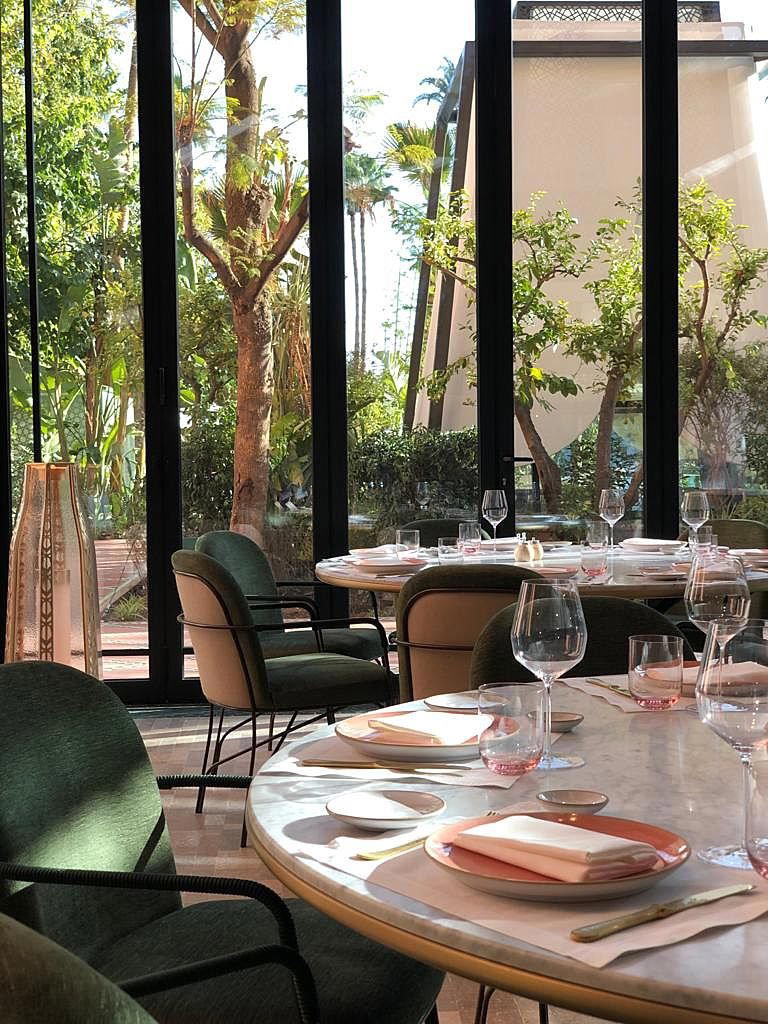
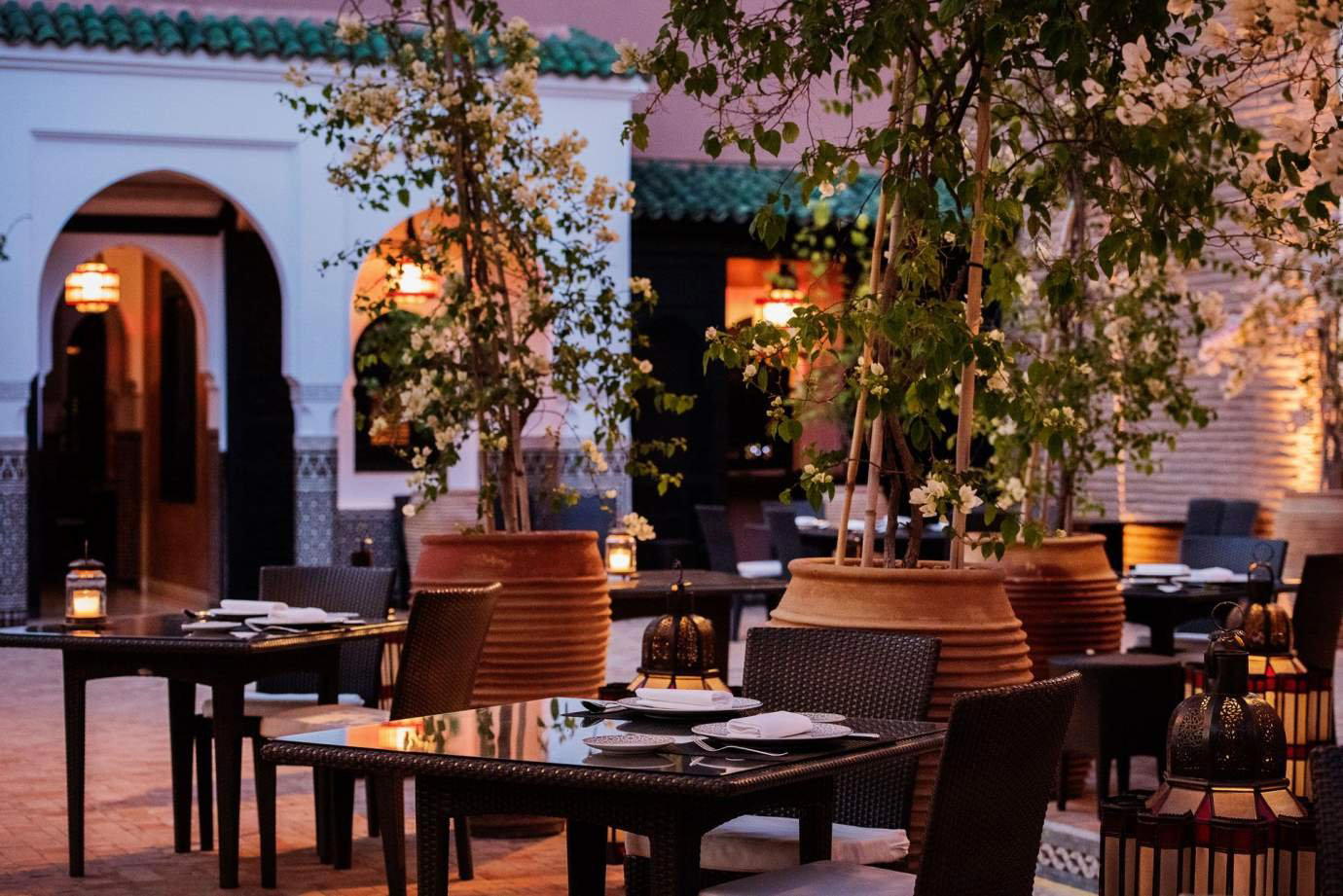
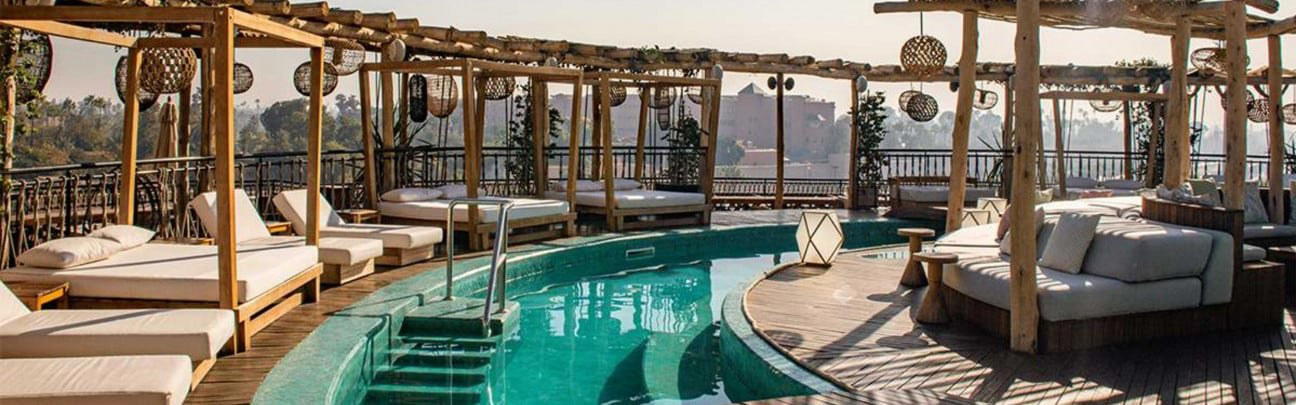
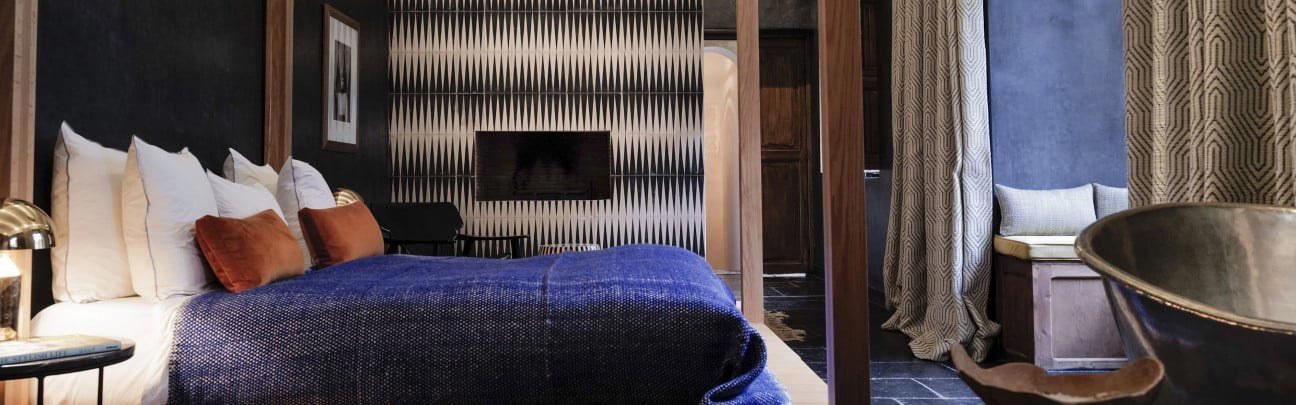
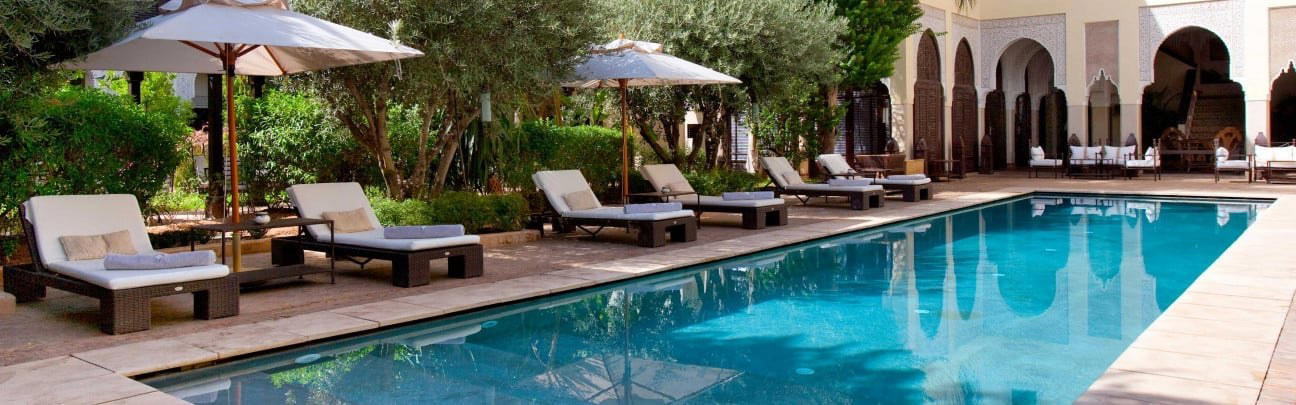
Beautifully lit with candles and small lights amid lush greenery and vegetation, creating a magical, cozy, and enchanting atmosphere.