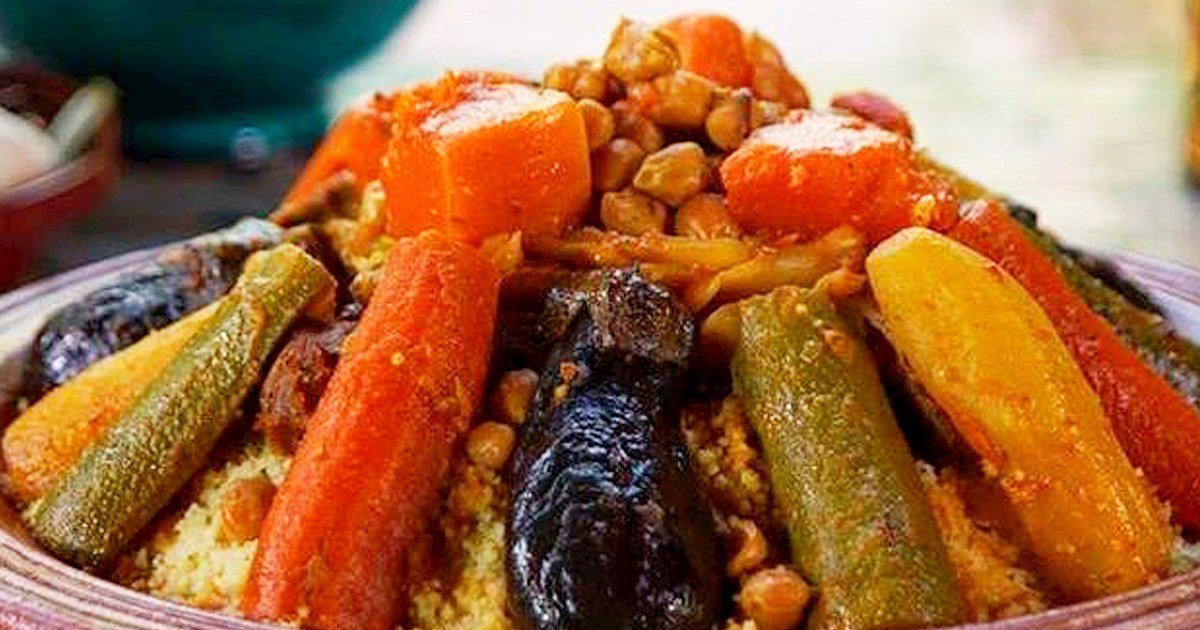
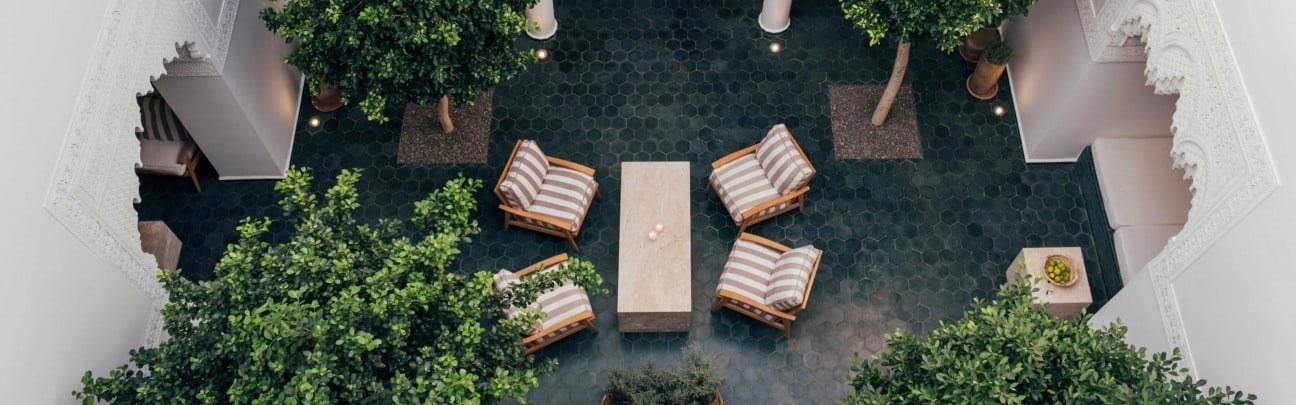
"Traditional Food in a Dazzling Green Courtyard As among the more innovative players on the Marrakech restaurant scene, Kamal Laftimi spearheads projects that are nothing if not showstoppers. This buzzy, green-on-green–tiled riad, bristling with courtyard banana trees, is a case in point. It's a hip hangout by day for locals and expats who meet for coffees throughout the morning and pop into celebrated kaftan designer Norya ayroN’s little boutique, which occupies a small space on the first floor. By night, it sparkles with the light of hundreds of glittering candles while large extended families and cooing couples gather over Moroccan classics such aspigeon pastilla, vegetarian couscous, and chicken tagine with olives and raisins, as well as a handful of crowd-pleasing classics such assteak frites and burgers (no alcohol served)."
Pearl is the En Primeur Club membership app — saves, bookings, and concierge access live there. Same editors, same standards.
- Address
- 32 Souk Jeld Sidi Abdelaziz, Marrakesh 40000, Morocco
- Phone
- +212 5243 78295
- Website
- lejardinmarrakech.com
- Directions
- Get directions
 Saves & bookings on Pearl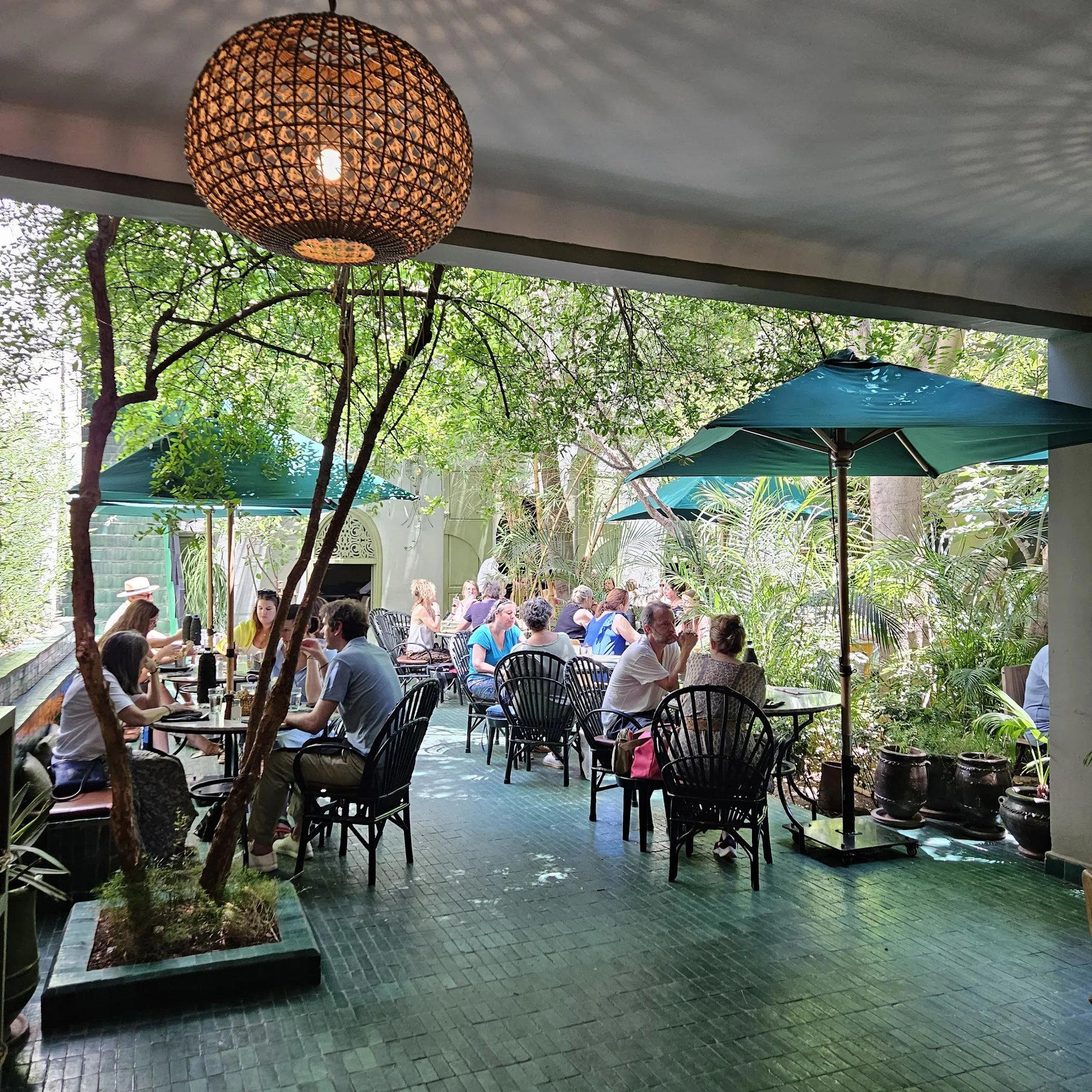
A Riad Garden in the Heart of the Souk District
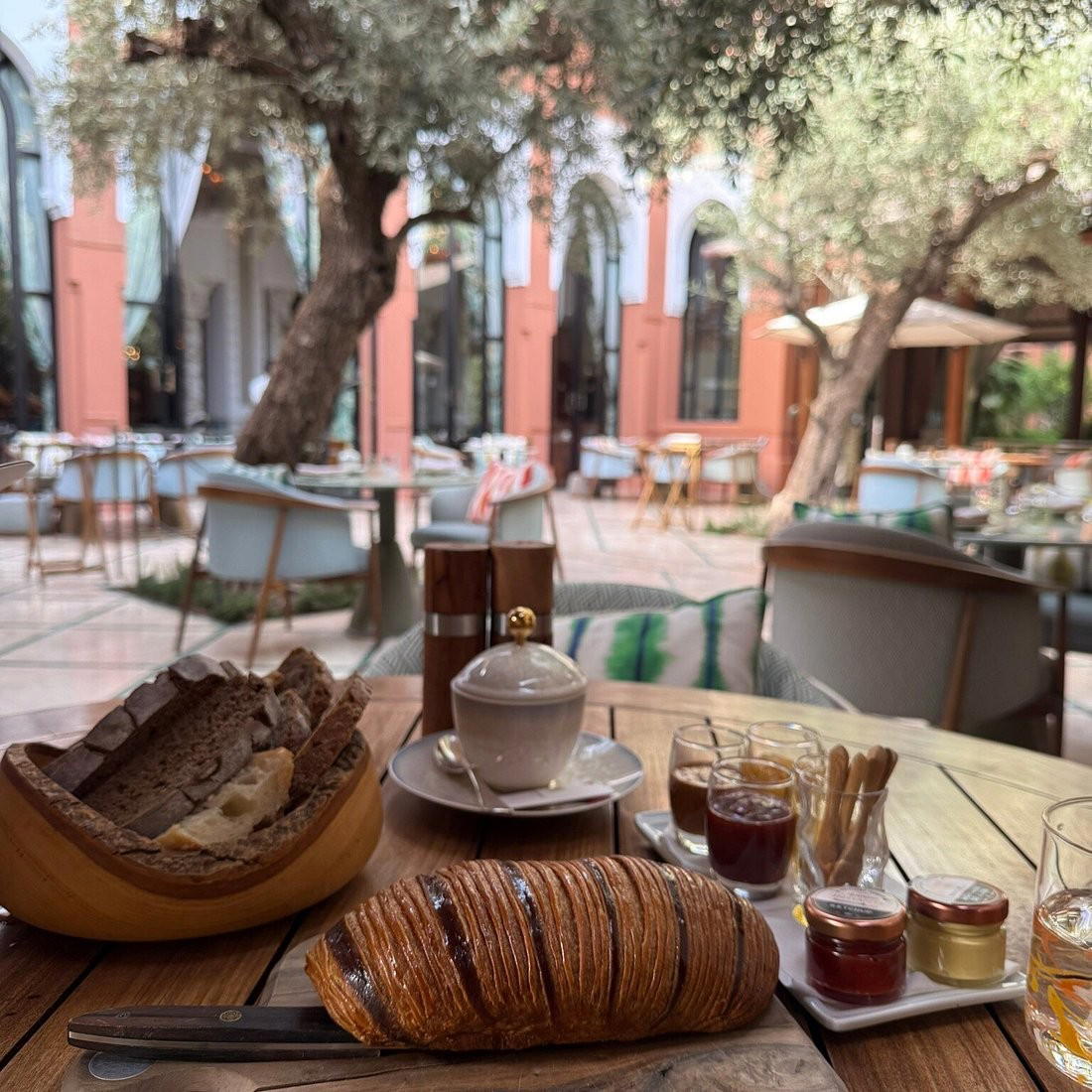
Arriving at 32 Souk Jeld Sidi Abdelaziz requires the specific determination that the Marrakech medina demands of everyone who enters it. The address sits inside a corridor of the souk district where light arrives in angled shafts through latticed wood, and the ambient noise is leather hammers and vendor calls rather than traffic. When the door opens onto the interior garden, the shift is deliberate: a courtyard of mature trees and low planting that places the meal in an architectural tradition of riad hospitality that Marrakech has refined over several centuries. The garden format, with its tiered seating arranged under the canopy, is not decoration layered onto a restaurant concept. It is the concept itself.
The Dining Ritual in the Medina Context
Moroccan dining at this level of the medina tends to operate on a pacing that resists urgency. The traditional model draws from an extended hospitality culture where successive courses, communal sharing plates, and the choreography of mint tea service are understood as part of a complete social event rather than a transactional sequence. Restaurants along the souk circuit that serve this tradition well create space for the meal to breathe: time between courses, attentive but unhurried service, and a setting that rewards sitting rather than turning tables quickly. The garden setting at an address like this reinforces exactly that tempo, offering a physical environment where the impulse to rush simply has no obvious outlet.
Moroccan cuisine in this register moves through recognisable structural beats. An opening of cold salads, often six to eight small dishes ranging from cooked carrot with cumin to preserved lemon and olive combinations, establishes the table before any main course arrives. Tagines follow: slow-cooked braises of lamb with prunes and almonds, or chicken braised with preserved lemon and olives in the style codified in the imperial cities. Pastilla, when present, belongs to this formal meal architecture as a course in itself rather than a starter. The pastilla format, layers of thin warqa pastry around spiced pigeon or seafood, finished with icing sugar and cinnamon, signals that a kitchen is engaging seriously with the repertoire rather than abbreviating it for tourist throughput.
How the Riad Garden Format Sits in the Marrakech Scene
Marrakech's restaurant sector has split in recent years between high-capacity operations built around spectacle, often with folkloric entertainment and banquet-scale seating, and smaller, more precisely curated spaces where the architecture does more of the work. The riad garden format belongs firmly to the latter group. Addresses in this category price and operate against a comparable set of courtyard restaurants within the medina rather than against the large Palmeraie estates or the riads-turned-hotels with formal dining rooms.
Within the medina, comparisons land on places like La Famille, which operates a garden dining format with a produce-forward menu that has drawn consistent editorial attention, and Le Bistro Arabe, which adds a live music dimension to its courtyard offer. At the upper end of the city's formal Moroccan dining spectrum, La Grande Table Marocaine and the Royal Mansour's La Grande Table Marocaine represent what the cuisine looks like with a full brigade behind it and a palace context around it. Le Jardin sits in the middle register: more composed than a souk cafe, less formal than a palace restaurant, and defined by its outdoor setting.
For travellers who have also been through Cafe Clock in Fes or Andalus in Tangier, the Le Jardin format will read as part of a consistent current in Moroccan hospitality: the medina courtyard as the primary dining room, with the building's architectural history functioning as a kind of ambient context that no amount of interior design can manufacture.
The Setting as the Argument
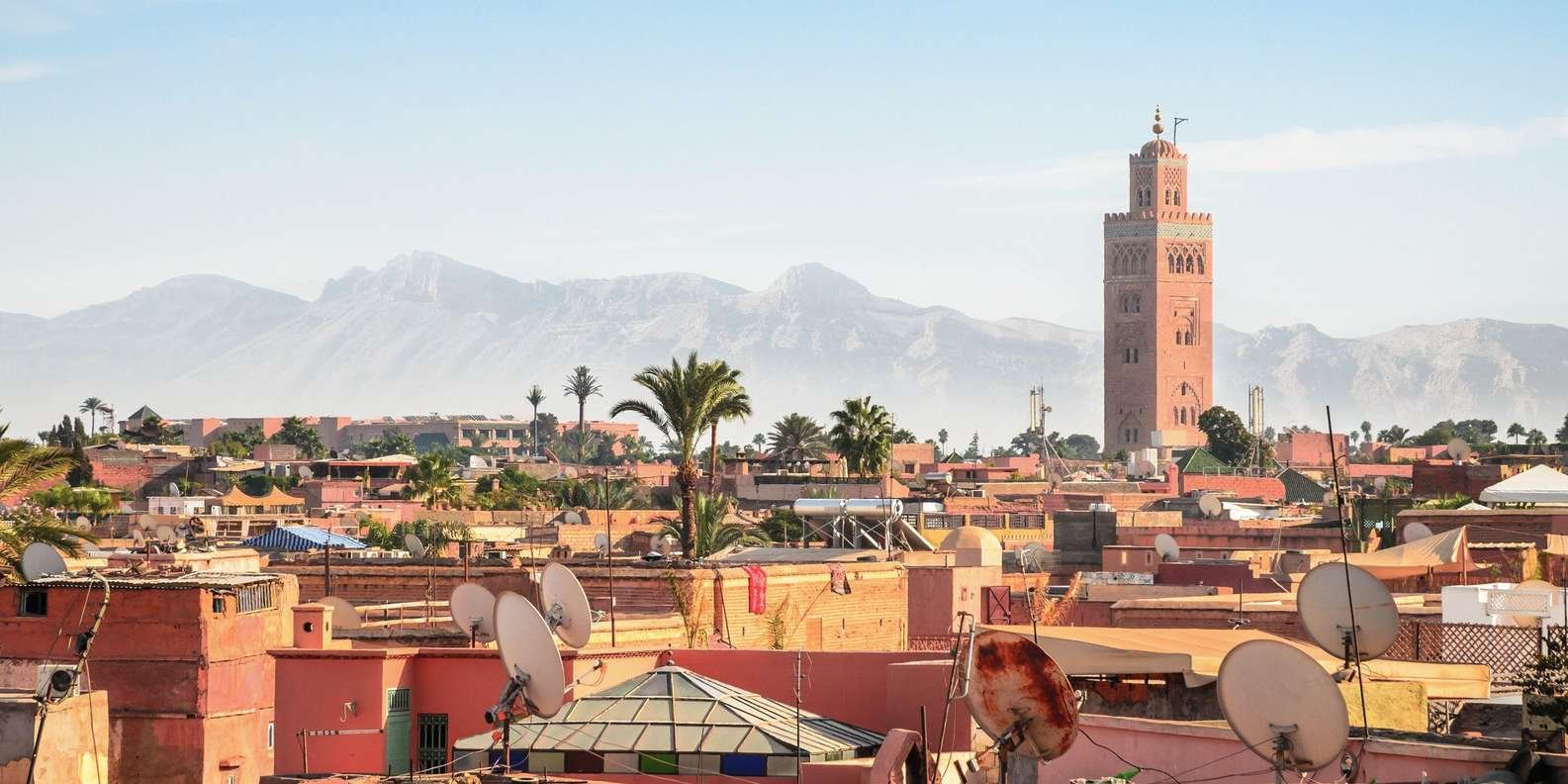
The Sidi Abdelaziz area of the medina sits within the older souk network, which means the walk to the restaurant is itself a form of scene-setting. Visitors moving through this part of the medina pass the leather souk, the spice corridor, and the woodworkers' quarter before arriving at the address. That sequence is not incidental. It gives a meal here a contextual weight that a restaurant in the Gueliz neighbourhood, however accomplished, does not carry by default. For reference, Amal Gueliz Center and Grand Café de la Poste represent the alternative Gueliz dining model: French-influenced, boulevard-facing, and operating in an entirely different spatial register.
The comparison extends across Morocco's dining circuit more broadly. Le Salon Oriental in Essaouira draws on a similar courtyard-heritage logic in a coastal medina context. L'Oliveraie in El Hajeb puts a rural agricultural setting in the same structural role that the garden plays here. The riad courtyard as dining environment is a consistent grammar across the country, with the specific address and the quality of the planting determining how well that grammar is deployed.
At the international level, the compositional instinct behind a meal designed around slow pacing, environmental immersion, and succession of courses is not exclusive to Morocco. Comparable commitments to format-as-experience appear in different contexts at places like Lazy Bear in San Francisco and the seafood precision of Le Bernardin in New York City. The delivery mechanisms differ entirely, but the underlying argument that the meal is a structured experience rather than a fuel stop is shared.
Planning a Visit
Le Jardin Restaurant sits at 32 Souk Jeld Sidi Abdelaziz in the Marrakech medina. The address is inside the souk district and is reached on foot through the northern souk network. Given the garden format, booking ahead is recommended.
Cuisine and Credentials
Comparable venues nearby, for context on price, style, and recognition.
| Venue | Cuisine | Price | Notes |
|---|---|---|---|
| Le Jardin Restaurant Marrakech MedinaThis venue — the venue you are viewing | Moroccan with European Fusion | $$$ | Not listed |
| Grand Café de la Poste | French Brasserie with Moroccan Accents | $$$ | Gueliz |
| Le Bistro Arabe - Moroccan Jazz Restaurant in Marrakech | Moroccan Jazz Bistro | $$$ | Marrakech-Médina |
| Amanjena | Traditional Moroccan | $$$$ | Annakhil |
| L'Italien - La Mamounia | Modern Italian Trattoria | $$$$ | Marrakech-Médina |
| Al Fassia | Traditional Fez Moroccan | $$ | Gueliz |
Continue exploring
More in Marrakech
Restaurants in Marrakech
Browse all →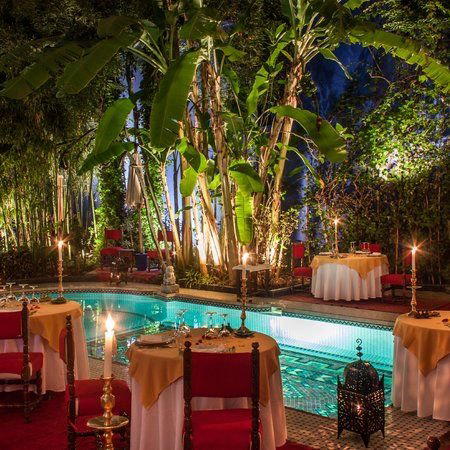
Bars in Marrakech
Browse all →
Hotels in Marrakech
Browse all →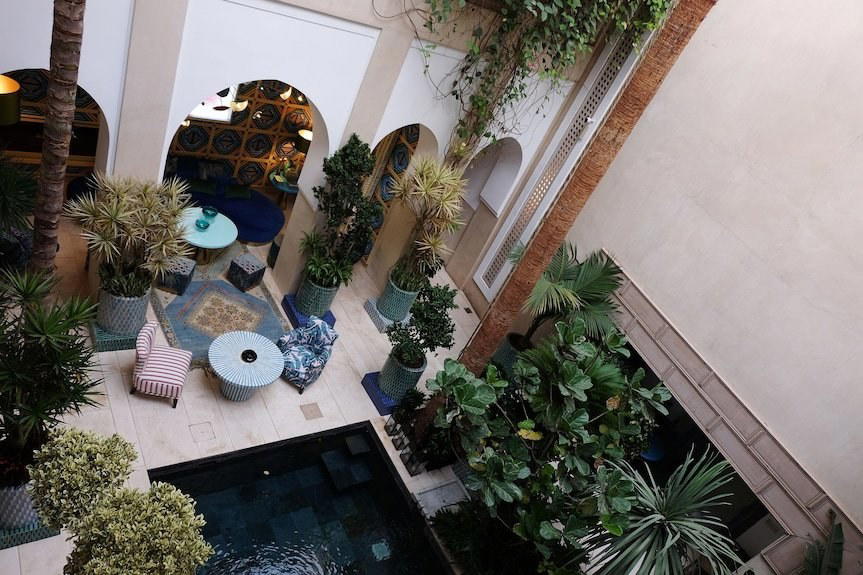
Wineries in Marrakech
Browse all →
At a Glance
- Romantic
- Cozy
- Elegant
- Intimate
- Scenic
- Date Night
- Special Occasion
- Garden
- Terrace
- Courtyard
- Historic Building
- Local Sourcing
- Garden
Current opening hours
- Monday
- 10 AM–11 PM
- Tuesday
- 10 AM–11 PM
- Wednesday
- 10 AM–11 PM
- Thursday
- 10 AM–11 PM
- Friday
- 10 AM–11 PM
- Saturday
- 10 AM–11 PM
- Sunday
- 10 AM–11 PM
Hours can change for holidays and private events. Last verified .
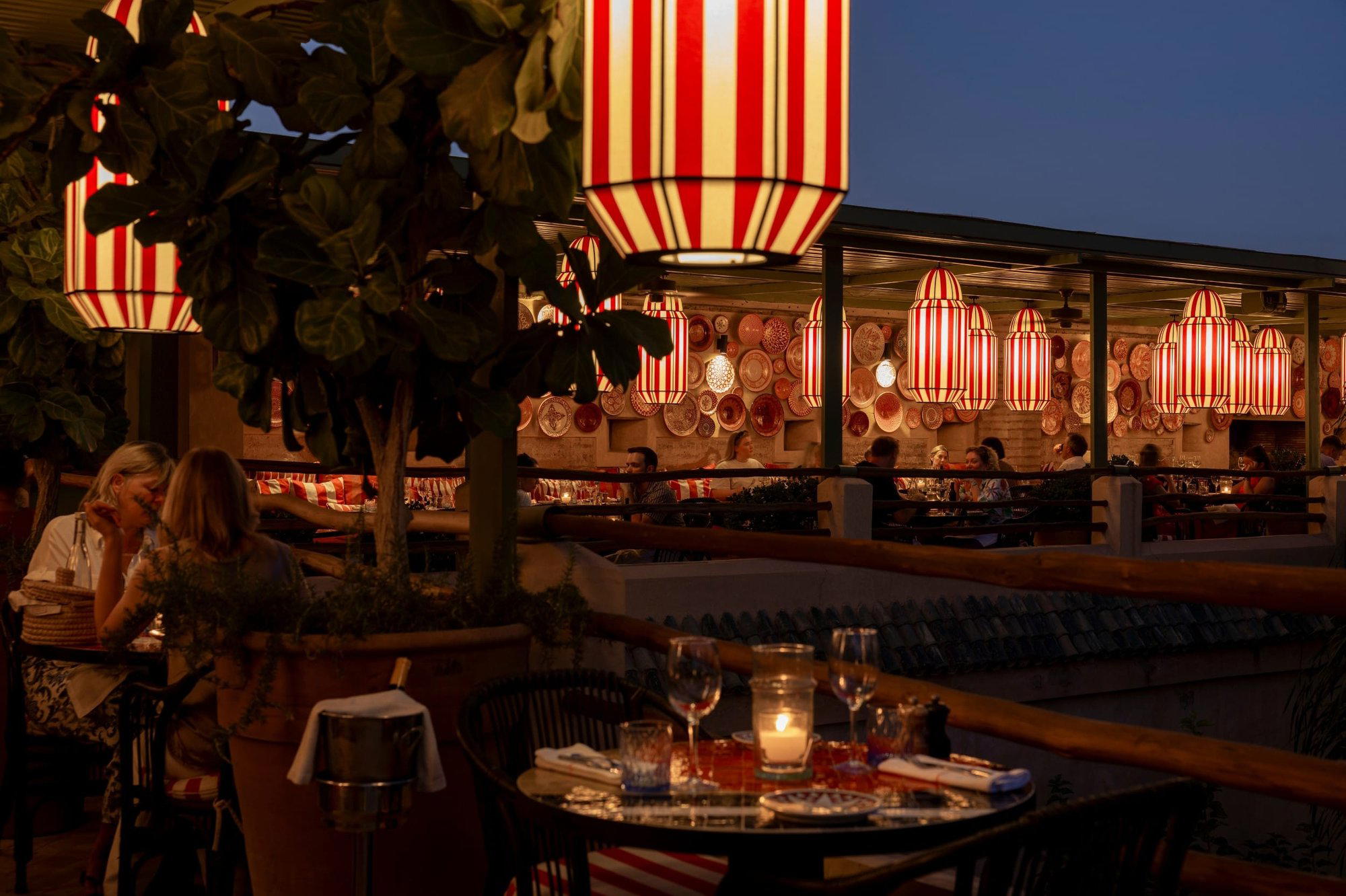
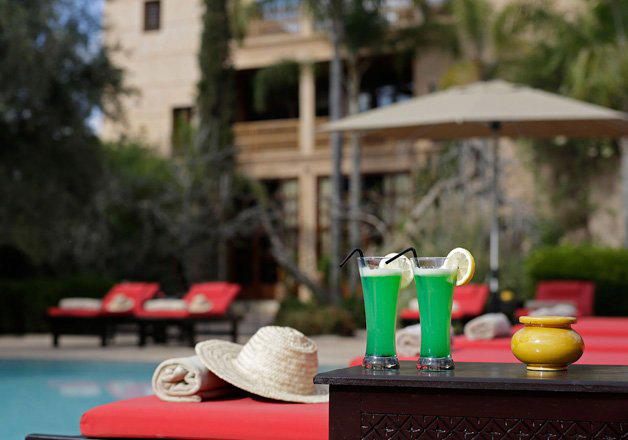
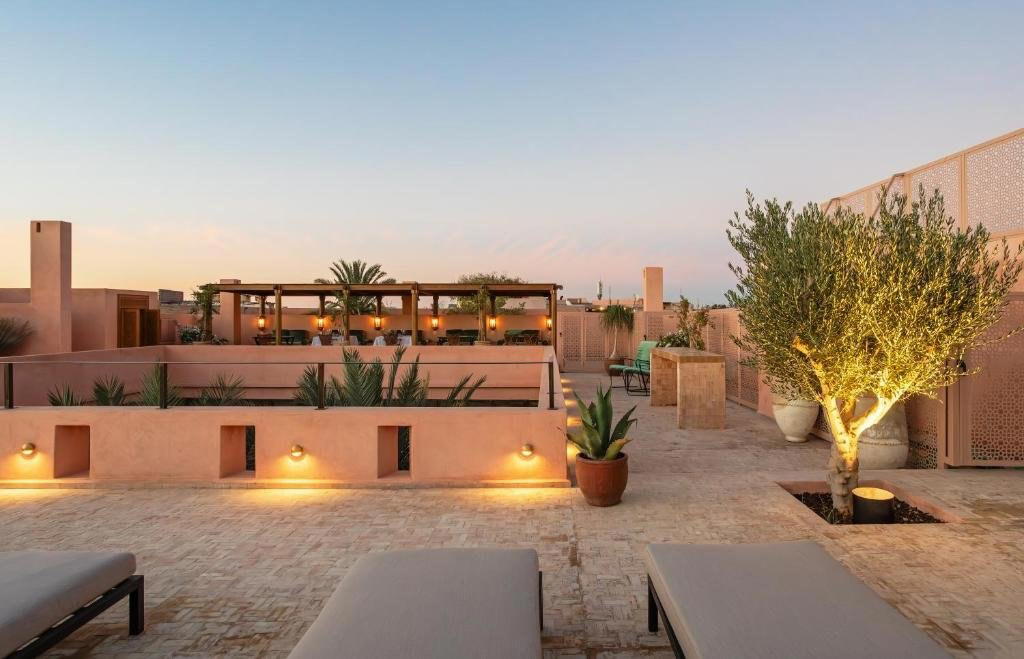
Lush garden setting with lights, candles at night, and a serene, refreshing atmosphere contrasting the bustling souks.