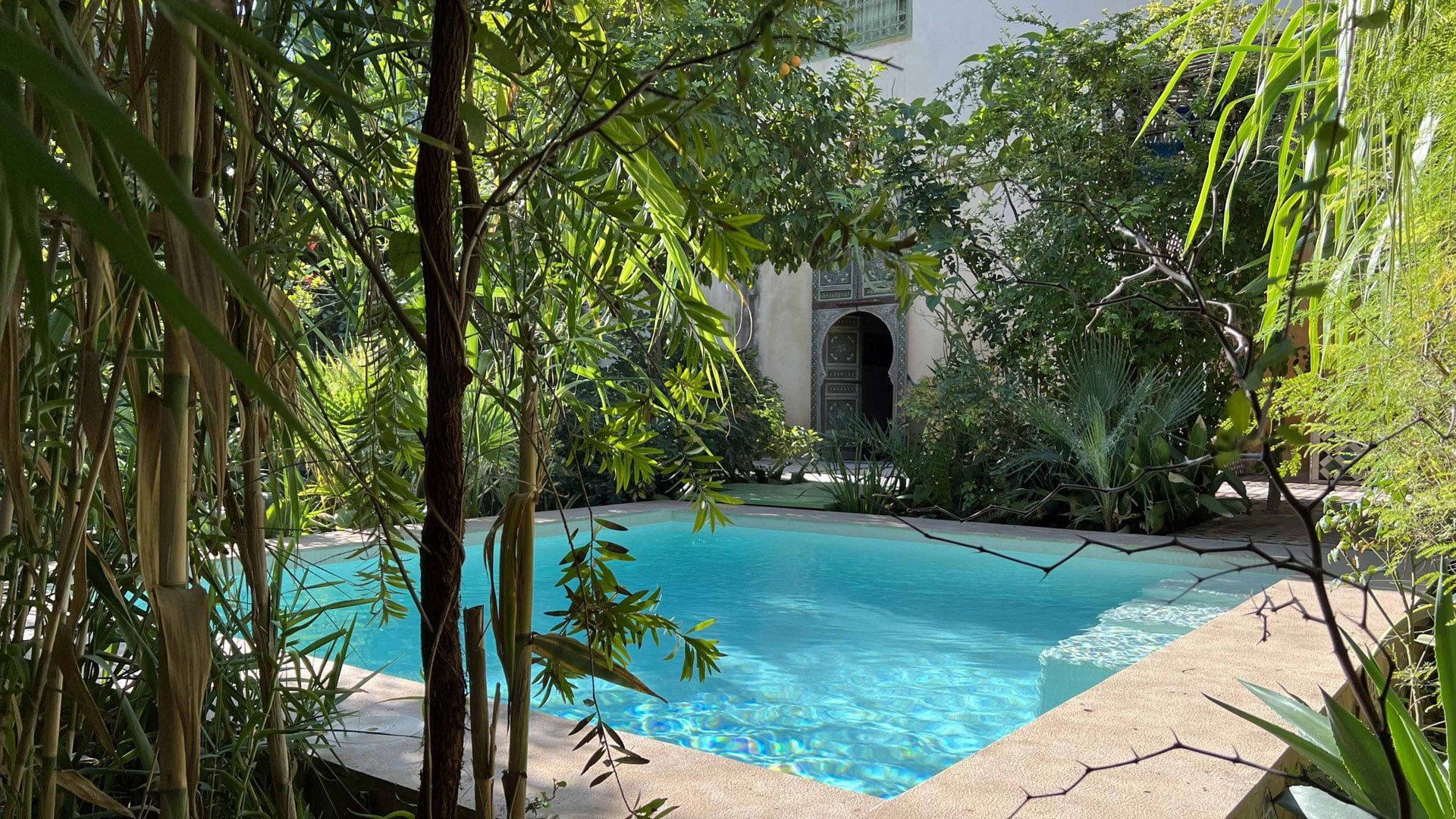
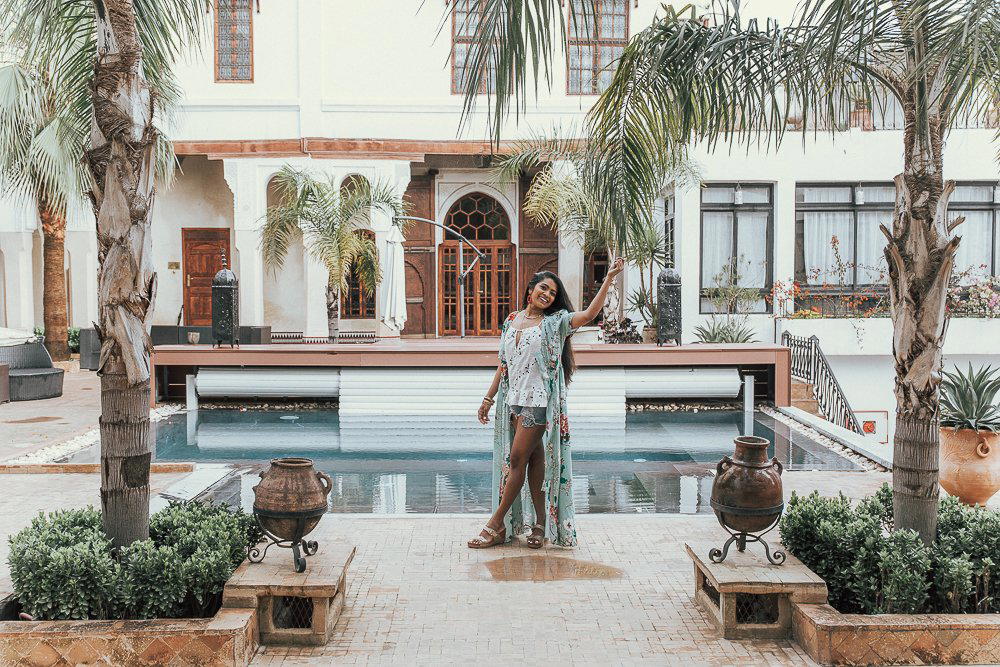
On a narrow lane off Talaa Kebira in the heart of Fes el-Bali, Cafe Clock occupies a centuries-old riad and operates as one of the medina's most culturally layered gathering points. The kitchen draws on Moroccan pantry traditions while the programming extends well beyond the plate, making it a reference point for travelers wanting substance alongside their meal.
Pearl is the En Primeur Club membership app — saves, bookings, and concierge access live there. Same editors, same standards.
- Address
- el Magana, 7 Derb, Rue Talaa Kebira, Fes 30000, Morocco
- Phone
- +212 5356 37855
- Website
- cafeclock.com
- Directions
- Get directions
 Saves & bookings on Pearl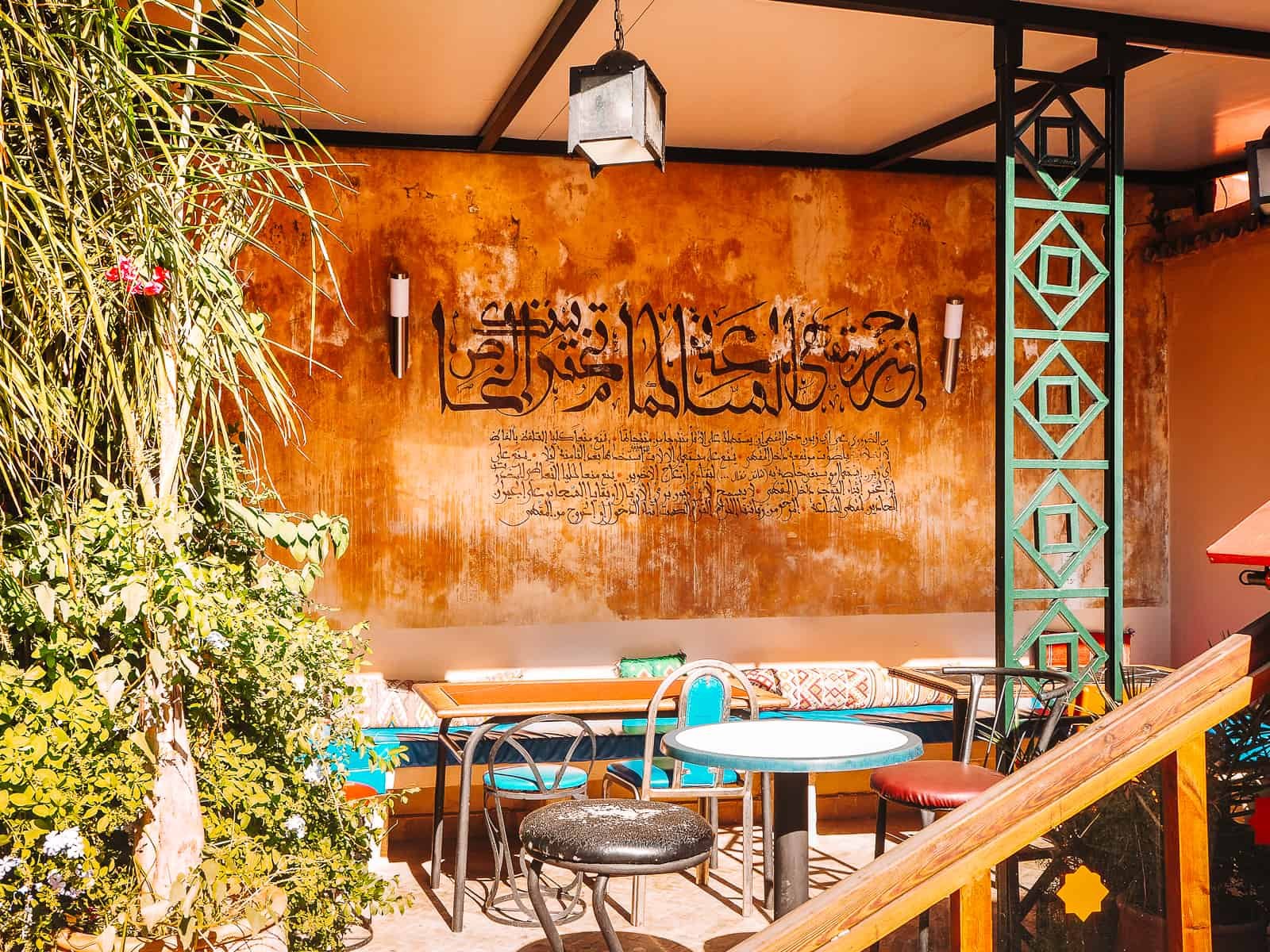
Where the Medina's Social Life Meets the Table
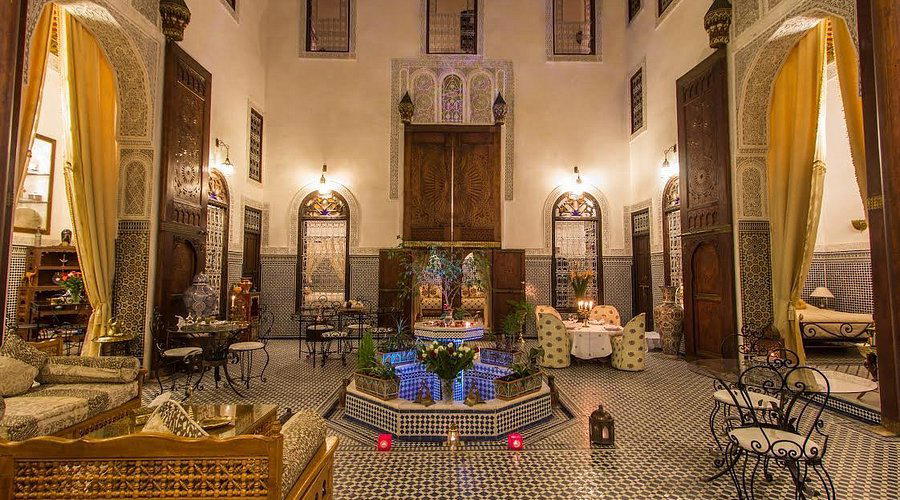
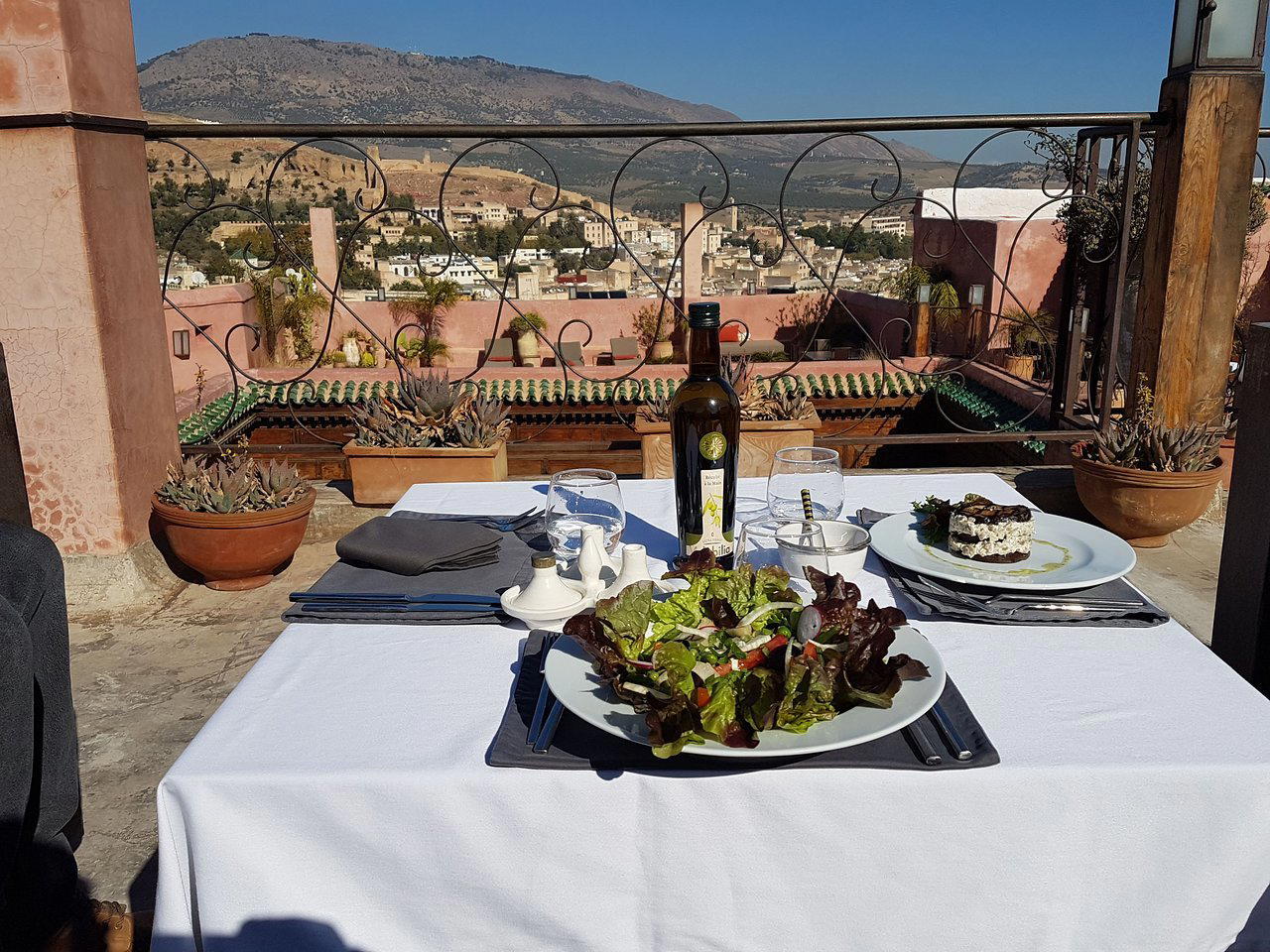
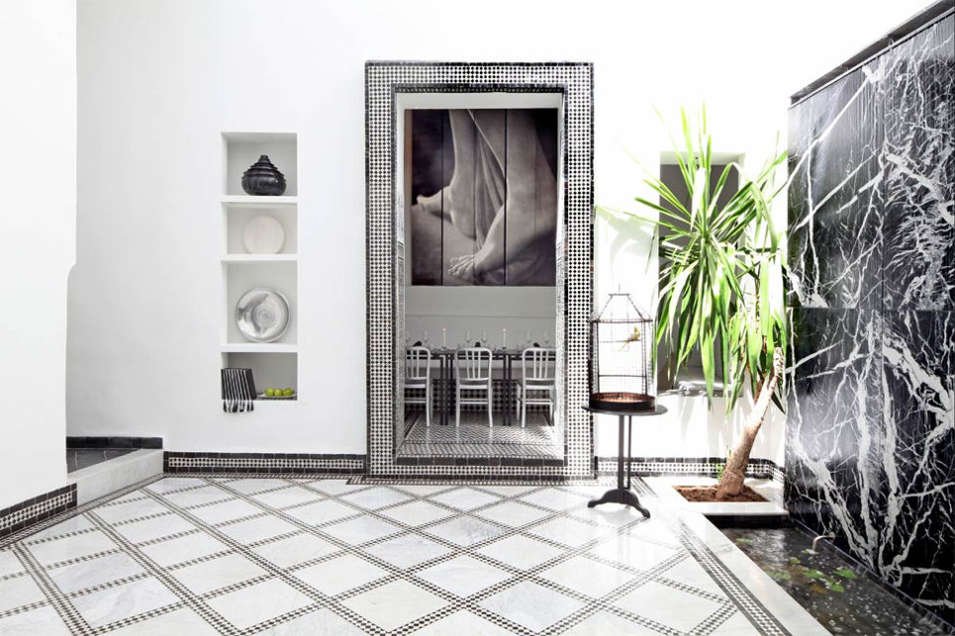
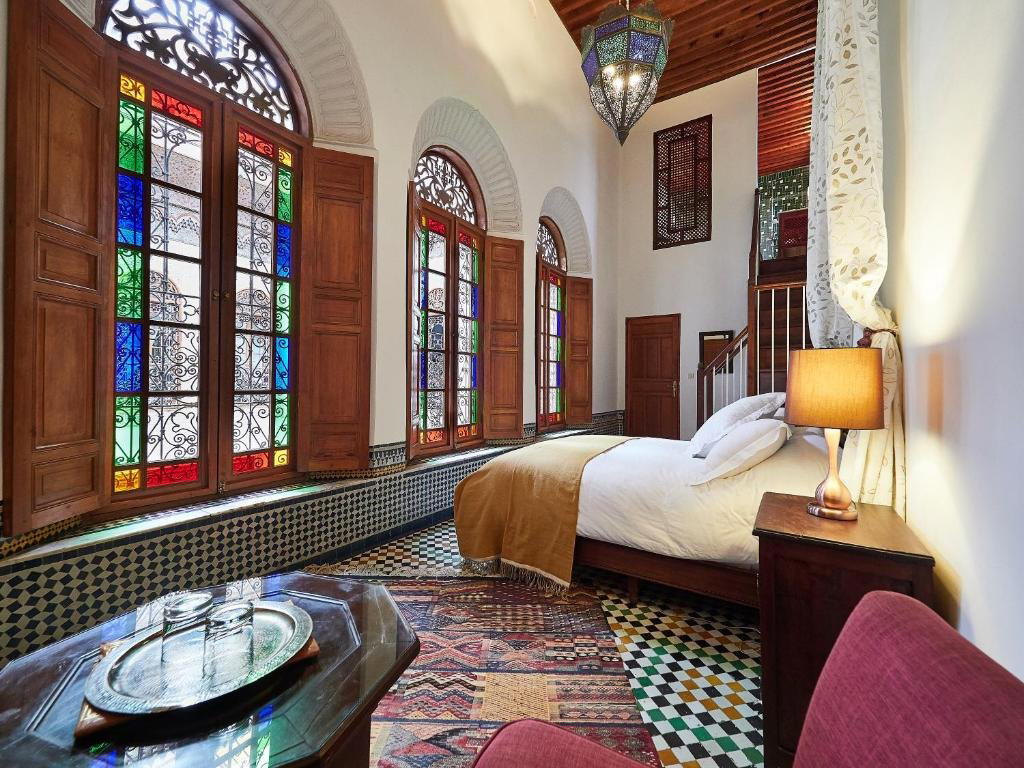
Derb el Magana sits off Talaa Kebira, the main commercial artery that threads through Fes el-Bali, and reaching the address means passing spice merchants, leather workshops, and the ambient noise of a medieval city that has never stopped functioning as one. The building itself belongs to the architectural register of the old medina: thick walls, internal courtyard, air that carries the faint residue of cedar and cooling stone. What happens inside is a conversation between that physical inheritance and a kitchen that takes seriously where its ingredients come from.
Fes has a strong tradition of riad dining, where the architecture does the atmospheric work and the food varies considerably in ambition. Several of the more refined options in this category, including Dar Roumana and Dar Tagine, position themselves as destination dining within the medina walls. Cafe Clock operates on a different register: more open, more cross-cultural in its programming, and more deliberate in its appeal to both Fassi residents and visitors. That positioning has made it one of the more consistent gathering points the medina offers.
The Ingredient Logic Behind a Moroccan Kitchen
Fes has the strongest claim of any Moroccan city to being the source of the country's haute cuisine tradition. The city's bourgeois households maintained complex spice hierarchies and slow-cooking techniques across generations, and the knowledge embedded in a Fassi kitchen is specific: the grade of smen (aged fermented butter) used in a particular dish, the ratio of preserved lemon to fresh in a chicken preparation, the distinction between chermoula made for fish versus meat. This is a culinary tradition that long predates the tourist economy and is not primarily organized around restaurant production.
Cafe Clock draws on that tradition from a position in the medina that gives it direct access to the sourcing infrastructure the old city has always maintained. The souks of Fes el-Bali are a functioning wholesale and retail market for produce, spices, preserved goods, and butchery. A kitchen located a few minutes' walk from those markets can source with unusual frequency and specificity. The pastilla that appears on menus across Morocco is one benchmark: in Fes, the quality of the warqa pastry, the sourcing of the pigeon or chicken, and the calibration of the sweet-savoury spice balance are tracked seriously by locals. Cafe Clock's version of this dish carries weight not primarily because of what is on the plate, but because of where the kitchen sits in relation to its supply chain.
For broader comparison, consider how Morocco's most formally ambitious dining operations approach sourcing from a different institutional position. La Grande Table Marocaine at Royal Mansour in Marrakesh codifies Moroccan culinary heritage at the high end, while Amal Gueliz Center in Marrakech anchors its sourcing in social enterprise and cooperative networks. The restaurant's approach is neither of those models; it is medina-embedded sourcing of a more vernacular kind, which is precisely what makes it a different kind of reference point.
Programming as Context for the Meal
One of the more useful things to understand about the restaurant is that the food exists alongside a broader cultural program. Storytelling evenings, music sessions, and language exchange events have been part of the venue's identity in a way that is unusual for a restaurant in any Moroccan city. This is not incidental decoration. It reflects a deliberate positioning of the cafe as a space where Fassi residents and international visitors can occupy the same room without the interaction being mediated entirely by a service transaction.
That programming context matters for how you read the menu. A kitchen operating inside this kind of social framework tends to prioritize accessibility and legibility over technical showmanship, which is a reasonable trade-off in a city where the cooking tradition itself is the main event. Compared to the more refined format of Darori or the considered approach at Berrada, the restaurant is operating in a different register, one that values cultural openness as much as culinary precision. For visitors moving through Morocco, this offers a useful contrast to the more formal end of the market in cities like Tangier, where Andalus and others maintain tighter culinary focus.
The Fes Medina Dining Context
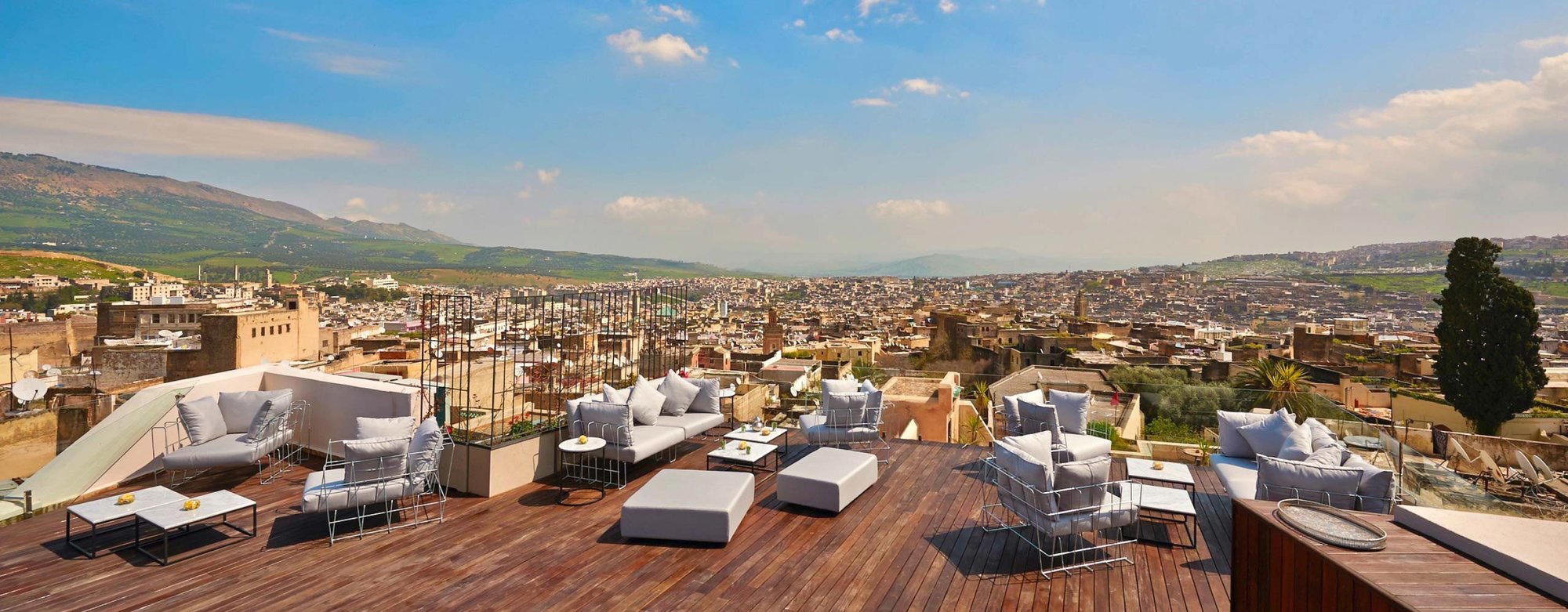
Fes el-Bali is a UNESCO World Heritage Site and one of the world's largest functioning medieval urban cores. The dining options within it range from hole-in-the-wall harira stalls to the kind of riad settings that draw significant international attention. The tier that restaurant occupies, between street food and formal riad dining, is underrepresented in the medina, which may explain why it has maintained a consistent audience over time. The address on Talaa Kebira places it well for anyone working through the city on foot: the street connects Bab Bou Jeloud to the Qarawiyyin quarter, and most serious medina itineraries pass through it.
The restaurant's location also works as a natural pause point in a full day in Fes el-Bali, though it remains a destination in its own right for the evening program. Those looking for the fuller range of the city's table should consult our full Fes restaurants guide, which maps the medina's dining options from formal riad kitchens like L'Amandier to more casual formats. Elsewhere in Morocco, the contrast with coastal dining traditions, such as those maintained at Le Salon Oriental in Essaouira, underlines how specifically Fassi the culinary logic of the medina remains. For a different kind of inland ingredient story, L'Oliveraie in El Hajeb connects to the olive agriculture of the Middle Atlas in a way that traces a parallel sourcing line.
Planning Your Visit
The address, 7 Derb el Magana, Rue Talaa Kebira, is on one of the medina's more navigable lanes. Signage in the medina is inconsistent, and the layout does not follow any grid. The cafe's programming schedule changes with some regularity.
Fast Comparison
Comparable venues nearby, for context on price, style, and recognition.
| Venue | Cuisine | Price | Notes |
|---|---|---|---|
| Cafe ClockThis venue — the venue you are viewing | Moroccan Fusion Cafe | $$ | Not listed |
| Le Kiosk | Wood Oven Pizza | $$ | Ville Nouvelle |
| Gayza | Refined Moroccan Fine Dining | $$$ | Medina |
| Nachō Mama Restaurant | Mexican | $$ | Fes Medina |
| Dar Tagine | Traditional Moroccan Tagine House | $$ | Medina |
| Darori | Traditional Moroccan Fassi | $$$ | Medina |
At a Glance
- Lively
- Cozy
- Trendy
- Casual Hangout
- Brunch
- Late Night
- Historic Building
- Open Kitchen
- Local Sourcing
Current opening hours
- Monday
- 9 AM–11 PM
- Tuesday
- 9 AM–11 PM
- Wednesday
- 9 AM–11 PM
- Thursday
- 9 AM–11 PM
- Friday
- 9 AM–11 PM
- Saturday
- 9 AM–11 PM
- Sunday
- 9 AM–11 PM
Hours can change for holidays and private events. Last verified .
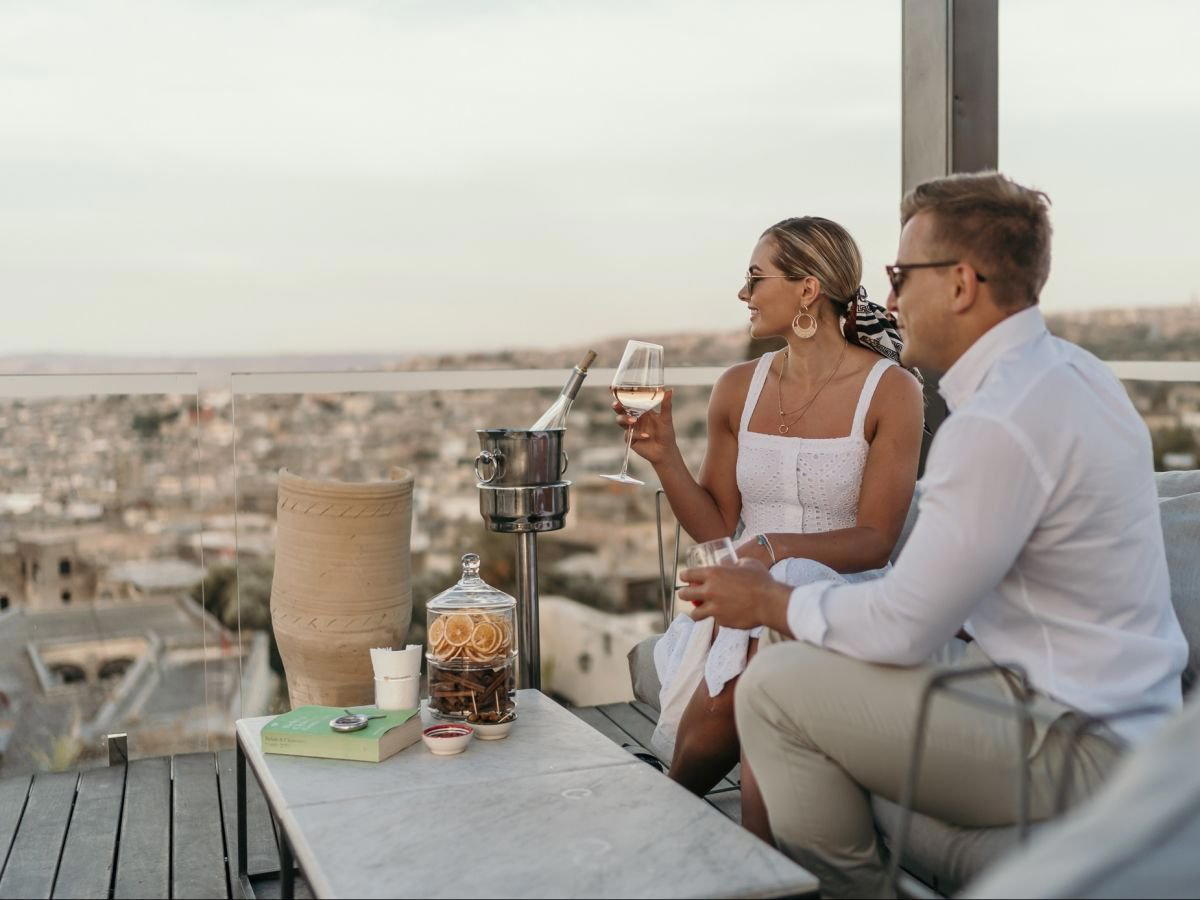
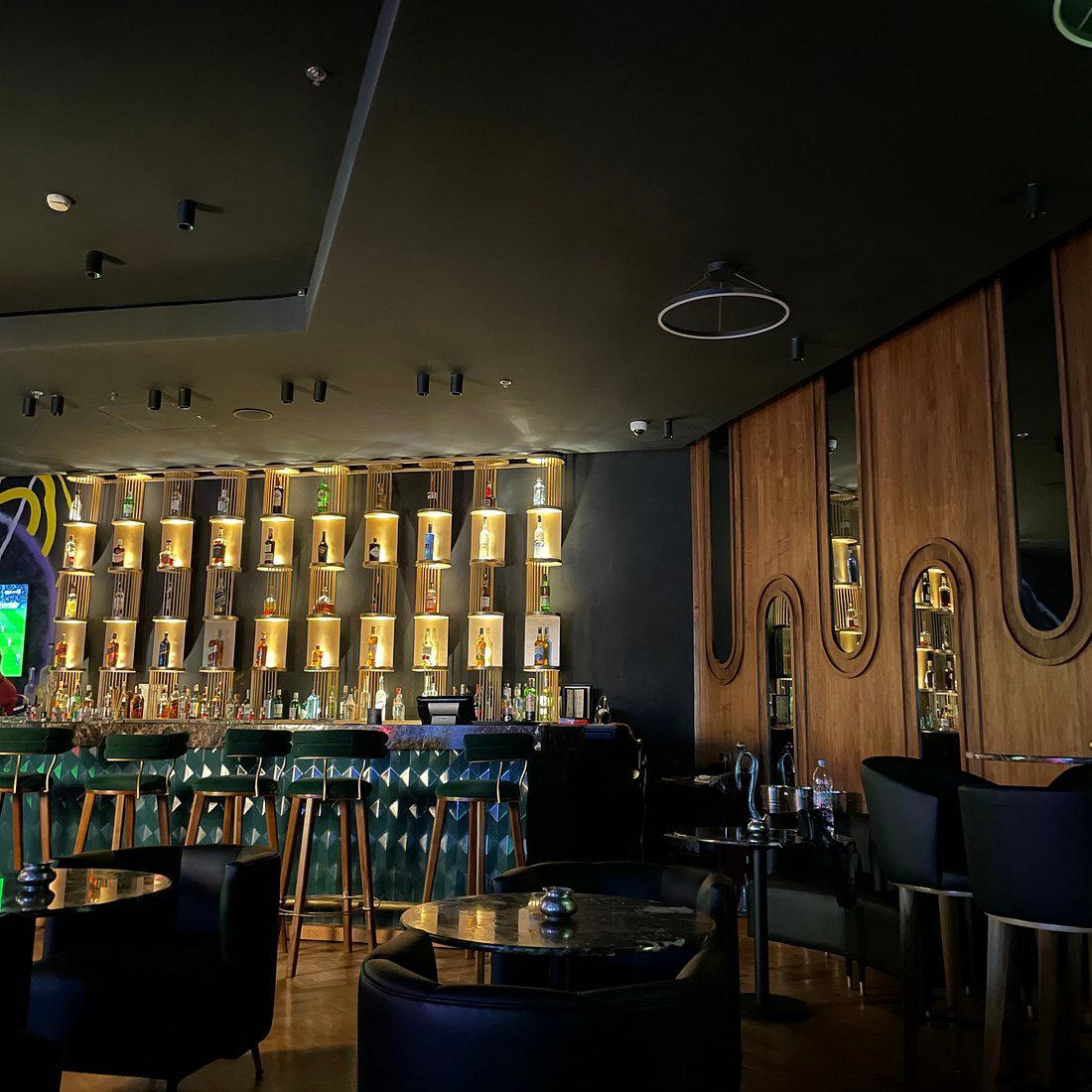
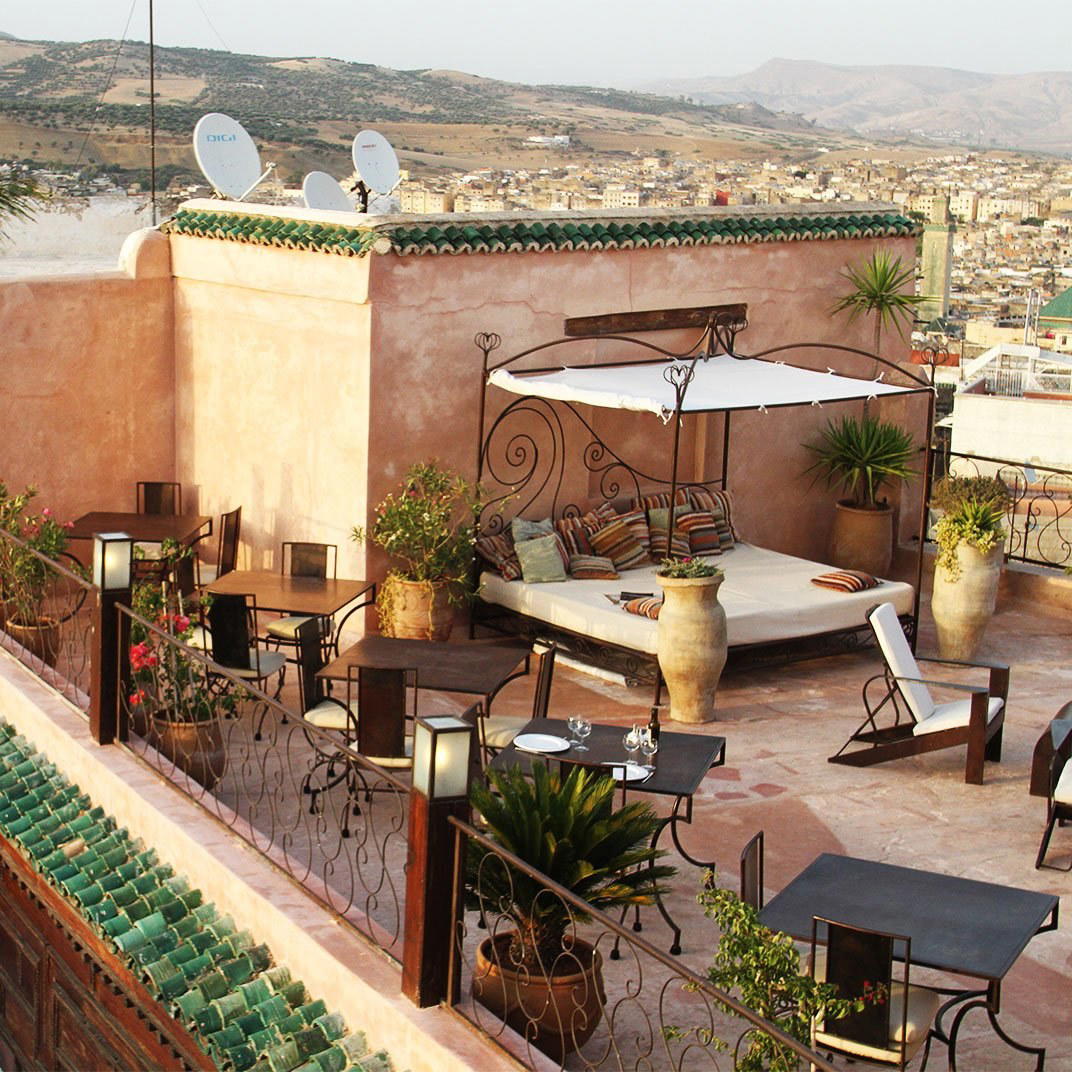
Lively cultural hub with enthusiastic young staff, multiple floors including balcony and event spaces, blending traditional Moroccan charm with modern energy.