Positioned in the Gueliz district, Marrakech's modern commercial quarter, Amal Gueliz Center Restaurant sits within one of the city's most active non-medina dining corridors. The area draws a local professional crowd and increasingly informed visitors who want Moroccan cooking without the medina markup. For context on what the kitchen produces and how it fits the broader Marrakech scene, the editorial below covers what you need to know.
Pearl is the En Primeur Club membership app — saves, bookings, and concierge access live there. Same editors, same standards.
- Address
- Rue Allal Ben Ahmed, Marrakesh 40000, Morocco
- Phone
- +212 5244 46896
- Website
- amalnonprofit.org
- Directions
- Get directions
 Saves & bookings on Pearl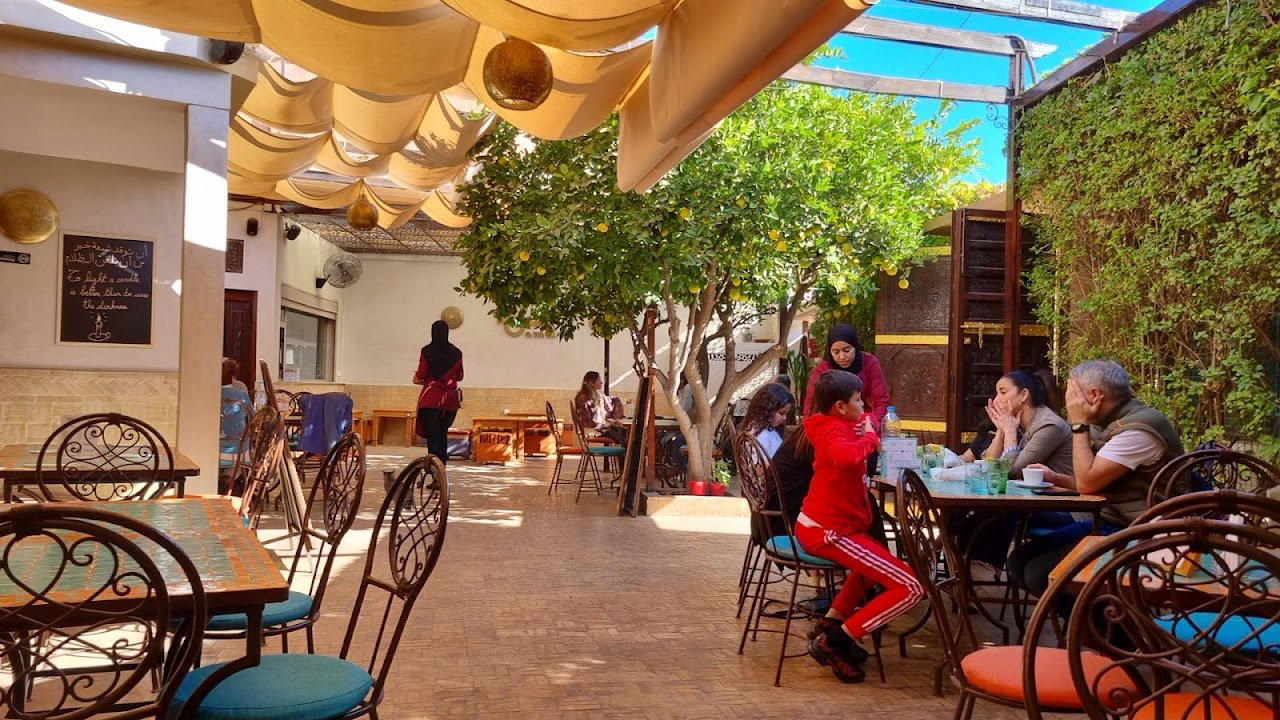
Gueliz and the Other Marrakech Dining Scene
Most first-time visitors to Marrakech anchor their eating in the medina, and the logic is understandable: the architecture, the souks, the rooftop terraces overlooking the Jemaa el-Fna. But the city's Gueliz district, the French-planned ville nouvelle west of the old walls, has run a parallel dining culture for decades. It is where Marrakchis with disposable income eat on weekday evenings, and where the ratio of locals to tourists tilts in ways that tend to sharpen a kitchen's focus. Rue Allal Ben Ahmed, where Amal Gueliz Center Restaurant is addressed, sits within that working commercial fabric: less atmosphere-dressed than the riads, more accountable to a repeat-customer base.
That distinction matters for how you should think about any restaurant in this neighbourhood. Properties in the medina are often pricing against tourist expectations and investing heavily in setting. Gueliz restaurants tend to compete on the plate itself and on value relative to peers a short taxi ride away. It is a different kind of accountability, and one worth factoring into any decision about where to eat in Marrakech.
Moroccan Cooking and the Question of Sourcing
The ingredient story behind Moroccan cuisine is one of the more compelling in the Mediterranean basin, and it tends to get flattened in the international retelling. The broad frame, argan oil from the Souss-Massa region, saffron from Taliouine, preserved lemons from smallholder producers in the south, lamb from the Middle Atlas, describes a supply chain that is genuinely regional in ways that European fine dining has spent the last two decades trying to reconstruct artificially. In Morocco, it was never lost.
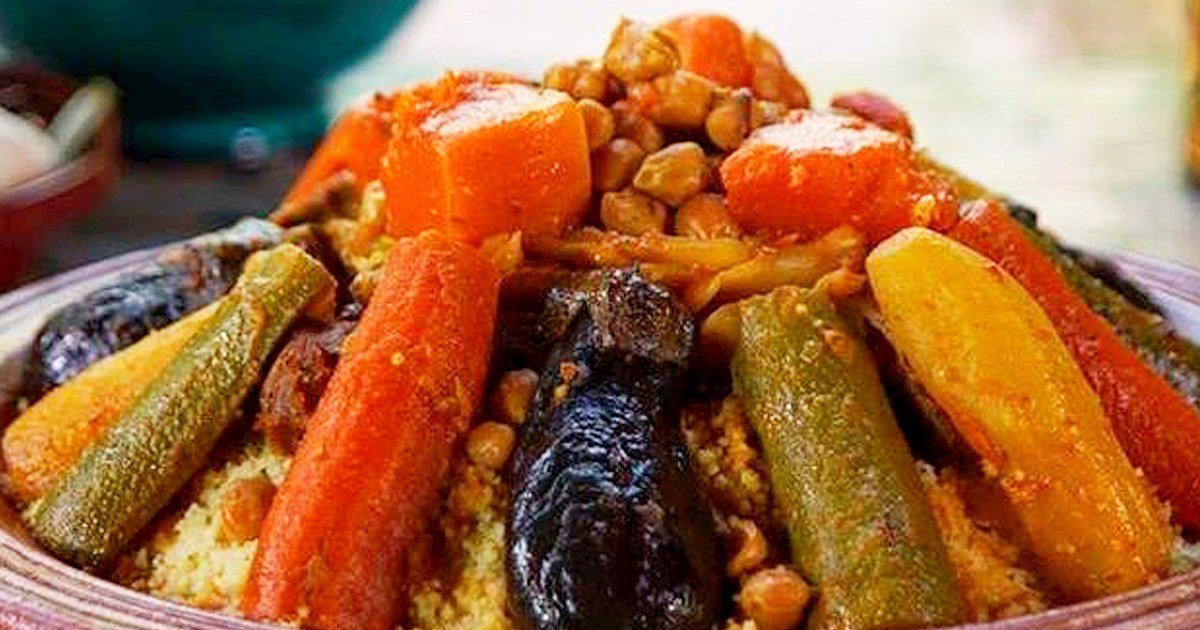
Marrakech kitchens that take sourcing seriously operate close to the wholesale markets at Mellah and to the produce networks that feed the city's domestic restaurants rather than its export-facing hospitality sector. The distinction between a kitchen buying from those networks and one buying from hotel-approved central distributors is not always visible on the menu, but it tends to show in the spice depth of a properly made chermoula, the texture of a slow-cooked mrouzia, or the freshness of a vegetable-forward couscous on a Friday afternoon. The neighbourhood context places it closer to that supply chain than a medina riad aiming at international guests.
For a fuller orientation to what Moroccan ingredient-driven cooking looks like at its most considered in the city, La Grande Table Marocaine and La Grande Table Marocaine at Royal Mansour represent the upper end of that tradition in Marrakech, where sourcing is documented and the price reflects it.
Where Amal Gueliz Center Sits in the Local comparable set
The Marrakech restaurant scene has stratified over the past decade. At the leading are destination properties, often tied to palace hotels, where a dinner for two can reach European fine-dining prices. Below that sits a middle tier of well-executed concept restaurants that have absorbed international influences while keeping Moroccan cooking at the centre. Le Jardin Restaurant Marrakech Medina and La Famille operate in that territory, with garden settings and menus that emphasise seasonal produce. Grand Café de la Poste sits nearby in Gueliz, occupying a French colonial building and pulling a mixed local and visitor crowd.
Amal Gueliz Center addresses a section of that market that prioritises accessibility and neighbourhood character over theatrical setting. It is a proposition built for the diner who wants to eat well in Marrakech without committing to either a medina riad experience or a palace-hotel price point. The address on Rue Allal Ben Ahmed is a practical one: central within the ville nouvelle, reachable by petit taxi from anywhere in the city for a standard fare, and walkable from the major Gueliz hotels.
The Broader Moroccan Table: Context from Other Cities
Understanding Marrakech's restaurant culture is easier with reference to what Moroccan dining looks like elsewhere in the country. Cafe Clock in Fes built its reputation on preserving and reinterpreting traditional recipes in an accessible format, a model that has influenced how heritage-minded restaurants across Morocco position themselves. Andalus in Tangier represents the northern city's distinct culinary character, where Andalusian and Mediterranean influences inflect the Moroccan base differently than they do in the south. Le Salon Oriental in Essaouira shows how a coastal setting reshapes ingredient priorities, with Atlantic fish arriving at a different speed than anything inland Marrakech can source. These comparisons are useful because they establish how much regional variation exists within what gets bundled under the label of Moroccan cuisine, and they suggest that any single Marrakech restaurant should be evaluated within that specific southern, inland, and mountain-adjacent ingredient context rather than against a generic national standard.
Farther afield, the ingredient-sourcing conversation in Moroccan wine country is equally specific. Château Roslane in the Meknès region anchors the country's most serious viticulture, and L'Oliveraie in El Hajeb draws on the olive-growing traditions of the Middle Atlas foothills. Both speak to a supply geography that feeds, directly or indirectly, into what ends up on tables in Marrakech.
Planning Your Visit
Amal Gueliz Center Restaurant is located on Rue Allal Ben Ahmed in Marrakech's Gueliz district, the ville nouvelle quarter that runs west from the medina walls. Petit taxis are the standard way to reach it from the medina or from Gueliz hotels; the fare across the district is fixed at a low flat rate negotiated before departure, as is standard practice across the city. No phone number or website is available in the public record at time of writing, which makes advance booking difficult to confirm remotely. For current hours, reservation policy, and menu details, one reliable approach is to ask at your accommodation, where staff typically hold updated contacts for neighbourhood restaurants that do not maintain an active web presence.
Side-by-Side Snapshot
Comparable venues nearby, for context on price, style, and recognition.
| Venue | Cuisine | Price | Notes |
|---|---|---|---|
| Amal Gueliz Center - RestaurantThis venue — the venue you are viewing | Authentic Moroccan | $$ | Not listed |
| Amanjena | Traditional Moroccan | $$$$ | Annakhil |
| Dar Moha | Modern Moroccan Gastronomic | $$$$ | Marrakech-Médina |
| Palais Ronsard | Modern Moroccan Fine Dining | $$$$ | Annakhil |
| Oban | Refined French and Traditional Moroccan | $$$ | Marrakech-Médina |
| Eloomm | Mediterranean with Moroccan Influences | $$ | Méchouar-Kasba |
Continue exploring
More in Marrakech
Restaurants in Marrakech
Browse all →
Bars in Marrakech
Browse all →
Hotels in Marrakech
Browse all →
Wineries in Marrakech
Browse all →
At a Glance
- Cozy
- Warm
- Scenic
- Casual Hangout
- Family
- Courtyard
- Garden
Current opening hours
- Monday
- 12–3 PM
- Tuesday
- 12–3 PM
- Wednesday
- 12–3 PM
- Thursday
- 12–3 PM
- Friday
- 12–3:30 PM
- Saturday
- 12–3 PM
- Sunday
- Closed
Hours can change for holidays and private events. Last verified .
Sunny open-air garden courtyard with warm, welcoming atmosphere.