Le Bistro Arabe sits on Rue Riad Zitoun el Kdim in Marrakech's medina, pairing Moroccan cooking with live jazz in a setting that positions it apart from the standard riad-dining circuit. The address puts it within the older residential fabric of the medina, where fewer tourists pass through and the atmosphere tilts toward neighbourhood regularity over tourist spectacle.
Pearl is the En Primeur Club membership app — saves, bookings, and concierge access live there. Same editors, same standards.
- Address
- 7/8, Rue Riad Zitoun el Kdim, Marrakesh 40000, Morocco
- Phone
- +212 5 24 42 96 46
- Website
- riad-monceau.com
- Directions
- Get directions
 Saves & bookings on Pearl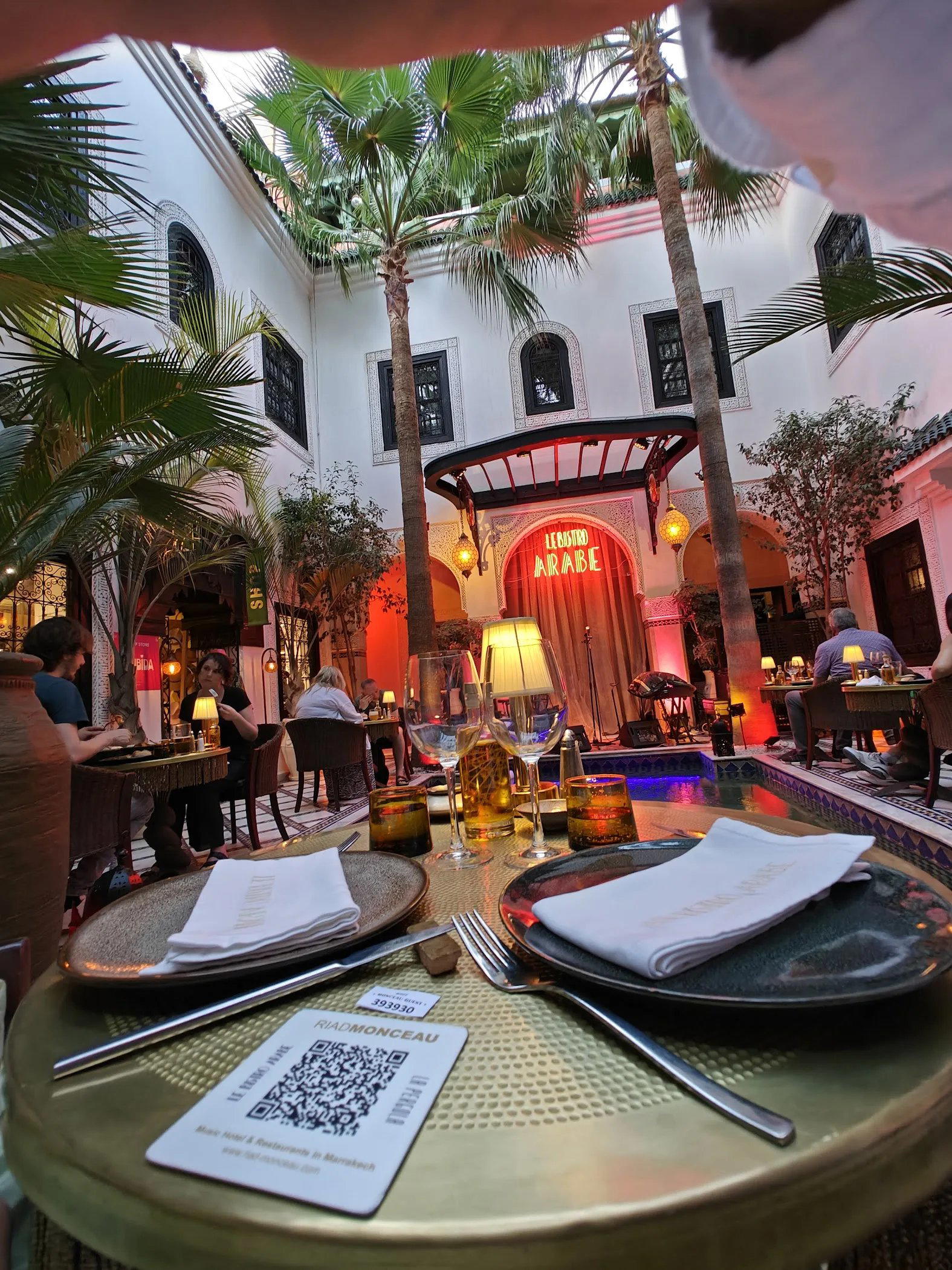
Where the Medina's Older Quarter Meets a Different Kind of Table
Rue Riad Zitoun el Kdim runs south from Djemaa el-Fna into a part of the medina that most visitors pass through rather than stop in. The street connects the main square to the mellah, the former Jewish quarter, threading through a residential layer of Marrakech that predates the city's renovation boom by centuries. It is in this corridor, not in the polished northern medina around the souks, and not in Guéliz where the French-influenced café culture dominates, that Le Bistro Arabe has taken up its address at numbers 7 and 8. The positioning is significant. Moroccan dining culture has long been divided between formal occasion restaurants that stage the full theatre of a pastilla and mechoui service, and the informal neighbourhood table where the cooking is quieter and less ceremonially presented. Le Bistro Arabe, with its jazz programming layered over a Moroccan kitchen, occupies a distinct register in the Marrakech dining scene.
Moroccan Cooking in Cultural Context
To understand what a venue like this represents, it helps to understand what Moroccan cuisine is at its structural core. The cooking tradition is built on slow processes: preserved lemons that take weeks to cure, smen (aged butter) that develops over months, tagines that require hours of low heat to achieve the collapse of texture between meat and vegetable that defines a properly made dish. The spice architecture, typically built from ras el hanout blends that can include upward of thirty components, is not decorative. It is the result of a spice trade history that ran through Marrakech for centuries, with the city functioning as a staging post between sub-Saharan Africa and the Mediterranean world. Harissa, chermoula, preserved citrus, argan oil from the Souss region to the south, these are not interchangeable ingredients. Each carries a specific geographic and cultural origin within Morocco's regional cooking map.
In a medina restaurant setting, the challenge is always whether the cooking reflects that depth or whether it has been flattened into a simplified palette designed to reassure rather than challenge. The leading Marrakech tables hold the line. La Grande Table Marocaine works within the formal palatial tradition, deploying that complexity at scale. Le Jardin Restaurant Marrakech Medina handles the riad-garden format with discipline. La Famille operates within the lighter, vegetable-forward end of the spectrum. Le Bistro Arabe's bistro framing, a French word applied to an Arab kitchen, deliberately, suggests a more relaxed posture toward these traditions, one that borrows from European café culture in format while keeping the culinary reference points Moroccan.
Jazz as Structure, Not Decoration
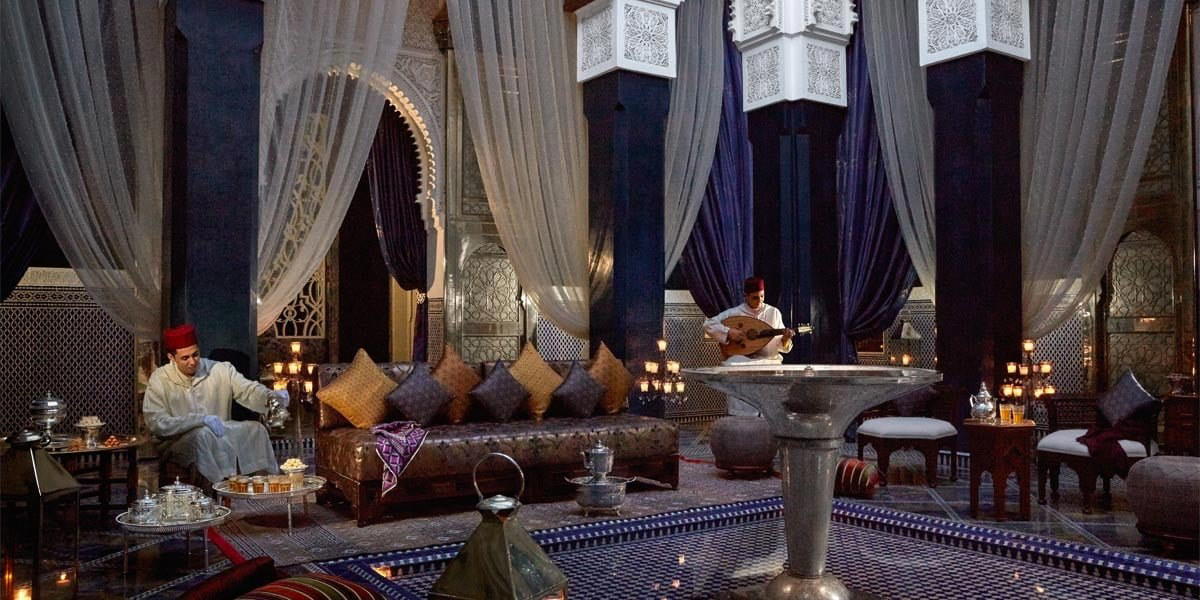
The combination of Moroccan cooking and jazz programming is less incongruous than it first appears. Jazz arrived in Morocco through the mid-twentieth century cultural exchange between North Africa and the United States, accelerated by the Tangier International Zone years when the city briefly became a meeting point for American and European artists, writers, and musicians. Moroccan gnawa music, with its hypnotic percussive structure and call-and-response vocal patterns, shares enough rhythmic logic with certain jazz forms that the dialogue between them has been a serious creative preoccupation for Moroccan musicians for decades. The Festival Gnaoua et Musiques du Monde in Essaouira, which has run for over two decades, formalised that conversation at scale. A restaurant in Marrakech that frames itself around Moroccan cooking and jazz is drawing on that documented cultural lineage, not inventing a fusion concept from nothing.
What this combination does to the dining experience in practice is shift the atmosphere away from the silence-and-ceremony model that formal Moroccan restaurants often adopt. The mood at an evening sitting, with live music active, is more compressed and social than the wide, lantern-lit courtyard quietude of the riad-dining format. This has parallels elsewhere in Morocco's dining scene: Grand Café de la Poste in Guéliz built its identity partly on atmosphere and social energy rather than culinary formality, and La Grande Brasserie by Hélène Darroze in Marrakesh imports a specifically French brasserie energy into the city. Le Bistro Arabe is working a different version of that logic: the brasserie or bistro as social format, but with the kitchen facing inward toward Moroccan tradition rather than westward toward French technique.
The Medina Address: What It Means Practically
Finding a table on Rue Riad Zitoun el Kdim requires committing to the medina on foot. The street is accessible but not prominently signposted for tourists, and the surrounding neighbourhood moves at a pace set by residents rather than visitors. That is part of what the address signals about the intended experience. Restaurants that choose medina side streets over the main tourist arteries are making a statement about their audience. The Amal Gueliz Center, operating in the French-planned ville nouvelle, draws a different crowd and serves a different social function entirely. Le Bistro Arabe's medina placement puts it in the same geographic and cultural zone as the city's older residential life, which is where Moroccan cooking has always been most honestly practiced.
The address at 7/8 Rue Riad Zitoun el Kdim, Marrakesh 40000, is the reliable anchor. Booking ahead is recommended. Morocco's wider dining scene, from Berrada in Fes to Heure Bleue Palais in Essaouira and Azurita in Tangier, reflects how each city has developed its own hospitality register. Marrakech's is especially internationally referenced, which makes venues that operate slightly outside the main tourist circuit more significant, not less. A broader map of the country's restaurant culture is available through our coverage of Cocoa Café in Casablanca, La Sqala: Café Maure, L'Araignée Gourmande in Oualidia, Dar Dada in Sidi Belyout, Café Enjoy Agadir, and Château Roslane in the wine-producing interior.
Price and Recognition
Comparable venues nearby, for context on price, style, and recognition.
| Venue | Cuisine | Price | Notes |
|---|---|---|---|
| Le Bistro Arabe - Moroccan Jazz Restaurant in MarrakechThis venue — the venue you are viewing | Marrakech-Médina, Moroccan Jazz Bistro | $$$ | Not listed |
| Grand Café de la Poste | Not listed | $$$ | Gueliz, French Brasserie with Moroccan Accents |
| Pepe Nero | Not listed | $$$ | Marrakech-Médina, Italian-Moroccan Haute Cuisine |
| Le Salama | Not listed | $$$ | Marrakech-Médina, Moroccan Fine Dining with Modern Flair |
| Oban | Not listed | $$$ | Marrakech-Médina, Refined French and Traditional Moroccan |
| Table III (La Table) | Marrakech-Médina, Refined Moroccan | $$$ | Not listed |
Continue exploring
More in Marrakech
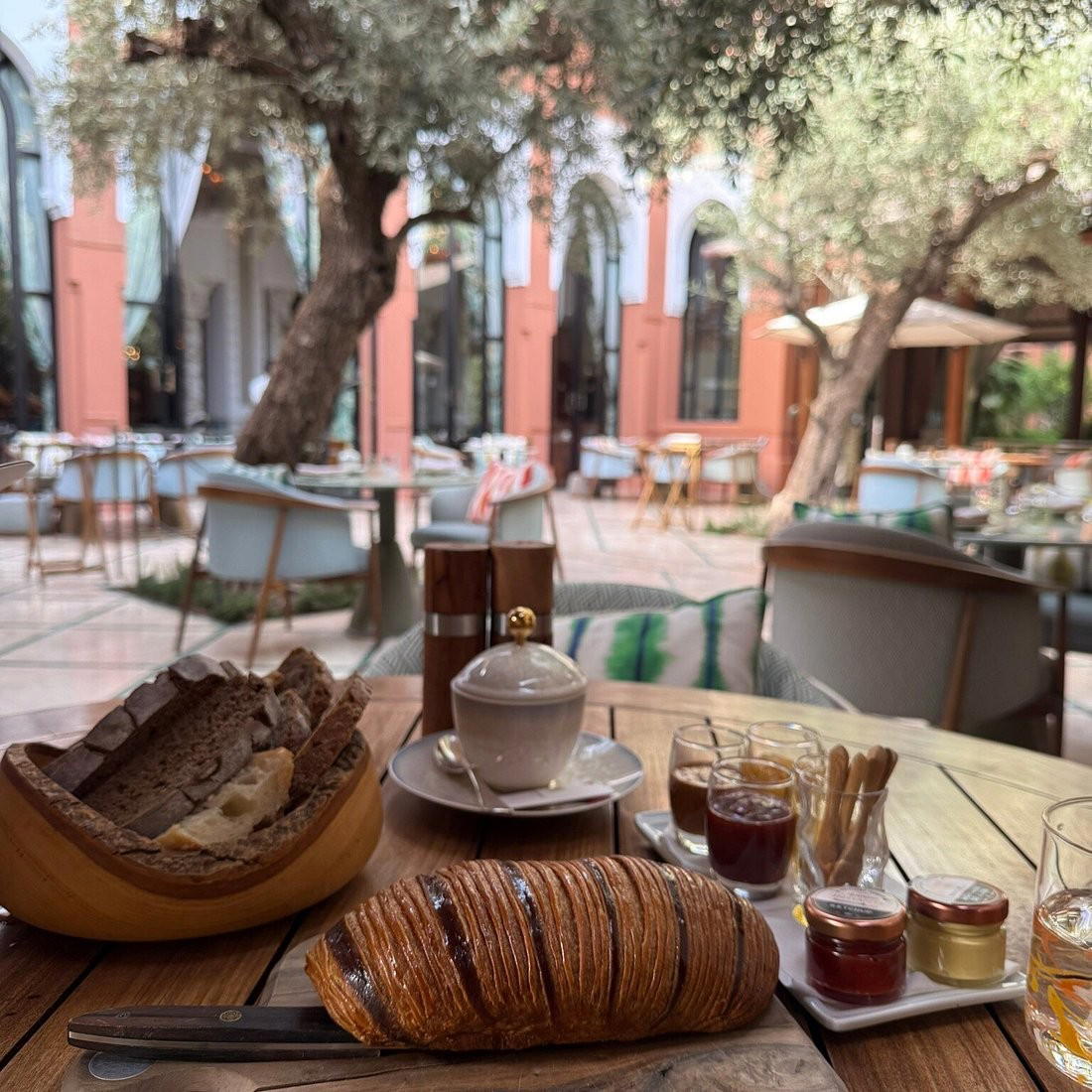
Restaurants in Marrakech
Browse all →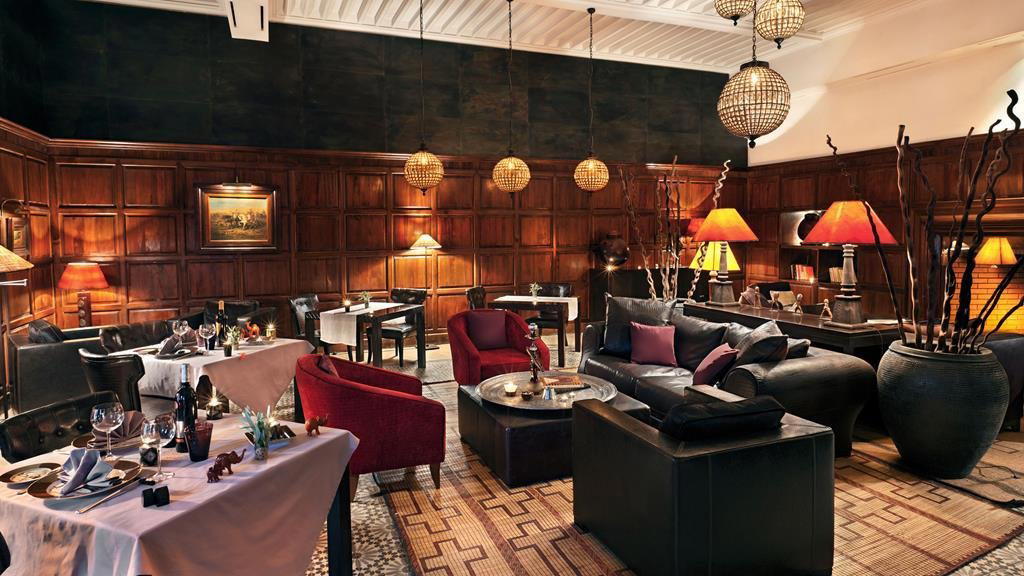
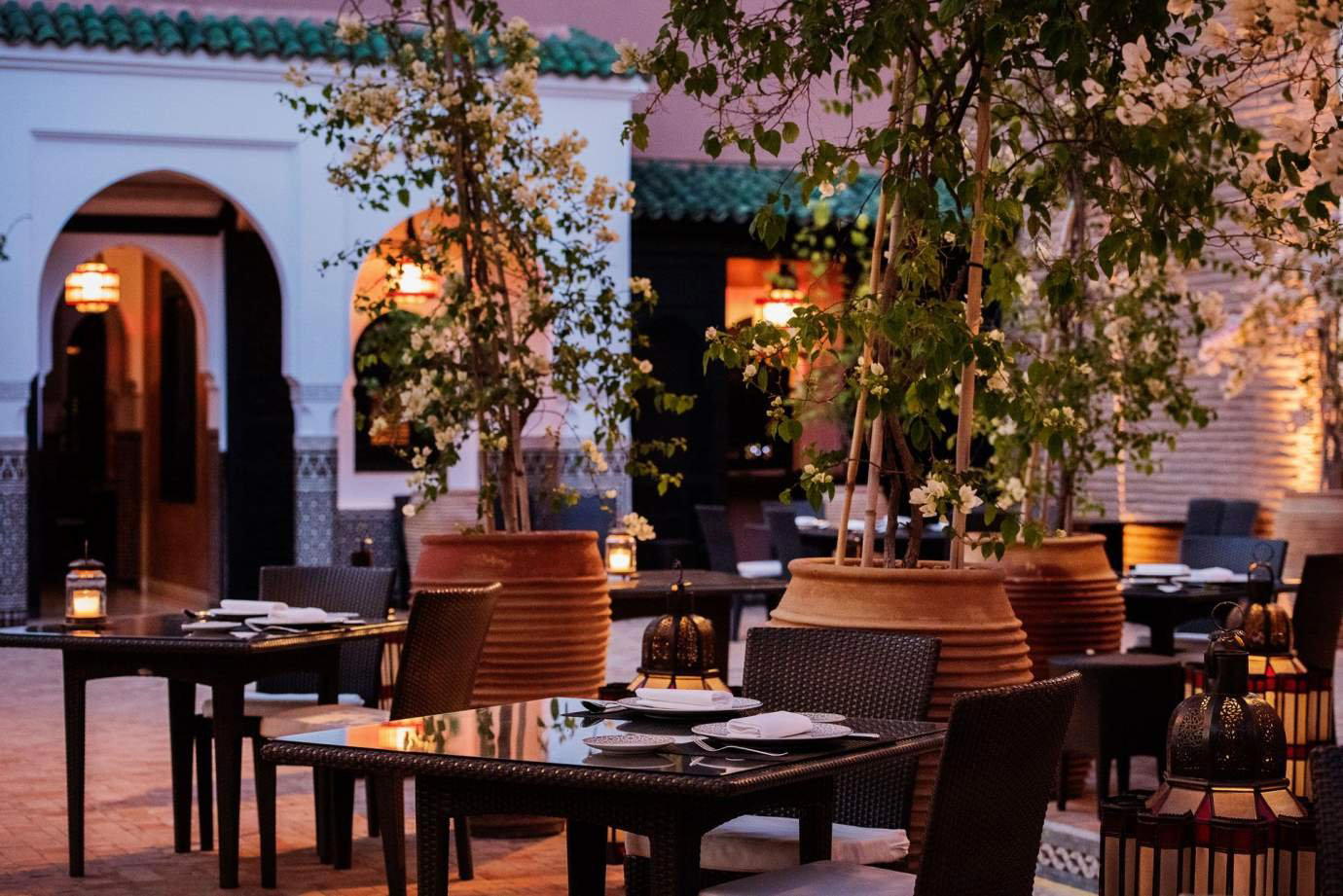
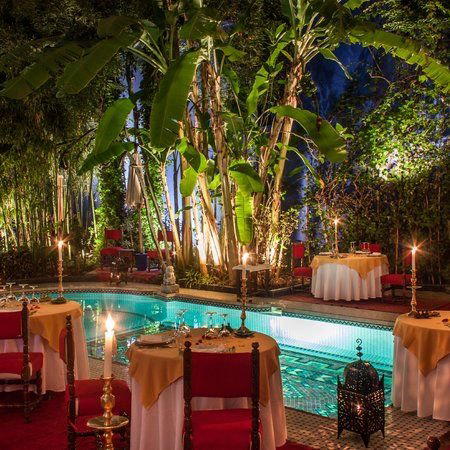
Bars in Marrakech
Browse all →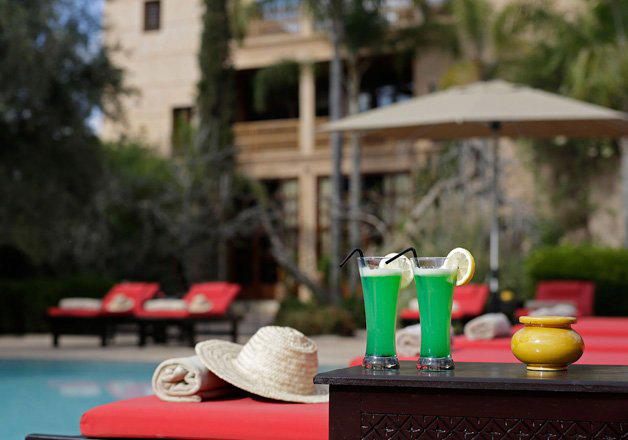
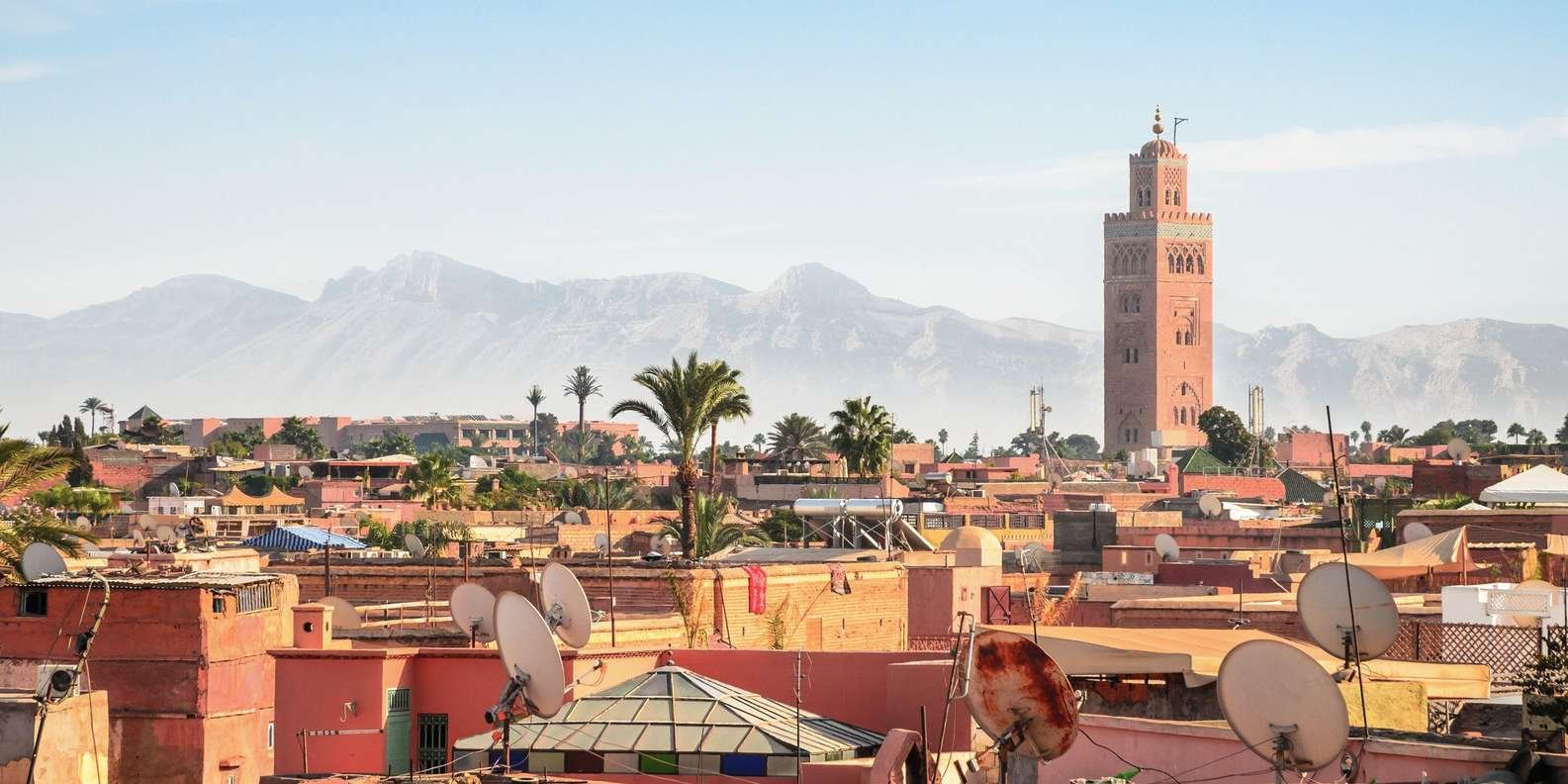

Hotels in Marrakech
Browse all →
Wineries in Marrakech
Browse all →
At a Glance
- Romantic
- Elegant
- Sophisticated
- Intimate
- Cozy
- Date Night
- Special Occasion
- Live Music
- Private Dining
- Extensive Wine List
Current opening hours
- Monday
- 6:30–11 PM
- Tuesday
- 6:30–11 PM
- Wednesday
- 6:30–11 PM
- Thursday
- 6:30–11 PM
- Friday
- 6:30–11 PM
- Saturday
- 6:30–11 PM
- Sunday
- 6:30–11 PM
Hours can change for holidays and private events. Last verified .
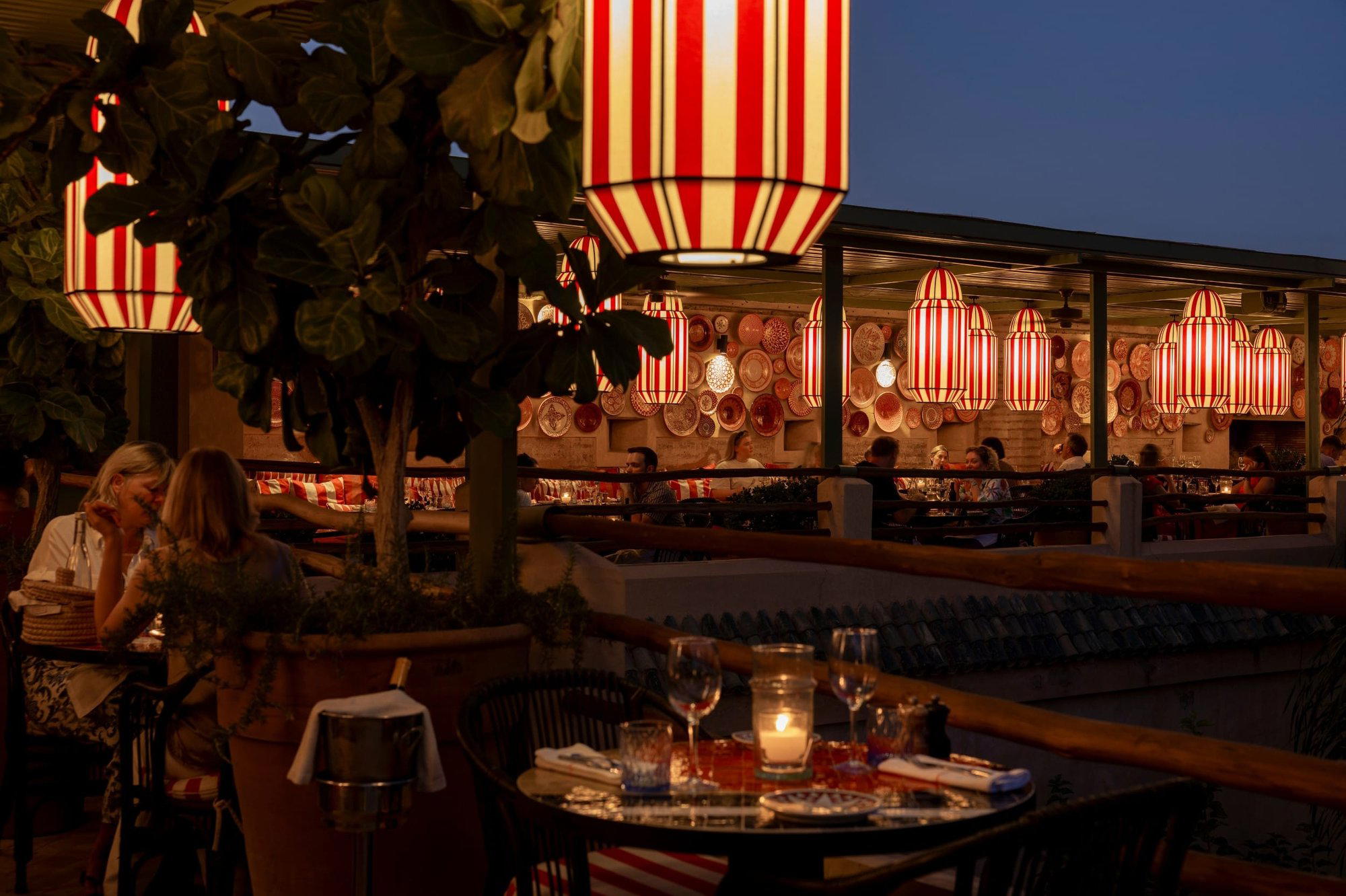
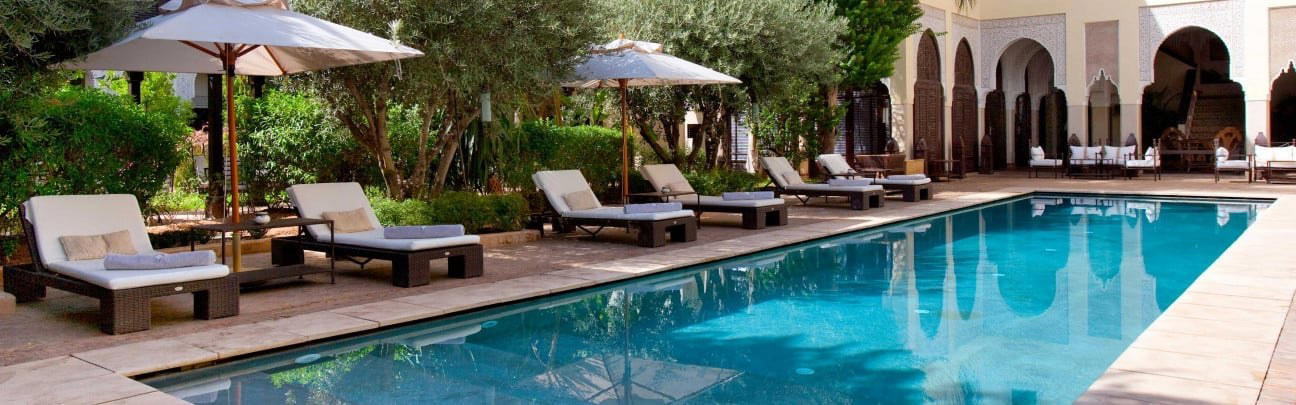
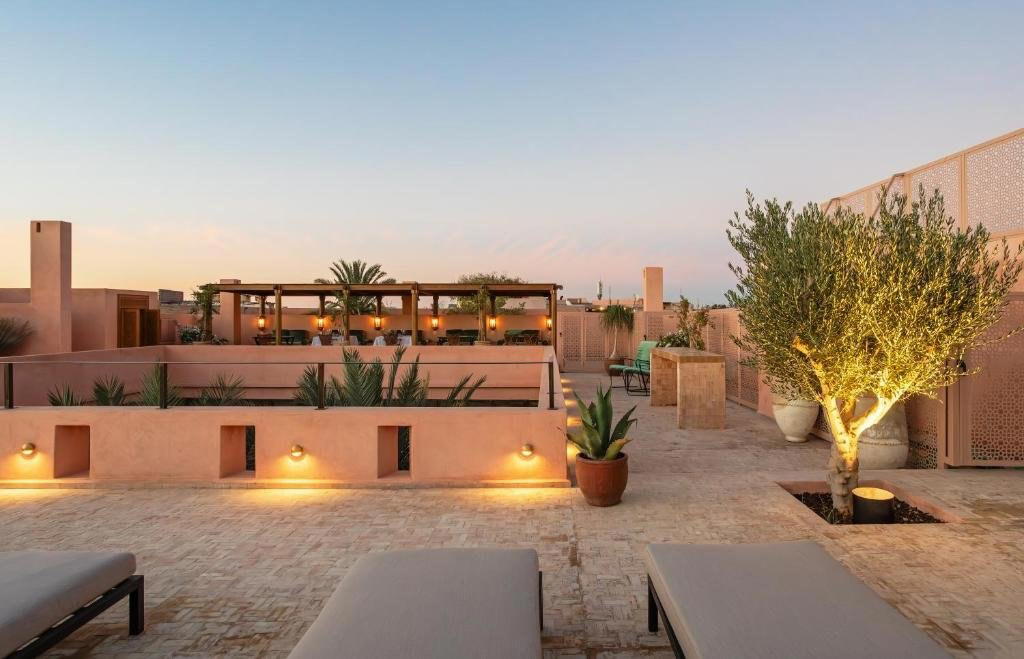
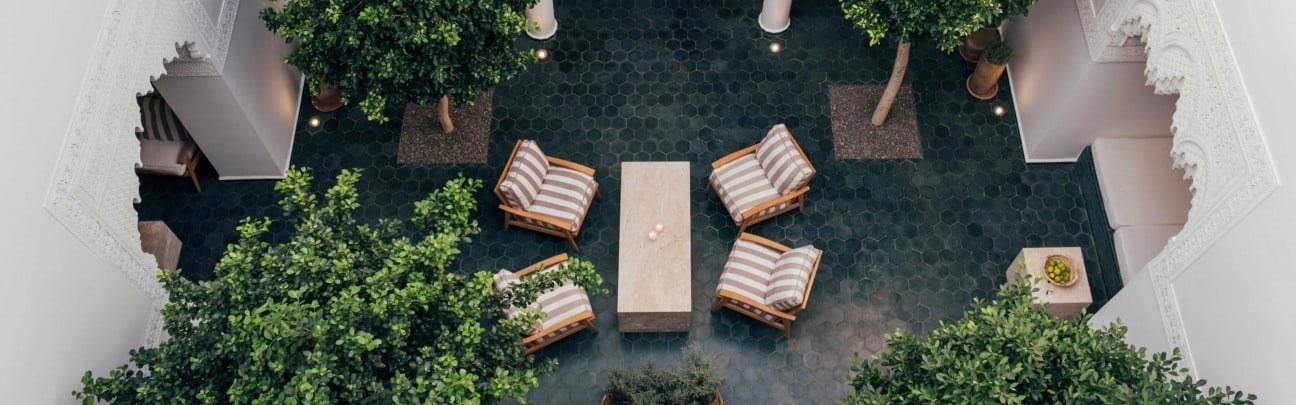
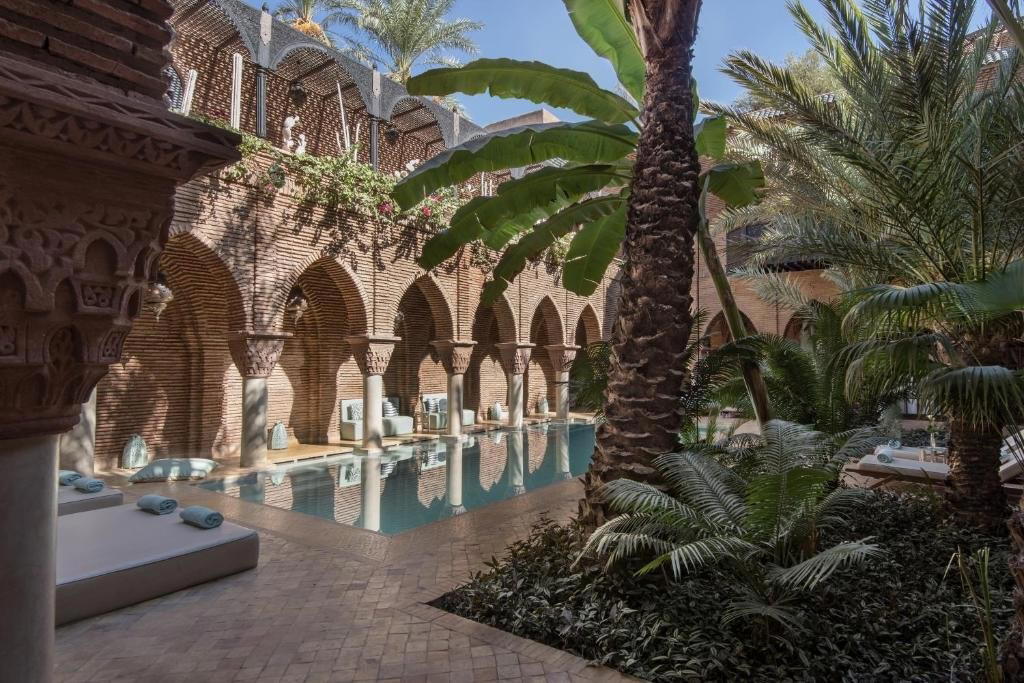
Romantic poolside seating with elegant Arab-Andalusian architecture, live jazz performances, and a chic orientalist atmosphere.