



Five interconnected riads in Marrakech's Kasbah quarter form one of the medina's most complete small luxury hotels. La Sultana Marrakech holds a 90.5-point score on La Liste Top Hotels 2026, earning it a place among the city's most recognised addresses. Twenty-eight rooms, a Romanesque spa, rooftop terraces with Atlas Mountain views, and two restaurants sit within walking distance of the Saadian Tombs and Djemaa el-Fnaa Square.
Pearl is the En Primeur Club membership app — saves, bookings, and concierge access live there. Same editors, same standards.
- Address
- 403 Rue de La Kasbah, 63-67 rue Boutouille, Marrakesh 40000
- Phone
- +212 5 24 38 80 08
- Website
- lasultanahotels.com
- Directions
- Get directions
 Saves & bookings on Pearl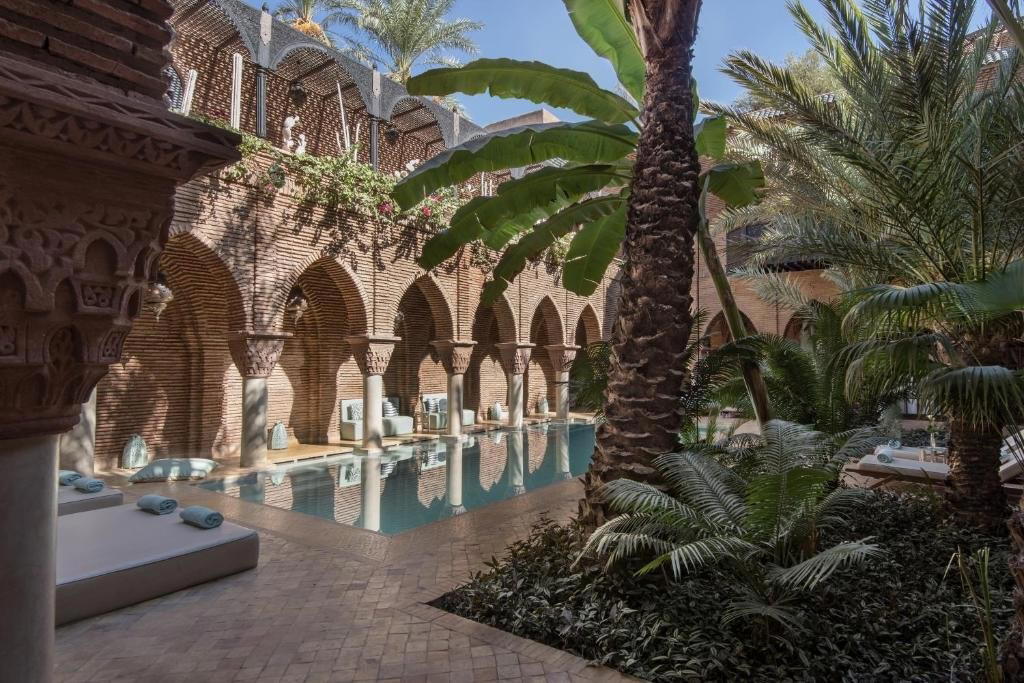
Inside the Kasbah: What La Sultana Marrakech Actually Delivers
Marrakech's luxury hotel offer divides along a fairly clear axis. On one side sit the large international properties: La Mamounia, the Four Seasons Resort Marrakech, and the Fairmont Royal Palm Marrakech, each with the scale to absorb large groups and conference traffic. On the other sit the medina's riad-format properties, where architecture, craft, and location within the historic core carry more weight than room count. La Sultana Marrakech operates in this second category, but at a scale that is unusual for it: 28 rooms drawn from five interconnected courtyard mansions in the Kasbah neighbourhood, scored at 90.5 points on La Liste Leading Hotels 2026, and priced from approximately $1,533 per night. That puts it in direct conversation with Royal Mansour and Amanjena rather than the mid-range riad circuit.
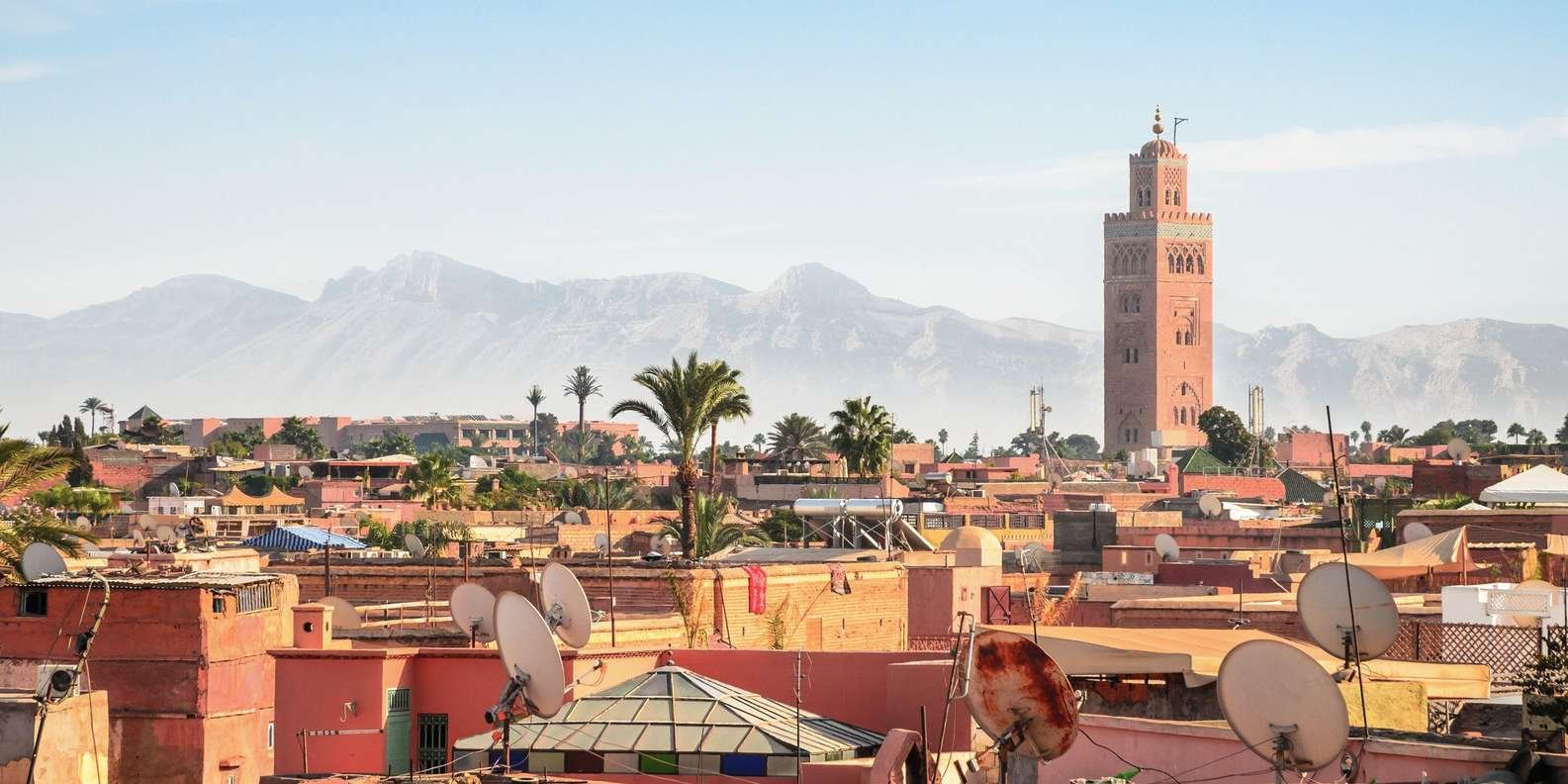
The Kasbah address matters here more than it might elsewhere in the city. The hotel sits at 403 Rue de La Kasbah, within the UNESCO World Heritage-listed perimeter of the medina, backed by the Moulay El Yazid Mosque and positioned a ten-minute walk from Djemaa el-Fnaa Square. The Saadian Tombs are immediately adjacent; the Bahia Palace and the Royal Palace are within the same quarter. For guests whose primary interest is the historic city rather than a resort experience outside it, this concentration of proximity is hard to replicate from a hotel further out.
Five Riads, One Property — The Room as Architecture
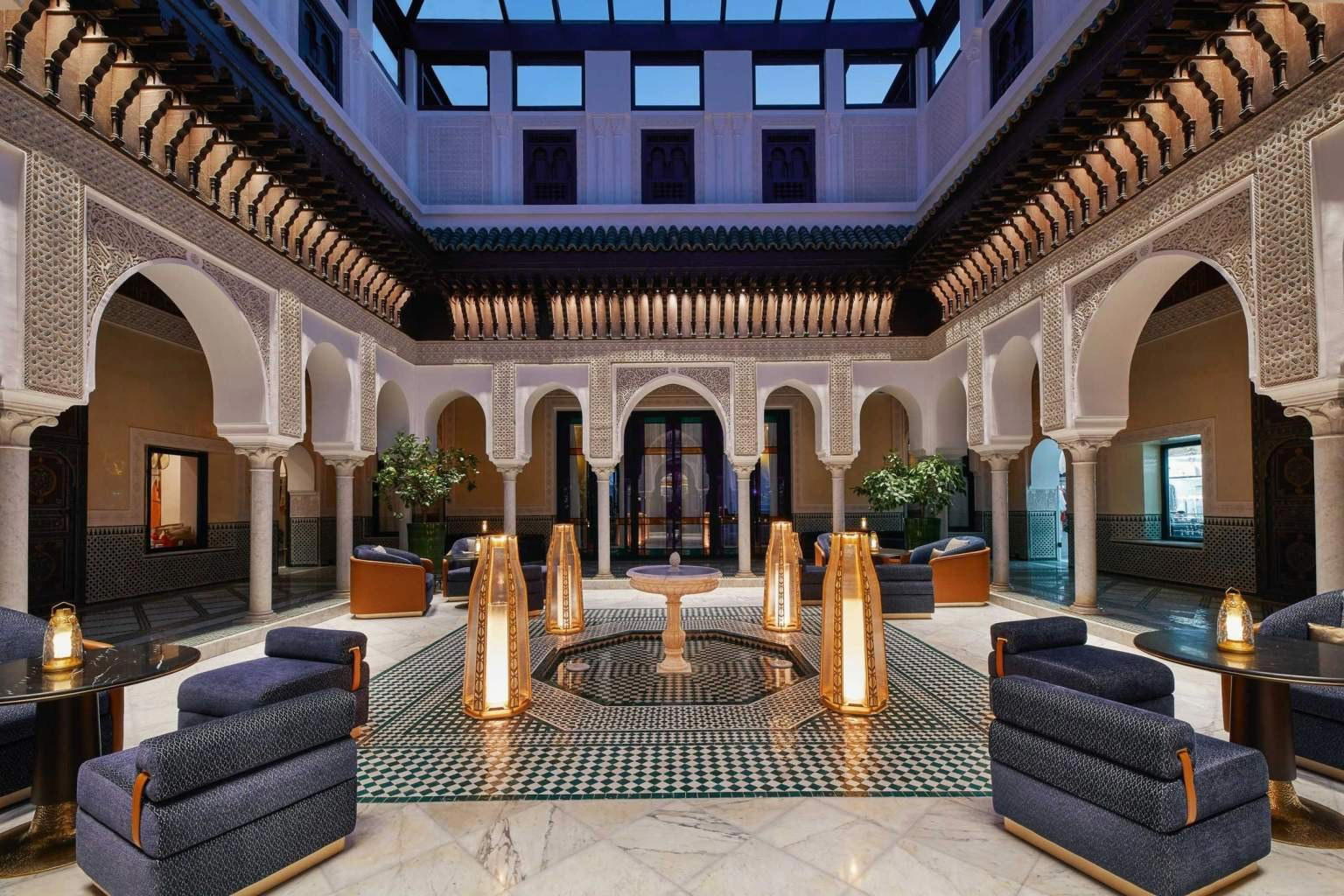
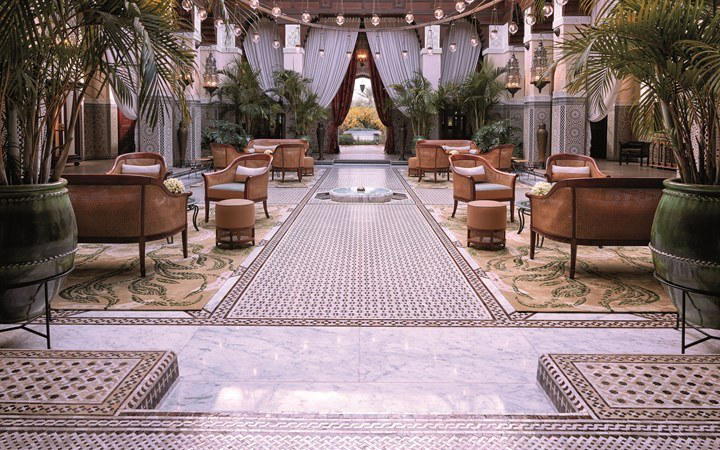
The Kasbah's riad tradition rests on a specific spatial logic: rooms organised around a central courtyard, with natural light controlled by height and screen rather than glazing, and decorative craft doing the structural work of establishing hierarchy between spaces. La Sultana works within that logic but at a density that most medina properties cannot match. Five riads — each with a distinct architectural personality, were combined during a restoration project begun in 2001, in partnership with Moroccan Historic Monuments authorities, with craftsmen working from archival references to revive zellige tiling, carved cedarwood, sculpted stucco, and wrought metalwork.
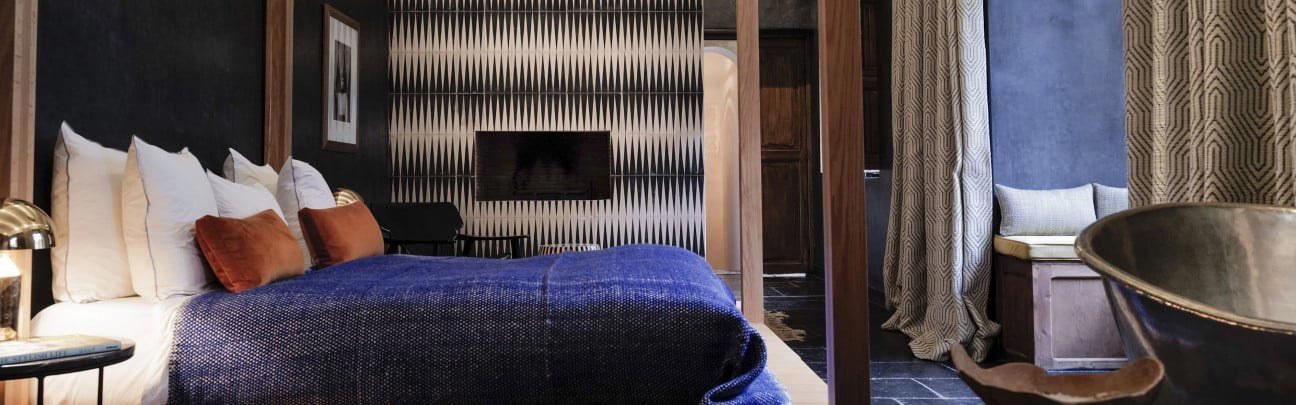
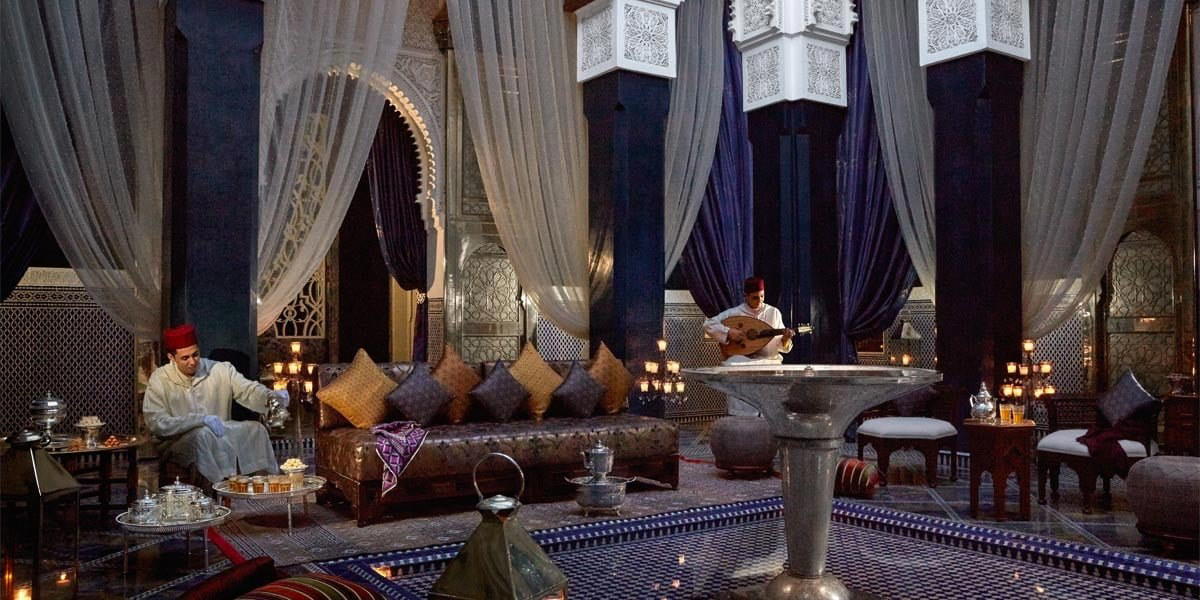
Riad Bahia reads in white stucco and marble. Riad Saadia runs toward carved cedarwood and jewel-toned walls. The rooms throughout follow suit: crimson or turquoise walls, stained glass, Oriental rugs, and brass Arabesque chandeliers. Bathrooms lean into a Romanesque register, arched ceilings, marble, brass fixtures, columnar detailing. These are rooms that make a clear statement about material investment. If that kind of formal, theatrical decorative register is not what you want from a stay, the more understated approach at El Fenn or IZZA Marrakech will suit better. But for guests who come to Marrakech specifically for its craft heritage, the rooms here function as an extension of that visit rather than a retreat from it.
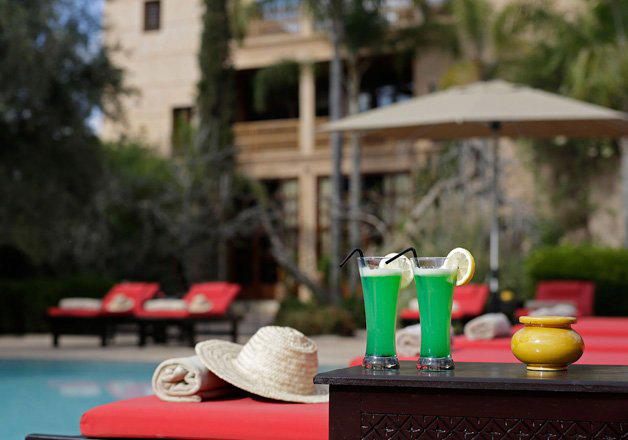
The rooftop terrace spans 2,000 square metres. That figure alone distinguishes La Sultana from most medina competitors: at that scale, the terrace holds multiple distinct zones, with views across the medina's rooflines to the Atlas Mountains on clear days. The heated outdoor pool, gardens, and courtyard fountains extend the envelope further.
Dining, the Spa, and What the Concierge Actually Organises
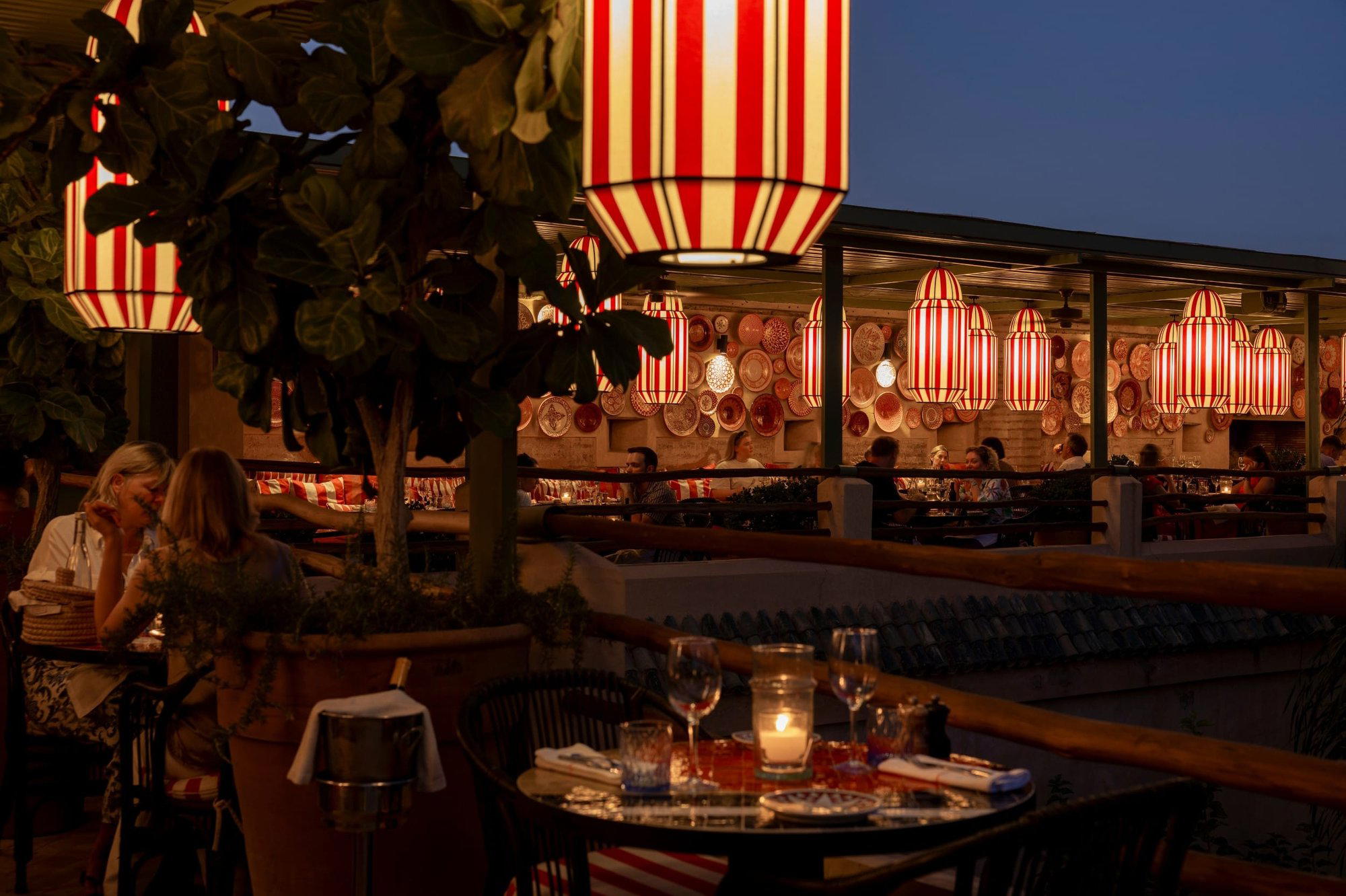
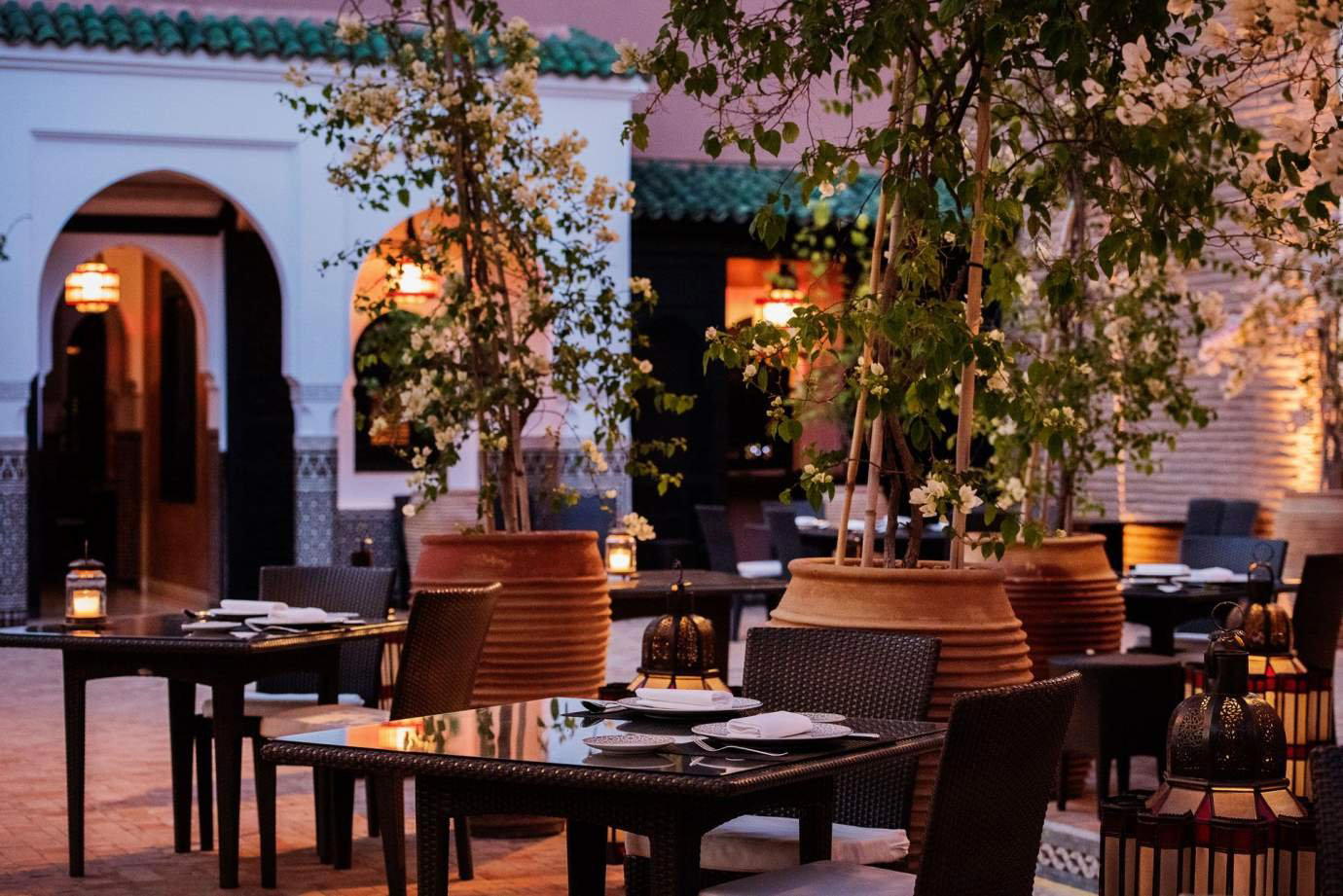
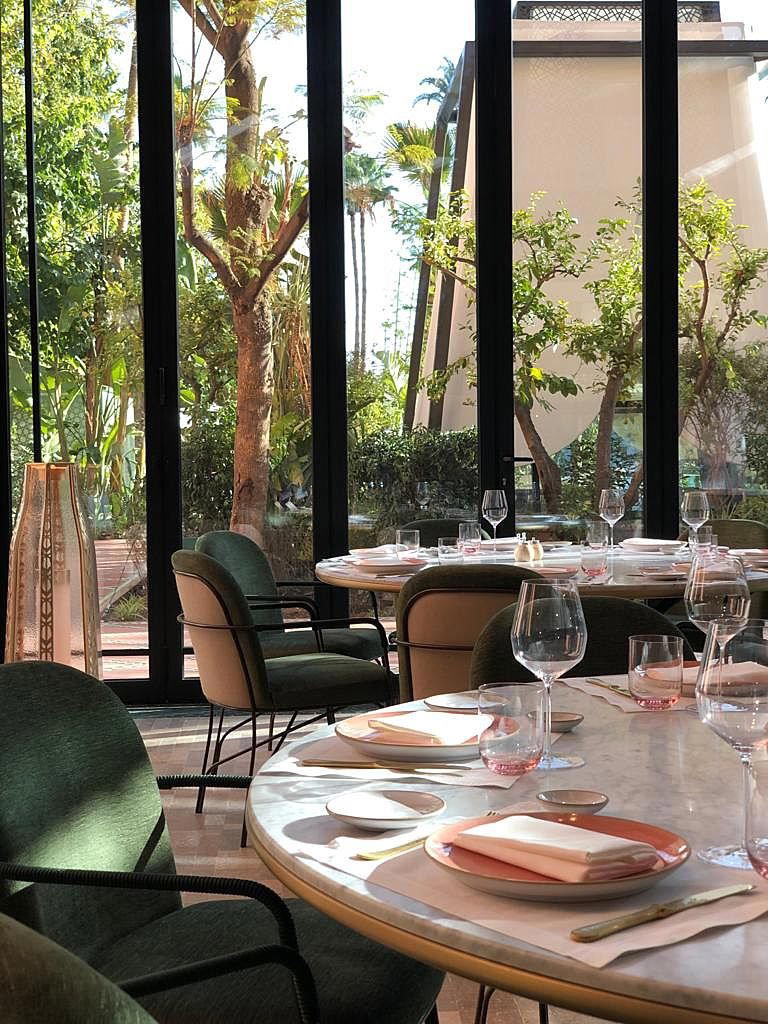
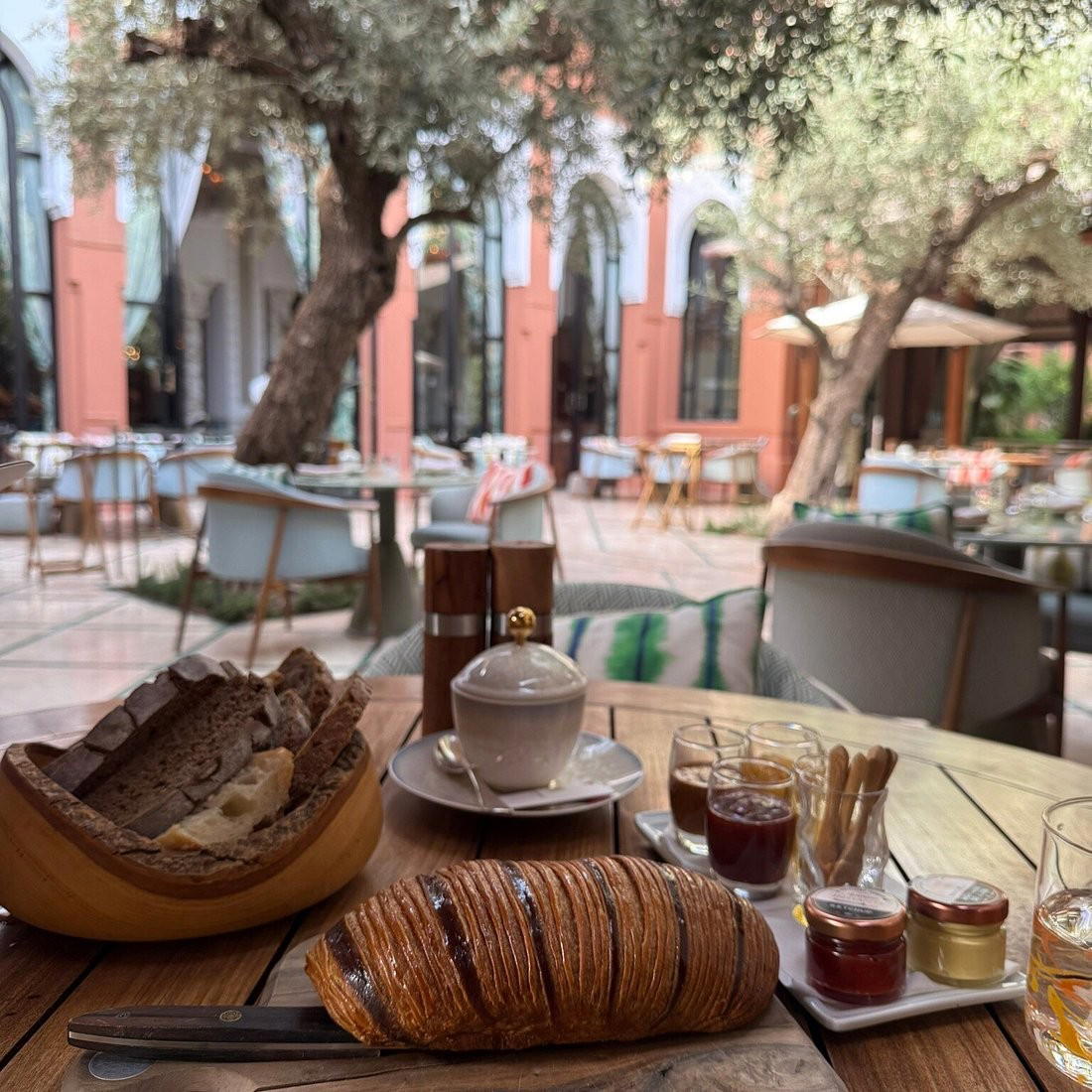
Two restaurants and a cocktail and mezze bar operate within the property. La Table de La Sultana runs a seasonally changing menu of Moroccan and French dishes sourced from local producers where possible, served either on the rooftop terrace or in the illuminated courtyard. Neither format nor menu composition is static by season, which is relevant for guests planning a second visit. Moroccan cooking classes take place at open-air stations within the property, a format that places instruction in the same architectural context as the rest of the stay rather than offsite.
The spa warrants specific attention. Candlelit pools set between pink marble columns anchor the main space; two mosaic-tiled hammams carry out argan-based Moroccan treatments. The scale and material investment here exceed what most properties at 28 rooms would typically allocate to spa infrastructure. For a comparison at the higher end of the Moroccan luxury tier, see also Ksar Char-Bagh, which operates a comparable ethos in the Palmeraie rather than the medina.
The concierge programme covers street food tours, heritage walks, fashion-oriented outings, visits to Yves Saint Laurent's former estate, and hot air ballooning over the Atlas Mountains. Airport transfers run at €35 each way and the hotel advises arranging these in advance given the complexity of accessing the Kasbah by vehicle. The medina's street layout makes direct car access to the property challenging, a practical reality of the location that guests should factor into arrival and departure logistics.
Placing La Sultana in the Marrakech Scene
Marrakech's premium accommodation offer has expanded considerably over the past decade, with international brands establishing large-footprint properties in the Palmeraie and on the city's perimeter. La Sultana's argument is different: it is a product built from the medina's architectural fabric rather than installed beside it. The UNESCO listing of the surrounding neighbourhood is not incidental marketing; it contextualises a restoration project that involved direct collaboration with heritage authorities and specialist craftsmen, producing a property whose physical structure is inseparable from its location.
That dual signal, high volume and high critical score, is less common in the medina's boutique tier than the property count might suggest. For a broader read on where La Sultana sits among the city's restaurant and hotel offer, see our full Marrakesh guide.
Guests who prefer a garden resort format outside the medina will find better-suited options at Jnane Tamsna in Marrakech. Those drawn to the riad tradition but interested in other Moroccan cities should look at Hotel Sahrai in Fes, Dar Ahlam in Ouarzazate, or Dar Maya in Essaouira for the range of how this format reads across different Moroccan contexts. For coastal contrast, Banyan Tree Tamouda Bay in Fnideq and Hilton Taghazout Bay Beach Resort and Spa in Taghazout occupy a different register entirely. City hotel comparisons elsewhere in Morocco include Hyatt Regency Casablanca, Fairmont Tazi Palace Tangier, Fairmont La Marina Rabat Salé, Fes Marriott Jnan Palace, Dar al Hossoun in Taroudant, and Château Roslane.
For international reference points on what boutique luxury of this scale and craft density looks like in other cities, the small-footprint approach here has analogues at Aman Venice, where historic palace fabric similarly provides the primary architectural argument, or at Aman New York and The Fifth Avenue Hotel, each of which positions material investment and limited keys against larger-footprint competitors.
Planning Your Stay
La Sultana Marrakech holds 28 rooms and suites across five riads at 403 Rue de La Kasbah, within the medina's UNESCO-listed boundary. Rates run from approximately $1,533 per night. Amenities include two restaurants, a cocktail and mezze bar, a heated outdoor pool, a 2,000-square-metre roof terrace, a spa with two hammams, a gym, and 24-hour room service. Airport transfers should be arranged in advance through the hotel at €35 each way. The property is a ten-minute walk from Djemaa el-Fnaa Square.
How La Sultana Marrakech compares with similar nearby venues.
| Venue | Awards |
|---|---|
| La Sultana Marrakech | Michelin 1 Key |
Recognition history
Dated appearances from independent guides and award organizations, with the underlying list record or original source where available.
Forbes Recommended
Forbes
La Liste Top Hotels
La Liste
Virtuoso Luxury Hotel Partner
Virtuoso
Forbes Recommended
Forbes
Michelin 1 Key
Michelin
Small Luxury Hotels of the World Member
Small Luxury Hotels of the World
Continue exploring
More in Marrakech
Hotels in Marrakech
Browse all →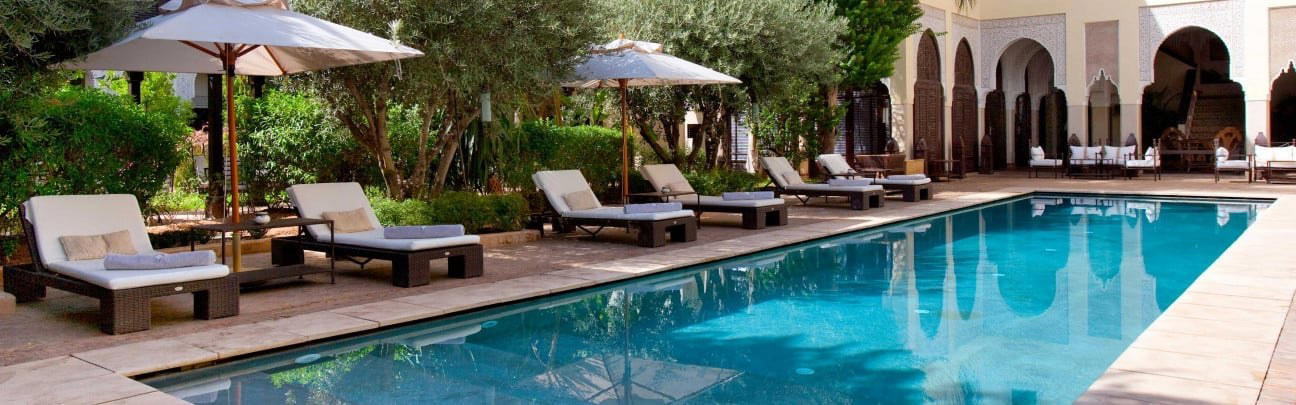
Bars in Marrakech
Browse all →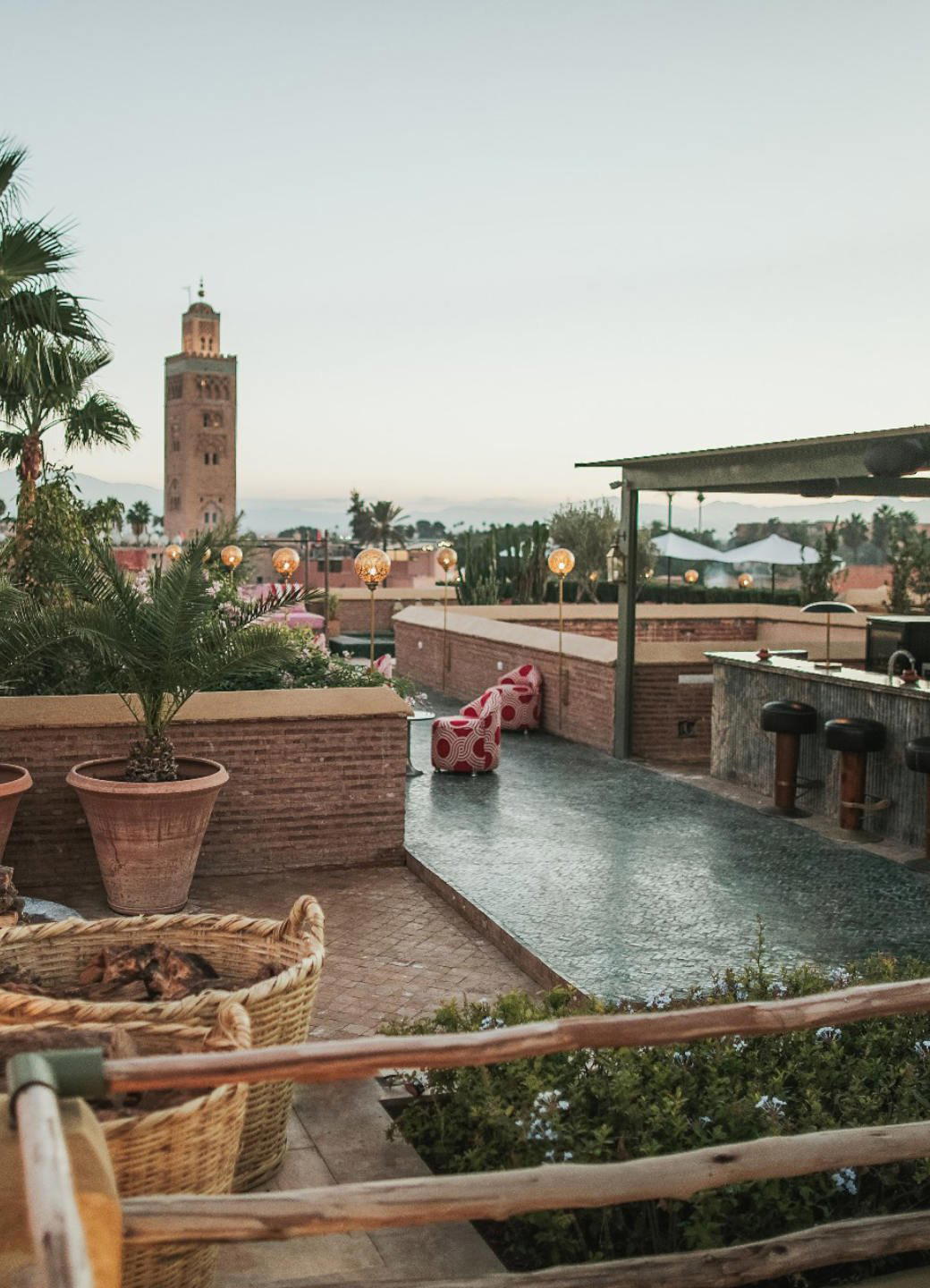

Restaurants in Marrakech
Browse all →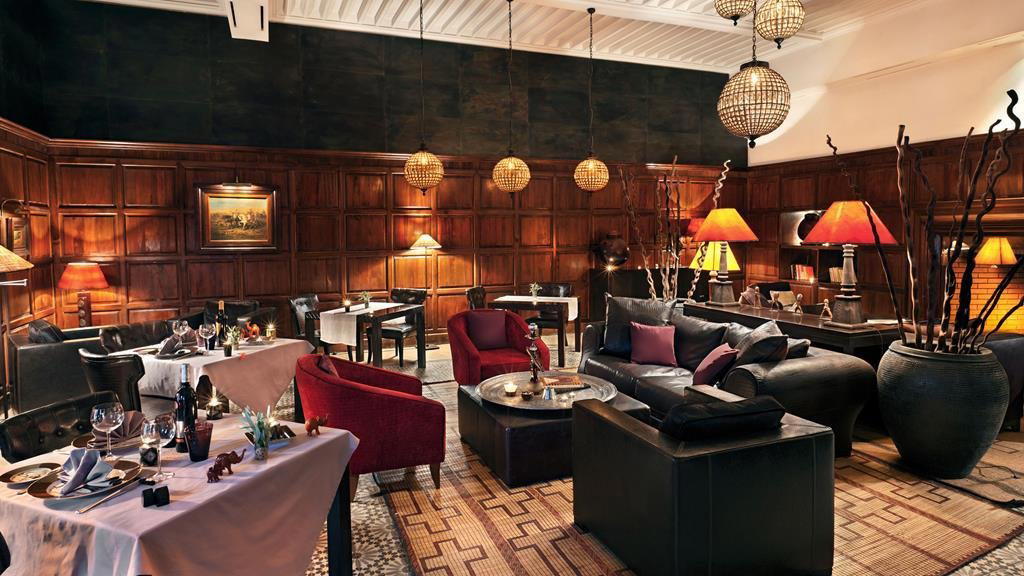
Wineries in Marrakech
Browse all →
At a Glance
- Romantic
- Elegant
- Sophisticated
- Quiet
- Ornate
- Honeymoon
- Romantic Getaway
- Anniversary
- Wellness Retreat
- Celebration
- Rooftop Pool
- Destination Spa
- Historic Building
- Garden
- Terrace
- Panoramic View
- Butler Service
- Private Dining
- Wi Fi
- Pool
- Spa
- Fitness Center
- Room Service
- Concierge
- Valet Parking
- Restaurant
- Bar
- Sauna
- Garden
- Skyline
- Wi Fi
- Pool
- Spa
- Fitness Center
- Room Service
- Concierge
- Valet Parking
- Restaurant
- Bar
- Sauna
Serene and tranquil with ornate traditional Moroccan interiors, high-vaulted ceilings, intimate courtyards, and soft lighting throughout multiple hidden alcoves and terraces; an oasis of calm away from bustling streets.
Know Before You Go
- Getting there
- 403 Rue de La Kasbah, 63-67 rue Boutouille, Marrakesh 40000