Set within the Ziat quarter of Fes el-Bali, L'Amandier occupies the kind of address that rewards those already attuned to the medina's spatial logic. The restaurant operates in a tradition-forward register consistent with Fes's riad dining scene, where the building itself frames the meal as much as the kitchen does. Derb Bensouda provides the postcode; the medina provides the context.
Pearl is the En Primeur Club membership app — saves, bookings, and concierge access live there. Same editors, same standards.
- Address
- Derb Bensouda, N°16/18 Quartier Ziat, Fès 30000, Morocco
- Phone
- +212 5356 35356
- Website
- palaisfaraj.com
- Directions
- Get directions
 Saves & bookings on Pearl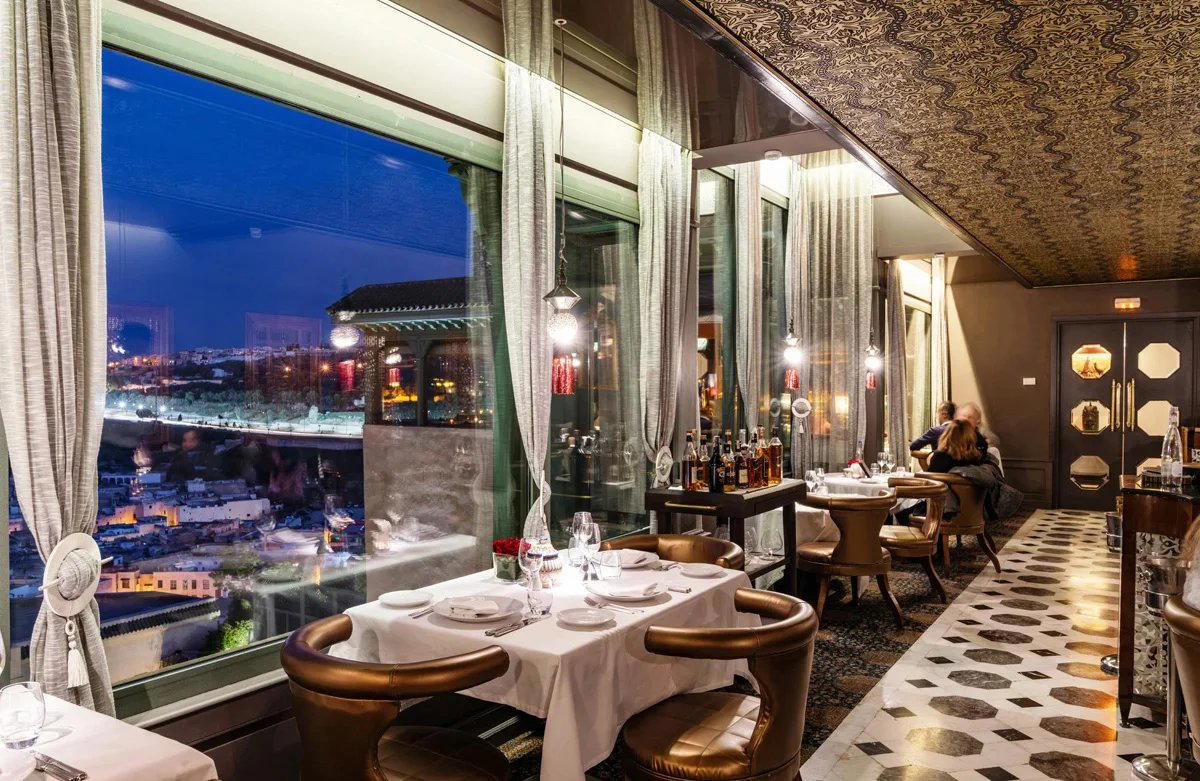
Entering the Medina's Dining Logic
Fes el-Bali operates on a principle that confuses first-time visitors and rewards repeat ones: particularly considered addresses are the hardest to find. Derb Bensouda, in the Ziat quarter, sits within this logic. L'Amandier's address at N°16/18 is not a location you arrive at by accident. You commit to the alley, follow the numbered doors, and arrive at a threshold that the surrounding neighbourhood has shaped long before the kitchen opens. That spatial sequence is not incidental to the meal. In Fes, it is part of how dining works at this level of address.
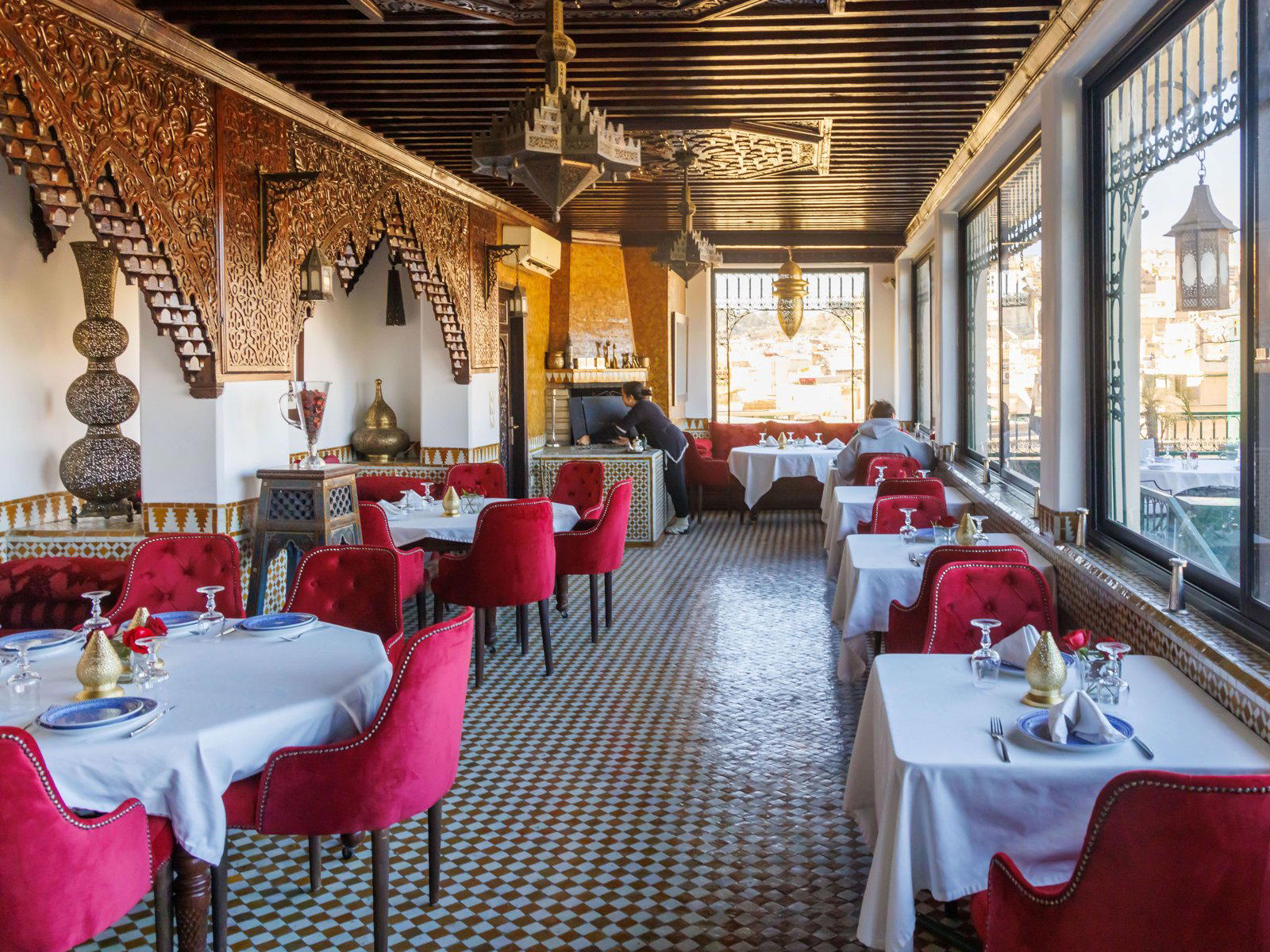
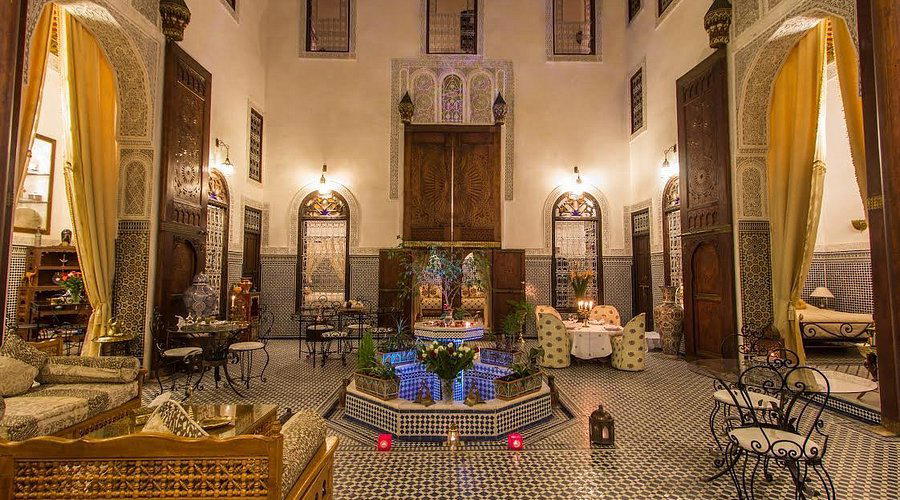
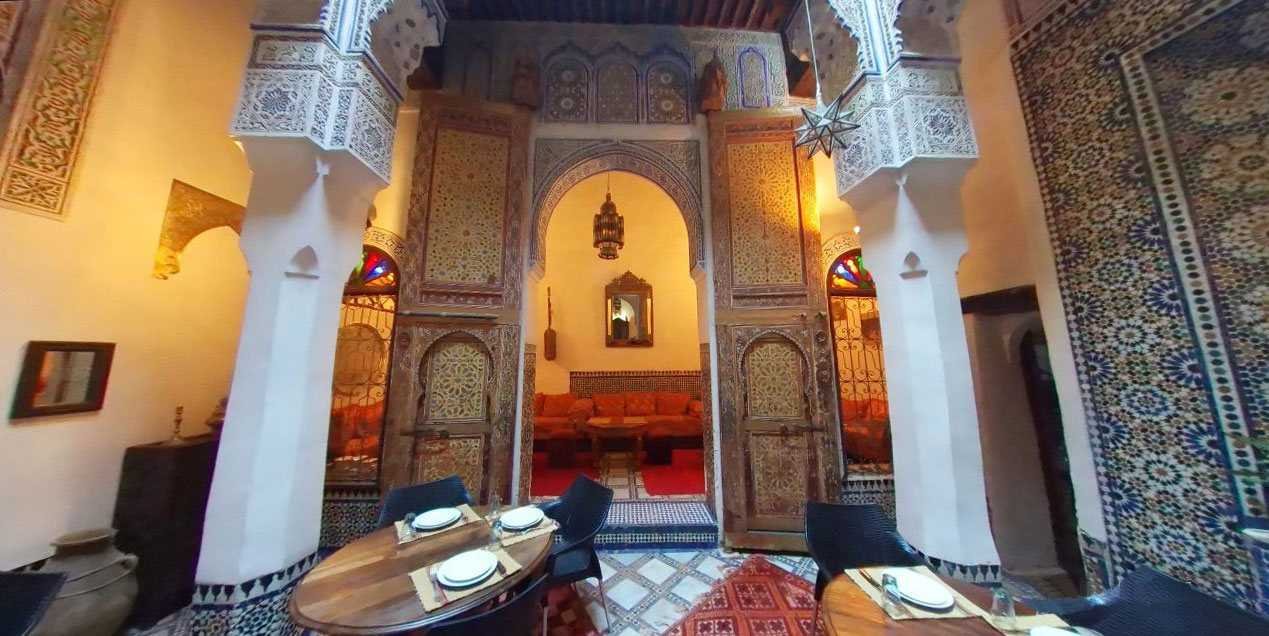
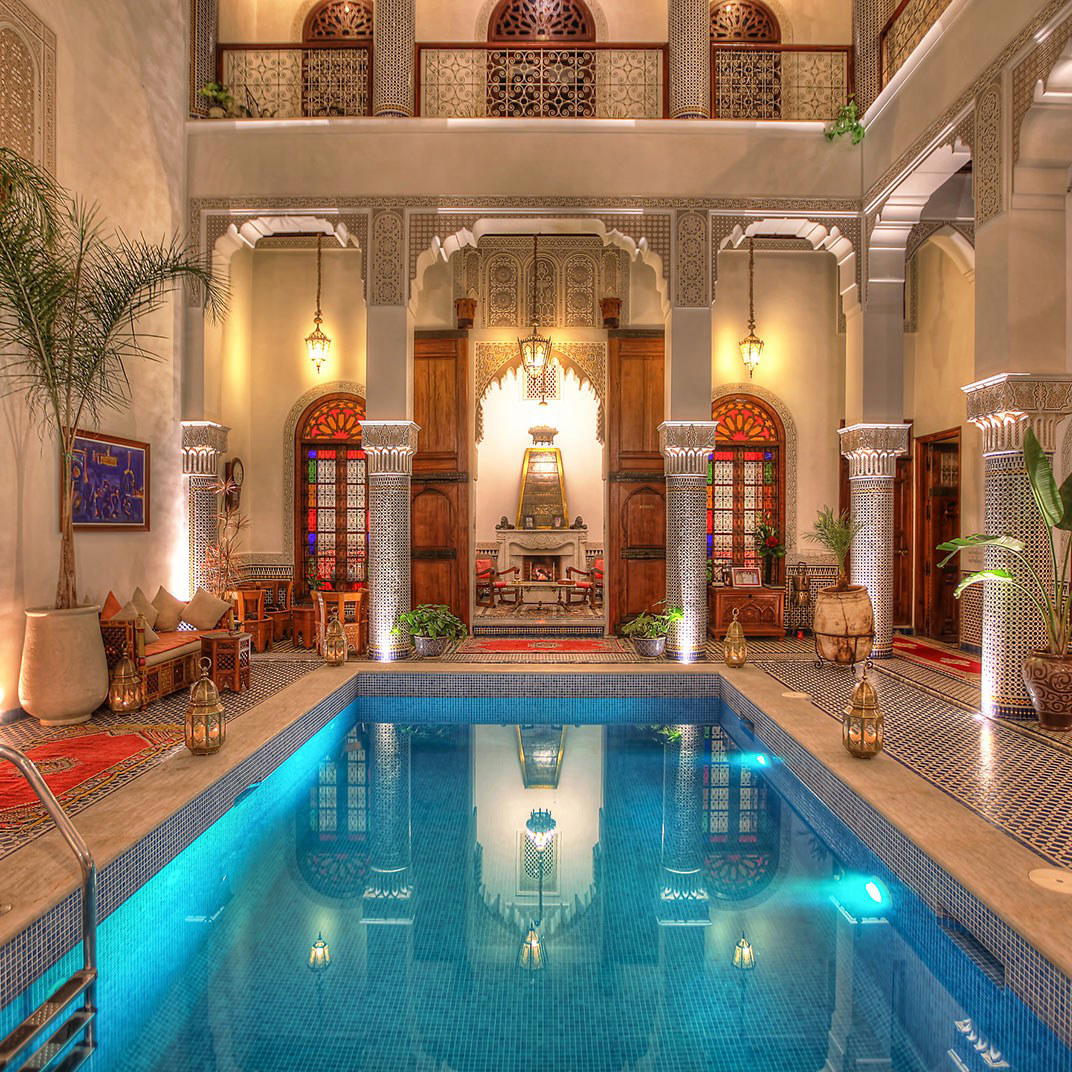
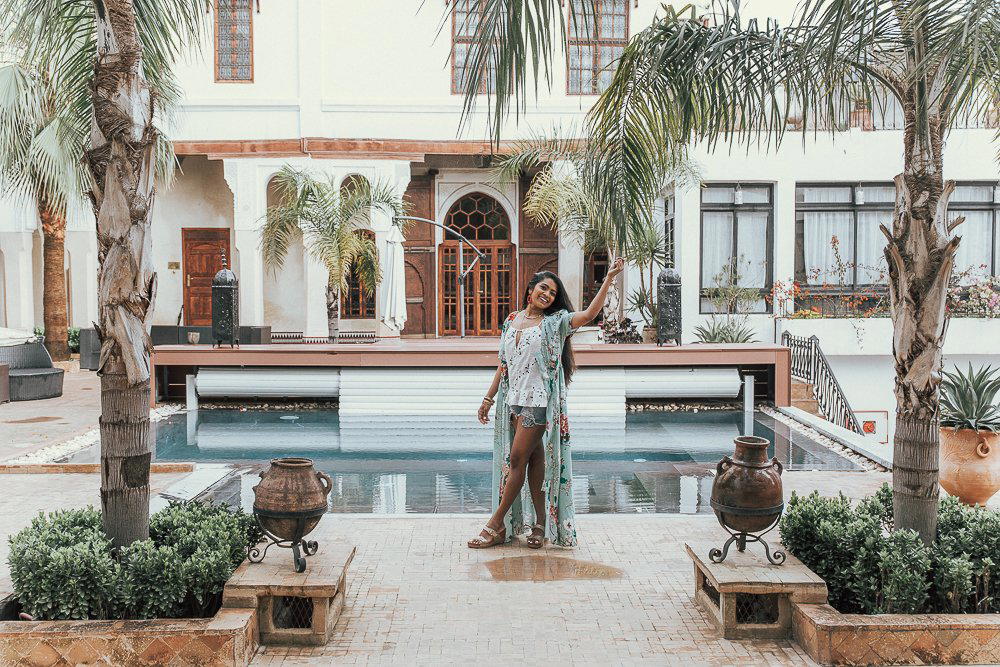
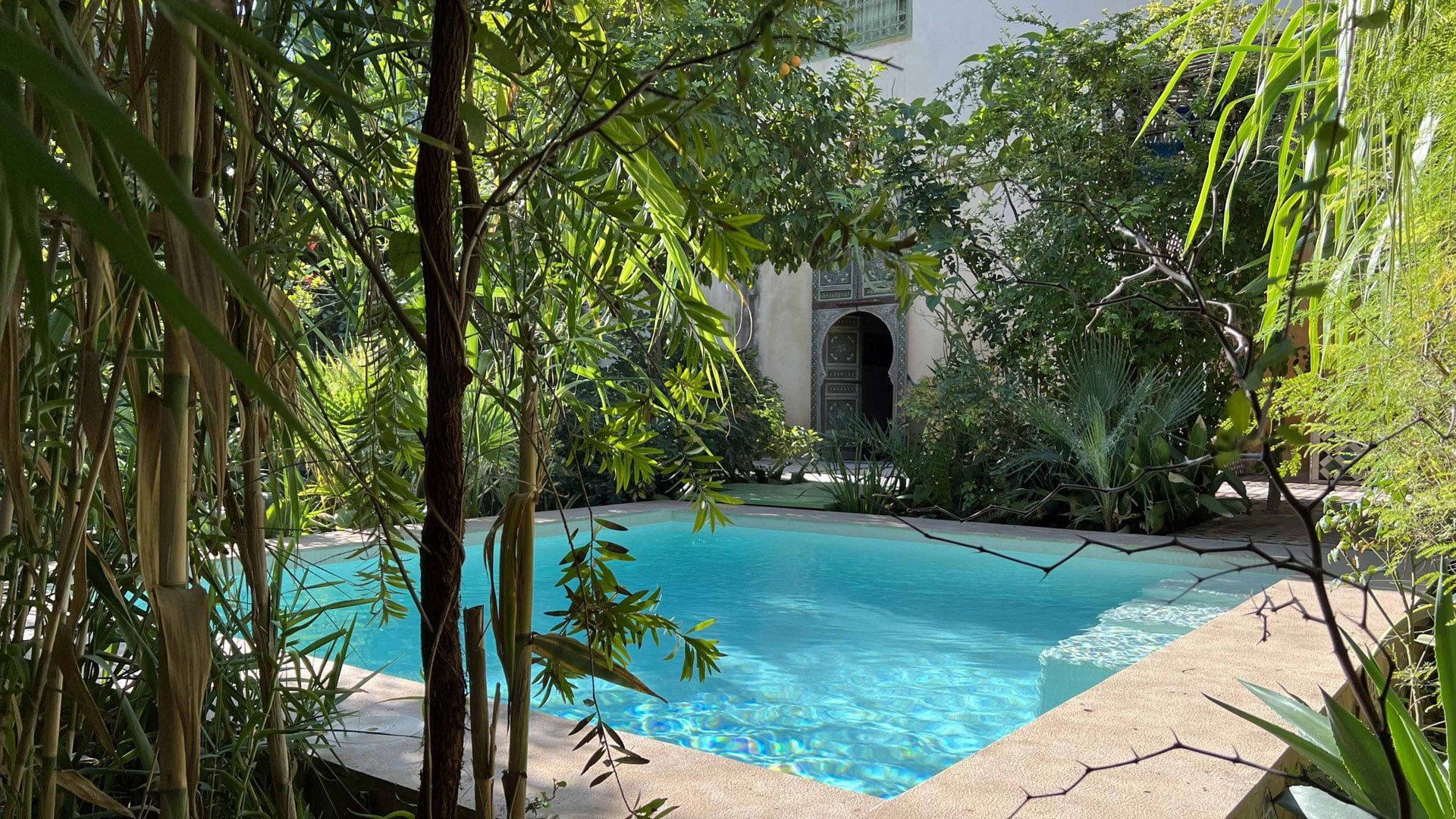
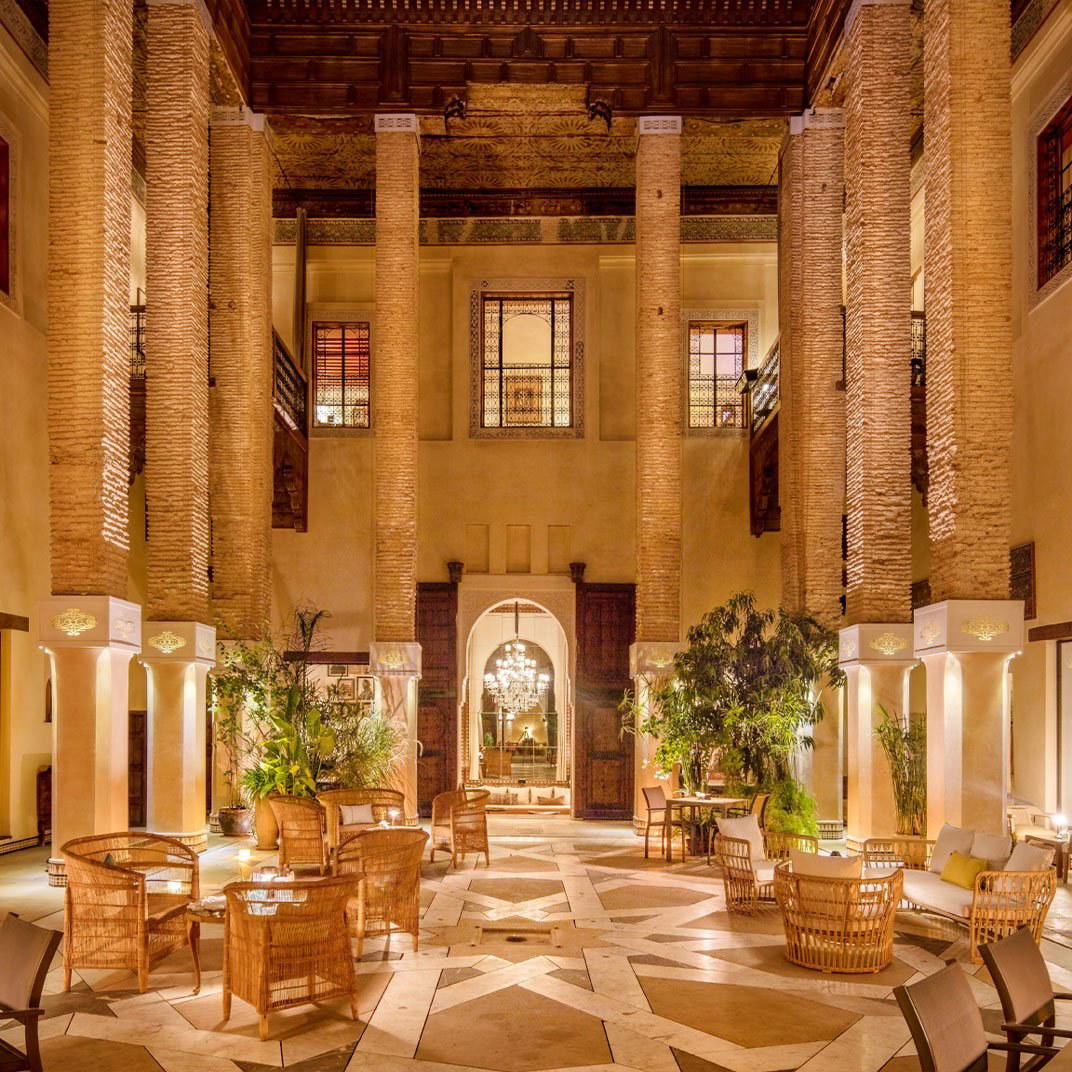
The riad-dining format that defines Fes's better restaurants turns the building into a frame for the meal. Courtyard geometry, tilework, and screened upper galleries replace the ambient branding that newer cities use to signal quality. The physical environment is the first course, and Ziat, one of the medina's older residential quarters, provides that environment with more architectural density and less tourist overlay than the lanes around Bou Inania or the tannery viewpoints. For a city where hospitality and architecture have been entangled since the Marinid period, that distinction in location matters.
What the Menu Architecture Tells You
In Fes's mid-to-upper restaurant tier, menu structure is rarely accidental. The city's culinary tradition is among the more codified in North Africa: a specific sequence of cold salads, a pastilla or soup course, a slow-cooked tagine, and a couscous finish on Fridays represents not just convention but a way of organising flavour, temperature, and texture across a meal's arc. Restaurants in the Ziat district that position themselves above the tourist-set-menu tier tend to signal that positioning through how they structure choices rather than how many they offer.
The Moroccan culinary canon in Fes operates with a narrower, deeper repertoire than Marrakesh's more cosmopolitan dining scene. Where La Grande Table Marocaine - Royal Mansour in Marrakesh works with that tradition as a point of refinement and transformation, the leading Fassi restaurants treat it as an ongoing practice. The distinction is meaningful: in Fes, a restaurant's credibility often rests on how faithfully it executes a narrow set of dishes rather than how innovatively it departs from them. Pastilla, mrouzia, and slow-braised lamb are not menu fillers here; they are the measure by which a kitchen is evaluated by locals.
That same logic applies to how the dining experience is paced. Riad restaurants in the medina typically run dinner in a single sitting tied to sundown, with a cadence that elongates the meal rather than turning tables. The format is closer to the hosted dinner tradition than the commercial restaurant model, and that affects everything from service tempo to portion sequencing. Visitors arriving from faster-paced environments sometimes misread the pace as inefficiency. It is not. It is the structure of the meal.
Fes's Riad Restaurant Tier: Where L'Amandier Sits
Fes has a layered restaurant scene that rarely announces its own stratification. At the entry level, set-menu tourist restaurants operate off the main thoroughfares with fixed tagine-and-mint-tea formats. Above that sits a mid-tier of guesthouses serving dinner by request. The riad restaurant proper, where the address, building, and kitchen all operate at a consistent level, represents a smaller cohort. Dar Roumana and Dar Tagine occupy recognisable positions in that cohort; Berrada and Darori represent different angles on the same tier. L'Amandier sits within that riad-restaurant category.
These are not interchangeable options. Each address in this tier reflects a different relationship between the building, the kitchen, and the neighbourhood it occupies. Cafe Clock, for context, operates in a different register entirely: more programmatic, more internationally aware, built around a format that crosses cultural lines. The restaurant's Ziat address suggests a more locally rooted orientation, though
Across Morocco more broadly, the Fassi culinary tradition holds a specific status. Fes is the city that trained the cooks who staffed royal households, and the city's self-understanding as the keeper of classical Moroccan cuisine is not marketing. It is a position argued through specific techniques: the double-fermented bread, the preserved lemons aged in-house, the spice blending that differs street by street. In that context, a restaurant in the Ziat quarter is making an implicit argument about where it stands in relation to that tradition.
Planning the Visit
The medina's numbering system for derbs is consistent but not intuitive for first arrivals; arriving in daylight for an early reconnaissance and returning for dinner is a practical approach.
Visitors exploring Morocco's wider dining geography will find useful reference points at Andalus in Tangier, where the northern Andalusian culinary influence creates a different regional tradition, and at Le Salon Oriental in Essaouira, which offers a coastal counterpoint to the Fassi inland register. For those moving between cities, Gayza in Fès represents another angle on the city's contemporary dining conversation, while L'Oliveraie in El Hajeb sits in the agricultural hinterland that supplies much of the region's produce. Château Roslane in Icr Iqaddar is relevant for those following Morocco's wine geography alongside its food. Further afield in Morocco, La Grande Table Marocaine - Royal Mansour Casablanca in Casablanca and Amal Gueliz Center - Restaurant in Marrakech offer distinct regional takes on a shared culinary foundation. International reference points for this style of structured, tradition-rooted fine dining can be found at Le Bernardin in New York City and Lazy Bear in San Francisco, where different culinary traditions operate with a similar commitment to menu architecture as a form of argument.
Where the Accolades Land
Comparable venues nearby, for context on price, style, and recognition.
| Venue | Cuisine | Price | Notes |
|---|---|---|---|
| L'AmandierThis venue — the venue you are viewing | Refined Fassi Moroccan | $$$$ | Not listed |
| Darori | Traditional Moroccan Fassi | $$$ | Medina |
| Dar Roumana | Franco-Moroccan Fusion | $$$$ | Medina |
| Nachō Mama Restaurant | Mexican | $$ | Fes Medina |
| Le Kiosk | Wood Oven Pizza | $$ | Ville Nouvelle |
| L'Ambre at Riad Fes | Moroccan-French Fine Dining | $$$$ | Medina |
At a Glance
- Romantic
- Elegant
- Sophisticated
- Scenic
- Date Night
- Special Occasion
- Rooftop
- Terrace
- Historic Building
- Hotel Restaurant
- Extensive Wine List
- Local Sourcing
- Skyline
Current opening hours
- Monday
- 12:30–10:30 PM
- Tuesday
- 12:30–10:30 PM
- Wednesday
- 12:30–10:30 PM
- Thursday
- 12:30–10:30 PM
- Friday
- 12:30–10:30 PM
- Saturday
- 12:30–10:30 PM
- Sunday
- 12:30–10:30 PM
Hours can change for holidays and private events. Last verified .
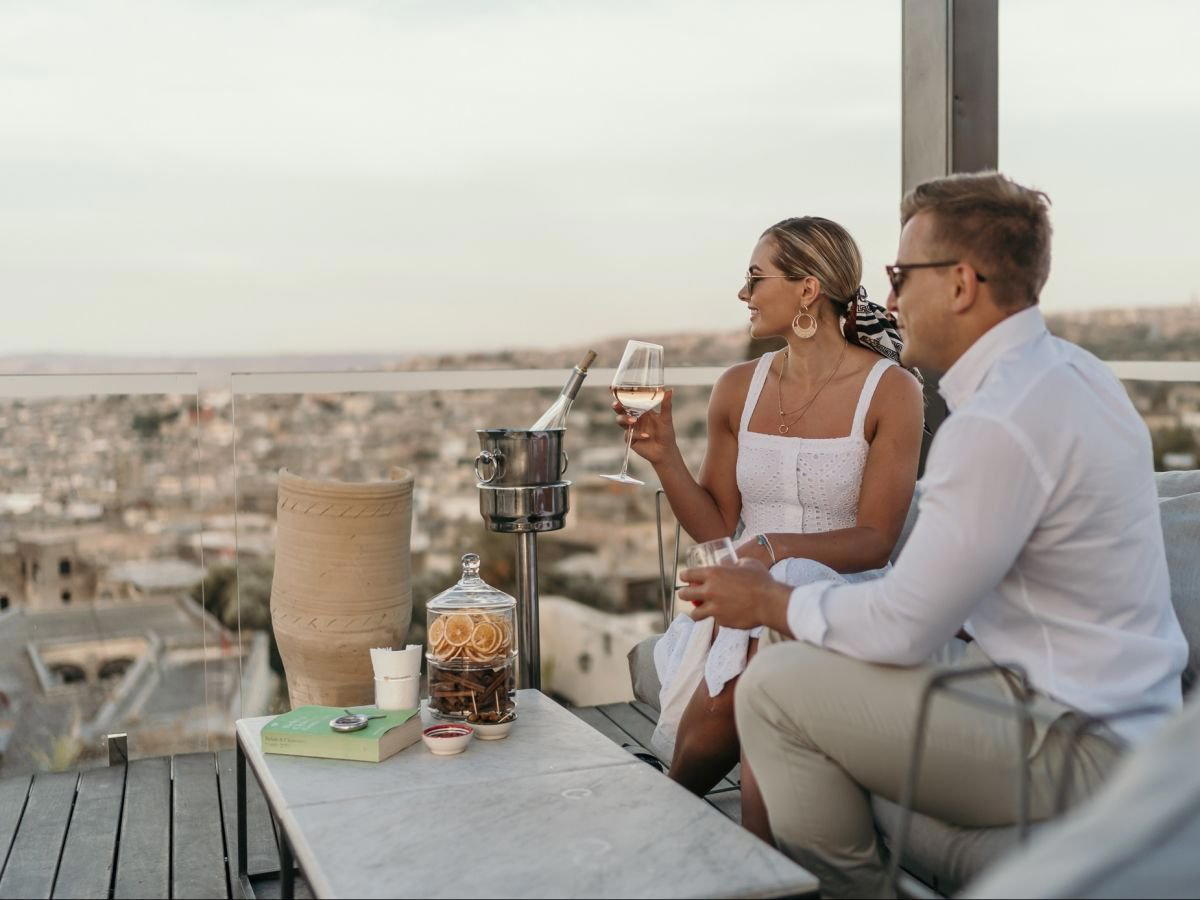
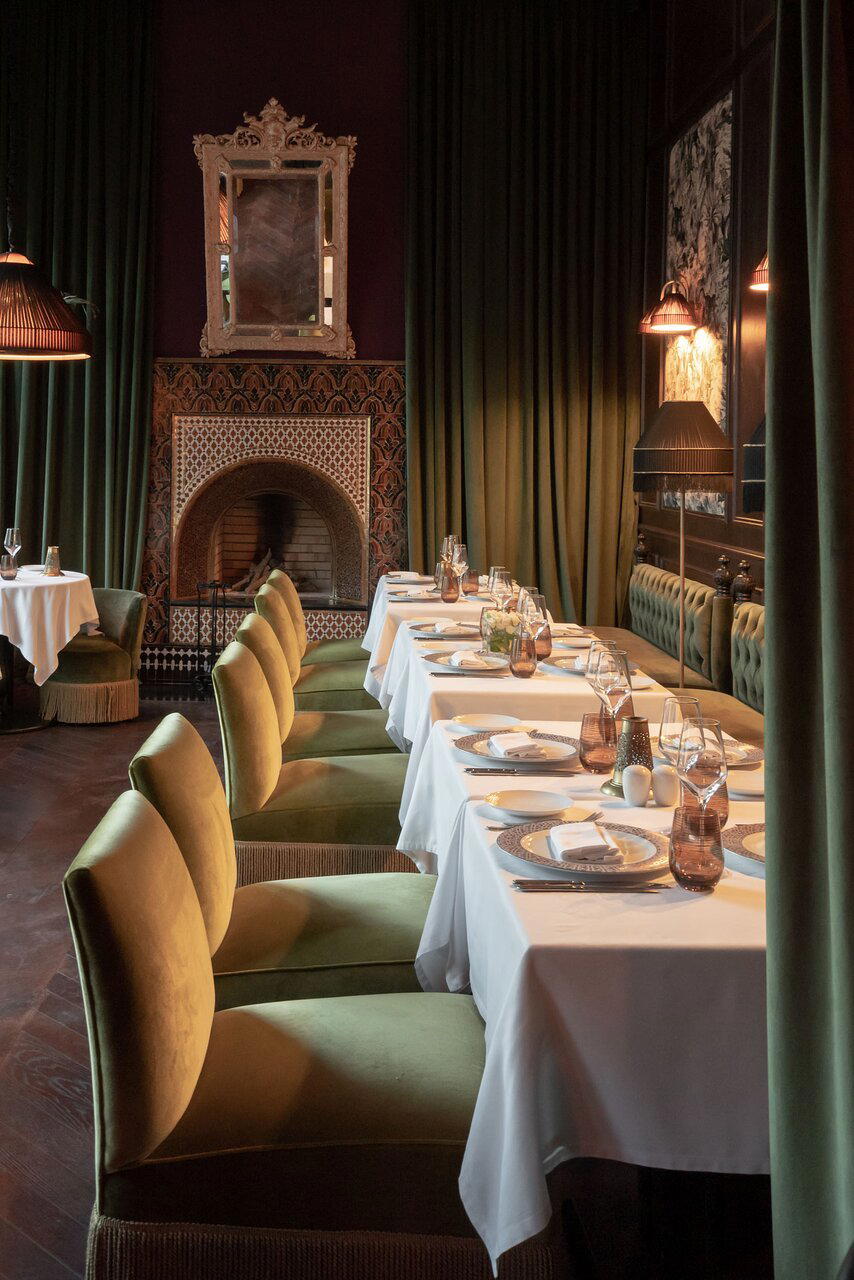
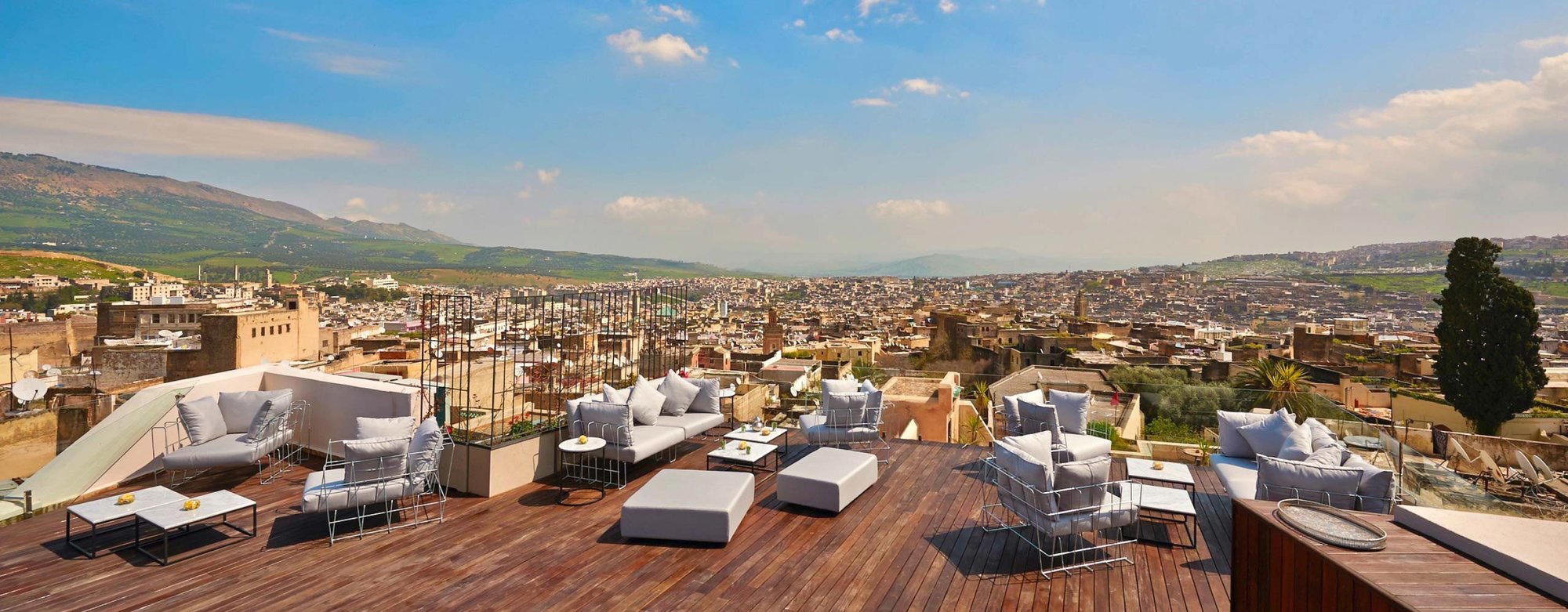
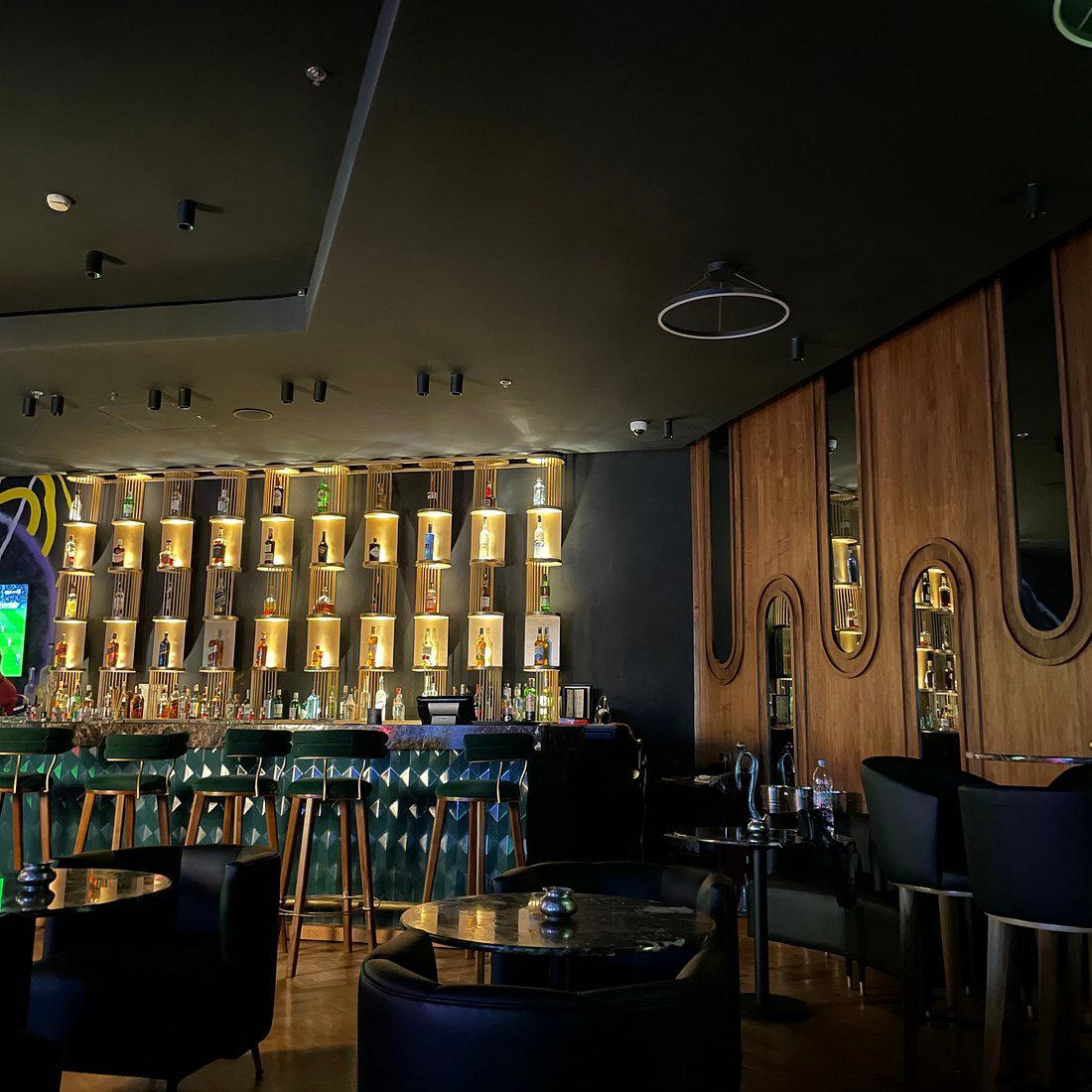
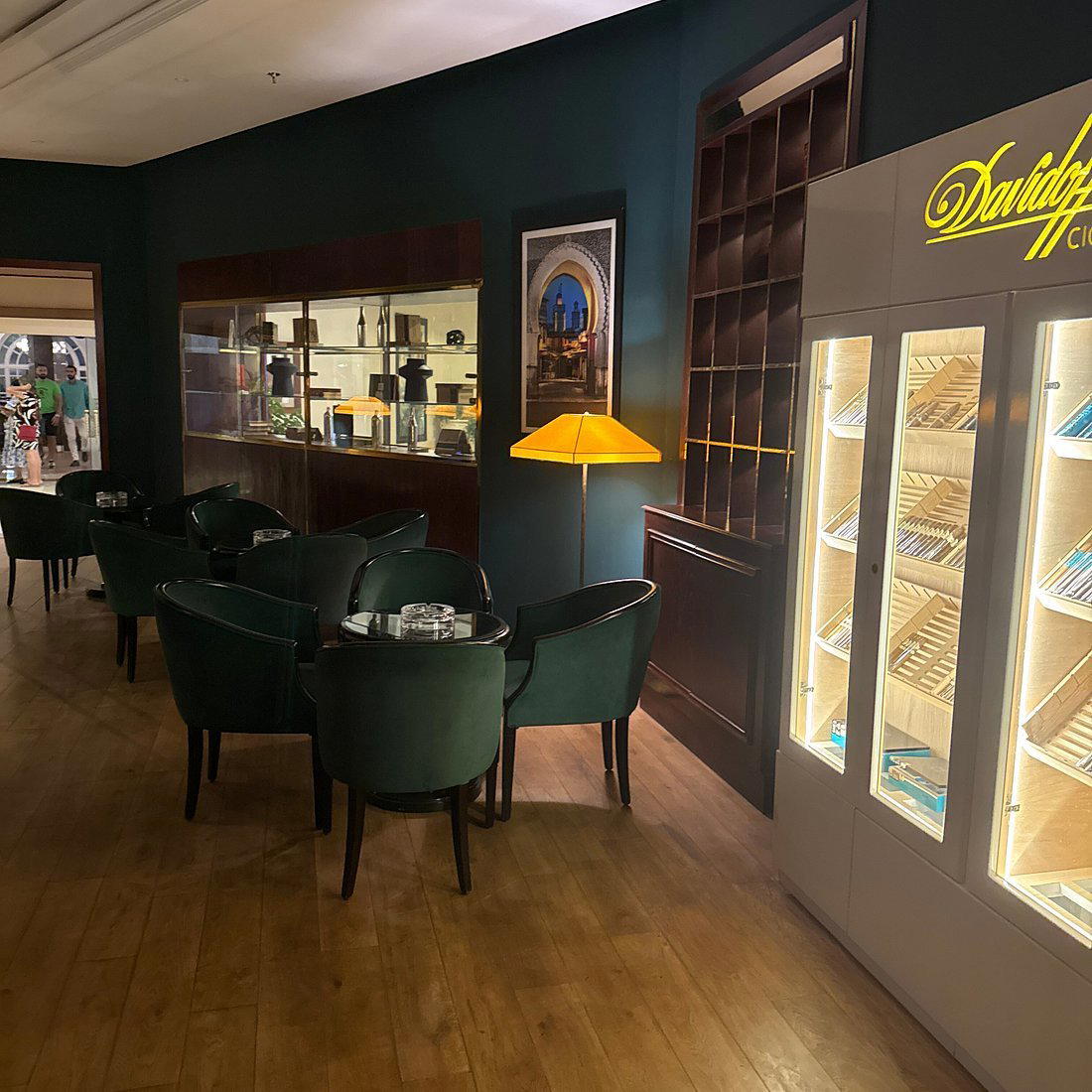
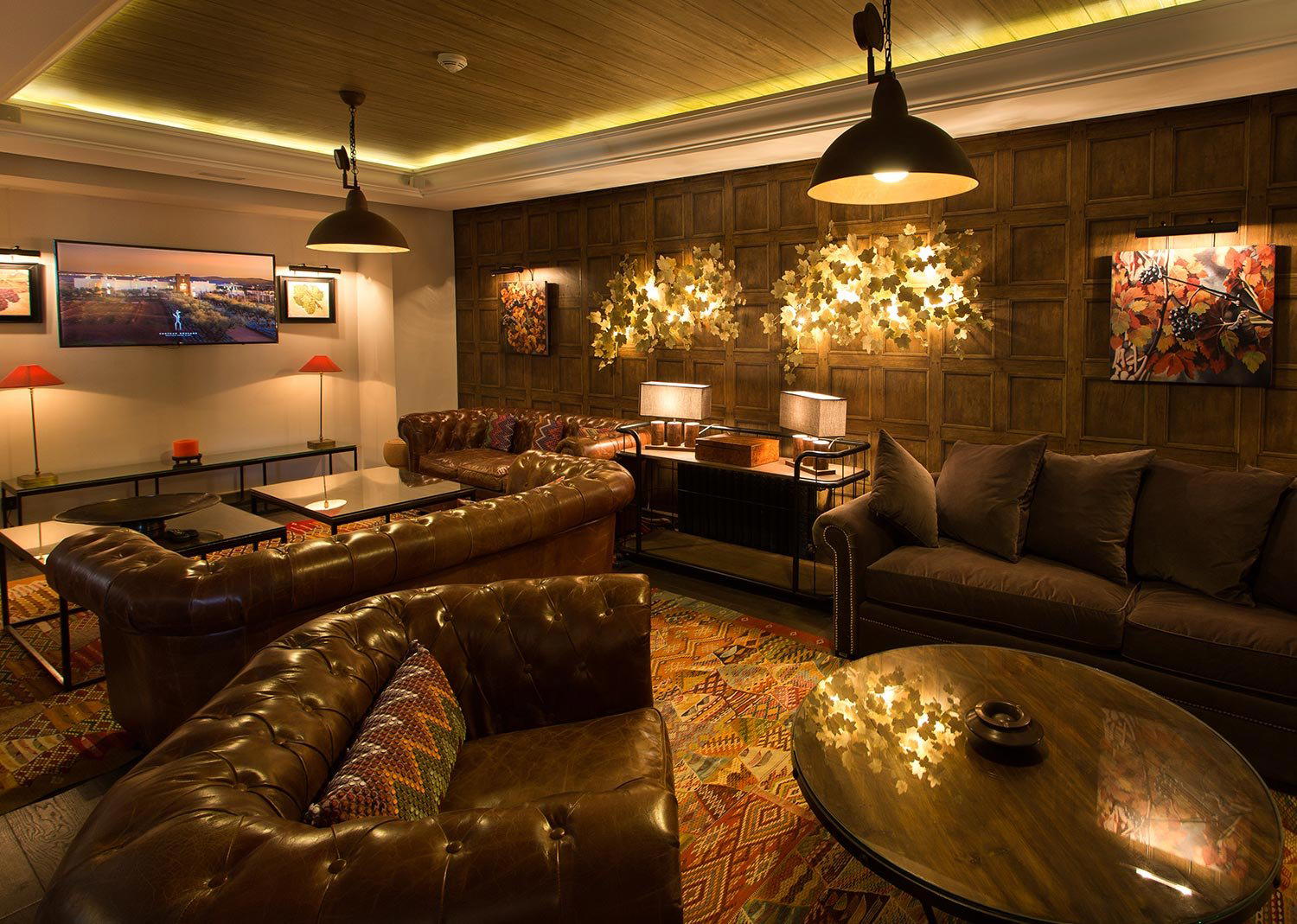
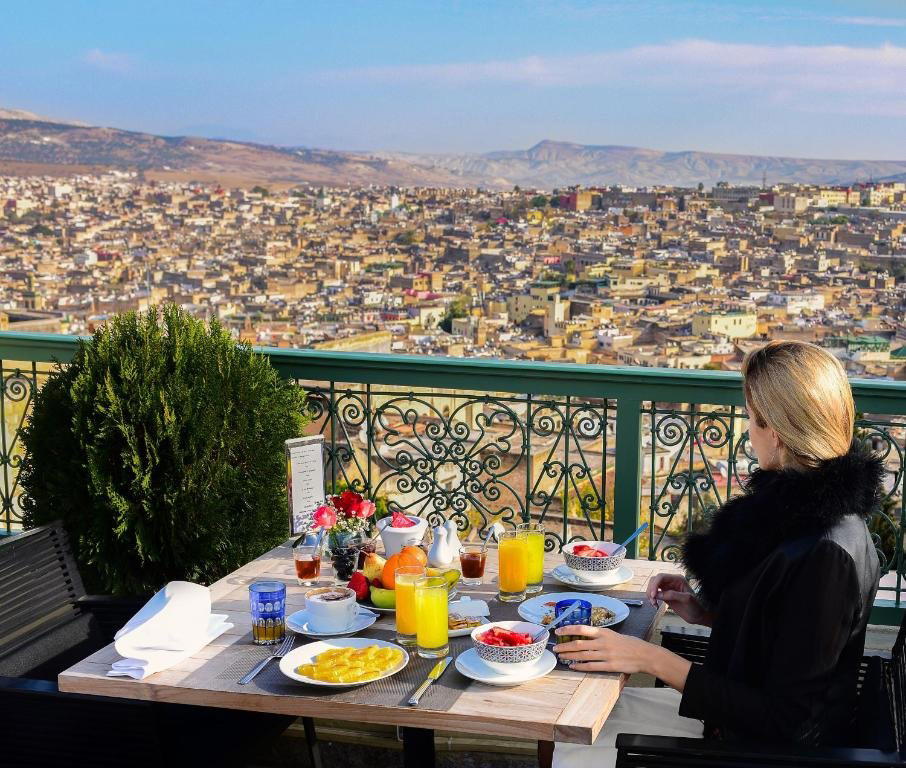
Elegant and sophisticated with swanky contemporary decor, refined lighting, and a vertigo-inducing terrace overlooking the historic medina.