
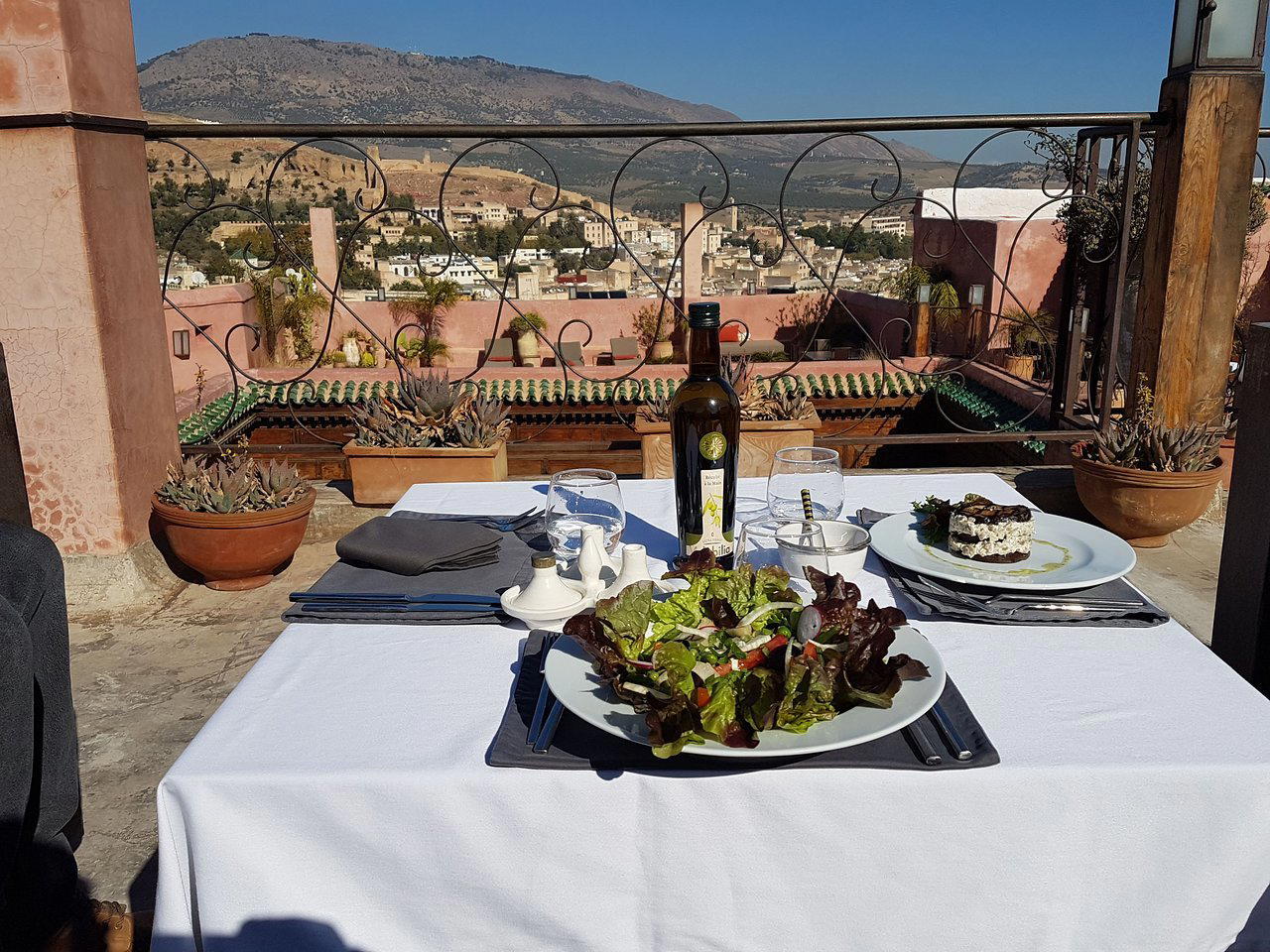
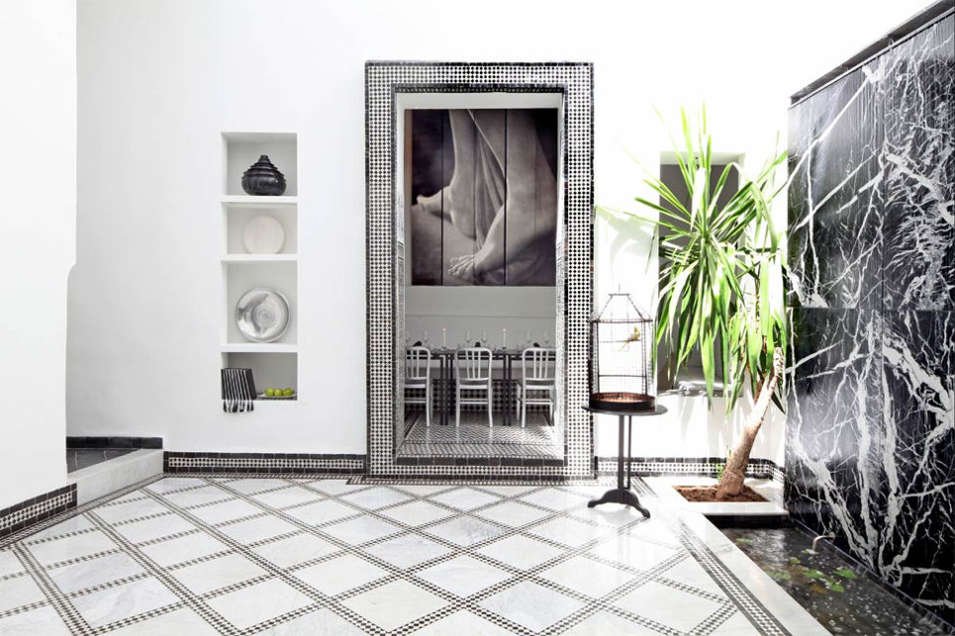
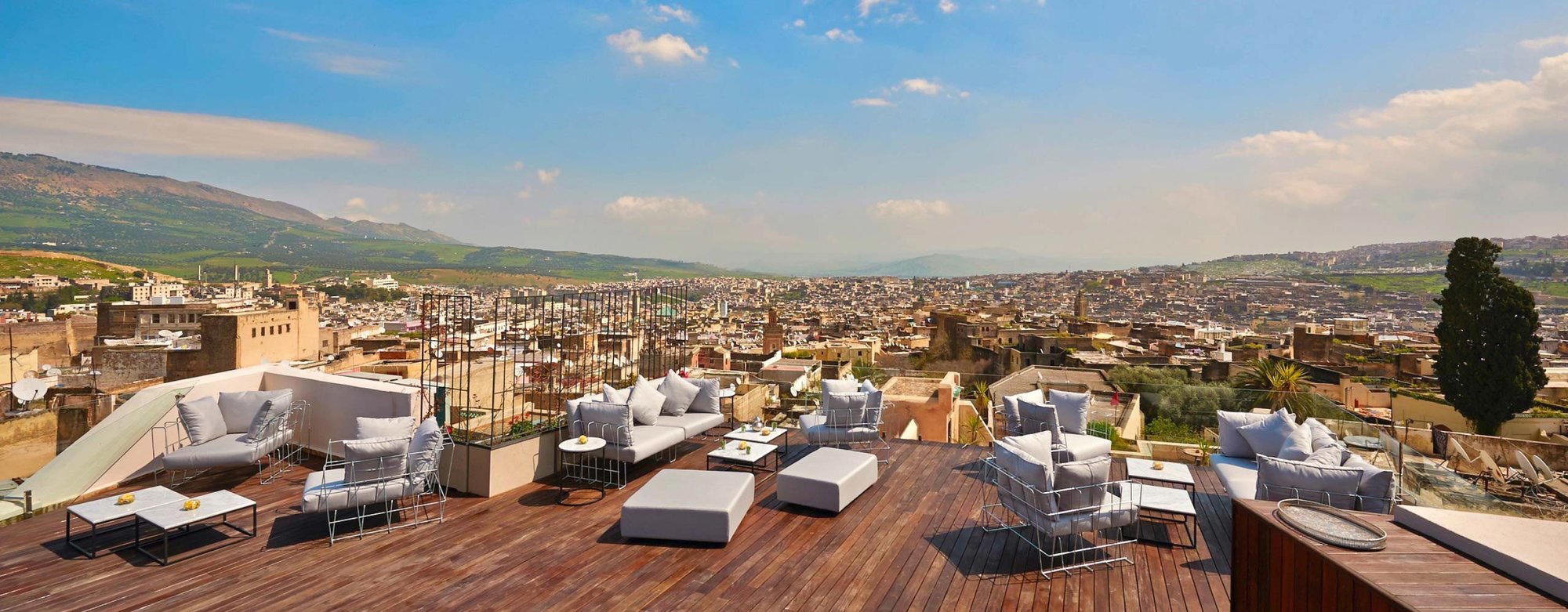
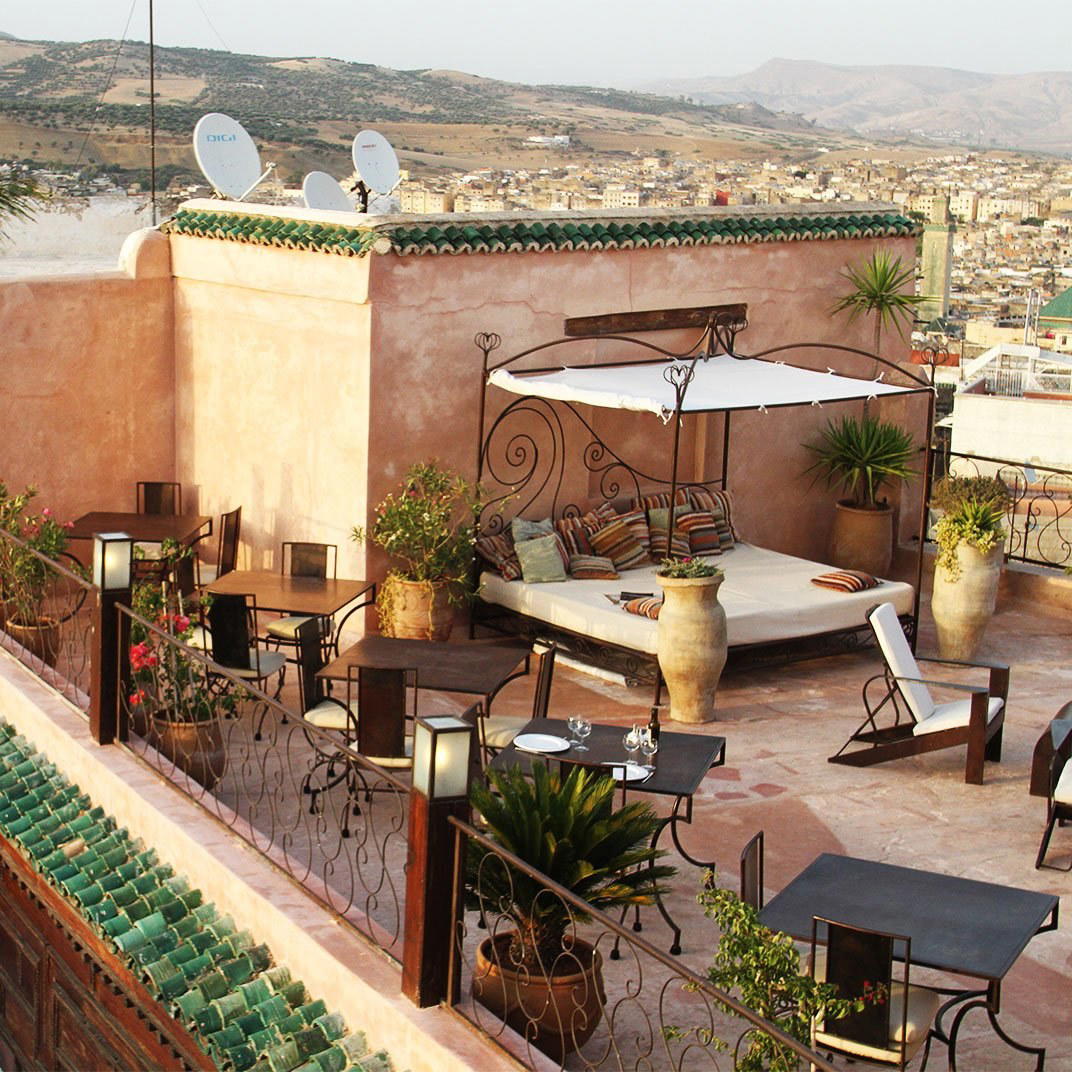
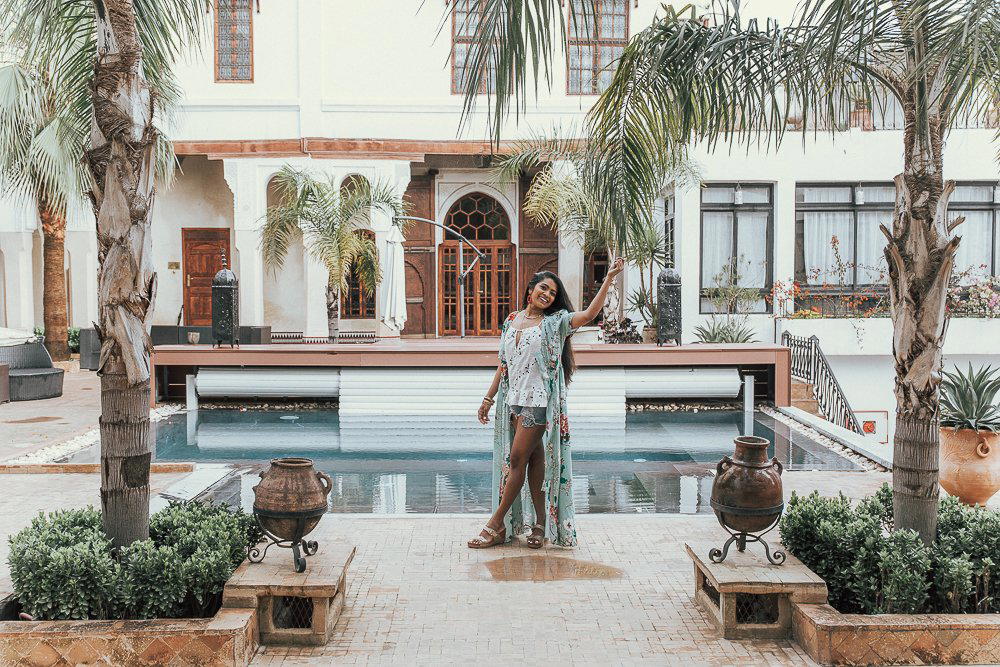
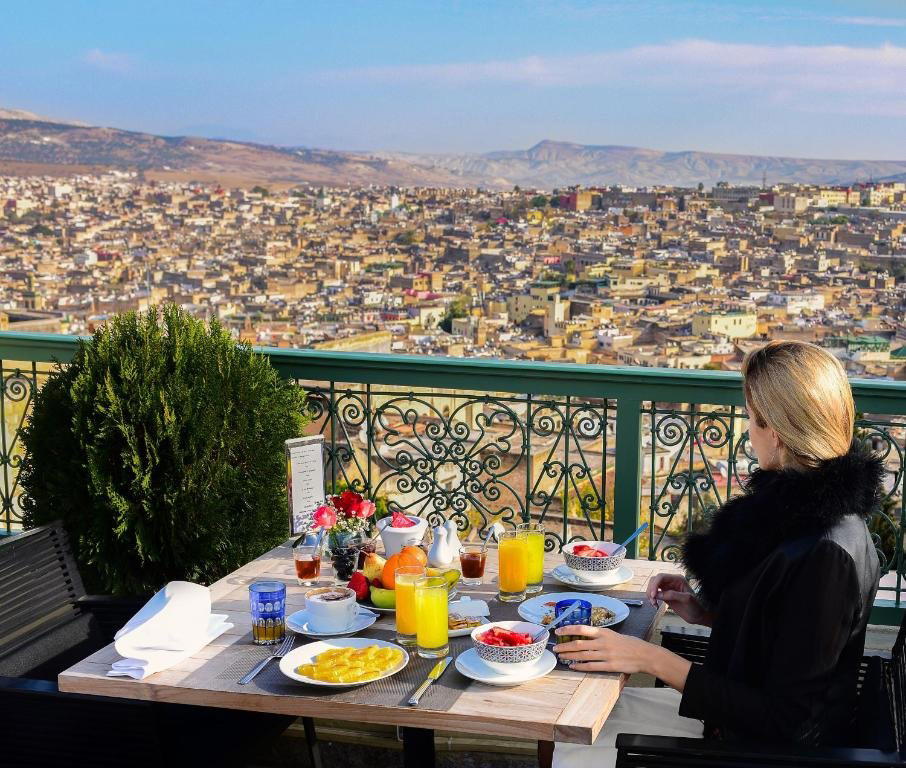
Set within a restored 19th-century palace in the heart of Fès el-Bali, Riad Fès holds a 4.6/5 rating and offers Moroccan traditional cuisine under chef Abida. Hispano-Moorish courtyards, a rooftop terrace overlooking the medina, and a kitchen grounded in regional technique make it one of the more considered addresses in a city where riad dining sets the benchmark.
Pearl is the En Primeur Club membership app — saves, bookings, and concierge access live there. Same editors, same standards.
- Address
- 5 Derb Zerbtana, Fès 30100, Morocco
- Phone
- +212 5 35 74 12 06
- Website
- riadfes.com
- Directions
- Get directions
 Saves & bookings on Pearl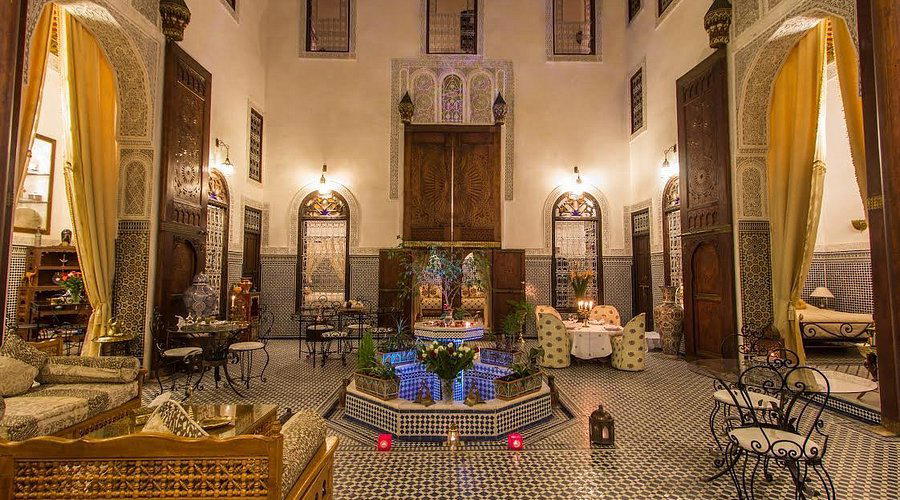
Where the Medina Sets the Table
The approach to Riad Fès follows the logic of Fès el-Bali itself: narrow derbs that narrow further, sound shifting from street noise to silence, then the sudden release into an interior courtyard where the air is cooler and tiled geometry takes over. The address at 5 Derb Zerbtana sits within two minutes of Sidi El-Khayat square in the Batha quarter, which is a useful navigational anchor in a medina where GPS coordinates matter more than street signs.
Riad dining in Fès occupies a distinct position in Morocco's hospitality hierarchy. Unlike the high-production Moroccan tables at Marrakech addresses such as Le Jardin d'Hiver or the coastal inflections at Heure Bleue Palais in Essaouira, Fès riads tend to anchor their cooking in the city's own culinary archive, a tradition that sits closer to domestic craft than to the theatre of restaurant service. The medina's palace-turned-riad format has specific expectations attached to it: slow-cooked tagines, hand-rolled couscous, and spice combinations that reference Andalusian and Arab-Berber convergence rather than contemporary fusion.
The Grill Line in a Tagine City
Moroccan traditional cooking is most publicly associated with the tagine and the couscous pot, but the charcoal grill tradition runs parallel and, in Fès, carries particular weight. The city's street-level brochette culture, with its skewered lamb kefta and marinated chicken thighs, represents a different register of the same culinary intelligence: meat cooked over live fire, seasoned with cumin, paprika, and dried herbs, served with flatbread and harissa that ranges from mild-sweet to genuinely assertive. Inside a riad context, this grilling tradition often translates into more considered formats, with the marinade work done in advance and the charcoal heat managed for evenness rather than speed.
Chef Abida works within this framework. Moroccan traditional cuisine at this level is primarily about proportion and timing: the ratio of preserved lemon to olive in a chicken tagine, the moment a mechoui shoulder releases correctly from the bone, the precise spice load in a kefta mixture before it binds to the skewer. These are not questions of innovation but of calibration, and in a city that has been refining these techniques across centuries, calibration is the point. For reference, the Moroccan tables that tend to attract sustained editorial attention, including Château Roslane in Icr Iqaddar and the Moroccan fine dining format at properties like Hôtel Le Doge in Casablanca, tend to layer French technique over the regional base. Riad Fès works the other direction: the architecture is Hispano-Moorish, the kitchen is traditional, and the logic is continuity rather than synthesis.
The Architecture as Context
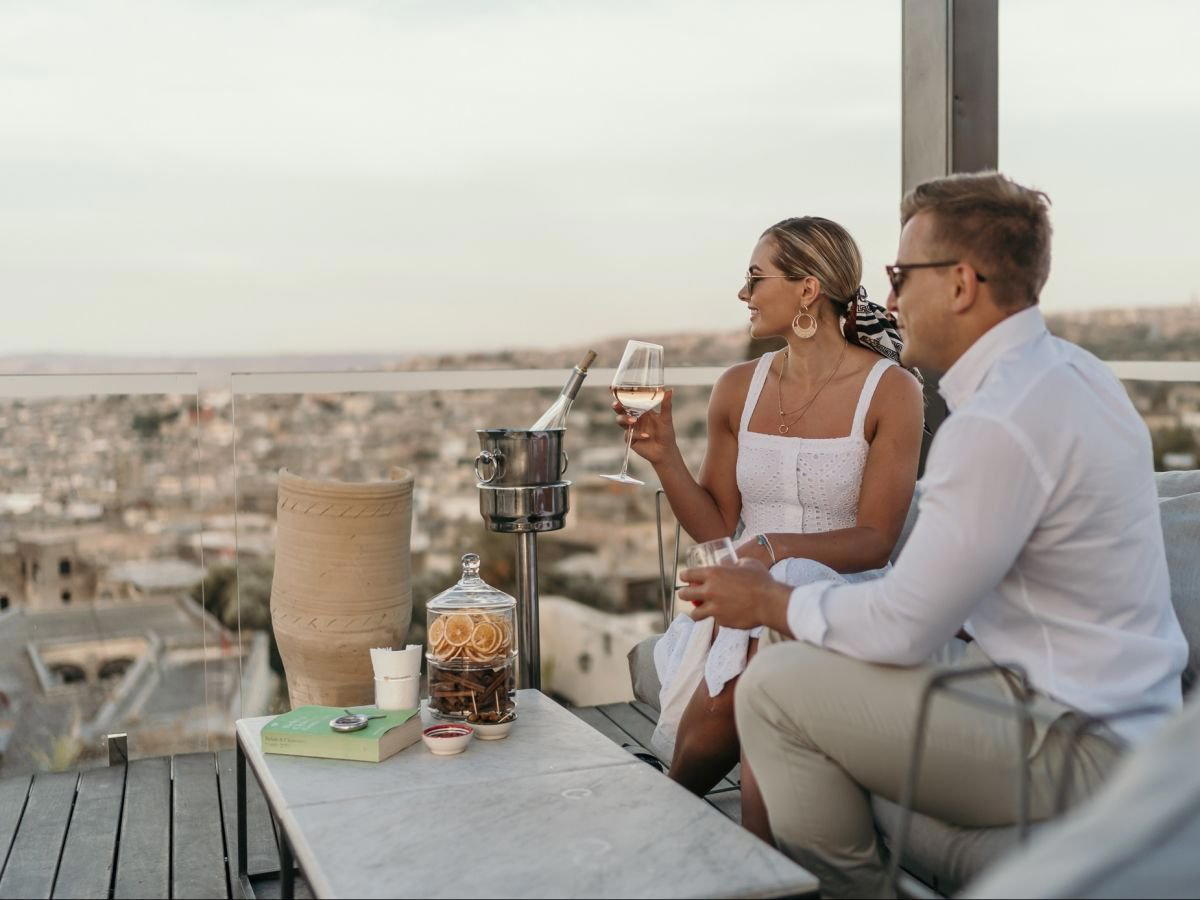
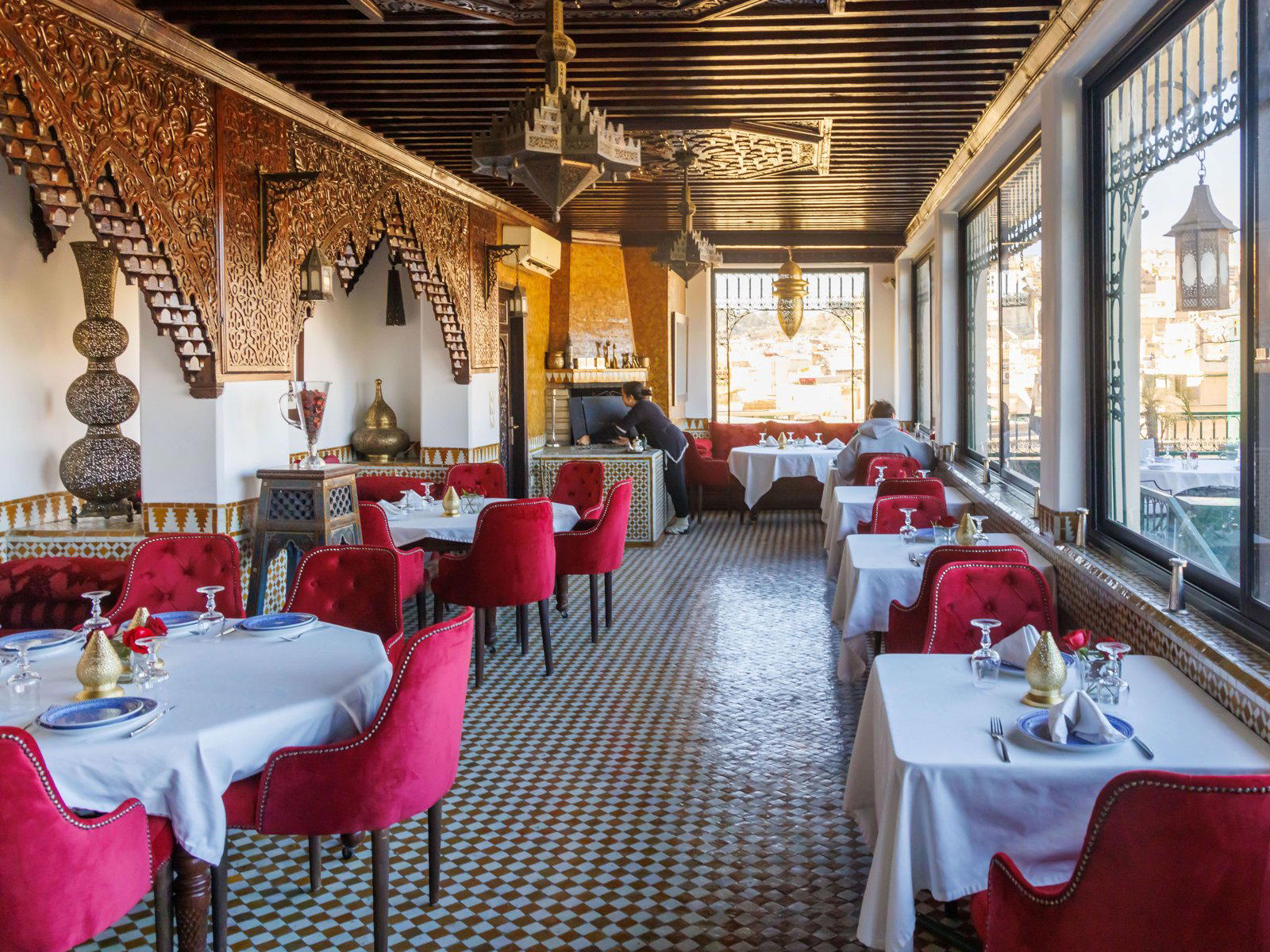
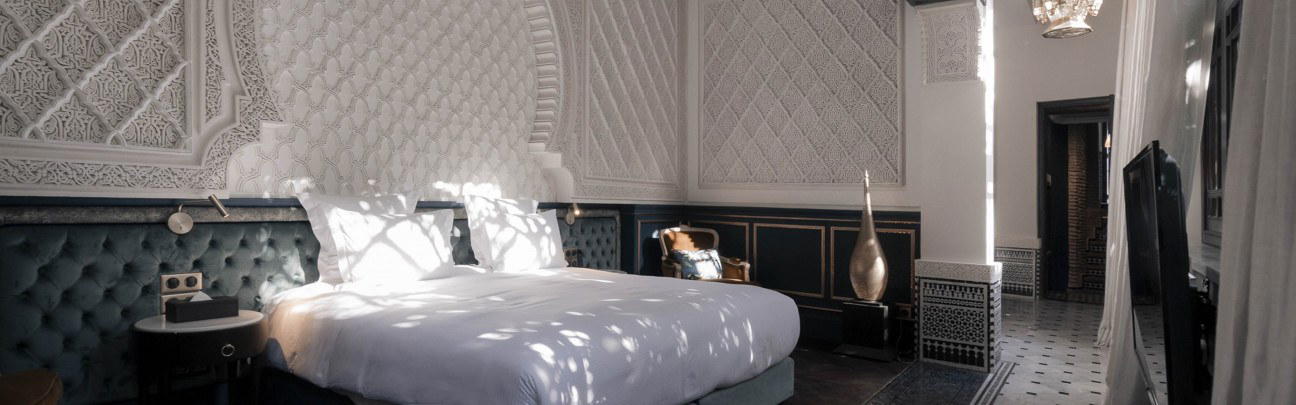
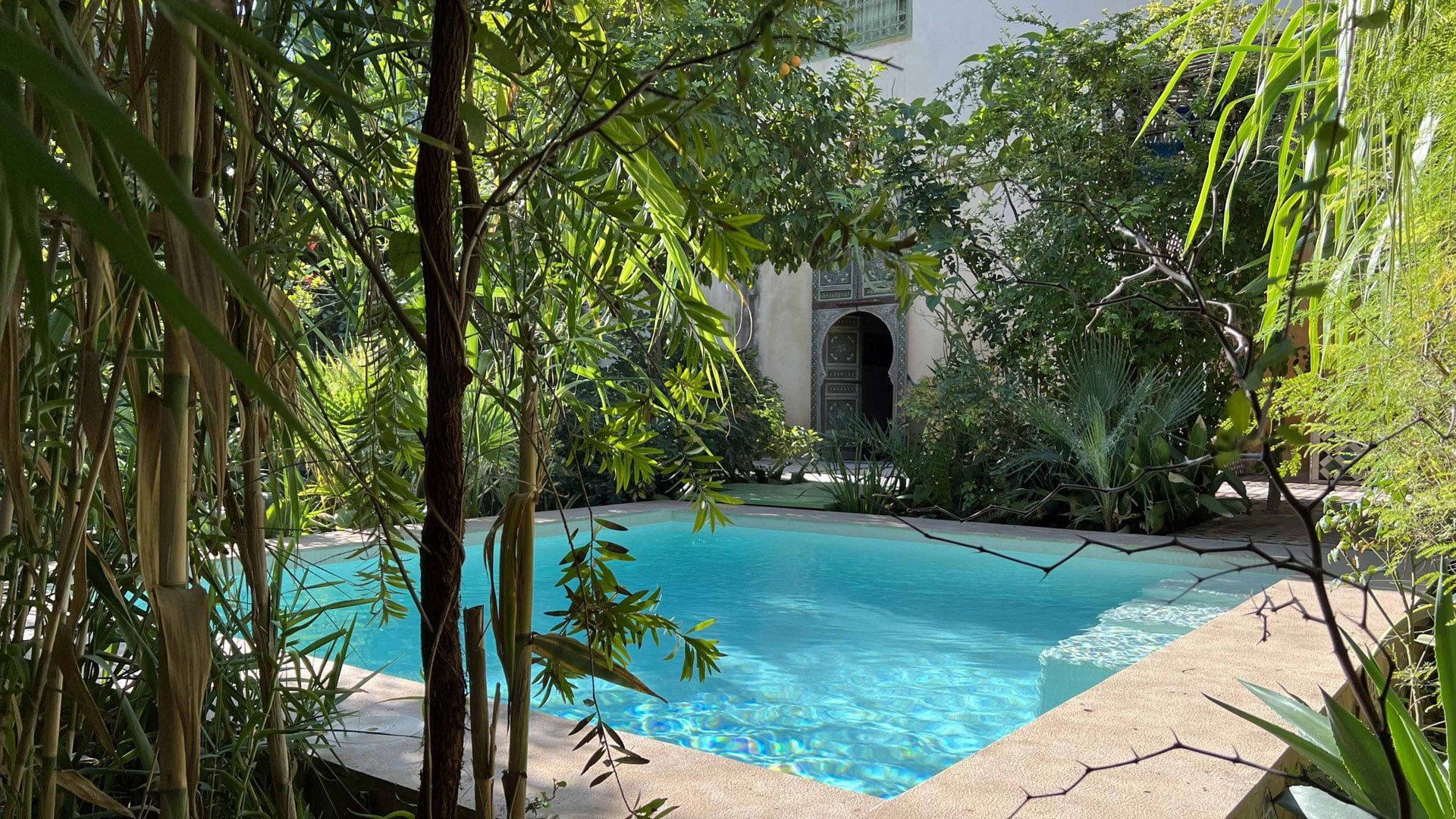
The Hispano-Moorish architecture at Riad Fès is not incidental to the dining experience. Courtyards with swimming pools, carved stucco, zellige tilework, and cedar wood ceilings constitute the setting within which the food is served, and that setting carries specific cultural meaning: the riad as domestic sanctuary, as a place where hospitality is enacted rather than performed. Moroccan hospitality in this format involves sequence, from tea and pastries on arrival through to a multi-course spread served at a pace the host controls rather than the guest. The rooftop terrace adds another dimension, with views over the medina that contextualise the cooking within the city it comes from.
This kind of embedded setting differentiates Fès riad dining from the purpose-built restaurant format. The comparison with contemporary tasting-menu operations elsewhere, whether that is Atomix in New York City or Lazy Bear in San Francisco, is not a direct one, but the underlying logic of a controlled, sequential dining experience within a architecturally specific environment is shared. The execution tools differ; the hospitality intention is not entirely dissimilar.
Fès as a Dining City
Fès el-Bali contains among the more intact medieval urban cores in the Arab world, and the dining scene reflects that density of tradition. The city has not attracted the same volume of internationally focused restaurant investment as Marrakech, which means the strongest tables tend to be embedded within riads and hotels rather than operating as standalone destinations. Gayza represents the newer direction in Fès dining, while the riad format that restaurant occupies remains the more established register. Addresses in the French Moroccan register, such as L'Oliveraie in El Hajeb and Le Petit Cornichon in Marrakech, draw on a different culinary genealogy. +61 in Marrakesh operates in a different register again.
Planning Your Visit
The restaurant sits within the Batha quarter, reachable on foot from Sidi El-Khayat square in under two minutes. The location inside the medina means vehicular access ends at the square; the final approach is on foot through the derb network. For international arrivals, Fès Saïss Airport at 10 kilometres and the train station at 4 kilometres both provide practical entry points. Given that this is a riad rather than a standalone restaurant, dining is structured around the property's hospitality sequence. One coherent way to experience the kitchen under chef Abida is to engage with the full riad format rather than treating it as a drop-in option. Reservations are recommended.
Budget and Context
Comparable venues nearby, for context on price, style, and recognition.
| Venue | Cuisine | Price | Notes |
|---|---|---|---|
| Riad Fès | Not listed | $$$$ | Medina, Moroccan-French Fusion Fine Dining |
| Dar Roumana | Medina, Franco-Moroccan Fusion | $$$$ | Not listed |
| Darori | Medina, Traditional Moroccan Fassi | $$$ | Not listed |
| Dar Tagine | Not listed | $$ | Medina, Traditional Moroccan Tagine House |
| Cafe Clock | Medina, Moroccan Fusion Cafe | $$ | Not listed |
| Gayza | Medina, Refined Moroccan Fine Dining | $$$ | Not listed |
Recognition history
Dated appearances from independent guides and award organizations, with the underlying list record or original source where available.
Relais Chateaux Award
Relais Chateaux
At a Glance
- Elegant
- Romantic
- Intimate
- Sophisticated
- Classic
- Date Night
- Special Occasion
- Hotel Restaurant
- Terrace
- Historic Building
- Craft Cocktails
- Street Scene
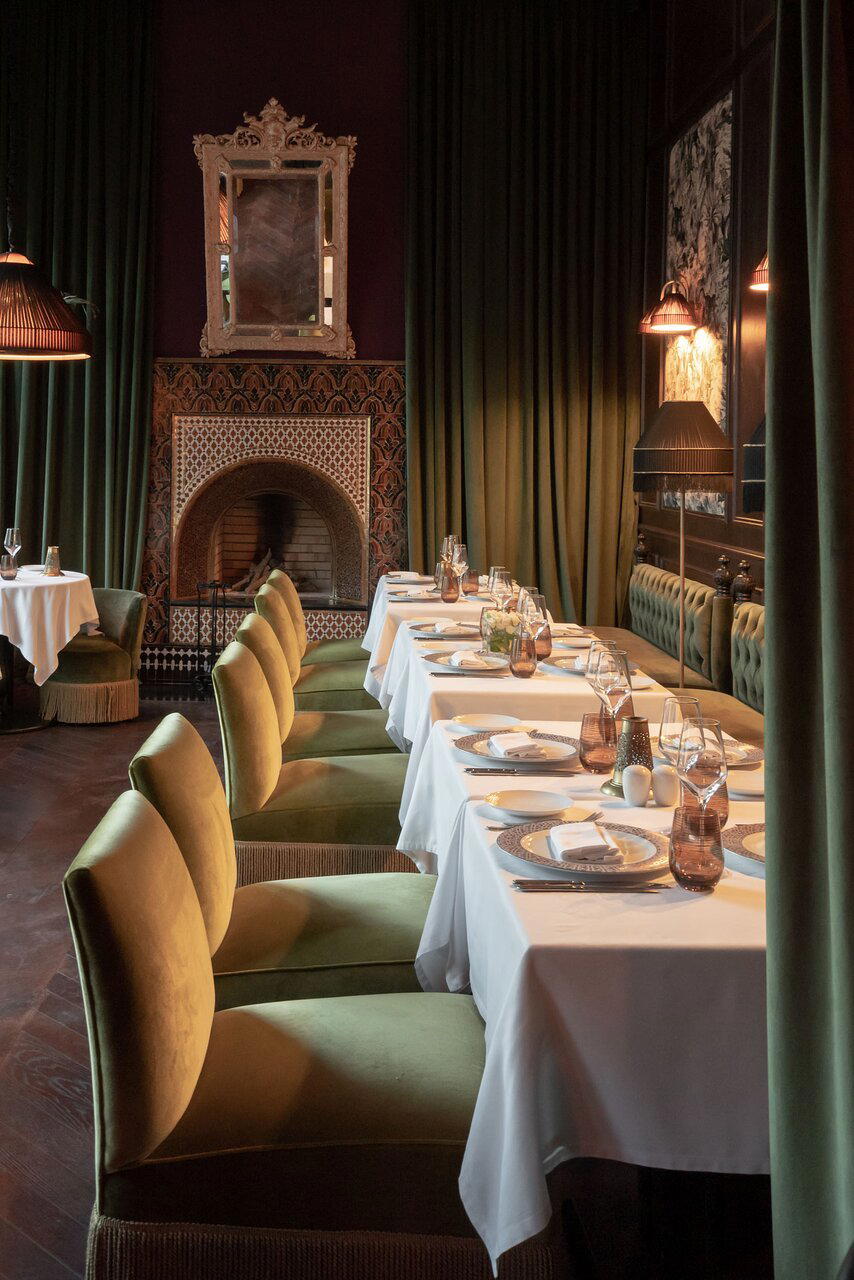
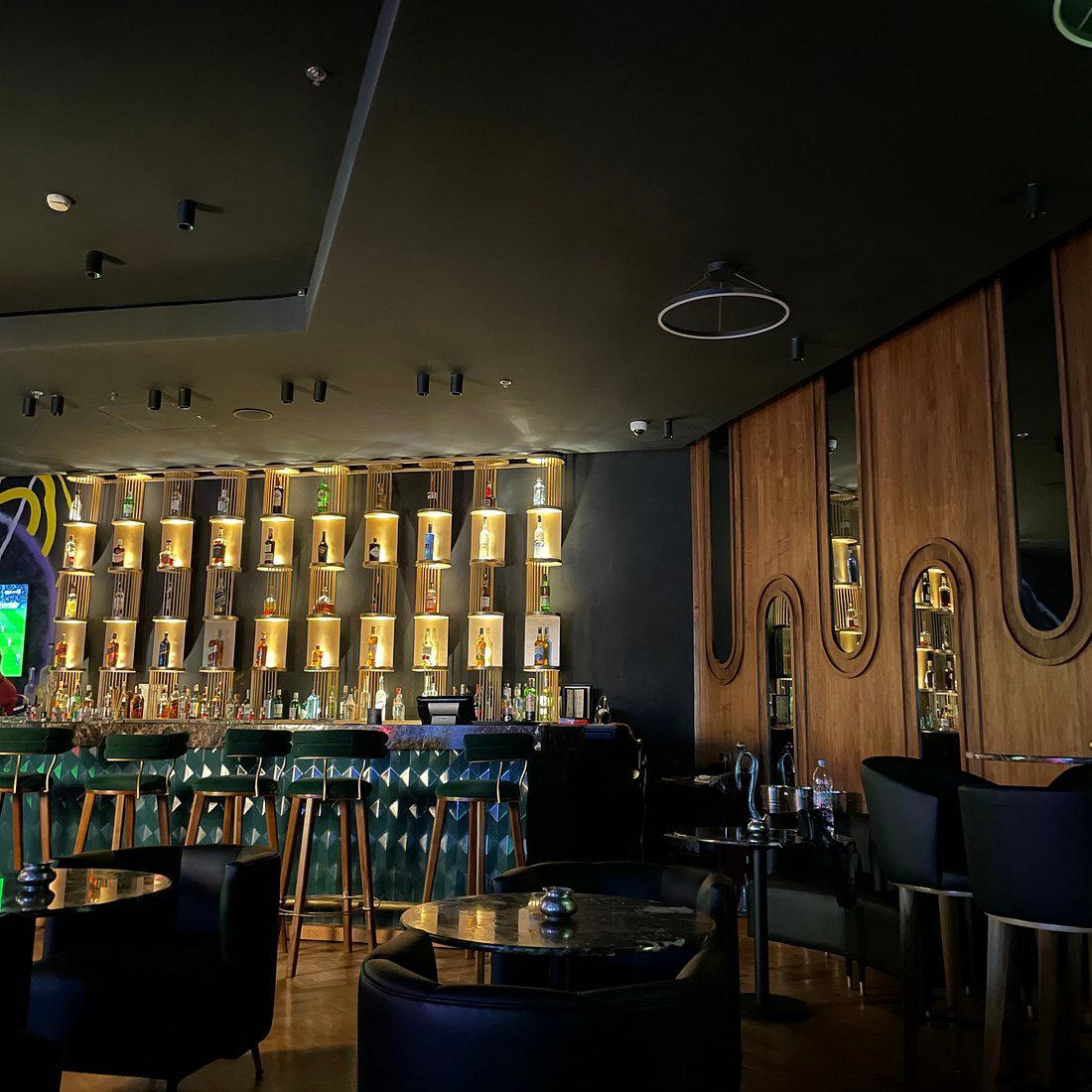
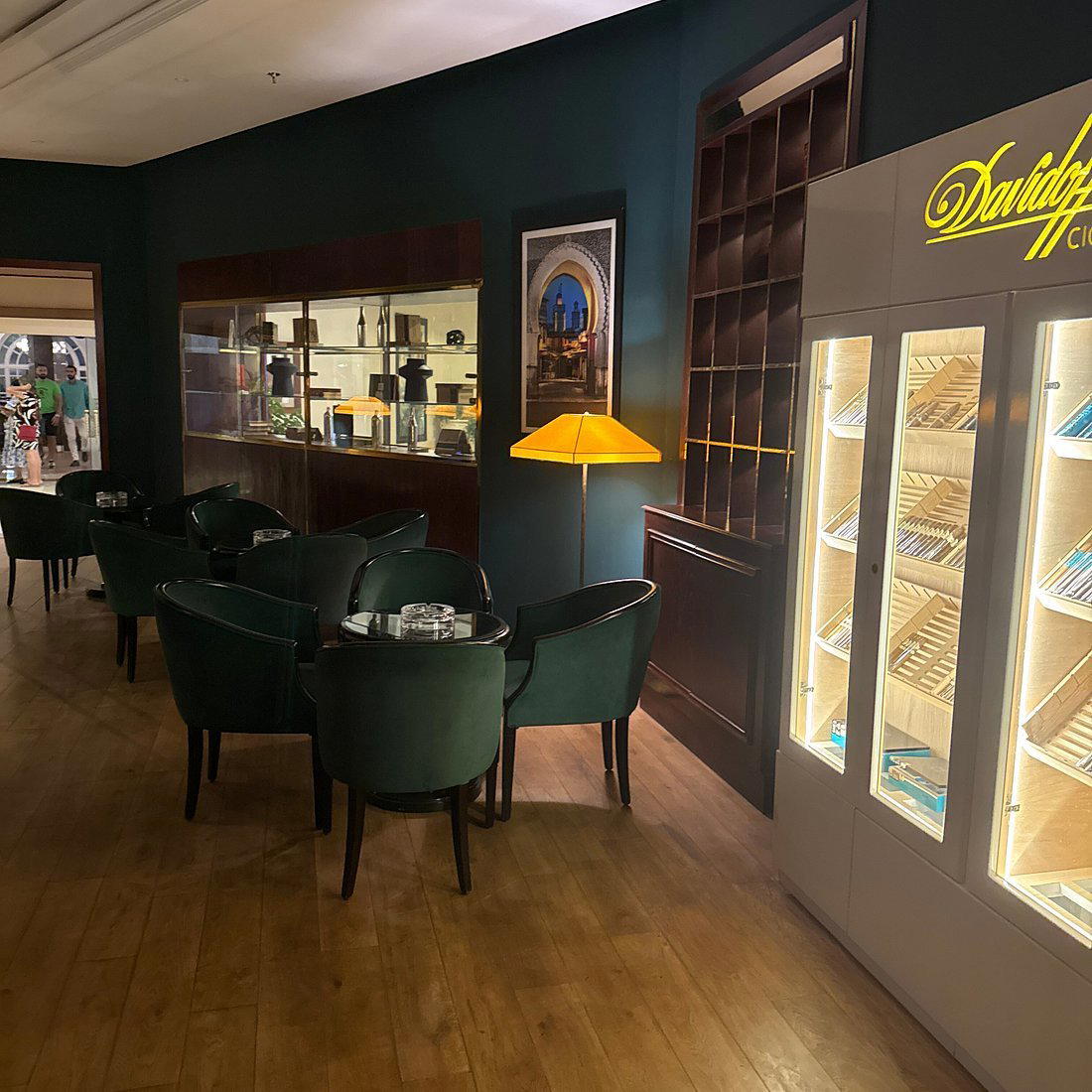
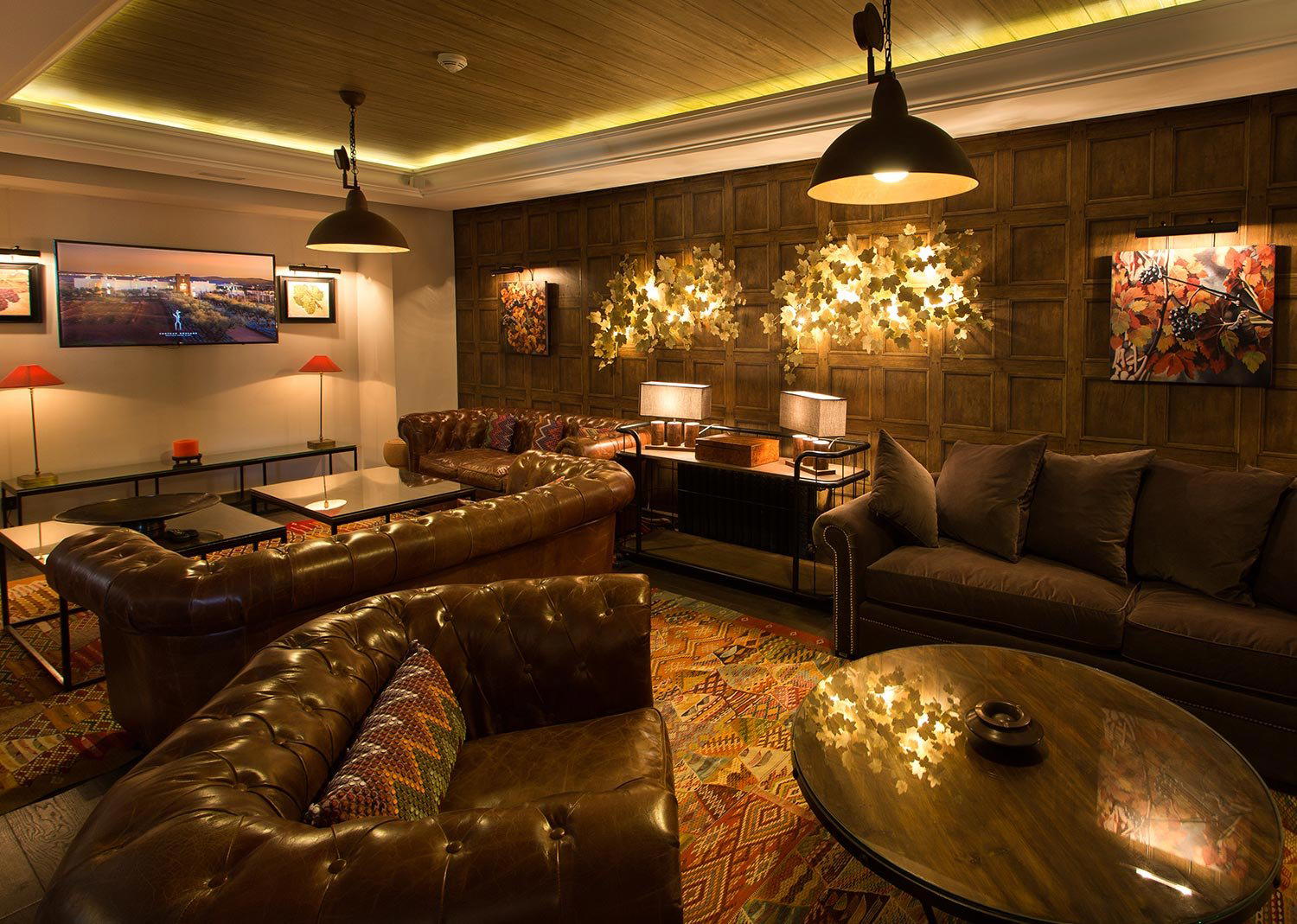
Chic, cozy, and elegant with warm lighting, traditional Moroccan architecture, and panoramic medina views from the terrace.