Dar Tagine sits inside the Fes el-Bali medina at 71 Darb El Ghorba Guerniz, drawing a local and well-travelled clientele back to its table with the kind of Moroccan home cooking that riad restaurants in flashier cities rarely replicate. The draw is specificity: cooking rooted in Fassi tradition rather than a generalised North African register. It belongs to the tier of medina dining where address alone filters who finds it.
Pearl is the En Primeur Club membership app — saves, bookings, and concierge access live there. Same editors, same standards.
- Address
- 71 Darb EL Ghorba Guerniz, Fés
- Directions
- Get directions
 Saves & bookings on Pearl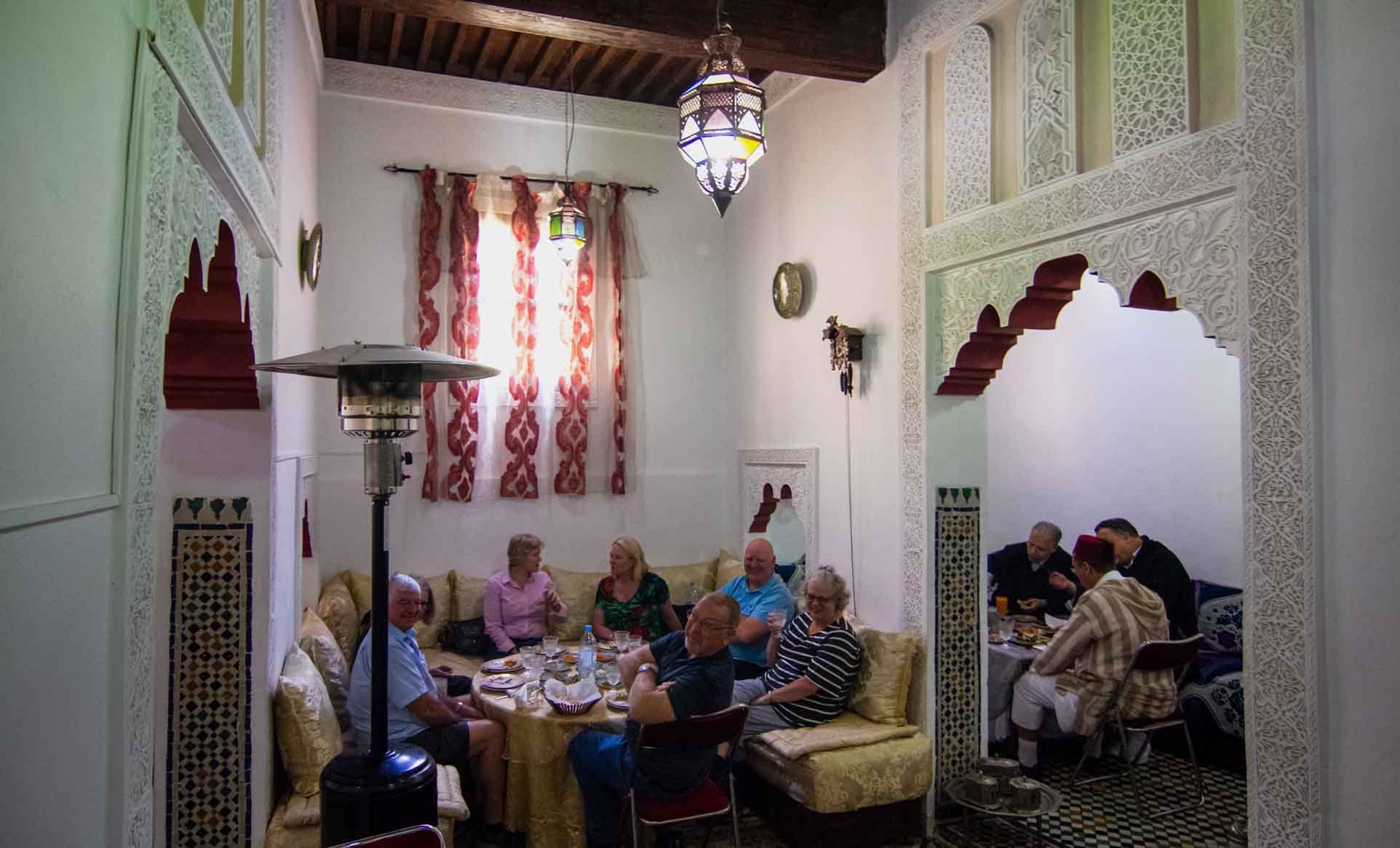
Finding Your Way Through the Medina to a Meal Worth the Walk
Dar Tagine is a Traditional Moroccan Tagine House in Fés, with a price tier around $15 per person. The approach to 71 Darb El Ghorba Guerniz tells you something before you arrive at the door. Fes el-Bali is especially architecturally intact medieval medina in the Arab world, and reaching any address inside it requires a working knowledge of its logic, not street names, but landmarks, doors, and the sound of water from a nearby sebil. The restaurants that survive here do so on repeat business from people who have already made that effort at least once, decided it was worth it, and returned.
Medina dining in Fes splits into two recognisable tiers. The first is the riad-hotel restaurant, where the setting does considerable work and the food ranges from competent to forgettable. The second is the neighbourhood table, where the room is incidental and the cooking is the reason. Dar Tagine operates in that second register. Its address in the Guerniz quarter places it away from the higher-traffic arteries near Bou Inania or the Chouara tanneries, which means the clientele tends to be either locals or visitors who have done more than open a travel app.
What the Regulars Are Actually Returning For
In any city with a strong culinary tradition, the restaurants that accumulate loyal clientele over time share a common trait: they do not adjust their cooking to explain it. Fassi cuisine, the specific domestic tradition of Fes, is not the same as the broadly Moroccan register served across the country's tourist circuit. It is more spice-forward, more technically demanding in its slow-cooking, and more reliant on preserved ingredients: smen, preserved lemon, dried fruits folded into savoury preparations. The tagine, as a format, is not the point. It is the clay vessel in which the point is made, and the point is time.
Regulars at places like Dar Tagine return because the cooking reflects a specific local literacy rather than a generalised version of it. Across the Fes medina dining scene, that distinction separates a handful of addresses from the broader field. For comparison, Dar Roumana works in a more contemporary idiom, while Berrada and Darori each occupy distinct positions in the medina's dining hierarchy. Cafe Clock and L'Amandier address a different demographic entirely. The restaurant sits in a more strictly local-facing position than most of those peers.
That local-facing quality is not a marketing posture in a city like Fes. It is structural. The medina's geography means that international visibility requires deliberate effort, a website, a booking platform, a presence on aggregators. When those are absent, the clientele that finds a place is either referred or already familiar with the neighbourhood. That self-selecting process produces a specific kind of dining room: quieter in the tourist sense, more consistent in the culinary sense, and less subject to the seasonal swings that affect places whose business tracks hotel occupancy rates.
Fassi Cooking in Its Wider Moroccan Context
Morocco's restaurant scene has developed a genuine upper tier in recent years, concentrated in Marrakesh and Casablanca. La Grande Table Marocaine at Royal Mansour in Marrakesh and its Casablanca counterpart represent one end of the spectrum: technically refined, internationally recognised, priced against a global luxury comparable set. Andalus in Tangier maps a different Moroccan culinary tradition, rooted in its city's Andalusian inheritance. Amal Gueliz Center in Marrakesh takes a different approach again, with a social enterprise model attached to its cooking. Le Salon Oriental in Essaouira and L'Oliveraie in El Hajeb each reflect their own regional inflections.
Fes sits outside this premium circuit not because its food tradition is lesser, but because its city has invested less in hospitality infrastructure aimed at international visitors. The Fassi table has historically been a private one, the great cooking of the city happened in domestic kitchens, and its migration into restaurant format has been slower and less theatrical than in Marrakesh. That restraint has consequences for visibility, and for the kind of traveller who finds addresses like Dar Tagine. Further afield in Morocco's food and drink picture, Château Roslane in the Middle Atlas is developing an argument for Moroccan wine alongside food in a way that would have seemed speculative a decade ago, and Gayza represents Fes's more contemporary dining register. BÔ ZIN in Tassoultante and Hyatt Place Taghazout Bay in Agadir occupy entirely different positions on the Moroccan hospitality map.
Planning a Visit: What to Know Before You Go
The address, 71 Darb El Ghorba Guerniz, Fes, is the primary practical fact to hold on to. In the Fes medina, the difference between finding a place and not finding it often comes down to whether you have a precise address written down or saved on your phone before you enter. GPS coverage inside the medina is intermittent and mapping data is frequently incorrect. Arriving by foot from Bab Guissa or via the main Talaa Kbira artery and asking locally is a more reliable approach than following a route calculated outside the medina's internal logic.
The restaurant is recommended for reservations, so it is wise to plan ahead rather than rely on a walk-in. Visitors planning a specific meal here should build in flexibility, either by arriving early or by treating the visit as exploratory rather than scheduled.
For those calibrating the restaurant against restaurants in entirely different culinary traditions, the contrast is instructive. Le Bernardin in New York City and Lazy Bear in San Francisco represent the kind of technically precise, reservation-dependent dining that occupies the opposite end of the accessibility spectrum. The medina restaurant operates on different terms entirely, and that difference is part of what makes the meal feel rooted in the city.
What It’s Closest To
Comparable venues nearby, for context on price, style, and recognition.
| Venue | Cuisine | Price | Notes |
|---|---|---|---|
| Dar TagineThis venue — the venue you are viewing | Traditional Moroccan Tagine House | $$ | Not listed |
| Nachō Mama Restaurant | Mexican | $$ | Fes Medina |
| Le Kiosk | Wood Oven Pizza | $$ | Ville Nouvelle |
| Dar Roumana | Franco-Moroccan Fusion | $$$$ | Medina |
| Berrada | Traditional Moroccan Home Cooking | $$ | Fes Medina |
| Cafe Clock | Moroccan Fusion Cafe | $$ | Medina |
At a Glance
- Cozy
- Rustic
- Intimate
- Special Occasion
- Historic Building
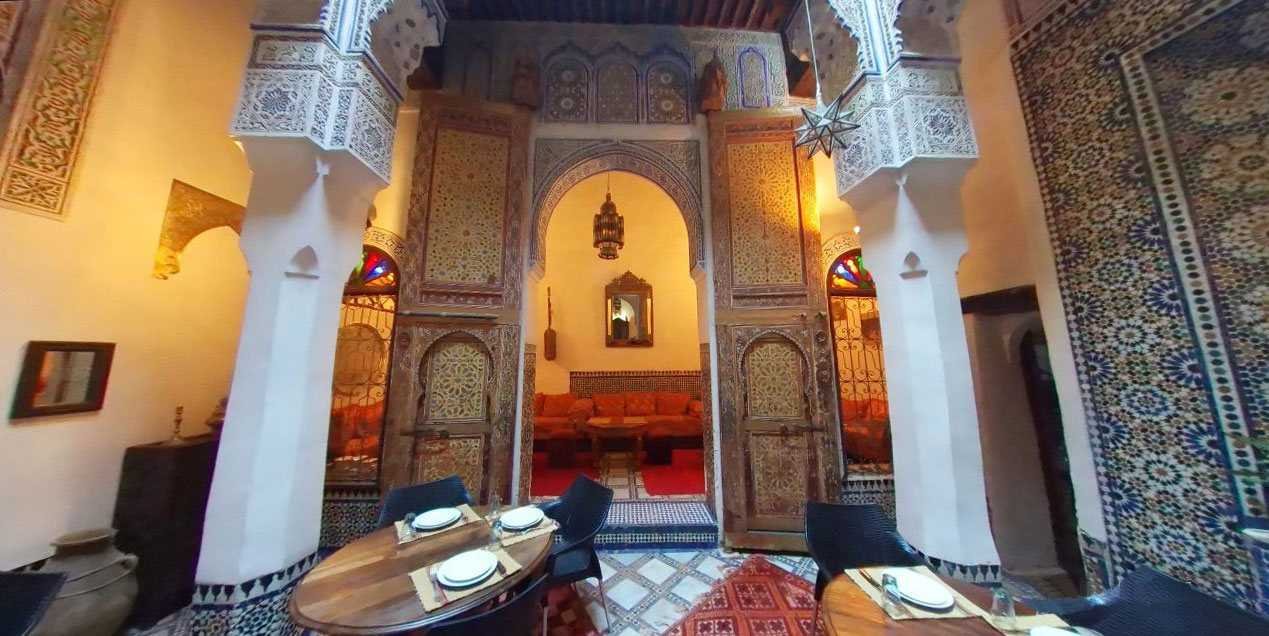
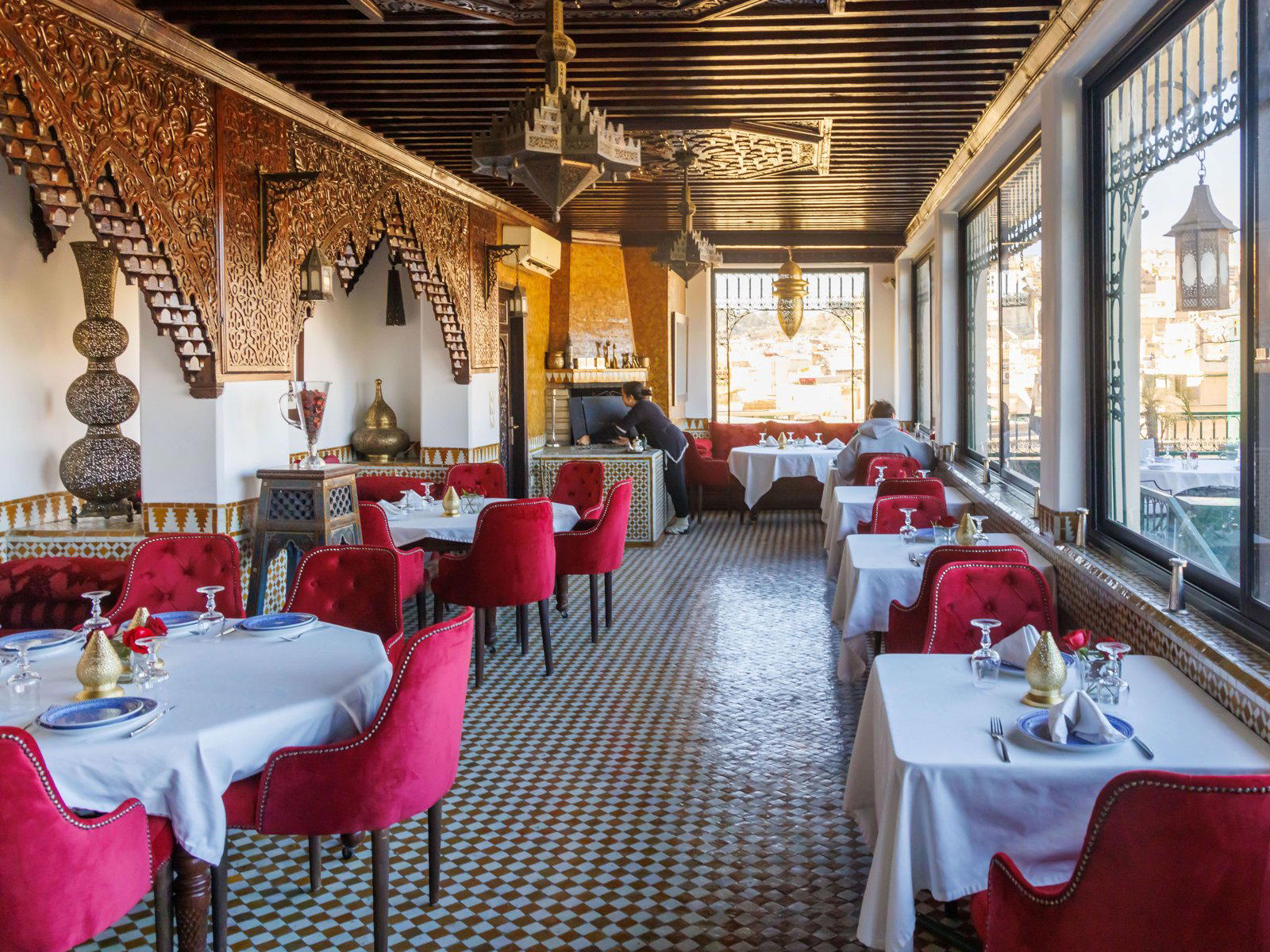
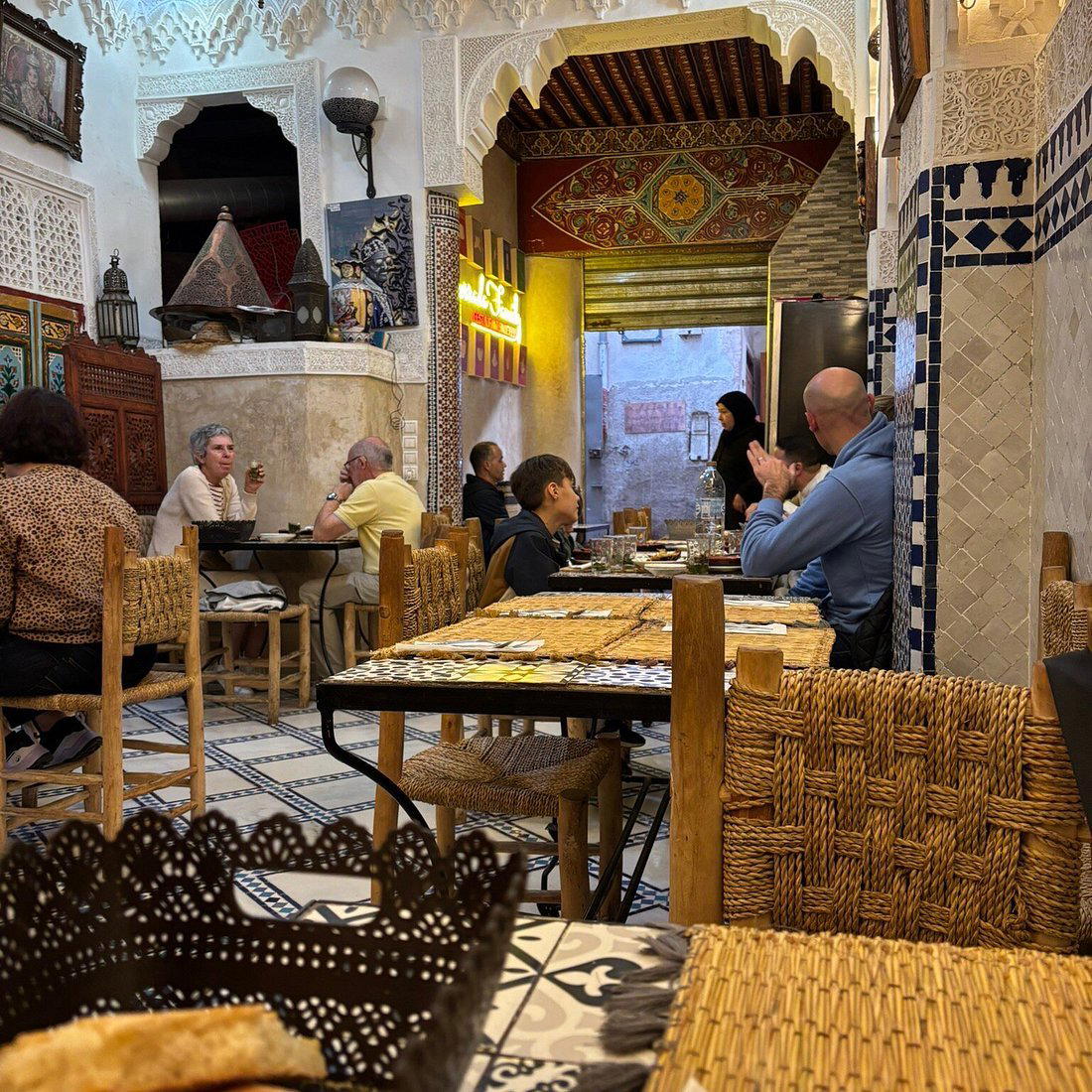
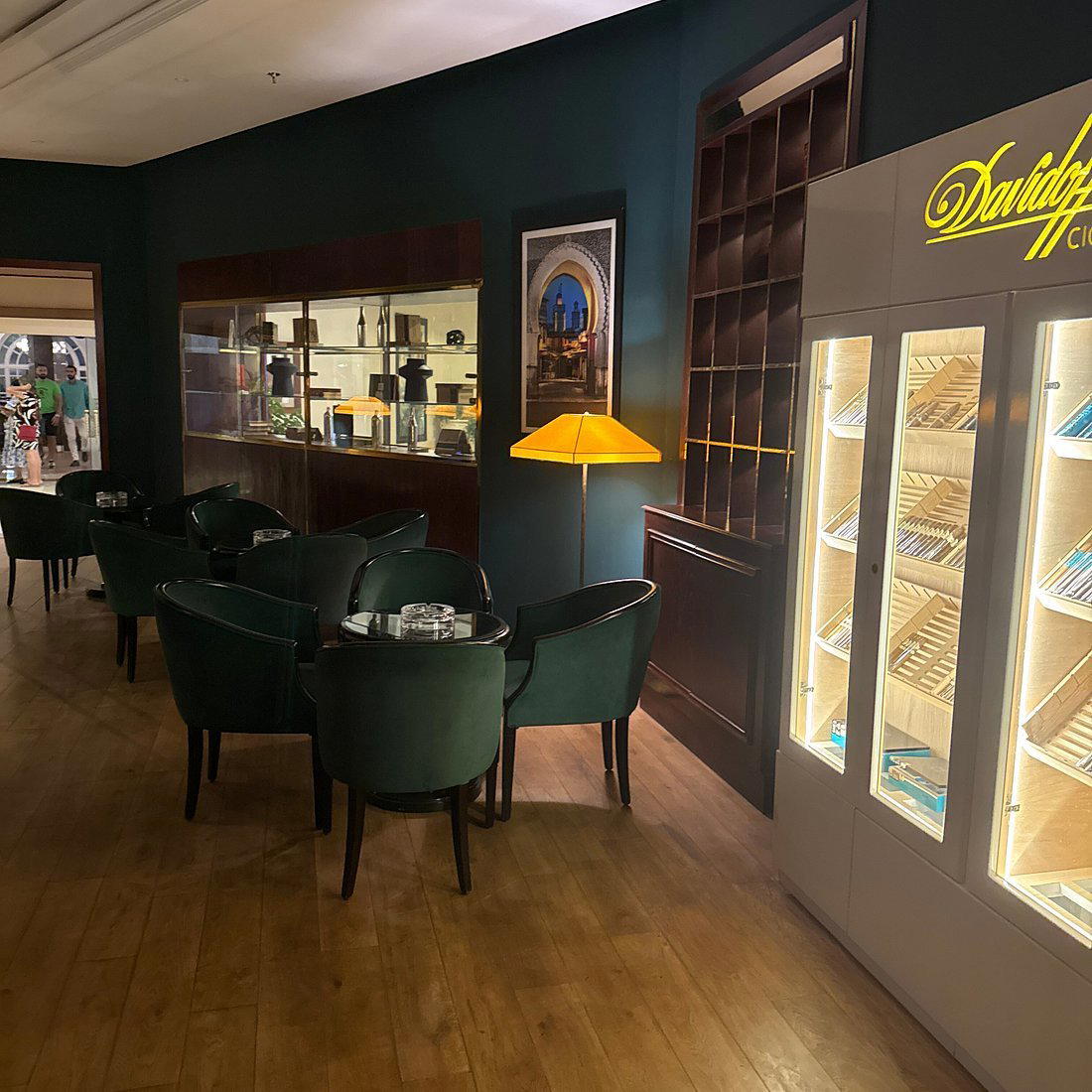
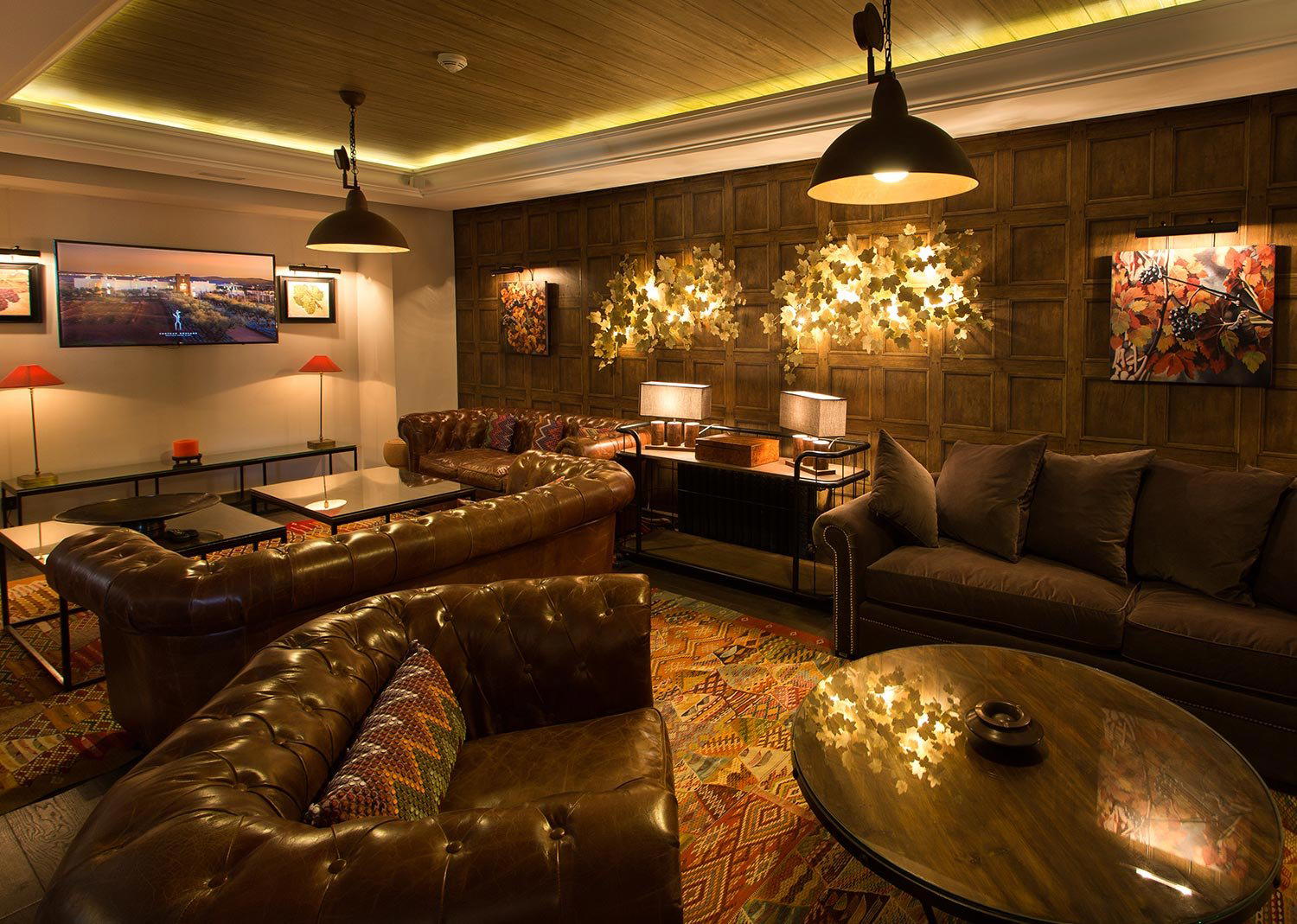
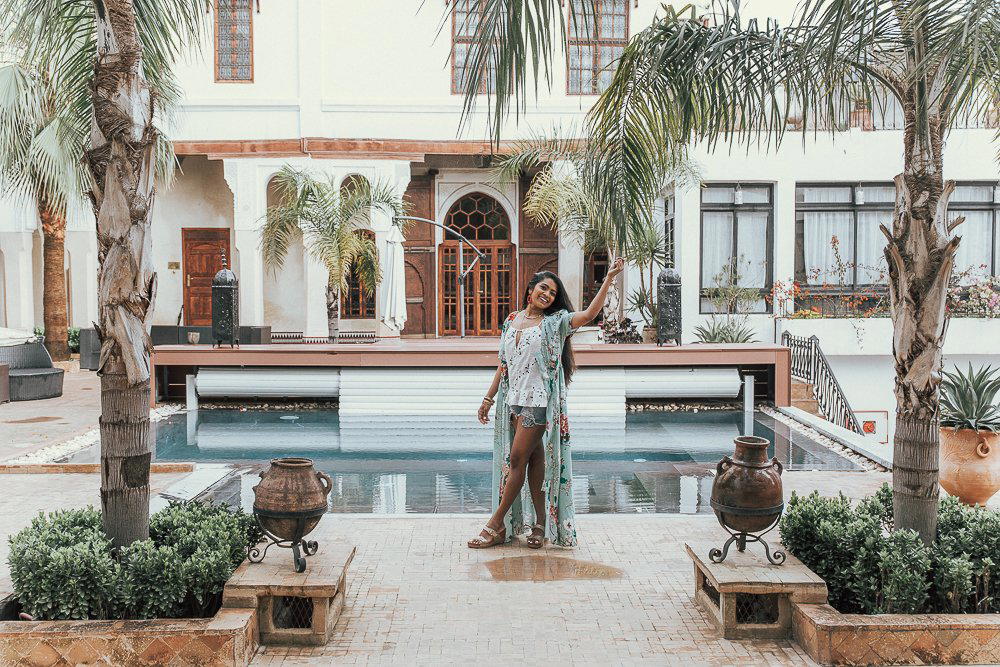
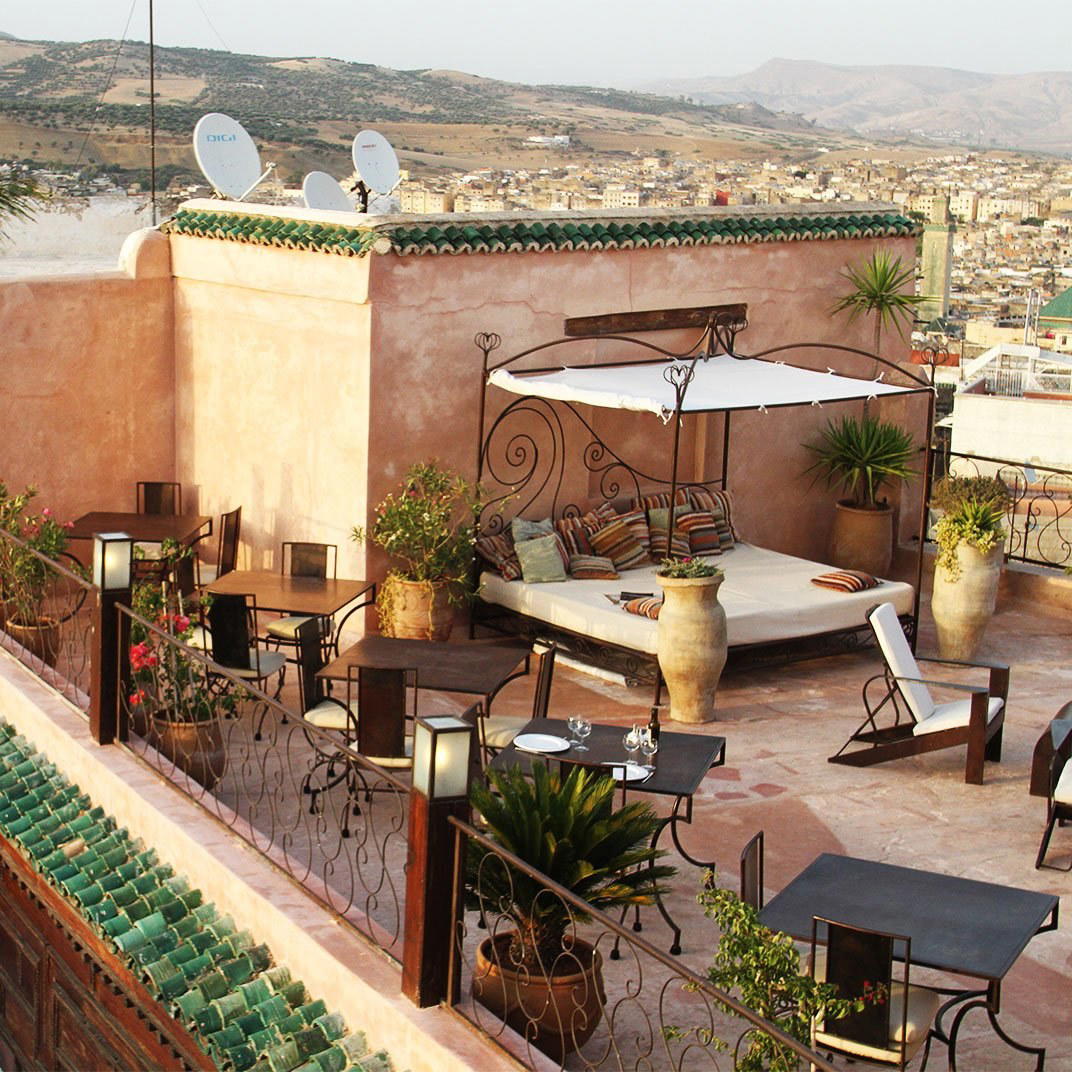
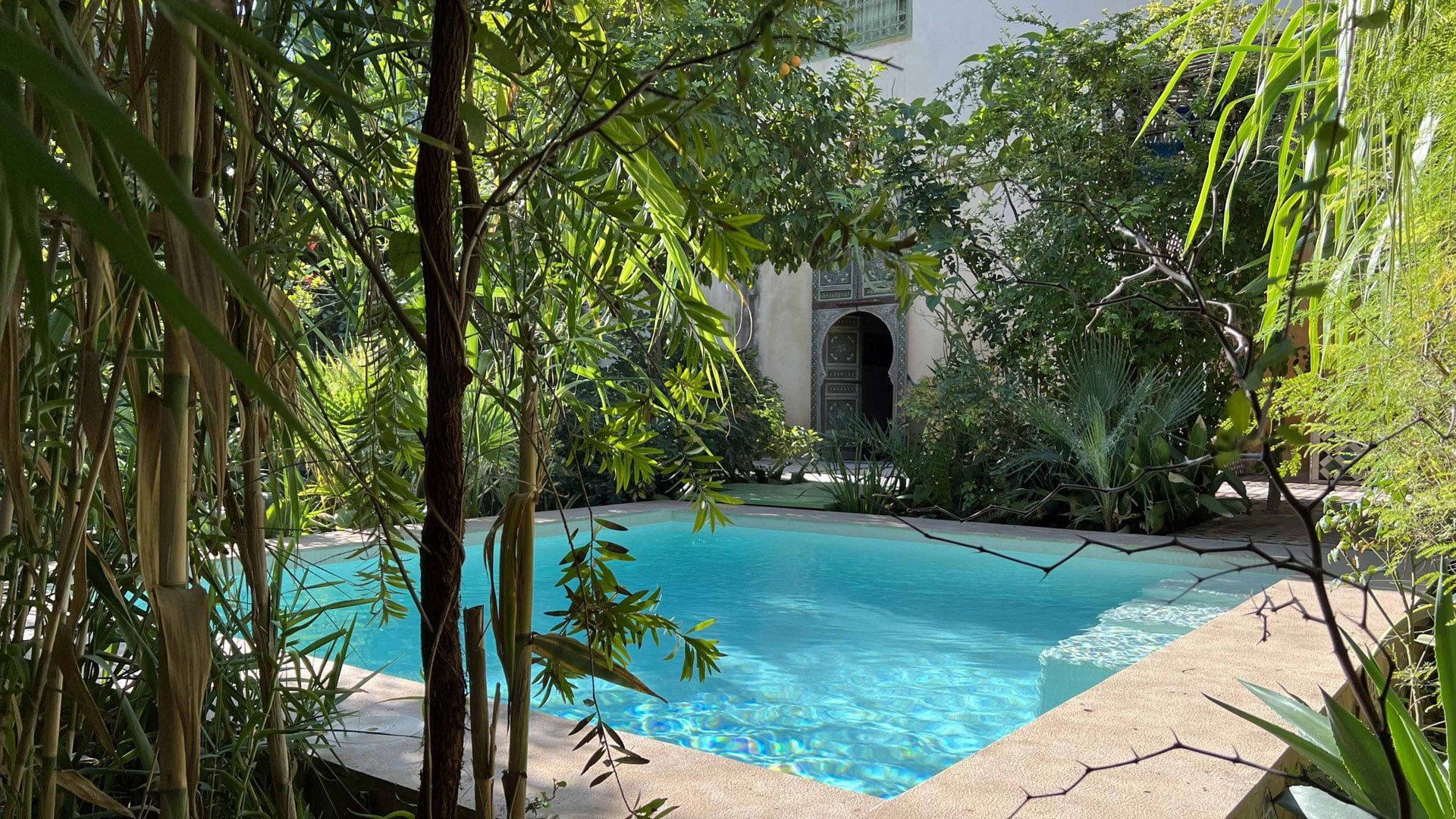
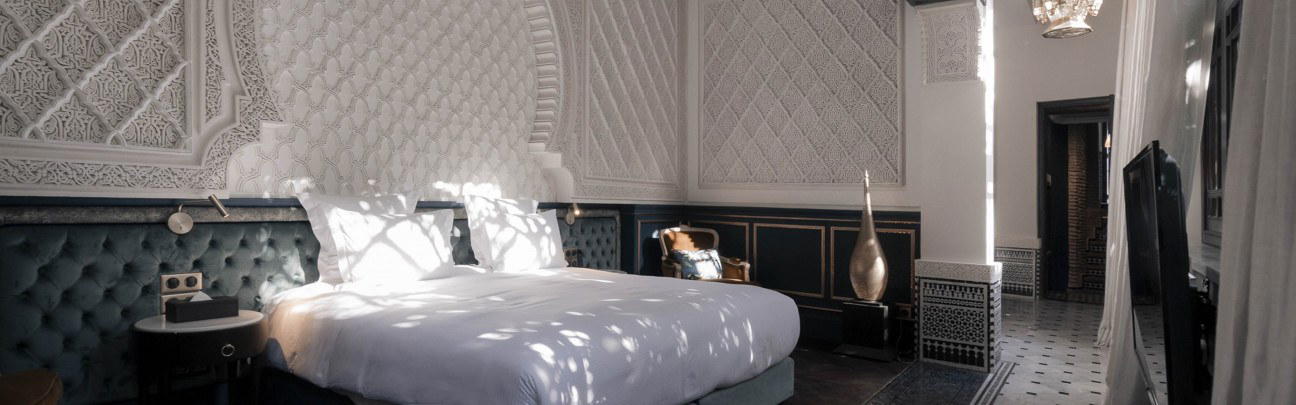
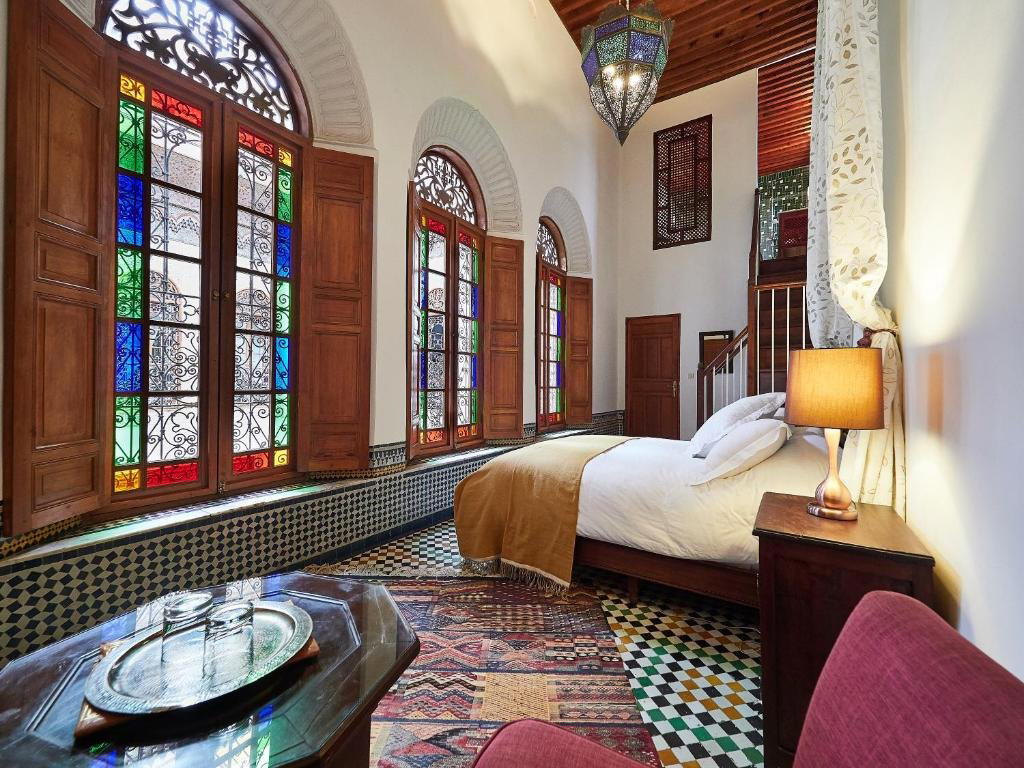
Quiet and relaxed home-style atmosphere in a historical house.