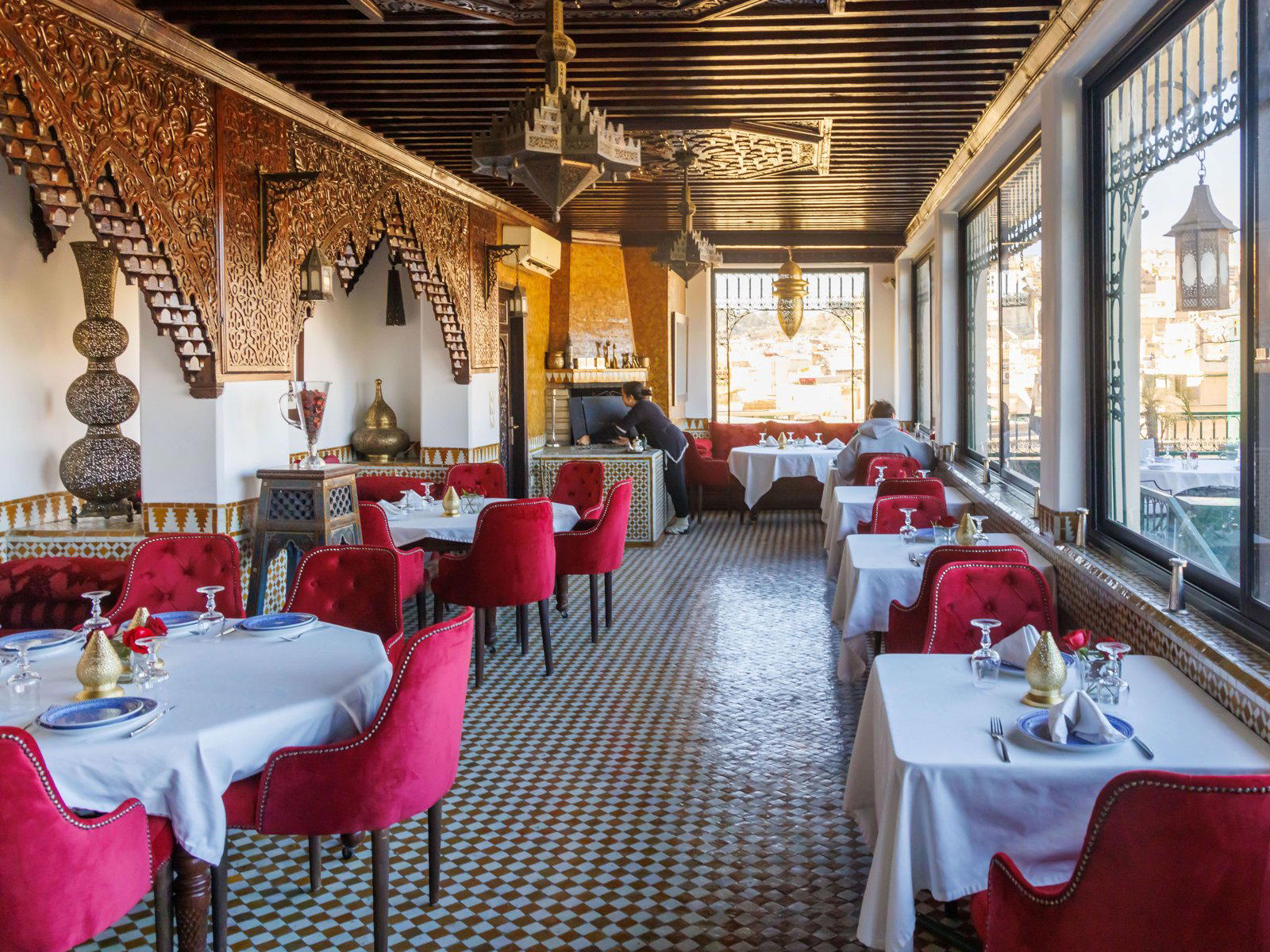
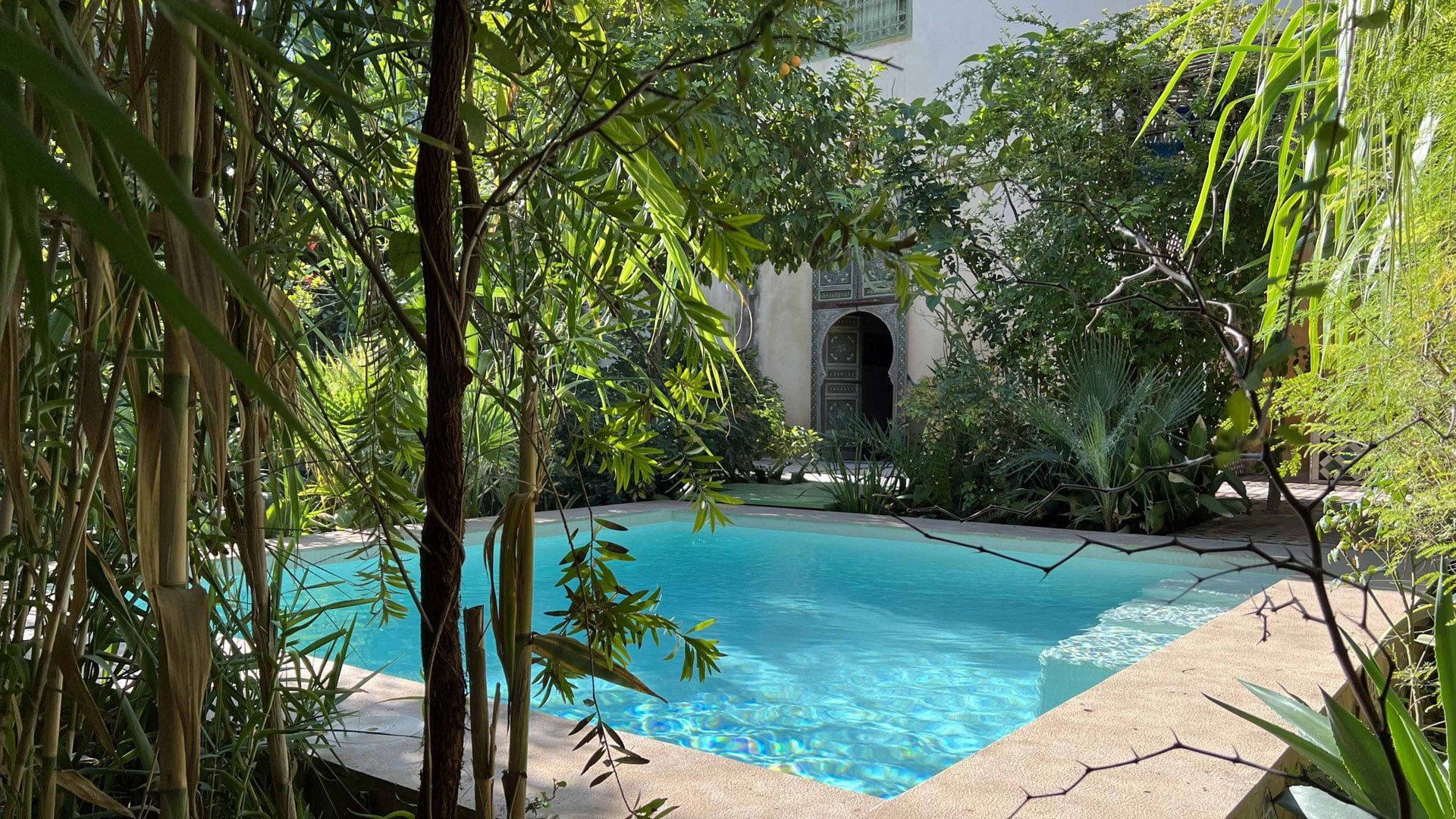
Darori sits behind the Rcif mosque in Fes el-Bali, positioned inside one of the medina's older residential derbs. The address alone signals something about the dining tradition here: meals in this part of Fes happen in spaces that were built for living, not for restaurants. That domestic architecture shapes everything from the pacing of service to the way a table feels when you finally sit down.
Pearl is the En Primeur Club membership app — saves, bookings, and concierge access live there. Same editors, same standards.
- Address
- le minaret، N°2 Derb Sayour، Place Rcif، derrière, Fes 30200, Morocco
- Phone
- +212 618 453738
- Website
- darori.info
- Directions
- Get directions
 Saves & bookings on Pearl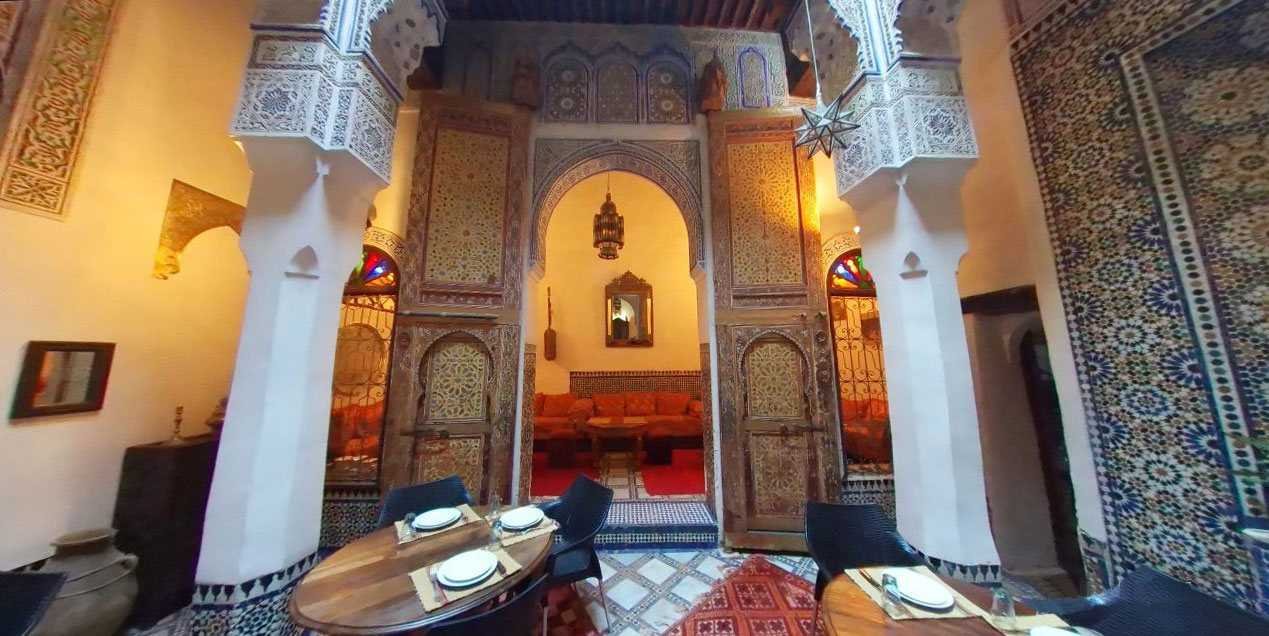
Finding the Table in Fes el-Bali
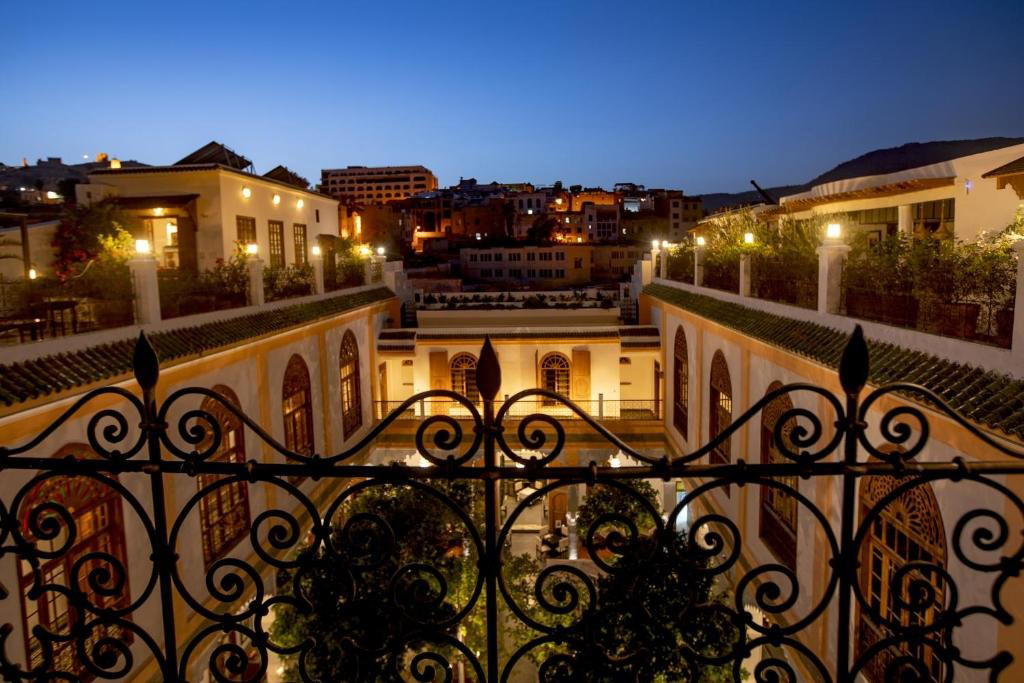
Darori is a restaurant in Fes serving traditional Moroccan Fassi food. From the outside, a derb address like N°2 Derb Sayour, just behind the minaret at Place Rcif, gives nothing away. The façade reads as a residential door in a residential alley, which is precisely the point. Across the medina, particularly serious meals happen inside buildings that turn their backs on the street, riads, family houses, and converted merchant residences where the architecture funnels attention inward toward a courtyard or a tiled reception room. Darori sits in that tradition. The act of arriving, of following the address through a narrowing sequence of lanes, is itself a calibration: you slow down before you sit down.
The medina's older dining culture was built around the dar, the private house, and the implicit protocol that eating well required knowing where to go. The city has produced generations of cooks who worked within domestic kitchens before any notion of a restaurant existed here, and the legacy of that domestic culinary tradition is felt in the places that now occupy similar structures. Dar Roumana and Dar Tagine operate on comparable architectural principles, converting residential riad spaces into dining rooms where the building's proportions set the terms of the meal.
The Ritual of the Moroccan Meal
Moroccan dining in a traditional Fassi setting follows a structure that predates the modern restaurant by several centuries. The sequence matters: something cold and sharp to begin, a spread of cooked salads, each prepared separately, each representing a different vegetable, spice combination, or preservation technique. Then the main event, whether tagine or couscous, arrives covered, the steam and aroma releasing at the table as a deliberate sensory beat. Bread is the primary utensil in the traditional format, though more contemporary Fassi houses have adapted to mixed expectations.
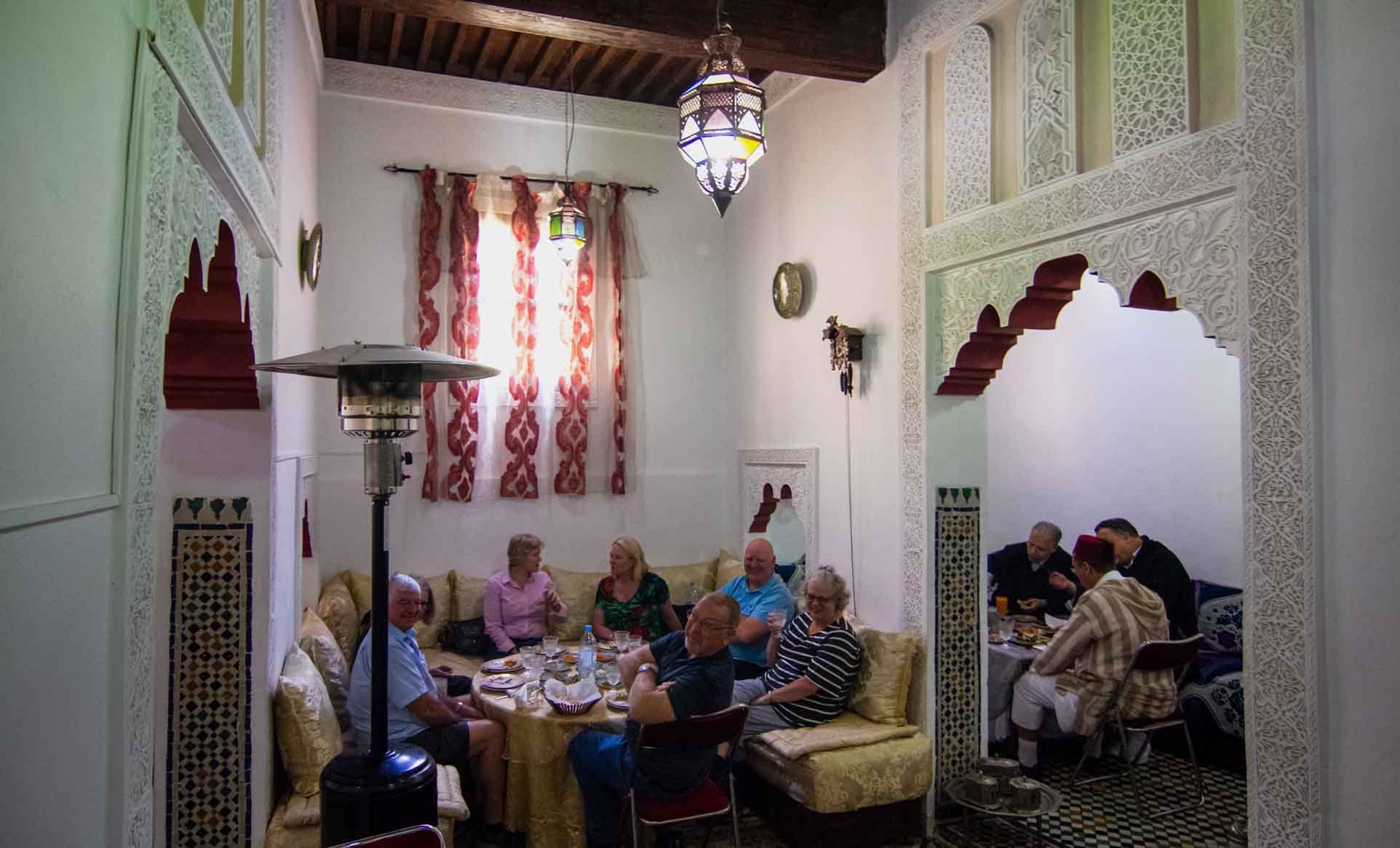
In the medina's tighter residential spaces, the pacing of this ritual is slower than in larger tourist-facing establishments. A meal at a dar-format address does not rush through courses. The courtyards and tiled interiors absorb sound differently than purpose-built dining rooms; conversation settles into a register that matches the architecture. This is a feature of the format, not an operational shortcoming. Visitors arriving with expectations calibrated to European service timing will need to recalibrate. The meal takes as long as it takes, and that duration is part of what you are paying for when you choose a table in the medina over a terrace restaurant on a main boulevard.
Fes is broadly considered the culinary capital of Morocco. The distinctions are real: Fassi cooking uses a narrower, more precise spice vocabulary; its tagines lean toward preserved lemon and olives rather than the sweeter fruit-and-honey combinations more common in the south. La Grande Table Marocaine at the Royal Mansour in Marrakesh represents one end of that spectrum, the grand hotel interpretation of Moroccan cooking, while addresses like those in the Fes medina represent the other: the domestic, less theatrical, less internationally packaged version of the same tradition.
Where Darori Sits in the Fes Dining Map
The Rcif quarter, where Darori is addressed, sits in the lower medina close to the Rcif mosque and the river. It is less trafficked by day-trippers than the Bou Inania axis or the Talaa Kebira corridor, which makes the immediate neighbourhood quieter and the clientele more likely to be people who have sought the place out deliberately rather than stumbled past it. That self-selection matters in a city where the medina's hospitality scene splits clearly between high-volume, high-visibility operations and smaller, address-specific rooms that require a degree of effort to reach.
Cafe Clock in Talaa Kbira operates at the more accessible, culturally hybrid end of the Fes dining spectrum, a useful reference point for visitors building a multi-day eating plan. Berrada and L'Amandier occupy different positions in the city's mid-to-upper tier, each with distinct approaches to the Fassi tradition. Gayza represents a newer, more contemporary Fassi voice. Darori's Place Rcif address positions it in a quieter residential pocket, closer to the rhythms of the neighbourhood than to the medina's tourist-facing main arteries.
Outside Morocco, the contrast with more codified fine-dining ritual is instructive. Tasting-menu formats at places like Le Bernardin in New York City or Lazy Bear in San Francisco manage pacing through choreography and a fixed menu sequence. The Moroccan dar format achieves a similar sense of deliberate progression through a different mechanism: the architecture, the size of the room, and the shared-plate structure of the meal create natural pauses without the formality of a tasting menu card. The effect is less theatrical but no less considered.
Planning a Visit
The Rcif address, N°2 Derb Sayour, Place Rcif, behind the minaret, is not a venue you will pass by accident. A map application will get you close, but the final stretch through the derb requires reading the alley system on foot. The surrounding area near Place Rcif is navigable from the main Talaa Kebira axis, though first-time visitors to the medina should allow extra time for orientation. Reservations are recommended.
Seasonally, Fes in spring and autumn keeps temperatures at a level where courtyard and tiled-room dining is at its most comfortable. Summer heat in the medina concentrates in the afternoons, making an evening meal the more practical choice between June and September. Ramadan changes the rhythm of the entire medina significantly, with restaurants operating on a different schedule and iftar meals reshaping what and when people eat, a context worth factoring into any visit timed around that period.
Andalus in Tangier and Le Salon Oriental in Essaouira each represent regional takes on the same traditional dining format, while La Grande Table Marocaine at the Royal Mansour Casablanca and Amal Gueliz Center in Marrakech show how the same culinary heritage translates into different hospitality registers. Château Roslane in Icr Iqaddar, Hyatt Place Taghazout Bay in Agadir, L'Oliveraie in El Hajeb, and BÔ ZIN in Tassoultante fill out the picture of a country whose dining culture extends well beyond the imperial cities.
Cuisine and Awards Snapshot
Comparable venues nearby, for context on price, style, and recognition.
| Venue | Cuisine | Price | Notes |
|---|---|---|---|
| DaroriThis venue — the venue you are viewing | Traditional Moroccan Fassi | $$$ | Not listed |
| Dar Roumana | Franco-Moroccan Fusion | $$$$ | Medina |
| NUR | Modern Moroccan Fine Dining | $$$$ | Medina |
| The Ruined Garden | Authentic Moroccan Garden Dining | $$$ | Medina |
| Riad Fès | Moroccan-French Fusion Fine Dining | $$$$ | Medina |
| Nachō Mama Restaurant | Mexican | $$ | Fes Medina |
Continue exploring
More in Fès
Bars in Fès
Browse all →
At a Glance
- Cozy
- Rustic
- Intimate
- Classic
- Special Occasion
- Date Night
- Family
- Historic Building
- Courtyard
Current opening hours
- Monday
- 6–10:30 PM
- Tuesday
- 6–10:30 PM
- Wednesday
- 6–10:30 PM
- Thursday
- 6–10:30 PM
- Friday
- 6–10:30 PM
- Saturday
- 6–10:30 PM
- Sunday
- 6–10:30 PM
Hours can change for holidays and private events. Last verified .
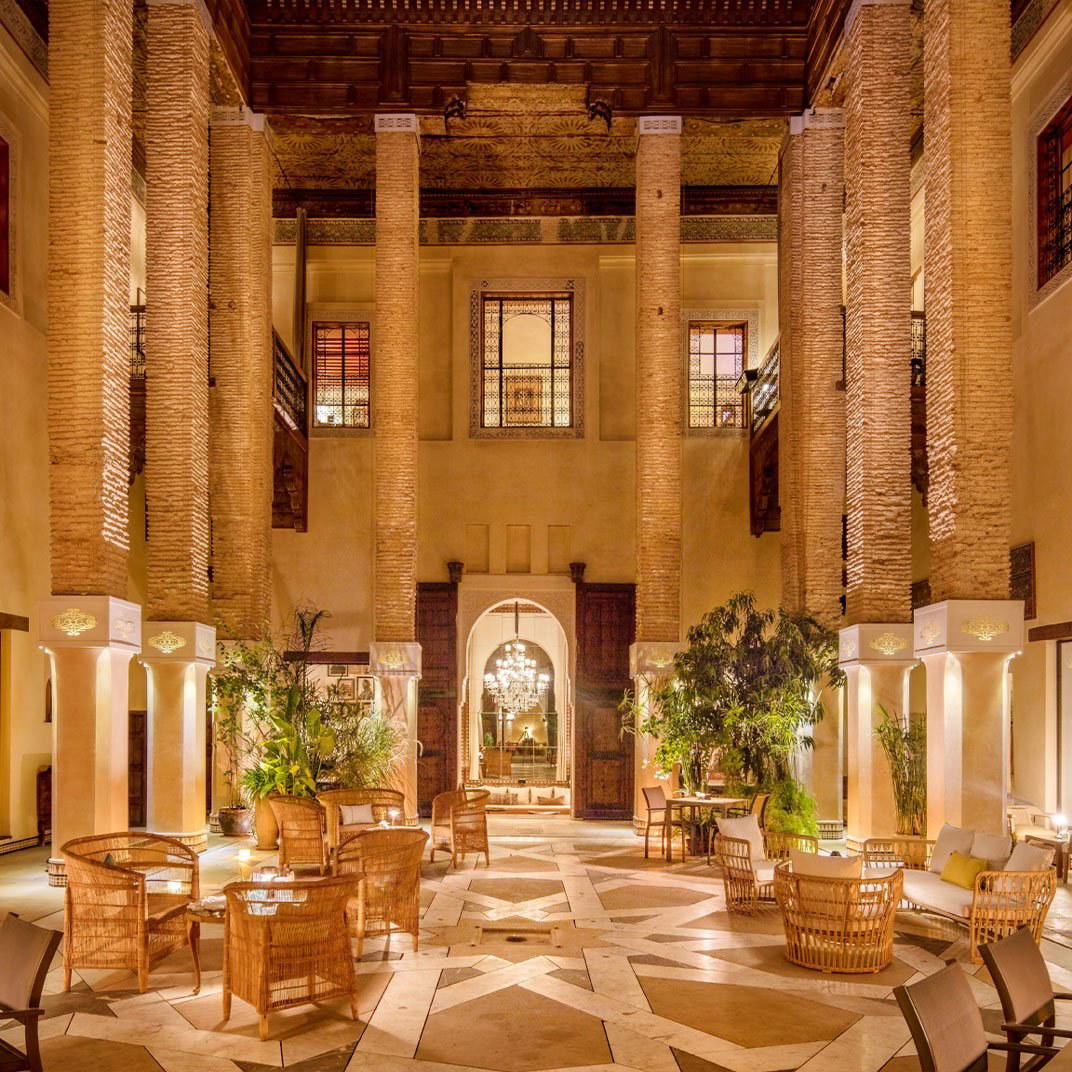
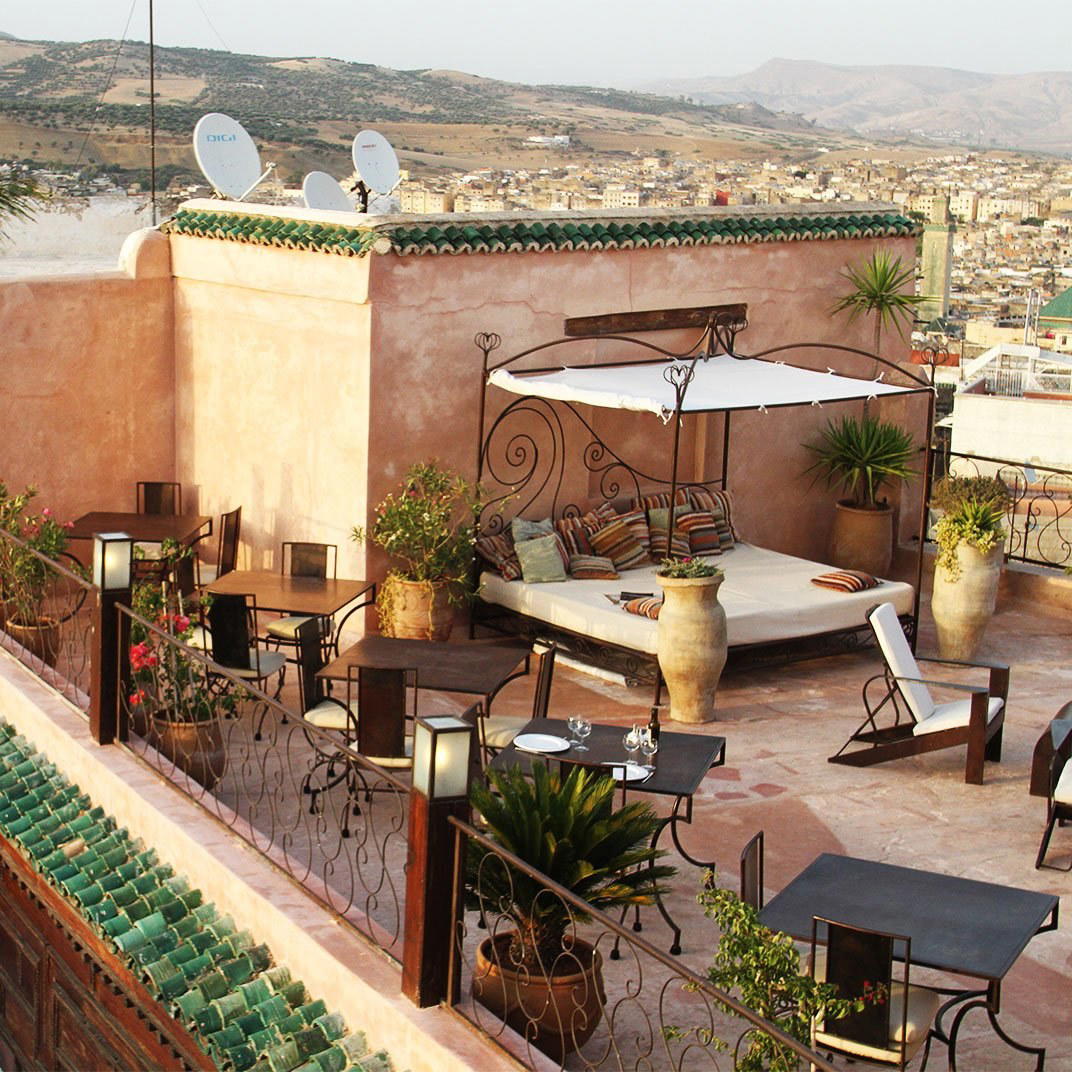
Warm and cozy courtyard with zellij tiling, carved plaster, old French dressers, and saffron-hued carpets in a historic setting.