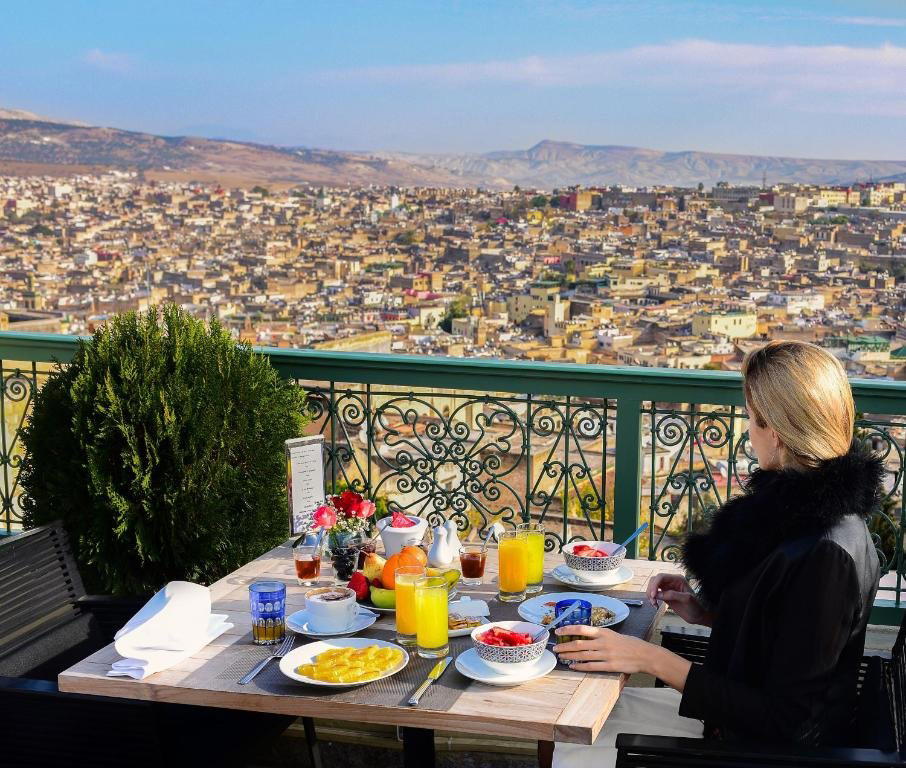
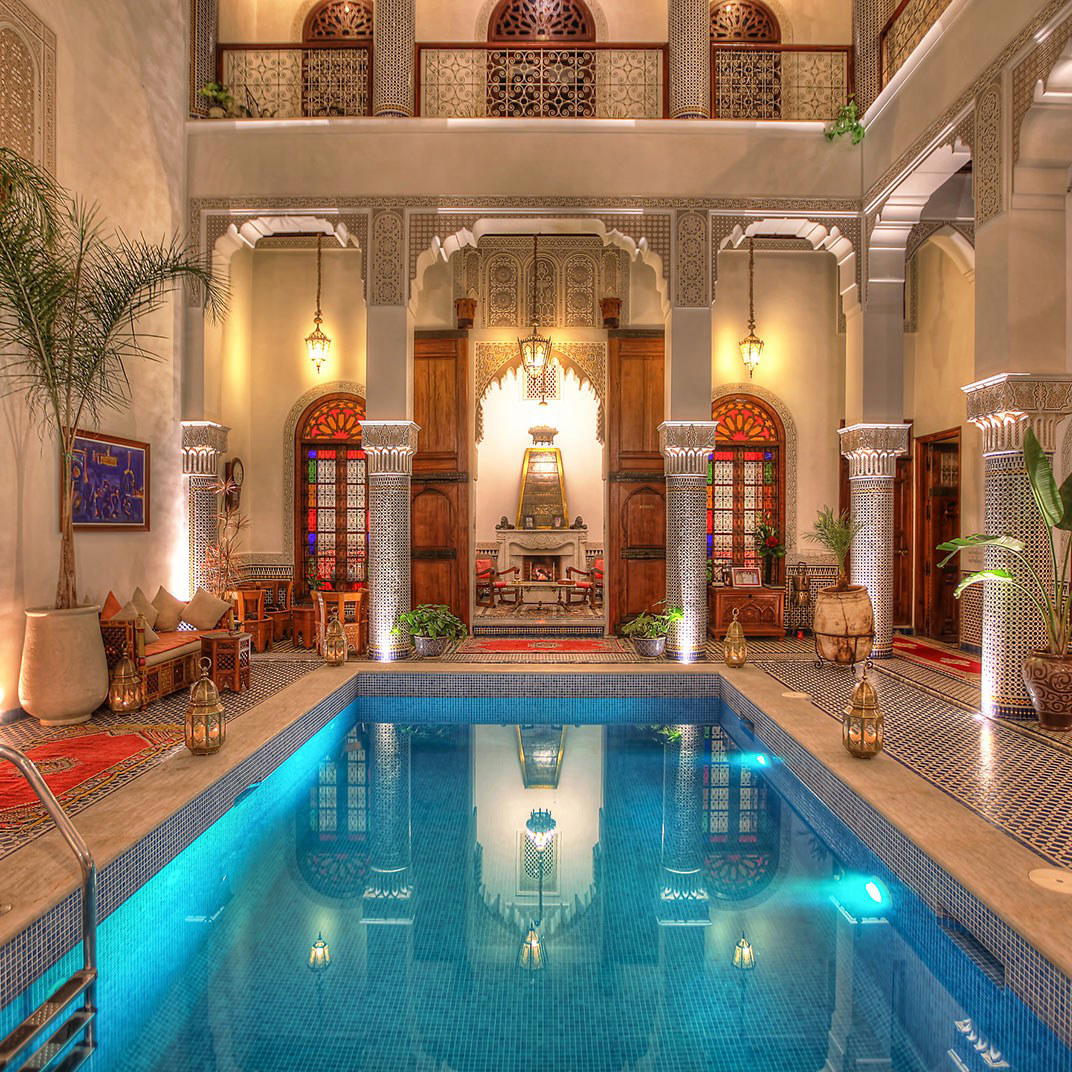
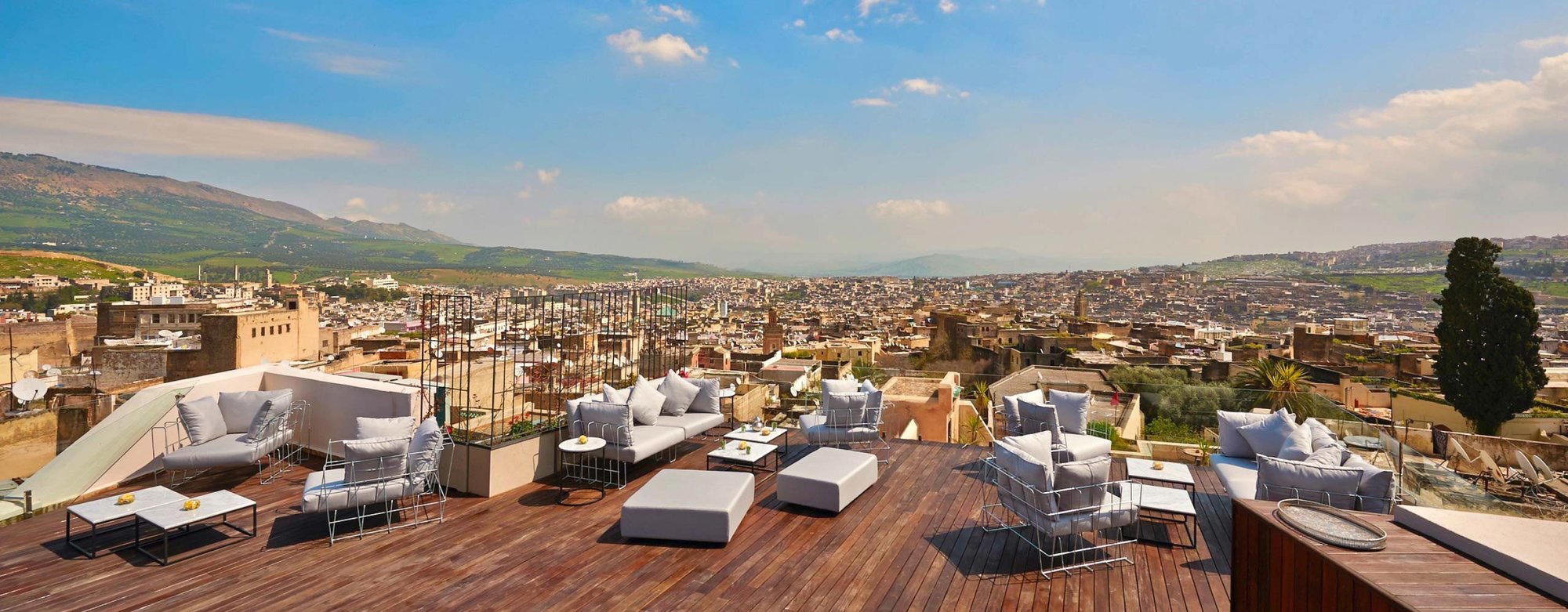
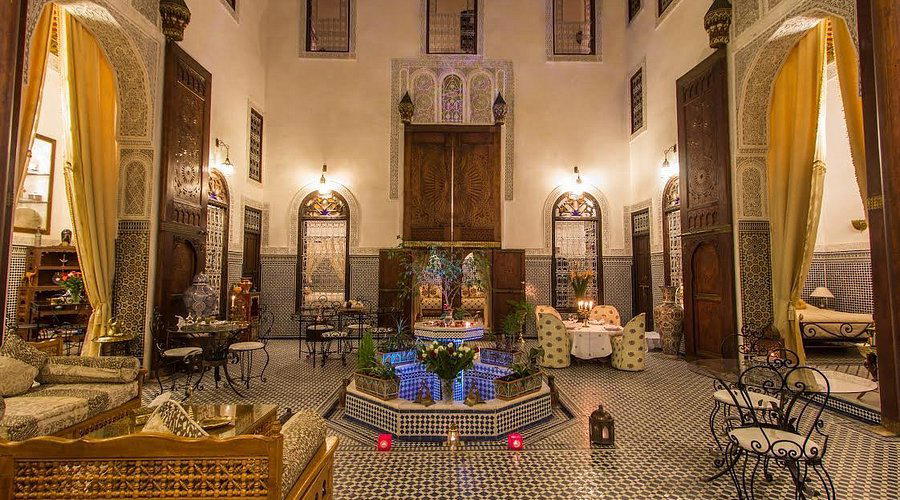
Set within a 13th-century merchant's house in the heart of Fes el-Bali, Riad Jardin des Biehn is among the medina's most considered retreat addresses, where layered garden architecture and a quietly restorative atmosphere define the stay. The property sits inside the old city's residential fabric, placing guests in the living texture of Morocco's oldest imperial capital rather than at its edge.
Pearl is the En Primeur Club membership app — saves, bookings, and concierge access live there. Same editors, same standards.
- Address
- 13 Akbat Sbaa Douh, Fes 30110, Morocco
- Phone
- +212 664 647679
- Website
- jardindesbiehn.com
- Directions
- Get directions
 Saves & bookings on Pearl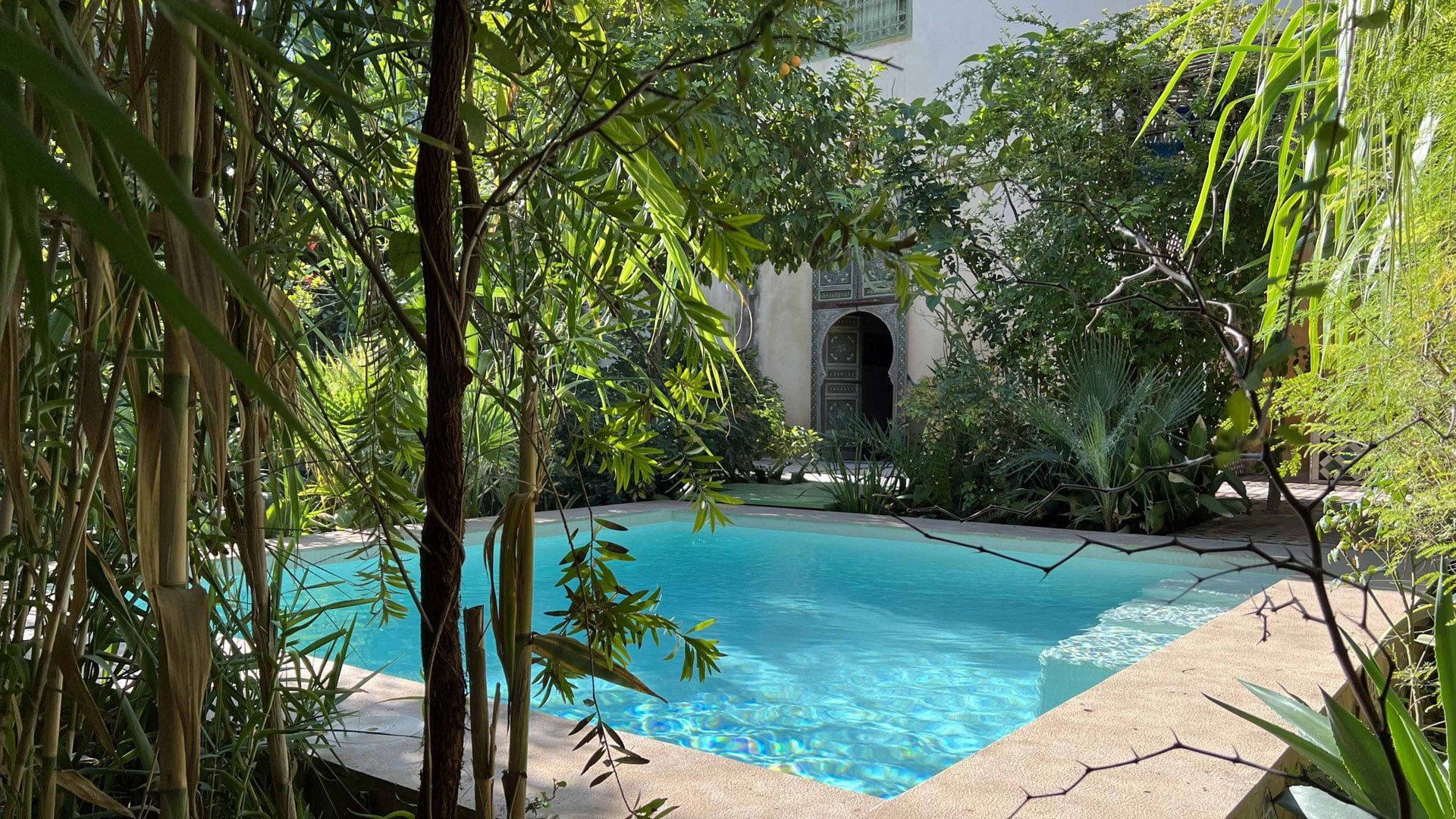
A Garden at the Centre of the Oldest Medina in the World
Arriving at a riad in Fes el-Bali requires a kind of deliberate surrender. The address — 13 Akbat Sbaa Douh — means nothing until a guide or a local resident points you through a door that gives no outward indication of what lies beyond it. This is characteristic of the medina's domestic architecture: all interiority, all enclosure, the street a threshold rather than a destination. What the riad form offers, and what Riad Jardin des Biehn delivers in particular, is the inversion of that noise, a property built around a garden courtyard that functions as the emotional counterweight to everything Fes el-Bali asks of you outside its walls.
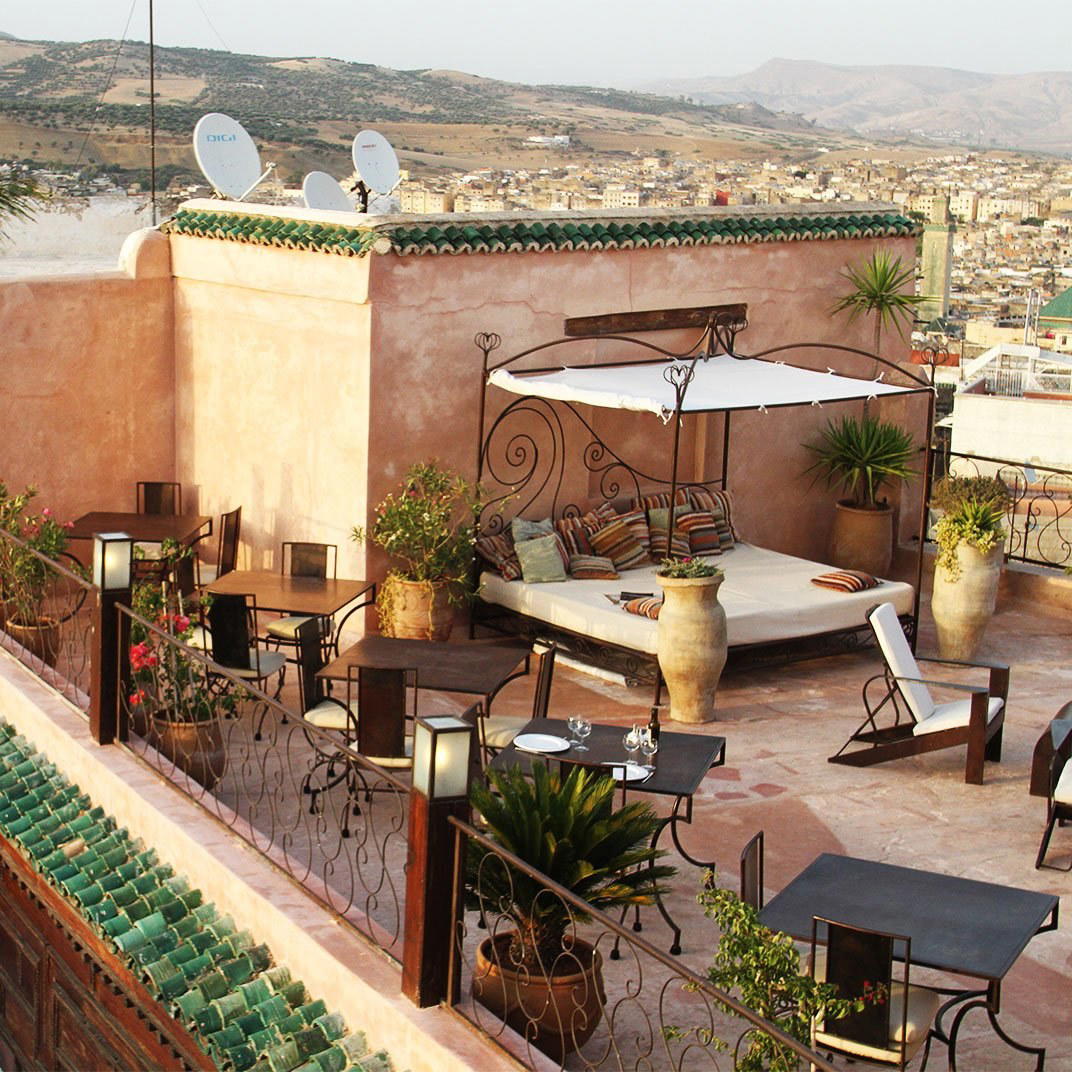
The medina of Fes is listed as a UNESCO World Heritage Site and is frequently cited as the largest car-free urban area in the world. That designation carries real consequences for how you move through it: on foot, through alleyways that narrow to the width of a loaded mule, past tanneries, souks, and Quranic schools operating more or less as they have for centuries. The effect is immersive but cumulative. A riad in this context functions less like a hotel and more like a decompression chamber, the garden at its core designed to slow the nervous system and hold it there.
The Retreat Logic of Riad Architecture
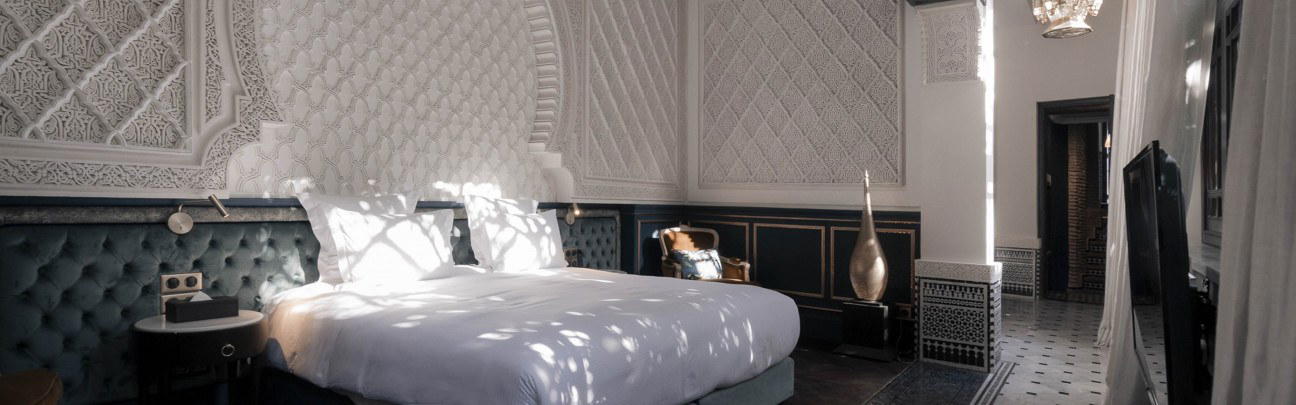
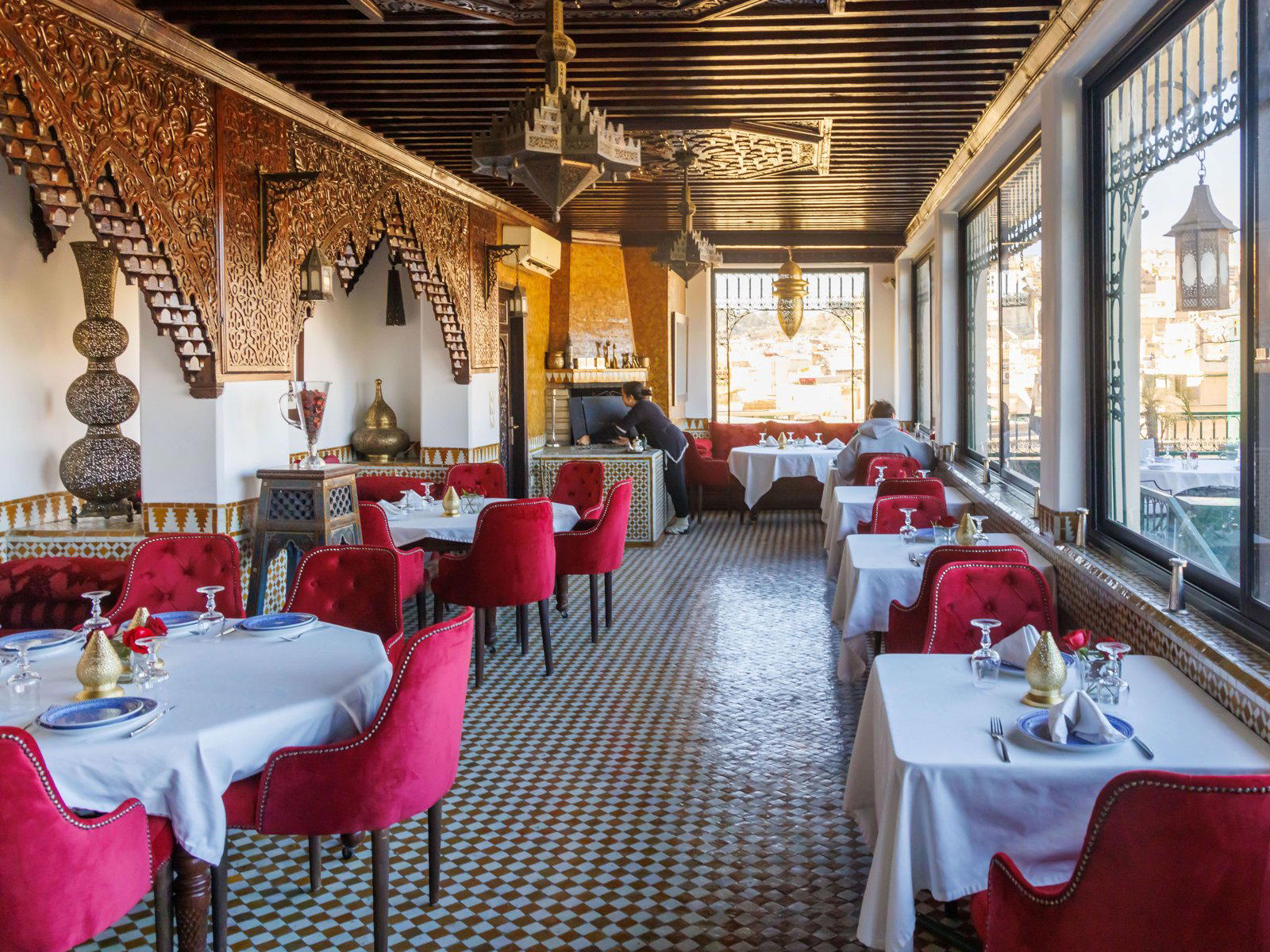
Morocco's premium riad market has split along a now-familiar axis: large, globally marketed properties aimed at design-conscious tourists versus smaller, more discretely run houses that attract guests who prioritise place over amenity count. Riad Jardin des Biehn belongs to the second category. Properties of this type tend to carry fewer rooms, quieter programming, and a design vocabulary drawn from the building's original fabric rather than superimposed onto it. In Fes, that means zellij tilework, carved cedar ceilings, and plasterwork that has taken on the patina of centuries, materials that communicate age without requiring the guest to be told about it.
The riad's name references its garden directly, and in a medina where outdoor space is among the scarcest commodities, a planted courtyard functions as both architectural feature and wellness infrastructure. Historically, the Andalusian garden tradition that informed riad design used water, shade, and aromatic planting, roses, orange blossom, jasmine, as tools of restorative environment. This is not incidental to how the spaces feel; it is the design intention made literal. Comparable properties elsewhere in Morocco, from Jnane Tamsna in Marrakech to Dar Ahlam in Ouarzazate, share this commitment to the garden as experiential centrepiece rather than ornamental backdrop.
Fes as a Wellness Context
Wellness tourism in Morocco has historically concentrated in Marrakech, where purpose-built spa infrastructure at properties like La Mamounia or resort addresses such as Hilton Taghazout Bay drives a particular kind of volume-and-amenity model. Fes operates differently. The city's appeal is intellectual and architectural rather than hedonistic, you come to understand something, not to be pampered through it. The retreat quality available here is a function of depth rather than facility: the medina's pace, its acoustics (the call to prayer, the clatter of a coppersmith, then silence), and the riad's physical enclosure combine to produce something that high-spec spa circuits rarely replicate.
For travellers who have found the Marrakech riad circuit, however polished, too oriented toward the tourist experience rather than the city's own rhythms, Fes presents a counterpoint. The medina here is less curated, the riad stays more embedded in working residential fabric. Fes el-Bali is not a neighbourhood adjacent to a heritage site; it is the heritage site, and a functioning city simultaneously. Staying inside it, in a property like Riad Jardin des Biehn, is a different proposition from staying at a villa development on its perimeter.
Travellers seeking comparison points within Fes itself should note that the city's premium medina accommodation ranges from properties with restaurant programmes and event infrastructure, Palais AMANI operates at that scale, to smaller houses like Dar Roumana, which carries a noted restaurant alongside its rooms. Hotel Sahrai, an SLH Hotel, sits outside the medina on the hillside above it, offering pool infrastructure and city views that the old city's geometry cannot produce. Each of these addresses a different version of what a Fes stay should feel like; Riad Jardin des Biehn answers the version that prioritises immersion and quiet over amenity range. See our full Fes guide for a broader overview of where these properties sit relative to each other.
Positioning Within Morocco's Riad Tier
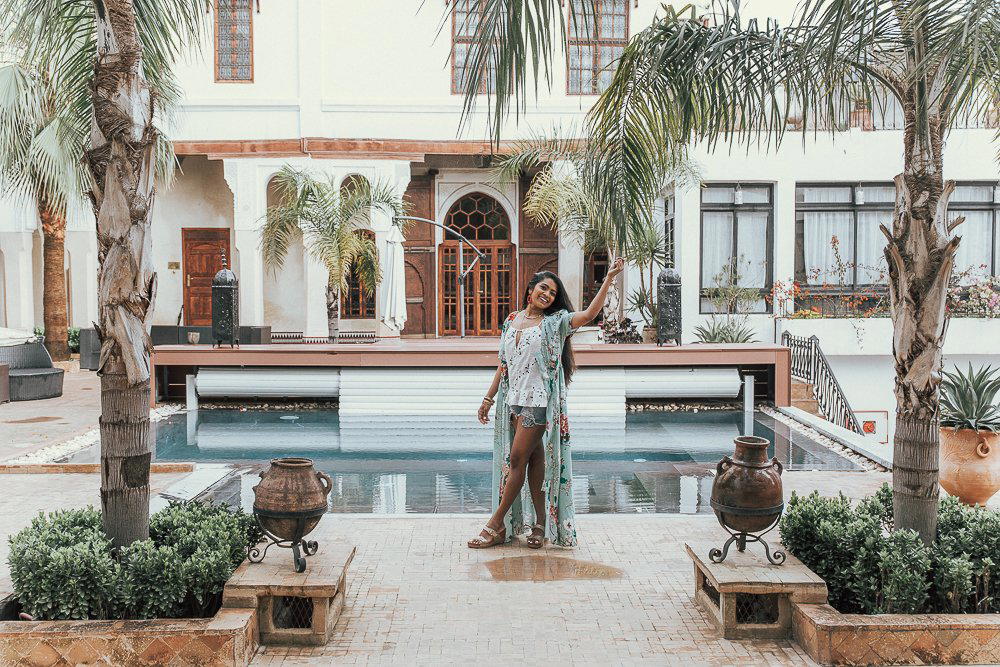
Morocco's boutique riad market now extends well beyond Marrakech and Fes. Dar Maya in Essaouira and Dar al Hossoun in Taroudant represent the southern Atlantic coast's version of this model, while coastal resort development at Banyan Tree Tamouda Bay and large urban hotels such as the Fes Marriott Jnan Palace define a parallel tier oriented around international brand infrastructure. Riad Jardin des Biehn does not compete in that latter tier. Its competitive set is the small, owner-operated riad with an architectural identity rooted in its building, properties where room count is low and the quality of quiet is treated as a measurable amenity.
For international travellers who have stayed at properties like Aman Venice, where historic building fabric is the primary luxury signal, the logic of Riad Jardin des Biehn will read clearly. The proposition is not amenity density but architectural access: the chance to sleep inside a structure that has shaped daily life in the same neighbourhood for centuries.
Planning Your Stay
Fes el-Bali is leading approached in the cooler months. Spring (March to May) and autumn (September to November) offer temperatures that make the medina walkable for extended periods; summer afternoons in the old city can reach levels that make outdoor movement genuinely difficult. The riad's garden and interior courtyard are more than aesthetic features in this context, shaded, ventilated interior space is a functional asset in July and August. Booking directly and well in advance is advisable for spring visits particularly, as demand for the smaller medina properties concentrates in the same windows. Access to the address at 13 Akbat Sbaa Douh requires navigating on foot through the medina; most properties of this type arrange local guidance for first-time arrivals, which is the practical norm rather than an exception.
Travellers building a wider Morocco itinerary sometimes pair a Fes stay with the Atlantic coast, moving between Fairmont La Marina in Rabat or Fairmont Tazi Palace in Tangier to bracket a medina-focused stay. That itinerary logic works: Fes provides the historical depth, the coastal properties the decompression afterward.
Where the Accolades Land
| Venue | Awards |
|---|---|
| Riad Jardin des BiehnThis venue — the venue you are viewing | This venue |
At a Glance
- Romantic
- Elegant
- Quiet
- Scenic
- Romantic Getaway
- Honeymoon
- Anniversary
- Weekend Escape
- Garden
- Historic Building
- Terrace
- Destination Spa
- Pool
- Spa
- Restaurant
- Bar
- Wi Fi
- Room Service
- Massage
- Golf Course
- Garden
- Pool
- Spa
- Restaurant
- Bar
- Wi Fi
- Room Service
- Massage
- Golf Course
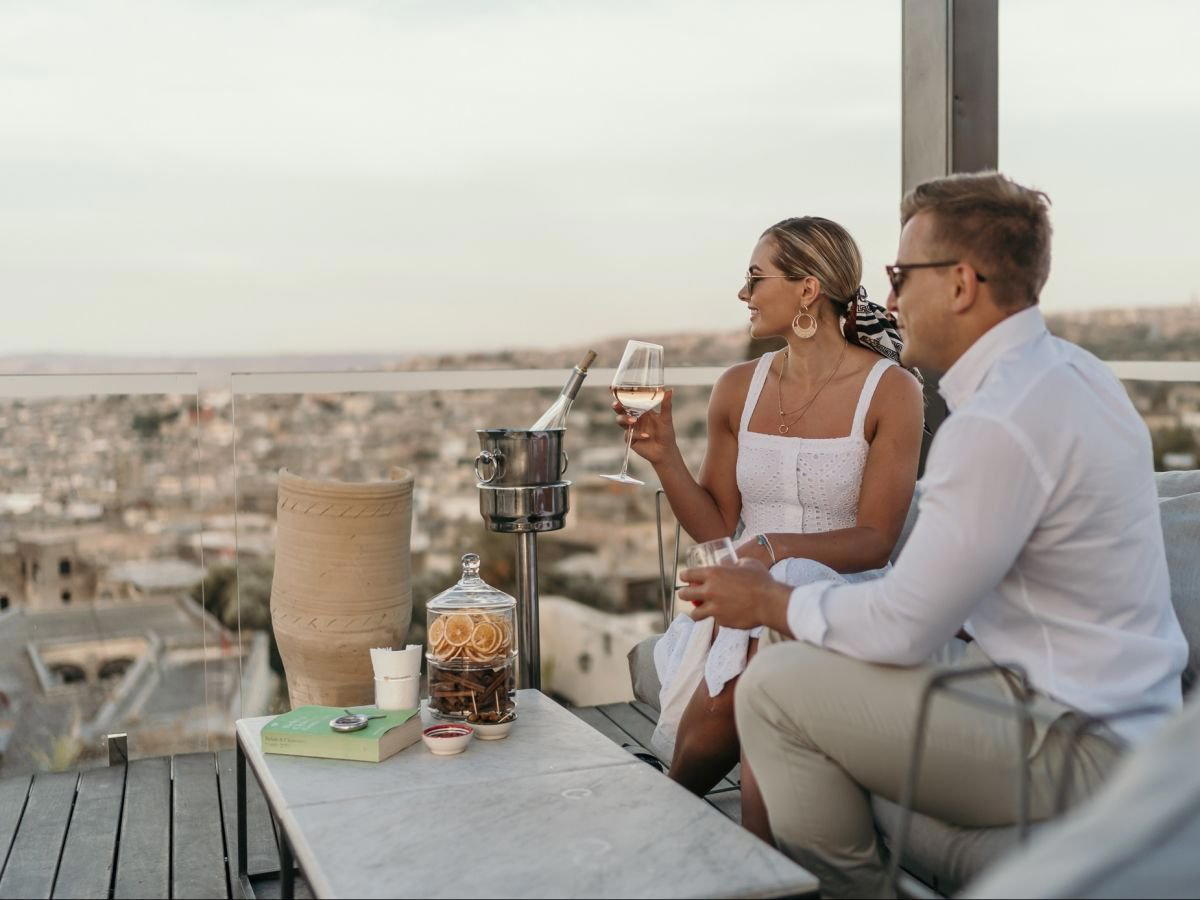
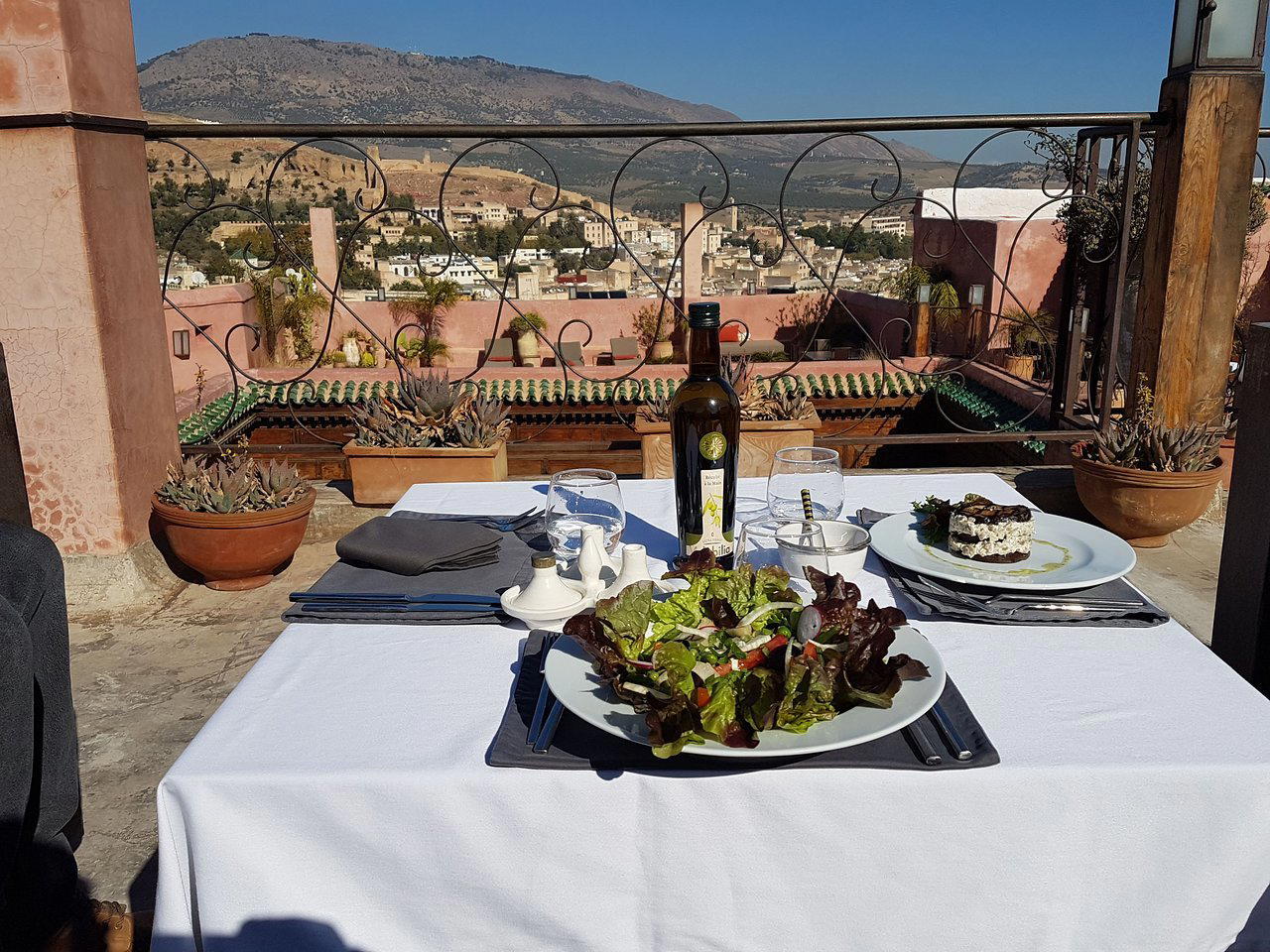
Serene and atmospheric with soft lighting filtered through palms, lulled by birdsong and fountain murmurs, blending French design with Moroccan style in a tranquil garden setting.
Know Before You Go
- Getting there
- 13 Akbat Sbaa Douh, Fes 30110, Morocco