
A Michelin Selected riad in the heart of Fès el-Bali, Riad El Amine Fes occupies a restored traditional courtyard house at 94-96 Bouajjara, positioning it inside the medina's compact tier of design-led heritage stays. The selection places it in a comparable set defined by architectural integrity and intimate scale rather than resort-style amenity, making it a reference point for visitors prioritising authentic spatial character over branded comfort.
Pearl is the En Primeur Club membership app — saves, bookings, and concierge access live there. Same editors, same standards.
- Address
- 94-96 Bouajjara, Derb Majmaa Doula, Fes 30000, Morocco
- Phone
- +212 5 35 74 07 50
- Website
- riadelaminefes.com
- Directions
- Get directions
 Saves & bookings on Pearl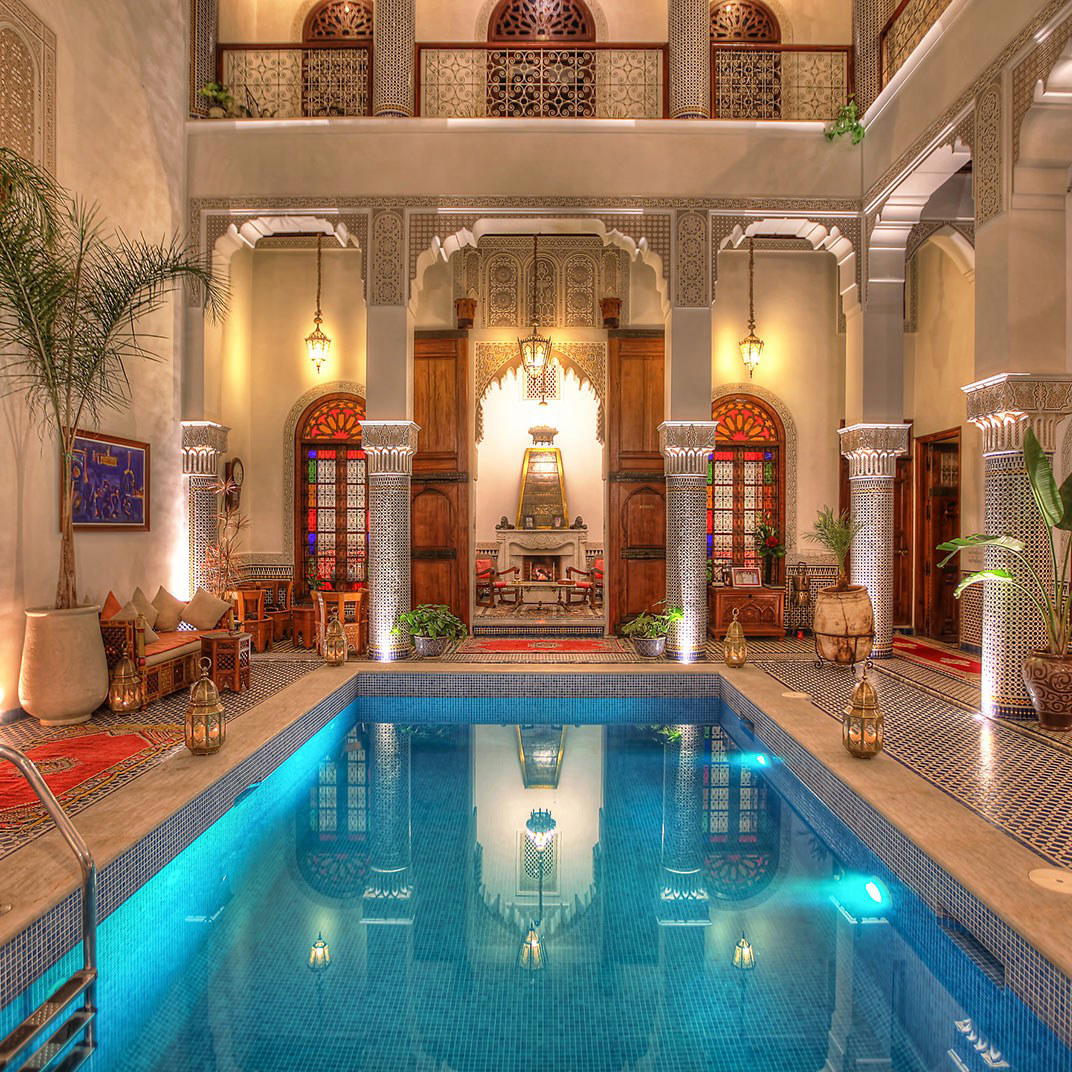
Stone, Stucco, and the Logic of the Courtyard
Arriving at a Fès riad requires a kind of spatial surrender. The city's medina, classified as a UNESCO World Heritage Site and among the more intact medieval urban fabrics in the Arab world, gives almost nothing away from the street. Blank walls, unmarked doorways, and lanes too narrow for motorised traffic characterise the approach to properties like Riad El Amine Fes on Derb Majmaa Doula in the Bouajjara quarter. The address number, 94-96, does little to signal what waits behind the threshold. That architecture of concealment is not accidental, it is the foundational design principle of the Moroccan riad form, and Fès preserves it more faithfully than almost any comparable medina city.
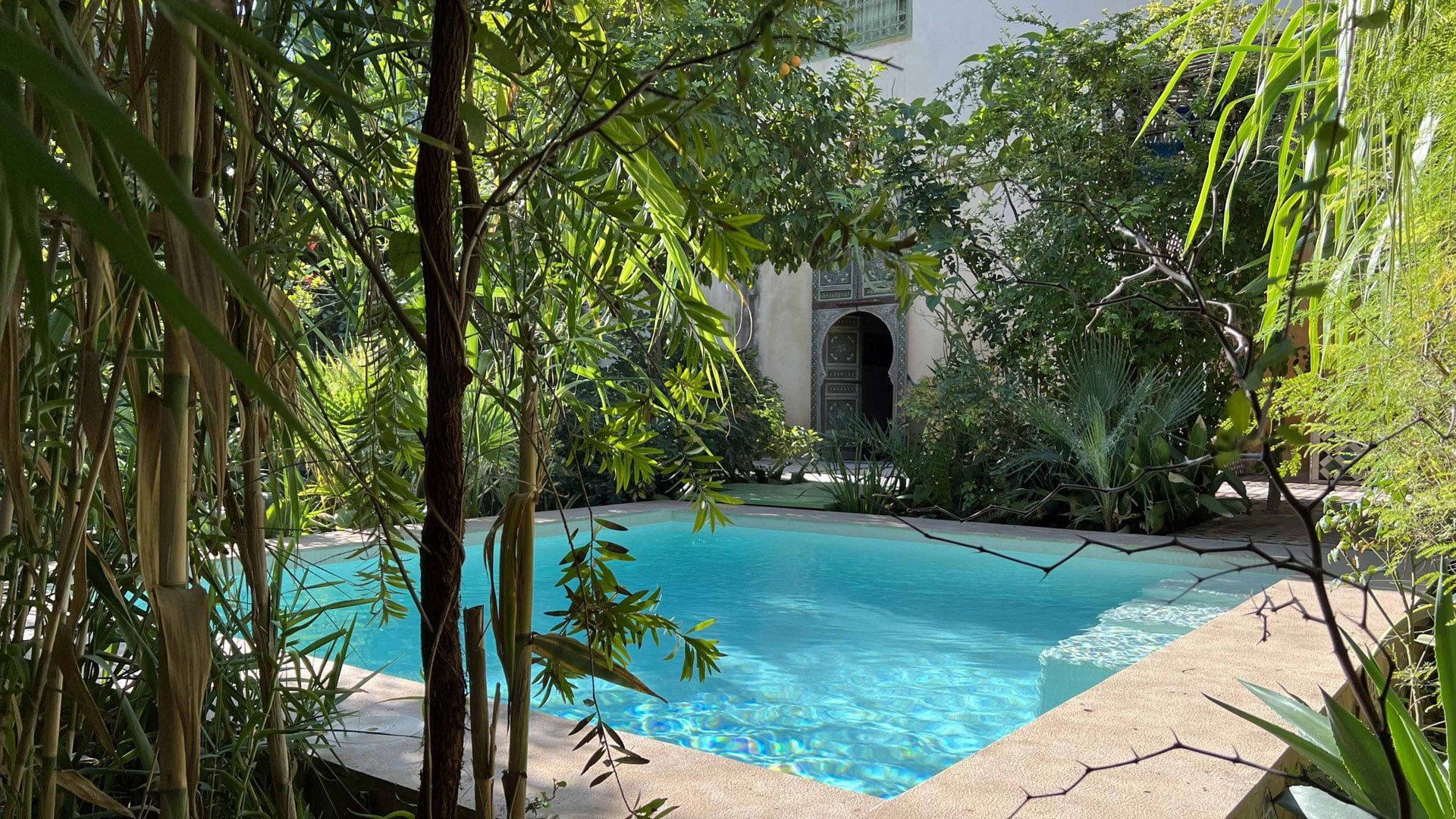
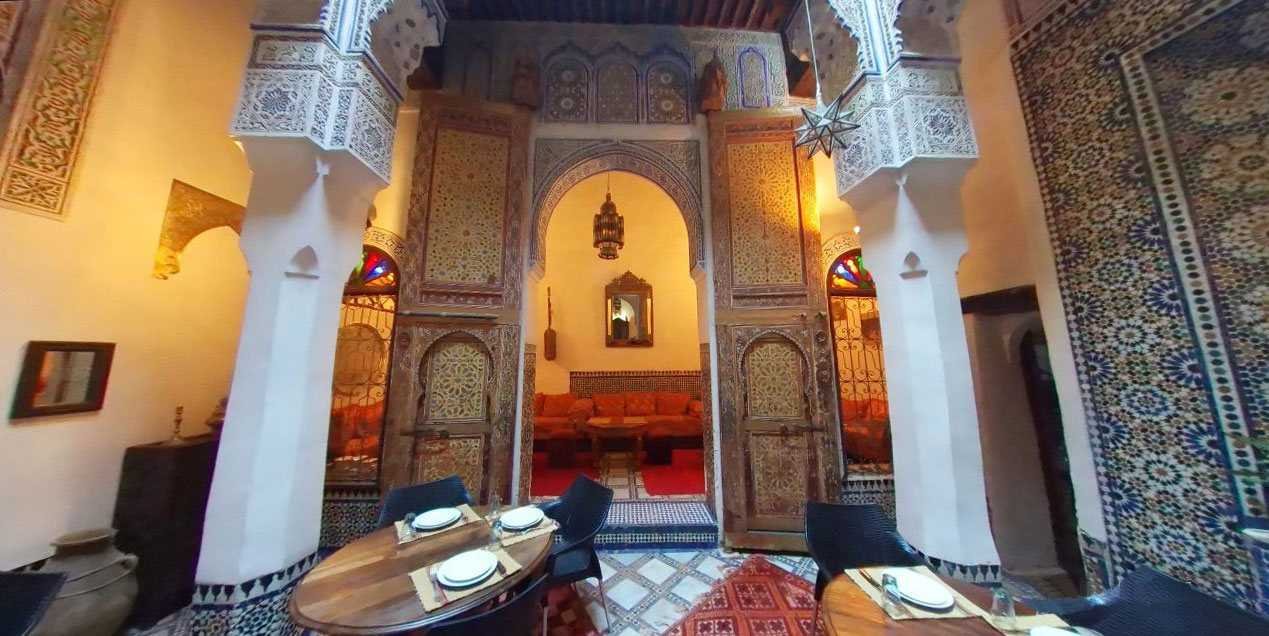
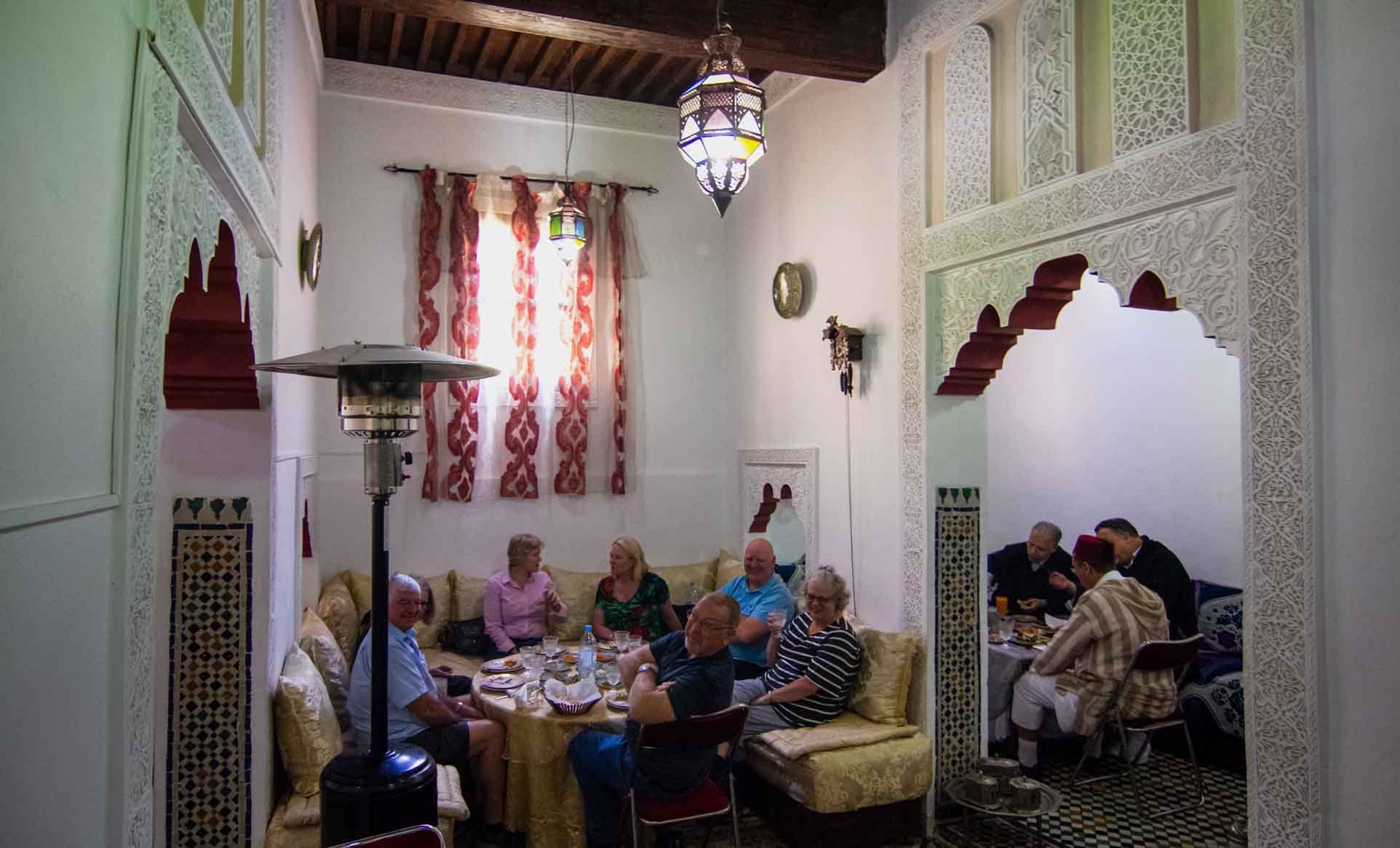
The riad typology inverts the Western logic of the hotel facade. Presence is declared inward: to the central courtyard, the carved stucco panels, the zellige tilework at the base of columns, the sound of water from a basin that anchors the plan. What a visitor encounters upon entering is not a lobby designed for impression management but a domestic architecture refined over centuries for climate, privacy, and the particular rhythms of courtyard life. Michelin's 2025 hotel selection acknowledged Riad El Amine Fes within this context.
Where Riad El Amine Fes Sits in the Fès Accommodation Spectrum
Fès has developed a distinct internal hierarchy among its riad properties. At one end sits a small group of extensively restored palaces repositioned as luxury stays: Palais AMANI, Palais Faraj Suite & Spa, and Riad Fès occupy this tier, with amenity stacks that include spas, rooftop terraces with city views, and formal dining. At the other end, budget-facing guesthouses operate out of minimally restored traditional structures. Riad El Amine Fes positions between these poles, in the bracket occupied by properties selected for architectural character and considered restoration rather than for scale or branded service architecture.
That mid-tier, design-attentive category has grown substantially across Morocco over the past decade. In Marrakech, it runs from smaller courtyard properties up to reference addresses like La Mamounia. The same pattern applies in Fès, where the medina's density and heritage protections make large-scale development difficult, keeping the inventory concentrated in intimate formats. Dar Roumana and Karawan Riad occupy neighbouring positions in this tier. For visitors specifically interested in architectural character, the Bouajjara quarter where the hotel sits places the property within walking distance of some of the medina's most concentrated craft and heritage streets.
The Architecture of the Medina as Context
Understanding what distinguishes the hotel requires understanding what distinguishes Fès el-Bali itself. Founded in the ninth century, the medina predates the systematic urban planning of most European cities. Its organic street layout, its concentration of craft guilds in specific quarters, and its density of mosques, madrasas, and fountains make it structurally unlike the partially modernised medinas of Casablanca or even Tangier. The Bou Inania Madrasa, the Chouara tanneries, and the Al-Qarawiyyin mosque and university complex sit within the medina fabric, and properties in the surrounding quarters inherit that context by proximity.
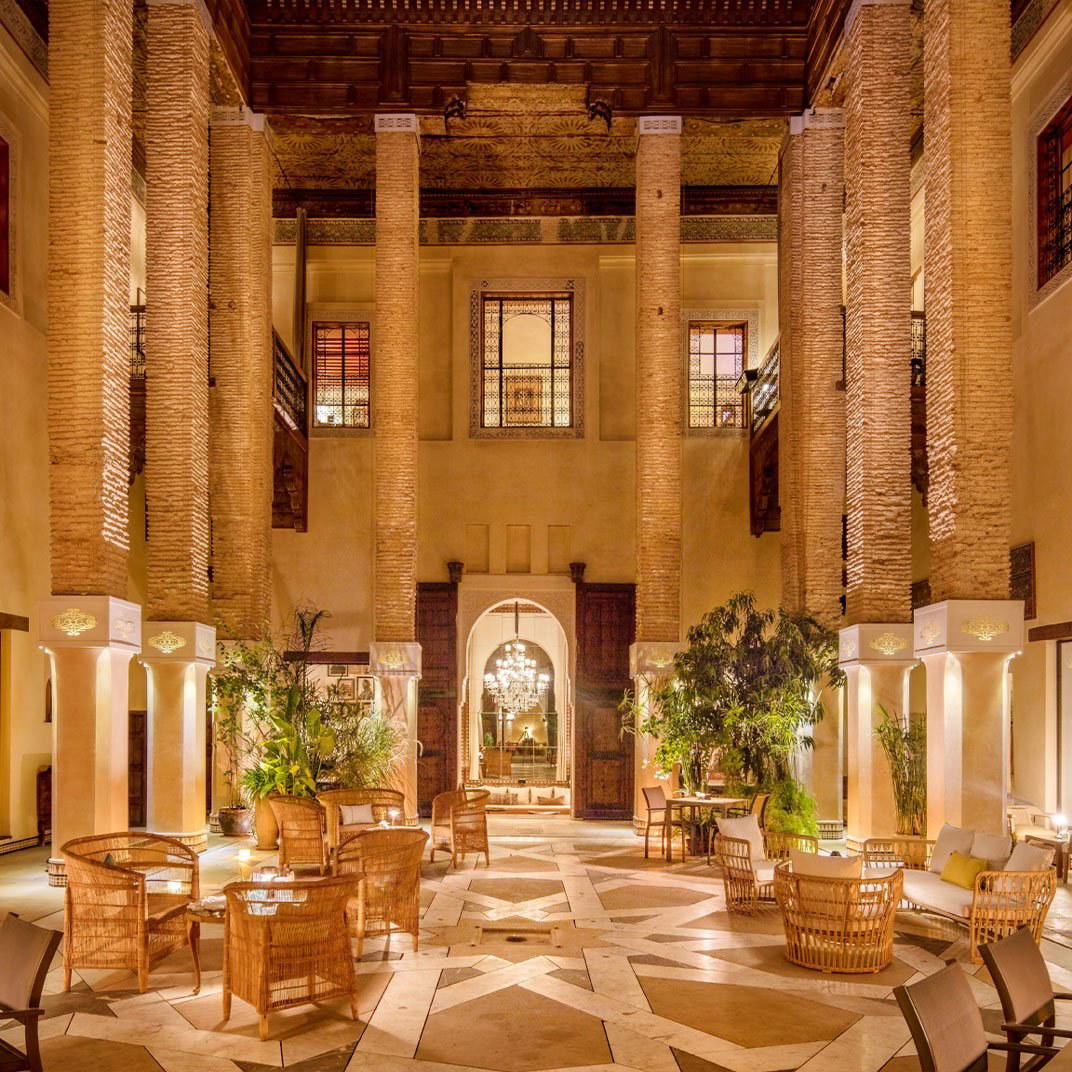
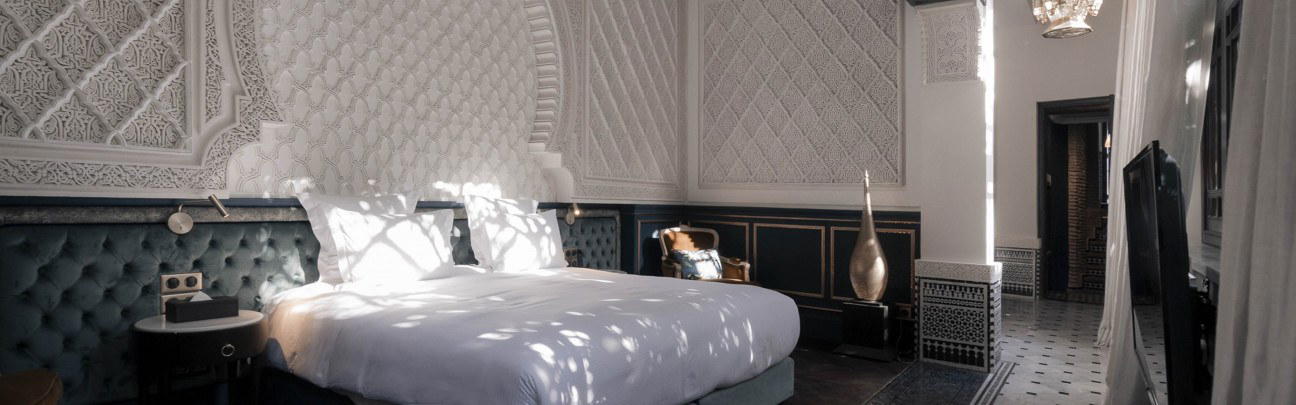
Riad architecture within this fabric uses a consistent material vocabulary: hand-cut zellige tile, carved cedar wood, tadelakt plaster, and wrought iron. The quality of restoration in any given property is readable through these elements. Rough zellige work, simplified stucco carving, and mass-produced fittings signal cost-cutting. Careful geometric tile alignment, layered plasterwork, and the depth of carved arabesque patterns signal the opposite. Michelin's selection methodology for hotels does not publish detailed scoring criteria, but the properties chosen across Morocco in 2025 consistently demonstrate attention to this material register. The hotel's inclusion in that list implies a standard of restoration and spatial presentation that sets it apart from the medina's generic guesthouse inventory.
For comparison, other Morocco properties earning Michelin hotel selection include addresses across price tiers and geographies, from Dar Azawad in M'hamid to Dar Ahlam in Ouarzazate. The common thread is not price but a coherent design position and a quality of experience not achievable through formula. The hotel fits that frame within the Fès medina context.
Staying in the Medina: Practical Realities
A stay at the hotel involves logistical considerations that apply across the medina category. Vehicles cannot reach the address directly; guests arriving by taxi or private transfer will need to walk the final portion through lanes that are often less than two metres wide. This is not a drawback particular to this property but a structural feature of all medina riads. For Hotel Sahrai and Fes Marriott Jnan Palace, both of which sit outside the medina walls, direct vehicle access and conventional hotel infrastructure are available as alternatives for travellers who prioritise that convenience.
The Bouajjara address places the hotel in the southern portion of Fès el-Bali, close to the tanneries quarter and the main craft souks. Mornings are the preferred time for both the tanneries and the busier market streets, before tour group traffic consolidates. The medina's character shifts meaningfully between early morning, afternoon, and evening, and staying inside its fabric allows that full temporal range rather than the compressed visit typical of day-trip access from a hotel outside the walls.
Booking details, room count, and pricing are not published in the available record. For Fès properties in the same general tier, Riad Mayfez Suites & Spa and Pool & Club R.A.D.E.F represent adjacent options worth comparing on format and available amenity. The full Fès guide covers the wider accommodation and dining context across the city's distinct zones.
Morocco's Broader Design-Led Stay Circuit
For travellers constructing a Morocco itinerary around design-attentive properties rather than chain infrastructure, Fès functions as the historically dense counterpoint to Marrakech's more polished riad circuit. Properties like Dar Assiya in Marrakech, Villa de l'O in Essaouira, and Kasbah Tamadot in Asni each represent distinct regional expressions of the same underlying tradition: architecture as the primary hospitality argument. The hotel participates in that tradition from its position inside among the more architecturally consequential medinas in North Africa.
The wider Moroccan property set that draws Michelin selection also includes coastal formats like Sofitel Tamuda Bay, resort-scale addresses like Mazagan Beach & Golf Resort, and urban palace conversions like Fairmont Tazi Palace Tangier. Against that range, the medina riad format that hotel represents occupies one spatially specific end of the spectrum, where the architecture of the building and its neighbourhood context are genuinely inseparable from the stay itself.
Comparison Snapshot
Comparable venues nearby, for context on price, style, and recognition.
| Venue | Cuisine | Price | Awards | Notes |
|---|---|---|---|---|
| Riad El Amine FesThis venue — the venue you are viewing | traditional Moroccan palace | $$$$ | 5-Star | Not listed |
| Palais Faraj Suite & Spa | Luxury boutique palace hotel blending 19th-century Moroccan architectural heritage with contemporary comfort and service. | $$$$ | 5-Star | Bab Ziat, Fes El Bali |
| Palais AMANI | Historic riad palace with central garden oasis | $$$$ | 5-Star | Medina |
| Hotel Sahrai, an SLH Hotel | Contemporary Moroccan luxury on human scale | $$$$ | 5-Star | Ville Nouvelle |
| Fes Marriott Jnan Palace | Luxurious urban palace with beautiful gardens and modern Moroccan elegance. | $$$$ | 5-Star | Ville Nouvelle |
| Riad Jardin des Biehn | Luxury heritage riad housed in a restored 19th-century Pasha's palace with contemporary comfort integrated into traditional Moroccan architecture. | $$$$ | 4-Star | Fes El Bali (Medina) |
Recognition history
Dated appearances from independent guides and award organizations, with the underlying list record or original source where available.
Michelin Selected
Michelin
Continue exploring
More in Fès
Hotels in Fès
Browse all →
Bars in Fès
Browse all →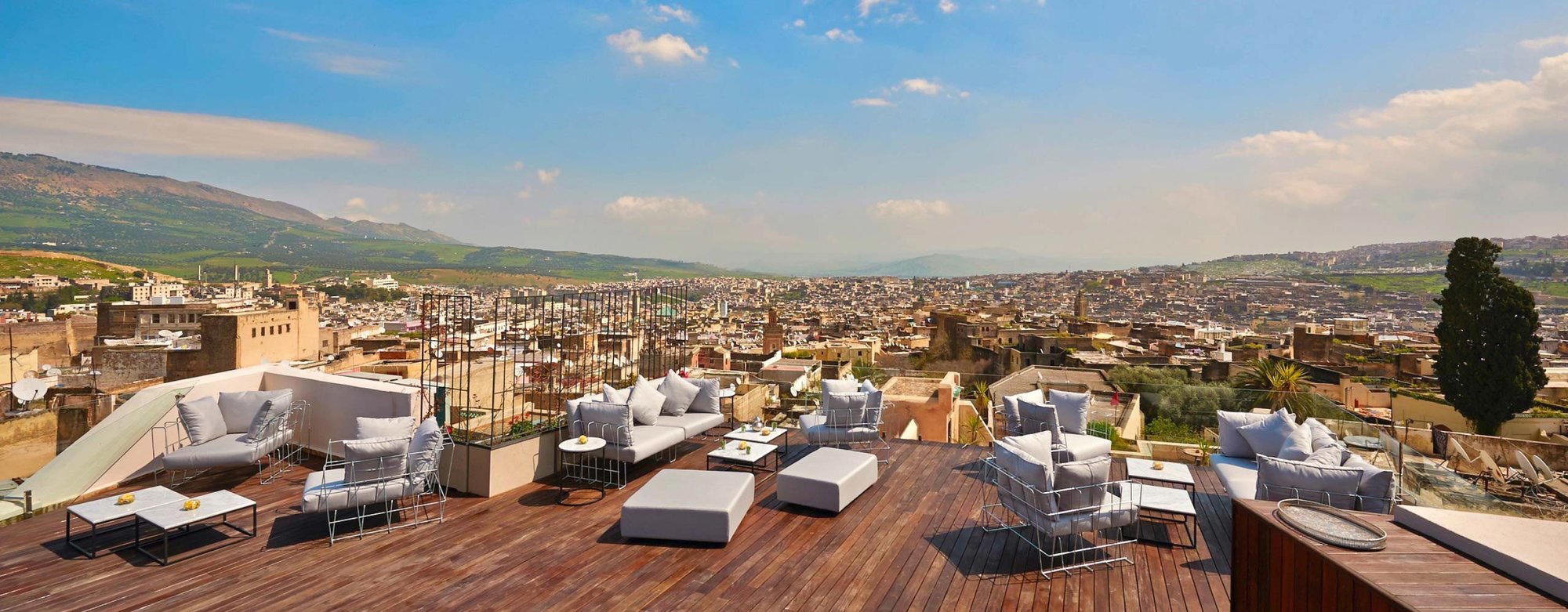
Restaurants in Fès
Browse all →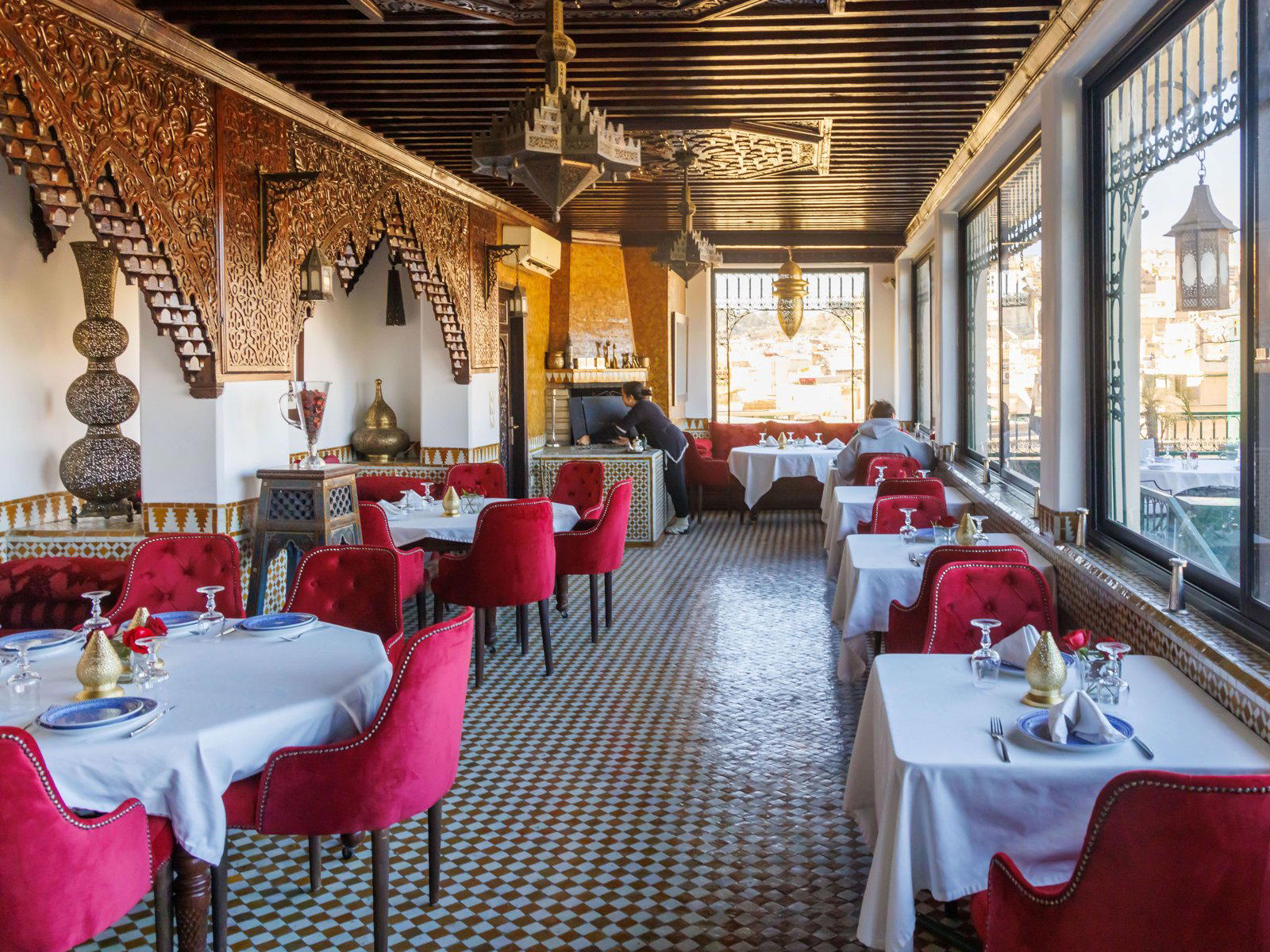
At a Glance
- Romantic
- Elegant
- Cozy
- Intimate
- Sophisticated
- Ornate
- Honeymoon
- Romantic Getaway
- Anniversary
- Wellness Retreat
- Historic Building
- Terrace
- Wi Fi
- Pool
- Spa
- Fitness Center
- Room Service
- Concierge
- Garden
- Wi Fi
- Pool
- Spa
- Fitness Center
- Room Service
- Concierge
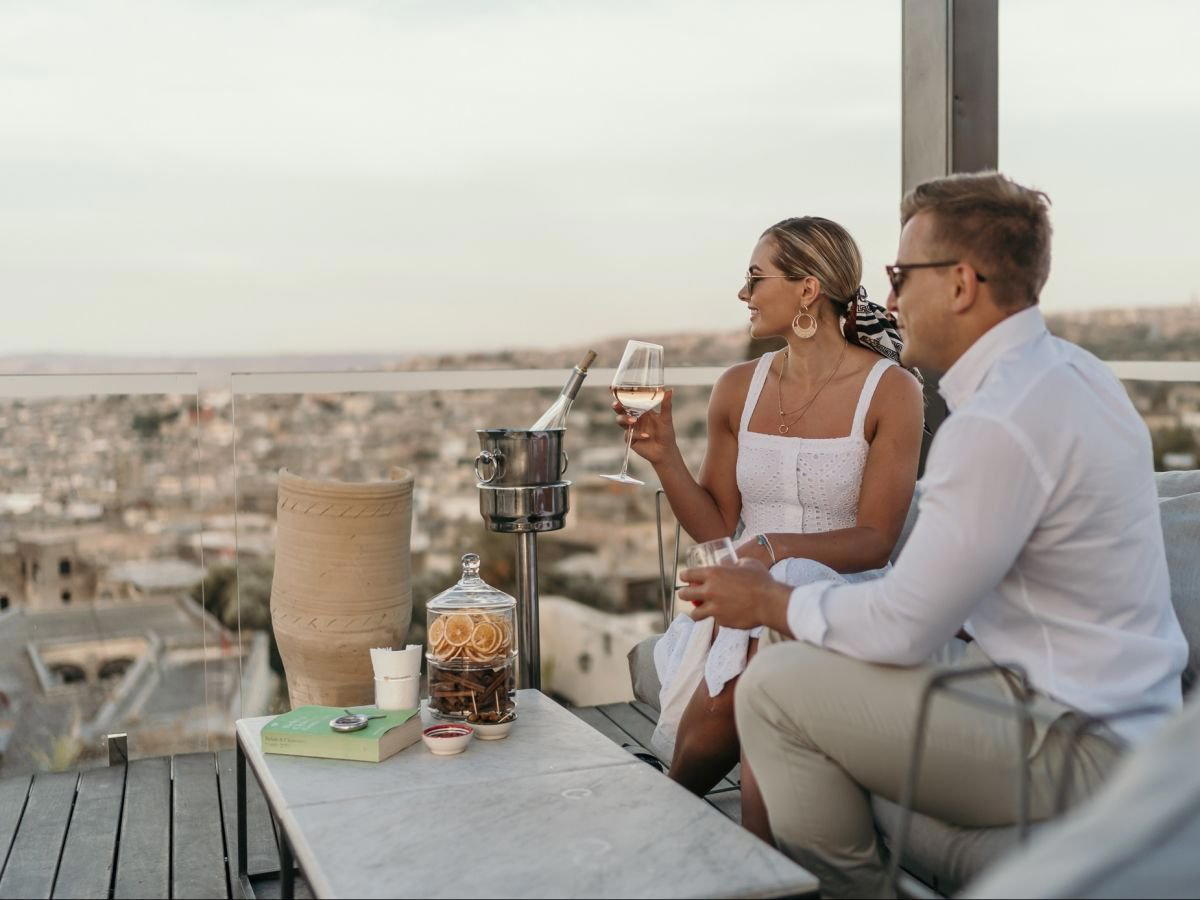
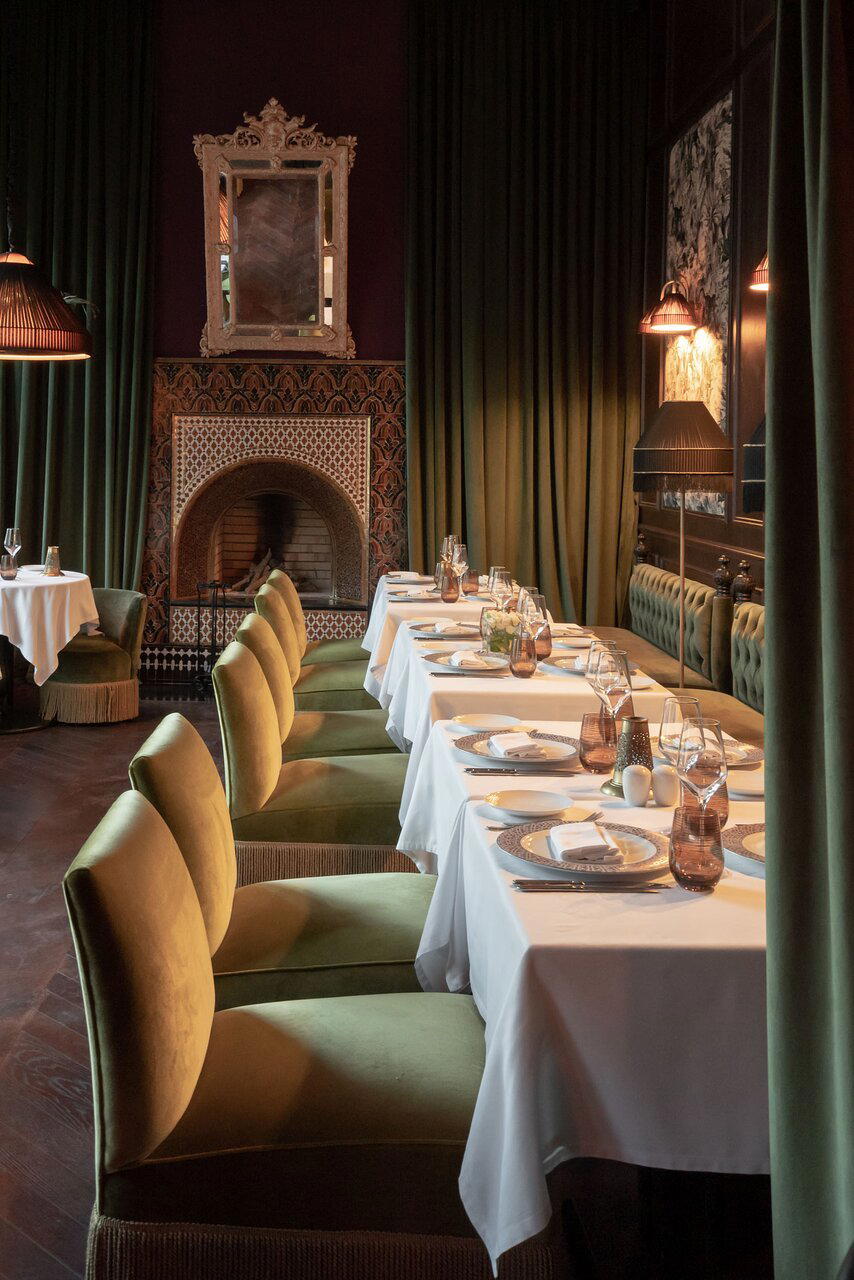
Serene and tranquil with rich warm lighting, intricate tilework, and arabesque designs creating an elegant nostalgic Moroccan atmosphere.