Dar Roumana occupies a restored riad at 30 Derb El Amer in the Fes Medina, positioning itself within the city's tradition of courtyard dining where Andalusian architecture and classical Moroccan cooking converge. The address places it deep inside the old city's residential fabric, a location that separates it from the tourist-facing establishments near Bab Bou Jeloud. Advance booking is advisable for dinner sittings.
Pearl is the En Primeur Club membership app — saves, bookings, and concierge access live there. Same editors, same standards.
- Address
- 30 Derb El Amer, Zkak Roumane, Fez Medina 30110, Morocco
- Phone
- +212 5357 41637
- Website
- darroumana.com
- Directions
- Get directions
 Saves & bookings on Pearl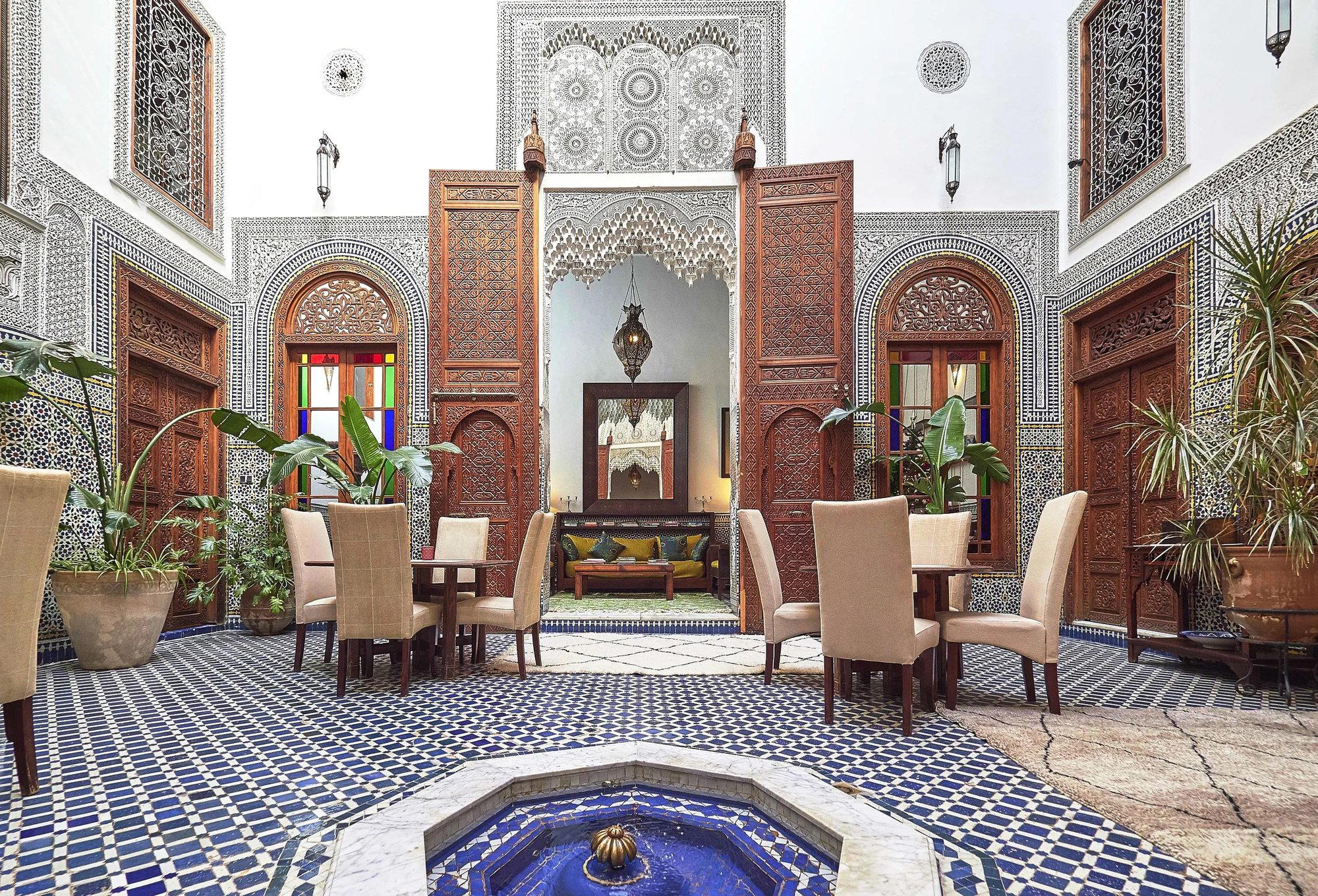
Riad Dining in Fes: What the Format Tells You Before You Sit Down
The riad restaurant format is older than any single establishment that practices it. In Fes, where the medina has been continuously inhabited for over twelve centuries, the courtyard house was never purely domestic: it absorbed guests, hosted negotiations, and organized hospitality around a central open space designed to regulate light, temperature, and social order simultaneously. When a riad converts to a restaurant, it inherits all of that spatial logic. The fountain, the zellige tilework, the carved cedar above the arches, these are not decorative choices made for visitors. They are the building itself, and the cooking that happens inside them has always been understood as part of the same cultural expression.
Dar Roumana sits at 30 Derb El Amer, in the Zkak Roumane quarter of the Fes Medina. The address is not incidental. This part of the old city is residential in character, meaning the approach involves narrowing lanes, the occasional donkey loaded with goods, and the gradual disappearance of any signage recognizable to outsiders. That navigational friction is, in a sense, the first course. The medina does not organize itself around visitor convenience, and the restaurants that operate deepest inside it tend to attract a clientele willing to make the effort.
The Cultural Weight of a Moroccan Kitchen
Classical Moroccan cooking is one of the more technically demanding traditions in the Mediterranean and North African arc. The spice architecture alone, ras el hanout, preserved lemon, saffron used with genuine restraint rather than as a colorant, reflects centuries of trade route influence, Andalusian refinement, and Berber agricultural knowledge. Fes has historically been the city most associated with the haute bourgeois expression of that tradition: the fassi kitchen, as it's known, is regarded within Morocco as the country's most refined culinary register, the one that other cities measure themselves against.
That context matters when assessing what a riad restaurant in the Fes Medina is attempting. The leading examples are not performing Moroccanness for an international audience; they are working within a living culinary tradition that predates the tourism economy by several hundred years. The comparison set for Dar Roumana is therefore not simply other restaurants in Fes, it extends to the broader conversation about how Moroccan fine dining is being practiced and preserved across the country, from La Grande Table Marocaine at Royal Mansour in Marrakesh to Andalus in Tangier, where the Andalusian inheritance is made explicit in the room and on the plate.
Fes Medina's Dining Tier: Where Dar Roumana Sits
The medina restaurant scene in Fes operates across a wide range of registers. At the accessible end, places like Cafe Clock have built a reputation for approachable pricing and cross-cultural programming that draws younger travelers and language students. Further along the spectrum, Darori and Berrada represent the more considered end of the local dining offer. L'Amandier occupies a position that leans into the riad-terrace experience as much as the cooking itself.
Dar Roumana's address and riad format place it in the upper-middle tier of the Fes dining scene: the category that draws visitors willing to book ahead, pay above street-level prices, and engage with a more considered service rhythm. This tier is smaller than it might appear from the outside. The medina has hundreds of guesthouses and dozens of restaurants, but the number operating with consistent kitchen quality and trained front-of-house in a genuinely historic building is considerably more limited.
Across Morocco more broadly, the riad-restaurant model has developed in different directions depending on city and investment level. The Royal Mansour properties, in Casablanca and Marrakesh, represent what happens when the format is scaled up with significant capital and international kitchen talent. Smaller, independently operated riads like Dar Roumana operate with a different logic: the building is the credential, and the cooking is expected to match the architecture rather than overshadow it.
What the Room Signals About the Food
In riad dining, the physical environment and the culinary tradition are not separate experiences layered on top of each other. The architecture of a medina house was designed around communal eating: the large central courtyard was a gathering space, the kitchen was organized around slow cooking methods suited to the building's airflow and shade patterns, and the hierarchy of rooms reflected the formality of the occasion. A restored riad that takes its building seriously tends to cook with the same degree of attention, the two things are culturally linked in ways that visitors occasionally miss.
The fassi kitchen that would have operated in a house like Dar Roumana historically involved long-cooked tagines, pastilla (the flaky pigeon or chicken pie dusted with cinnamon and powdered sugar that remains one of Morocco's most technically demanding preparations), harira, and an array of cooked salads served as a collective opening rather than individual starters. These dishes are not simplified or abbreviated versions of something more complex: they are already the complex form, and the skill lies in executing them with the right spice ratios and the patience that the slow-cook methods demand.
Other riad dining options across Morocco, from Le Salon Oriental in Essaouira to Gayza in Fès, demonstrate the range of interpretations currently being applied to this tradition: some lean toward contemporary plating conventions, others maintain the communal service style that the architecture implies. Particularly coherent examples are those where the approach to cooking and the character of the building are in alignment rather than in tension.
Planning Your Visit
Reaching 30 Derb El Amer requires either a local guide, a reliable offline map, or the willingness to ask multiple residents for directions, the Zkak Roumane quarter is not served by vehicle traffic, and street names in the medina are inconsistently signposted. The standard approach is to enter the medina via one of the main gates near the Rcif area and navigate on foot from there; allow more time than you think you need. Advance booking is advisable, especially for dinner: riad restaurants in this tier operate limited sittings, and the buildings themselves constrain capacity in ways that a purpose-built restaurant would not. Contact via the riad directly is the expected method.
Booking and Cost Snapshot
Comparable venues nearby, for context on price, style, and recognition.
| Venue | Cuisine | Price | Notes |
|---|---|---|---|
| Dar RoumanaThis venue — the venue you are viewing | Medina, Franco-Moroccan Fusion | $$$$ | Not listed |
| Cafe Clock | Medina, Moroccan Fusion Cafe | $$ | Not listed |
| L'Amandier | Quartier Ziat, Refined Fassi Moroccan | $$$$ | Not listed |
| NUR | Medina, Modern Moroccan Fine Dining | $$$$ | Not listed |
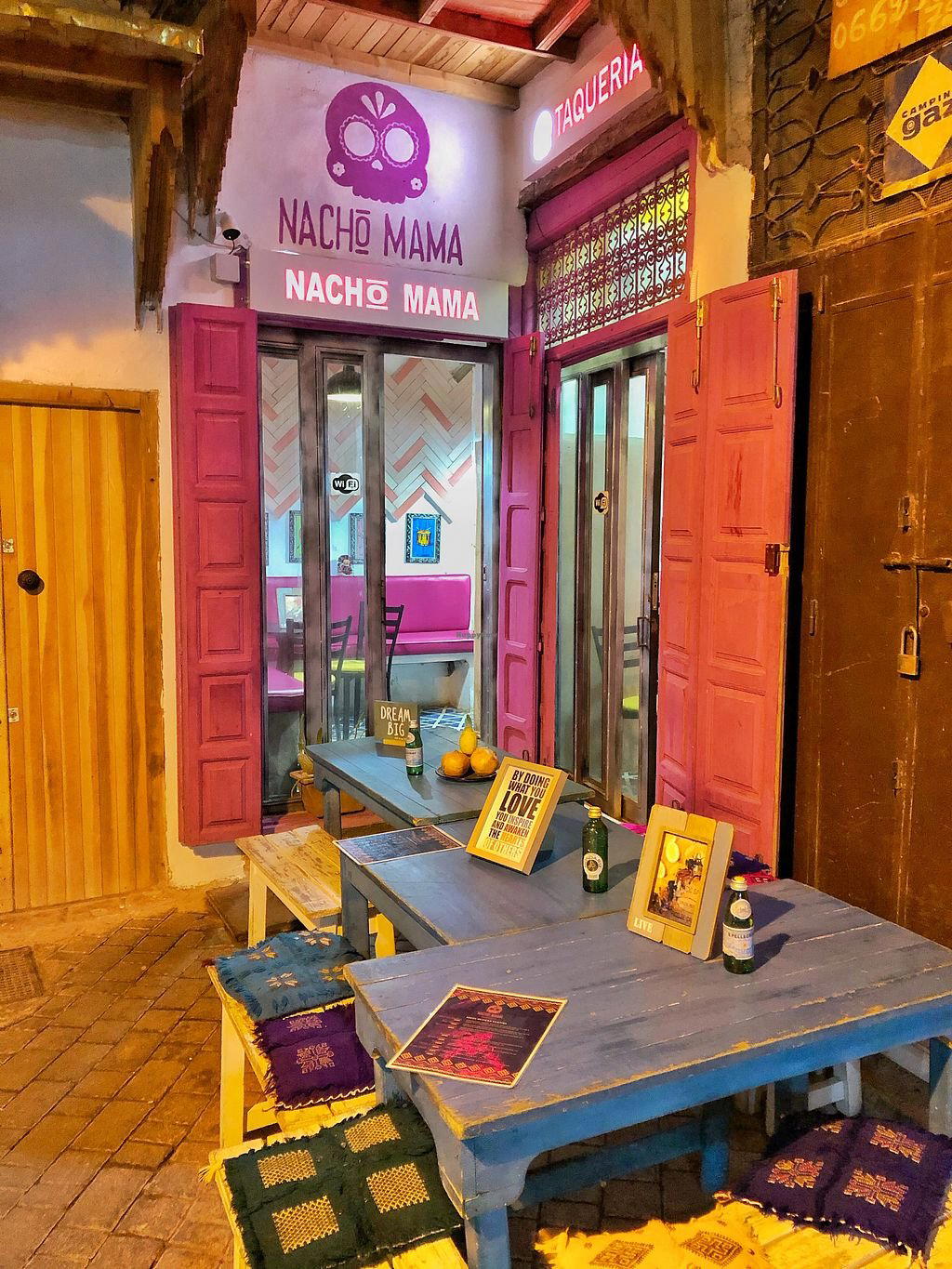
| Nachō Mama Restaurant | Fes Medina, Mexican | $$ | Not listed |
| Berrada | Not listed | $$ | Fes Medina, Traditional Moroccan Home Cooking |
Continue exploring
More in Fès
Bars in Fès
Browse all →
At a Glance
- Romantic
- Intimate
- Elegant
- Cozy
- Sophisticated
- Date Night
- Special Occasion
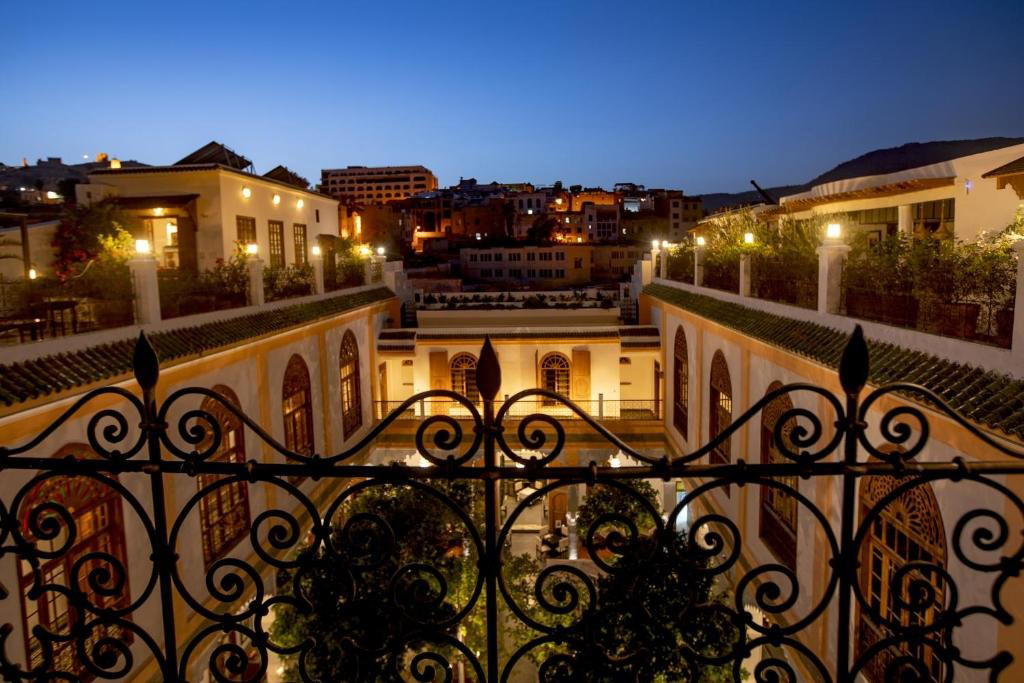
- Courtyard
- Historic Building
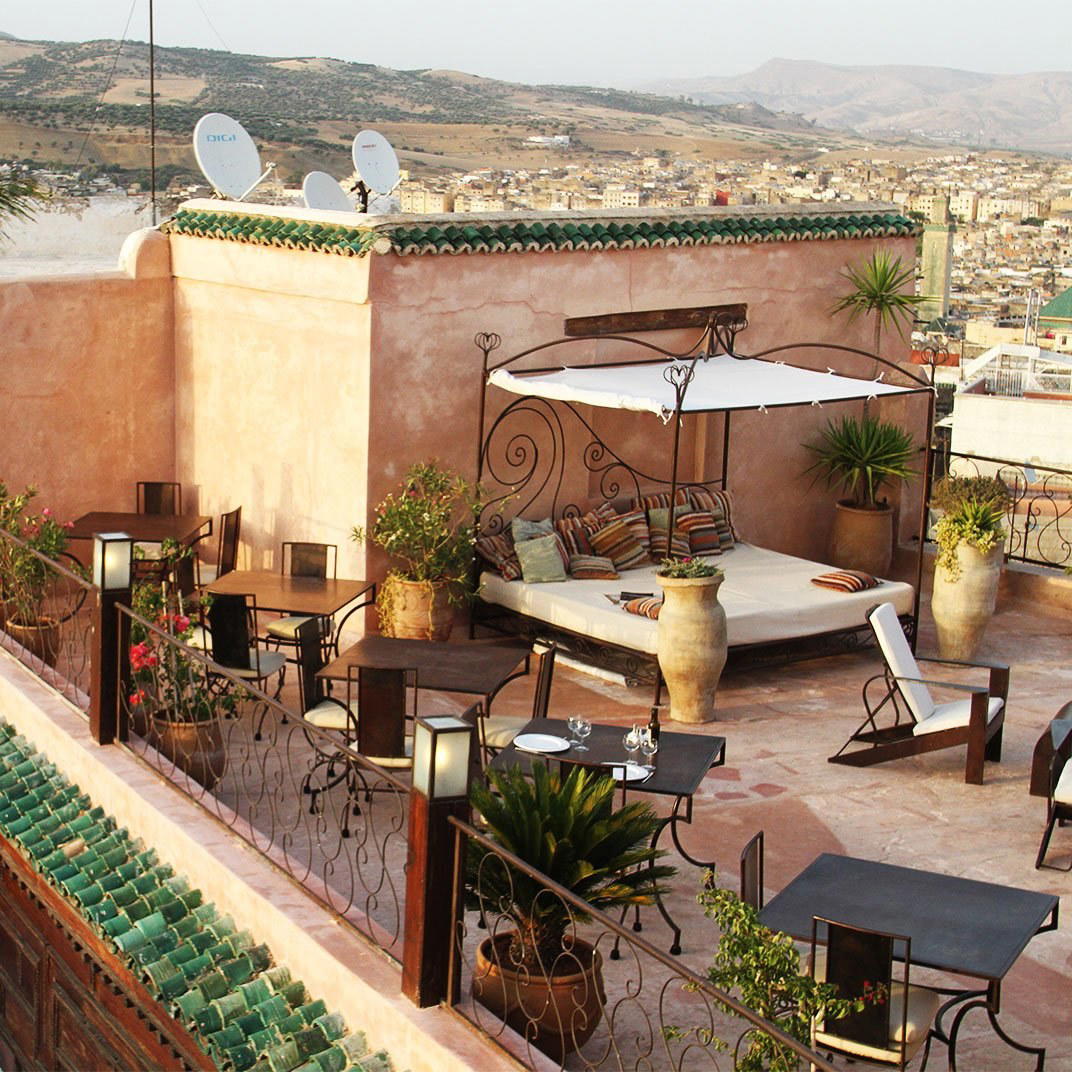
- Terrace
- Local Sourcing
- Skyline
- Street Scene
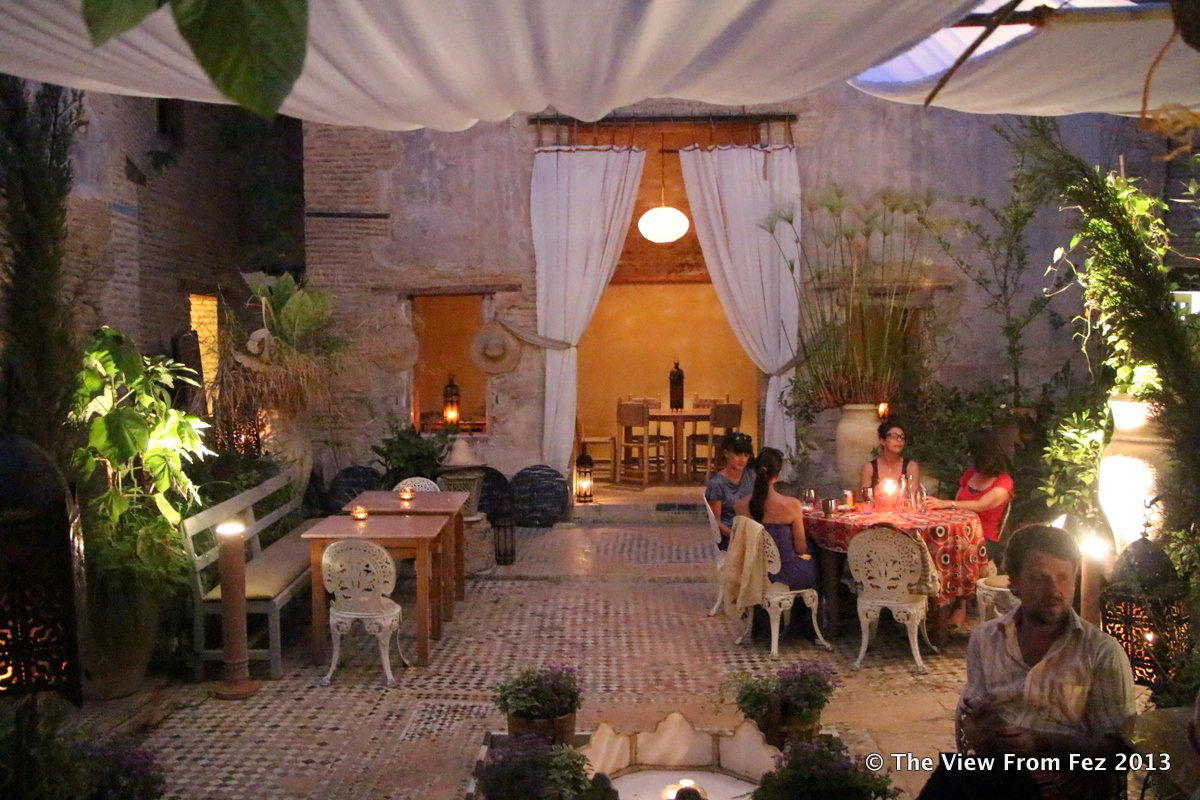
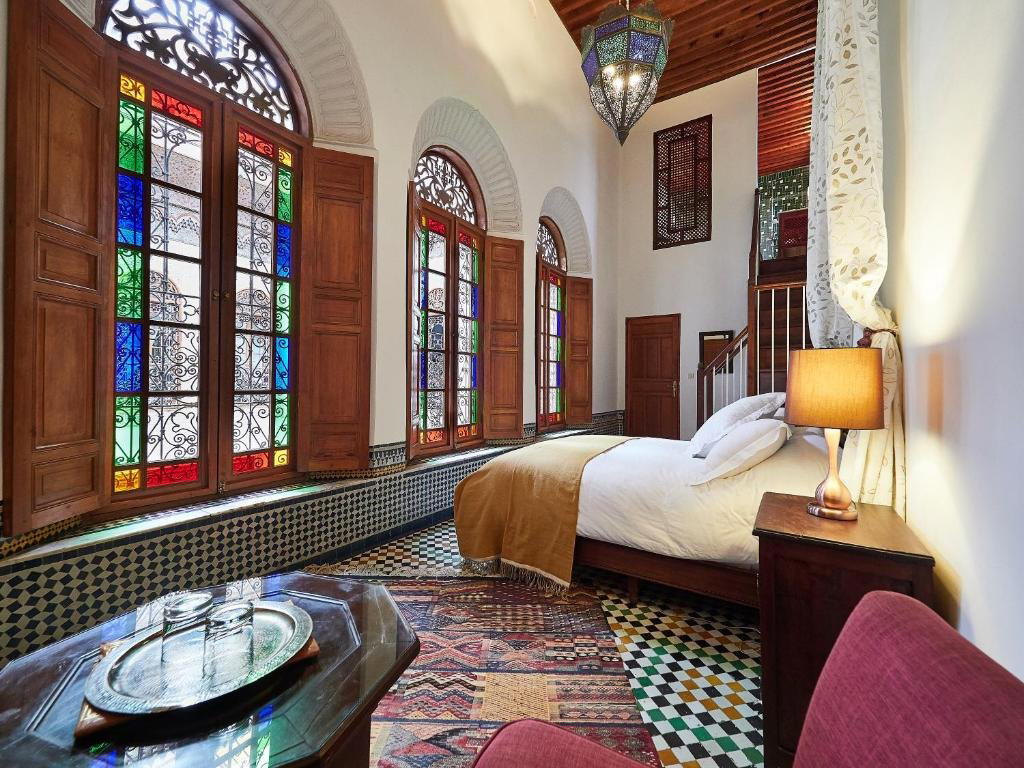
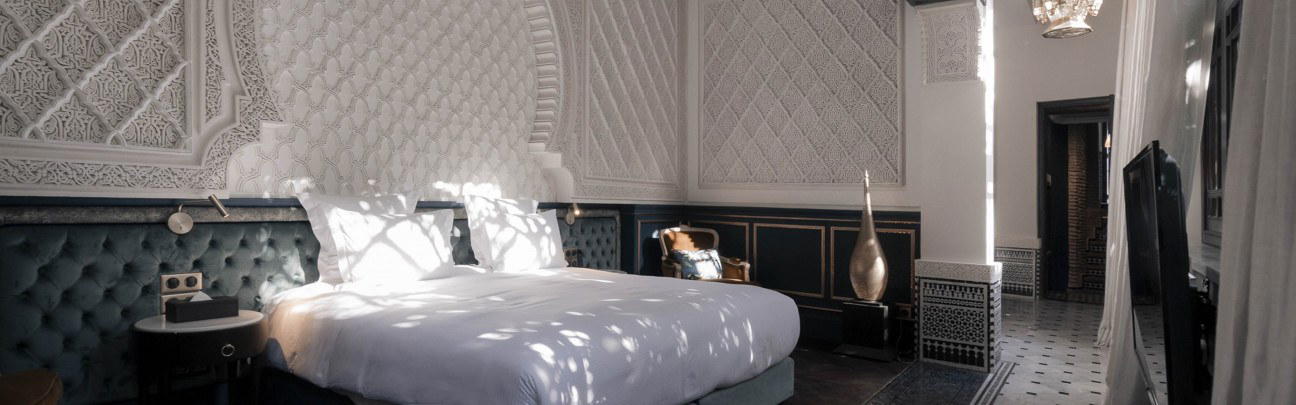
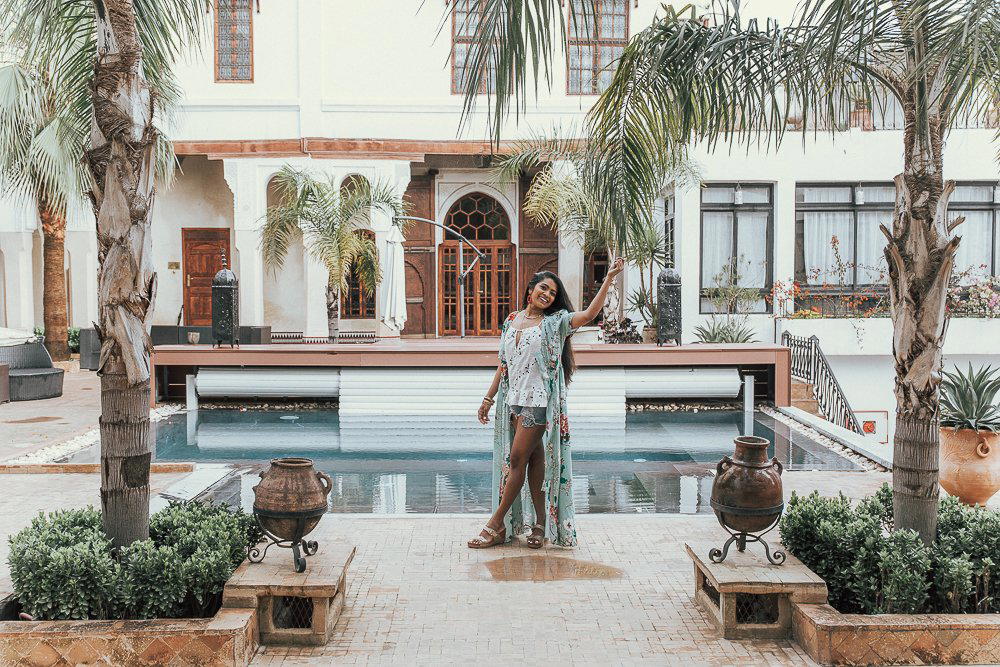
Charming courtyard dining room with colorful zellij tiling, carved cedar wood, hand-painted ceilings, open fire in winter, and central fountain; intimate and romantic atmosphere.