
Inside a medina riad on Zkak Rouah, NUR reframes Moroccan cooking through a vegetable-forward lens shaped by the Fez region's own markets and spice traditions. Chef Najat Kaanache's international training informs the technique, but the sourcing stays rooted in local producers. The result is a dining room where the food's colour and aromatic intensity match the setting's architectural detail.
Pearl is the En Primeur Club membership app — saves, bookings, and concierge access live there. Same editors, same standards.
- Address
- 7 Zkak Rouah, Fes 30110, Morocco
- Phone
- +212 5 35 63 89 24
- Website
- nurfez.com
- Directions
- Get directions
 Saves & bookings on Pearl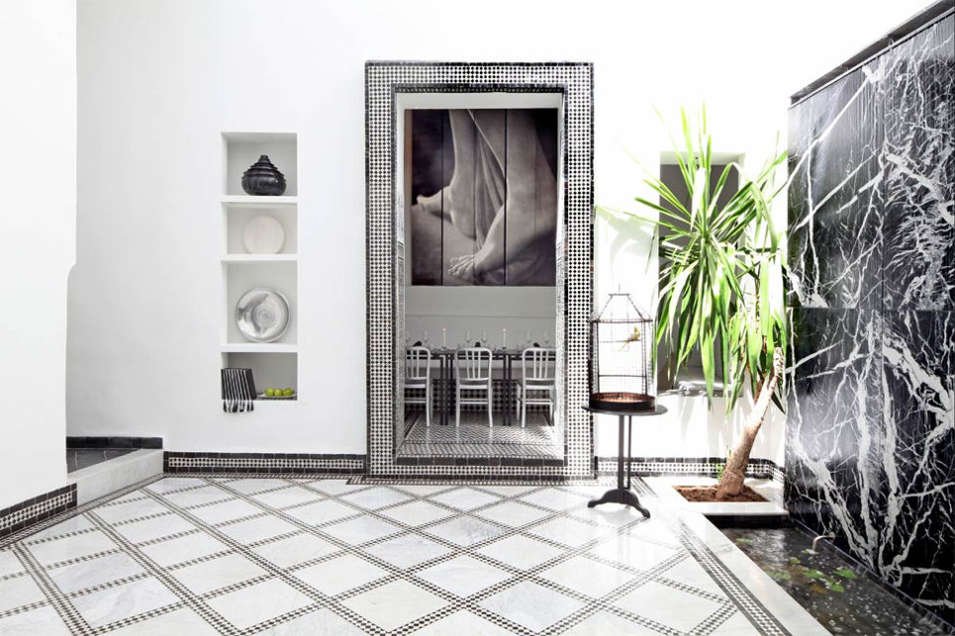
Light from the Medina: What NUR Represents in Fez's Dining Scene
Moroccan fine dining has long been pulled in two directions: the palatial set-piece restaurants attached to luxury riads, serving a version of the cuisine designed primarily for visiting guests, and the quieter, more personal operations run by chefs with genuine roots in the country's culinary traditions. NUR, a Modern Moroccan Fine Dining restaurant in Fes at 7 Zkak Rouah, belongs firmly in the second category. Its name translates as 'light' in Arabic, and the project operates with the clarity that word implies: local ingredients, aromatic depth, and a visual approach to plating that draws from the colour logic of the souks rather than the conventions of European fine dining.
The context matters here. Fez carries a different culinary weight to Marrakech or Casablanca. Its medina, a UNESCO World Heritage Site, is the oldest continuously inhabited medieval city in the world, and its food culture reflects centuries of Andalusian, Berber, and Arab influence layered into one of Morocco's most complex regional cuisines. Dishes from this region tend to emphasise preserved lemons, smen, and an aromatic register built from saffron, cumin, and ginger combinations rarely replicated elsewhere. Restaurants that take this tradition seriously occupy a different position to those that package it for an international audience.
Sourced from the Medina Out: The Ingredient Logic Behind the Cooking
The editorial angle that defines NUR most sharply is where the food begins: in the markets of Fez itself. The restaurant is positioned around the promotion of local Moroccan produce from the Fez Medina region, and that commitment shapes what arrives at the table in structural ways. Vegetables take the leading role across most of the menu, which is a deliberate inversion of how Moroccan cuisine is typically read internationally, where lamb, pigeon pastilla, and couscous with meat tend to dominate the narrative.
This vegetable-forward approach is not incidental. The produce available in Fez's covered markets includes preserved goods, dried herbs, and fresh seasonal vegetables that shift through the year in ways that a dish-by-dish menu accommodates more honestly than a fixed one. A cuisine built around what the market offers on a given morning is both more locally grounded and more technically demanding than one that sources protein as its anchor and adjusts the garnish seasonally. In that sense, NUR's sourcing model reflects a broader shift visible across Morocco's more considered restaurants, where chefs with international exposure are returning to local supply chains rather than importing technique alongside ingredients.
For comparison, this positioning has parallels across Morocco's more precise modern operators. L'Oliveraie in El Hajeb draws similarly on regional produce from Morocco's interior. Château Roslane in Icr Iqaddar roots its food and wine program in Moroccan terroir. NUR operates within that same current but with a distinctly urban medina sensibility rather than an agricultural estate one.
International Technique, Rooted Expression
Chef Najat Kaanache's biography as a culinary television personality active across multiple countries is relevant here not as a marketing credential but as context for what the cooking does technically. A chef who has worked across international kitchens brings a range of technique that can either drift a restaurant away from its local identity or, when applied carefully, deepen it. At NUR, the direction has been toward the latter: international methods applied in service of Moroccan aromatics and regional produce, rather than in place of them.
The flavour profile that emerges from this is described consistently as high in aromatics, which in Fez's culinary context means the layered spice combinations the city's cuisine is built on, deployed with contemporary precision rather than slow-cooked abundance. The visual intensity of the plating, described as colourful, maps to the produce-led sourcing: when vegetables dominate the plate, the colour range widens naturally. This is a different visual grammar from the one operating at places like La Grande Brasserie by Hélène Darroze in Marrakech, where French structure meets Moroccan ingredient in a more formal register.
Internationally trained chefs who have returned to specific regional cuisines with this kind of intentionality form a small but growing cohort in Morocco. The work being done at Gayza in Fez represents another node in the same conversation about what contemporary Moroccan cooking can look like when it takes its own traditions seriously rather than translating them for export.
The Space Itself
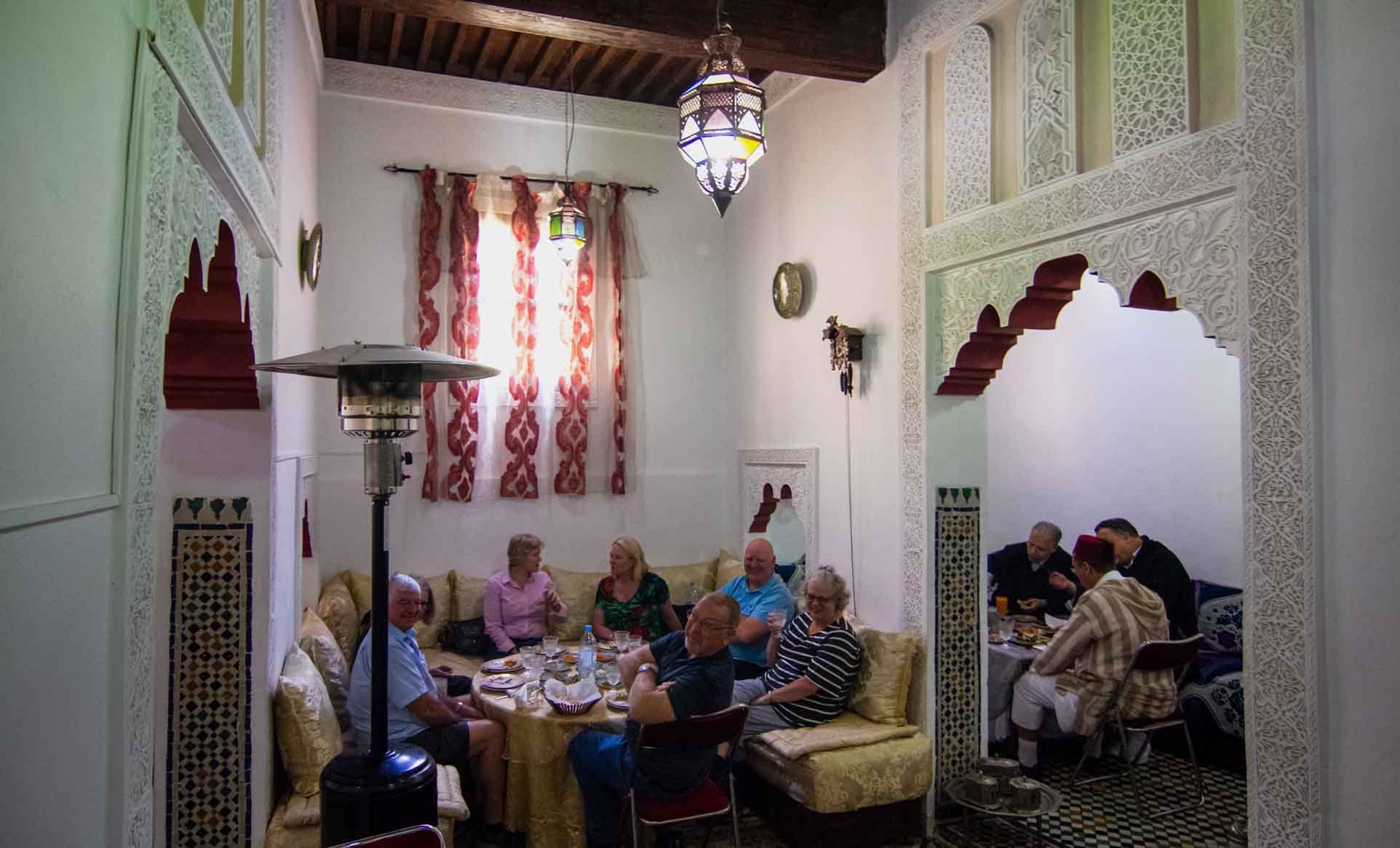
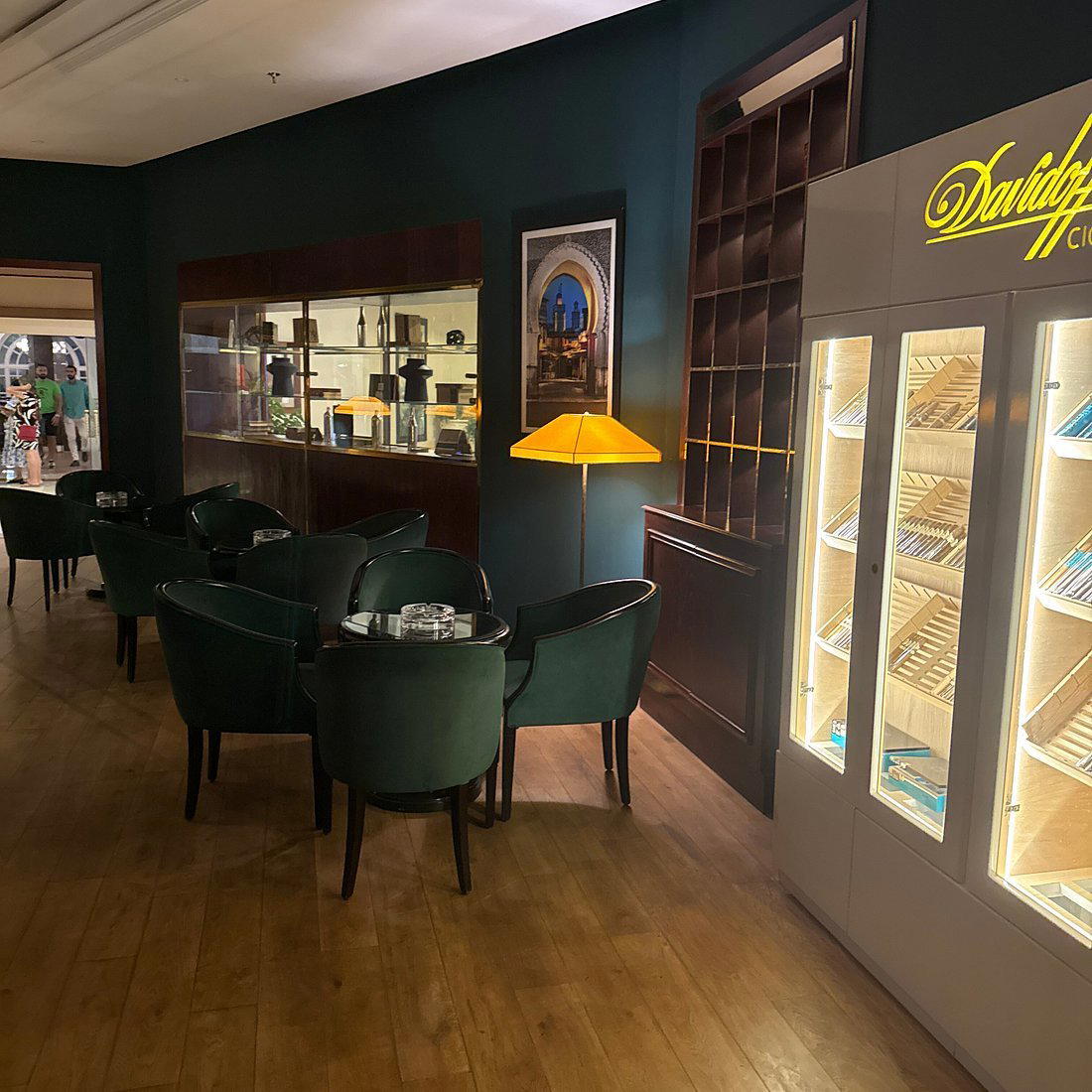
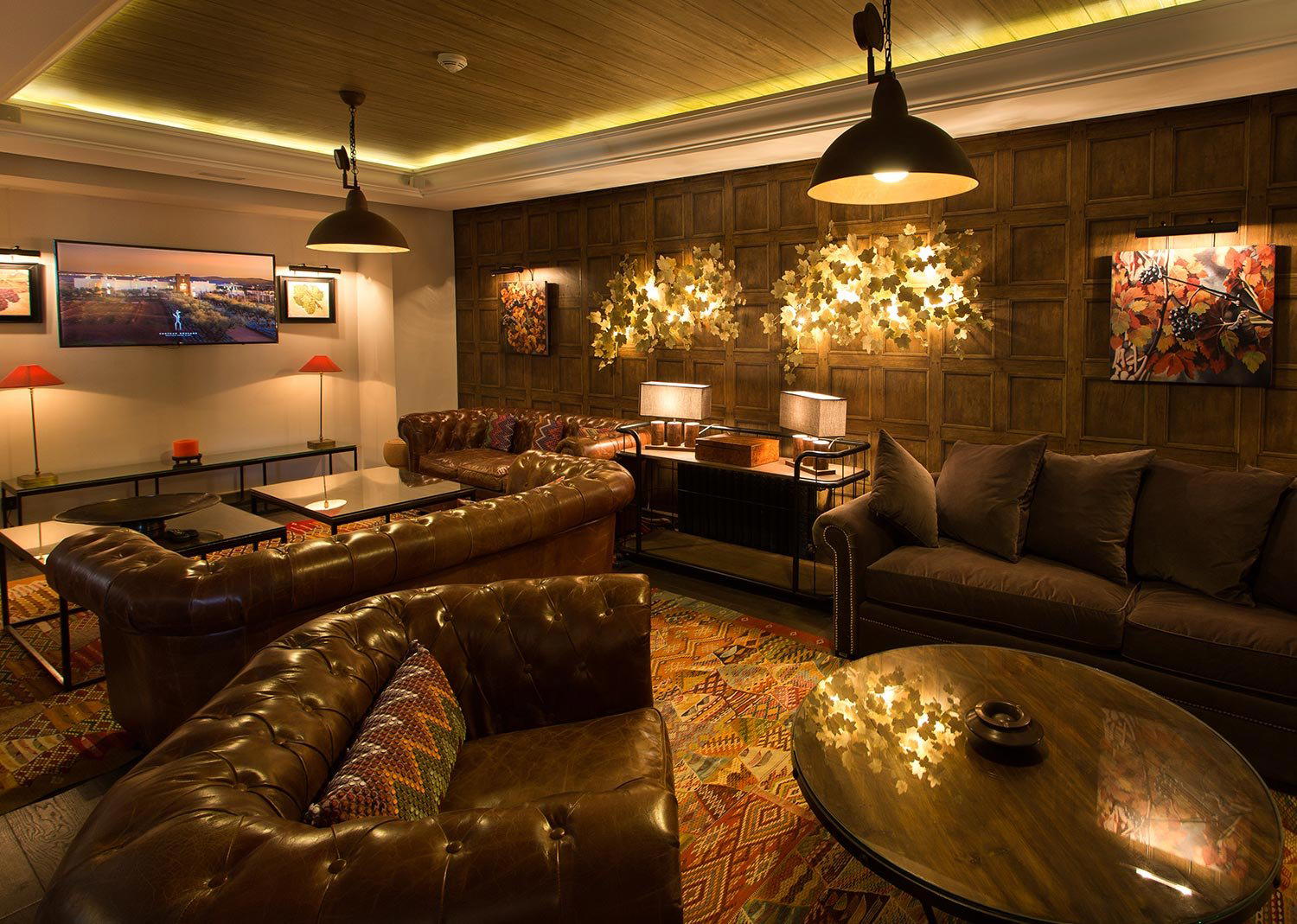
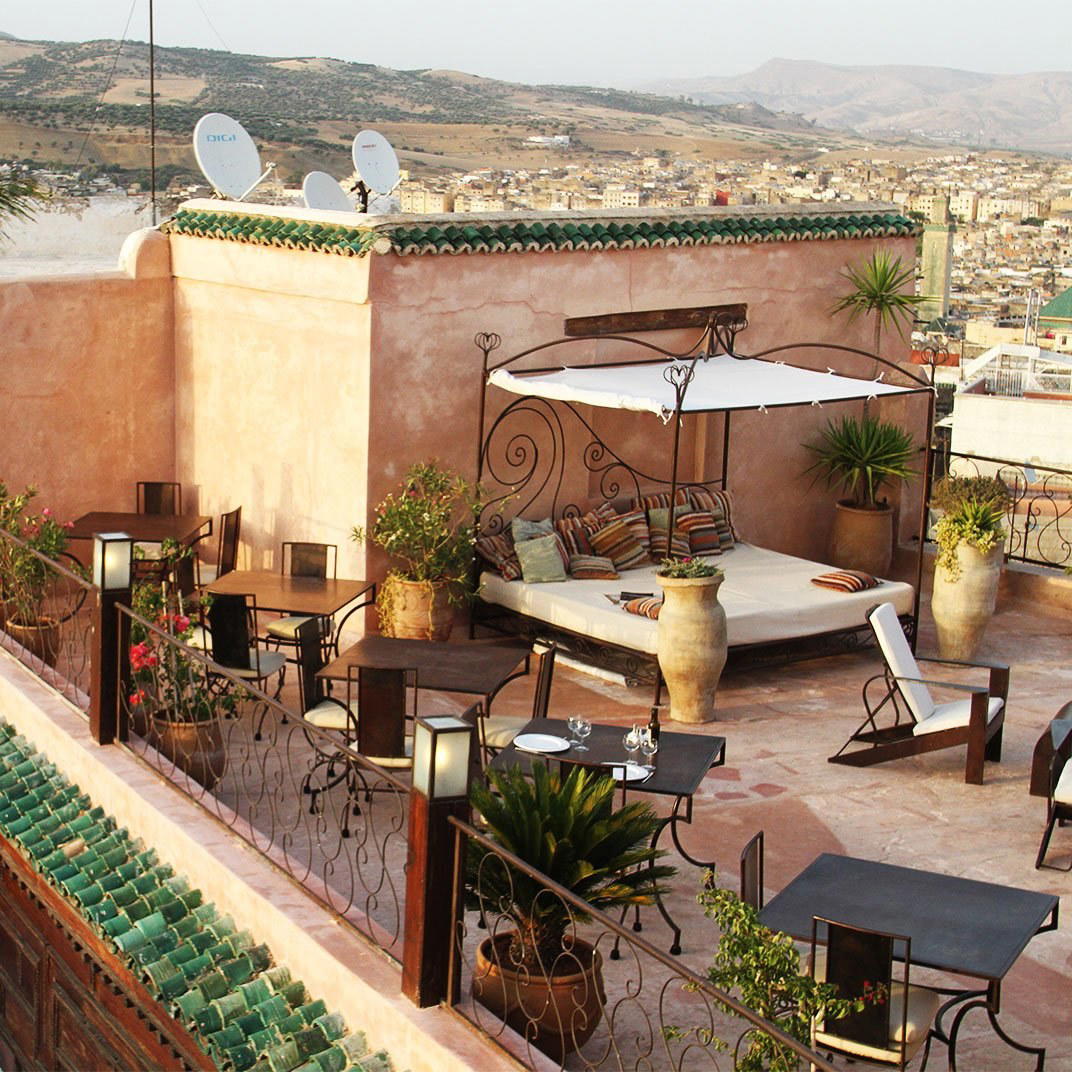
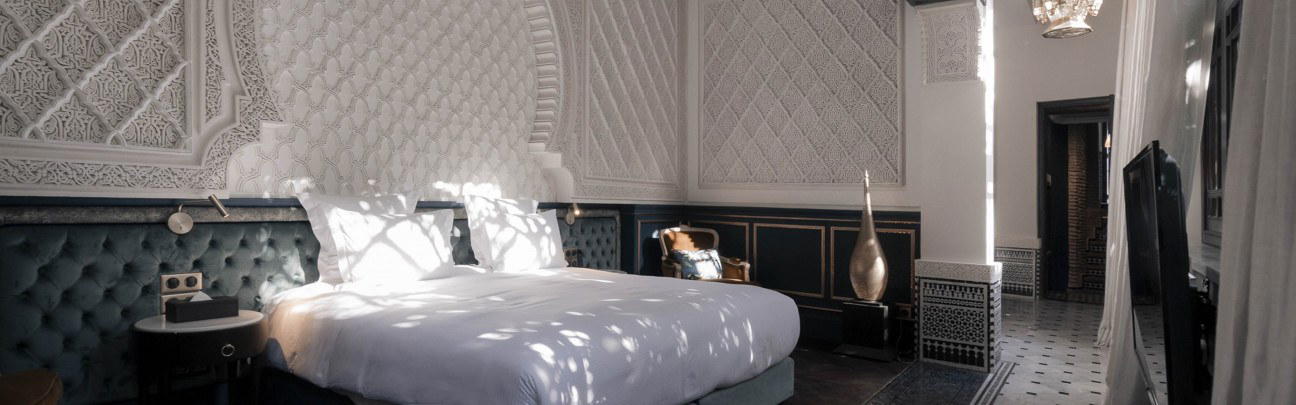
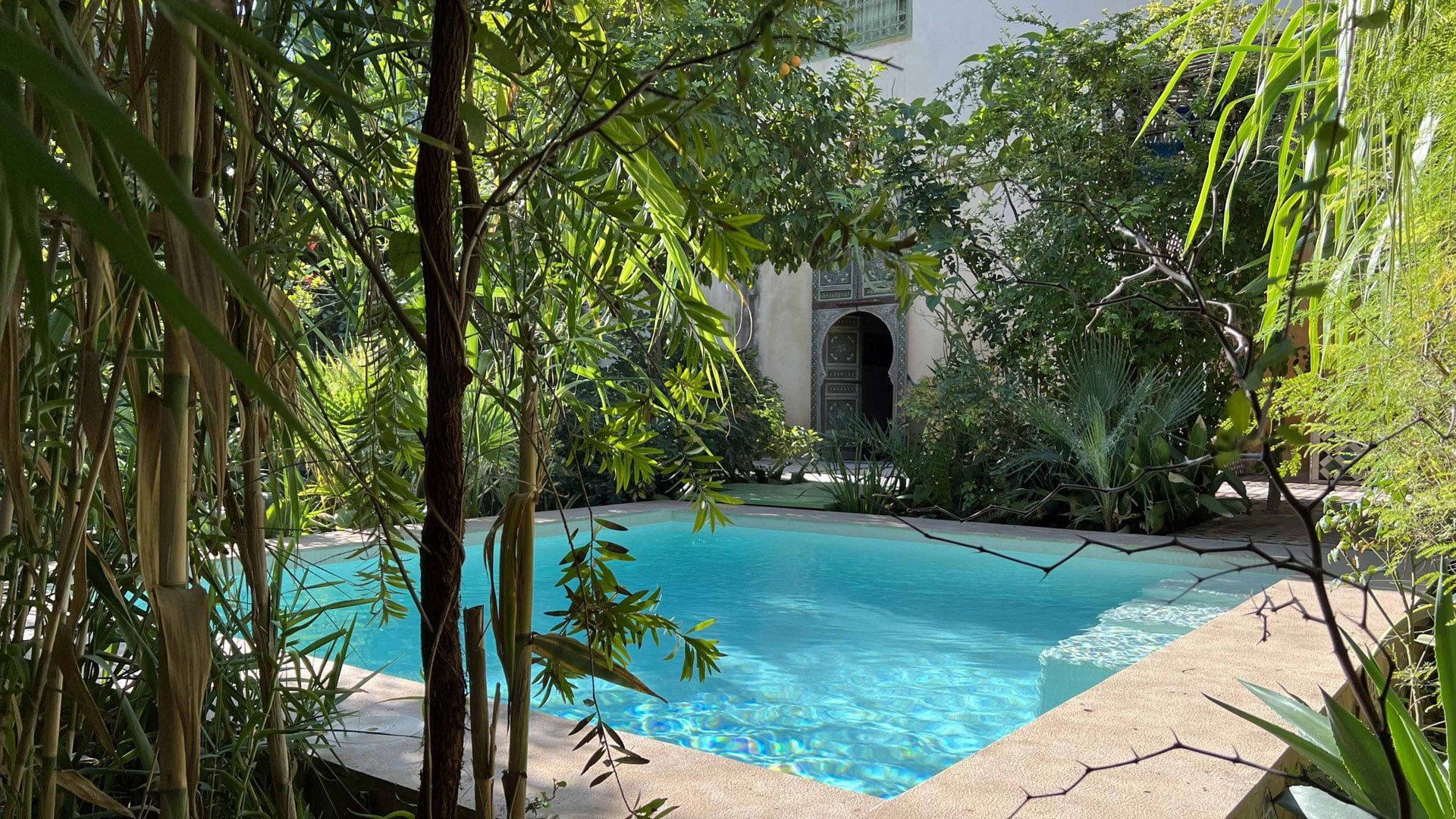
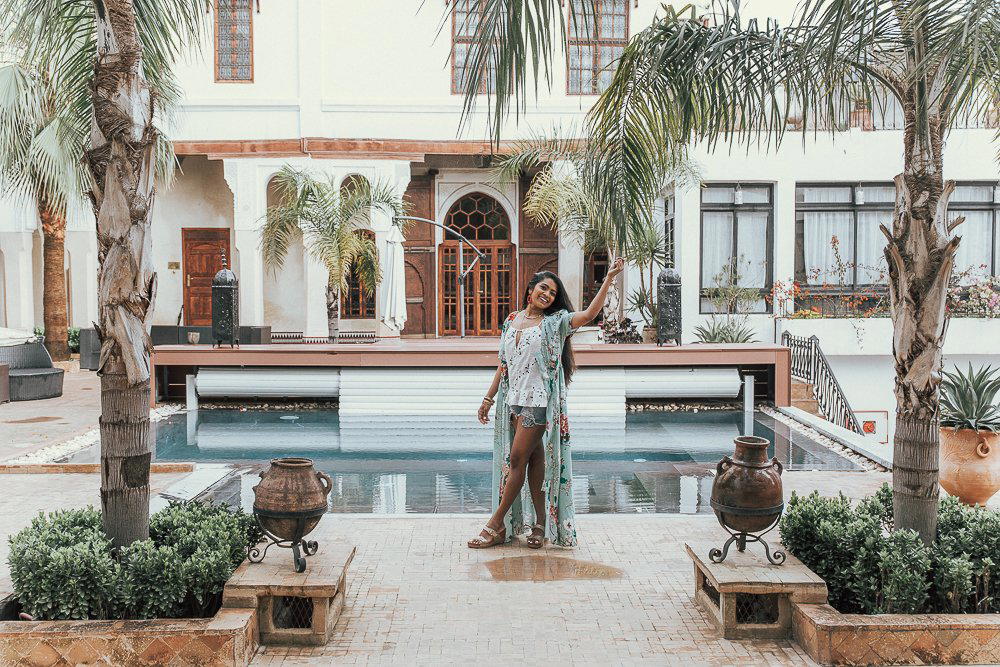
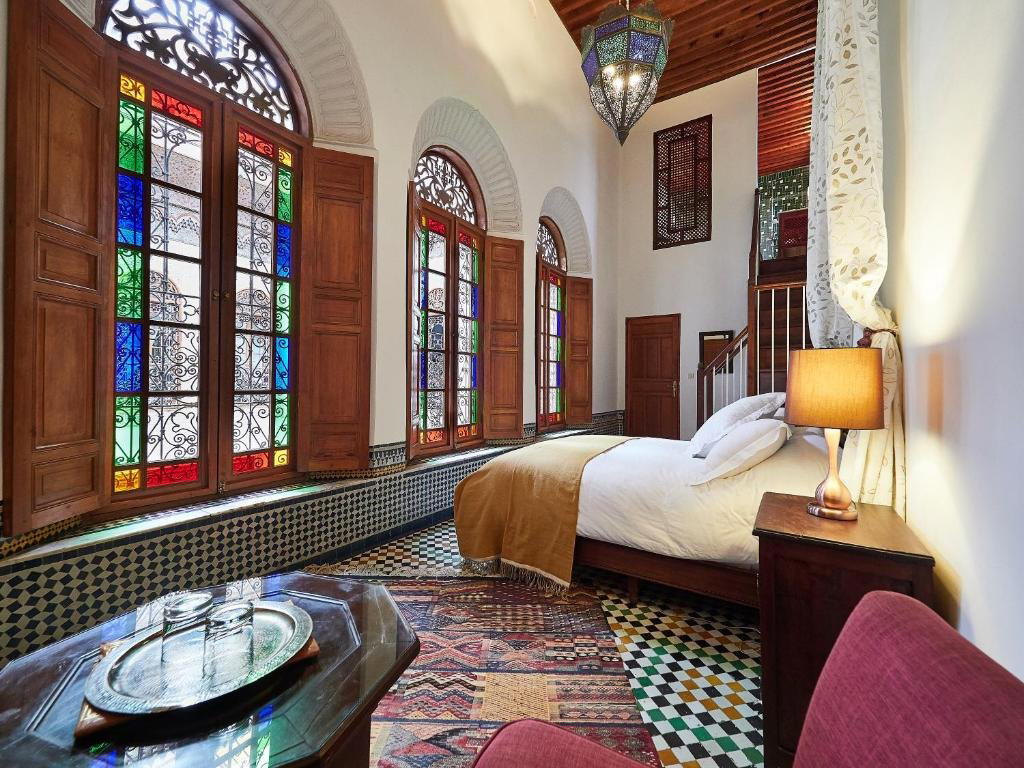
The physical setting on Zkak Rouah is integral to understanding why NUR works as a total experience. Riad architecture in the Fez Medina typically organises itself around a central courtyard, with decorative tilework, carved plasterwork, and carved cedar details that accumulate into a specific sensory environment long before any food arrives. The decor at NUR has been noted specifically as a draw in its own right, which in the context of the medina means the space has been treated with the same intentionality applied to the menu rather than left to architectural precedent alone.
Eating in the Fez Medina also carries logistical weight that shapes the experience. The address system in the old city requires navigation through pedestrian-only lanes, and arrival on foot through the alleyways of a working medieval city is a different prelude to dinner than a taxi to a restaurant door. This approach suits diners willing to engage with the medina on its own terms.
Planning Your Visit
NUR is located at 7 Zkak Rouah, inside the Fez Medina, and reaching it means entering the old city on foot. Booking in advance is advisable given the scale of medina operations and the restaurant's profile, particularly during peak travel periods in spring and autumn when Fez receives its highest concentration of visitors.Heure Bleue Palais in Essaouira or Le Petit Cornichon in Marrakech for the coastal and mountain-adjacent alternatives to Fez's inland, medina-centred experience. For Fez beyond restaurants, the Fes bars guide, experiences guide, and wineries guide round out what the city offers across categories.
Fast Comparison
Comparable venues nearby, for context on price, style, and recognition.
| Venue | Cuisine | Price | Notes |
|---|---|---|---|
| NURThis venue — the venue you are viewing | Modern Moroccan Fine Dining | $$$$ | Not listed |
| Riad Fès | Moroccan-French Fusion Fine Dining | $$$$ | Medina |
| The Ruined Garden | Authentic Moroccan Garden Dining | $$$ | Medina |
| Gayza | Refined Moroccan Fine Dining | $$$ | Medina |
| Dar Roumana | Franco-Moroccan Fusion | $$$$ | Medina |
| Darori | Traditional Moroccan Fassi | $$$ | Medina |
Recognition history
Dated appearances from independent guides and award organizations, with the underlying list record or original source where available.
We're Smart World 3 Radishes
We're Smart World
Continue exploring
More in Fès
Bars in Fès
Browse all →
At a Glance
- Modern
- Elegant
- Intimate
- Sophisticated
- Special Occasion
- Date Night
- Open Kitchen
- Local Sourcing
Current opening hours
- Monday
- Closed
- Tuesday
- 12–3 PM, 6–10 PM
- Wednesday
- 12–3 PM, 6–10 PM
- Thursday
- 12–3 PM, 6–10 PM
- Friday
- 12–3 PM, 6–10 PM
- Saturday
- 6–10 PM
- Sunday
- 6–10 PM
Hours can change for holidays and private events. Last verified .
Chic contemporary dining room with monochromatic design elements dating to Byzantine times, creating a stylish yet traditional atmosphere offset by lively food presentations.