LaLanda operates in Chamartín, one of Madrid's more residential northern districts, at a remove from the city's central fine-dining corridor. The address on Calle de Puerto Rico places it in a neighbourhood where locals eat rather than tourists seek. For visitors willing to move beyond the Salamanca–Centro axis, it represents a different register of Madrid dining.
Pearl is the En Primeur Club membership app — saves, bookings, and concierge access live there. Same editors, same standards.
- Address
- Calle de Puerto Rico, 37, Chamartín, 28016 Madrid, Spain
- Phone
- +34913595769
- Website
- tabernalalanda.com
- Directions
- Get directions
 Saves & bookings on Pearl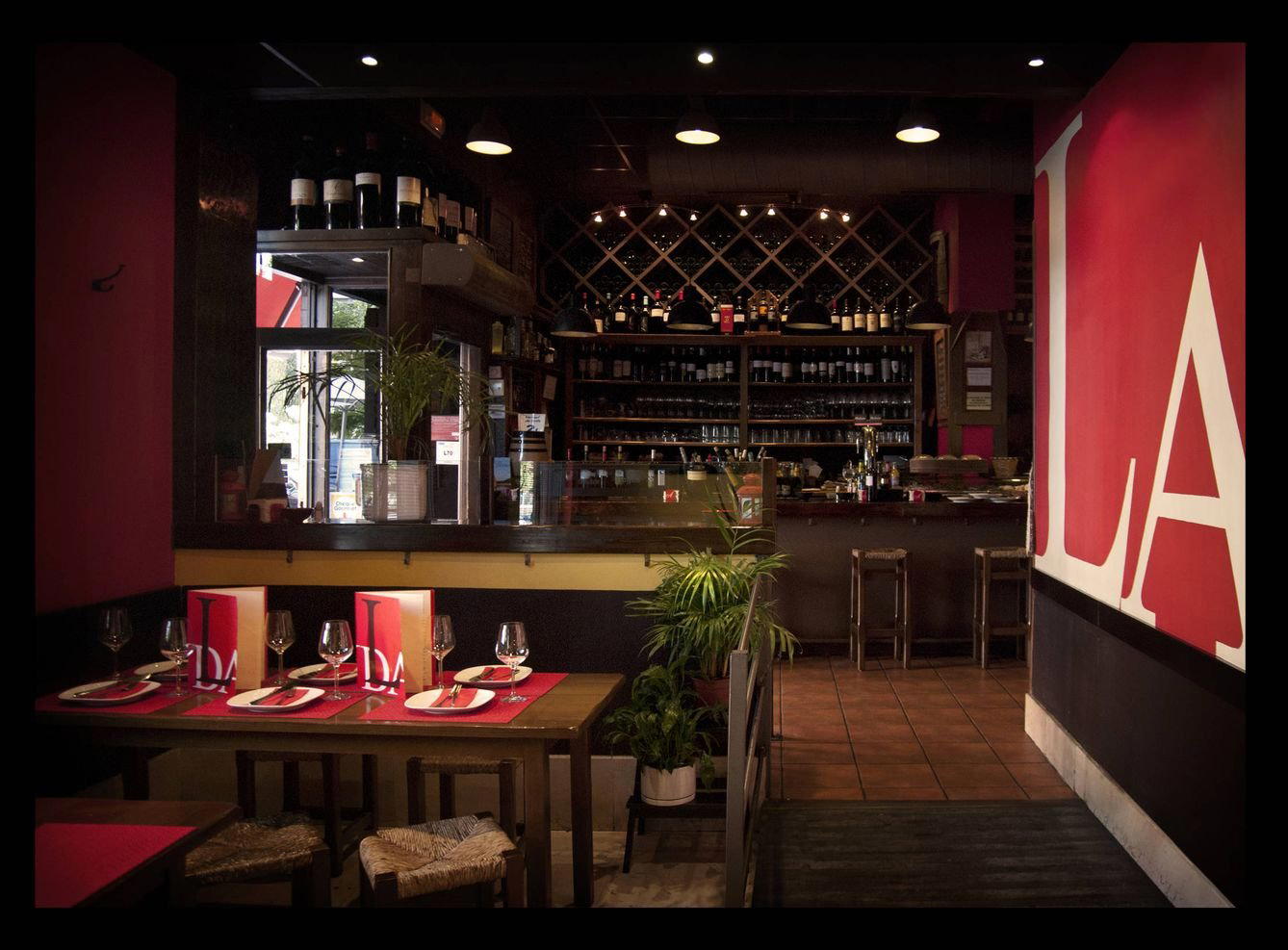
A Room That Sets Its Own Terms
Chamartín is not where most visitors begin their Madrid dining itinerary. The district sits north of the city's well-mapped restaurant corridor, its streets shaped more by apartment blocks and neighbourhood commerce than by the hotel clusters and tourist flows that animate Salamanca or Justicia. Calle de Puerto Rico, where LaLanda sits at number 37, runs through exactly that kind of residential fabric. The physical approach matters here: arriving from the metro into streets that are neither fashionable nor obscure, just inhabited, tells you something about what kind of restaurant this is before you reach the door.
Madrid's fine-dining scene has spent the past decade sorting itself into distinct tiers. At the upper end, addresses like DiverXO operate at a level of spectacle and price that makes them destination events rather than restaurants in the conventional sense. A tier below, places such as Coque, Deessa, and DSTAgE compete on tasting menu ambition and recognisable creative credentials. LaLanda's Chamartín address positions it differently within that structure: closer to the neighbourhood-anchored, locally sustained model than to the international-circuit dining that clusters around the city's luxury hotel corridor.
What the Address Communicates
In most European cities, the serious neighbourhood restaurant operates as a counterweight to the destination table. It earns its place through regulars, through consistency across seasons, and through a relationship with the surrounding area that no amount of press coverage can manufacture. Chamartín has enough professional and residential density to sustain exactly that kind of operation, and LaLanda's location on Calle de Puerto Rico reads as a deliberate choice to work within that dynamic rather than against it.
That context shapes what a first visit involves. Arriving in Chamartín without prior orientation is different from arriving at a landmark address in Salamanca. The neighbourhood offers fewer visual cues, fewer adjacent restaurants to triangulate against. For some diners that is a friction; for others it is the point. The absence of a tourist backdrop tends to concentrate attention on what is actually on the table.
Spain's Broader Creative Table
Madrid does not operate in isolation from Spain's wider restaurant story, and any serious dinner in the city exists in implicit conversation with what is happening elsewhere. The country has produced a sustained run of technically ambitious kitchens across multiple regions: El Celler de Can Roca in Girona, Arzak in San Sebastián, Mugaritz in Errenteria, Azurmendi in Larrabetzu, Martin Berasategui in Lasarte-Oria, Quique Dacosta in Dénia, Aponiente in El Puerto de Santa María, Cocina Hermanos Torres in Barcelona, Ricard Camarena in València, and Atrio in Cáceres. Madrid's own contribution to that conversation has historically been led by a handful of addresses with national and international recognition. The city's neighbourhood tier operates separately from that headline circuit, and it is in that tier where Chamartín restaurants tend to sit.
Understanding LaLanda through that lens means setting aside the comparison with Madrid's trophy tables. The relevant comparable set is not the €€€€ creative tasting menu format that defines Paco Roncero or the progressive kitchen ambitions of the city's most decorated addresses. It is the broader and less legible category of restaurants that sustain a neighbourhood's dining life across years rather than news cycles.
The Chamartín Dining Register
Northern Madrid's restaurant character differs from the districts that attract most international editorial attention. Chamartín's dining identity is built more around the professional lunch, the family dinner, and the regular table than around the occasion meal or the visiting food traveller. That does not make it a less serious category; it makes it a different one, with its own criteria for success. Longevity, the ability to hold a local audience across seasons, and the kind of word-of-mouth that does not appear in international press are the signals that matter most in this part of the city.
For visitors who have already covered the city's more publicised addresses and are asking what Madrid actually eats when it is not performing for an audience, Chamartín provides part of the answer. The neighbourhood's restaurants tend toward Spanish cooking in registers that owe more to regional tradition and careful sourcing than to creative provocation. Whether LaLanda fits that description precisely, or whether it operates in a more singular mode, is the kind of question settled at the table.
Planning a Visit
The Chamartín district is accessible from central Madrid by Metro Line 10 (stop: Cuzco or Santiago Bernabéu, depending on approach) and by taxi from the Salamanca or Almagro areas in under fifteen minutes during off-peak hours. The neighbourhood has a different pace from the tourist-facing parts of the city, which affects both arrival and evening rhythm. Dinner service in this part of Madrid tends to follow local custom: kitchens open later than northern European or North American visitors expect, with serious service typically beginning between 9 and 10 pm.
Know Before You Go
- Address: Calle de Puerto Rico, 37, Chamartín, 28016 Madrid, Spain
- District: Chamartín, northern Madrid
- Getting there: Metro Line 10 (Cuzco or Santiago Bernabéu stops); taxi from Salamanca district approximately 10 to 15 minutes
- Dinner timing: Follow local custom; expect full service from around 9 to 10 pm
- Booking: Reservations are recommended.
- Price range: About $33 per person.
Peers in This Market
Comparable venues nearby, for context on price, style, and recognition.
| Venue | Cuisine | Price | Notes |
|---|---|---|---|
| LaLandaThis venue — the venue you are viewing | Traditional Spanish Tapas | $$ | Not listed |
| Don Benito San Roque | Andalusian Tapas | $$ | Trafalgar |
| Café Tatiana | Casual Spanish Café | $$ | Malasana |
| 11 Nudos Madrid | Modern Atlantic & Galician Cuisine | $$ | Chueca |
| Restaurante Urbieta 13 | Modern Spanish Tapas | $$ | Pacifico |
| Taberna del Alabardero Madrid | Traditional Basque Spanish Tapas & Fine Dining | $$ | Palacio |
Continue exploring
More in Madrid
Restaurants in Madrid
Browse all →
Bars in Madrid
Browse all →
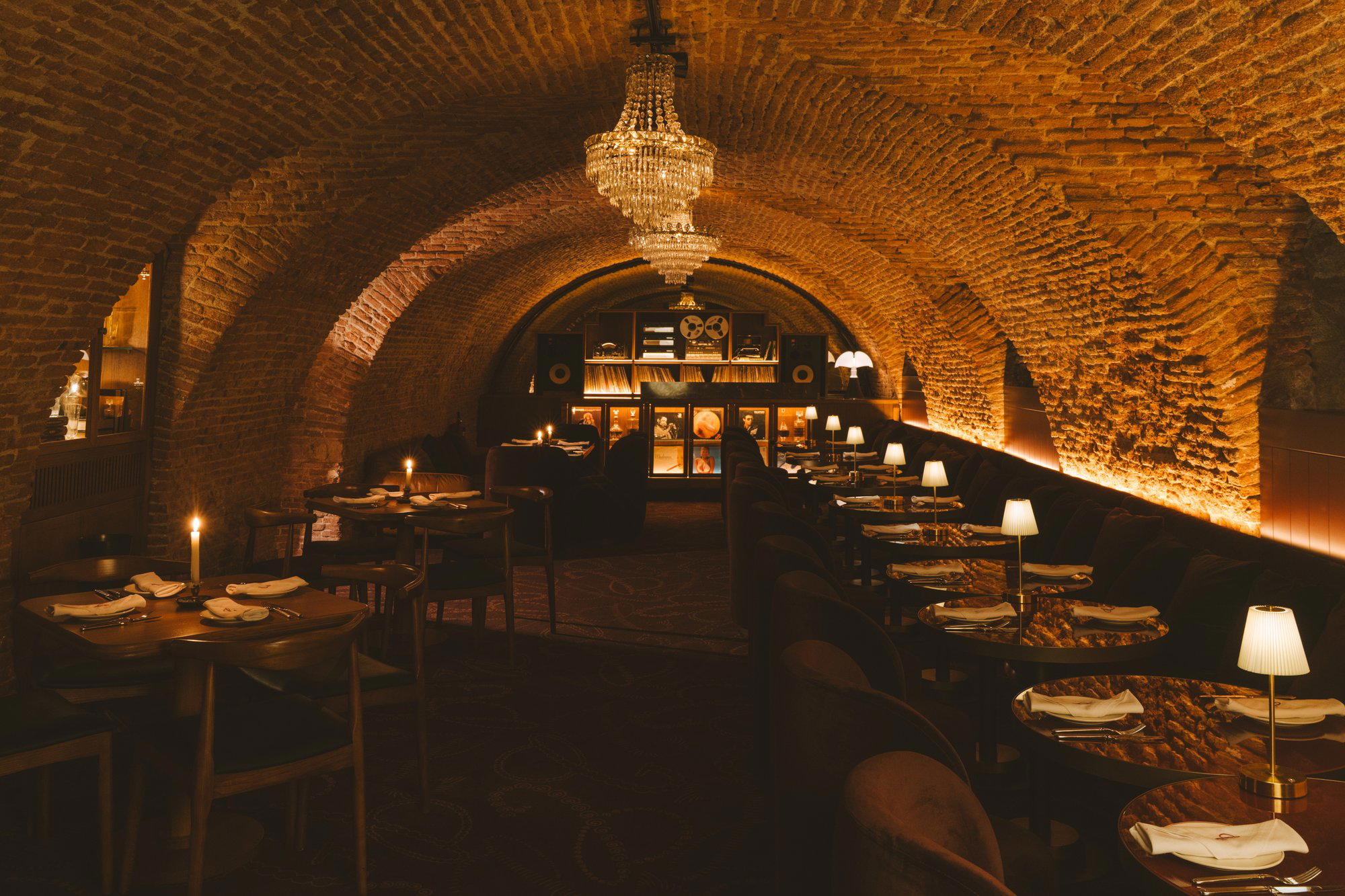
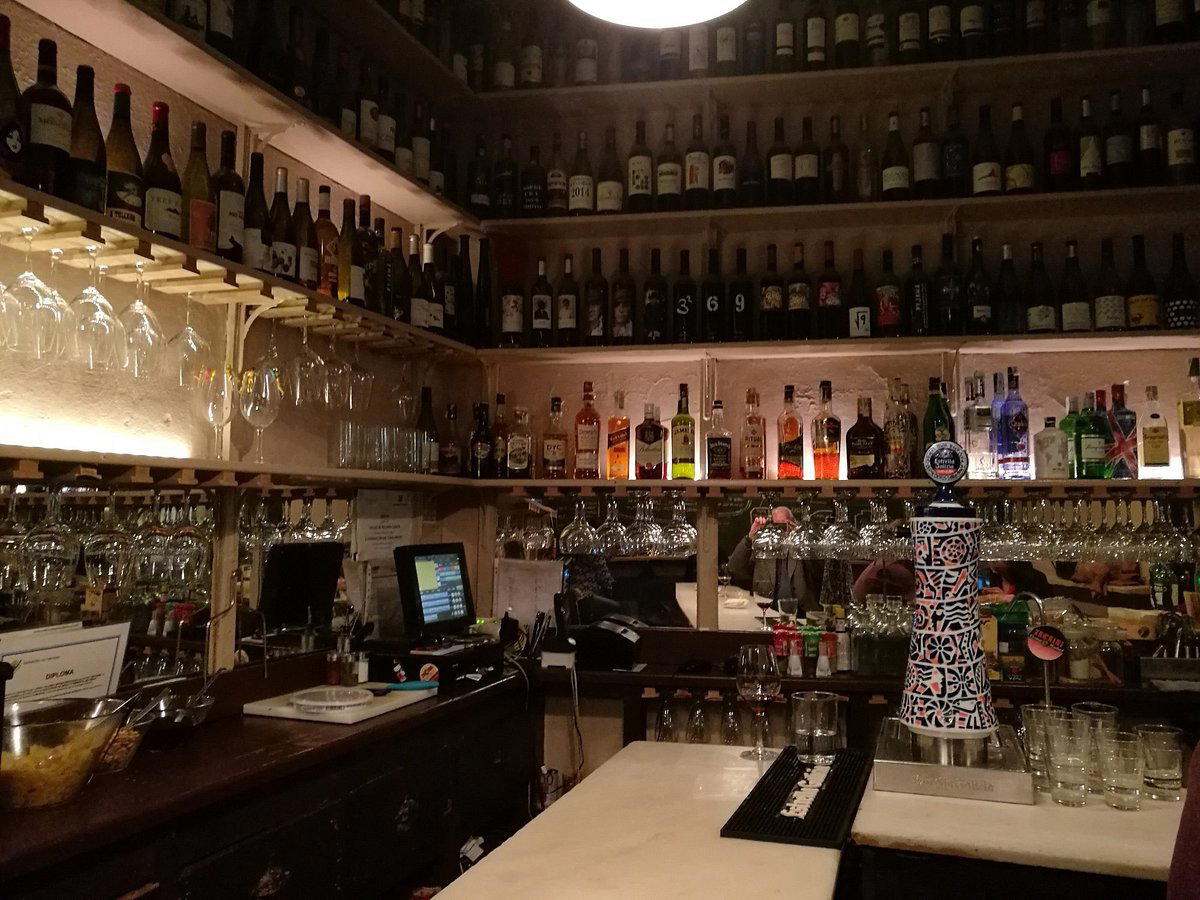
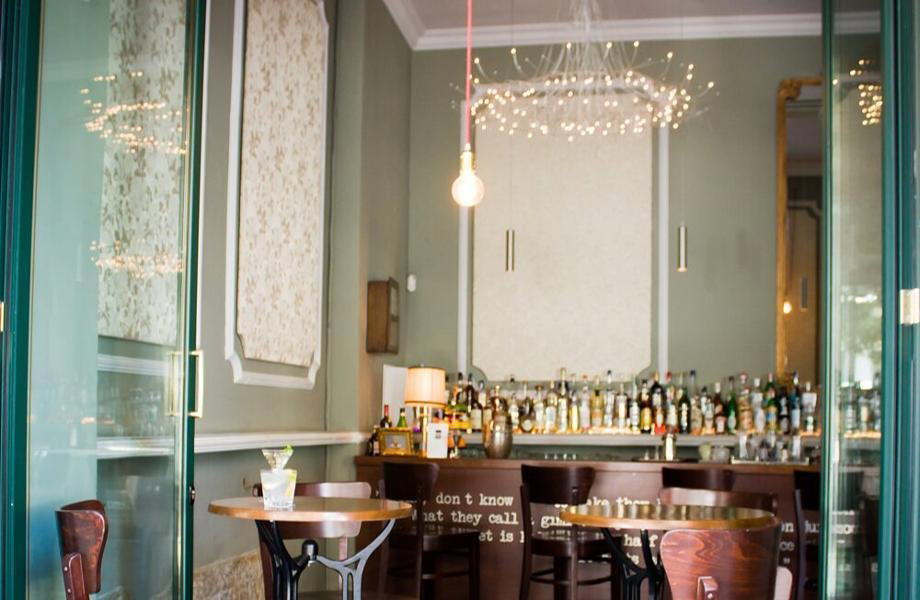
Hotels in Madrid
Browse all →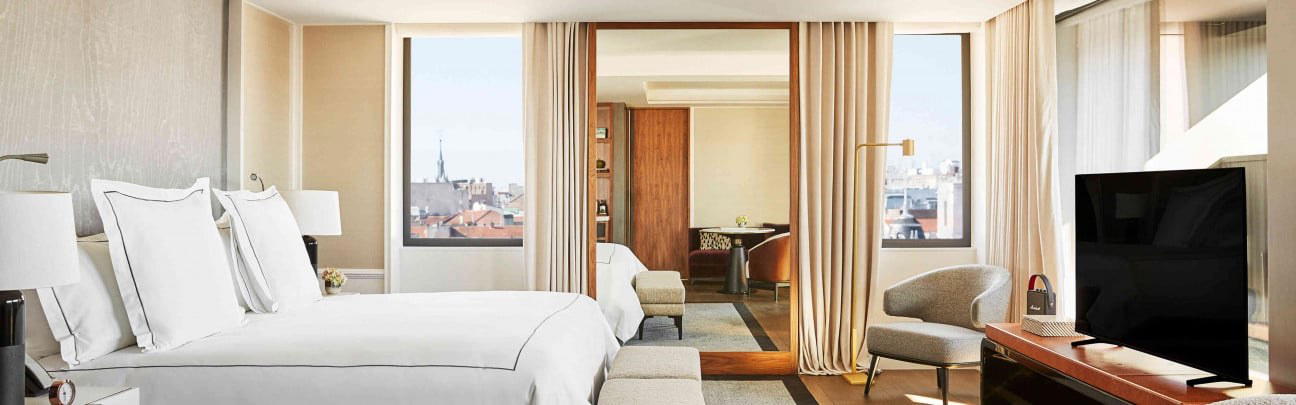


At a Glance
- Modern
- Classic
- Casual Hangout
- Group Dining
- After Work
- Standalone
Current opening hours
- Monday
- 12:30 PM–12 AM
- Tuesday
- 12:30 PM–12 AM
- Wednesday
- 12:30 PM–12 AM
- Thursday
- 12:30 PM–12 AM
- Friday
- 12:30 PM–1 AM
- Saturday
- 12:30 PM–1 AM
- Sunday
- Closed
Hours can change for holidays and private events. Last verified .
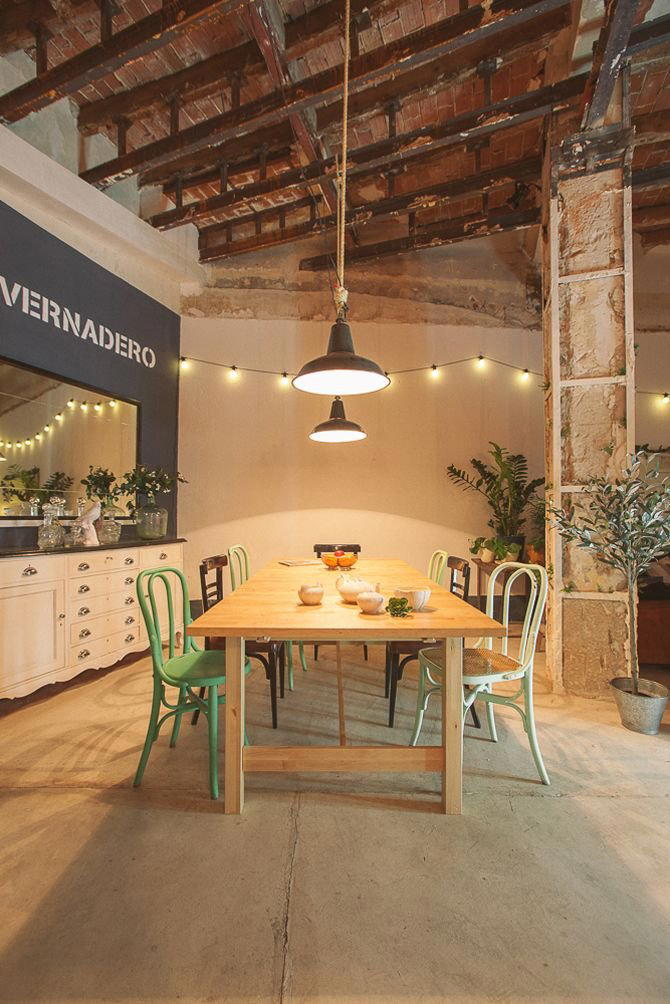
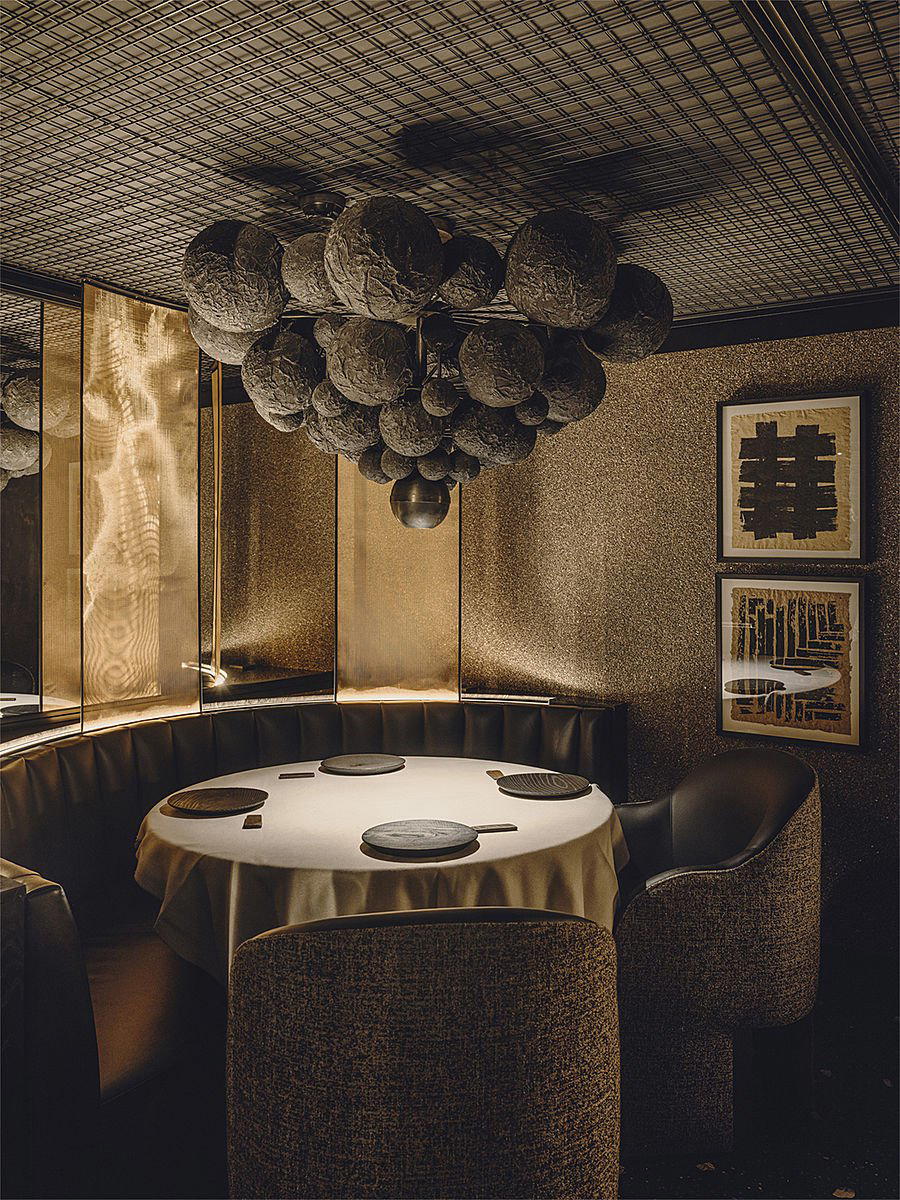
Modern, comfortable, and spacious interior with classical Spanish food presentation in a contemporary environment.