

Star Wine List · Falstaff Wine Bar - 92 Falstaff Points
St-Germain Wine Bar in Madrid's Chamartín district earned a Star Wine List award in 2026, placing it among Spain's recognised wine destinations. The bar's address on Calle de Cochabamba positions it away from the city-centre bar circuit, attracting a clientele that comes specifically for the wine programme rather than footfall. A focused alternative to Madrid's louder cocktail rooms.

Pearl is the En Primeur Club membership app — saves, bookings, and concierge access live there. Same editors, same standards.
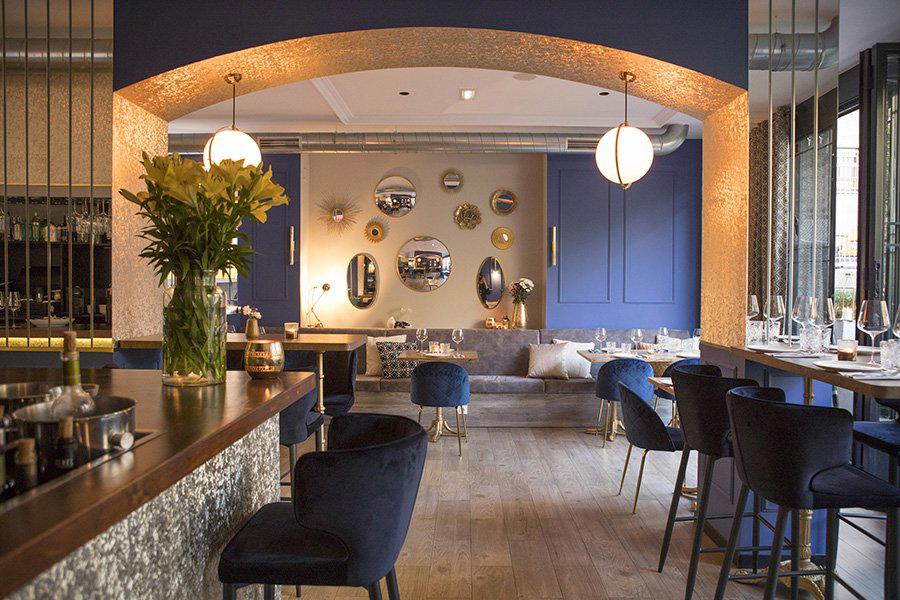
Wine-Focused Bars in Madrid: Where Chamartín Fits
Madrid's bar scene divides more cleanly than most European capitals between the cocktail-forward rooms clustered around Centro and Malasaña and a quieter tier of wine-led spaces that operate further north. Chamartín, the residential and business district that stretches up toward the IFEMA convention grounds, has historically been underrepresented in bar editorial. That is changing. A generation of wine bars has opened or matured in the district's calmer streets, built around serious lists rather than the high-volume, mixed-drinks formula that drives coverage in central Madrid. St-Germain Wine Bar, on Calle de Cochabamba, belongs to this northern cohort.
The address itself is instructive. Calle de Cochabamba sits in a part of Chamartín where the pavement trade is local rather than tourist-driven, which shapes both the selection and the pace of service. Wine bars that survive in these streets do so because neighbourhood regulars return with purpose, not because a hostel is around the corner. That dynamic tends to produce more considered lists and longer dwell times at the table.
A 2026 Star Wine List Recognition
The clearest external signal about St-Germain's programme is the Star Wine List award it received for 2026. Star Wine List, the Swedish-founded global platform that evaluates wine lists through a network of sommeliers, does not distribute recognition lightly in markets as competitive as Spain. A listing in its awarded tier indicates that the list passed assessment on range, value representation across categories, and depth in at least one or more areas judged by a qualified panellist.
For context, Star Wine List awards in Spain sit alongside recognition from programmes that cover Angelita, one of Madrid's most discussed natural-wine rooms, and venues like Salmon Guru, which operates at the cocktail end of the spectrum but signals how varied the city's recognised bar culture has become. St-Germain's 2026 award positions it as a reference point specifically within the wine-bar category, not the broader cocktail circuit where 1862 Dry Bar and 11 Nudos Madrid operate.
The Curation Argument: Why Specialist Lists Matter Here
Spain's relationship with wine-bar culture has an uneven geography. Andalucía has its tapas-and-sherry model, Barcelona has a well-established natural-wine underground, and Madrid has historically defaulted to gin-and-tonic culture at the casual end and fine-dining wine lists at the formal end. The middle tier, dedicated wine bars that function as destinations in their own right, has grown considerably since the mid-2010s but remains less developed than in Paris or London.
Bars awarded by Star Wine List typically demonstrate depth in at least one of several ways: broad geographic range across Old and New World producers, commitment to a specific region or grape variety pursued at multiple price points, meaningful representation of small-production or biodynamic labels, or a by-the-glass programme that goes beyond the obvious. Without access to St-Germain's specific list, the award itself functions as the strongest available proxy for which of these qualities the programme prioritises. The Chamartín location and the bar's positioning away from tourist circuits suggest the list is calibrated for an audience that already knows what it wants rather than one being introduced to wine.
Across Spain, wine bars earning this kind of specialist recognition share certain characteristics: evening-led hours that allow focus on atmosphere over throughput, food programmes built to support the glass rather than compete with it, and staff who can discuss the list with specificity. Whether visiting Boadas in Barcelona, Bar Sal Gorda in Seville, or Bar Gallardo in Granada, the pattern holds: the bars that earn sustained recognition are those where the list has an identifiable point of view and the floor team can articulate it.
Chamartín as a Neighbourhood Context
Understanding St-Germain requires some orientation to Chamartín's character. The district is Madrid's northern business corridor, home to the Santiago Bernabéu stadium and a dense concentration of corporate offices and mid-to-upper residential streets. It draws a clientele that skews professional and local rather than the mixed international crowd of Chueca or Lavapiés. Wine bars here tend to attract after-work drinkers with income and opinions, which creates a specific kind of room: quieter than the cocktail bars of Centro, more focused, occasionally more formal in expectation without being stiff.
This is a meaningful distinction. A wine bar in Chamartín succeeds on a different set of terms than one in a tourist-heavy neighbourhood. The margin for mediocrity is smaller because the regular clientele is comparing the list to what they drink at home or have encountered in producers' cellars during travel. That pressure, invisible to the casual visitor, tends to sharpen the programmes of the bars that survive it.
Planning a Visit
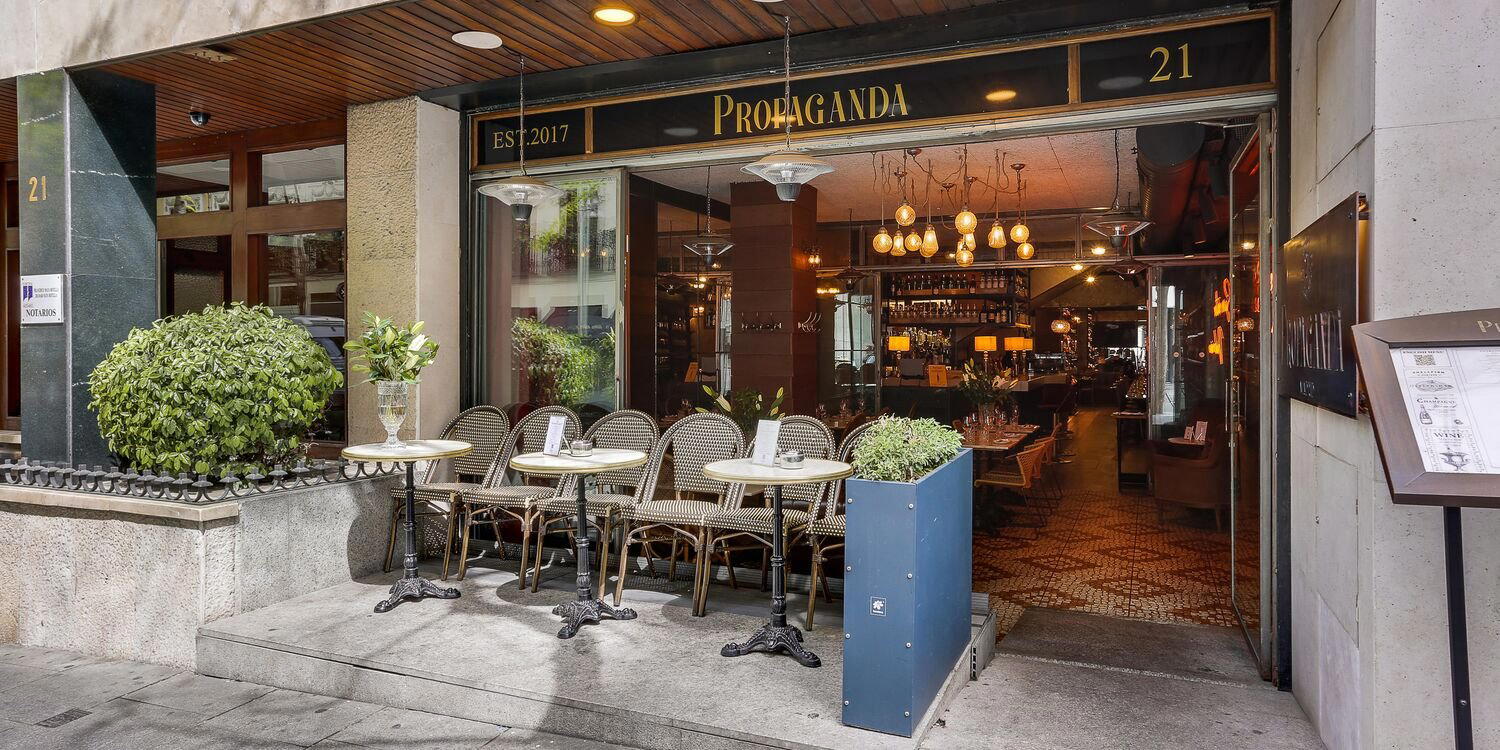
St-Germain Wine Bar sits at C. de Cochabamba, 21 in the Chamartín district, postcode 28016. The bar occupies a part of the city leading reached by metro on the Line 10 corridor or by taxi from the city centre, a journey of roughly fifteen to twenty minutes depending on traffic. Because Chamartín operates on a different rhythm than central Madrid's tourist beat, arriving without a reservation carries more risk than it might elsewhere: the neighbourhood's wine bars fill with regulars who book, not walk-ins who wander. The Star Wine List award applies to the 2026 cycle, making this a current rather than historical credential.
Visitors building a wider Madrid bar itinerary will find St-Germain sits in a different register from the cocktail rooms that dominate most editorial coverage of the city. For the full picture of what Madrid's bar scene offers across categories and neighbourhoods, our full Madrid restaurants guide maps the range. Those extending a Spain trip outward can cross-reference specialist bar culture at Garito Cafe in Palma de Mallorca, La Margarete in Ciutadella, or Garden Bar in Calvià, each of which operates within a different island-and-climate logic but shares the commitment to a specific drinks identity over volume. Internationally, the specialist wine-and-spirits bar format has a strong representative in Bar Leather Apron in Honolulu, which earned its own awards recognition on a similarly deliberate programme.
A Pricing-First Comparison
Comparable venues nearby, for context on price, style, and recognition.
| Venue | Price | Awards | Notes |
|---|---|---|---|
| St-Germain Wine BarThis venue — the venue you are viewing | $20–30 | Star Wine List · Falstaff Wine Bar - 92 Falstaff Points | Not listed |
| Ficus Bar | $10–20 | Not listed | Justicia, cocktail_bar |
| Viva Madrid | $20–30 | Top 500 Bars Best Bars #477 | Barrio de las Letras, cocktail_bar |
| Bar Cock | $10–20 | Falstaff Bar - 94 Falstaff Points | Chueca, cocktail_bar |
| Coalla | Not listed | Star Wine List | Hispanoamerica, wine_bar |
| 1862 Dry Bar | $20–30 | Falstaff Bar - 93 Falstaff Points · Top 500 Bars Best Bars #68 | Malasana, cocktail_bar |
Recognition history
Dated appearances from independent guides and award organizations, with the underlying list record or original source where available.
Star Wine List
Star Wine List
Falstaff Wine Bar - 92 Falstaff Points
Falstaff
Continue exploring
More in Madrid
Bars in Madrid
All bars in Madrid →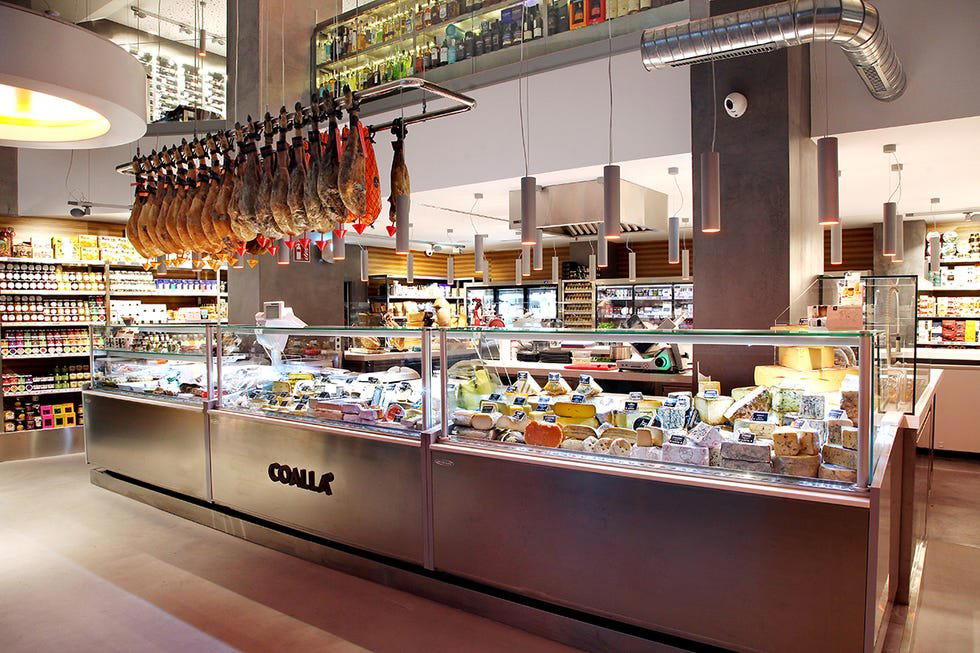
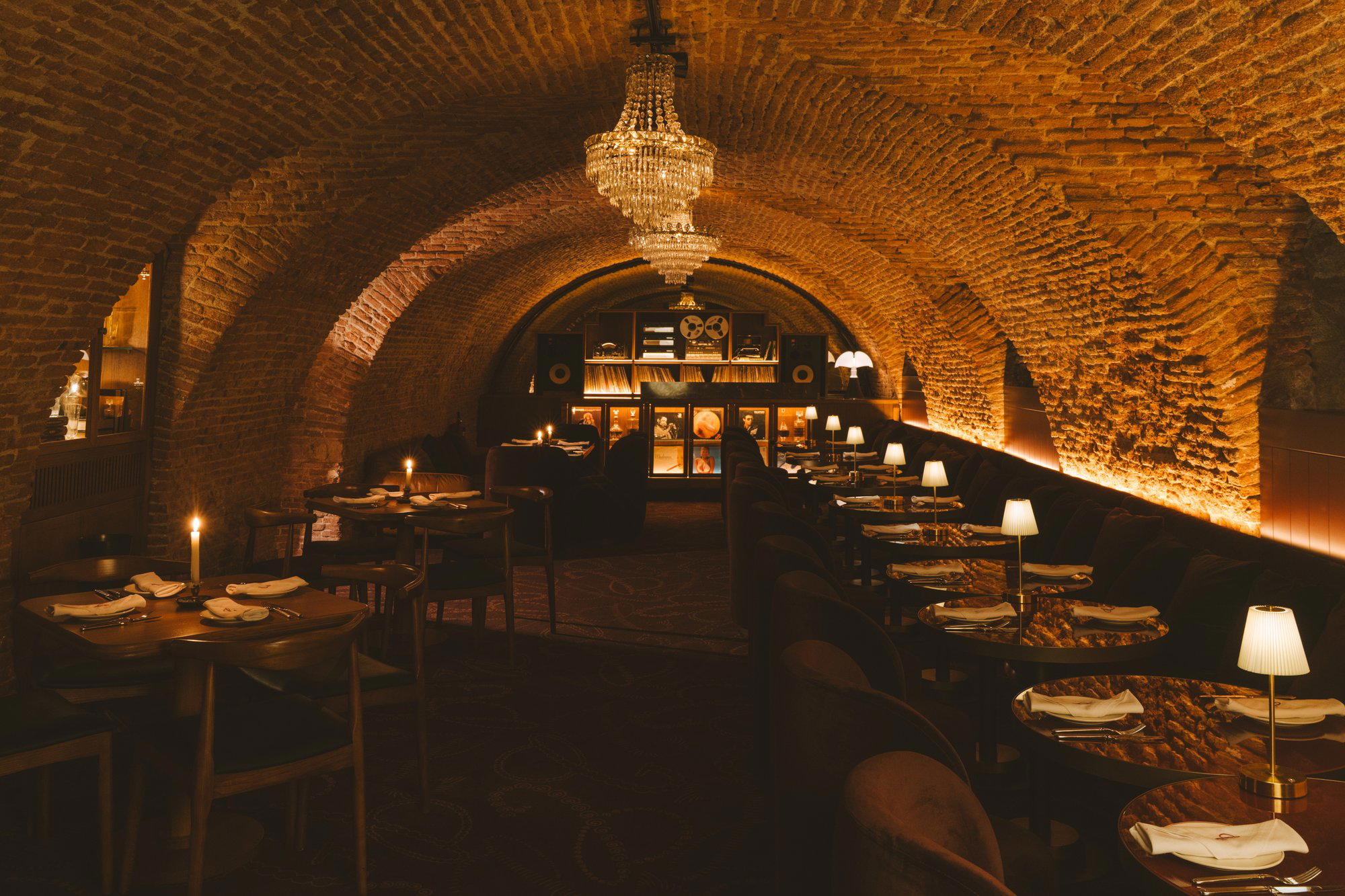
Restaurants in Madrid
All restaurants in Madrid →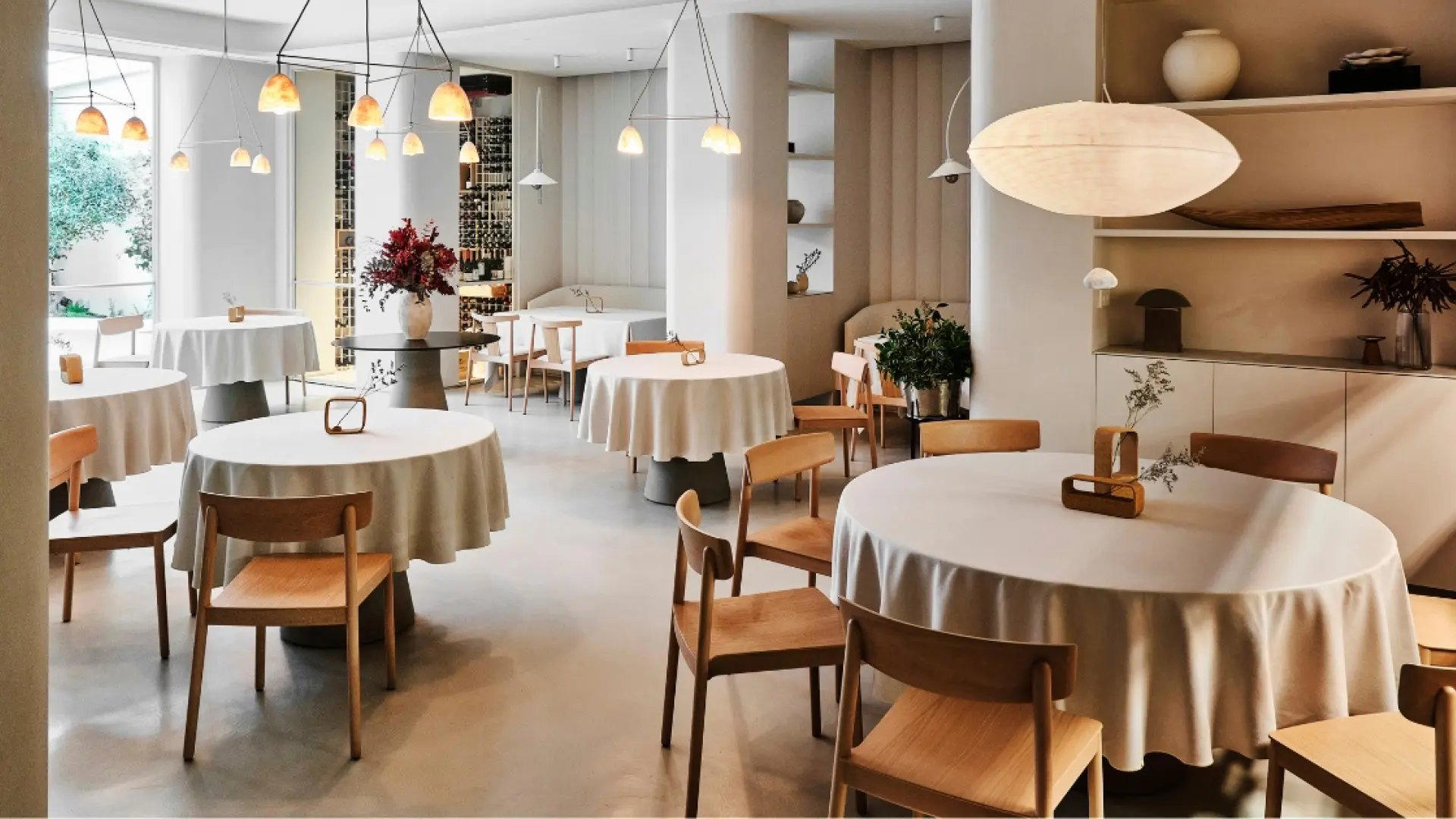
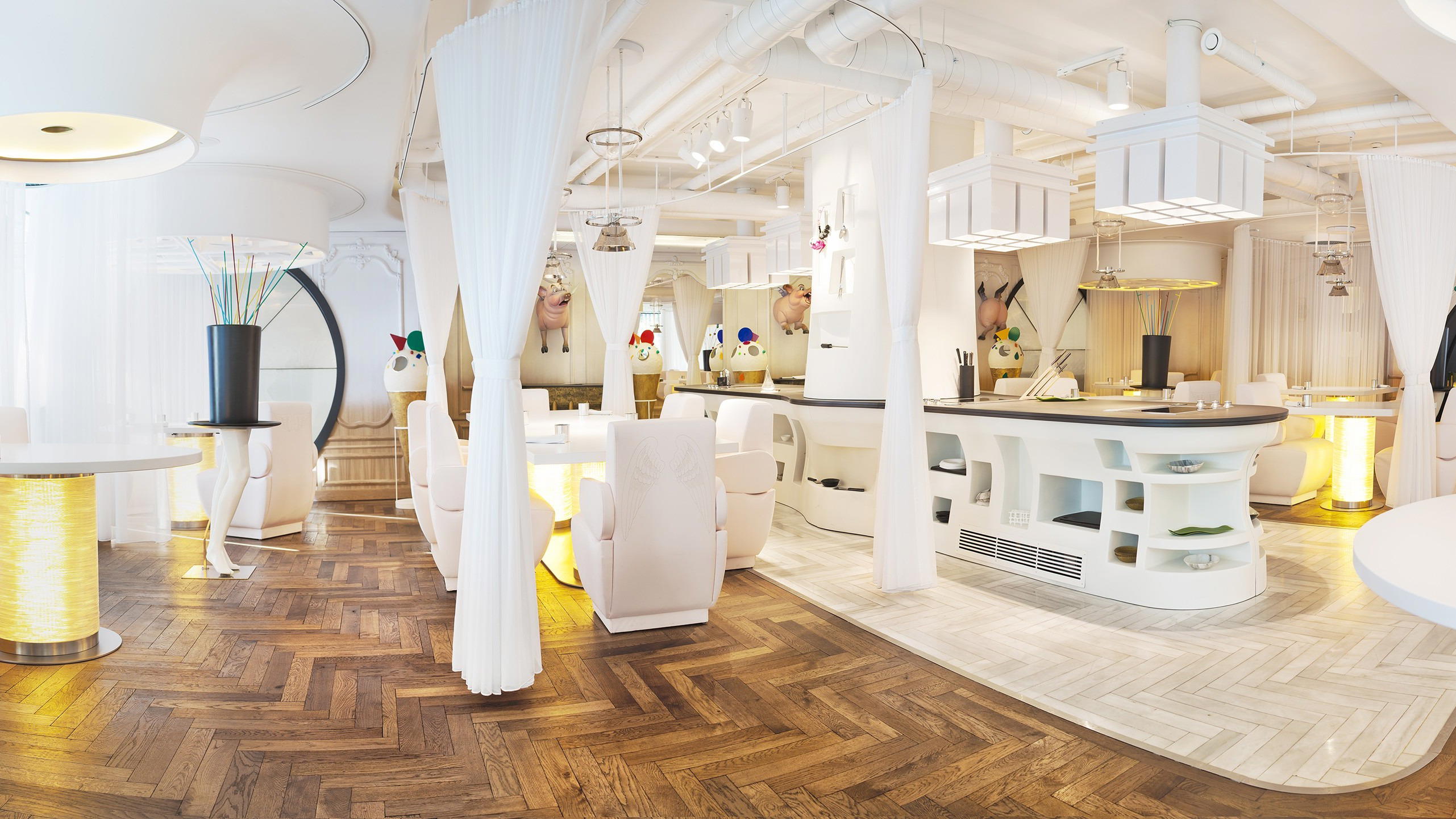
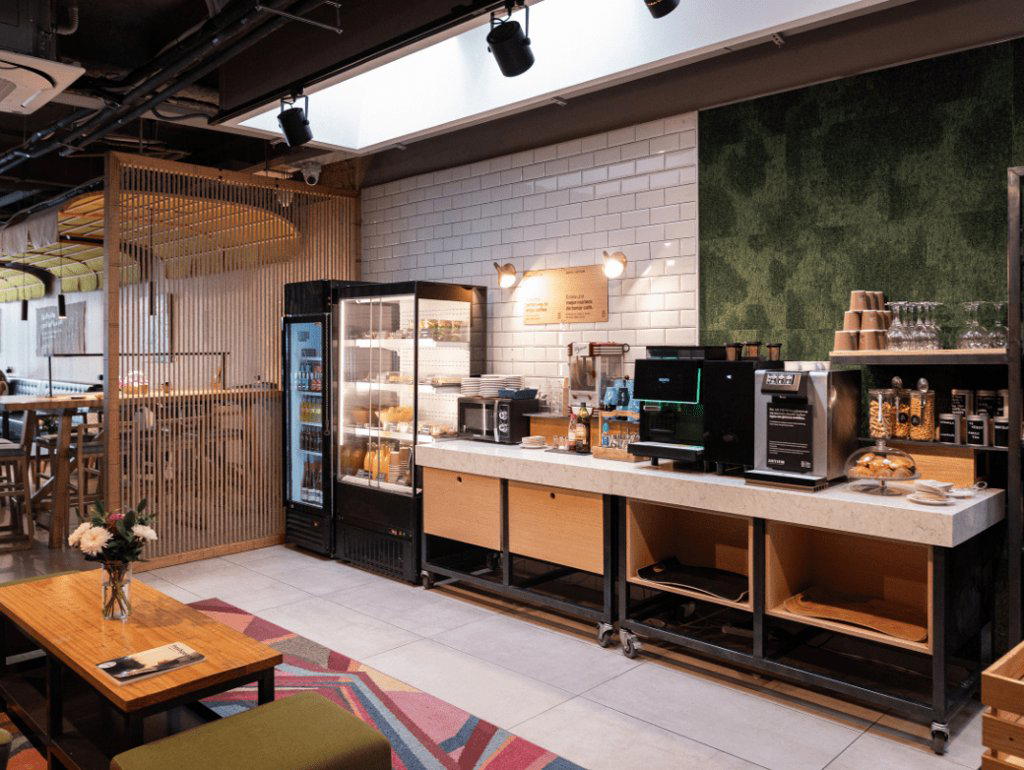
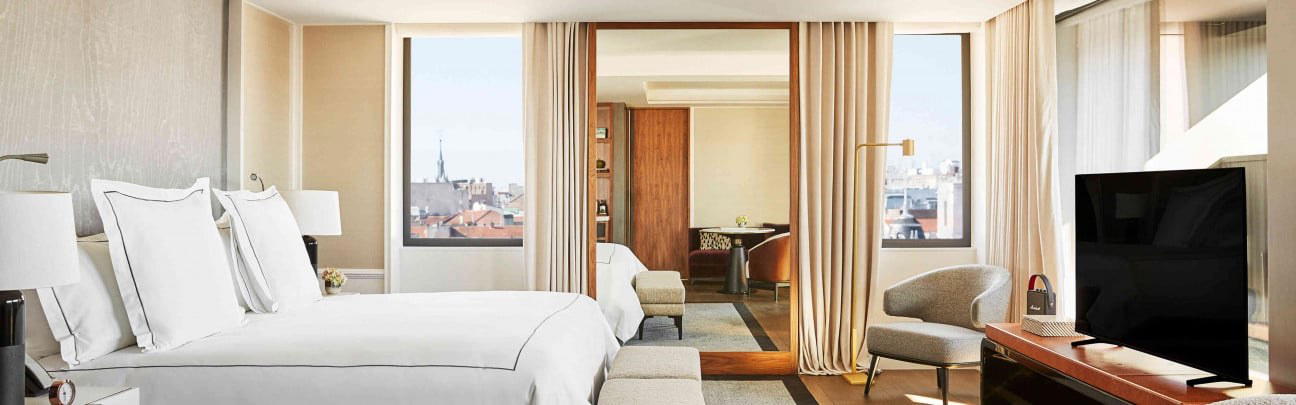
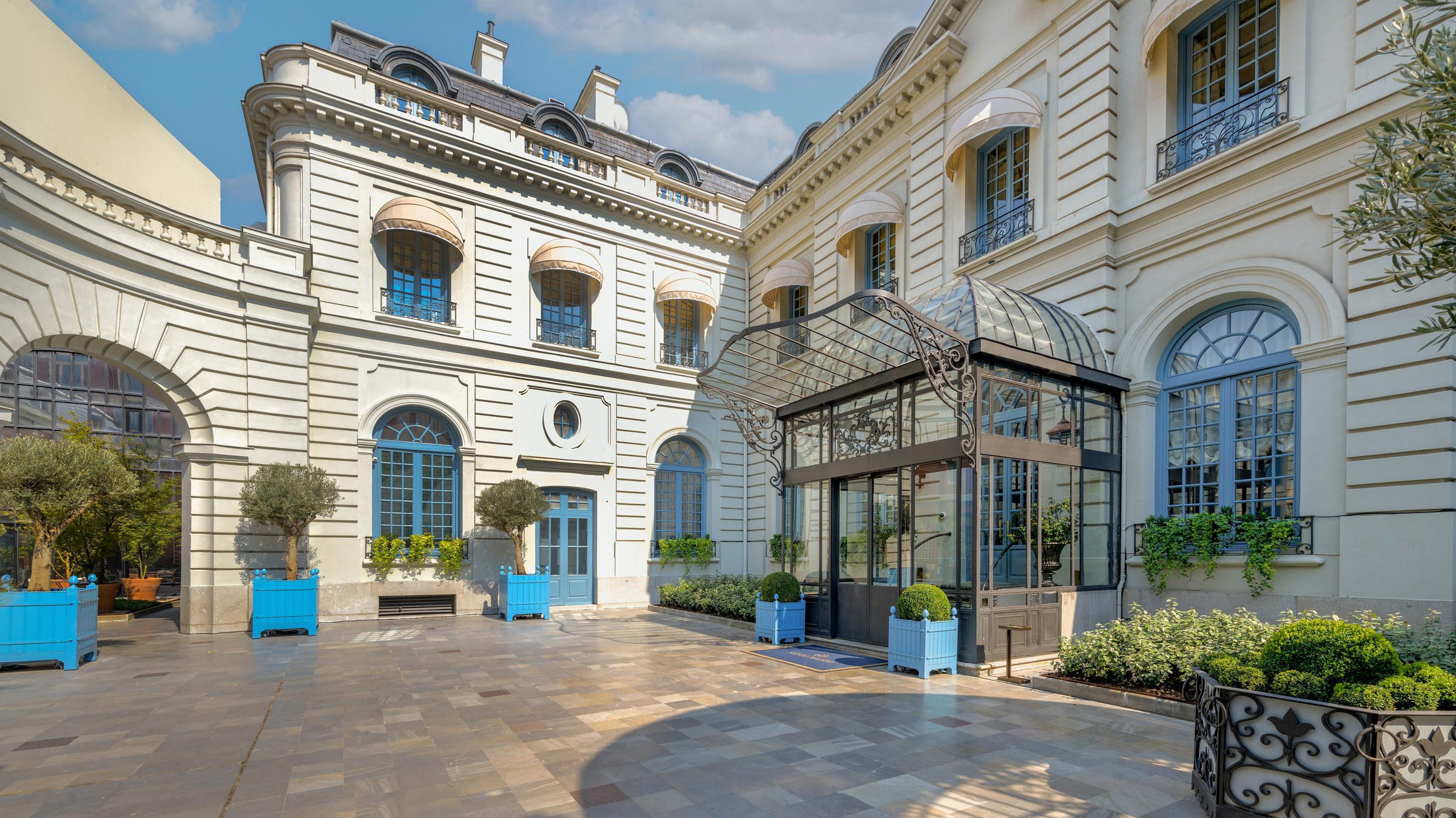
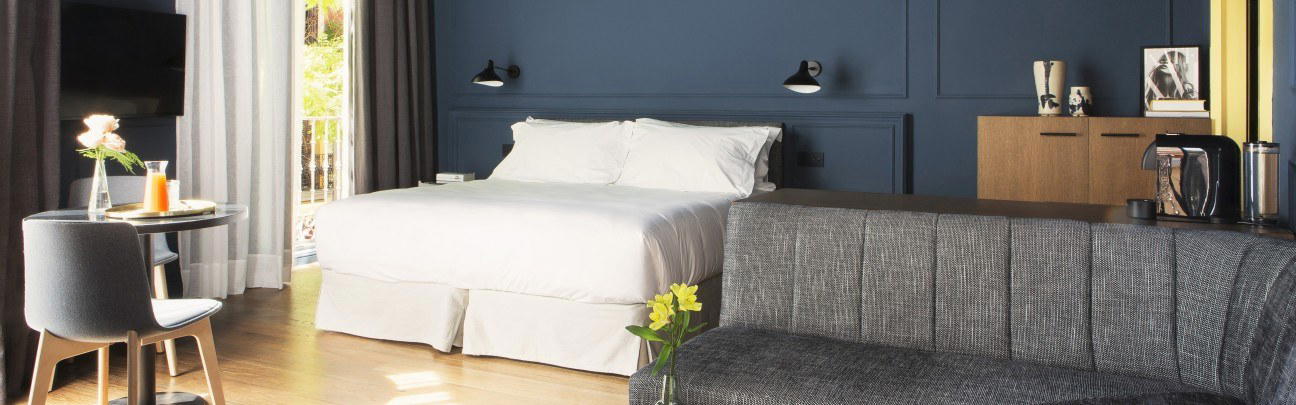

Details
- Cozy
- Elegant
- Intimate
- Classic
- Date Night
- Casual Hangout
- Terrace
- Seated Bar
- Lounge Seating
- Outdoor Terrace
- Conventional Wine
- Street Scene
Current opening hours
- Monday
- Closed
- Tuesday
- 6 PM–12 AM
- Wednesday
- 6 PM–12 AM
- Thursday
- 6 PM–12 AM
- Friday
- 1–4 PM, 6 PM–12 AM
- Saturday
- 1–4 PM, 6 PM–12 AM
- Sunday
- Closed
Hours can change for holidays and private events. Last verified .
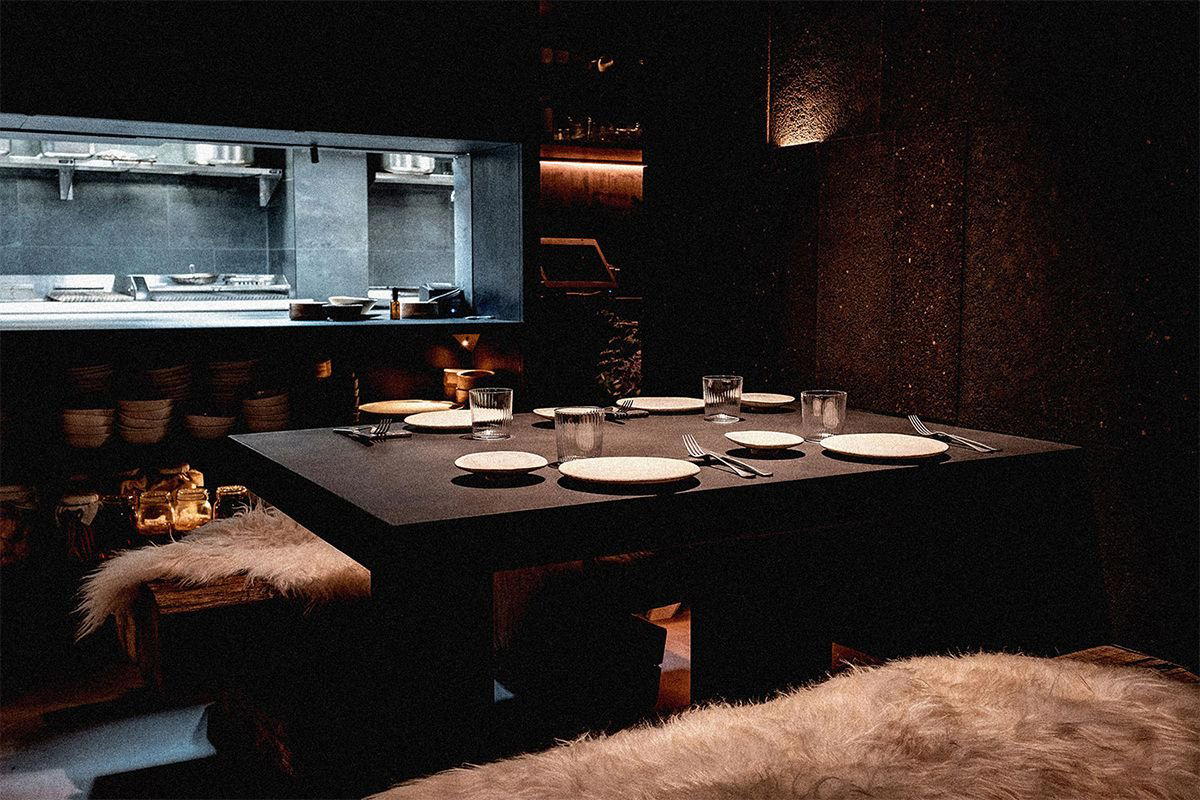
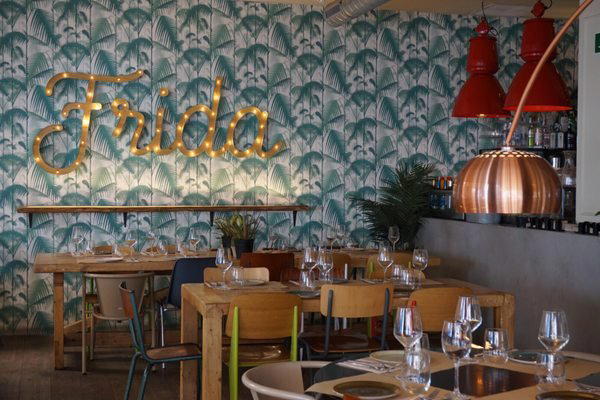
Cozy bistro atmosphere with charming indoor and new terrace seating to the park, providing a warm French village-like escape.