





Michelin Selected · La Liste Top Hotels · Virtuoso Luxury Hotel Partner
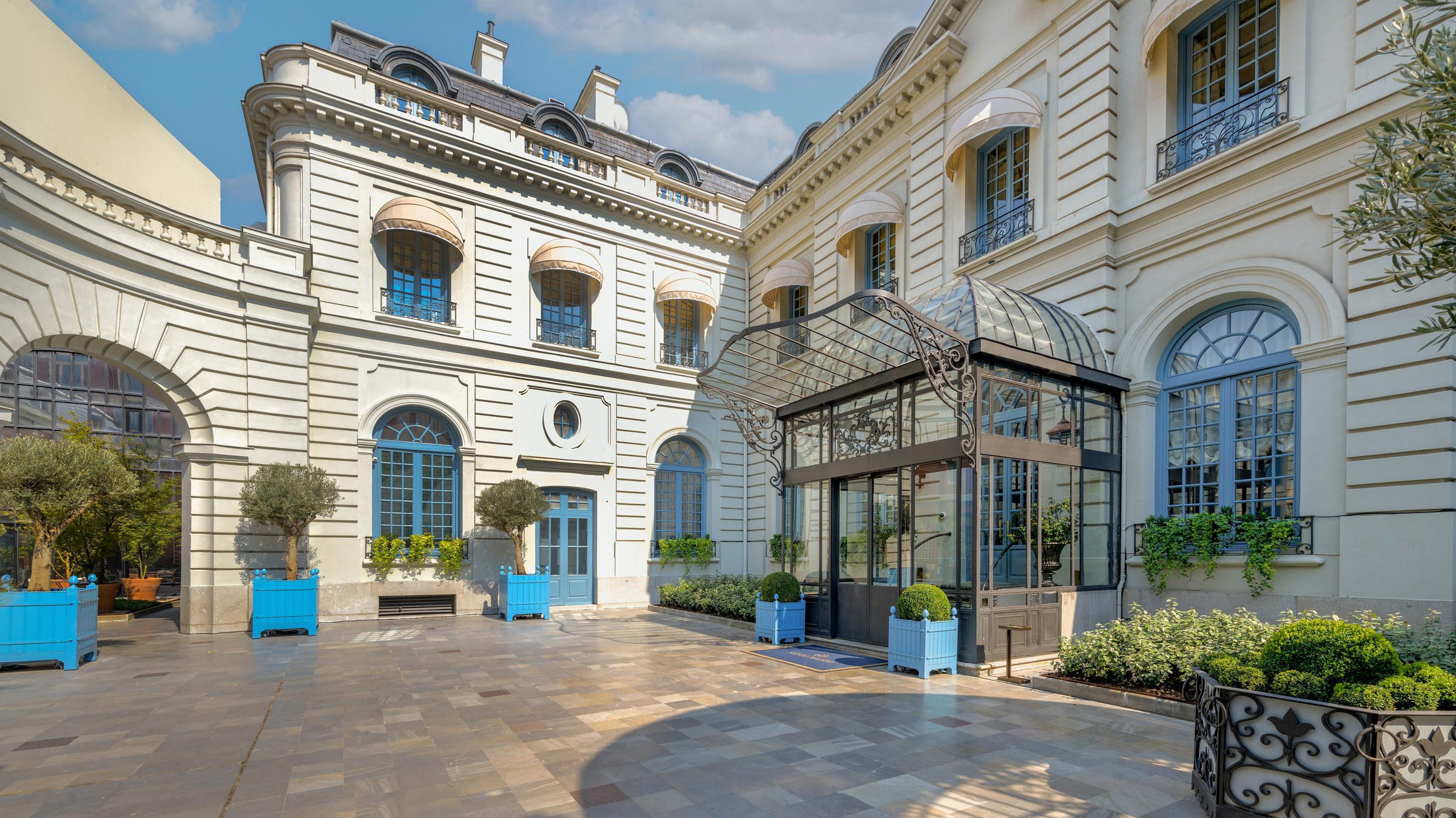
Set in a 19th-century aristocratic building on Madrid's Golden Mile in the Salamanca district, BLESS Hotel Madrid occupies one of the capital's most architecturally significant addresses. A Leading Hotels of the World member earning 94 points in the 2026 La Liste Top Hotels ranking, its 111 rooms and suites draw directly from the neighbourhood's Belle Époque heritage while positioning the property inside Madrid's compact tier of design-forward luxury addresses.

Pearl is the En Primeur Club membership app — saves, bookings, and concierge access live there. Same editors, same standards.
- Address
- Calle Velázquez, 62, Salamanca, 28001 Madrid
- Phone
- +34 915 75 28 00
- Website
- blesscollectionhotels.com
- Directions
- Get directions
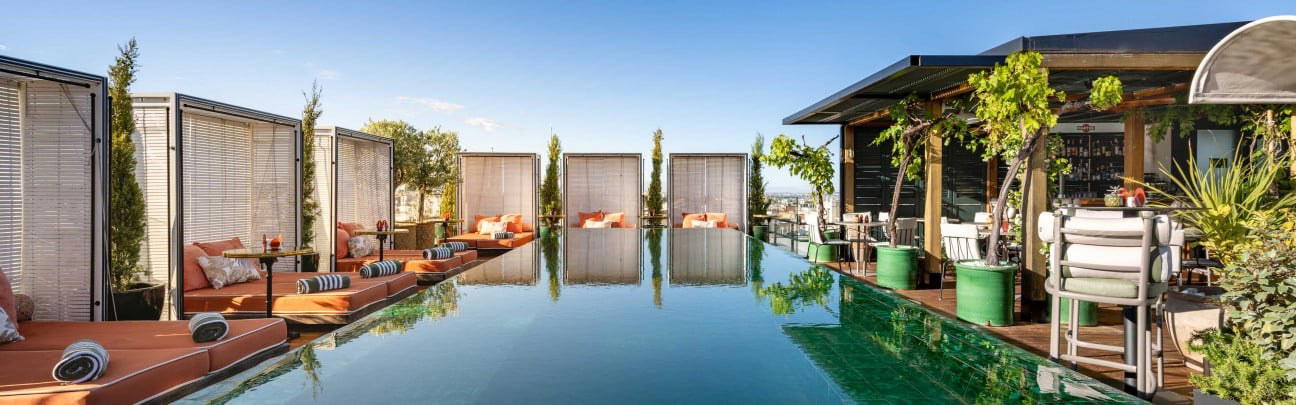
A Salamanca Address That Carries Its History Forward
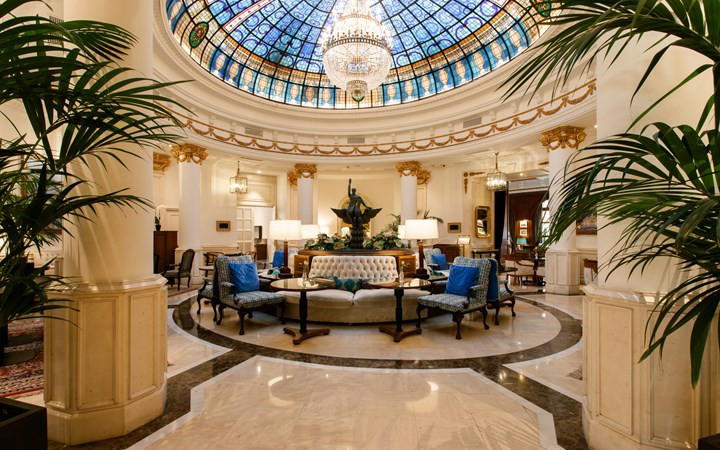
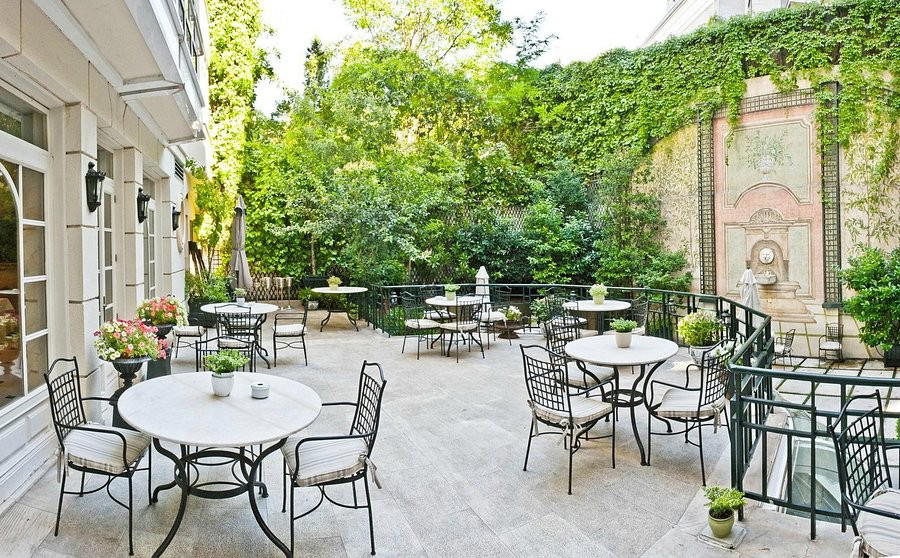
Calle Velázquez cuts through one of Madrid's most architecturally coherent neighbourhoods, where 19th-century residential palaces built for the city's landed aristocracy still define the streetscape. The Salamanca district — laid out in the 1860s under the urban plan of Marqués de Salamanca himself — was designed from the outset to be Madrid's most European quarter: wider avenues, uniform façades, and a density of private wealth that shaped the neighbourhood's commercial identity for the next century and a half. Walking this stretch of the Golden Mile today, the lineage is visible in the stone cornices, the wrought ironwork, and the proportions of doorways built for a grander era of entry. BLESS Hotel Madrid sits inside that architectural inheritance, housed in a building whose bones trace to the same 19th-century residential stock that once accommodated the capital's most prominent families.
That historical frame matters because it separates this property from purpose-built hotel towers that import luxury from elsewhere. The Salamanca district earned its social and commercial authority over generations, and a hotel embedded in one of its original residential buildings operates with a form of contextual credibility that newer construction on the city's periphery cannot replicate. For guests arriving from comparable addresses, the Mandarin Oriental Ritz, Madrid near Retiro, or the Four Seasons Hotel Madrid in the historic centre, BLESS represents a distinct residential quarter rather than a competing hotel typology. These are different arguments for where to base yourself in the city.
The Golden Mile as a Living Institution
Madrid's luxury retail corridor, referred to locally as the Manzana de Oro, runs through the Salamanca district along Serrano, Ortega y Gasset, and Velázquez, concentrating international fashion houses, Spanish designer boutiques, and fine jewellers at a density matched in Spain only by Barcelona's Passeig de Gràcia corridor. The Rosewood Villa Magna holds a comparable position on Paseo de la Castellana at the district's western edge; BLESS occupies the residential interior of the same neighbourhood, a few blocks removed from the primary arterial but within easy walking distance of its principal retail anchors. The difference is meaningful for guests whose itineraries are organised around shopping rather than sightseeing: the Prado and Reina Sofía require a taxi or metro, while the major flagship stores are minutes on foot.
Spring and early autumn represent the district's most animated periods. The city's fashion retail calendar peaks in March through May and again in September through October, when buyers, press, and collectors arrive alongside the general leisure traveller. Summer in Madrid runs long and hot, temperatures routinely exceed 35°C in July and August, which compresses outdoor activity into mornings and evenings and shifts the city's social weight toward terraces and interior spaces. Guests arriving in the quieter December-to-February window will find shorter queues at the Prado and Thyssen-Bornemisza, both within reasonable distance, and a city that operates at a slightly less compressed pace.
111 Rooms Shaped by Aristocratic Reference
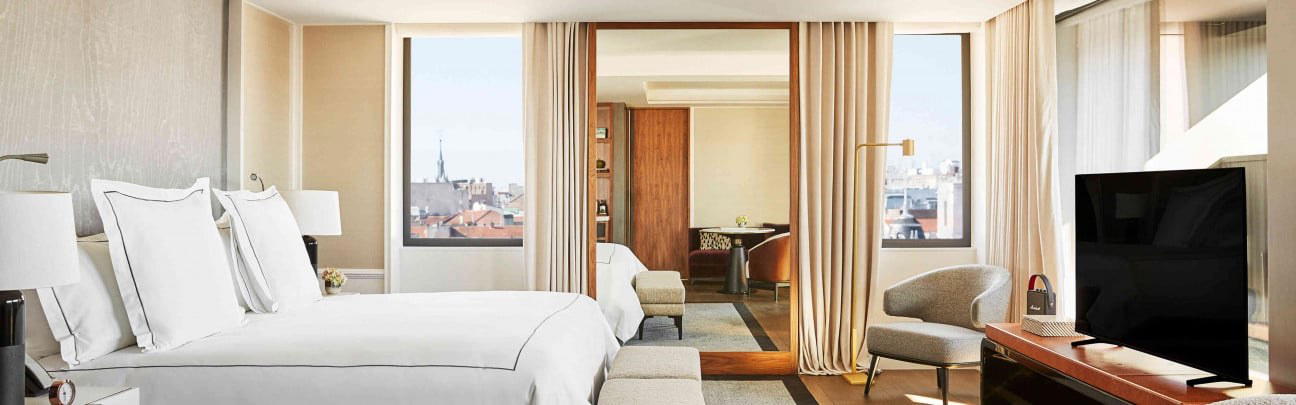
At 111 keys, BLESS Hotel Madrid sits in the mid-size tier of Madrid's premium hotel market, larger than boutique properties such as Hotel Unico Madrid, which operates at a smaller, more intimate scale, but considerably more compact than the large-format properties that anchor the city's convention and corporate trade. The rooms draw their aesthetic references from the original 19th-century aristocratic homes that defined this block before the building's conversion: proportions, material language, and decorative grammar that acknowledge the address without replicating it as pastiche. This approach places BLESS in a category of hotels that treat historical buildings as creative constraints rather than obstacles, a methodology that has become more common across Spanish cities as the premium hotel sector has moved away from generic international interiors toward regionally inflected design programs.
Comparable properties across Spain that have pursued a similar relationship between historical architecture and contemporary luxury include Hotel Can Cera in Palma, where a 17th-century palace underpins a tightly edited modern interior, and CoolRooms Palacio de Atocha in Madrid itself, which follows a comparable palace-conversion logic at a different price point and neighbourhood. Within the Salamanca district specifically, the residential character of the original stock gives converted properties a quieter, more private atmosphere than hotels on primary commercial avenues, a quality that distinguishes the neighbourhood's hotel offer from louder, more event-driven addresses elsewhere in the city.
Credentials and Competitive Position
BLESS Hotel Madrid holds membership in Leading Hotels of the World as of 2025, a portfolio affiliation that signals a consistent standard of physical plant and service delivery across an inspected criteria set. The property received 94 points in the 2026 La Liste Leading Hotels ranking, a score that places it inside the credentialled tier of Madrid luxury hotels while leaving room above it occupied by the city's most decorated addresses. For reference, La Liste's scoring methodology weights culinary programming, physical environment, and service quality, making a 94-point result a substantive credential rather than a courtesy inclusion. Among Madrid properties with comparable neighbourhood positioning and La Liste recognition, BLESS competes most directly with Hotel Unico Madrid and Gran Hotel Inglés, each of which occupies a distinct residential or historic address with its own architectural argument.
Guests calibrating against Spain's broader luxury hotel field will find relevant reference points across different regions: Abadía Retuerta LeDomaine in Teruel, Akelarre in San Sebastián, and Cap Rocat in Cala Blava each demonstrate how Spain's premium hotel tier has developed distinct regional identities well outside the capital. Within Madrid, the Gran Meliá Palacio de los Duques and Hotel Rector represent alternative positioning in terms of district and scale. For the broader Madrid dining and hotel context, our full Madrid guide maps the city's key properties against neighbourhood and category.
Planning Your Stay
The property sits at Calle Velázquez, 62 in the Salamanca district, postcode 28001, within the residential grid that runs east of the Castellana. The nearest metro stations on lines 4 and 6 give direct access to the airport and to central Madrid's major museum corridor. Guests arriving from international destinations will find the address practical as a base for both cultural programming in the historic centre and proximity to the district's retail and restaurant concentration. The spring shoulder months of April and May offer a balance of manageable temperatures, a full cultural calendar, and hotel rates that have not yet reached peak summer compression. Booking protocols follow Leading Hotels of the World standards; direct reservations through the property's own channels are the standard approach for suite-level or special-occasion stays.
For comparable international positioning, properties that similarly combine historical architecture with a credentialled luxury programme in major city addresses, Mandarin Oriental Barcelona and Aman Venice offer instructive parallels in how European cities have converted period buildings into contemporary luxury anchors. The The Fifth Avenue Hotel in New York City presents an analogous argument in a different market: a historically weighted address used as a differentiator within a competitive luxury set.
Same-City Peers
Comparable venues nearby, for context on price, style, and recognition.
| Venue | Cuisine | Price | Awards | Notes |
|---|---|---|---|---|
| BLESS Hotel MadridThis venue — the venue you are viewing | Luxury lifestyle boutique in the Golden Mile. | Not listed | Michelin Selected · La Liste Top Hotels | Not listed |
| Hotel Fénix, a Gran Meliá Hotel | Luxury urban heritage hotel with neoclassical elements. | $100–200 | Forbes 4-Star · Leading Hotels of World Member | Recoletos |
| The Madrid EDITION | Contemporary luxury urban resort with artistic design direction by Ian Schrager, blending modern minimalism with baroque-inspired accents and curated art installations throughout public spaces. | $300–500 | Michelin Selected · La Liste Top Hotels | Sol |
| Thompson Madrid | Lifestyle hotel in the heart of Madrid's lively center | Not listed | Michelin Selected · Virtuoso Luxury Hotel Partner | Sol |
| Metrópolis Madrid | Contemporary luxury design hotel | $200–300 | Conde Nast Hot List Hotels | Gran Vía |
| Thompson Madrid, by Hyatt | Lifestyle luxury hotel with residential-inspired design | Not listed | Michelin Selected · Virtuoso Luxury Hotel Partner | Lavapies |
Recognition history
Dated appearances from independent guides and award organizations, with the underlying list record or original source where available.
Michelin Selected
Michelin
La Liste Top Hotels
La Liste
Forbes 5-Star
Forbes
Mr & Mrs Smith Seal of Approval
Mr & Mrs Smith
Virtuoso Luxury Hotel Partner
Virtuoso
Full recognition history (6 entries)
Leading Hotels of World Member
Leading Hotels of World
Continue exploring
More in Madrid
Hotels in Madrid
Browse all →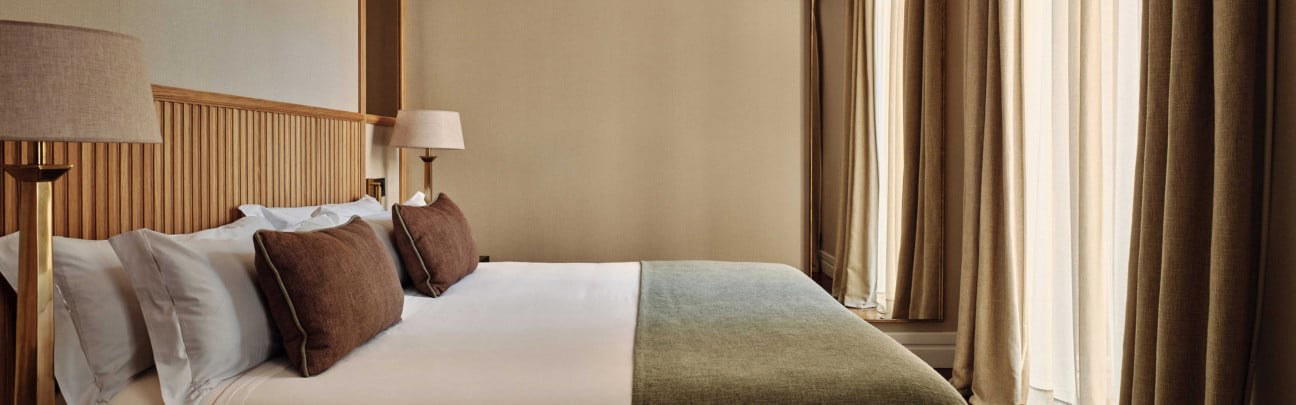
Bars in Madrid
Browse all →
Restaurants in Madrid
Browse all →

Details
- Elegant
- Sophisticated
- Modern
- Ornate
- Romantic Getaway
- Honeymoon
- Business Trip
- Anniversary
- Rooftop Pool
- Terrace
- Historic Building
- Wi Fi
- Pool
- Spa
- Fitness Center
- Room Service
- Concierge
- Business Center
- Valet Parking
- Skyline
- Street Scene
- Garden
- Wheelchair Accessible
- Elevator
- Step Free Entrance
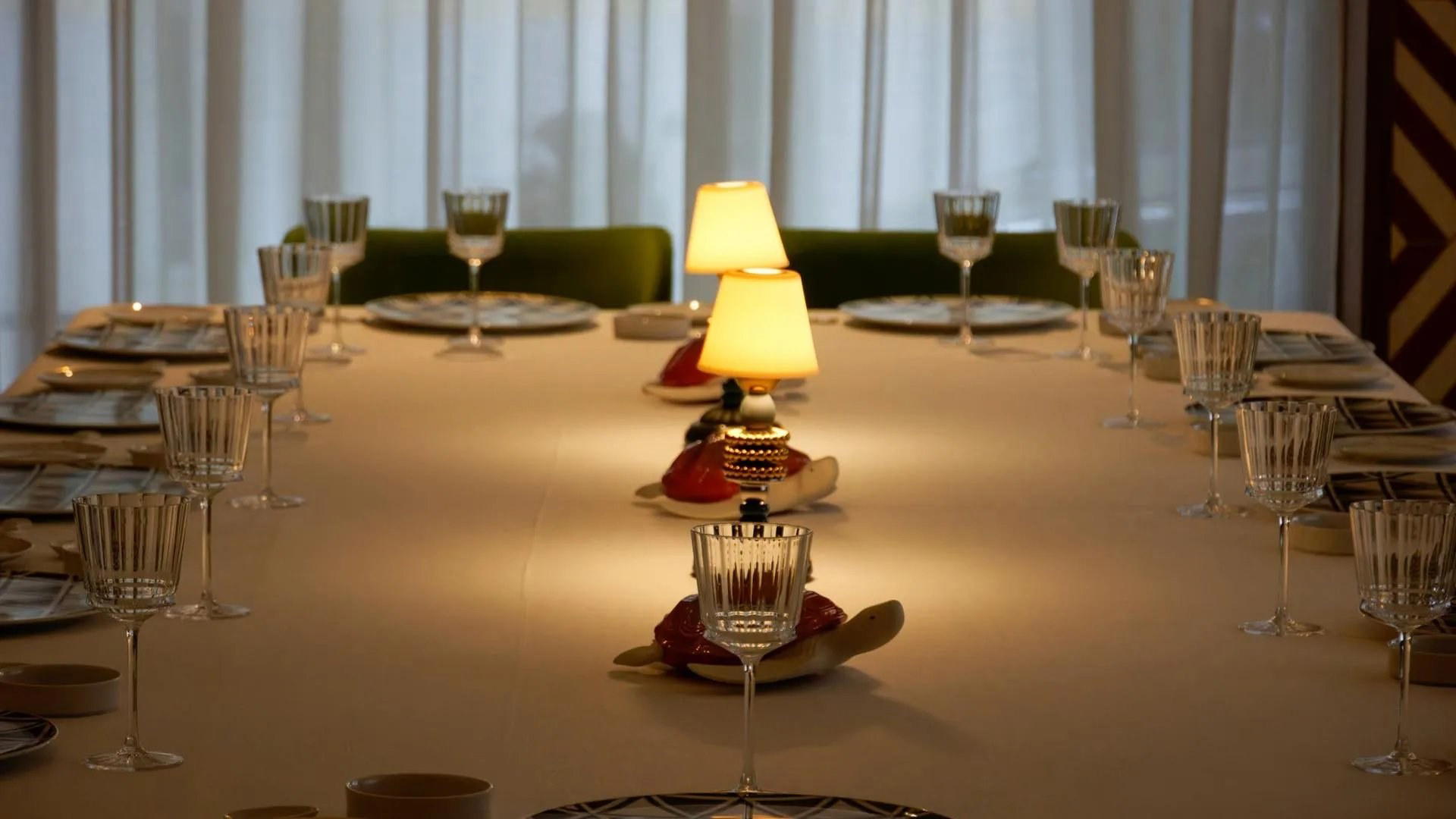
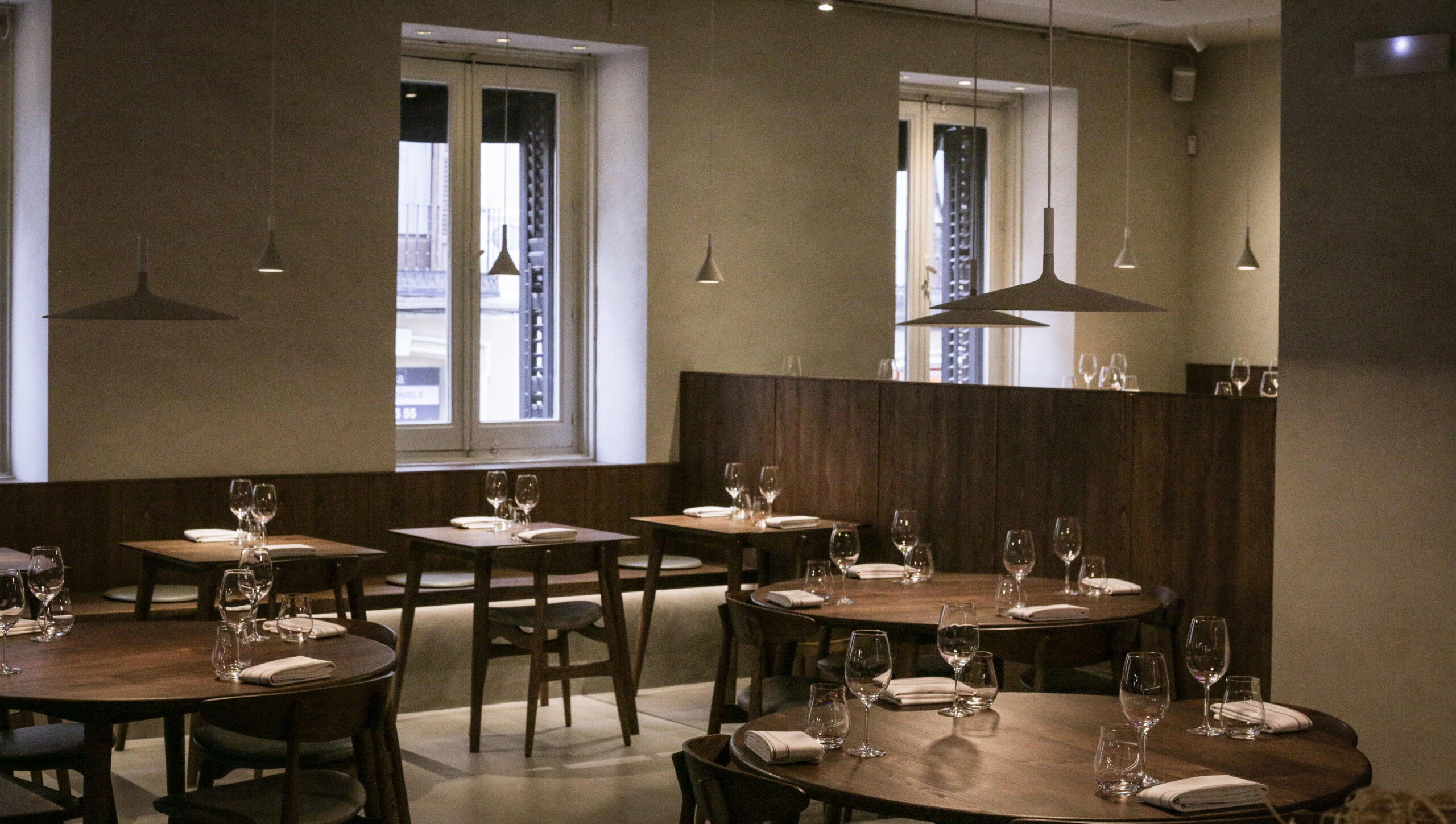
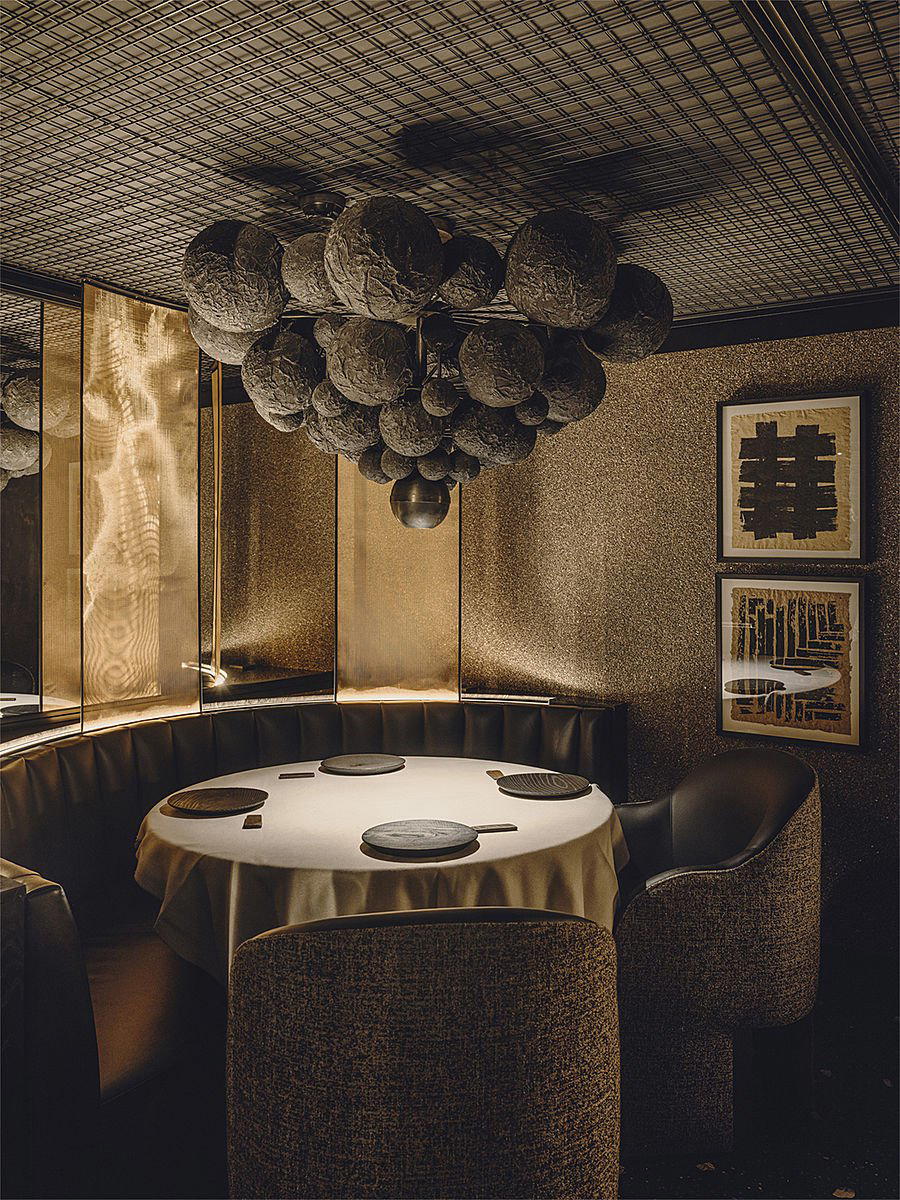
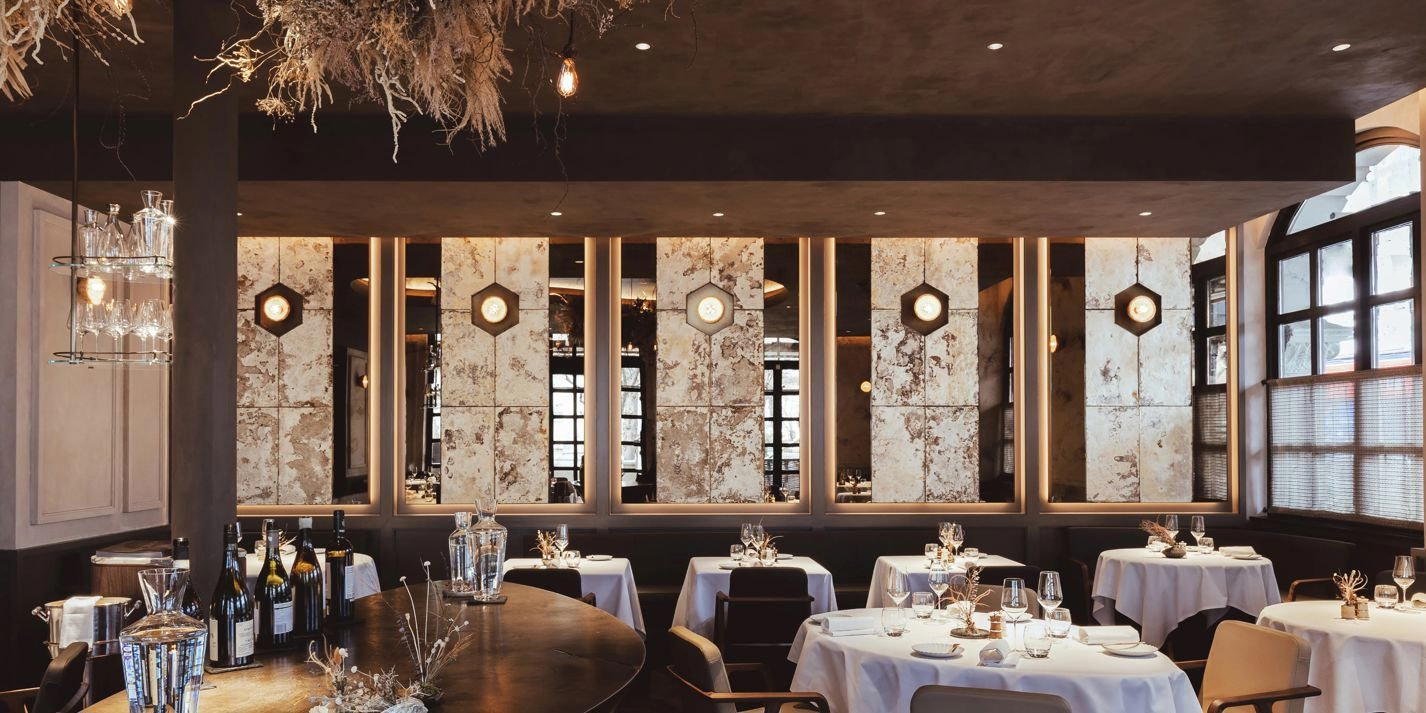
Elegant and chic atmosphere with refined lighting, luxurious decor, soundproof rooms, and serene spaces including fireplaces and terraces.