



1 Michelin Star · Star Wine List · Guía Repsol 1 Sol
Our verdict
A Michelin-starred restaurant in Chamartín where French classical technique meets Japanese restraint, Pabú centres its daily-changing tasting menus on micro-seasonal vegetables with near-obsessive sourcing discipline. Chef Coco Montes, formed at Alain Passard's Arpège, has attracted a following that includes the Spanish royal family, and the wine list claimed the Star Wine List number one ranking in 2026.

Pearl is the En Primeur Club membership app — saves, bookings, and concierge access live there. Same editors, same standards.
- Address
- C. de Panamá, 4, Chamartín, 28036 Madrid, Spain
- Phone
- +34 645 47 27 68
- Hours
- Mon ClosedTue–Wed 1:30–3:30 PMThu–Sat 1:30–3:30 PM, 8:30–10:30 PMSun Closed
- Website
- restaurantepabu.com
- Directions
- Get directions
- Booking
- Book on CoverManager
Where Chamartín Meets the Counter
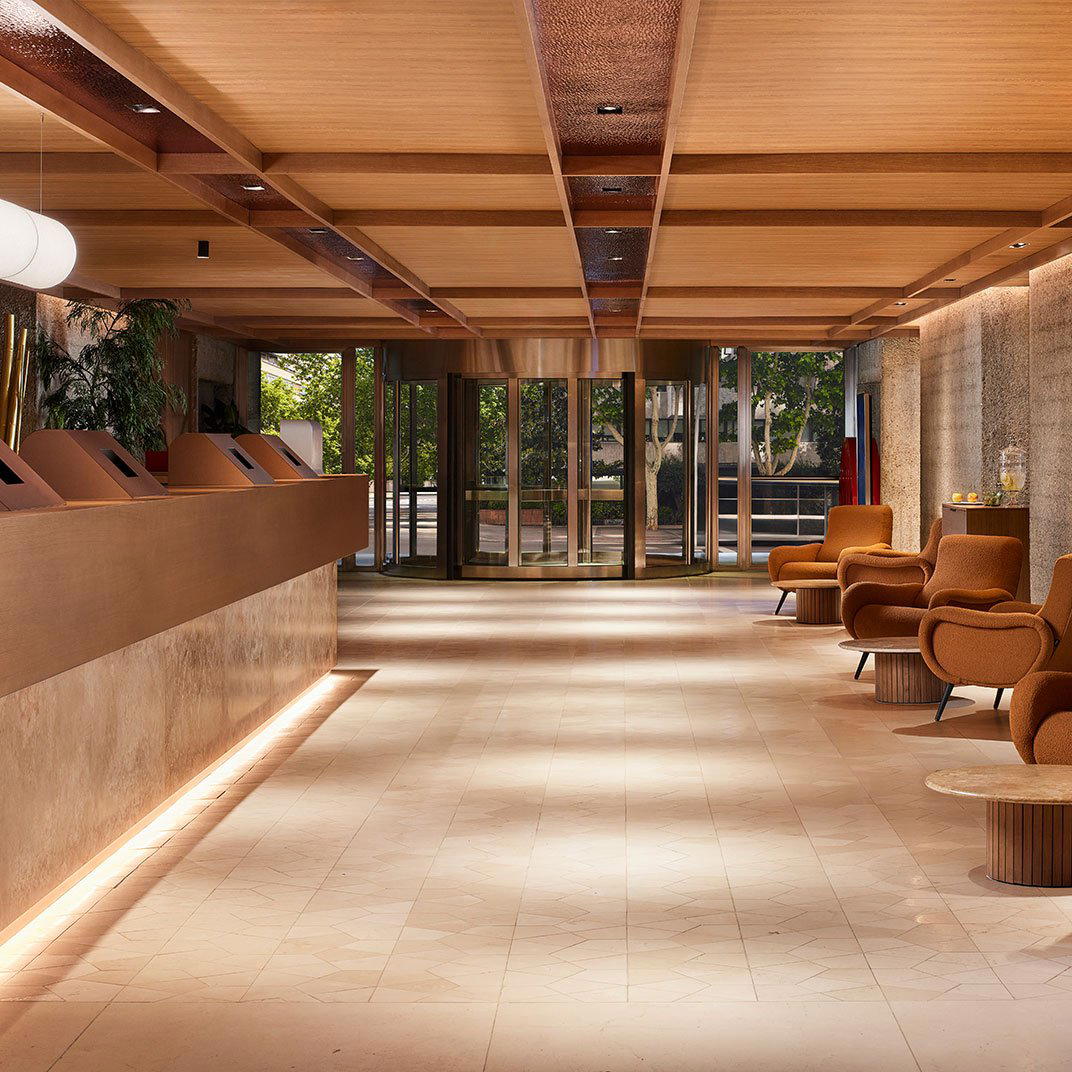
The stretch of Calle de Panamá that runs past the Ministry of Industry and Tourism is not where most visitors to Madrid expect to find serious tasting-menu dining. Chamartín's reputation is commercial and residential, its skyline defined by tower offices rather than restaurant rows. That displacement is partly the point. The dining rooms that have taken root here operate without the foot-traffic pressure of the centre, and the result is a quieter, more considered atmosphere than you find at comparable price-tier restaurants around Gran Vía or the Retiro perimeter.
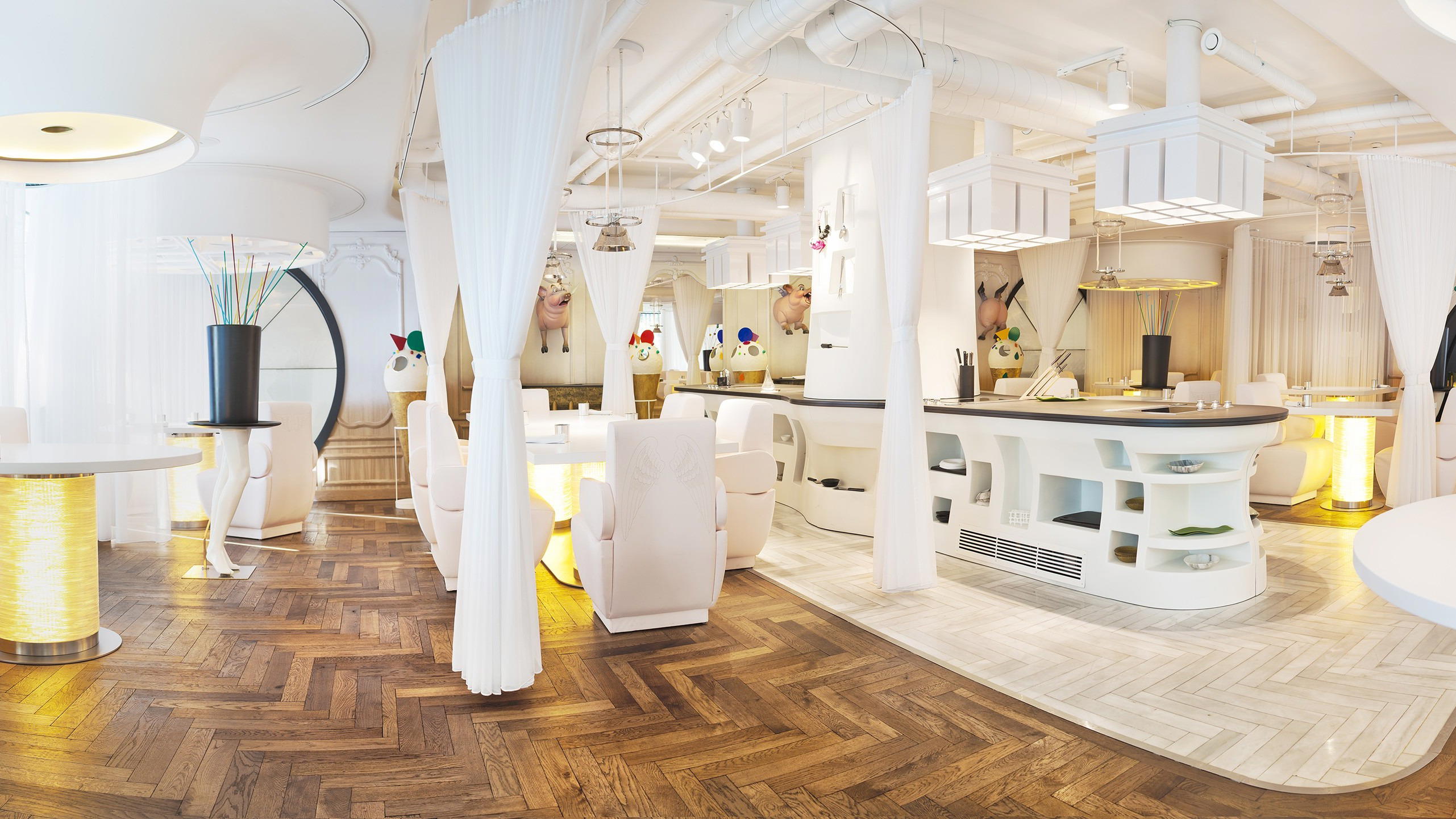
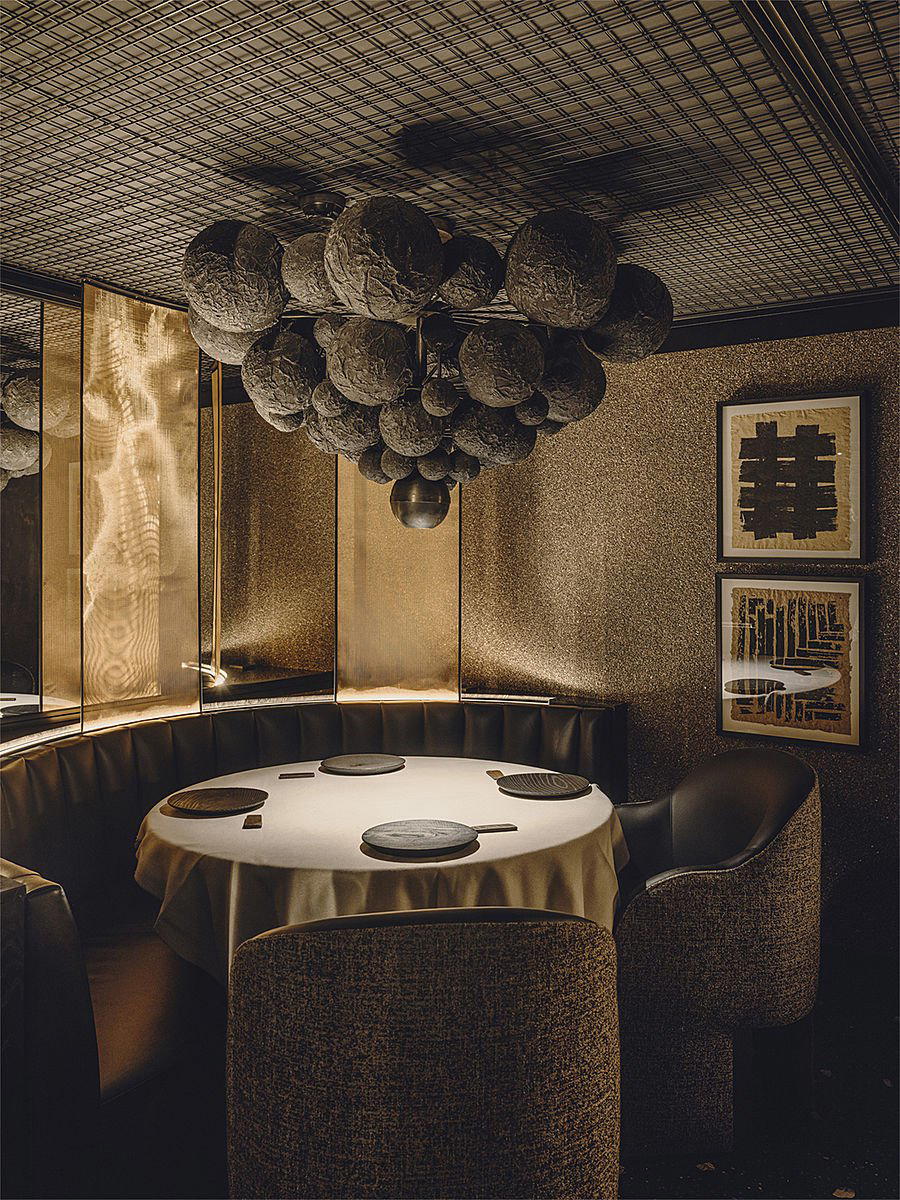
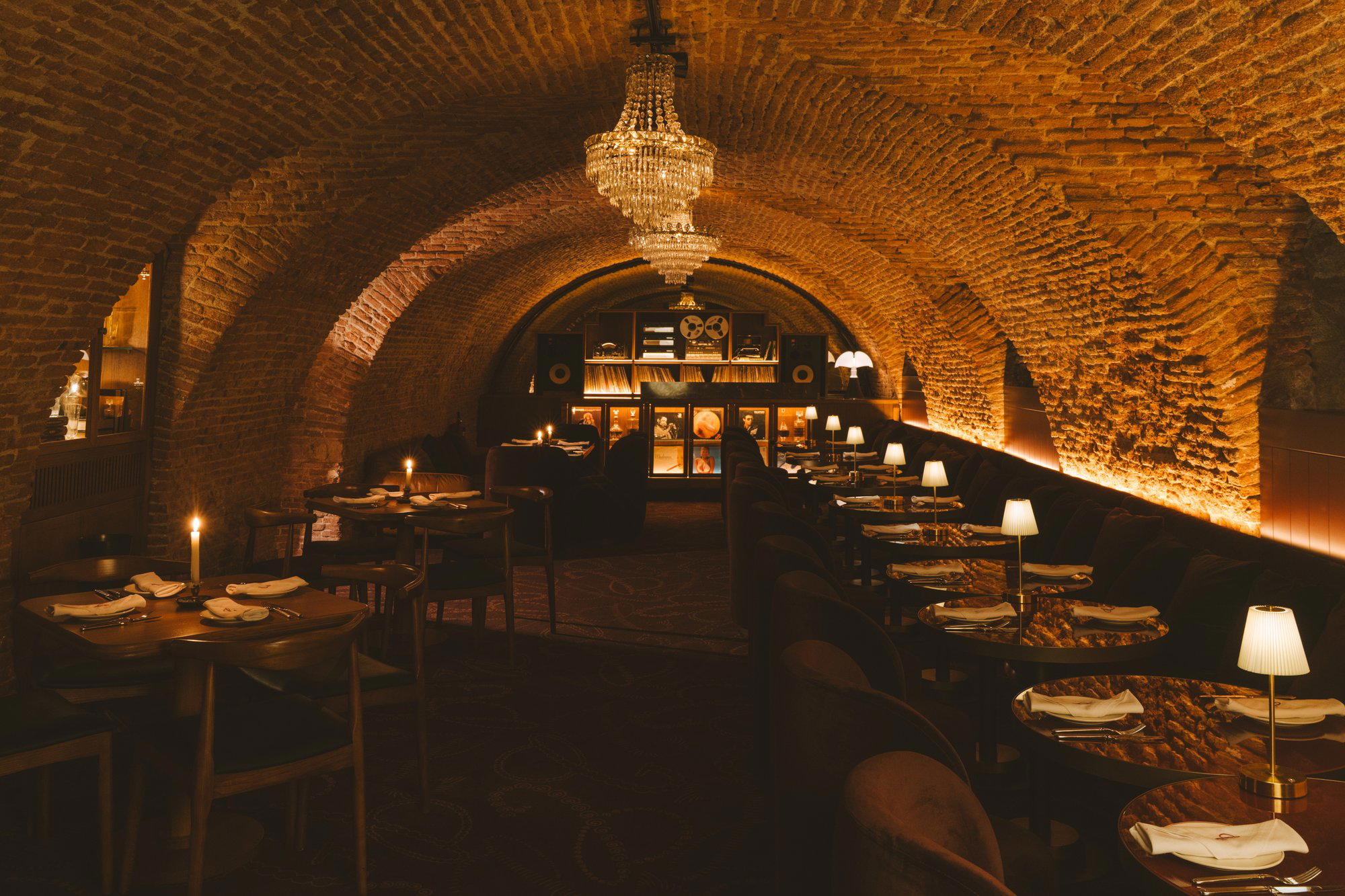
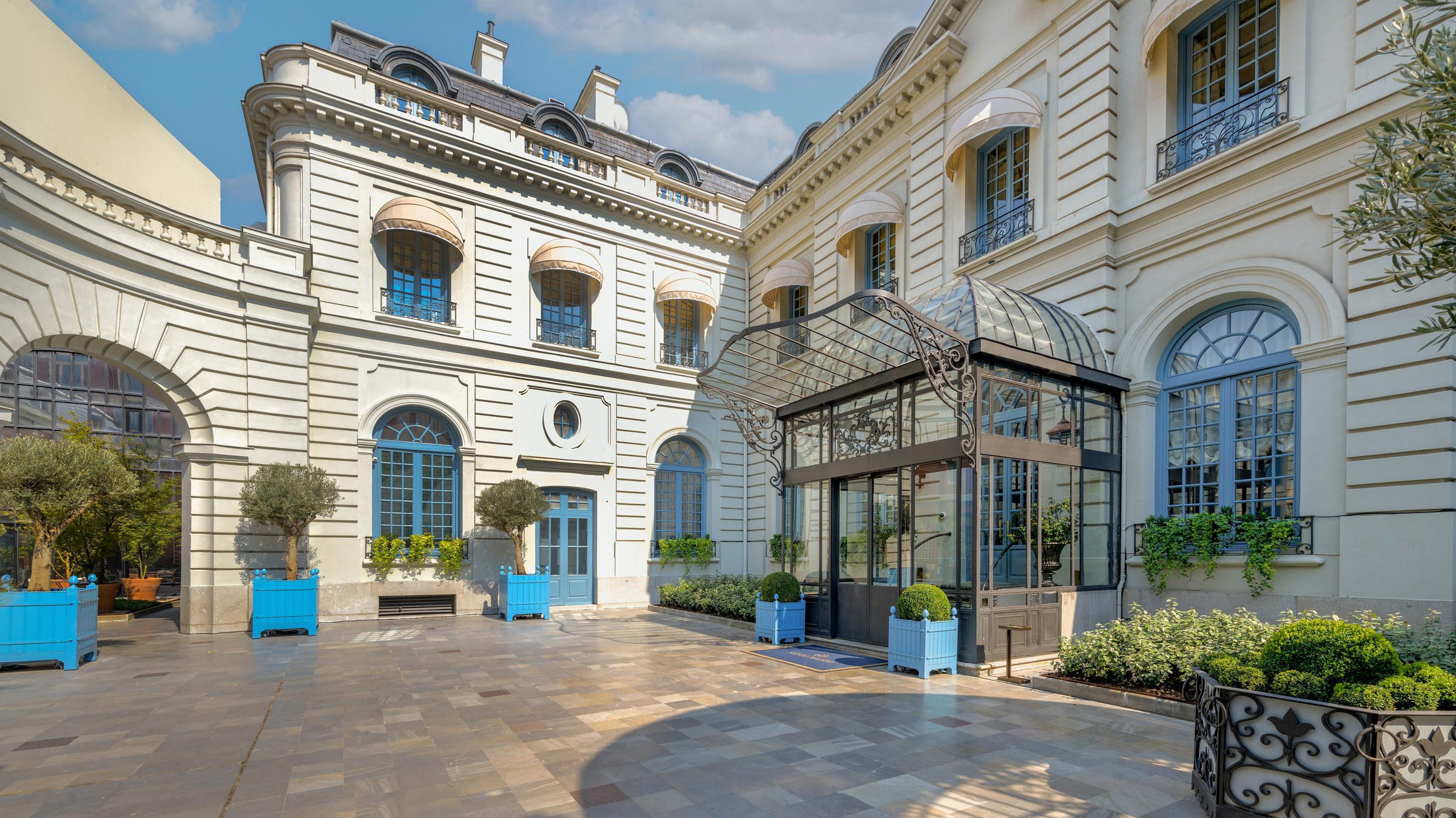
Pabú sits directly opposite the Ministry, and the building gives little away from the street. Inside, the register shifts. The format is structured around two surprise tasting menus named Bubú and Pate — the latter running to eight courses, with a half-portion option available — and the kitchen's axis is firmly vegetable-first. Protein appears, but rarely as the load-bearing element of a plate. Delicate textures and micro-seasonal timing govern what arrives at the table from one day to the next, meaning the menu in any given week reflects current supplier deliveries rather than a fixed card.
The Beverage Programme: Wine List as Anchor
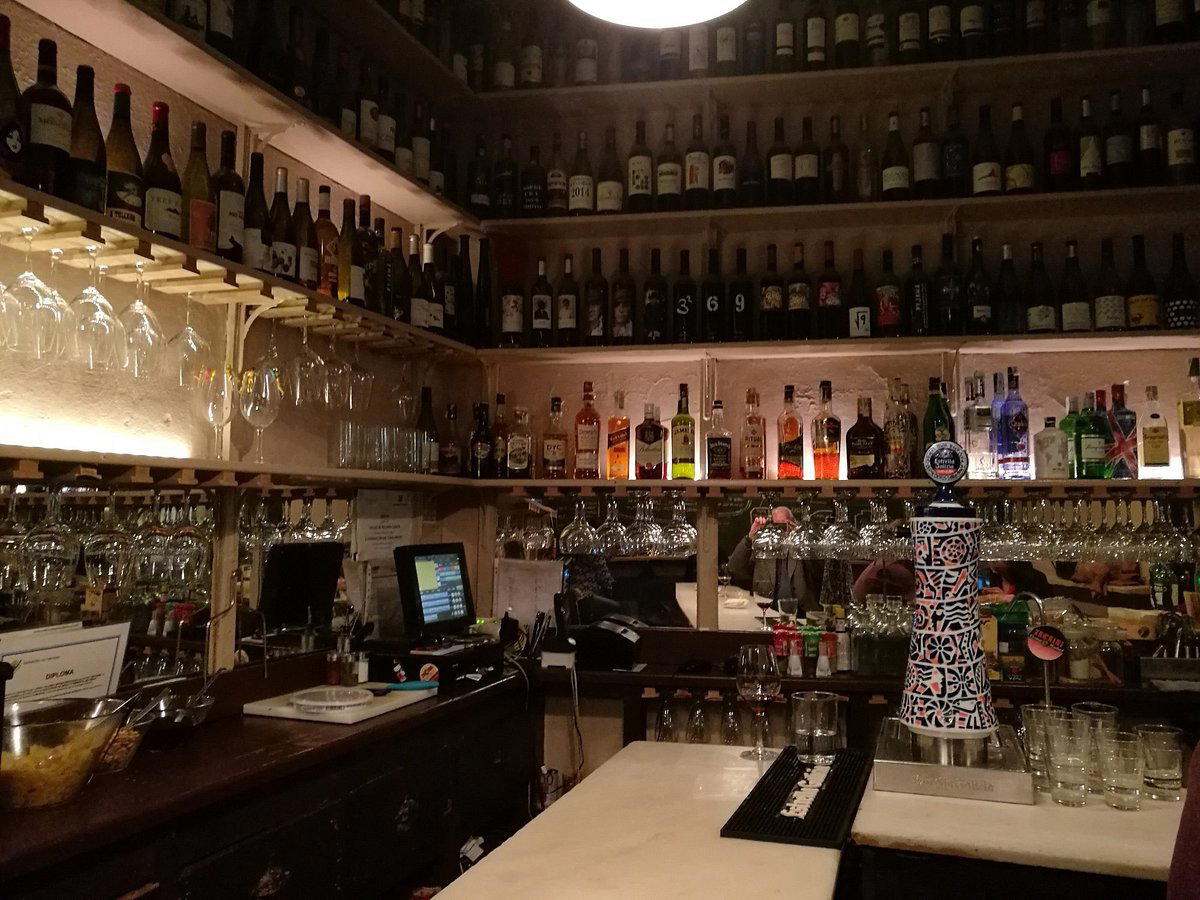
Madrid's leading tasting-menu tier has become an increasingly competitive space for wine programming. DiverXO, Coque, and Deessa all maintain lists that expect serious engagement from guests. Pabú has moved into a distinct position within that field: its wine list received the Star Wine List number one ranking in 2026, a credential that places it above most of its immediate peers in terms of beverage programme recognition.
The editorial angle at Pabú is not simply volume or prestige labels. The kitchen's orientation toward vegetables, delicate textures, and French classical precision creates specific pairing demands. High-acid whites, skin-contact wines, and lighter reds tend to perform better alongside vegetable-led tasting menus than the Rioja Gran Reserva pours that anchor more conventionally Spanish dining rooms. Whether the list leans into natural wine territory, Burgundian restraint, or a broader international sweep, the Star Wine List recognition signals a programme built with intentional depth rather than assembled from standard distributor offerings.
For guests planning a longer evening around the eight-course Pate menu, the drinks pairing is arguably as important a decision as which menu to select. The micro-seasonal kitchen means the pairing list will shift in step with the food, and guests returning across different seasons may encounter a materially different experience in the glass as well as on the plate. That mutability is one of the structural arguments for treating Pabú as a repeat visit rather than a single occasion.
Vegetables as the Technical Argument
Spain's most-discussed tasting menus of the past decade have generally operated around the country's own product traditions, Basque protein, Andalusian seafood, Castilian roasting. The vegetable-centred format that Pabú works in connects more directly to the lineage of Arpège in Paris, where Alain Passard repositioned a three-Michelin-star kitchen around the produce from the restaurant's own gardens after 2001. Chef Coco Montes trained within that tradition, and the influence shows in the kitchen's commitment to sourcing discipline and in the priority given to cooking technique as a means of drawing flavour from vegetable material rather than from fat or reduction.
The We're Smart Movement, which recognises chefs working with vegetables at a high technical level, has placed Pabú at four radishes, the organisation's upper tier of recognition. That sits alongside the Michelin star awarded in 2024 and the Opinionated About Dining ranking of 227th in Europe in 2025. Collectively, these credentials position the restaurant within a specific niche: tasting-menu dining where the main event is neither a protein cut nor a theatrically complex dish construction, but the argument that vegetables, handled correctly, carry equal weight.
The menu's flexibility extends to fully plant-based versions of both the Bubú and Pate formats, which allows guests with different dietary approaches to engage with the same menu architecture. That optionality is increasingly common at the top of European tasting-menu dining, El Celler de Can Roca in Girona and Disfrutar in Barcelona both operate with significant flexibility, but it remains less common in Madrid's fine dining tier, where protein-heavy menus remain the structural norm across venues including Paco Roncero and DSTAgE.
The Izakaya Register and What It Means Here
Pabú is formally categorised as izakaya and creative, which requires some explanation given the context. Classical izakaya in Japan operates as a specific social format: informal, drink-centred, with food arriving in small quantities across an extended session. At a technical level, the izakaya register values sharing, spontaneity, and beverage integration in a way that differs from the European tasting-menu format. The creative classification signals that Pabú does not attempt to replicate either tradition wholesale.
What the izakaya framing likely signals in this context is an attitude toward the relationship between drink and food rather than a menu structure lifted from Tokyo. The approach at venues like Atomix in New York demonstrates how Korean and Japanese hospitality registers can be absorbed into high-end tasting-menu formats without losing the underlying logic of pairing and pacing that makes those traditions relevant. At Pabú, the vegetable-led kitchen, the award-recognised wine list, and the surprise-menu format collectively suggest a room where the drink programme and the food programme are designed to operate as a single experience rather than as separate decisions.
The daily-changing menu adds another layer of izakaya logic: the discipline of working entirely with what is available now, without the architectural consistency that a fixed menu requires. Cooks trained in this approach tend to be more technically versatile than those working from stable plates, and the kitchen's French classical foundation provides the framework that keeps daily variation coherent rather than arbitrary.
Madrid's Tasting Menu Tier: Where Pabú Sits
The top end of Madrid dining in the €€€€ bracket now includes a range of technical approaches that would have been unusual a decade ago. DiverXO operates at the theatrical extreme of progressive Asian-influenced cooking. Coque draws on Spanish product tradition and cellar depth. Deessa occupies a luxury hotel position with modern Spanish framing.
Spanish royal family's choice of Pabú for a birthday celebration is a trust signal of a specific kind: it confirms that the restaurant operates comfortably at the level of private occasion dining, with service and discretion to match. That context, combined with the Santiago Bernabéu proximity, gives the room a particular clientele mix that reflects Chamartín's dual identity as both corporate and aspirationally residential.
For international visitors, the comparison that travels most directly is probably Le Bernardin in New York City or Arzak in San Sebastián: places where the technical sophistication is non-negotiable and the experience is built around a single clearly stated culinary commitment, but the formality is tempered by genuine hospitality rather than institutional distance.
Planning Your Visit
Pabú is open Tuesday through Friday for lunch (11 am to 2 pm) and dinner (4 pm to 9 pm), with Monday and Saturday dinner service only (4 pm to 9 pm), and is closed on Sundays. The address is C. de Panamá, 4, in the Chamartín district, close to the Santiago Bernabéu stadium. The price range is €€€€, placing it at the upper end of Madrid's tasting-menu tier.
| Venue | Cuisine | Price Tier | Format | Notable Credential |
|---|---|---|---|---|
| Pabú | Izakaya, Creative (vegetable-led) | €€€€ | Surprise tasting menus (2 options); plant-based available | Michelin 1 Star (2024); Star Wine List #1 (2026); OAD Europe #227 (2025) |
| DiverXO | Progressive Asian, Creative | €€€€ | Theatrical multi-course tasting | Michelin 3 Stars |
| Coque | Spanish, Creative | €€€€ | Multi-course tasting with cellar focus | Michelin 2 Stars |
| Deessa | Modern Spanish, Creative | €€€€ | Tasting menu in luxury hotel | Michelin 1 Star |
For broader planning, see our full Madrid restaurants guide, our full Madrid hotels guide, our full Madrid bars guide, our full Madrid wineries guide, and our full Madrid experiences guide.
Frequently asked questions
What should I order at Pabú?
The kitchen does not offer a conventional à la carte selection. Both menus, Bubú and the eight-course Pate, are surprise formats, meaning the specific dishes are set by that day's supply rather than a printed card. The Pate menu, available in half portions, gives the fullest account of the kitchen's range. If vegetables are your primary interest, the fully plant-based version of either menu is a documented option. Given that the Star Wine List number one ranking in 2026 reflects the depth of the wine programme, the drinks pairing is worth serious consideration when budgeting for the evening. The Michelin guide notes the natural sourdough bread and the international cheese selection as particularly strong, useful anchors in a menu where the rest of the sequence changes daily.
A Quick Peer Check
A quick peer list to put this venue’s basics in context.
| Venue | Cuisine | Price | Awards | Notes |
|---|---|---|---|---|
| PabúThis venue — the venue you are viewing | Micro-Seasonal French-Influenced Fine Dining | $150–200 | 1 Michelin Star · Star Wine List | Not listed |
| DiverXO | Avant-Garde Spanish Tasting Menu | $300–500 | 3 Michelin Stars · World's 50 Best #4 | Progressive - Asian, Creative |
| Deessa | Modern Valencian Fine Dining | $150–200 | 2 Michelin Stars · La Liste Top Restaurants | Modern Spanish, Creative |
| Smoked Room | Modern Japanese Fire Omakase | $200–300 | 2 Michelin Stars · La Liste Top Restaurants | Progressive Asador, Contemporary |
| Coque | Modern Spanish Fine Dining | $300–500 | 2 Michelin Stars · La Liste Top Restaurants | Spanish, Creative |
| Paco Roncero | Avant-Garde Spanish Fine Dining | $150–200 | 2 Michelin Stars · La Liste Top Restaurants | Creative |
Recognition history
Dated appearances from independent guides and award organizations, with the underlying list record or original source where available.
Michelin 1 Star
Michelin
Star Wine List
Star Wine List
Guía Repsol 1 Sol
Guía Repsol
Macarfi 8.8 Food Rating
Macarfi
Opinionated About Dining Top Restaurants in Europe Highly Recommended
Opinionated About Dining
Full recognition history (10 entries)
Wine Spectator Best of Award of Excellence
Wine Spectator
Michelin 1 Star
Michelin
Opinionated About Dining Top Restaurants in Europe Ranked #227
Opinionated About Dining
We're Smart World 4 Radishes
We're Smart World
Michelin 1 Star
Michelin